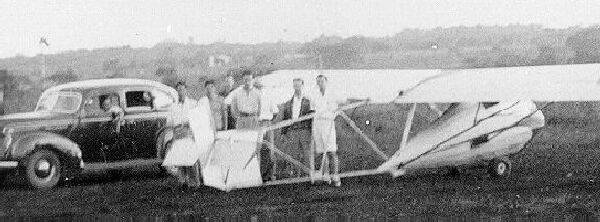
In March 1941, Eugenio Hernández Alvarez, from Carden, completed the calculations and plans, and began the selection and testing of the Cuban woods that would be used in the construction of a glider. Construction began in July 1941 and was completed in November 1945.
The builders were: Eugenio Hernández Alvarez and Mario Ajón. They used the area around Eugenio’s house, as well as their tools and for four years in their free time, it can be said, they built this glider.
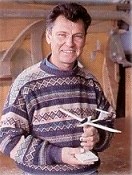
Eugenio and Mario with the glider
In December 1945, all the tests required to obtain the certification and license granted by the Cuban Aeronautical Federation were carried out. Eugenio Hernández Alvarez, Pedro de la Fé and Flores, were the two test pilots.
In January 1946, all the details of this glider were made known to the Cuban press. On the demonstration flight, Pedro de la Fé Flores was the pilot and Eugenio Hernández told the press about the entire process of this special flight.
At one o’clock, on the track of the Pilderó farm, using a special rope 1,500 feet long (brought from Manila and paid for by Luis Ramírez) and powered by a Ford car driven by Avilio la Fé, the glider ascended at a height of 800 feet.
Using the thermal currents, the glider flew for 23 minutes, over the southern limits of the city of Cárdenas, Matanzas, Cuba, 5 kilometers from the takeoff place, returning to this place without losing the height of 800 feet, making a perfect landing.
This “Primus in Cuba” glider was a work of engineering and individual Cuban and Cardenian initiative according to the report by René Blázquez de la Grana that appeared in “El Crisol”, Havana, January 9, 1946.
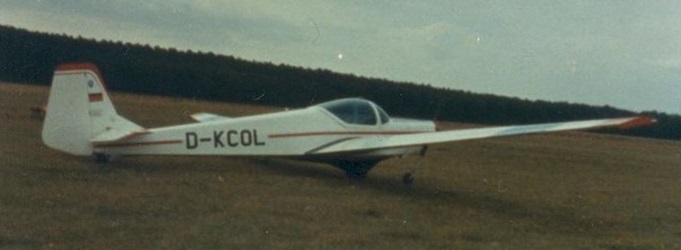
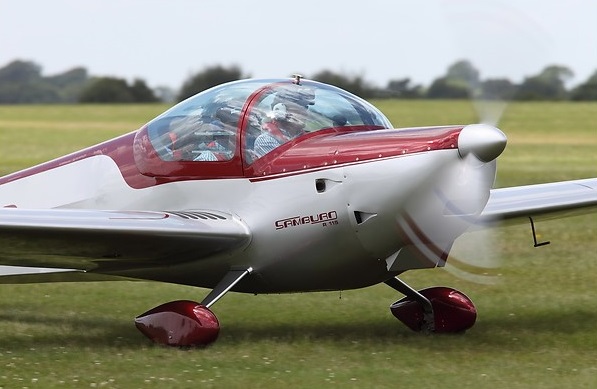
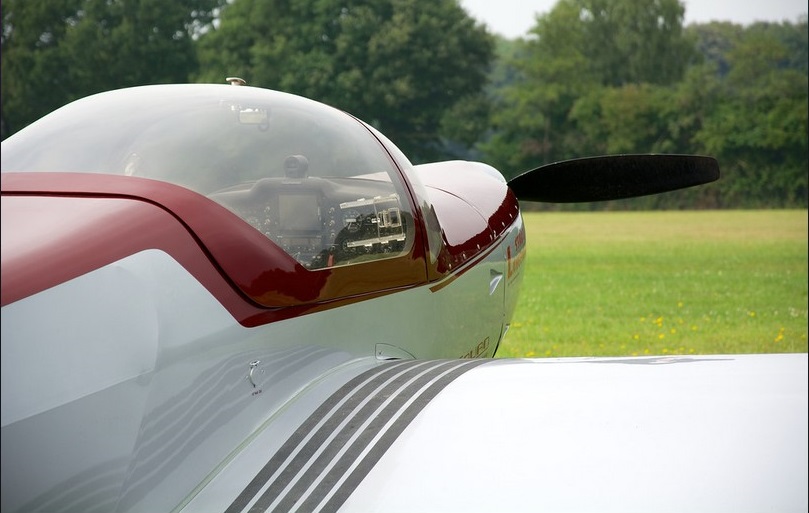
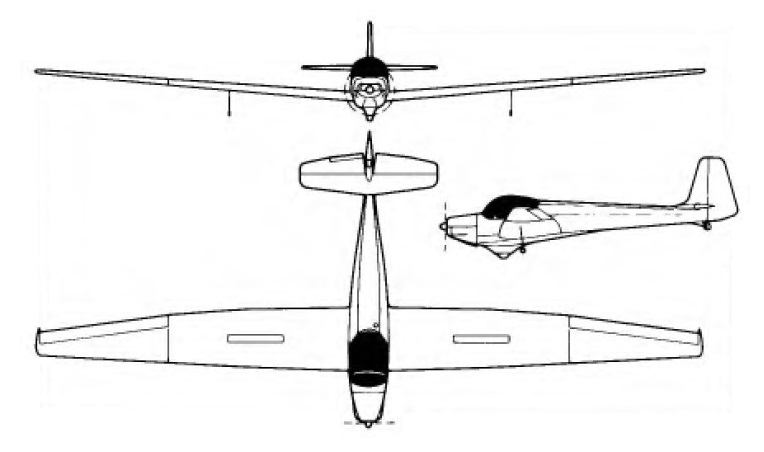
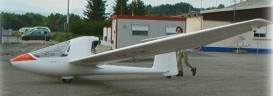
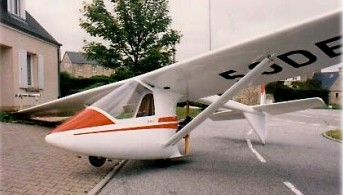
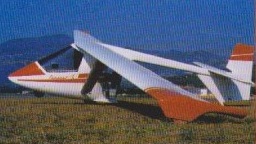
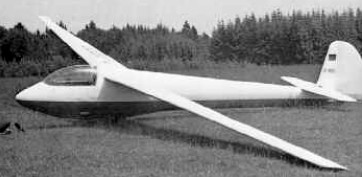
This Austrian side-by-side two-seater motor glider was designed by Werner Vogel with the assistance of Professor Dr Ernst Zeibig, and is intended for training as well as cross-country and pleasure flying.
The cantilever low wings are of conventional wood and fabric construction with spoilers in the upper surfaces, and can be folded back to an overall width of 32ft 9.5 in (10m) for hangar storage. The fuselage is a fabric covered steel tube framework and the rear section of the two-piece cockpit canopy slides backwards for the pilots’ access; the latter have dual controls. The cantilever tail unit has a low-set tailplane with a trim tab in the starboard elevator. The undercarriage consists of a non-retractable monowheel recessed into a fairing under the fuselage, and small outrigger wheels on nylon legs under the wings at about 40% of each half-span; there is also a steerable tailwheel, and the main wheel brake can also be used as a parking brake.
It first appeared as the AVo 60 Samburo with a 60hp Limbach SL 1700EA ‘flat four’ engine driving a two blade fixed-pitch propeller and with a slightly smaller fuel tank. The production AVo 68V first flew in 1977 and has a 68hp Limbach SL 1700E4 engine driving a two-blade variable-pitch propeller, and has higher weights than the AVo 60. As originally designed, it also had a sailplane-like undercarriage consisting of a single mainwheel and a steerable tailwheel; however, later versions have a fixed taildragger undercarriage with two spatted mainwheels.
A total of 16 Samburos had been built by the Alpla-Werke Alwin Lechner OHG by the end of 1977, but production ended in January 1979.
With numerous design changes – including modern Rotax engines, state-of-the-art avionics, and aerotow capabilities, it was in production by the M&D Flugzeugbau company in Germany in 2011.
Variants:
AVo 60 Samburo The initial prototype powered by a 60 PS (44 kW) Limbach engine.
AVo 68 Samburo Production aircraft powered by 68 PS (50 kW) Limbach engines.
AVo 68 Engine: Limbach, 60 hp Wing span: 16.7 m / 54 ft 9.5 in Length: 7.9 m / 25 ft 11 in Height: 1.82 m / 5 ft 11.5 in Wing area: 20.7 sq.m / 222.8 sq ft Wing section: Gottingen 549/NACA 642 Aspect ratio: 13.6 Empty weight: 470 kg / 1,036 lb Max weight: 685 kg / 1,510 lb Water ballast: None Max wing loading: 31.4 kg/sq.m / 6.43 lb/sq ft Max speed: 92 kt / 170 km/h Stalling speed: 32.5 kt / 60 km/h Min sinking speed: 0.85 m/sec / 2.79 ft/sec at 40 kt / 74 km/h Best glide ratio: 24 at 43 kt / 80 km/h T-O run: 150-180 m / 492-590 ft Rate of climb: 2.8 m/sec / 9.2 ft/sec
AVo 68V Span: 54 ft 8.75 in Length: 26 ft 0.5 in Height: 5 ft 9.75 in Wing area: 222.8 sq ft Aspect ratio: 13.6 Empty weight: 1,036 lb Max weight: 1,510 lb Max speed: 106 mph Max cruising speed: 90 mph Min sinking speed: 2.79 ft/sec at 46 mph Best glide ratio: 24:1 at 50 mph Take-off run: 492-500 ft
AVo 68-R 115 Engine: 1 × Rotax 914F, 85 kW (115 hp) Wingspan: 16.68 m (54 ft 9 in) Length: 8.05 m (26 ft 5 in) Height: 1.86 m (6 ft 1 in) Wing area: 20.7 m2 (223 ft2) Aspect ratio: 13.6:1 Empty weight: 550 kg (1,212 lb) Gross weight: 750 kg (1,543 lb) Maximum speed: 215 km/h (134 mph) Range: 1000 km (623 miles) Maximum glide ratio: 25:1 Rate of climb: 6.0 m/s (1,180 ft/min) Rate of sink: 1.15 m/s (226 ft/min) Crew: one pilot Capacity: one passenger
The Exel is a single-seater designed by Claude Noin to offer more performance than the Sirius. It is available as a fast-build kit or ready to fly, and uses composite materials only. Alpaero pre-manufacture Exel sub-assemblies in their facilities at Gap-Tallard. The most difficult parts, requiring the use of composite materials, large molds, special tools or skills, are all pre-manufactured. The wings can be built easily with traditional wood and fabric techniques, and all other fabrications can be accomplished by the average builder. The Exel is a very simple motorglider concept with no retractable engine or propeller but with enough soaring performance to fly long distances. The Exel is a light motorglider, and complies with the FAI international requirements for ultralight aircraft. It is marketed as a fast-build kit (around 300 hours), or ready to fly. The Exel is designed as a small single-place powered sailplane, and uses a “pod and boom” concept with a pusher engine installation, driving an automatic folding propeller. It uses a modern laminar airfoil and a light 2-stroke engine. The pilot enjoys a comfortable reclined position and a perfect visibility inside a roomy cockpit. This motorglider is focused on strength, economy, and performance in thermals, for true recreational soaring. The design is uncomplicated, but incorporates the modern design advantages, like automatic control connections, ballistic rescue parachute and low maintenance thanks to the composite materials. The landing gear is a fixed monowheel and the tailwheel is integrated into the rudder, making turns easy on the ground. The aircraft can be launched and landed on rough fields. The canopy is a simple and economical flat-wrapped screen. A rescue parachute can be easily installed inside the fuselage. After testing various powerplants the JPX D-330 two-cylinders engine is used. The JPX D-330 is a flat twin opposed construction, and delivers 20 hp with muffler, electric start and CDI and a TBO (Time Between Overhaul) of 500 hours. During Summer 2006 an Exel based on the single-cylinder Hirth F-33 was developed. This engine is more powerful (28 hp), and enables more performance in motorized flight (especially climb speed) as well as power-off, thanks to the lower drag of the engine cowling. The fuselage is molded in two halves of fibreglass/epoxy, with plywood bulkheads. Carbon spar caps and fibreglass wing skins. Lexan/polycarbonate canopy with carbon fibre frame. Fabric-covered rudder. Flying controls are: pitch control by a conventional elevator, actuated by teleflex. Combined flaps/ailerons (flaperons) for roll control and speed adjustment, with three positions as flaps : -5°, 0°, +5°. Conventional rudder actuated by cables. Airbrakes on upper surface wing. Standard control system (stick and pedals). The landing gear is monowheel type, fixed. Tail wheel integrated into the rudder for directional control on ground. Small wheels under each wing tip. Drum brake. A ballistic parachute recovery system (optional).
Engine :
One 14.91 kw (20 hp) JPX D-330 engine with 2.38:1 reduction gear driving a foldable carbon fibre 2-blade propeller at 6,500 rpm. Fuel capacity 19 litres (5.02 US gallons, 4.18 Imp gallons).
or One 20,90 kw (28 ch) Hirth F-33 BS engine driving a foldable carbon fibre 2-blade propeller. Fuel capacity 19 litres (5.02 US gallons, 4.18 Imp gallons). Wing span: 13.74 m (45.1 ft) Length overall: 5.90 m (19.3 ft) Propeller diameter: 1.28 m (4.2 ft) Wing area: 11.62 sq.m (125.1 sq ft) Aspect ratio: 16.2:1 Weight empty: 190 kg (432 lb) Max T-O weight: 310 kg (683 lb) Max wing loading: 26.67 kg/sq.m (5.46 lb/sq ft) Cruising speed at 75% power: 120 km/h ( 65 kt, 75 mph) Max speed: 180 km/h ( 97 kt, 112 mph) Stalling speed: 64 km/h ( 34 kt, 39 mph) Max rate of climb: 2.2 m/s (434 ft/mn) Endurance: 3 hours T-O run: 150 m (492 ft) Landing run: 140 m (459 ft) Best glide ratio: 30:1 Min rate of sink: 0.75 m/s (148 ft/mn) G limits (operational): + 4.4 / -2.2 G Seats: one pilot
Noin Aeronautiques Exel Engine: König 430, 24 hp Wing span: 12.45 m Wing area: 10.90 sq.m MAUW: 290 kg Empty weight: 165 kg Fuel capacity: 38 lt Max speed: 180 kph Cruise speed: 120 kph Minimum speed: 55 kph Climb rate: 3 m/s Seats: 2 Fuel consumption: 5 lt/hr Price (1998): 1 744 870 Fttc Kit price (1998): 55 000 Fttc
In 1984, Claude Noin created a single-place motorglider powered by a light two-stroke engine : the Sirius. Twenty-two kits were delivered to customers, mainly in France. The Sirius used composite materials for the fuselage, and wood and fabric for the wing, and was powered by a light two-stroke engine, driving a two-blade propeller. The first prototype flew in August 1984. It used a tube, wood and fabric structure and an 11 m wing. The production types have a composite fuselage and a longer wing. The design focused on economy and performance at low speeds, features a high wing, a fixed engine and propeller and a fixed gear, with conventional control system with stick and pedals. Pitch control by elevator, including a trim tab, actuated by cables. Ailerons for roll control. DSF Spoilers / Airbrakes on upper surface wing. The fuselage is molded in two halves of fibreglass/epoxy, with plywood bulkheads and a Lexan/polycarbonate one-piece removable canopy. With a fabric-covered rudder, the composites wing structure has wooden main spar and glass fibre/epoxy stiffened Styrofoam ribs. The leading edge made of hot wire cut foam laminated with glass fibre and epoxy resin. Wings are covered with heat-shrink fabric. The landing gear is fixed with the main wheel at the C of G location, with drum brakes. Equipped with a nose wheel and small wheels under the tail and under each wing tip.
Noin Aeronautiques Sirius C
Sirius Engine: one Koenig 3-cylinders (24 hp)
Sirius C Engine: One JPX-D-320 (18 hp) Prop: fixed 2-blade Fuel capacity 19 litres Wing span: 13.4 m Length overall: 5.90 m Wing area: 14.30 sq.m Weight empty: 142 kg Max T-O weight: 270 kg Max speed: 130 km/h Stalling speed: 48 km/h Max rate of climb: 2 m/s (394 ft/mn) Best glide ratio: 23:1 Min rate of sink: 0.90 m/s G limits: + 4.4 / -2.2 G Seats: 1
Noin Aeronautiques Sirius C Engine: König 430, 24 hp Wing span: 13.48 m Wing area: 13.40 sq.m MAUW: 270 kg Empty weight: 150 kg Fuel capacity: 29 lt Max speed: 130 kph Cruise speed: 90 kph Minimum speed: 48 kph Climb rate: 2 m/s Seats: 1 Fuel consumption: 5 lt/hr Plan price (1998): 1929 Fttc Kit price (1998): 27 386 Fttc
Since 1973, the Noin brothers have been constructing free-flying wings (first sold under the Dahuplane brand). Much more interested in research than commercial, they have tackled free flight trying to achieve aerodynamically safe aircraft. They are at the origin of the rods for the maintenance of the twist at the end of the wing and of the return halyards to give reflex to the sail.
They designed and built DAHU-PLANE, FLEX-PLANE, STRATUS 1, III B, and IV, CUMULUS 1, II and III, NIMBUS 1 and D 122 (double internal transverse surface) EDELWEISS and the TORNADO.
ALPAERO is owned and operated by Claude Noin, a skilled expert in composite and wood structures with over 20 years of design/build experience. Claude Noin is the son of a famous glider pilot, Felicien Noin, who was the first pilot to cross the Alps in a glider. He is able to use the latest technologies as well as the more traditional ones. He founded his firm Noin aeronautique in 1976 and manufactured or repaired several airplanes, motorgliders, boats (single hull or multi-hulls), and hang-gliders. ALPAERO is the trademark used by Noin aeronautique to manufacture and market the Choucas and Exel motorgliders on the international scale. ALPAERO tightly cooperates with experts specialized in aerodynamics and structures, with the stringent JAR-22 as a guideline.
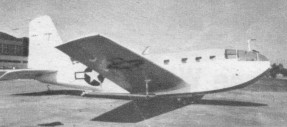
During 1942 the US Navy let contracts for the development of several amphibious transport gliders. Two of the contracts called for twelve-seaters manufactured primarily from non-strategic materials, these being the Allied XLRA 1 and the Bristol XLRQ 1.
The Allied XLRA 1 was a low wing cantilever monoplane constructed mainly of moulded plastic plywood and carrying two crew members seated in tandem, and ten troops. A jettisonable undercarriage was fitted this comprising a single twin wheel main member, a small tailwheel, and two small stabilising wheels attached at approximately quarter span, and it was intended that the glider would be towed by standard naval aircraft Two prototypes were built (BuAer Nos. 11647 and 11648), and one hundred production LRA Is (BuAer Nos. 31403 502) were ordered, but none of these had been completed when the U.S. Navy cancelled its glider programme. The LRA 2 was a proposed version with a conventional undercarriage.
Organized in January 1941 to make molded-plywood aircraft structures and in 1943 built large amphibious glider for US Navy. Was developing, in 1945, the prototype of the Allied Trimmer light twin-engined flying-boat amphibian. Manufacturing rights acquired by Commonwealth Aircraft Inc., Kansas City, Missouri.
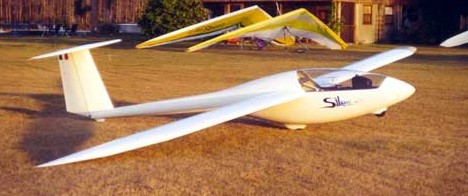
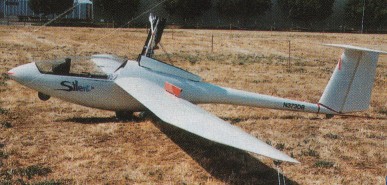
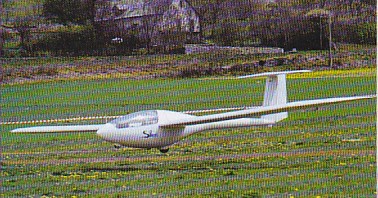
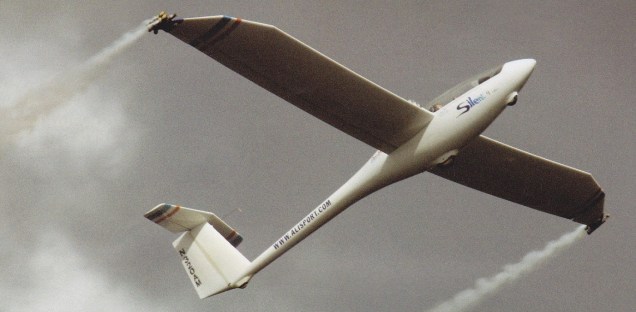
The Silent Club is a light sailplane with 12-meter fiberglass wings for recreational flying. It has a blend of agility/control responsiveness, climb performance, safety, and fun. The two-position flaps have a reflex position to maintain good glide performance at higher airspeeds. The pure sailplane and fuel-injected self-launcher versions were available as quick-build kits. Assembly is simple, both due to all controls having fully automatic connections and due to the light weight of the wings. The airframe is built entirely of composite materials, with use of carbon fiber in the aft portions of the fuselage pod, the tail boom, and various critical locations of the structure. The cockpit is completely built of glass fibre. The Silent Club’s low sink rate and its stability while thermalling allow it to fly with hang-gliders and to be practically unbeatable in climb when compared with Standard class or 15m class sailplanes. It is easy to both launch and to land, and is particularly suitable for new pilots performing their first single-seat flights. The Silent Club has very efficient conventional air brakes and can be landed in less than 70 m (230 ft). Due to its span of only 12 m (39 ft) it can be stored in a small space. A fully enclosed “clam-shell” trailer is available for road transportation. The Silent 2 is a high-performance light sailplane with 13-meter wings for recreational and sport flying. The carbon-fiber wings have an elliptical planform, removable winglets, and five flap settings to cover the entire speed range. The pure sailplane and fuel-injected self-launcher versions were available as quick-build kits. Several World records have been set with the Silent 2 in the FAI Class-DU. A basic airframe combined with reasonable pilot weight will generally result in a take-off weight under the 220kg (485 lbs) maximum allowable required for the FAI’s DU Class. The Silent 2’s airframe is built entirely of composite materials, with use of carbon fiber in the aft portions of the fuselage pod, the tail boom, and various critical locations of the structure. The oven-cured wing structure includes extensive use of carbon-fiber. The sandwich skins use vacuum-bagged carbon fabric for the interior layer and glass fabric for the exterior layer while the wing spar uses pultruded carbon rods for the spar caps. It tows well behind trikes, sport-aircraft, and regular towplanes, making it versatile for all types of glider operations. The Silent 2 TARGA is a high-performance light sailplane for recreational and sport flying. It has retractable landing gear, vertical-design winglets, and horizontal stabilizer with automatic trim. The pure sailplane and fuel-injected self-launcher versions were available as quick-build kits.
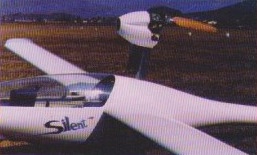
Powered by the proven Alisport A302efi engine producing 28hp at 6200rpm, this single-lever FADEC engine has electronic ignition, fuel-injection, electric start, and flywheel generator. The counterweighted monoblade carbon-fiber propeller has a swept diameter of 1.4m and electrically retracts into the fuselage along with the engine pylon. The wings have an elliptical planform, vertical design winglets, and a span of 13.3 meters. The wing structure includes extensive use of carbon fiber, both in the sandwich skins and in the tapered I-beam wing spar which uses pultruded carbon rods for the spar caps. The wing geometry is unique in that it varies non-linearly from the root to the tip, both in overall planform shape and in wing section profile. The flaperons stretch for 11.0 meters of the full wingspan and their range of motion varies from positive landing L, to +40 for thermalling, to 00, -40, and S reflex positions for cruising. The sailplane is trimmed in pitch via an innovative variable-position horizontal stabilizer. The stabilizer position is governed by the flaperon setting: the five settings of the flap control produce corresponding changes to the stabilizer incidence, thus defining the trim airspeed in relation to the flap requirements. The conventional elevator remains in trail, minimizing trim drag.
The Silent OP version has the engine mounted on a fixed pylon. Power is the Konig SD 570 or retractable Zanzoterra FZ 34 and single blade prop.
Silent OP
Silent-1N launching with two jet engines
Silent Light sailplane circa 1998. Weight: 130 kg Wing span: 12 m Wing area: 10.3 sq.m Vne: 200 km Stall: 54km Vz min: 0.6 m/sec Glide Ratio: 32 @ 90 kph
Silent Club Length: 20.8 ft. Wingspan: 12m / 39.3 ft. Wing area: 10.3sq.m / 110.9 sq.ft. Aspect ratio: 14-1 Seats: 1 Cockpit width: 22 in Empty wt: 135kg / 300 lbs. Mtow: 240kg / 530 lbs. Payload: 105kg Cruise: 60 mph. Stall: 36 mph L/D: 31-1@ 85 km/h Min sink: 126 fpm / 0.64 m/s @ 65 kph. Structure: all composite
Silent 2 Targa Self-Launch Engine: Alisport A302efi 28 Hp single-cylinder air-cooled Wing span: 13.3 m / 43.6 ft Length: 20.8 ft. Wing area: 8.9sq.m /95.7 sq.ft. Aspect ratio: 20 Empty Weight: 185kg / 385 lbs. Payload: 105kg MTOW: 300kg / 660 lbs Fuel cap: 4.2 USG L/DMax: 40 at 90 km/h MinSink: 0.60 m/s / 118 fpm @ 85km/h Cruise: 56 mph Stall: 40 mph No. of Seats: 1 Cockpit width: 22 in
Silent OP Engine: Konig SD 570, 28 hp Wing span: 12 m Wing area: 10.30 sq.m MAUW: 270 kg Empty weight: 165 kg Fuel capacity: 2 x 20 lt Seats: 1 Max speed: 200 kph
Alisport Srl is comprised of three aviation divisions (sailplanes, STOL aircraft, and propellers/accessories) that operate in shared facilities. Although Alisport’s origins are in the Silent line of light sailplanes, sport and recreation aviation is the common foundation binding the three divisions. Alisport Srl is based in Cremella (Lecco) located in northern Italy near Milan. 1998: Vial Confalonieri 22, I-23894 Cremella LC, ITALY 2008: Alisport Srl Via Confalonieri, 22 Cremella (Lecco), Italy