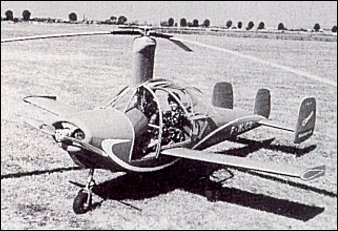
Helicop-Air L.50 Girhel / L.51 Girhel

In France, Helicop-Air, produced the prototype of a two-seat light autogyro-type aircraft known as the Girhel.

The Girhel is a side-by-side two-seat light aircraft to which an autogyro rotor has been fitted. It was designed with the assistance of Ing. Georges Lepere.
For take-off the rotor can be set turning by engaging a clutch in a drive-shaft from the engine. In flight the rotor autorotates and the engine drives a tractor airscrew in the conventional manner. Most of the “lift” is contributed by the fixed wings in cruising flight, so that the rotor is heavily loaded only during take-off and landing. The three-blade rotor is of wood construction, with variable pitch. Starting is by a clutch and drive-shaft from engine. The wings are mid-wing cantilever monoplane with a single metal spar, wood covering, large ailerons, and end-plates at the tips.

The all-metal fuselage structure has a cantilever monoplane type tail unit, with conventional elevators, two fins and central rudder. All-wood structure. The landing gear is a non-retractable tricycle type. The nose-wheel is steerable and brakes are on the main wheels.

The two seats are side-by-side in the enclosed cabin. Dual controls are optional. Space for baggage is aft of the seats. There is provision for carrying a litter or agricultural spray-gear.
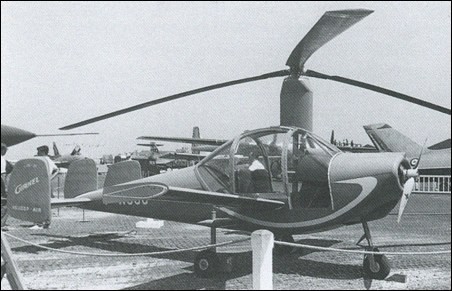
This was exhibited for the first time at the 1959 Paris Salon de l’Aeronautique.

It is not clear whether the prototype actually flew.

Two versions of the Girhel were offered:
Girhel L.50. 90hp Continental C90 engine with Ratier two-blade fixed-pitch airscrew.
Girhel L.51. With 150hp Lycoming O-320 engine with a variable-pitch airscrew.

Helicop-Air L.50 Girhel
Engine: Continental C.90, 65kW
Prop: Ratier two-blade fixed-pitch
Rotor diameter: 10.0m
Wngspan: 6.0m
Length: 6.10m
Height: 2.70m

Helicop-Air L51 Girhel
Engine: Lycoming O-320, 150hp
Prop: variable-pitch
Rotor diameter: 10.0m
Wngspan: 6.0m
Length: 6.10m
Height: 2.70m
Weight empty: 416kg
Weight loaded: 750kg
Max speed (est.): 215km/h
Cruising speed (est.): 180km/h
Min flying speed (est.): 22km/h
Range with pilot and 234kg payload (est.): 100km
Range with two persons and baggage (est.): 1000km
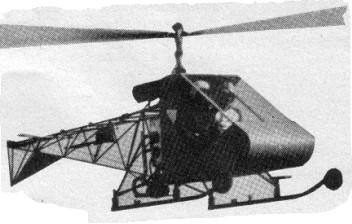
Helicom H-1 Commuter Junior

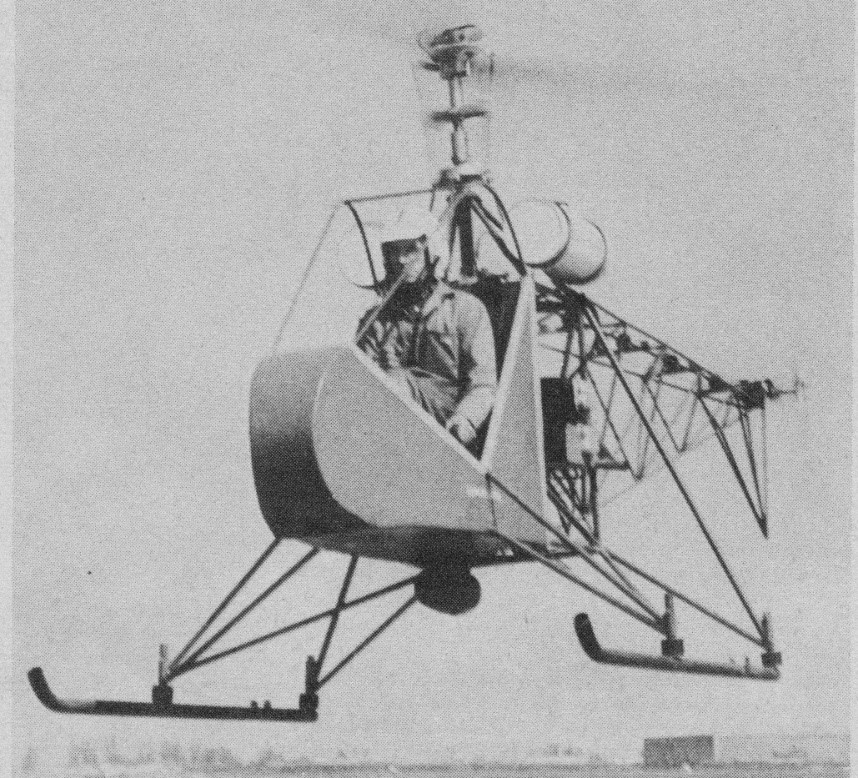
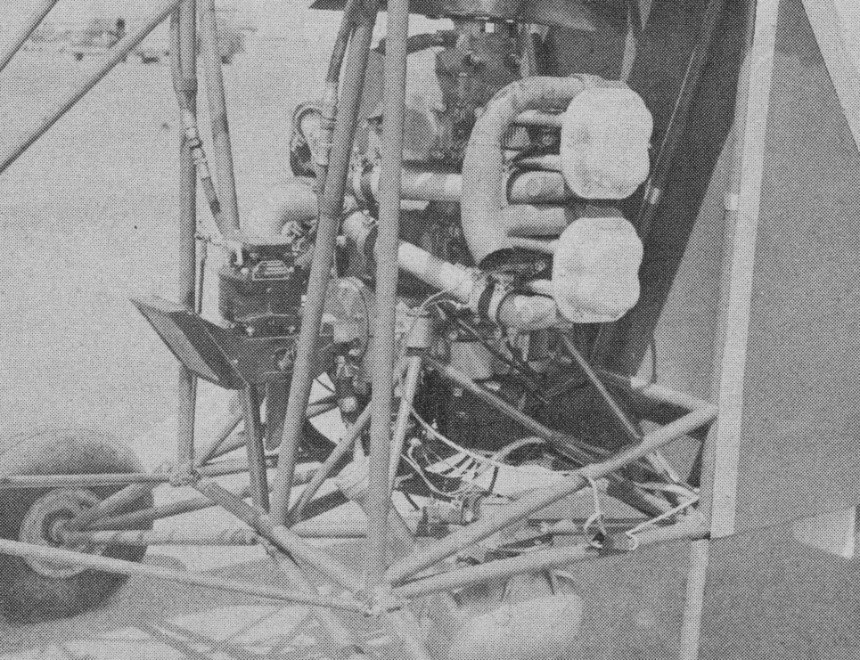
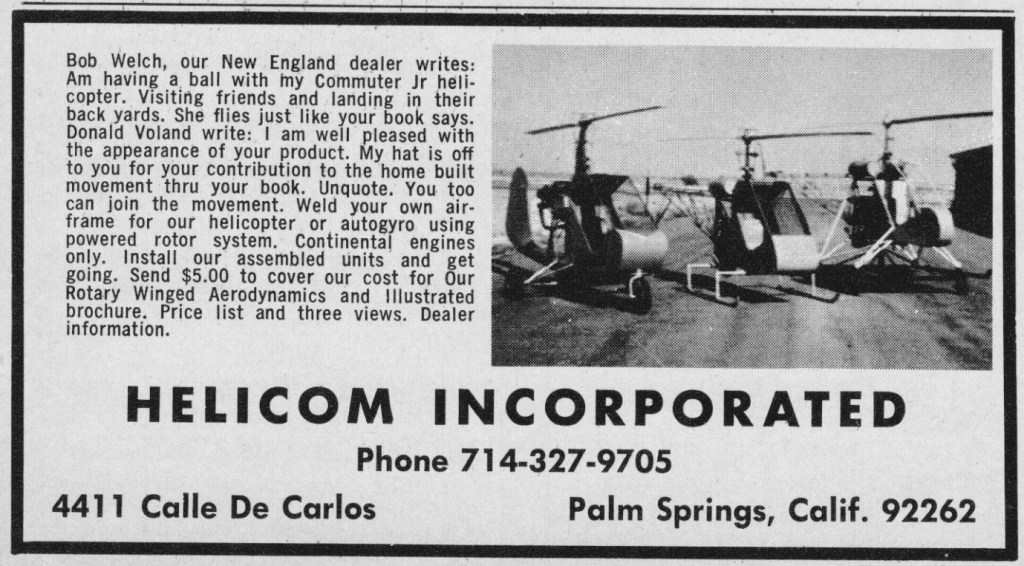
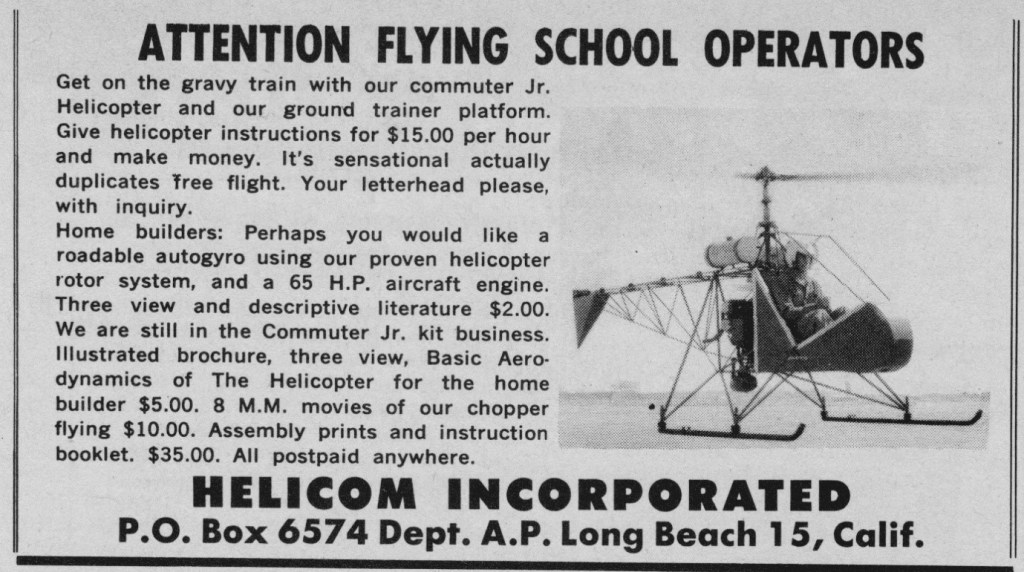
Harold E. Emigh founded the Helicopter Research Corporation in 1954 to develop and market a single-seat personal helicopter. Known as the Helicom Commuter Jr Model H-1 A, the prototype first flew in 1960, and was sold both in ready-to-fly form and as a kit for assembly by amateur constructors. A ground trainer version was developed also, mounted via a gimbal to a castoring base which was too heavy for the helicopter to lift from the ground.

Jan 65
Harold Emigh Sr 1964

The commercial rights were sold to Southern Pacific Aircraft Co and then to International Helicopter Inc of Mayville, New York, with the machine being refined along the way as the Commuter II.

Engine: Continental, 90 hp.
Gross weight: 950 lb
Fuel capacity: 2 x 6 USG
Cruise: 90 mph

Helicom Inc

The Helicopter Research Company was founded by Harold E. Emigh in the early 1950s to build a single-seat, ultra-light conventional helicopter for amateur construction using either plans of kit – the H-1 Commuter Junior.
By 1963 the company had been renamed Helicom Inc and was based at Long Beach, California.

Harold Emigh Sr, a 15,000 hr fixed-wing pilot, taught himself to fly helicopters in the H-1 Commuter Junior.

September 1968

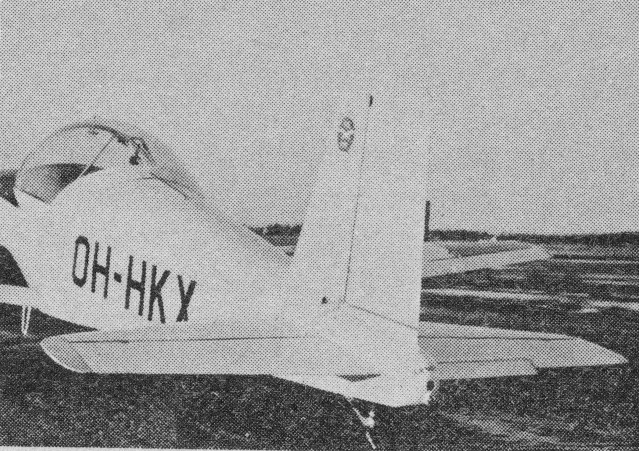
Heinonen HK-2

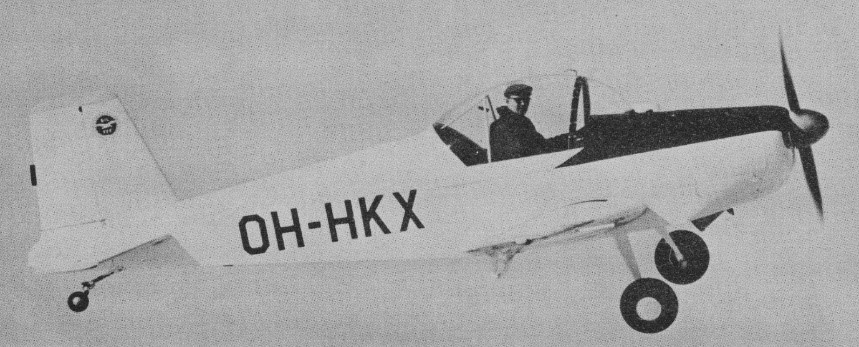
Juhani Heinonen produced the Heinonen HK-4 in 1964 for the Finnish Aeronautical Association.

Heinonen developed the two-seater with an all-wood wing, ailerons fabric covered. The all-wood fuselage has four main longerons and plywood covering. The tail is wood cantilever with fabric covered rudder and elevator. An elevator trim is adjustable from the cockpit.

The landing gear uses cantilever spring steel main legs attached to the wing, and the tail wheel is steerable.

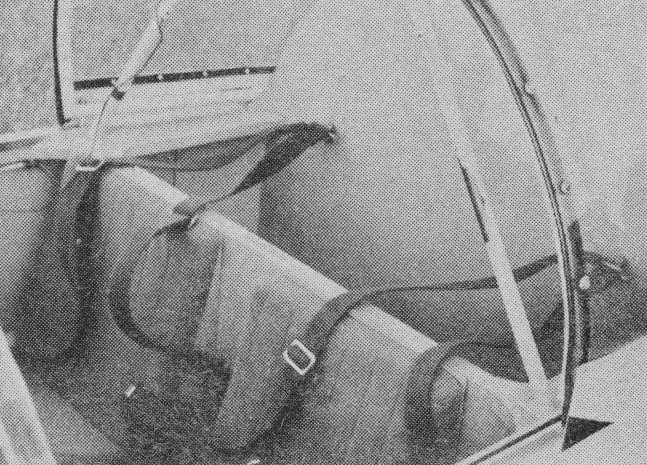
A baggage compartment is behind the seats.

Gallery

Engine: Lycoming O-235-C1, 115 hp
Wing span: 26 ft 0.5 in
Lengt: 20 ft 2 in
Height: 7 ft 1.5 in
Empty weight: 870 lb
MTOW: 1323 lb
Top speed: 148 mph
Cruise: 127 mph
Service ceiling: 15,400 ft

Heinonen HK-1 Keltiänen

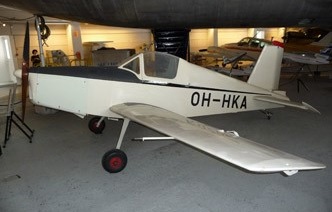
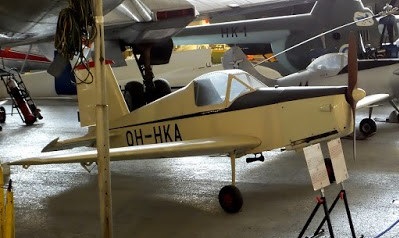
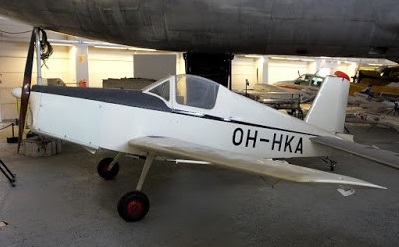
The HK-1 Keltiänen was designed and built by engineer Juhani Heinonen in 1954, registered OH-HKA.

The only Finnish aircraft which has achieved a world’s record. plane He made the record long distance flight on 10 July 1957, from Madrid to Turku nonstop, 2844 km in 17 hours 1 minute. This constituted a world’s record in category C-1.A; single-engine land planes with take-off weight max 500 kilos. The record stayed with this aircraft until 1974.

The aircraft was in use from 1954 – 1978.

Heinkel

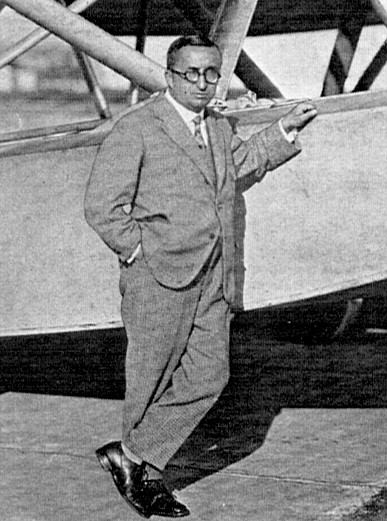
Ernst Heinkel

Ernst Heinkel was born in Grunbach, Germany, today a part of Remshalden. As a young man he became an apprentice machinist at a foundry. Heinkel studied at the Technical Academy of Stuttgart, where he initially became interested in aviation through a fascination with Zeppelins. In 1909, after he attended an international airshow in Frankfurt am Main, he determined flight was the future of transportation, and the following year, he built his first aircraft.

Ernst Heinkel established his own company shortly after the liquidation of Hansa Brandenburg, building a series of single-engined seaplanes (He 1 to He 8) in Sweden to circumvent the ban on the construction of military aircraft in Germany.

Ernst Heinkel Article

Heinkel, created in 1922, dealt with design, building of prototypes and small series. Large-scale production was not available, since all its production areas were limited to old aviation hangar in Varnemyunde.
The general practice was using HD designations for Heinkel Doppeldeckers (biplanes) and HE designations for Heinkel Eindeckers (monoplanes) was dropped in favour of He designations.
The He 51 biplane fighter went into production for the Luftwaffe in the 1930s and served with the Condor Legion in Spain. When the Heinkel He 70 passenger/mailplane appeared in 1932, ostensibly for Deutsche Lufthansa, it was the most advanced aerodynamic design then seen in Europe. A natural outgrowth of this design was the Heinkel He 111 twin-engined bomber which served with the Luftwaffe throughout the Second World War. A Rolls-Royce Merlin-engined version of the He 111 was built by CASA in Spain, and served with the Spanish Air Force until the late 1960s. Heinkel also produced late in the war the He 162 Volksjager (People’s Fighter), a lightweight turbojet fighter constructed almost entirely of wood. Heinkel had designed, built and flown the world’s first jet aircraft, the He 178, in 1939. Other significant Heinkel projects included the He 177 Greif heavy bomber and the He 219 Uhu nightfighter.
Heinkel joined VFW in 1965.

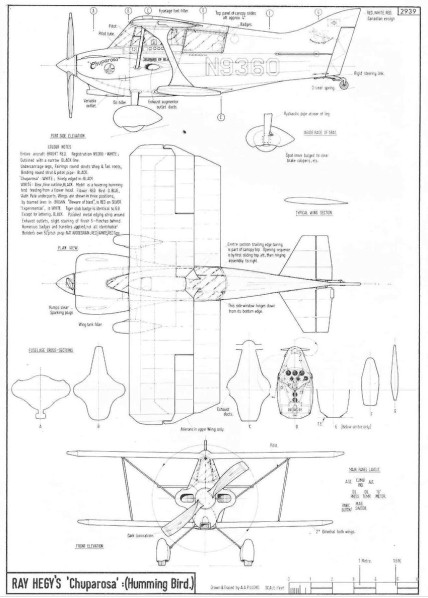
Hegy Chuarosa / Humming Bird

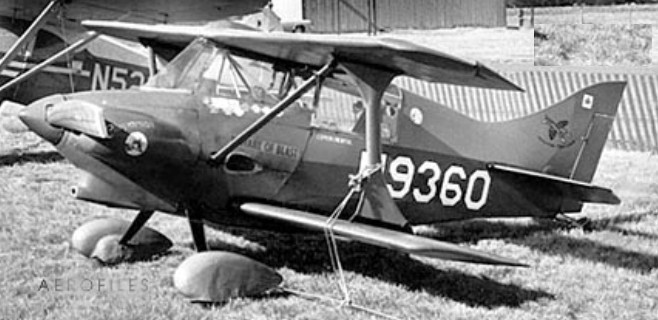
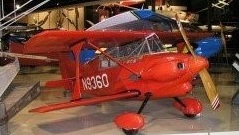
This was a single-seat enclosed cabin biplane designed and built by Mr. Ray Hegy, who was famous for his wooden propellers. Work on the aircraft started in 1950 and was it completed in 1959, making the first flight on 1 May of that year as N9360. The aircraft had a 65hp Continental A65 engine and a mixed steel tube/wood construction. The aircraft was donated to the EAA (AirVenture) Museum.

Gallery

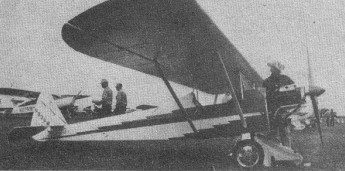
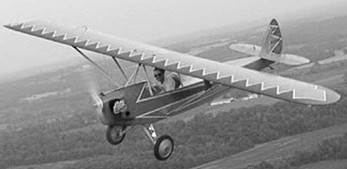
Heath LNB4 Parasol

Designed and built originally in the U.S.A. by Ed. Heath during the early 1930s, this single seat sports aeroplane was built in large numbers prior to the 1939-45 War. The Parasol was powered mainly with Heath’s own conversion of the 25-hp Henderson motorcycle engine. Production was undertaken for an early version of this aircraft in Australia, as early as 1931 by the Adcock-Heath Co.

Heath LNB4 Parasol Article

Heath B-4 / OK-AT(V) Švec

The fuselage is built of welded steel tube and is fabric covered. The wings consist of two solid spruce spars, built-up wooden ribs, compression struts and internal bracing. Externally, the wings are braced by steel tubes to the fuselage. The empennage is built of wood, the fin and tailplane being externally braced. The whole aircraft is fabric covered. Two 5 Imp. gallon fuel tanks are installed at the root end of each wing half, the fuel being gravity fed to the engine.

While some were factory built, and the last model actually received an Approved Type Certificate (ATC) in 1932, the majority were homebuilt from factory-supplied kits or from magazine plans. Still being built, this single-seater is usually powered by either a Volkswagen conversion or a 65 hp Continental and is constructed of wood, fabric and tubular steel.

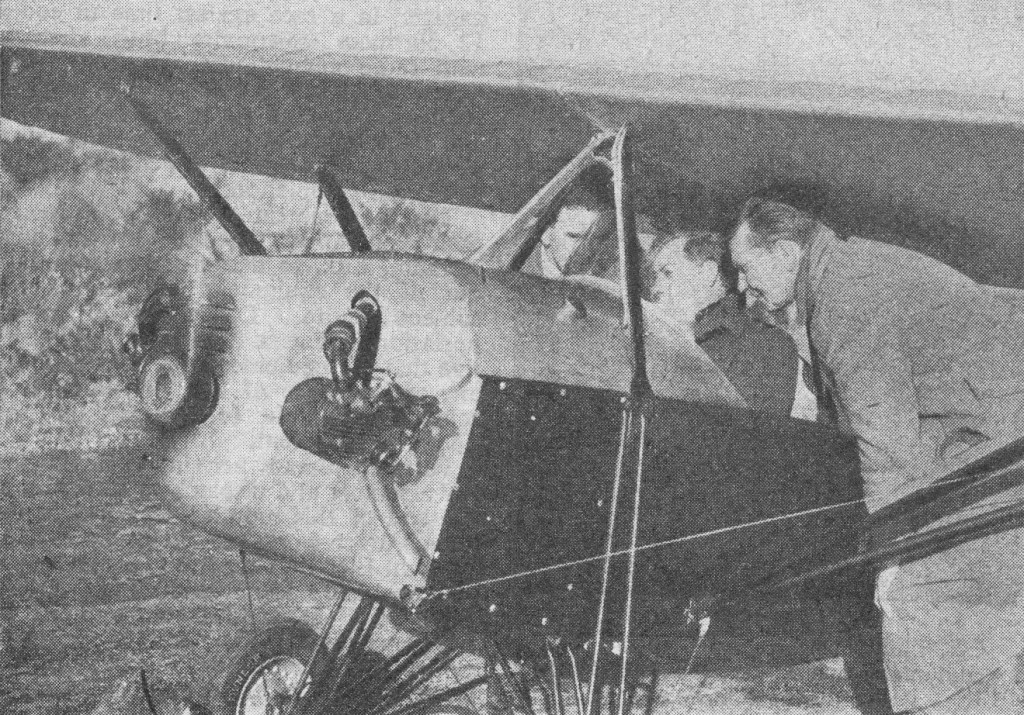
A Plymouth Aero Club member flew a Parasol in the UK powered by a Douglas dirt track motor cycle engine.

1949 A.B.C. Scorpion powered in the UK

Ultralight replica: Rag Wing RW 5 Heath Replica

Gallery

Engine: Continental A40
Wingspan: 31ft. 3 in
Length: 17 ft. 3 in
Wing Area: 135 sq. ft.
Empty Weight: 450 lb.
Gross weight: 700 lb
Fuel capacity: 9 USgals
Wing Loading: 5.2 lb/sq. ft.
Max. Speed: 85mph.
Top speed: 73 mph
Cruise speed: 62 mph
Stall Speed: 32mph.
Climb rate: 500 fpm.
Range: 330 miles.
Takeoff run 400 ft.
Landing roll 400 ft.

Heath Aircraft Co

Edward Bayard Heath

Edward Bayard Heath was born on November 17, 1888 in Brooklyn, New York to Clark Heath and Ada M. Johnson.

Heath designed and built a series of aircraft starting in 1909 with a Bleriot-inspired monoplane. His first flight was on 10 October 1909 in Amsterdam, New York resulting in a broken landing gear. On July 4, 1910 Heath made $500 in appearance fees and $200 in photograph revenues from his aircraft that flew 3 feet above the ground.

In 1911 Heath went to work for Glen Curtiss in Hammondsport, New York as a motorcycle mechanic, next to the Curtiss aircraft factory where he built a second aircraft with Walter Eales making short aerial runs. After purchasing the Chicago-based Bates Aeroplane Company in 1912, Heath founded the E.B. Heath Aerial Vehicle Co., later becoming the Heath Airplane Company.

His company produced the Heath Feather and Heath Favorite after World War I, and later the Heath Parasol series of aircraft powered with Henderson Motorcycle engines.

The 1928 Heath Baby Bullet mid-wing monoplane racer exceeded 100mph (160kmh) on only 32 hp. Heath Super Soarer biplane glider, built 1930, was first unpowered aircraft to loop-the-loop. Heath Parasol of 1931, designed to be powered by a converted motorcycle engine, sold in large numbers to amateur builders.

Married to Berna Heath, Heath died on February 1, 1931 (aged 42) in Maine Township, Cook County, Illinois. He was in an aircraft accident while testing a new low-wing aircraft design.

Heath’s company was eventually purchased and after World War II, changed its product to kit electronics. Heathkit filed for bankruptcy and closed in 2012. As of 2019, the company has a live website at http://www.heathkit.com.