A four place open cockpit biplane flying boat built in 1932 (ATC 2-450) registered NC13206 c/n 10. Power was a 180hp Hisso E.
Era
Walden-Markey
Walden-(Roscoe) Markey Inc,
Strickland & Bassett Aves,
Mill Basin NY.
USA
Circa 1932 airplane builder
Walden V / VI / VII / VIII / IX / X / XI / XII
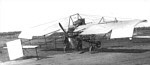
The Walden V to XII were built during 1911-13. The eight built were all monoplanes with tricycle gears and various powerplants, for flight training. Reportedly IIX had a 50hp Roberts, and a 40hp Hall-Scott powered the last four.
Walden IV
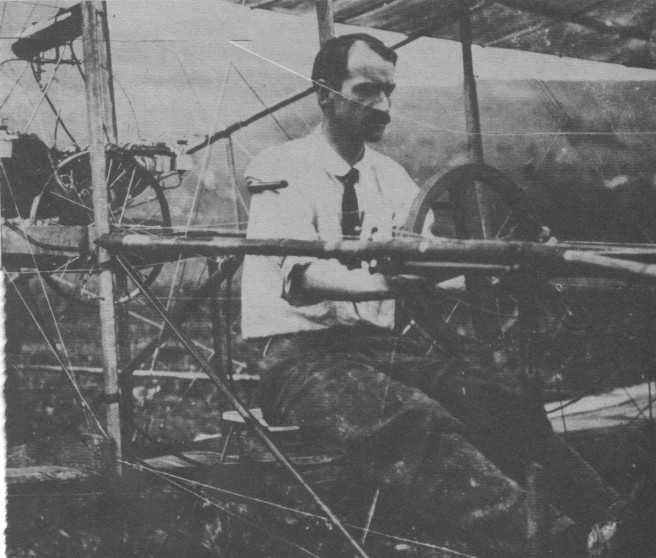
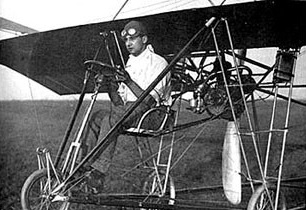
Built by Dr. Henry W Walden in 1910, the Walden IV was similar to III, but with 40hp Hall-Scott and ailerons. The Model IV really flew on 3 August 1910 to become the first successful US-designed and -built monoplane, and the first US craft to be licensed by FAI and Aero Club of America.
Reportedly III and IV went to Dyott when the partnership broke up in 1911 and were sold in South America; Walden retained the hangar and inventory.
Walden III
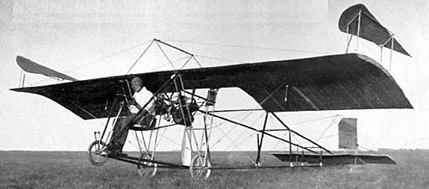
The Walden III had vane-like fins over the wingtips for “lateral balance”. Powered by a 25hp Anzani pusher engine, the single seater rose a few feet off the ground and travelled just over 10 yards before the plane’s one-gallon gas tank ran dry, becoming the first American monoplane to fly. However, this flight was discounted because of its brevity.
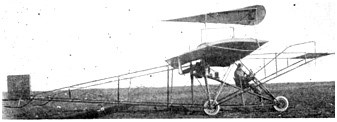
On August 3, 1910, with a 10-gallon tank installed, he tried again and became airborne for about 10 yards at a few feet altitude, albeit still brief, flight that ended in a crash beyond economic repair, breaking several ribs and fracturing his collarbone. This epic flight made headlines in a NYC newspaper and the record book.
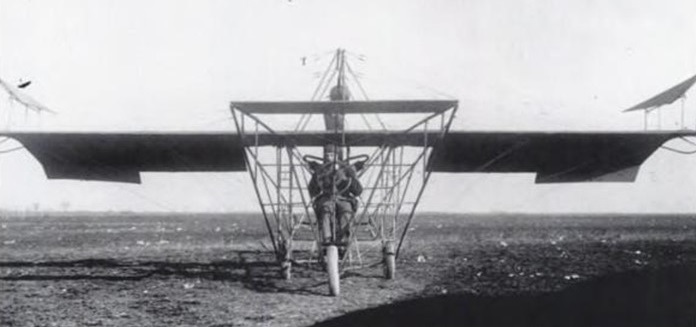
Reportedly III and IV went to Dyott when the partnership broke up in 1911 and were sold in South America; Walden retained the hangar and inventory.
There were claims of 6 more IIIs under construction, but if they were ever completed, flown, or sold is unknown.
Walden I / II

The 1909 Walden I and Walden II were described as looking like two biplanes with an open-framework fuselage connecting them. The Walden I was scrapped after proving to be too underpowered to fly, so II was built with 25hp Anzani pusher. It, too, failed to get airborne.
Dr W. H. Walden tested this machine at Morris Park in Bronx in the autumn of 1909. A unique feature was the automatically stabilizing lateral control. It was operated by the weight of the engine, which was suspended as a pendulum and operated control surfaces on the wing tips via wires.
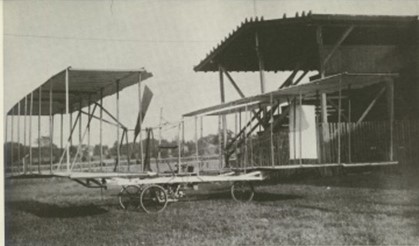
The machine was destroyed in November or December. It was stored outdoors and was overturned by the wind, reducing it to “a mass of stick and wires”.

I
Engine: 15hp auto
Wing span: 26’0″
Length: 20’0″
Seats: 1
II
Engine. 25hp Anzani
Wing span: 30’0″
Length: 20’0″
Walden, Henry W.
1909: Dr Henry W Walden, Mineola NY.
1910: Walden-(George M) Dyott Aeronautic Co.
1911: The Walden Co & Flying School.
1915: Walden-Hinners Co, Edgewater NJ.
1929: Walden Aircraft Co, Long Island City NY.
1932: Ended aircraft involvement to return to dental profession.
Walczak Iwi the Kiwi

After more than ten years in the makng, ‘Iwi the Kiwi’ made its first flight in 2011 at Bristol. Standing 7 storys high the balloon was constructed by Rick Walcczak at his Carterton, New Zealand home. Iwi was built by a team that included a former Mayor of Masterton, NZ, Bob Francis, and Wairarapa Development Group chairman Shane McManaway.
Mr Walczak planned to fly the balloon at the Albuquerque International Balloon Fiesta in New Mexico during October 2011, before bringing Iwi the Kiwi back to New Zealand.
Walczak Egg
In 2004, Rick Walczak flew his Egg balloon up to, and around Mount Cook, New Zealand. In the process he set New Zealand records for balloon height and speed.
Walczak, Rick
2011: Carteton, New Zealand. Rick Walczak had been balloon flying for over 30 years, being self taught.

