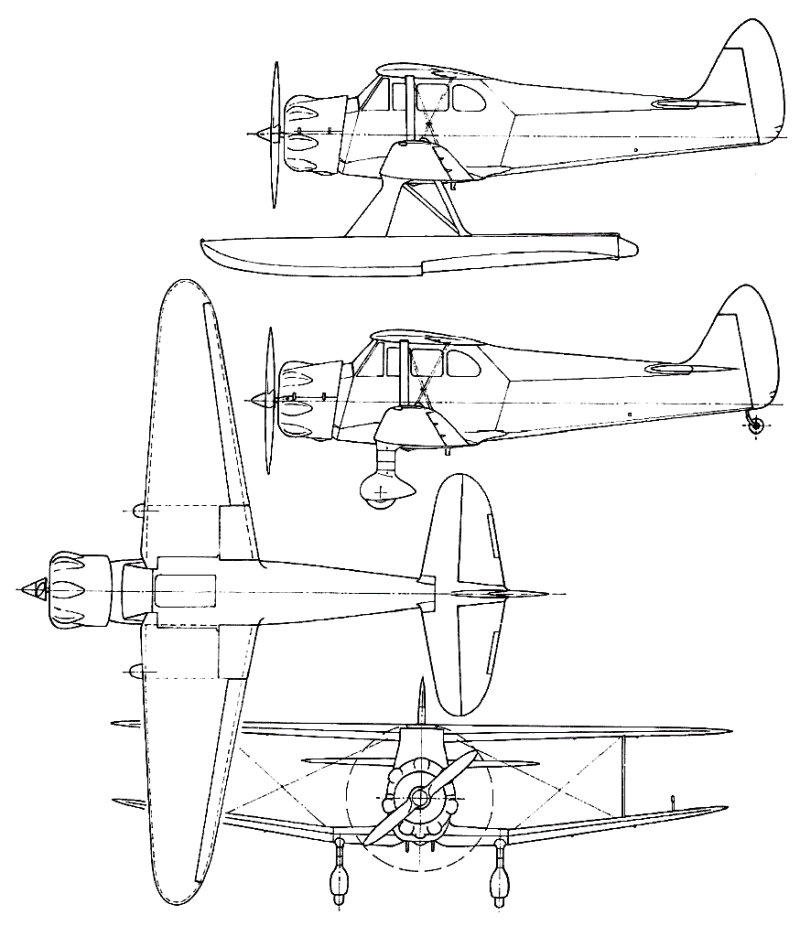
1938, single-seat performance glider, cantilevered mid-wing aeroplane with Junkers-flaps, retractable landing gear, all moving tail, dive air brakes, wood and steel body
Inter-Wars
Akaflieg Berlin B 5
1937, single-seat performance glider, cantilevered gull-wings, retractable landing-gear, all-moving-tail, dive air-brakes, all-wood
Akaflieg Berlin B 4
First flight 1931, single-seat engined aeroplane, 20 HP, high-wing, all wood body, cloth covered retractable wings
Akaflieg Berlin B 3 Charlotte II
1923, single-seat glider, air brakes, one skid, otherwise like B 1
Akaflieg Berlin B 2 Teufelchen
1923, single-seat glider, cantilever shoulder-wing, all-wood
Akaflieg Berlin B 1 Charlotte
1922, single-seat glider, tailless, shoulder-wing, two skids, all-wood
Akaflieg Berlin
2008:
Straffe des 17. Juni 135
Berlin 10623
Germany
Air Transport Manufacturing Co Ltd
In 1938 built a three-engined high-wing six-seat aircraft.
Airspeed AS.39 Fleet Shadower

In 1937 the British Admiralty envisaged a need for an aircraft that could shadow enemy fleets at night and drafted Specification S.23/37 calling for a slow-flying silent aircraft with a long range, capable of operating from an aircraft carrier flight deck. The specified performance was to be a speed of 40 knots / 70kph at 500m for not less than 11 hours with accommodation for a pilot, observer and radio operator. Five companies showed interest – Percival, Short Brothers, Fairey Aviation, General Aircraft Ltd and Airspeed.
Two prototypes were built, the Airspeed A.S.39 (serial N1323) and the General Aircraft G.A.L.38 (P1758).
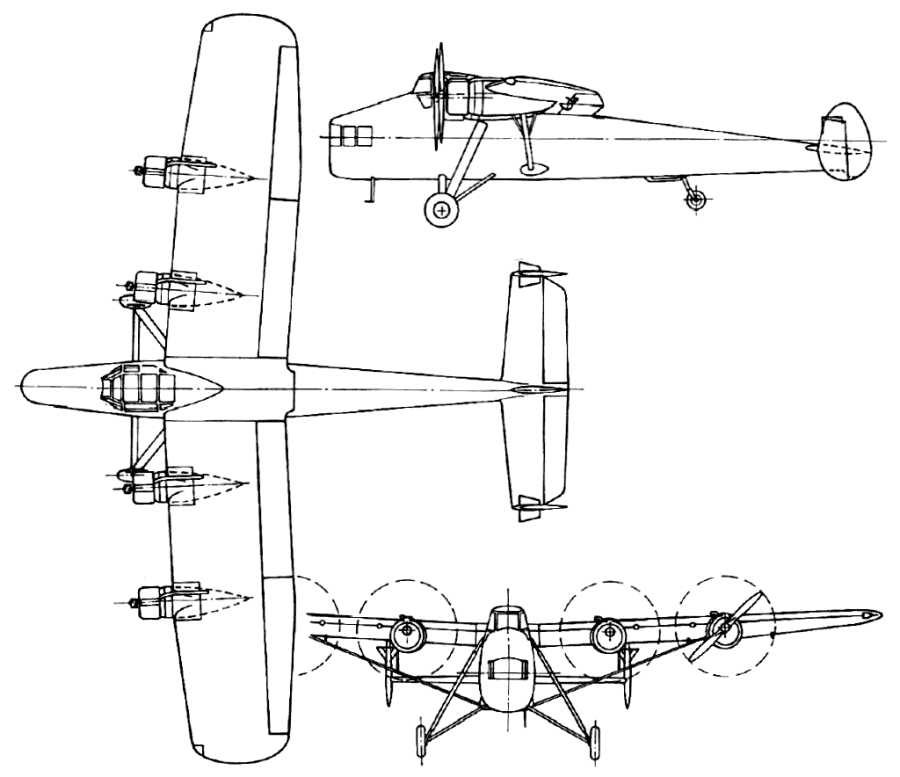
The A.S.39 design was a high-wing aircraft with four 130 hp Pobjoy Niagara V engines with fixed pitch propellers, extensive slats, flaps and drooping ailerons, fixed landing gear and an observer’s position in the nose. As for other aircraft carrier planes, the wings folded for storage. The Airspeed Fleet Shadower had a metal fuselage and three small fins.
The two prototypes flew after the out break of the Second World War, the AS.39 flying on 17 October 1940. The aircraft met the requirement but the Admiralty changed their minds about the desirability of such an air¬ craft and scrapped this pro¬gramme in 1940 due to the introduction of radar.
Engines: 4 x 130hp Pobjoy Niagara V
Max take-off weight: 3147 kg / 6938 lb
Empty weight: 2083 kg / 4592 lb
Wingspan: 16.25 m / 53 ft 4 in
Length: 12.2 m / 40 ft 0 in
Height: 3.17 m / 10 ft 5 in
Wing area: 43.85 sq.m / 472.0 sq ft
Max. speed: 201 km/h / 125 mph
Ceiling: 1830 m / 6000 ft
Crew: 3
Airspeed AS.30 Queen Wasp
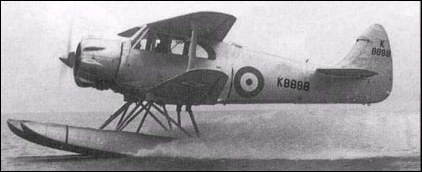
Designed as a radio-controlled and unmanned target aircraft, first flown as a piloted aircraft in 1937. A total of seven aircraft were built (including prototypes) of 65 production aircraft ordered.
Engine: Armstrong Siddeley Cheetah IX, 345 hp
Length: 29.068 ft / 8.86 m
Wingspan: 31.004 ft / 9.45 m
Max take off weight: 3801.4 lb / 1724.0 kg
Max. speed: 150 kt / 277 km/h
Cruising speed: 131 kt / 243 km/h
Service ceiling: 20013 ft / 6100 m
Crew: 1