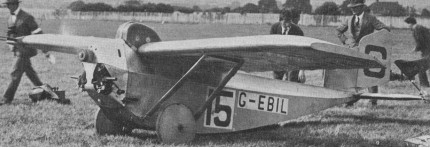
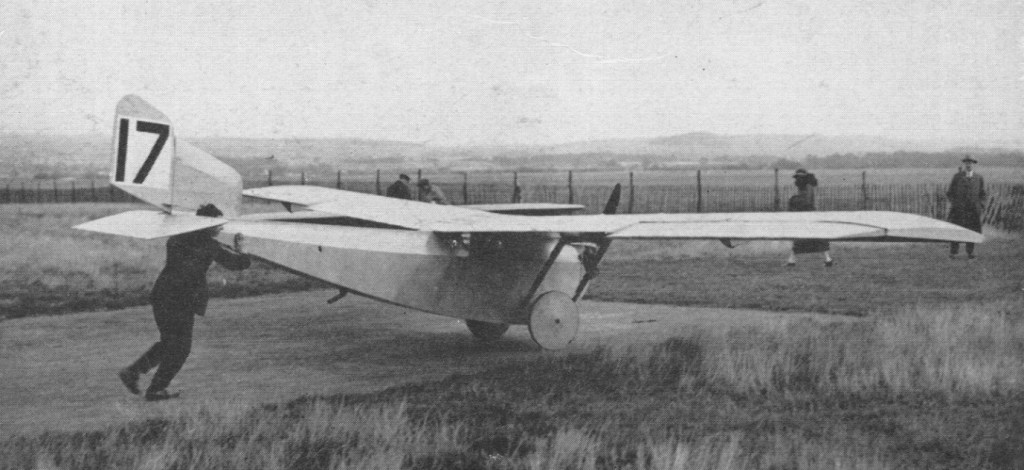
Intent on encouraging British aviation progress, the Daily Mail offered a prize of £1,000 in 1923 for a ‘motor glider’ competition. The Duke of Sutherland offered £500 for the longest flight on one gallon of petrol in an aeroplane with an engine of not more than 750cc capacity. So the Royal Aero Club organised a Light Aeroplane Competition at Lympne in Kent. The ANEC l, G EBIL, was designed by W. S. Shackleton and was one of Britain’s first ultra light aircraft. It was entered in the 1923 Lympne Trials, and in the hands of J. H. James reached a height of 14,000ft after earlier flying 87.5 miles on a single gallon of petrol, powered with the 698cc Blackburne Tomtit. Later it went to Martlesham for testing and acquired service number J7506. It was re engined with a 1000cc Anzani, becoming the ANEC 1A, and was returned for civilian use. With shortened wings it won the high-speed prize at the 1925 Lympne Trials at 83.76 mph. Registration marks were cancelled on January 22, 1926
Air Navigation and Engineering Co. Ltd. formed at Addlestone, Surrey, as successor to the Bleriot and Spad Aircraft Works, which had built Spads and had been awarded a contract for S.E.5a fighters, though name ANEC was associated with new civil airplanes. Three monoplanes (ANEC I, IA and II), designed by W. S. Shackleton, were among Britain’s earliest ultralight aircraft. ANEC IV Missel Thrush (designer J. Bewsher) was light biplane, but ANEC III was large single-engined transport biplane designed by G. H. Handasyde, who had no production facilities for his own Handasyde Aircraft Co. Ltd. First ANEC III flown March 1926. Three of type contributed to development of aviation in Australia, two being converted to Larkin Lascowls, one of which was not retired until June 1932.
Zavod A.A. (for Arturo Antonovich) Anatra was founded at Odessa in 1913. Important during First World War, with factories at Odessa and Simferopol, Ukraine, by 1917 the company was building their own designs, plus Voisins and Nieuports, to a total monthly output of 80. The Companys activities ceased in the early 1920s.
A light civil amphibian flying-boat, with braced monoplane wing and pusher engine, from 1932, with progressive improvements. The tail was carried on streamlined structure attached to hull.
Based at Garden City, NY. Built Privateer light civil amphibian flying-boats, with braced monoplane wing and pusher engine, from 1932, with progressive improvements. Tail was carried on streamlined structure attached to hull.
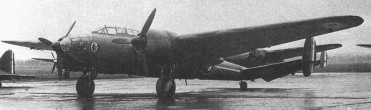
After its Amiot 143, the company produced the Amiot 340.01, modified from the long-range postal Amiot 341. First flown in December 1937 with two 686-kW (920-hp) Gnome-Rhone 14N-0/1 radials. Trials revealed the need for a fourth crew member, 761-kW (1,020-hp) 14N-20/21 engines, and a dihedralled tailplane with endplate vertical surfaces. This resulted in the Amiot 351.01.
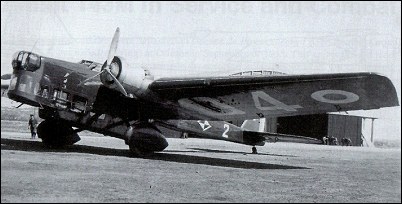
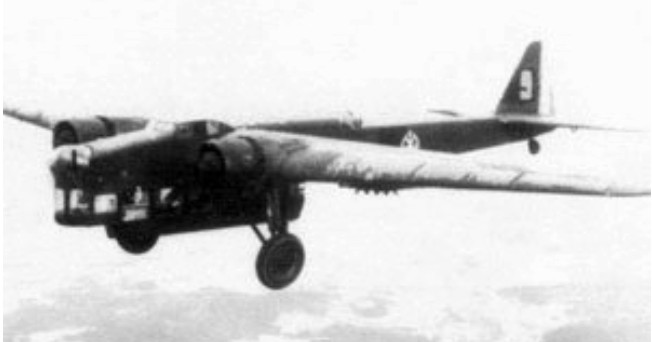
First flown in August 1934, the Amoit 143 was an all-metal cantilever high-wing monoplane with an enclosed pilot’s cockpit, manually operated nose and dorsal gun turrets and a glazed ventral ‘balcony’ housing the bomb-aimer’s position forward and the ventral gunner’s position at the rear. The fixed undercarriage had wheel spats.
Meeting a requirement for a Multiplace de Combat (Multi-seat combat aircraft) for the French Air Ministry, the first 50 aircraft was delivered in the winter of 1935-6 to Escadres GB 1/22 and GB 11/22 at Chartres and from aircraft number 31 the fuselage was slightly lengthened. Normal bomb load was 900kg, with 1,600kg as the overload weight, the internal capacity 800kg and the rest carried underwing. Equipped with a nose turret with a single 7.7mm Lewis gun, a dorsal turret with twin 7.7 mm Lewis guns and twin Lewis mounting in the ventral location, from 1941 onwards these were replaced by single MAC 7.5mm machine-guns in each position. In August 1939 91 Amiot 143s were still in service with first-line Escadres, 29 with training units and six in storage. The Amiots carried out a number of daylight reconnaissance sorties during September 1939, and also carried out a number of night reconnaissance and leaflet-dropping missions up to the end of the year, reaching into Germany as far as Neustadt. Until the French surrender, Amiot 143s dropped a total of 528 tonnes of bombs in night raids. From May 1940 Amiot 143s were used for transport and training duties by the Vichy French, except for a few impressed by the Germans. The Total production was 138 aircraft.
Amiot 143 Engines: 2 x Gnome-Rhone Kirs 14-cylinder radial, 870hp Length: 59.91ft (18.26m) Wingspan: 80.48ft (24.53m) Height: 18.64ft (5.68m) Empty Weight: 13,448lbs (6,100kg) Maximum Take-Off Weight: 21,385lbs (9,700kg) Maximum Speed: 193mph (310kmh; 167kts) Maximum Range: 1,243miles (2,000km) Service Ceiling: 25,919ft (7,900m) Accommodation: 4 – 6 Armament: 4 x 7.5mm MAC 1934 machine gun Maximum bombload: 3,527lbs
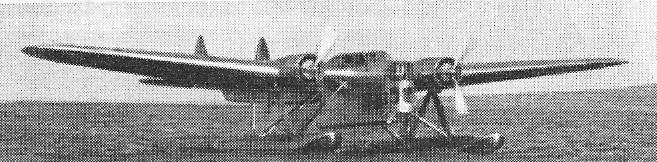
A day and night bomber, reconnaissance and attack aircraft, the Amoit 140 was selected for service by the Armee del’Air in 1933 as the 140M. Forty production aircraft were built.