Bristol Bagshot

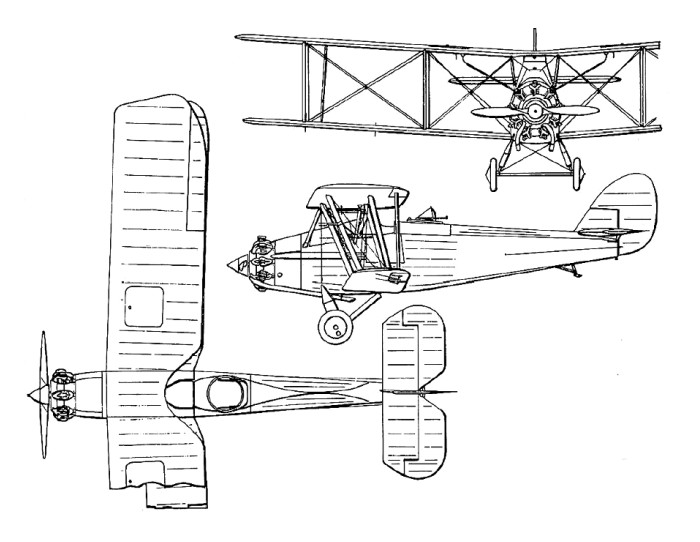
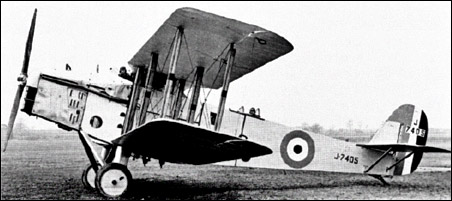
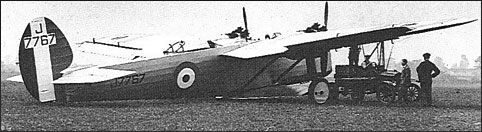
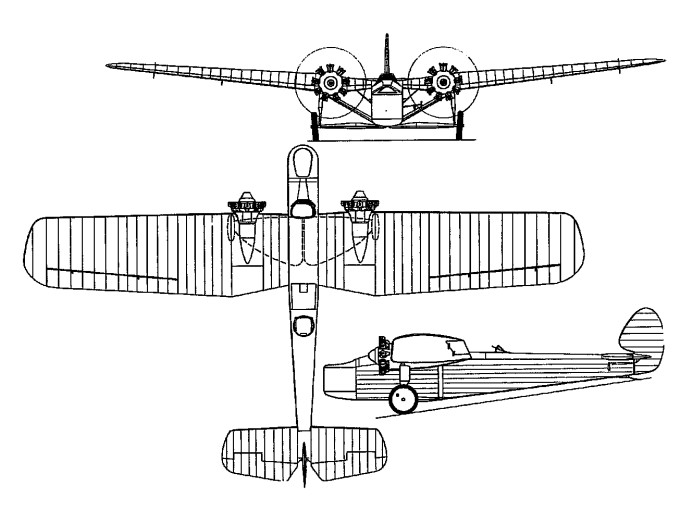
Specification 4/24 issued in 1924 called for a multi-seat twin-engined fighter capable of carrying two of the 37mm Coventry Ordnance Works (COW) cannon. To meet this requirement Frank Barnwell designed the Bagshot, the sole prototype of which was first flown on 15 July 1927.
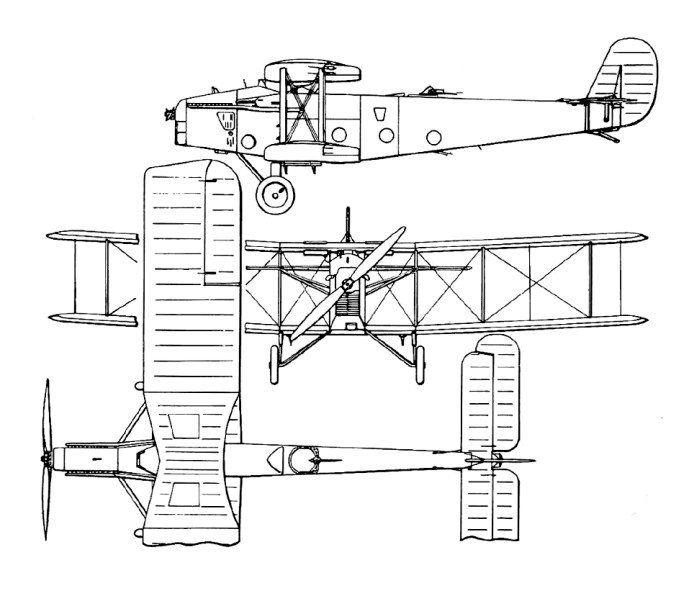
Powered by two 450hp Bristol Jupiter VI engines, the Bagshot had a triangular-section, steel-tube, fabric-covered fuselage and a two-spar, shoulder-mounted wing with a steel primary structure. One 37mm COW gun was carried in an open nose turret and another in a dorsal position, a Scarff-mounted 7.7mm Lewis being carried aft of the latter gun. The crew comprised pilot and two gunners. During flight trials it was discovered that aileron reversal resulting from wing torsional flexibility produced ineffective lateral control, and as it was concluded that the shortcomings of the aircraft could be eradicated only by virtually complete redesign, further flight trials with the Bagshot were abandoned.

Enginhe: 2 x 450hp Bristol Jupiter
Take-off weight: 3717 kg / 8195 lb
Empty weight: 2313 kg / 5099 lb
Wingspan: 21.34 m / 70 ft 0 in
Length: 13.69 m / 44 ft 11 in
Height: 2.89 m / 9 ft 6 in
Wing area: 78.04 sq.m / 840.01 sq ft
Max. speed: 201 km/h / 125 mph
Armament: 2 x37mm COW gun, 1 x 7.7mm Lewis
Bristol 91 Brownie

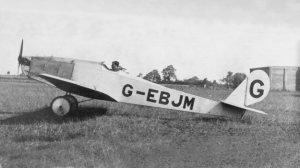
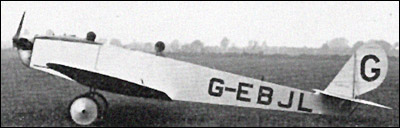
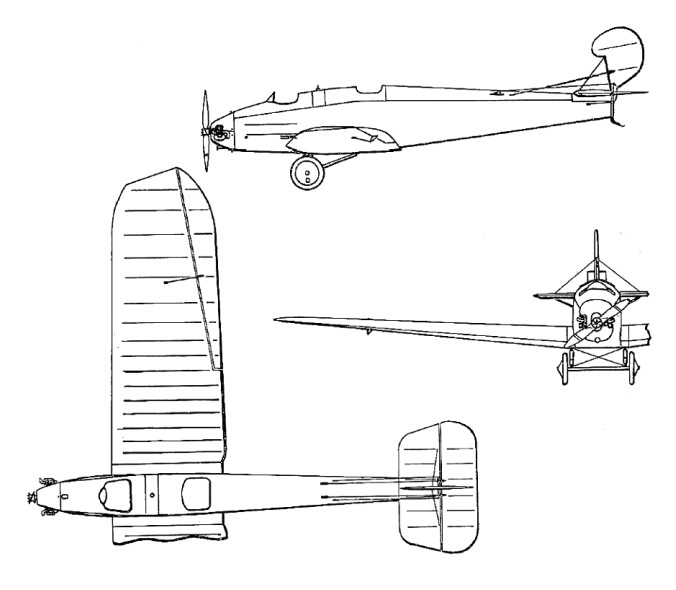
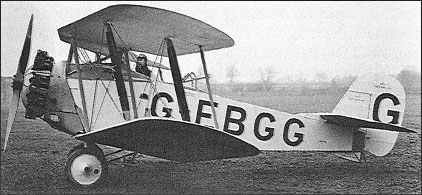
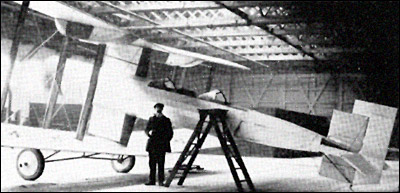
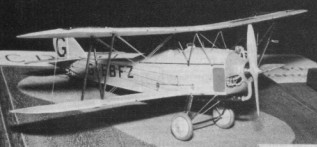
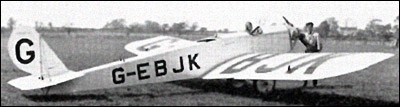
In 1927, a lightweight two-seater Brownie G-EBJM, built for the Lympne ultralight trials and much modified as a prospective basic trainer for the Air Ministry, had been allocated to Frank Barnwell as his personal runabout.

Bristol Brownie G-EBJM

Barnwell flew it in all weathers, on one occasion remaining in view for over an hour from Filton as he battled enormous easterly headwinds over the Cotswolds. In March 1928, he crashed it at Farnborough, only yards from his decapitated tree.

91 (wood)
Engine: 1 x 32hp Bristol Cherub I
Take-off weight: 395 kg / 871 lb
Empty weight: 227 kg / 500 lb
Wingspan: 10.54 m / 34 ft 7 in
Length: 8.00 m / 26 ft 3 in
Height: 1.98 m / 6 ft 6 in
Wing area: 18.95 sq.m / 203.98 sq ft
Max. speed: 113 km/h / 70 mph
Range: 161 km / 100 miles

Bristol Brownie II Type 91B

Bristol B.93 Boarhound / Bloodhound

Bloodhound

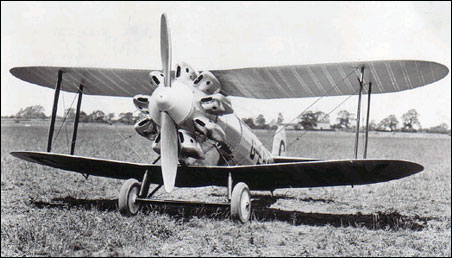
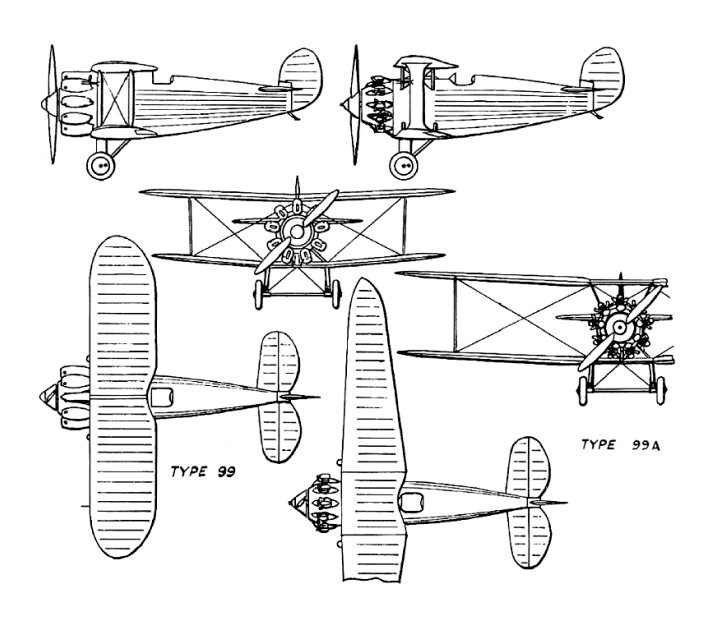
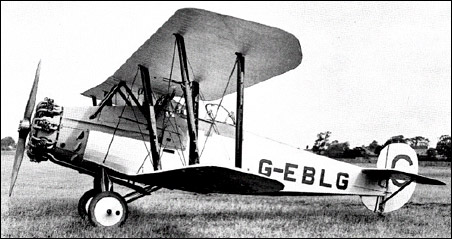
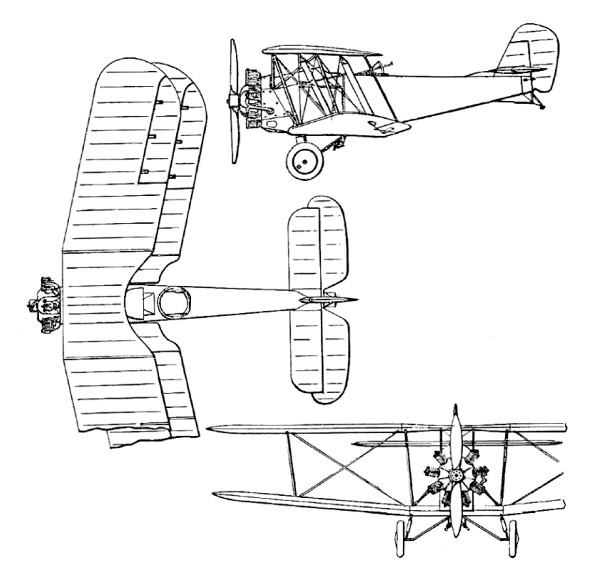
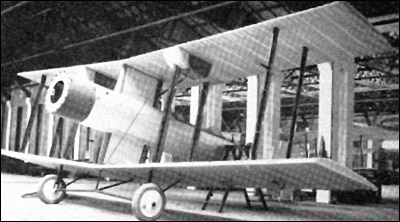
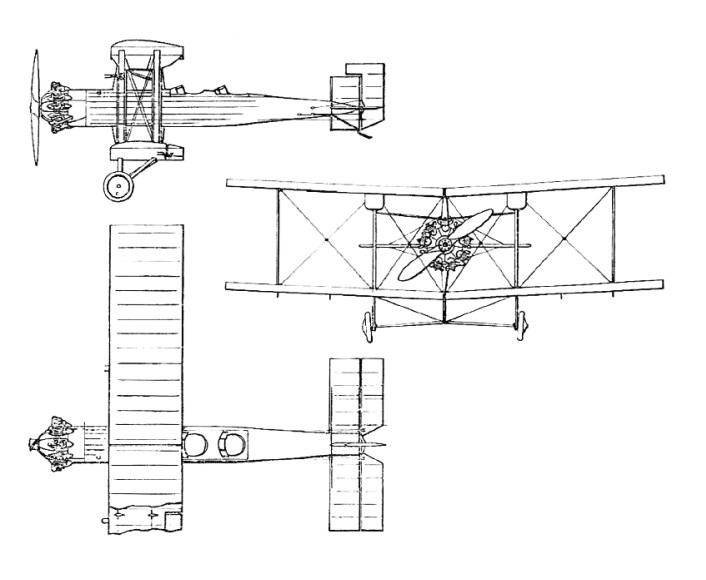
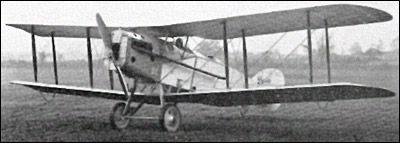
Designed by Wilfrid T Reid to meet Air Ministry Specification 3/22 issued in June 1922 for a two-seat fighter, the Bloodhound was flown for the first time at the end of May 1923. Featuring a welded steel-tube fuselage and wooden wings, and powered by a 425hp Bristol Jupiter IV engine, the Bloodhound carried an armament of two synchronised 7.7mm Vickers machine guns and a 7.7mm Lewis gun on a Scarff mounting on the rear cockpit. Three additional Bloodhounds were built to the order of the Air Ministry, the first of these being of all-metal construction and the others having wooden wings and tail. All three were powered by the Jupiter IV, but the engine of the third aircraft was fitted with an RAE supercharger. The three aircraft were delivered to Martlesham and Farnborough between March and September 1925, but no production was undertaken.
The original prototype was successively fitted with the Jupiter V and VI, and served primarily as an engine test bed.

Boarhound

In 1927 a Mexican purchasing commission placed contracts in the UK for 10 new Hispano-Suiza engined Bristol Fighters and two Type 93B Boarhound II reconnaissance fighters.

Boarhound
Engine: 1 x 400hp Bristol Jupiter IV
Take-off weight: 1828 kg / 4030 lb
Empty weight: 1165 kg / 2568 lb
Wingspan: 13.64 m / 44 ft 9 in
Length: 9.60 m / 31 ft 6 in
Height: 3.56 m / 11 ft 8 in
Wing area: 43.11 sq.m / 464.03 sq ft
Max. speed: 206 km/h / 128 mph
Ceiling: 7193 m / 23600 ft
Armament: 2 x 7.7mm machine-guns, 2 x 50kg bombs
Crew: 2

93B Boarhound II

Bloodhound
Take-off weight: 1921 kg / 4235 lb
Empty weight: 1141 kg / 2515 lb
Wingspan: 12.24 m / 40 ft 2 in
Length: 8.08 m / 26 ft 6 in
Height: 3.25 m / 10 ft 8 in
Wing area: 45.89 sq.m / 493.96 sq ft
Max. speed: 209 km/h / 130 mph

Bristol 93 Bloodhound
Bristol Boarhound

Bristol B.72 Racer

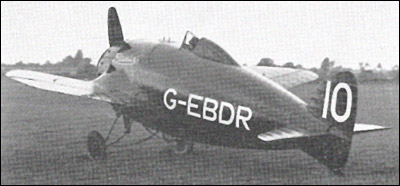
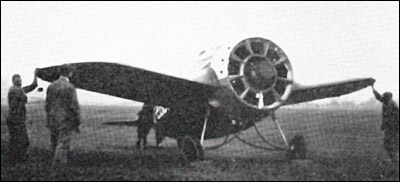
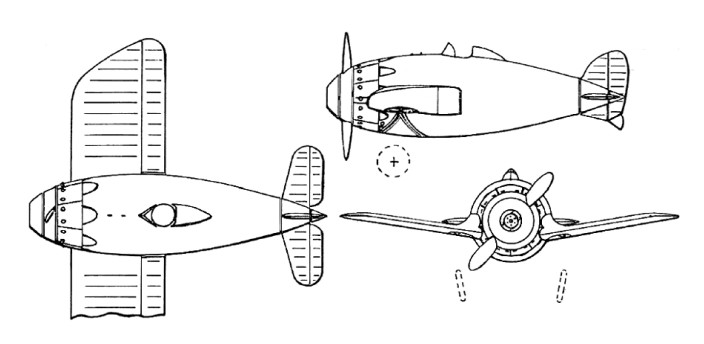
The Bristol 72 Racer was designed in 1922, by engineer Wilfrid Thomas Reid. It has a cylindrical monocoque fuselage and retractable landing gear. Of mixed construction wood and metal for the fuselage, the wings fabric covered. Power way provided by a Bristol Jupiter IV of 480 hp.

Controlled by Mr. FC Uwins, it first flew in June 1922. The Racer encountered many problems with instability. Envisaged entering the Aerial Derby of 1922, it was painted red, registered G-EBRD, and given the number 10, it did not take part as it was not ready. With continuing difficulties with development, it was abandoned in 1924 after having flown only 8 times.