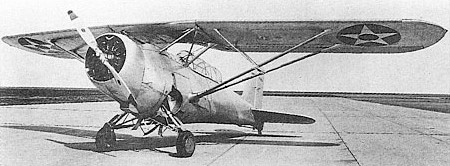
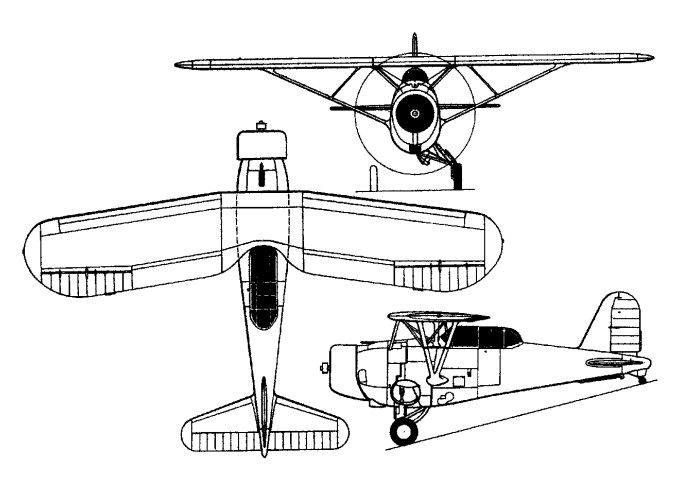
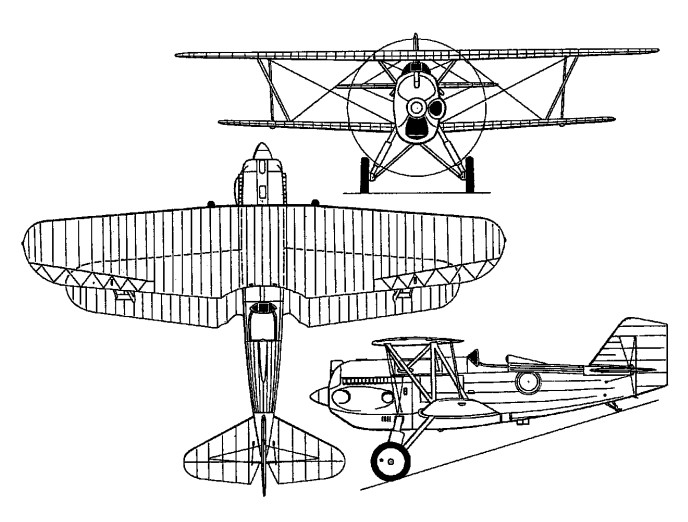
Based on a US Navy Bureau of Aeronautics design for a two-seat fighter, the XF12C-1 all-metal parasol monoplane, ordered on 30 June 1932, featured aft-folding wings with leading-edge slats and trailing-edge flaps, and manually-operated retractable main undercarriage members. Flown in July 1933, the XF12C-1 was initially powered by a Wright R-1510-92 two-row radial rated at 625hp at 1830m. By the time the XF12C-1 was tested by the US Navy in October 1933, the Twin Whirlwind engine had been replaced by a Wright SR-1820-80 Cyclone single-row radial. With the discarding of the two-seat fighter category it was redesignated XS4C-1 in December 1933 and the XSBC-1 in January 1934 as a scout-bomber. Among the evaluations of the Model 73 XF12C-1 was a dive bombing test on 14 June 1934 that resulted in a failure of the parasol monoplane wing assembly. Though the pilot and machine were wholly spared, the prototype was nonetheless heavily damaged. Testing had shown that the parasol wing assembly was generally unfit for the stresses of what the new aircraft would be called upon to achieve. As a result, the US Navy ordered a new prototype to fall in line with stricter requirements. Curtiss once again delivered an answer, this time the Model 77, to which the US Navy affixed the designation of XSBC-2.
XF12C-1 Engine: Wright R-1510-92 Whirlwind two-row radial, 625hp at 1830m Wright SR-1820-80 Cyclone single-row radial Empty weight: 1 762 kg Wingspan: 12.65 m / 41 ft 6 in Length: 8.86 m / 29 ft 1 in Height: 3.94 m / 12 ft 11 in Wing area: 25.27 sq.m / 272.00 sq ft Max. speed: 349 km/h / 217 mph Range: 1188 km / 738 miles
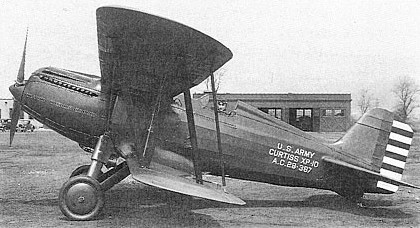
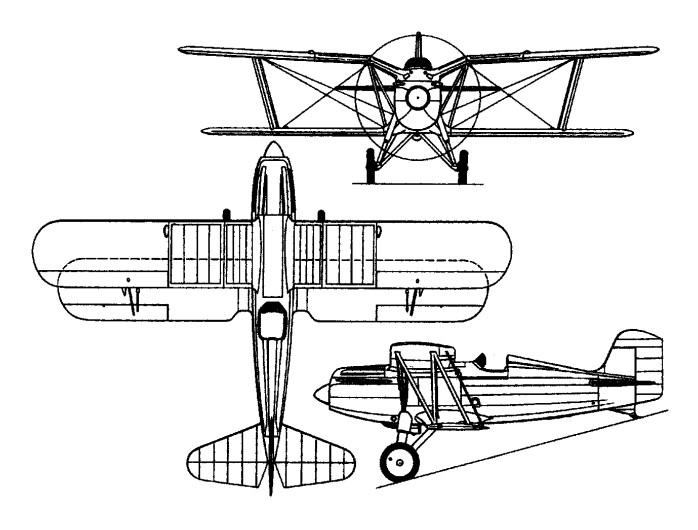
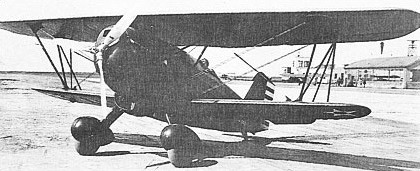
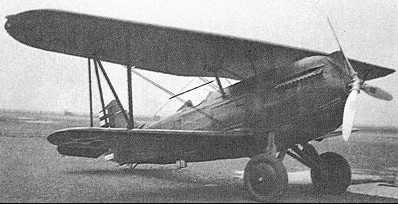
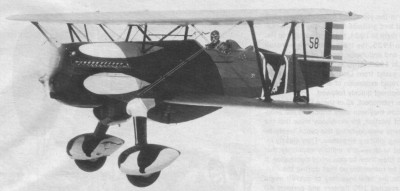
During 1928 Curtiss was assigned the task of mating the 600hp Curtiss H-1640 Chieftain 12-cylinder air-cooled radial engine to the P-6 airframe. A USAAC contract was placed for three aircraft which were designated P-11s. In the event, the Chieftain proved unsatisfactory and the P-11 was abandoned (together with the projected Curtiss XP-14 that had been designed around this engine). Two of the airframes that had been ordered in January 1929 were completed as P-6Ds and the third, which was fitted with a 575hp Wright R-1820-9 Cyclone, was assigned the designation YP-20 on delivery in October 1930. It was later fitted with the V-1570 engine of the XP-22, complete with cowling, the cantilever main undercarriage members and three-blade propeller of this aircraft to become the XP-6E.
YP 20 575 hp Wright R 1820 9 Cyclone radial Take-off weight: 1466 kg / 3232 lb Empty weight: 1124 kg / 2478 lb Wingspan: 9.60 m / 31 ft 6 in Length: 7.24 m / 23 ft 9 in Height: 2.79 m / 9 ft 2 in Wing area: 23.41 sq.m / 251.98 sq ft Max. speed: 301 km/h / 187 mph tailwheel
The XP-17 comprised the airframe of the first P-1 mated to the new 480hp Wright V-1460-3 Tornado inverted inline air-cooled engine, and was intended primarily to test the power plant rather than extend the service life of the P-1 design. The conversion was undertaken by the US Army and flight testing was initiated in June 1930.
Engine: 480hp Wright V-1460-3 Tornado Wingspan: 9.63 m / 31 ft 7 in Length: 6.96 m / 22 ft 10 in Height: 2.62 m / 8 ft 7 in Wing area: 23.41 sq.m / 251.98 sq ft Take-off weight: 1358 kg / 2994 lb Empty weight: 1000 kg / 2205 lb Max. speed: 265 km/h / 165 mph
On 18 June 1928, the USAAC placed a contract with Curtiss for one prototype of the XP-10 single-seat fighter powered by a 600hp V-1570-17 Conqueror engine. Of mixed construction with fabric-covered steel-tube fuselage and plywood-covered wooden wings, the XP-10 placed emphasis on aerodynamic cleanliness and utilised surface evaporation wing radiators and a gulled upper wing. Delivered in August 1928, the XP-10 was tested until October 1930, but continuous problems with the cooling system prevented further development.
Engine: 600hp V-1570-17 Conqueror Take-off weight: 1803 kg / 3975 lb Empty weight: 1379 kg / 3040 lb Wingspan: 10.06 m / 33 ft 0 in Length: 7.47 m / 24 ft 6 in Height: 2.64 m / 8 ft 8 in Max. speed: 307 km/h / 191 mph Range: 742 km / 461 miles
In 1931, the third production P-6 (which had been converted to P-6A standard) was withdrawn from service and returned to Curtiss for extensive modification as the XP-22. Retaining the V-1570-23 engine, the XP-22 was cleaned up aero¬dynamically and featured cantilever main undercarriage legs and wheel spats, plus a redesigned engine cowling with, initially, an annular radiator. The radiator was subsequently returned to a position beneath the rear of the engine. On 30 June 1931, the XP-22 demonstrated a level speed of 202.4 mph (326 km/h) and on 10 July a USAAC contract was placed for 45 Y1 P-22s. These were subsequently redesignated as P-6Cs, but prior to the start of production deliveries the designation was to be changed once more to P-6E. By this time the engine of the XP-22, complete with cowling and three-blade propeller, plus the main undercarriage members, had been grafted on to the YP-20 which had thus become the XP-6E while the XP-22 was returned to P-6A configuration.
XP 22 Engine: Curtiss V-1570-23 Conqueror Span, 31 ft 6 in (9,60 m) Length, 23 ft 7 in (7,19 m) Height, 8 ft 10 in (2,69 m). Wing area, 252 sq ft (23,41 sq.m) Empty weight, 2,597 lb (1178 kg) Loaded weight, 3,354 lb (1 521 kg) Max speed, 202 mph (325 km/h) at sea level Max speed: 195 mph (314 km/h) at 10,000 ft (3050 m) Initial climb, 2,400 ft/min (12,19 m/sec)
Installation of the new 600hp Curtiss V-1570-1 Conqueror engine in a P-2 airframe for participation in the September 1927 National Air Race at Spokane led to the application of the designation XP-6 (Curtiss Model 35). The prototype placed second averaging 189 mph. A similarly-powered aircraft utilising a P-1A fuselage, untapered XPW-8A wings and surface radiators in both the top and bottom mainplanes became the XP-6A. A third Conqueror-powered conversion of a P-1C airframe for a New York-Alaska flight, in July 1929, was assigned the designation XP-6B. Although these aircraft were intended purely to prove the Conqueror engine, the success of this power plant prompted a USAAC order for 18 P-6s (as YP 6s) on 3 October 1928, these being powered by the 600hp water-cooled V-1570-17Conqueror.
Although generally similar to the P-1 in construction, they embodied extensively revised fuselage contours, a deeper fuselage, and were aerodynamically cleaner. Deliveries commenced in October 1929, but with the 11th aircraft Prestone (ethylene glycol) cooling was introduced, the designation changing to P-6A. The V-1570-23 engine in the P-6A had a similar rating to that of the -17 that it supplanted; armament remained unchanged at two 7.62mm guns. In service, eight of the Army Air Corps P-6s were brought up to P-6A standards. Eight additional P-6s were delivered to the Netherlands East Indies and one to Japan under the export designation Hawk I. Subsequent to being converted as a P-6A, the first production P-6 was fitted with a side-mounted turbo-supercharger on its V-1570-23 engine as the XP-6D, and, in 1932, 10 P-6As were fitted with F-2F superchargers as P-6Ds. In addition, two aircraft originally ordered as P-11s (P-6 airframes with the unsatisfactory 600hp Curtiss H-1640 Chieftain engine) were completed as P-6Ds. The P-6D was 122kg heavier than the P-6A and featured a three-bladed propeller, and its performance included max speeds of 306km/h at 3050m and 317km/h at 3960m, service ceiling being 9755m.
Of three P 11s ordered, two were completed as P 6s as the intended engine (Curtiss Chieftain) was found unsuitable; the third became the YP 20 with a 575 hp Wright R 1820 9 Cyclone radial engine. Modifica-tions to all three included a new control system, a tailwheel instead of a skid, spats on the main wheels, and more fin and less rudder area. The XP 22 was a P 6A, retaining the Conqueror engine but having a modified nose and radiator, single strut main undercarriage legs and revised tail unit. Forty six of these, ordered as YIP 22s, were completed as P-6Es; 45 were delivered in late 1931/early 1932, the remaining aircraft becoming the XP 23.
P-6E Hawk
The Army Hawks engendered a bewilder¬ing assortment of experimental conversions, reconversions and redesignations, but the mainstream production models were the P 1, P 2, P 3, P 5 and P 6 fighter series. When the V-1570-23 engine of the XP-22, complete with three-blade propeller and the cowling, plus the cantilever main undercarriage members of the XP-22 were grafted on the YP¬20 airframe in the autumn of 1931, the result was designated XP-6E. The 45 Y1P-22s ordered during the previous July and which were briefly to be referred to as P-6Cs, being designated as P-6Es by the time deliveries began on 2 December 1931. Powered by the same 600 hp Curtiss V-1570-23 Conqueror engine, the P-6E carried an armament of two 03-in (7,62-mm) Browning machine guns and 17 surviving examples were eventually assigned to ground schools during the summer of 1939. In the spring of 1932, the XP-6E was returned to Curtiss for a turbo-supercharged V¬1570-55 engine of 675 hp, a fully-enclosed cockpit with aft¬sliding canopy being fitted at the same time and the designation being changed to XP-6F. This attained 225 mph (362 km h) at 18,000 ft (5485 m) during tests. One P-6E was temporarily assigned the designation XP-6G while being used as a test-bed for the V-1570-51 (F-series) engine, while the first production P-6E was also fitted with this engine and experimental wing armament as the XP-6H. The wing armament comprised two 0.3-in (7,62-mm) guns in both the upper and lower wings, these firing outside the propeller disc and augmenting the twin synchronised fuselage guns. Armament on all biplane Hawks was the same: two 0.30 in (7.62 mm) Browning machine guns in the decking above the engine. (The only exception was the XP 6H, to which were added two 0.30 in (7.62 mm) guns in the upper wing and two in the lower wings.) Provision existed for the carriage of bombs beneath the fuselage Total Hawk production for the USAAC was 243 aircraft; in addition, eight P 6s were sold to the Dutch East Indies and one P 6, for evaluation, to Mitsubishi in Japan. Also exported were several ‘Cuban Hawks’, powered by 450 hp Pratt & Whitney R 1340 radial engines.
P-6 Engine: 600hp Curtiss V-1570-17 Conqueror Armament: two 7.62mm guns
P-6A Engine: Curtiss V-1570-23 Conqueror Wingspan: 9.60 m / 31 ft 6 in Length: 7.19 m / 23 ft 7 in Height: 2.62 m / 8 ft 7 in Wing area: 23.41 sq.m / 251.98 sq ft Take-off weight: 1439 kg / 3172 lb Empty weight: 1083 kg / 2388 lb Max. speed: 286 km/h / 178 mph Armament: two 7.62mm guns.
P-6D Engine: Curtiss V-1570-23 Conqueror F-2F supercharged Propeller: three-blade Wingspan: 9.60 m / 31 ft 6 in Length: 7.19 m / 23 ft 7 in Height: 2.62 m / 8 ft 7 in Wing area: 23.41 sq.m / 251.98 sq ft Max speed: 306km/h at 3050m Max speed: 317km/h at 3960m Service ceiling: 9755m Armament: two 7.62mm guns.
P-6E Engine: one 600 hp (447 kW) Curtiss V-1570-23 Conqueror Span: 31 ft 6 in (9,60 m). Length: 23 ft 2 in (7,06 m). Height: 8 ft 10 in (2,69 m). Wing area: 252 sq ft (23,41 sq.m) Empty weight: 2,699 lb (1 224 kg). Loaded weight: 3,436 lb (1 558 kg). Max speed: 193 mph (311 km/h) at sea level Max speed: 180 mph (290 km h) at 15,000 ft (4570 m) Cruising speed: 145 kts / 269 kph Service ceiling: 26263 ft / 8005 m Initial climb: 2,460 ft/min (12,49 m sec) Normal range: 285 mls (458 km). Armament: 2x MG .30 cal. (7,5mm) Crew: 1
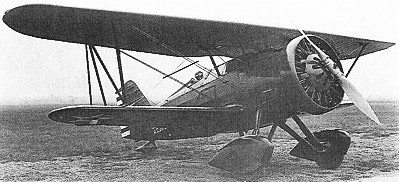
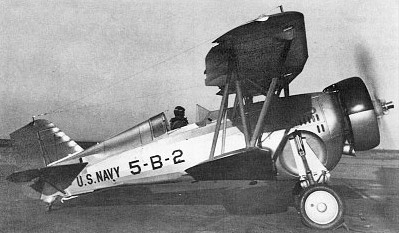
The fourth production F11C-2 Goshawk was completed with manually-operated retractable main undercarriage members accommodated by a deepened forward fuselage. It was powered by an R-1820-80 Cyclone rated at 700hp at 2440m, and was delivered to the US Navy on 27 May 1933 as the XF11C-3. Twenty-seven production models were ordered as F11C-3s with raised aft turtle decks, partial canopies and the metal wings that had proved satisfactory on the XF11C-1. Prior to the commencement of deliveries on 7 October 1934, the designation was changed to BF2C-1. The BF2C-1 carried an armament of two 7.62mm Brownings and made provision for a single 215kg bomb or up to four 53kg bombs. An R-1820-04 Cyclone rated at 770hp for takeoff was fitted. At cruising rpm the Cyclone set up a sympathetic vibration with the metal wing structure, the aircraft shaking dramatically in this regime, and, the problem never being satisfactorily resolved, the BF2C-1s were withdrawn within a few months.
Hawk III
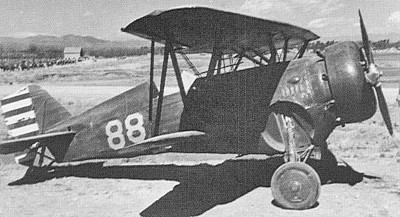
The export version of the BF2C-1, the Hawk III, differed from the US Navy fighter-bomber in reverting to the wooden wing structure of the F11C-2 (spruce beams with plywood webs and spruce ribs) and in having a Wright SR-1820F-53 Cyclone offering 785hp for take-off and 745hp at 2925m. Gun armament comprised two synchronised 7.62mm weapons. The first export of the Hawk III was a single example to Turkey delivered in April 1935, supply of 24 to Thailand following from August 1935. In early 1935 an order was placed by Thailand for 24 Hawk III and a manufacturing licence was also purchased. The first 12 were shipped in August and the remaining 12 in late 1935. They were locally designated ‘fighter Type 10’. In March 1936, the first of a total of 102 Hawk IIIs was delivered to China, 90 of these being assembled by the Central Aircraft Manufacturing Company (CAMCO) at Hangchow. One other purchaser of the Hawk III was Argentina, which took delivery of 10 from May 1936. Argentina also purchased the sole example of the Hawk IV in July 1936, this using a Hawk III airframe with a full sliding cockpit canopy, carburettor heating and an exhaust collector ring for the SR-1820F-56 Cyclone, which delivered its maximum 745hp at 3810m. The Hawk IV attained 399km/h at 3810m and 390km/h at 5000m.
Hawk IV
BF2C-1 / F11C-3 Engine: Wright R-1820-80 Cyclone, 700hp at 2440m Take-off weight: 2066 kg Empty weight: 1529 kg / 3371 lb Wingspan: 9.60 m / 31 ft 6 in Length: 7.01 m / 22 ft 12 in Height: 3.30 m / 10 ft 10 in Wing area: 24.34 sq.m / 261.99 sq ft Max. speed: 362 km/h / 225 mph Range: 917 km / 570 miles
Hawk III Engine: Wright SR-1820F-56 Cyclone, 745hp at 3810m Take-off weight: 1958 kg Empty weight: 1457 kg / 3212 lb Wingspan: 9.60 m / 31 ft 6 in Length: 7.14 m / 23 ft 5 in Height: 2.98 m / 9 ft 9 in Wing area: 24.34 sq.m / 261.99 sq ft Max. speed: 325 km/h / 202 mph Range: 925 km / 575 miles
Hawk IV Engine: Wright SR-1820F-56 Cyclone, 745hp at 3810m Wingspan: 9.60 m / 31 ft 6 in Length: 7.14 m / 23 ft 5 in Height: 2.98 m / 9 ft 9 in Wing area: 24.34 sq.m / 261.99 sq ft Max speed 3810m: 399km/h Max speed 5000m: 390km/h
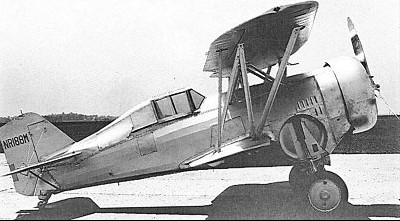
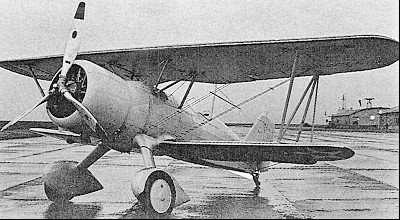
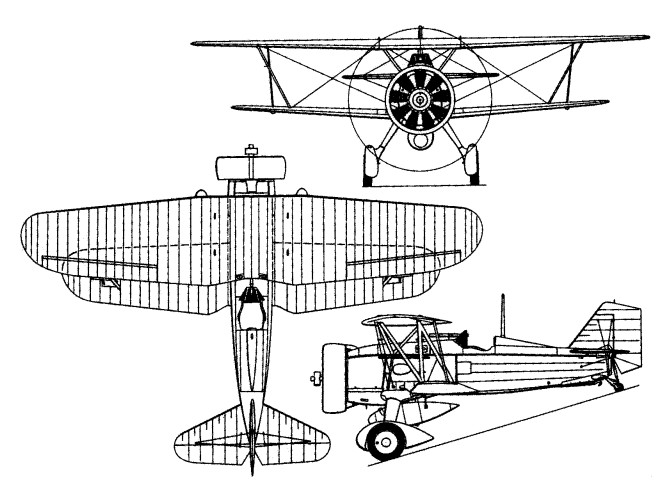
On 16 April 1932, the US Navy ordered two prototypes of a shipboard fighter designated XF11C-1 and XF11C-2. The XF11C-1 was powered with a 600hp Wright R-1510-98 two-row radial and the XF11C-2 with a 700hp Wright R-1820-78 single-row radial.
The XF11C-2 was a company demonstrator, which had been flying for some time, and was of mixed construction (fabric covered wooden wings and fabric-covered metal fuselage and tail surfaces), whereas the XF11C-1, which utilised the wings of the YP-23, was of fabric-covered all-metal construction and was delivered in September 1932. The R-1820-78 Cyclone and mixed structure of the XF11C-2 found favour with the US Navy, and, on 18 October 1932, a production order was placed for 28 F11C-2s, deliveries of which began in February 1933 and were completed in the following May. The fourth aircraft on the contract was completed with a manually-retractable undercarriage as the XF11C-3, subsequently being redesignated XBF2C-1 with adoption of the “bomber-fighter” category in March 1934. Simultaneously, the F11C-2s were redesignated as BFC-2s. Armament comprised two 7.62mm Browning machine guns and a single bomb of up to 227kg or four 51kg bombs could be carried. The BFC-2 remained in US Navy service until 1938.
Hawk II
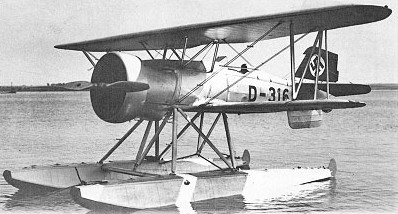
The Hawk II was essentially an export version of the XF11C-2 with a Wright R-1820F-3 Cyclone rated at 710hp at 1676m and 356 litres of fuel, the Hawk I differing in having only 189 litres of internal fuel. Only the Hawk II was exported in quantity, this having a mixed construction similar to that of the F11C-2 and normally carrying an armament of twin 7.62mm machine guns. The first customer for the Hawk II was Turkey, which began to take delivery of 19 on 30 August 1932, Colombia following suit from the end of October 1932 with an initial batch of four twin-float-equipped Hawk IIs. A total of 26 float fighters of this type was delivered to Colombia by the end of July 1934. Nine were supplied to Bolivia, of which three had interchangeable wheel/float undercarriages; four were delivered to Chile, 52 to China, four to Cuba, two to Germany, one to Norway and 12 to Thailand.
Hawk II
XF11C-2 Hawk II Engine: Wright R-1820F-3 Cyclone, 710hp Take-off weight: 1758 kg Empty weight: 1317 kg / 2904 lb Wingspan: 9.60 m / 31 ft 6 in Length: 8.08 m / 26 ft 6 in Height: 2.97 m / 9 ft 9 in Wing area: 24.34 sq.m / 261.99 sq ft Max. speed: 301 km/h / 187 mph Range: 666 km / 414 miles Fuel capacity: 356 lt
F11C-2 / BFC-2 Engine: 1 x Wright R-1820-78, 515kW Take-off weight: 2104-2300 kg / 4639 – 5071 lb Empty weight: 1515 kg / 3340 lb Wingspan: 9.6 m / 31 ft 6 in Length: 7.6 m / 24 ft 11 in Height: 3.2 m / 10 ft 6 in Wing area: 23.5 sq.m / 252.95 sq ft Max. Speed: 320 km/h / 199 mph Cruise speed: 250 km/h / 155 mph Ceiling: 7400 m / 24300 ft Range w/max.fuel: 920 km / 572 miles Range w/max.payload: 460 km / 286 miles Armament: 2 x 7.62mm Browning machine-guns, 227kg or four 51kg bombs Crew: 1
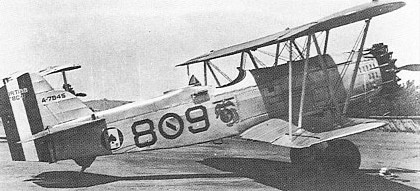
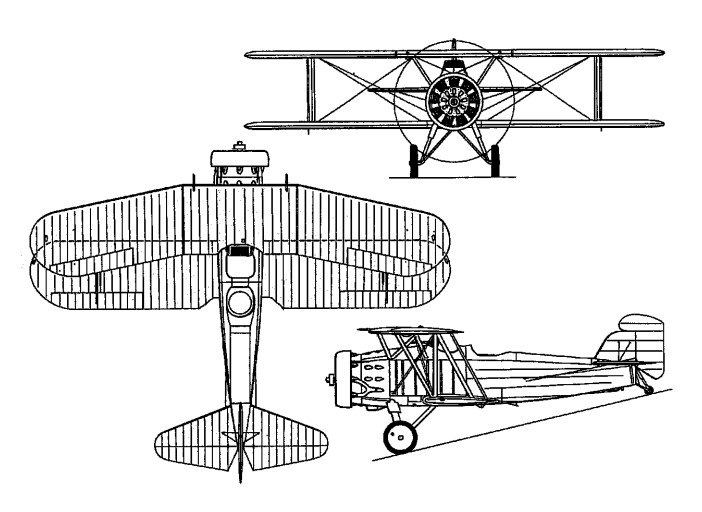
Developed for the US Marine Corps from the Army Air Corps Curtiss O 1 and A¬3 Falcon biplane series, two XF8C-1 proto¬types were ordered on June 30, 1927, and delivered in January 1928 as two-seat fighters with bombing and observation capability. The XF8C 2 and XF8C-1 dive bomber prototypes had two 56.2 kg (116 lb) bombs underwing or one 226.7 kg (500 lb) bomb under the fuselage, the two forward firing 0.30 in (7.62 mm) guns being relocated in the upper wings. Power was provided by a 432hp R-1340B Wasp. Powered by 432 hp Pratt & Whitney R 1340 88 Wasp radials, four F8C 1s and 21 similar F8C 3s went to the Marine Corps later in 1928, later receiving OC 1 and OC 2 (Obser¬vation, Curtiss) designations respectively. (The second XF8C-1, refitted with a 600 hp Curtiss H 1640 Chieftain engine, became the XOC 3.) Although designated in the F8C series, the XF8C-2 and XF8C-4 differed extensively from the F8C-1 and -3, and were dual-role aircraft intended for use both as two-seat fighters and as dive bombers, dive bombing techniques at that time being under development by the US Marine Corps. Possessing smaller overall dimensions than previous F8C series aircraft, featuring some structural revision and powered by a 450hp R-1340-80 Wasp, the XF8C-2 prototype appeared early in 1929 and was equipped to carry either two 53kg bombs or one 227kg bomb. A second prototype, the XF8C-4, was flown in August 1929, by which time orders had been placed for 27 F8C-4s and nine F8C-5s. The XF8C-4 differed from the XF8C-2 primarily in having an R-1340-88 Wasp enclosed by a Townend ring. The latter was not initially applied to the production F8C-4s which were delivered from May 1930, a further 43 being ordered for 1931 delivery, these being redesignated O2C-1s. Two F8C-5s temporarily fitted with wing flaps and leading-edge slots were designated XF8C-6s, one VIP transport version with a 575hp Wright R-1820-64 Cyclone was designated XF8C-7 (XO2C-2) and two similarly powered examples were XF8C-8s. The designation XF10C-1 was assigned to one aircraft initially powered by a Curtiss R-1510 and subsequently re-engined with a Cyclone. Transferred to reserve squadrons in 1931 after only a short Navy/Marine service, they were the first Curtiss aircraft to receive the name Hell¬diver, a name retained for all future Curtiss dive bombers. Sixty three F8C 5 Helldivers (redesignated O2CA) with 450 hp R 1340 4 engines were delivered to marine squadrons from 1931, most passing to the reserve in 1934. Two F8C 5s temporarily became XF8C 6s with wing flaps and leading edge slots; a single XF8C 7 (XO2C 2) was built as a staff transport in November 1930, this and the two XF8C 8s (O2C 2s) having a 575 hp Wright R 1820 64 Cyclone; and one other O2C 2 had a 625 hp Wright R 1510 Whirlwind engine.
F8C Take-off weight: 1901 kg / 4191 lb Empty weight: 1141 kg / 2515 lb Wingspan: 11.58 m / 37 ft 12 in Length: 8.51 m / 27 ft 11 in Height: 3.55 m / 11 ft 8 in Wing area: 32.52 sq.m / 350.04 sq ft Max. speed: 232 km/h / 144 mph Range: 1046 km / 650 miles
XF8C-1 proto¬type Engine: 432hp R-1340B 88 Wasp Wingspan: 11.58 m / 37 ft 12 in Length: 8.51 m / 27 ft 11 in Height: 3.55 m / 11 ft 8 in Wing area: 32.52 sq.m / 350.04 sq ft Crew: 2 Armament: two 0.30 in (7.62 mm) guns, two 56.2 kg (116 lb) or one 226.7 kg (500 lb) bomb
XF8C 1 / OC 1 Engine: 432hp R-1340B 88 Wasp Wingspan: 11.58 m / 37 ft 12 in Length: 8.51 m / 27 ft 11 in Height: 3.55 m / 11 ft 8 in Wing area: 32.52 sq.m / 350.04 sq ft Armament: two 0.30 in (7.62 mm) guns, two 56.2 kg (116 lb) one 226.7 kg (500 lb) bomb
XF8C-2 Engine: 450hp R-1340-80 Wasp Wingspan: 11.58 m / 37 ft 12 in Length: 8.51 m / 27 ft 11 in Height: 3.55 m / 11 ft 8 in Wing area: 32.52 sq.m / 350.04 sq ft Armament: two 53kg or one 227kg bomb.
F8C 3 / OC 2 Engine: 432 hp Pratt & Whitney R 1340 88 Wasp radial Wingspan: 11.58 m / 37 ft 12 in Length: 8.51 m / 27 ft 11 in Height: 3.55 m / 11 ft 8 in Wing area: 32.52 sq.m / 350.04 sq ft Armament: one 0.30 in (7.62 mm) guns, ten 17 lb (7.7 kg) underwing bombs.
XOC 3 Engine: 600 hp Curtiss H 1640 Chieftain Wingspan: 11.58 m / 37 ft 12 in Length: 8.51 m / 27 ft 11 in Height: 3.55 m / 11 ft 8 in Wing area: 32.52 sq.m / 350.04 sq ft
XF8C-4 Engine: Pratt & Whitney R-1340-88 Wasp 450hp Wingspan: 11.58 m / 37 ft 12 in Length: 8.51 m / 27 ft 11 in Height: 3.55 m / 11 ft 8 in Wing area: 32.52 sq.m / 350.04 sq ft
F8C-4 / O2C-1 Empty weight: 1140 kg / 2513 lb Gross weight: 1981 kg / 4367 lb Wingspan: 9.78 m / 32 ft 1 in Length: 7.82 m / 25 ft 8 in Height: 3.12 m / 10 ft 3 in Wing area: 28.61 sq.m / 307.96 sq ft Max. speed: 237 km/h / 147 mph Range: 732 km / 455 miles
F8C 5 Helldiver / O2CA Engine: 450 hp R 1340 4 Wingspan: 11.58 m / 37 ft 12 in Length: 8.51 m / 27 ft 11 in Height: 3.55 m / 11 ft 8 in Wing area: 32.52 sq.m / 350.04 sq ft
XF8C-6 Engine: 450 hp R 1340 4 Wingspan: 11.58 m / 37 ft 12 in Length: 8.51 m / 27 ft 11 in Height: 3.55 m / 11 ft 8 in Wing area: 32.52 sq.m / 350.04 sq ft
XF8C-7 / XO2C-2 Engine: 575hp Wright R-1820-64 Cyclone Wingspan: 11.58 m / 37 ft 12 in Length: 8.51 m / 27 ft 11 in Height: 3.55 m / 11 ft 8 in Wing area: 32.52 sq.m / 350.04 sq ft
XF8C-8 / O2C 2 Engine: 575hp Wright R-1820-64 Cyclone Wingspan: 11.58 m / 37 ft 12 in Length: 8.51 m / 27 ft 11 in Height: 3.55 m / 11 ft 8 in Wing area: 32.52 sq.m / 350.04 sq ft
O2C 2 Engine: 625 hp Wright R 1510 Whirlwind Wingspan: 11.58 m / 37 ft 12 in Length: 8.51 m / 27 ft 11 in Height: 3.55 m / 11 ft 8 in Wing area: 32.52 sq.m / 350.04 sq ft
XF10C-1 Engine: Curtiss R-1510 Wingspan: 11.58 m / 37 ft 12 in Length: 8.51 m / 27 ft 11 in Height: 3.55 m / 11 ft 8 in Wing area: 32.52 sq.m / 350.04 sq ft
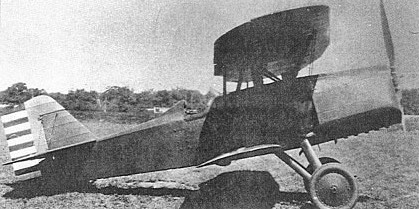
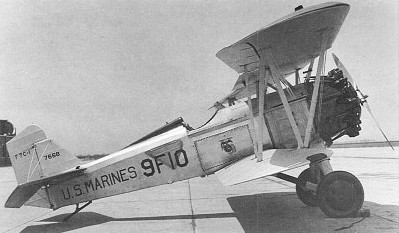
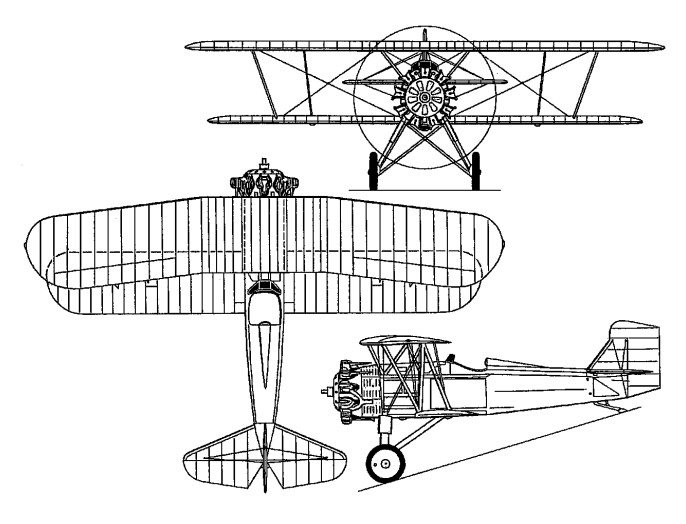
The first Curtiss fighter designed from the outset for shipboard use, the XF7C-1 single seat biplane had sweptback upper and non swept lower wings the proto¬type (X177CA) first flew on February 28, 1927. Powered by a 450hp Pratt & Whitney R-1340-B Wasp radial, the XF7C-1 was flown both with and without a propeller spinner, and was also tested with a single central float and outrigger stabilising floats. A Navy contract of June 30 1927 covered this aircraft and 17 production F7C 1s, all with 450 hp Pratt & Whitney R 1340B Wasp radial engines and 303 416 litres (67 91 Im¬perial gallons) of fuel. These differed from the prototype primarily in having tripod main undercarriage members in place of the cross axle. The propeller spinner was discarded and armament comprised two 7.62mm synchronised machine guns. Each had a single open cockpit, aft of which a life raft was stowed. Deliveries began in December 1928 to Squadron VF 5M at Quan¬tico, and its last recorded service was with VF 9M in March 1933. On May 25, 1929, the XF7C-1, flown by Lt W G Tomlinson, won the Curtiss Marine Trophy race at Anacostia at a speed of 261.55 km/h (162.5 mph).
F7C 1s Engine: 450 hp Pratt & Whitney R 1340B Wasp radial Wing span: 9.96 m (32 ft 8 in) Length: 6.76 m (22 ft 2 in) Height: 3.15 m / 10 ft 4 in Wing area: 25.64 sq.m / 275.99 sq ft Gross weight: 1262 kg (2782 lb) Empty weight: 924 kg / 2037 lb Fuel capacity: 303 416 litres (67 91 Im¬perial gallons) Maximum service speed: 243 km/h (151 mph) Range: 531 km / 330 miles