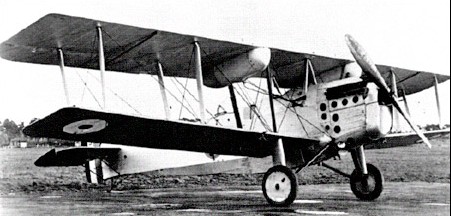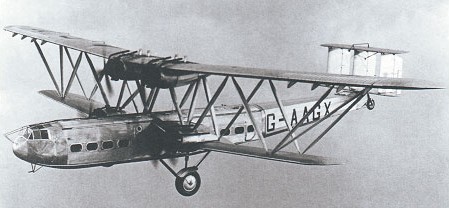
Handley Page HP.42 / Handley Page HP.45

HP.42

Handley Page HP.42 Article

To Imperial Airways fell the task of establishing British commercial air transport on an economic basis, and with government backing it became possible – at least in a modest way – to begin the procurement of new aircraft and the survey and inauguration of air routes to link the British Empire. Needing more capacity than was provided by its 18-20-seat Armstrong Whitworth Argosy or 14-seat Handley Page W.10 aircraft, Imperial Airways acquired from Handley Page eight aircraft designed specifically for use on the European and eastern sections of the Empire air routes.
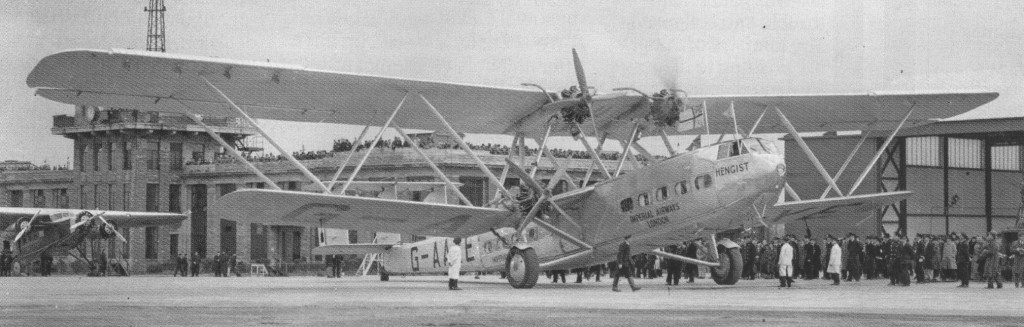
HP.42 Hannibal

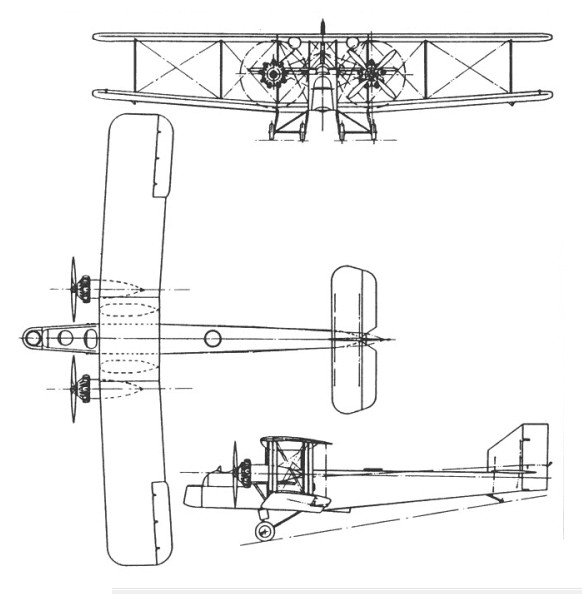
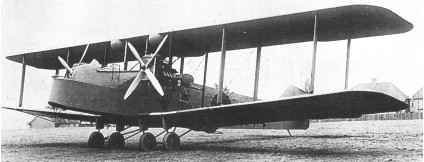
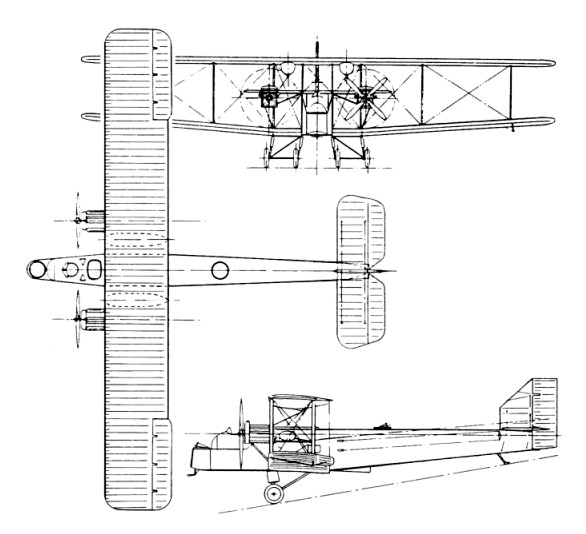
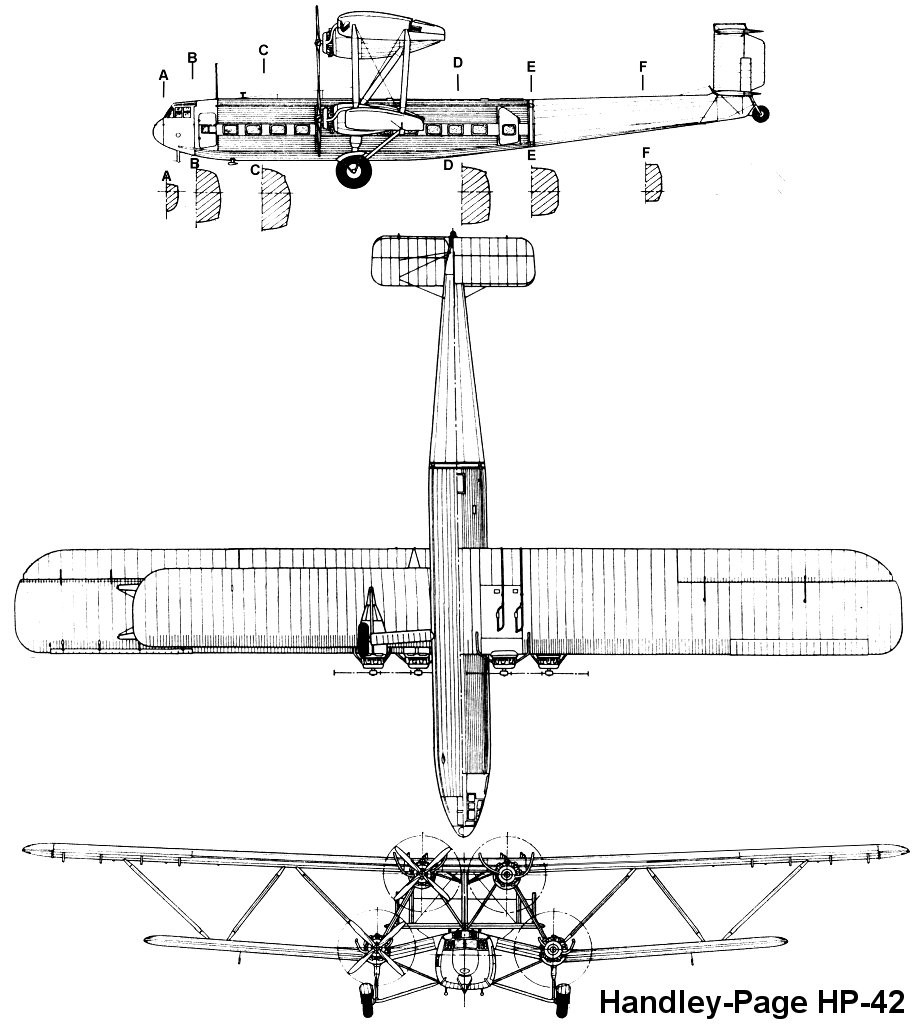
Large biplanes, with a maximum wing loading of less than 48.2 kg/sq.m, they were of all-metal construction except for the aerofoil surfaces and aft fuselage, which were fabric-covered. The unequal-span biplane wings were devoid of flying and landing wires, braced instead by massive Warren girder struts, and having ailerons and Handley Page slots only on the upper wing. The tail unit was also of biplane configuration, with triple fins and rudders, and the heavy landing gear was of fixed-tailwheel type. Power plant comprised four supercharged Bristol Jupiter engines, two mounted on the upper wing and one on each side of the fuselage on the lower wing.

For the first time in any British airliner the crew were accommodated inside the aircraft, in a compartment high in the fuselage nose which we would now call a flight deck. Within the main cabins – fore and aft of the wing area where the engine noise originated – passengers were provided with completely new standards of comfort and spaciousness.
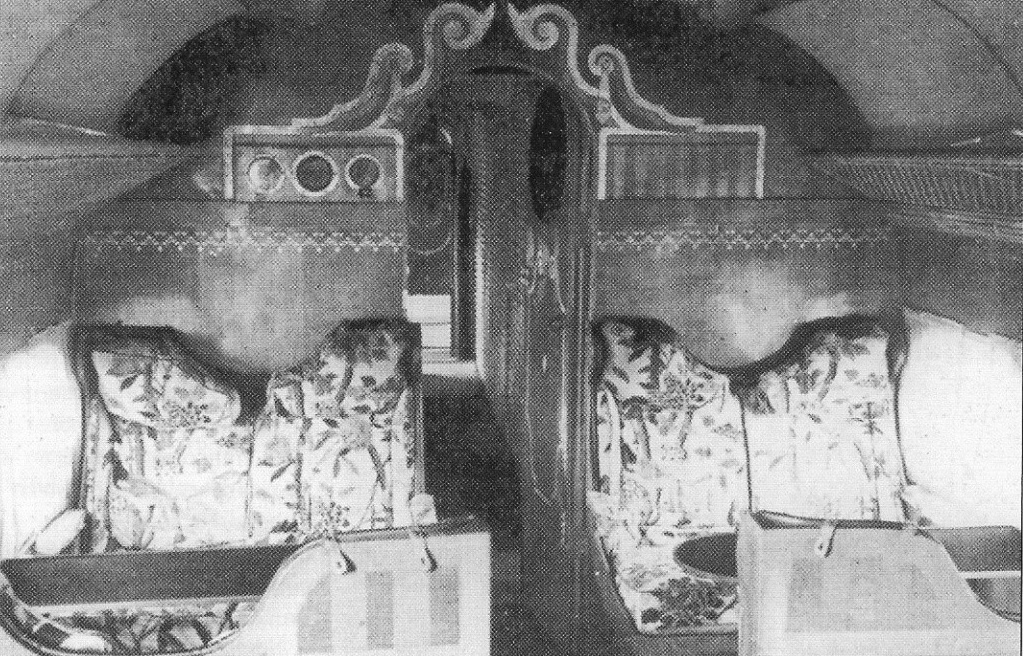
Only four of thes Handley Page H.P.42 were ever built, the biggest biplane aircraft ever built. First acquired by Air Transport and Travel, it first flew from London to Paris in 1919 with a single passenger on board – a newspaper reporter.

Those intended originally for eastern use (on the Indian and South African routes) carried six (later 12) passengers in the forward cabin and 12 in the rear, with space for 14.16cu.m of baggage and mail amid-ships. The four equipped for the European routes (based at Croydon) carried 18 passengers forward, 20 aft and had 7.08cu.m of baggage space. The first HP.42 flew on 14 November 1930. It was equipped subsequently for long-range service (H.P.42E, ‘E’ for Eastern) and named Hannibal.
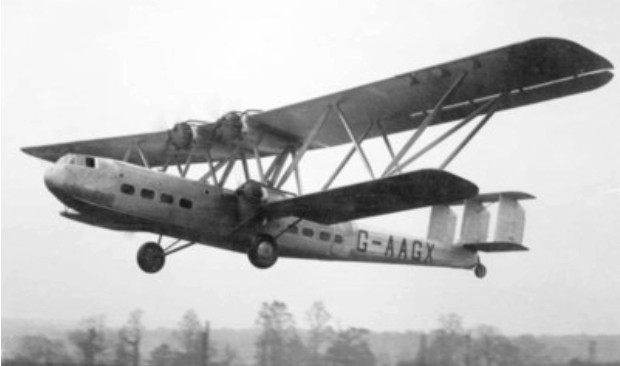
Handley Page H.P.42

Four Hannibal class H.P.42s, operated in semi-tropical conditions on the long eastern mail routes between Karachi, Cairo and Kisumu.
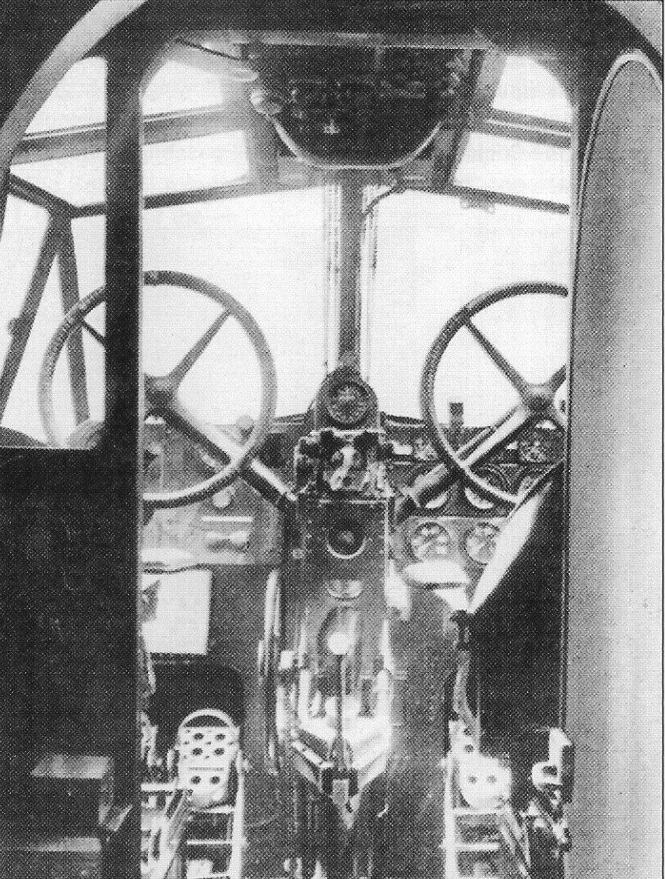
Anthony Fokker once commented that H.P.42s had built-in headwinds, but their cruising speed of around 161km/h, excellent handling at low speeds and robust structure ensured that they were able to boast a decade of fatal-accident-free flight before being withdrawn from civil airline service on 1 September 1939.

The H.P.42 was developed into two variants: the H.P.42E (Eastern) for long-haul routes to the middle East and beyond, and the H.P.42W (Western or HP.45) for imperial’s flights to Paris and other European cities.

The HP.42E served exclusively in the east, the four HP.42Ws were Croydon-based and differed by being configured for a maximum of 38 passengers, rather than the 24 of the HP.42E.

The HP.42W were first delivered in September 1931.

Hercules, the first HP.42W delivered, by 23 July 1937 had flown 1 million miles / 1.6 million km on routes to Paris, Cologne and Zurich. Just over a year later, it had completed s further 250,000 miles / 400,000 km and had carried 95,000 passengers.

The HP.42Ws were impressed into military service during World War II.
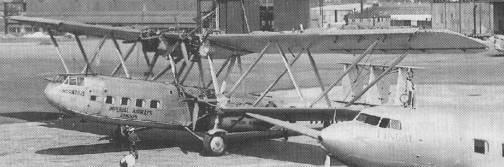
HP.45 Hercules

There were four Heracles class H.P.45s, used on Imperial Air¬ways western routes from Croydon to Europe. First of the H.P.42W (‘W’ for Western) for the European services was delivered in September 1931 and named Heracles.
The two versions wore generally similar, except that the Heracles had 550 hp Jupiter X.FBM engines and accommodation for 38 passengers, whereas Hanni¬bal had Jupiter XIs of the same power and seats for only 18 passengers.
The remainder of this family of 1930s ‘Jumbo’ airliners had the names Hadrian, Hanno, Helena, Hengist, Horatius and Horsa.
Together they flew some ten million miles without ever hurting a passenger, until the last of them disappeared on a wartime flight in the Middle East.
With their girder-braced biplane wings and massive fixed undercarriage they had a maximum cruising speed of about 100 mph (161 km/h), but offered standards of comfort and safety that no other transport of the period could equal. As a result, they carried more passengers between London and the Continent in the 1930s than did all other airliners combined, and without ever hurting a passenger until the last of them disappeared during a wartime flight in 1940.
Five also serviced the RAF during the Second World War.

Gallery

HP.42W / HP.45 Hercules
Engines: 4 x 550 hp / 414kW Jupiter X.FBM
Span 130 ft / 39.62 m
Length 89 ft. 9 in / 27.36 m
Height 27 ft
Weight empty: 21,000 lb / 9,620 kg
Weight loaded 30,000 lb
Max. speed 127 m.p.h. / 204 km/h
Cruising speed 95 105 mph / 153-169 km/h
Range: 805 km / 500 miles
Crew: 2
Pax cap: 40
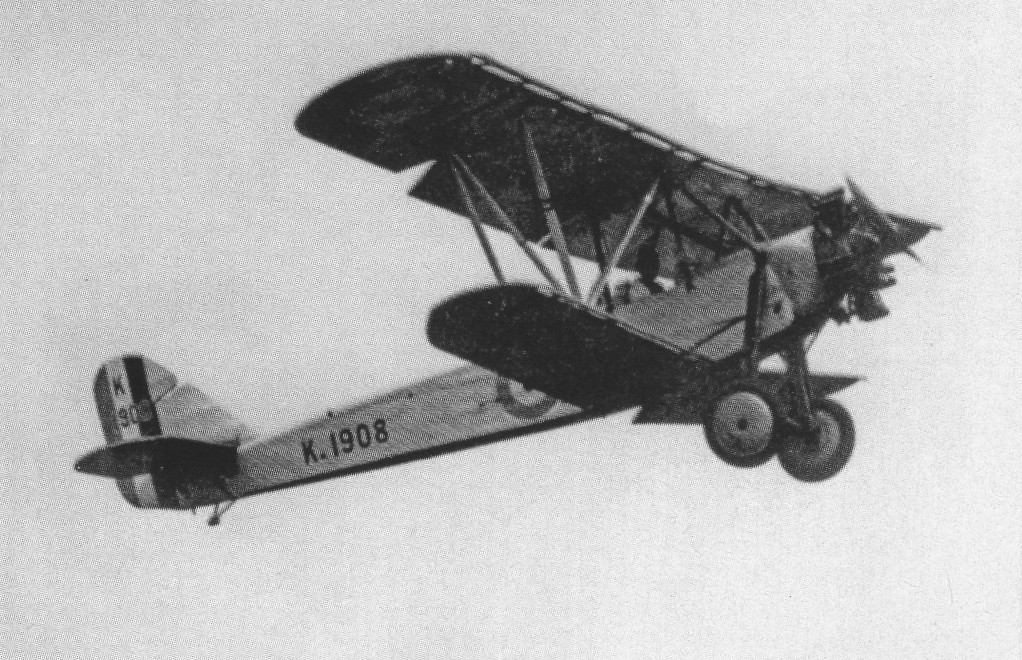
Handley Page HP.39 Gugnunc

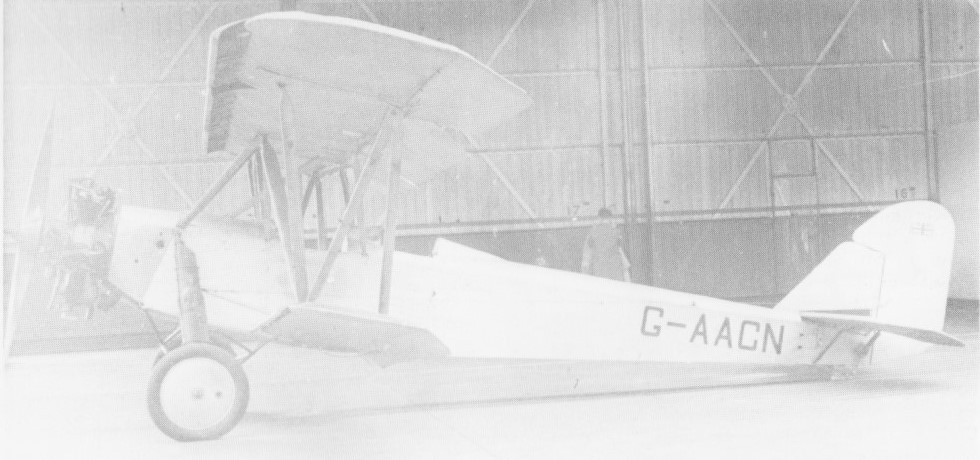
Built to compete in the 1929 Daniel Guggenheim International Safe Aircraft Competition in the USA, the HP.39 Gugnuno was fitted with full span handley page slots and flaps for high angles of attack. Registered G-AACN, the HP.39 was one of only two machines to pass the preliminary tests in the competition, but lost to the Curtiss Tanager. It was then tested at RAE Farnborough as K1908, and became a regular performer at air displays. In 1934 it was presented to the Science Museum, and now resides at Wroughton.

Engine: Armstrong Siddeley Mongoose II, 155 hp
Wingspan: 40 ft
Length: 26 ft 9 in
AUW: 2150 lb
Mas speed: 113 mph
Min speed: 34 mph

Handley Page HP.33 Hinaidi / HP.35 Clive / HP.36 Hinaidi

The Hinaidi was a structural rather than aerodynamic development of the Hyderabad (with a primary structure of metal rather than wood in the main production variant) and with Jupiter radials in place of the Lion inlines for slightly better performance with a usefully increased warload. The two Hinaidi prototypes were Hyderabad conversions and thus retained a wooden structure, and first flew in March 1927.

HP.33 Hinaidi

The 12 new-build Hinaidi Mk Is retained the Hyderabad’s wooden construction, and were complemented by seven Hyderabad conversions before the advent of the metal-structured Hinaidi Mk II (first flown 8 Feb 1929), of which 33 were built up to 1932.

The first Hinaidi unit was No. 99 Squadron, which received its aircraft from October 1929. There followed No. 10 Squadron, together with Nos 502 and 503 Squadrons of the Auxiliary Air Force. Hinaidis were replaced by Heyfords from 1933, and declared obsolete during 1937.

The RAF also received three examples of the troop-transport version known as the Clive (formerly Chitral). Each could accommodate 17 fully armed troops, or equivalent freight; folding seats being provided on both sides of the cabin and racks for the rifles. Two gun positions were retained (nose and dorsal). The first Clive was later civil registered G-ABYX and named Youth of Australia (subsequently Astra).

HP.35 Clive

Hinaidi Mk II
Engines: 2 x Bristol Jupiter VIII, 328kW (440 hp)
Span: 22.86m (75ft).
Length: 18.03m (59ft2in).
Height: 5.18 m / 16 ft 12 in
Wing area: 136.66 sq.m / 1470.99 sq ft
Max T/O weight: 6577 kg (14,500 lb).
Empty weight: 3647 kg / 8040 lb
Max speed: 106 kts / 196 km/h / 122 mph at sea level.
Cruise speed: 121 km/h / 75 mph
Ceiling: 4420 m / 14500 ft
Range: 1368 km / 850 miles
Armament: 3 x 7.7-mm (0.303-in) machine-guns, 657 kg (1,4481b) bombs
Operational range: 850 miles.
Crew: 4

H.P.36 Hinaidi

Handley Page Type H / HP.34 Hare

Intended as a Hawker Horsley and Fairey Fawn replacement, the sole Type H (HP.34) Hare high altitude day bomber underwent numerous modifications and engine changes. First flown on 24 February 1928 it underwent official tests at Martlesham Heath in July 1929 powered by a Bristol Jupiter VIII radial and two blade propeller, after being fitted with a divided undercarriage to allow carriage of a torpedo. Two 620 lb bombs were carried beneath the wings.

In 1932 J8622 was sold to a private buyer, registered G-ACEL, and moved to Hanworth, but it never flew again. Its remains were scrapped in 1937.

Engine: 1 x 450hp Gnome-Rhone Jupiter
Max take-off weight: 2607 kg / 5747 lb
Empty weight: 1485 kg / 3274 lb
Wingspan: 15.24 m / 50 ft 0 in
Length: 9.80 m / 32 ft 2 in
Wing area: 42.18 sq.m / 454.02 sq ft
Max. speed: 224 km/h / 139 mph
Ceiling: 5029 m / 16500 ft
Armament: 2 x 7.7mm machine-guns, 2 x 250kg bombs or a torpedo
Crew: 2

Handley Page HP.32 Hamlet

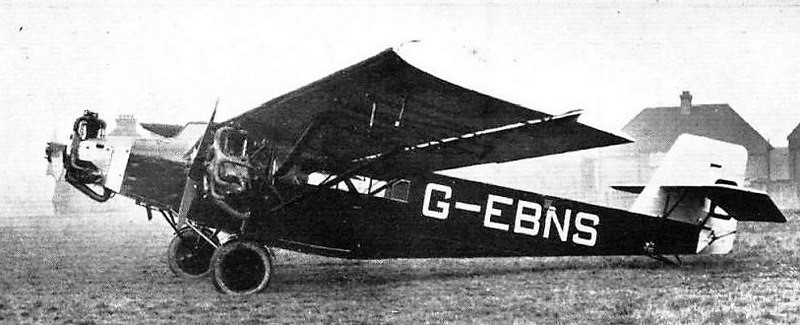
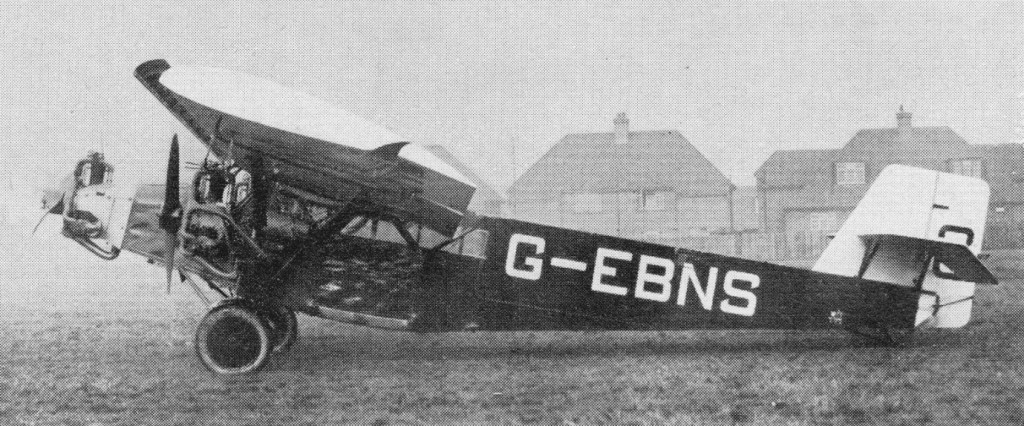
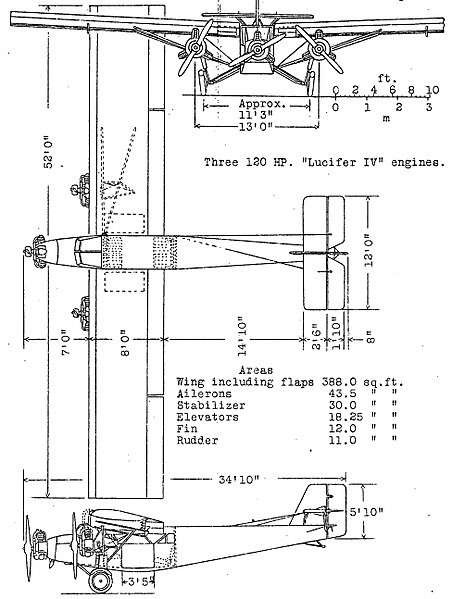
In 1924, the British Air Ministry issued Specification 23/24 for a three-engined six/seven-passenger charter airliner. Handley Page’s design to meet this requirement, the Hamlet, was a high-wing three-engined monoplane with a conventional landing gear and room for six passengers. The wing was fitted with leading edge slots and flaps to give good landing performance.

The only Hamlet was built at Cricklewood in 1926, and registered G-EBNS. It was first flown on 19 October 1926 powered by three 120 hp (90 kW) Bristol Lucifer IV three-cylinder radial engines. The Lucifer gave rise to excessive vibration, particularly in the centre engine, causing the pilot’s instruments to be unreadable, and after a final flight with Lucifer engines on 25 October 1926, it was modified with a smaller fin and larger rudder and the engines were changed to two 250 hp (187 kW) Armstrong Siddeley Lynx radial engines, with the nose engine replaced by additional baggage space, first flying in this form on 19 May 1927.

This modification eliminated the vibration, but the twin-engined variant was underpowered. In March 1928 it was re-engined again with three 150 hp (112 kW) Armstrong Siddeley Mongoose five-cylinder radial engines although it flew only once in that configuration on delivery to the Royal Aircraft Establishment at Farnborough. The aircraft was scrapped in 1929.

Powerplant: 2 × Armstrong Siddeley Lynx, 220 hp (164 kW) each
Wingspan: 52 ft 0 in (15.85 m)
Length: 34 ft 10 in (10.62 m)
Empty weight: 3,105 lb (1,408 kg)
Gross weight: 5,000 lb (2,268 kg)
Maximum speed: 114 mph (183 km/h, 99 kn)
Crew: two
Capacity: six passengers

Handley Page HP.31 Harrow

Harrow Mk.II

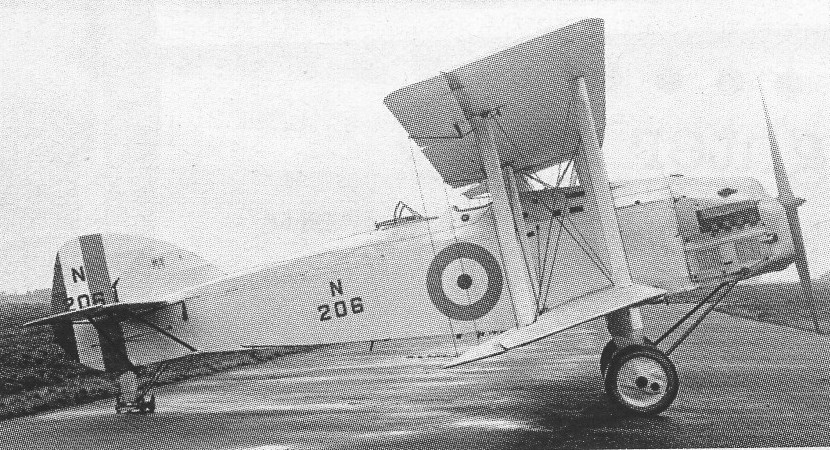
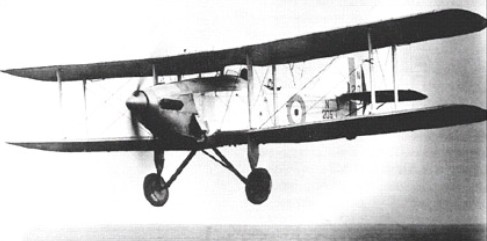
Two prototypes of the HP.31 Harrow were ordered as competition for a two seat fleet torpedo bomber/reconnaissance aircraft to replace the Blackburn Dart under specification 21/23.
In their initial form a 470 hp Napier Lion was installed.

As a result of experiments with the second machine, N206, the first, N205, was rebuilt as the Harrow Mk.II, initially with a 630 hp Lion XI and then a slightly more powerful Lion XA. These engines had rear mounted carburettors which allowed an improved nose profile.

Harrow Mk.II

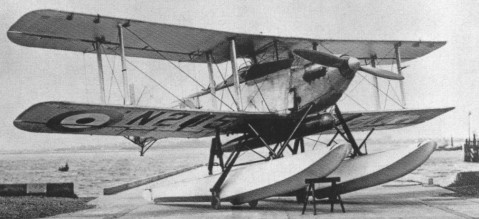
Following trials at Martlesham Heath in landplane configuration, N206 was fitted with floats in March 1928 followed by trials at the Marine Aircraft Experimental Establishment at Felixstowe, and was demonstrated to the Finnish and Argentinian air attaches. It was eventually written off as unfit for RAF service as a seaplane.
The competition was won by the Blacburn Ripon in June 1927. Experiments continued towards a revised Harrow.

H.P.31 Mark I
Engine: 1 x 470hp Napier Lion V 12
Max take-off weight: 3242 kg / 7147 lb
Empty weight: 1998 kg / 4405 lb
Wingspan: 13.41 m / 43 ft 12 in
Length: 10.29 m / 33 ft 9 in
Wing area: 52.30 sq.m / 562.95 sq ft
Max. speed: 171 km/h / 106 mph
Ceiling: 2652 m / 8700 ft
Range: 708 km / 440 miles
Armament: 1 x Lewis gun, 1 torpedo or 3 x 235kg bombs

Handley Page HP.28

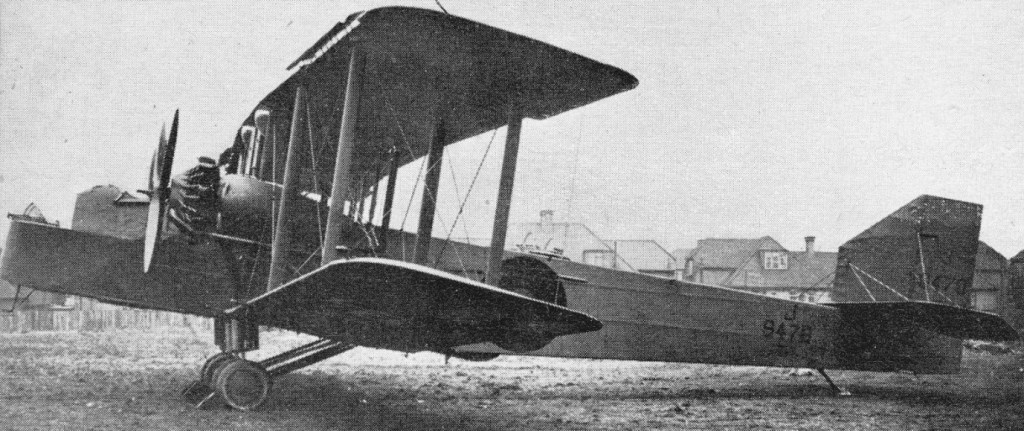
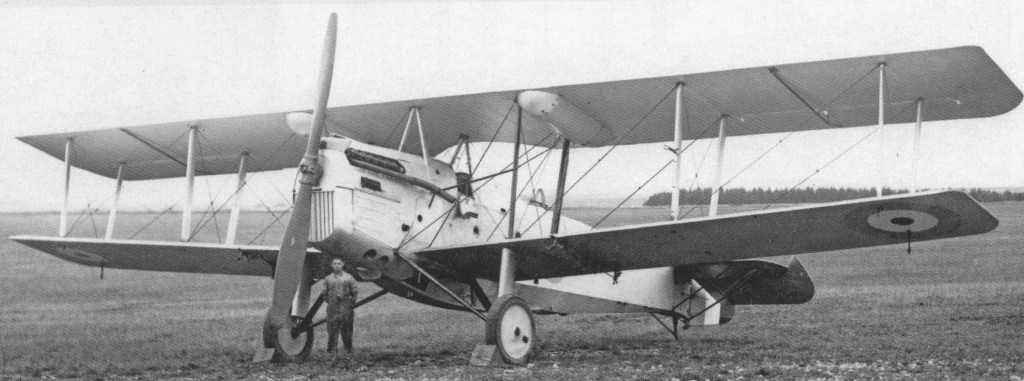
Air ministry specification D of R4B (later revised as 26/23) for a single engined long range bomber led Handley Page to produce the 60 ft span C/7 (HP.28) Handcross, with a Rolls Royce Condor III.
The pilot was located high under the cabane, with the prone bomb aimer’s position beneath him. There was a Lewis gun on a scarff ring in the mid-upper position and another in the fuselage underneath and behind the prone position. The pilot had a fixed forward firing Vickers gun. The 550 lb bombload was recessed into the left side for the fuselage belly faring.
The first of three built, J7498, first flew on December 6, 1924, but the Hawker Horsley won a production order.

Engine: Rolls Royce Condor III
Wing span: 60 ft
Crew: 2

Handley Page HP.22 / HP.23

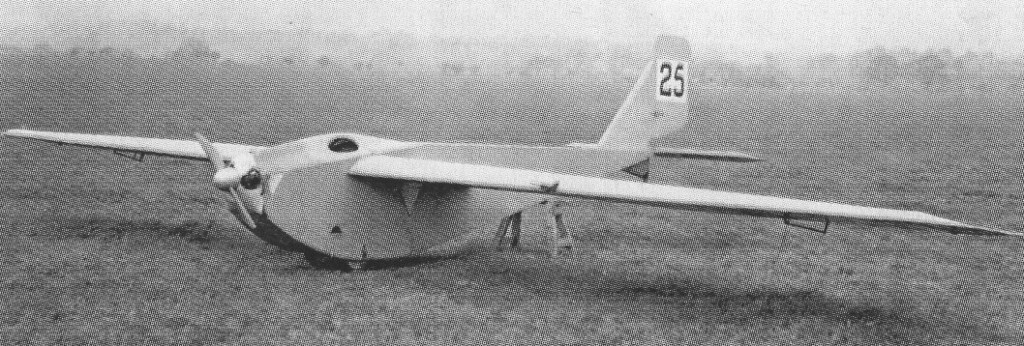
In 1923, the HP.22/23 motor glider was designed by W.H.Sayers, three were entered for the Lympne light aeroplane competitions of that year. In an attempt to improve the HP.22/23 performance, Harold Boultbee lowered the wing to a shoulder position, increased its incidence, faired the 397cc ABC into the nose, moved the wheels forward, and put a hinged lid over the cockpit.
The second machine, No.25, managed to fly nearly three laps of the Lympne course at full throttle on 11 October 1923, piloted by Gordon Olley, but loss of power forced its retirement.
On a second attempt on 13 October, No.25 was blown to the ground after take-off and its wing was smashed. The third machine was not ready in time.

Handley Page Handcross

Three prototypes, first flown on 6 December 1924. No production.

Engine: 1 x 650hp Rolls-Royce Condor III
Max take-off weight: 3405 kg / 7507 lb
Empty weight: 2368 kg / 5221 lb
Wingspan: 18.29 m / 60 ft 0 in
Length: 12.19 m / 39 ft 12 in
Wing area: 73.21 sq.m / 788.03 sq ft
Max. speed: 193 km/h / 120 mph
Ceiling: 5867 m / 19250 ft
Range: 805 km / 500 miles
Armament: 3 x 7.7mm machine-guns, 1 x 250kg or 2 x 100kg bombs
Crew: 2-3

Handley Page HP.24 Hyderabad

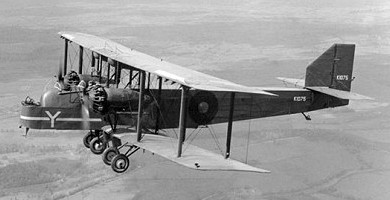
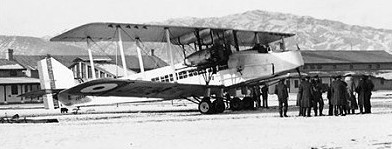
The Hyderabad was a military derivative of the W.8 which first flew in December 1919 as one of the first purpose-designed airliners. The Hyderabad was the company’s response to a 1922 bomber specification, and when it took to the air in October 1923 it was the world’s first large aeroplane with automatic leading-edge slats. Such slats were not incorporated into the Hyderabad Mk I production type, which was also the RAF’s last all-wooden heavy bomber. Delivery of the 38 aircraft was slow, No. 99 Squadron receiving its Hyderabads from December 1925 but No. 10 Squadron re-equipping only from January 1928. Hyderabads were also flown by two Auxiliary Air Force units, Nos 502 and 503 Squadrons. The bomber was withdrawn from first-line service in 1930 and from AAF service in 1933, and the type was declared obsolete in 1934.
Three were later converted into Hinaidis.

Handley Page Hyderabad Mk I
Engines: 2 x 450hp / 338.5kW Napier Lion IIB or V
Wingspan: 22.86 m / 75 ft 0 in
Length: 18.03 m / 59 ft 2 in
Height: 5.11 m / 16 ft 9 in
Wing area: 136.66 sq.m / 1470.99 sq ft
Max take-off weight: 6164 kg / 13,590 lb
Empty weight: 4045 kg / 8918 lb
Max. speed: 94 kts / 175 km/h / 109 mph at sea level
Ceiling: 4267 m / 14000 ft
Operational Range: 432 nm / 805 km / 500 miles
Armament: 3 x 7.7mm (0.303-in) machine-guns, 500kg (1,100 lb) bombs
Bomb load: 500kg
Crew: 4