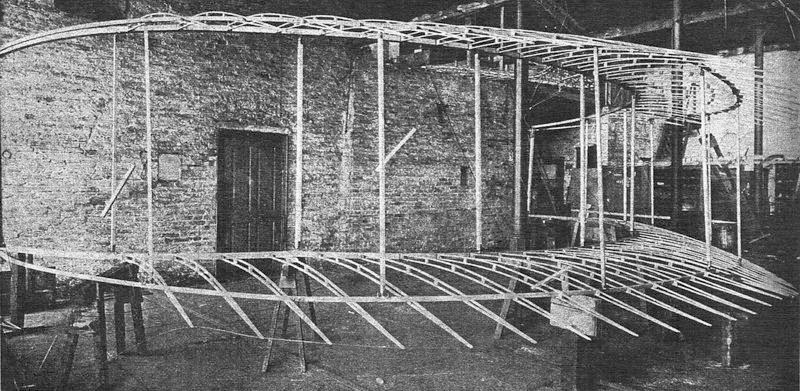
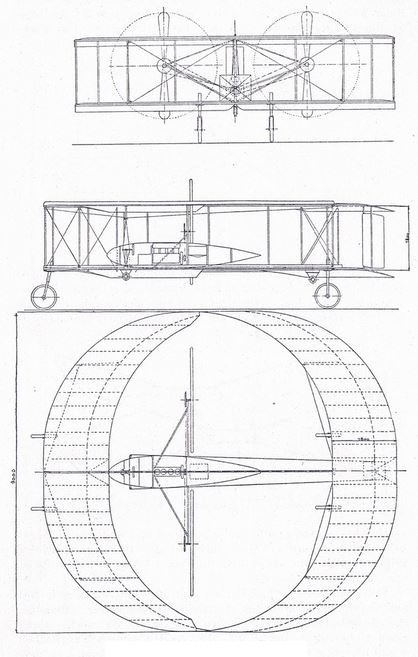
This biplane was designed by Dr. Fritz Huth and built at the Max Schüler Aeroplan-Fabrik (Berlin) in 1909. It had sickle-formed wings, the front pair with points to the rear and the rear pair with points forwards, so that almost ring-formed surfaces of 6 m diameter was formed. It’s reported that two were built, one by Huth’s Deutsche Flugwerft (Huth-Motor), another by Schüler (Aeolus-Motor).
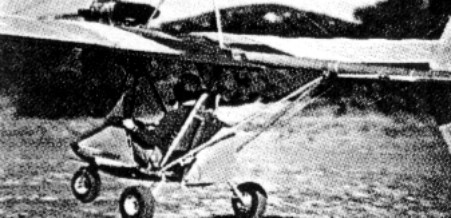
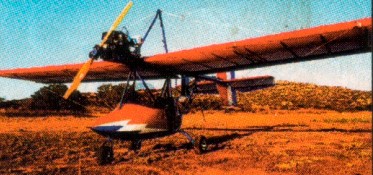
Circa 1995. Suitable engines include the Rotax 447 to 582. The Rotax 447 powered 103 ultralight kit was priced at US$8499 in 1997. The Hurricane H.P./Clipwing has a symmetrical wing for mild aerobatics. Designed for +8 / -6 G, the kit price in 1997 was US$10,199.
Experimental Engine: Rotax 503, 52 hp. Wingspan: 28.5 ft. Wing area: 142 sq.ft. Length: 16.75 ft. Height: 8.25 ft. Seats: 1. Empty wt: 280 lb. Max wt: 680 lb. Fuel cap: 10 USG. Wing loading: 4.8 lb/sq.ft. Pwr loading: 13.1 lb/hp. Vne: 105mph. Cruise: 70mph. Stall: 30mph. ROC: 1000 fpm. TO dist: 100ft. Ldg dist: 150 ft. Endurance no res: 2.75 hr. Range: 200 mile. Fuel burn: 2.5 USG/Hr.
Ultralight Engine: Rotax 447, 40 hp HP range: 40-55 Wingspan: 28.5 ft. Wing area: 142 sq.ft. Length: 16.75 ft. Height: 8.25 ft. Seats: 1. Empty wt: 250 lb. Max wt: 500 lb. Fuel cap: 5-7 USG. Vne: 105mph. Top speed: 100 mph Cruies: 60 mph Stall: 25 mph. Range: 150 sm. Takeoff distance: 100 ft Landing distance: 120 ft Service ceiling; 12,000 ft ROC: 850 fpm. Landing gear: nose wheel.
Hurricane H.P./Clipwing Top speed: 105 mph Cruise: 75 mph Stall: 30 mph Range: 130 sm Rate of climb: 1000 fpm Takeoff dist: 150 ft Landing dist: 150 ft Service ceiling: 12,500 ft Engine: Rotax 503, 52 hp HP range: 40-75 Fuel capacity: 7-10 USG Empty weight: 275 lb Gross weight: 650 lb Height: 8.2 ft Length: 17 ft Wing span: 26-26 ft Wing area: 133 sq.ft Seats: 1 Landing gear: tailwheel
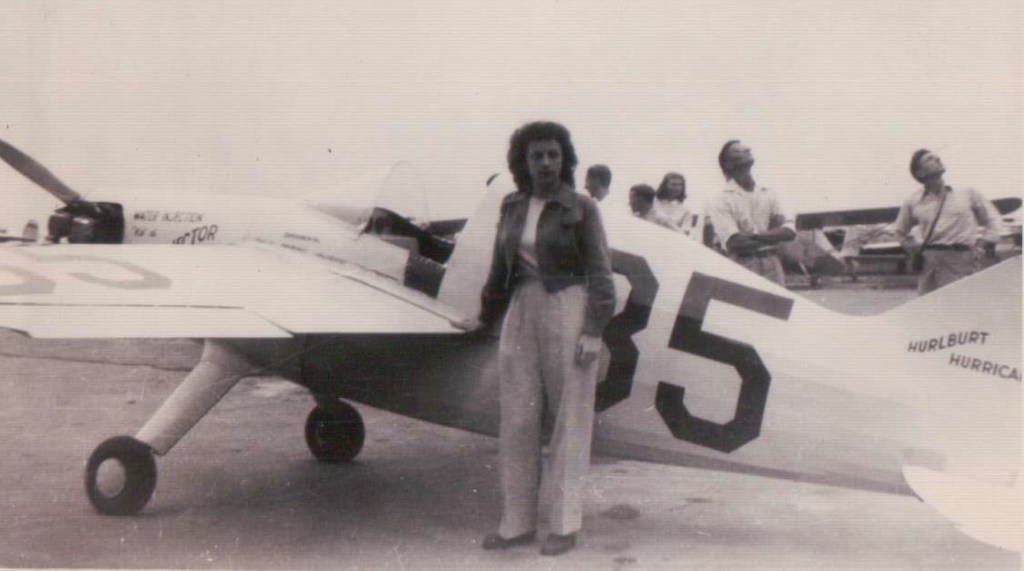
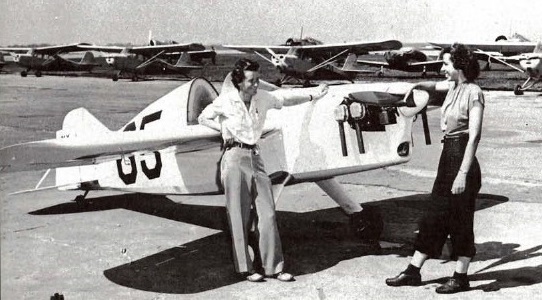
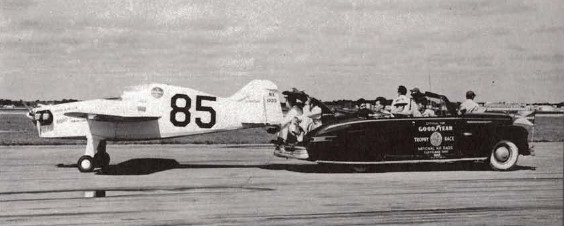
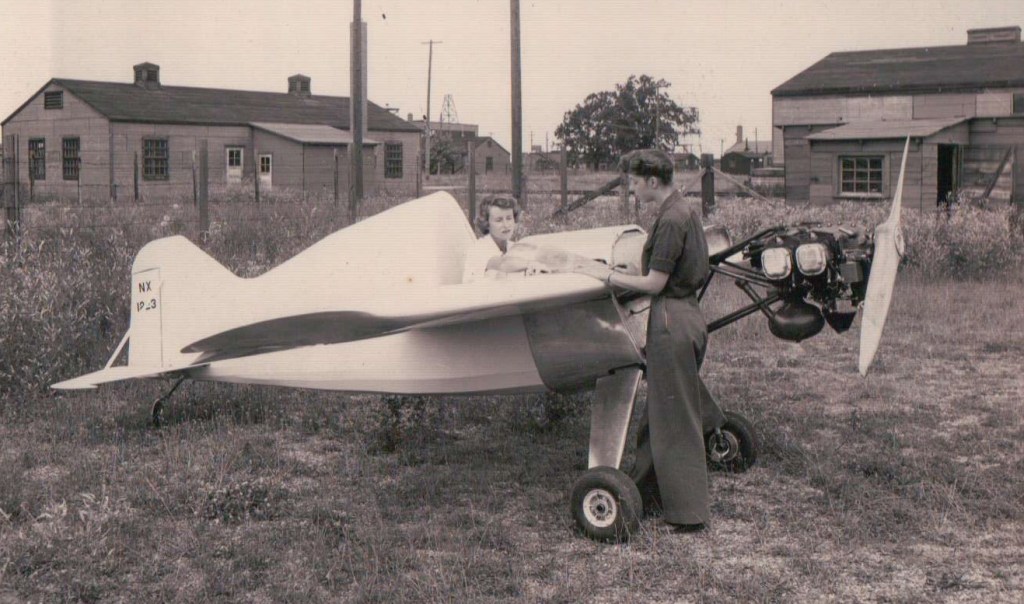
The Hurlburt Hurricane NX1223 of 1947 was designed and built by Marge Hurlburt, Anna Logan, and Duke Caldwell as midget racer #85.
Powered by an 85hp Continental C-85, the Hurricane was barred from Goodyear competition because the event was restricted to male pilots.
1947
Owned by Anna Logan and Mildred Caldwell of Cleveland, Eugene ‘Joe’ Smith flew the Hurricane in 1947.
The craft was later named the Camburn Special after Marge’s death. Eventually it was flown as Camburn Special in some competitions by Eugene “Joe” Smith.
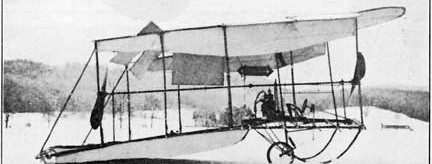
Designed by Jericho, Vermont dentist Dr. Dane Hurlburt and said to have been built in Lucerne, Switzerland, but flown in his native USA. A box-kite biplane with laterally-placed wings (wings rotated at 90 degrees to the direction of flight), Hurlburt’s aeroplane was powered by one 25 hp Anzani three cylinder motor driving a five and one-half metre long shaft with pusher-tractor propellers of 2 metres diameter. Contrarily claimed by various sources to have achieved several flights (notably on September 21, 1909 at Lucerne), as well as to have never been flown at all.
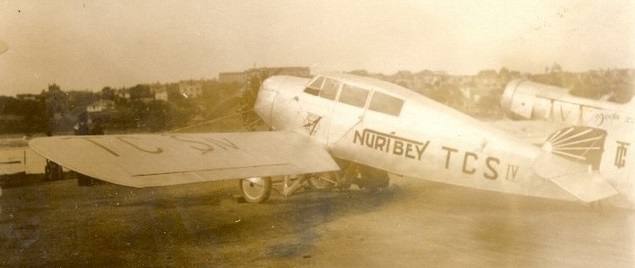
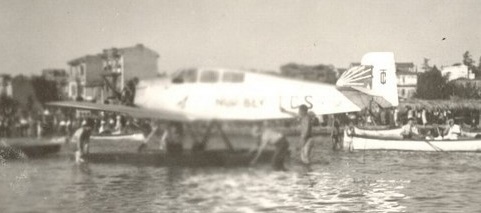
The 1934 Vecihi XVI, aka Vecihi K-XVI ‘Nuri Bey’ (after Nuri Demirag), was a 4-seat low-wing cabin monoplane, registered TC-S.IV. I was modified as the Vecihi XVID, then as a seaplane Vecihi XVI seaplane, aka ‘S-XVI’.
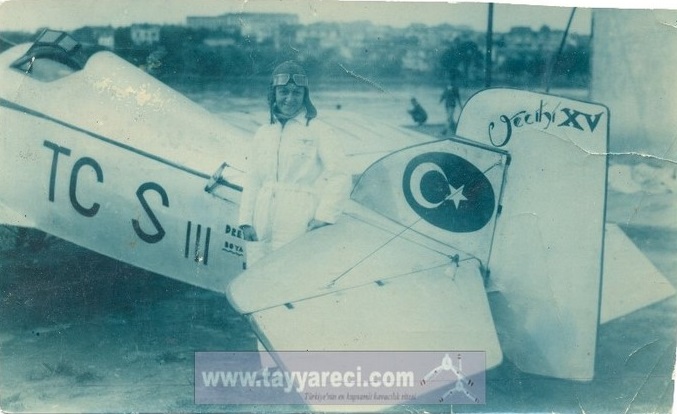
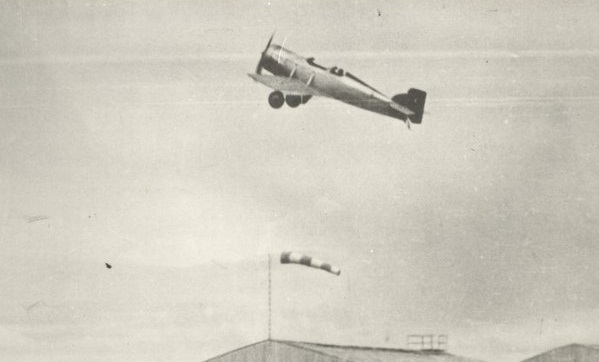
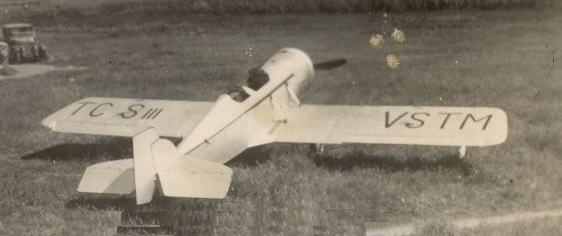
The 1933 Vecihi XV, aka Vecihi XV STM, were 3-seat multi-purpose aircraft. With braced low-wing monoplane, and radial engine, the aircraft was registered TC-S.III. It has been reported that one or two were built.
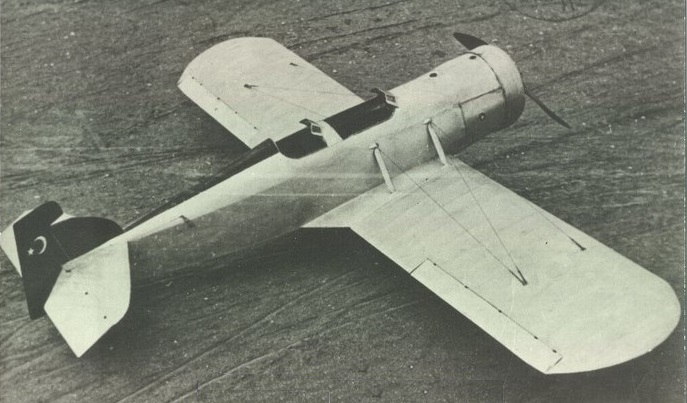
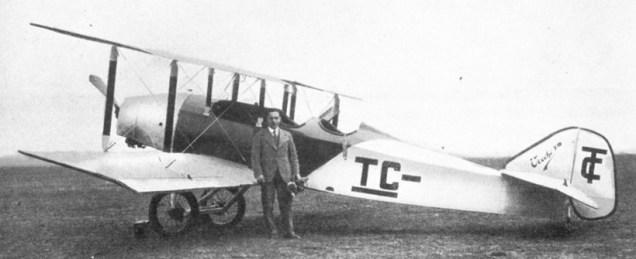
Flying in Sept 1930, the Vecihi XIV, aka Vecihi K-XIV, was a 2-seat single-engined trainer/sport aircraft. Described as “a modernized version of the Vecihi XIV”.
The aircraft was registered TC-S.I, then modified as the Vecihi XIVD and registered TC-S.II. It was converted as the Vecihi XIV seaplane on floats.