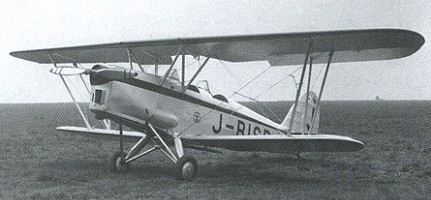
Ishikawajima Kokuki KK built small batches of 2-seat biplanes: T-2/-3 recon, R-1/-2/-3/-5 trainers and light ambulance (later designated KKY).
Ishikawajima Kokuki KK built small batches of 2-seat biplanes: T-2/-3 recon, R-1/-2/-3/-5 trainers and light ambulance (later designated KKY).
Ishikawajima Kokuki KK built small batches of 2-seat biplanes: T-2/-3 recon, R-1/-2/-3/-5 trainers and light ambulance (later designated KKY).
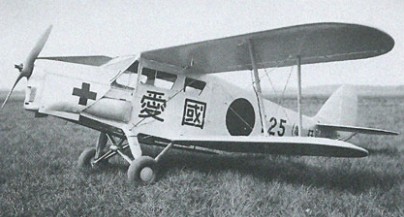
Ishikawajima Aircraft Company built small batches of R-1/-2/-3/-5 trainers and light ambulance (later designated KKY). The KKY with 130hp Cirrus replaced by 150hp Ha-12 or Kamikaze radial was developed as the KS-I.
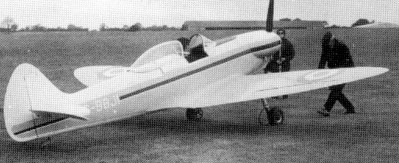
Construction of the 60% replica of the World War 2 Spitfire was begun by John Isaacs in 1969 at Southampton. Wood and fabric construction. Powered by a Rolls-Royce/Continental O-200-A engine, the prototype, c/n.2, later registered G-BBJI PFA.27-10055, first flew in early 1975.
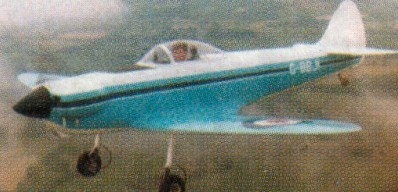
Engine: Continental O-200, 100 hp.
Height: 5.6 ft.
Length: 19.3 ft.
Wing span: 22.1 ft.
Wing area: 87 sq.ft.
Weight empty: 805 lbs.
Gross: 1100 lbs.
Fuel cap: 13 USG.
Speed max: 150 mph.
Cruise: 130 mph.
Range: 200 sm.
Stall: 47 mph.
ROC: 1100 fpm.
Take-off dist: 600 ft.
Landing dist: 450 ft.
Service ceiling: 15,000 ft.
Seats: 1.
Landing gear: tail wheel.
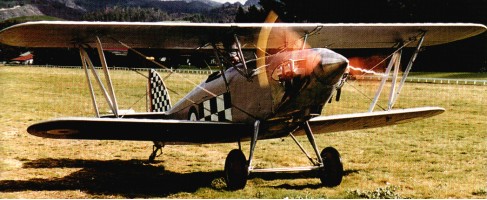
Designed by John Isaacs, the Fury is a 7/10 scale, single seat wooden replica of the famous Hawker Fury biplane of the 1930’s. The Isaacs Fury Mk 1 prototype G-ASCM first flew in 1963 powered by a 65 hp Mikron III engine. In 1967 the prototype was modified to Mk 2 standard by installing a 125 hp Lycoming O-290 engine. This aircraft is stressed to 9g for aerobatics. Normal load limits are +5 and -1G.
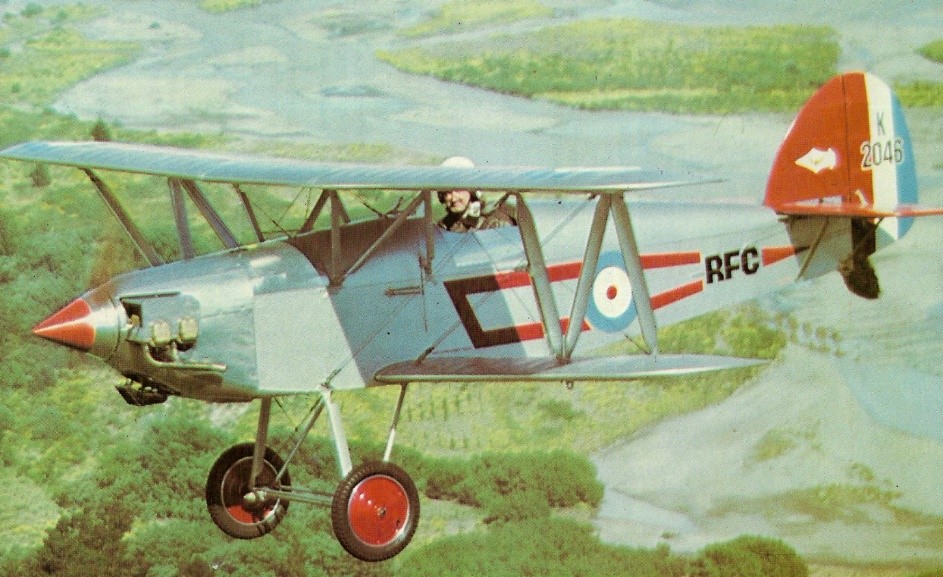
The fuselage is a spruce structure of rectangular cross-section, with a curved turtlede eking and plywood covered. The wing is made up of solid spruce, warren girder ribs, internal diagonal wooden bracing and fabric covering. Ailerons are on the top wing only. No flaps are fitted. N type cabane and interplane struts support the wings which have conventional external wire bracing. The airfoil section is RAF 28. The empennage is a wooden structure utilising solid spars, girder ribs and fabric covering. The tailplane is strut braced. The fixed landing gear incorporates rubber cord shock-absorption and 3.25 x 14” wheels. A 10 Imperial gallon fuel tank is located aft of the firewall. A luggage locker is provided behind the cockpit.
It is only offered as a scratch built project with plans from John Isaacs. It is also an approved type of aircraft by the PFA in the UK.
John Isaac had sold 200 sets of plans (revised in 1994) by 1998. The plans were then marketed by the Popular Flying Association.
Engine: Lycoming
Wing span: 6.4 m
Wing area: 11.4 sq.m
MAUW: 454 kg
Empty weight: 333 kg
Fuel capacity: 68 lt
Max speed: 185 kph
Cruise speed: 160 kph
Minimum speed: 72 kph
Climb rate: 8 m/s
Seats: 1
Fuel consumption: 25 lt/hr
Plan price (1998): $120
Engine: Lycoming 0-290, 125 hp.
Span, upper wing: 2l ft 0 in.
Lower wing: 18 ft 2 in.
Length: 19 ft 3 in.
Wing Area: 123.8 sq.ft.
Wing Loading: 8.1 lb/sq.ft.
Fuel cap: 18 USG.
MAUW: 1000 lbs.
Weight Empty: 730 lb.
Stall Speed: 38 mph.
Cruise: 100 mph.
Vne: 135 mph.
Top speed: 115 mph
Range: 200 sm.
Take-off dist: 400 ft.
Vne: 160 mph.
ROC: 1600 fpm.
Ultimate Loading: +9/-4.5g.
Engine: Lycoming 0-235-C, 115 hp.
Range 160km (100 miles).
MTOW: 1000 lbs.
Empty wt: 675 lbs.
Wing span: 21 ft.
Stall: 30 kts.
ROC: 1400 fpm.
Load limits: +9 / -4.5G.
Engine: Lycoming 0-235 C2A, 125hp.
Prop: Henry 428 72in dia/44in pitch
Cruise 85kt @2400rpm
ROC: 1500fpm
Fuel burn @ cruise: 26 lt/hr
Load: +9/-5.
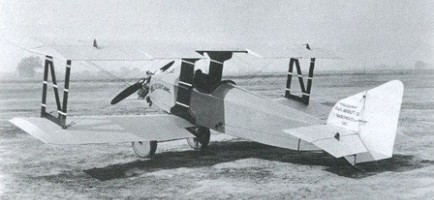
After the First World War the company built an improved version of the M-T, the M-T-2, powered by a 20 hp Meteor engine. The 1926 M-T-2, or SP-1, was of plywood construction and sold for $1,165.
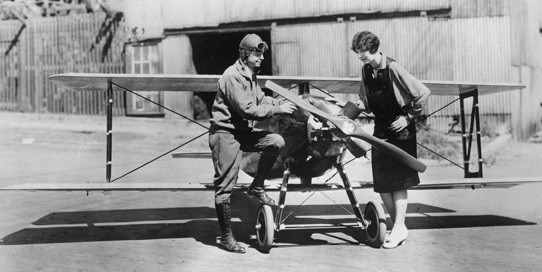
By Irwin’s estimate about 40 were sold, including N2616, plus an unrecorded number sold as kits for $350, including N579M, N3685, and N7788, less motor (the Meteormotor went for $625). One of the world’s first successful small, personal airplanes.
Engine: Irwin Meteormotor, 25hp
Wing span: 14’0″
Length: 12’0″
Useful load: 175 lb
Max speed: 85 mph
Cruise speed: 75 mph
Stall: 24 mph
Range: 200 mi
Seats: 1
In 1916 J. F. Irwin designed a small single-seat monoplane, designated M-T, powered by a motorcycle engine.
A 1922 20-25hp 4-cylinder X-shape air-cooled aero engine.
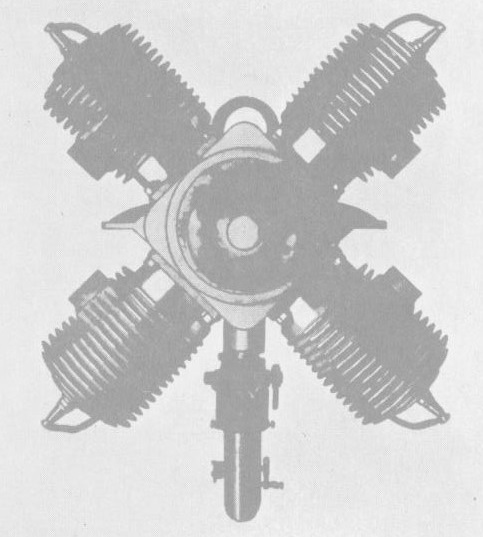
The Irwin 79 cylinders are composd of a nickel cast iron barrel over which an aluminium alloy cylinder is shrunk and doweled. Valve seats are of cast iron shrunk and doweled in place. The crankcase assembly is composed of two major castings of aluminium alloy.
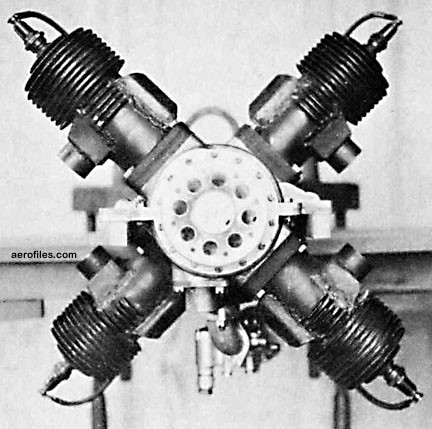
The crankshaft is made from special het treated chrome nickel seel, machined and ground from a solid billet weighing approximately 90 lb, while the finished shaft weighs 6 1/5 lb.
Alloy steel heat treated connecting rods of H section are fitted with bronze gudgeon pin bushings. Pistons of aluminium alloy are fitted with full floating nickel steel hollow gudgeon pins. The main bearings are ball race typ, lubricated under pressure.
Accessories available at extra cost were a propeller and tachometer.
Type: 4 cylinder air cooled radial
Commercial Rating: 20 hp at 1730 rpm
Displacement: 79 cu.in
Compression ratio: 4.9-1
Bore: 2 7/8 in
Stroke: 2 3/4 in
Length: 18 in
Diameter: 23 in
Weight: 58 lb
Fuel consumption: not more than .50 lb/hp/hr
Oil consumption: not more than .06 lb/hp/hr
Lubrication: Jet spray cylinder walls an pressure to main bearings
Ignition: 1 Bosch
Carburation: 1 Winfield
Spark plugs: 1 per cylinder Robert Bosch
Price: $625
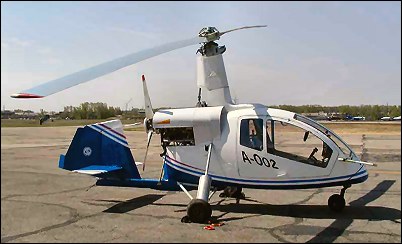
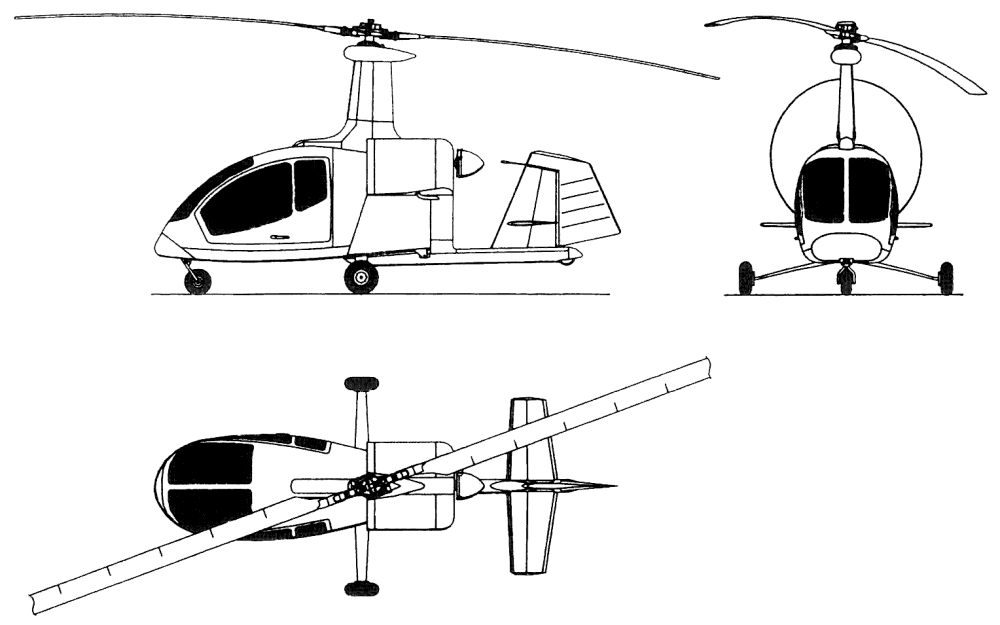
In October 2000, IAPO announced branching out into design and manufacture of its own products in the form of the prototype A-002 autogyro. A three-seat autogyro, an experimental version had been tested in 1998. The almost complete prototype was shown at Moscow in August 2001. First flight 21 April 2002.
The A-003 conforms to FAR Pt 27 and Russian AP-27. A streamlined, cabin autogyro, with pusher propeller, single, sweptback fin with large rudder, and broad track landing gear. It is equipped for engine-driven pre-rotation of rotor.
All flying controls are manual, an all-moving tailplane mounted at one-third of fin height, with a horn- and mass-balanced rudder. Generally built of metal, the rudder and elevator of composites. The landing gear is a tricycle type; fixed. Cantilever-spring mainwheels; rubber-in-compression shock-absorber on nosewheel. Mainwheel tyres 400×150; nose 100×125. Hydraulic disc brakes on mainwheels. Safety tail skid on prototype; auxiliary tailwheel on production version.
The prototype has one 157kW Teledyne Continental IO-320 flat-six driving a fixed-pitch, two-blade propeller. Alternative engines of 134 to 157kW and three-blade propeller can be installed. Subaru conversions were under consideration in April 2003.
The A-002 has two front seats, side by side, with dual controls, and a single rear seat. Upward-hinged doors are on each side. Heating and ventilation are provided.
A-002
Rotor diameter: 9.80m
Length of fuselage: 4.98m
Height, rotor removed: 3.17m
Propeller diameter: 1.90m
Max take-off weight: 800kg
Overload take-off weight: 850kg
Empty weight: 500kg
Max level speed: 210km/h
Min flying speed: 40km/h
Max rate of climb at sea level: 150m/min
Service ceiling: 3000m
Take-off run (jump start): 0m
Take-off run (normal start): 40m
Range with 200kg payload 500km
Endurance 6h