In 1928 Mitsubishi presented to the Imperial Japanese Navy three new types: the Mitsubishi 1MF9 Taka carrier fighter biplane, which featured a French-type avion marin keel; the Type R experimental twin-engine monoplane flying-boat, built also in a civil transport version, both of them based on Rohrbach designs; and the 3MR4 carrier reconnaissance biplane.
Piston
Mitsubishi 1MF / Type 10
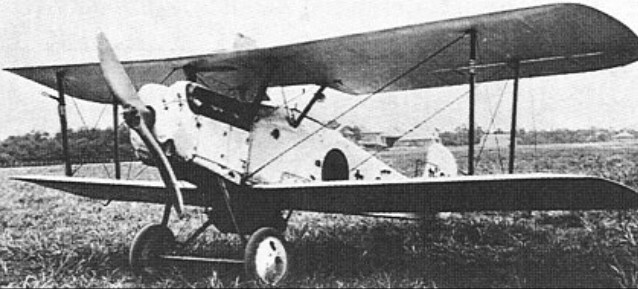
The Mitsubishi 1MF was among the first designs produced for the Mitsubishi Internal Combustion Engine Co. Ltd, set up by the Mitsubishi industrial concern in 1920. The 1MF was one of three types designed by Herbert Smith, formerly of the British Sopwith company to meet requirements issued by the Imperial Japanese Navy for aircraft to equip its first aircraft-carrier (the Hosho). The 1MF1 initial version was an unequal-span single-seat carrier-based fighter biplane, powered by a 223kW Hispano-Suiza 8 engine, which entered production in 1921 as the Navy Type 10-1 Carrier Fighter.
It was followed by the 1MF2, an experimental variant with modified upper-wing ailerons. The series Type 10-2 or 1MF3 had twin Lamblin radiators fitted between the landing gear legs, the Type 10-3 (1MF4) had the pilot’s cockpit relocated farther forward and a redesigned tailplane, while the 1MF5A was a version of the 1MF4 with experimental flotation gear. Production of the 1MF series ended in 1928 with the 138th example. The Type 10 proved a tough, reliable fighter and remained in service for a number of years, latterly as an advanced trainer.
1MF5
Engine: 223kW Hispano-Suiza 8
Max take-off weight: 1279 kg / 2820 lb
Empty weight: 936 kg / 2064 lb
Wingspan: 8.84 m / 29 ft 0 in
Length: 6.93 m / 22 ft 9 in
Height: 3.13 m / 10 ft 3 in
Max. speed: 213 km/h / 132 mph
Armament: 2 x 7.7mm machine-guns
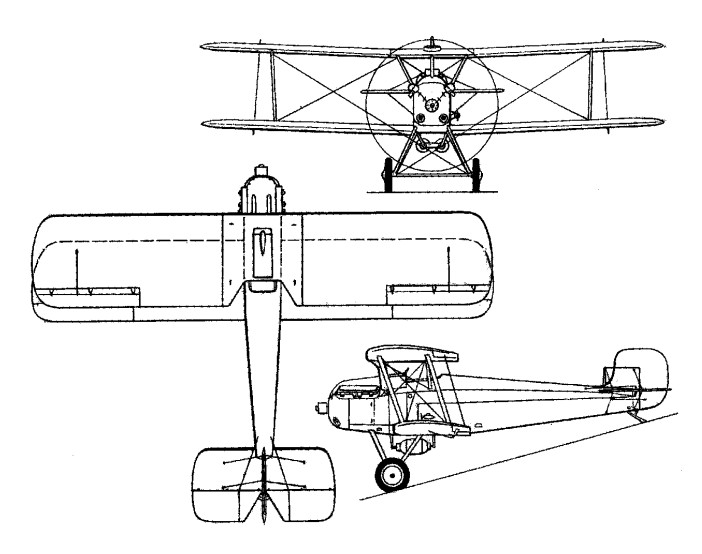
Mitsubishi 1MF / Type 9 Taka
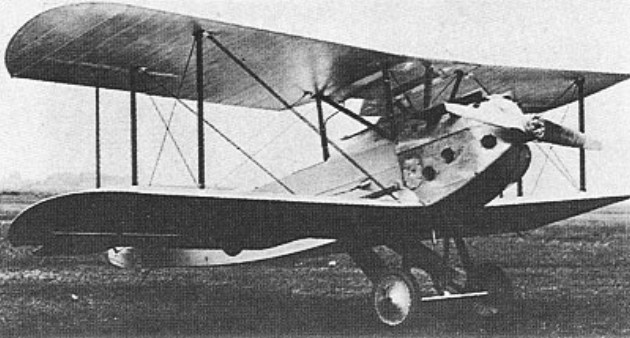
Seeking a second-generation fighter as a successor to the Type 10, in April 1926, the Imperial Navy solicited proposals from Aichi, Mitsubishi and Nakajima for an aircraft embodying a watertight fuselage, watertight wing leading edge and jettisonable undercarriage for emergency alighting on water.
In 1928, to meet the requirement, a team led by Joji Hattori developed the 1MF9 Taka (Hawk) equi-span biplane of wooden construction which featured a Vee-shaped fuselage planing bottom. Powered by a 600hp 12-cylinder water-cooled Hispano-Suiza engine and carrying an armament of two 7.7mm guns, with provision for two 30kg bombs.
The first prototype Taka was delivered in July 1927, and was the first aircraft of Japanese design to feature wing flaps, these being discarded by the second prototype delivered in the following September. The water-proofing demanded by the Navy resulted in some weight penalty, and the competition was won by the Nakajima-submitted Gloster Gambet (Nakajima A1N1), the 1MF9 Taka being abandoned.
Engine: 600hp 12-cylinder Hispano-Suiza
Wingspan: 10.80 m / 35 ft 5 in
Length: 8.44 m / 27 ft 8 in
Height: 3.40 m / 11 ft 2 in
Wing area: 41.50 sq.m / 446.70 sq ft
Max take-off weight: 1855 kg / 4090 lb
Empty weight: 1272 kg / 2804 lb
Max. speed: 245 km/h / 152 mph
Armament: two 7.7mm guns, two 30kg bombs
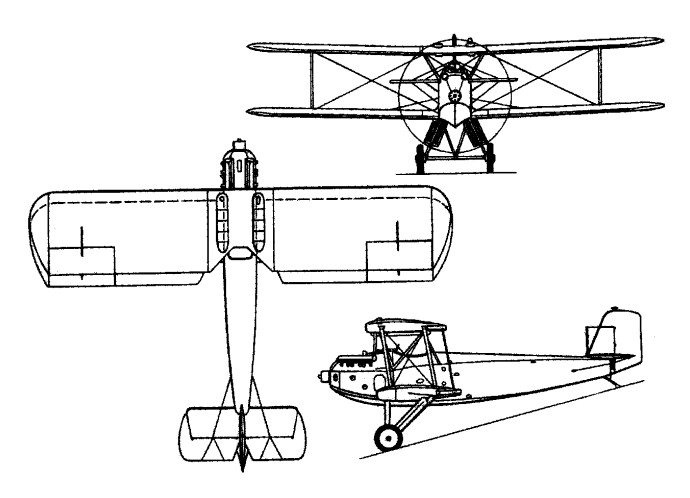
Mitsubishi 3MR4 / B2M1 / Type 89-1 / B2M2 / Type 89-2
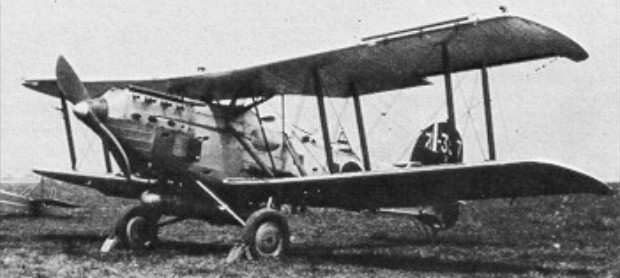
In 1928 Mitsubishi presented to the Imperial Japanese Navy three new types: the Mitsubishi 1MF9 Taka carrier fighter biplane, which featured a French-type avion marin keel; the Type R experimental twin-engine monoplane flying-boat, built also in a civil transport version, both of them based on Rohrbach designs; and the 3MR4 carrier reconnaissance biplane. This last was in reality designed by G. E. Petty, chief designer of the British Blackburn Aeroplane Company, and had been built in the UK. Three development prototypes were constructed subsequently by Mitsubishi, and it was decided that the aircraft would be used primarily as a carrier-based torpedo-bomber. Prolonged difficulties prevented naval adoption of the 3MR4 until March 1932, when it went into service as the Navy Type 89-1 Carrier Attacker or Mitsubishi B2M1.
Powered by a 485kW Hispano-Suiza 12Lb engine, the B2M1 had a maximum speed of 213km/h, and was an equal-span biplane with wide-track landing gear, its crew of three carried in tandem cockpits. Defensive armament comprised one fixed and one movably-mounted 7.7mm machine-gun; and for offensive purposes an 800kg torpedo carried between the main landing gear legs could be supplemented by six light bombs on underwing racks. An improved B2M2 or Type 89-2 appeared in 1934, this having a wing span of 14.98m and a maximum take-off weight of 3600kg, but its overall performance showed little advantage over the B2M1. Production of both versions totalled 204, and they were used extensively for medium- and low-level bombing attacks against Chinese troops during the Shanghai Incident.
B2M1 / Type 89-1
Crew: 3
Engine: 1 x Hispano-Suiza 12Lb, 485kW
Max. speed: 213 km/h / 132 mph
Armament: 2 x 7.7mm machine-guns, 800-kg torpedo, 6 bombs
B2M2 / Type 89-2
Wing span: 14.98m
Maximum take-off weight: 3600kg
Mitsubishi 2MB1 / Type 87
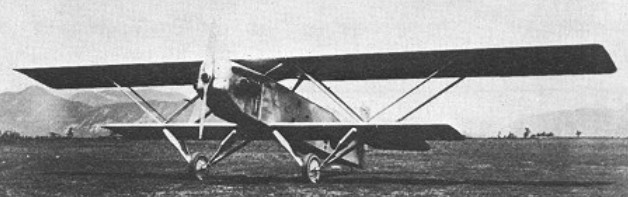
Mitsubishi submitted the experimental 2MB2 Washi two-seat light bomber biplane designed by Alexander Baumann in 1925. This was rejected for production, the Imperial Army preferring Herbert Smith’s more conventional 2MB1, a large two-seat biplane with wide-track divided landing gear.
This entered service in 1927 as the Army Type 87 Light Bomber, 48 being built, and each was powered by a 336kW Hispano-Suiza engine. Armament comprised one fixed forward-firing 7.7mm machine-gun, twin guns of the same calibre on a ring mounting for the observer, and provision for a fourth gun firing through a ventral trap; maximum bomb load was 500kg.
2MB1 / Army Type 87
Engine: 336kW Hispano-Suiza
Wing span: 14.80m / 48 ft 7 in
Maximum take-off weight: 3300kg / 7275 lb
Maximum speed: 185km/h / 115 mph
Armament: 3-4 x 7.7mm machine-gun
Maximum bomb load: 500kg
Mitsubishi 2MT / Type 12 / B1M / Type 13 / 3MT
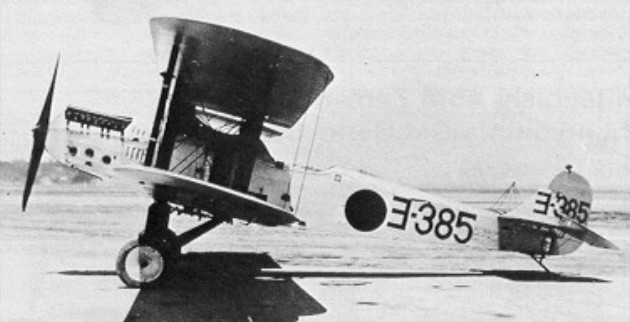
Still with the Mitsubishi company, Herbert Smith designed the 2MT1 two-seat biplane torpedo bomber which flew for the first time in January 1923. It went into Japanese Navy service as the Type 12 carrier-borne attack aircraft and was followed by the 2MT2 and 2MT3 variants.
The redesigned Type 13-2 was designated B1M2. The final version, the Type 13-3 or B1M3, had the firm’s designation 3MT2 and was a three-seater.
Total production was 354 and the type served into the 1930s, 32 flying from the aircraft carriers Kaga and Hosho during the Shanghai Incident in 1932. An aircraft from Kaga was lost during the famous air encounter when American volunteer pilot Robert Short lost his life while flying for the Chinese. The B1M was powered by a 335kW Napier Lion or Hispano-Suiza engine according to version.
2MT2
Engine: 1 x Napier Lion, 373kW
Max take-off weight: 2697 kg / 5946 lb
Empty weight: 1442 kg / 3179 lb
Wingspan: 14.77 m / 48 ft 5 in
Length: 9.77 m / 32 ft 1 in
Height: 3.5 m / 11 ft 6 in
Wing area: 59 sq.m / 635.07 sq ft
Max. speed: 210 km/h / 130 mph
Ceiling: 4500 m / 14750 ft
Armament: 4 x 7.7mm machine-guns, one torpedo or 2 x 240-kg bombs
Crew: 2
Mitsubishi No.3
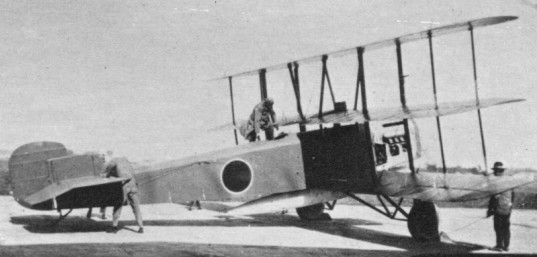
A single seat torpedo bomber designed by Herbert Smith.
Mitchell Kittiwake II / Arkle (R&D) Kittiwake II
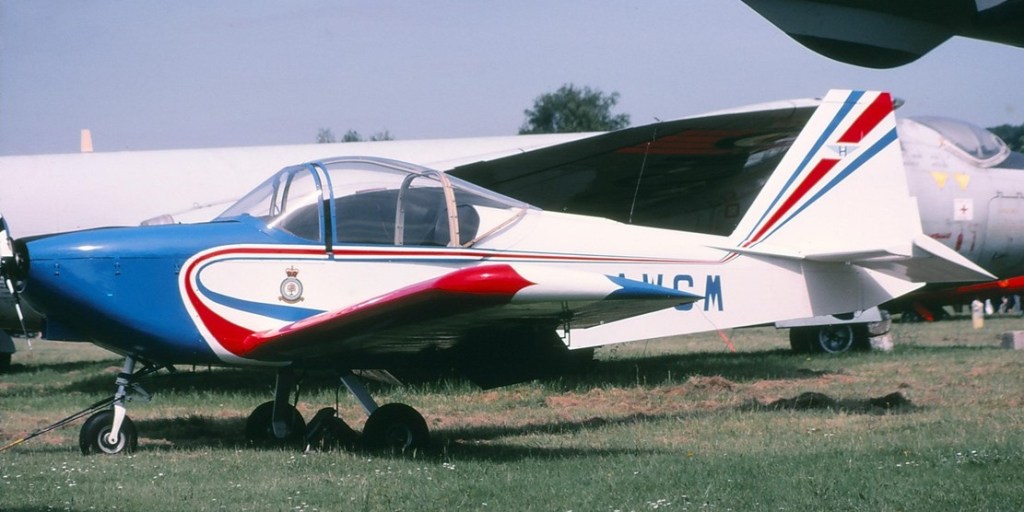
Mitchell concentrated on the design of a two-seat development of the Proctor Kittiwake I, the Mitchell Kittiwake II.
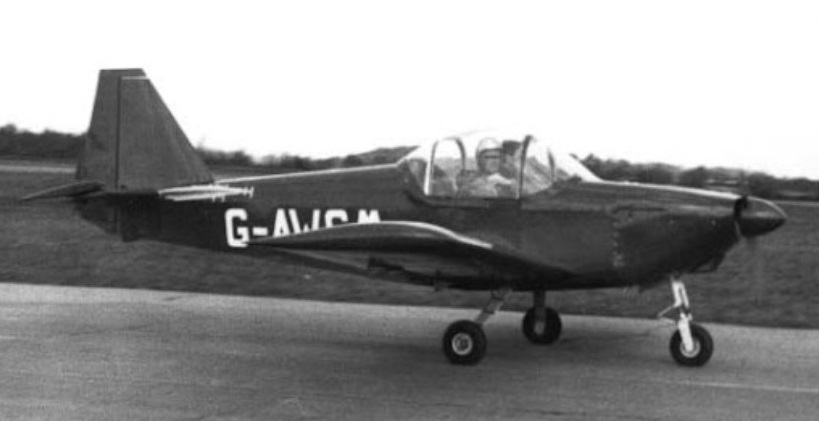
The Kittiwake II differs chiefly in having two side-by-side seating and a more powerful 130 hp (97 kW) Continental O-240. It is longer, heavier and has an increased span which increases the wing area by about 8%. The fuselage is wider and the small dorsal fillet of the Kittiwake I gone; the rudder gained a trim tab and the elevators full width tabs.
Robinson Aircraft built the prototype at Blackbushe, which first flew on 19 March 1972, powered by a Rolls-Royce/Continental O-240-A.
Arkle (R&D) Ltd was formed by A. Ronald Kellett to undertake the development of the improved Mitchell-Procter Kittiwake II, Known as the Arkle Kittiwake II, it was first flown in this form on 29 April 1975.
A second Procter Kittiwake II was started in 1974 at Barrow-in-Furness, by R.Bull. It was registered G-BBUL c/n RB-1.
In 1977 a Mitchell-Procter Kittiwake II was registered as belonging to Arkle Research & Development.
I seem to remember Wing Commander Ronald Kellett was funding work on a Mitchell Proctor Kittiwake. The CFI was doing some of the test flying out of Lydd. I worked at Benenden for Arkle Reserch and Development during 75/76 maintaining the Beagle Pup 150’s and assisting on modifications with Kittywake 2. We actually installed a Pup 100 control column and linkages in Kittywake 2 which was a vast improvement on the original unit. I accompanied Julian Soddy who was CFI at Lydd on the test flights as flight observer. Julian was an ex RAF Black Arrows pilot hence his aerobatics were somewhat interesting.
Mike Buck
Mitchell U-2
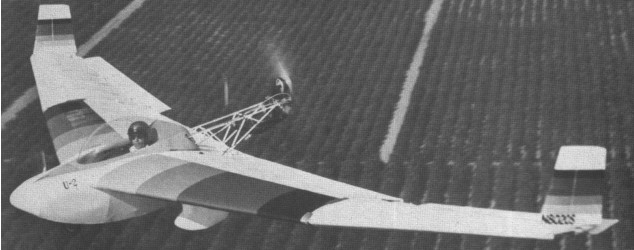
With the Zenoah engine and a considerable evolution in the wing itself Mitchell produced the self-launching U-2 with a fuselage of welded steel tube, and wing of composite structure. The spar is wood, with foam nose ribs and a plywood skin forming a D- tube. Tip rudders provide yaw control. Single seat single engined mid wing monoplane with conventional three axis control. Wing has swept back leading and trailing edges, and tapering chord; no tail. Pitch/roll control by stabilators; yaw control by tip rudders; control inputs through stick for pitch/roll and pedals for yaw. Cantilever wing; wing profile modified Worthmann; double ¬surface. Undercarriage has three wheels in tricycle formation; suspension on main wheels. Push right go right nosewheel steering connected to yaw control. Brake on nosewheel. Wood/steel tube fuselage totally enclosed. Engine mounted above wing driving pusher propeller.
One belongs to the National Soaring Museum.
The Super U-2 is a flying wing with three-axis controls featuring winglet-type hinged rudders for yaw control and stabilators for pitch and roll control. Control surfaces are operated separately, and rudders can be simultaneously deflected. Construction is of chromomoly tubing with Douglas fir and birch plywood. Foam is used for the leading edge ribs and nose cone. Wings are covered with 1 mm birch plywood and ceconite. Tail surfaces and fuselage are covered with ceconite. POWERPLANT: Zenoah G25B-1 in a pusher position above the wing. A 2.25:1 reduction unit turns a two blade wooden propeller made by Woody’s Prop Shop. Fuel is carried in a polypropylene tank installed in the wing. LANDING GEAR: Solid tricycle gear with a steerable nosewheel and a nosewheel friction brake. Main and nose wheels are 10½-inch. OPTIONS: Cuyuna 430R Power Pack, Blueprint plans.
The prototype of the U 2 Super Wing made its first flight in the Spring of 1980 and was presented more as a powered glider with soaring capability than as an ultralight. Initially this flying wing was even envisaged as having a retractable tricycle undercarriage, although this was dropped in favour of having com¬pletely faired in main gear.
With a glide angle of 20/1 at 45 mph (72 kph) the U 2 is perfectly happy with a low powered engine like the single cylinder McCulloch Mc101 derated to 10hp, however, the aircraft was designed to be powered by engines up to 30 hp and Mitchell Aircraft have offered a kit since 1981 with, as an option, either Zenoah G25B 20hp or Cuyuna 430R 30 hp engines. The design philosophy remains very close to that of the B 10 Mitchell Wing but is applied to a more complex machine, so the amount of time for assembly is considerably more, around 250 h for the major fabrication and 100 h for finishing off. It is classified as an experimental home¬built and not an ultralight in the USA, requiring the pilot to have at least a private pilot’s licence.
Prototype
Engine: McCulloch 125cc, 10 hp
Gross wt: 450 lbs
Empty wt: 225 lbs
Max pilot wt: 250 lbs
First year built: 1979
U-2
Engine: Zenoah
Wing span: 10.36m / 34ft
Wing area: 12.63sq.m / 136sq.ft
Empty Weight: 109kg / 240lb
Payload: 154kg / 340lb
Gross Weight: 263kg / 580lb
Wing Load: 20.82kg/sq.m / 4.62lb/sq.ft
L/DMax: 20
Aspect ratio: 8
Seats: 1
Airfoil: Wortmann mod.
Structure: wood, steel tube, foam and resin, fabric cover.
Super U-2
Engine: Zenoah G25B, 20 hp at 6300rpm
Propeller diameter and pitch 52 x 27 inch, 1.32×0.69m
Belt reduction, ratio 10/1
Power per unit area 0.14hp/sq.ft, 1.6 hp/sq.m
Fuel capacity 3.0 US gal, 2.5 Imp gal, 11.4 litre
Length overall 9.0ft, 2.74m
Height overall 3.0ft, 0.91m
Wing span 34.0ft, 10.36m
Chord at root 6.2ft, 1.87m
Chord at tip 2.0ft, 0.61m
Dihedral 6 deg
Sweepback 12 deg
Total wing area 136 sq.ft, 12.6 sq.m
Wing aspect ratio 8.5/1
Nosewheel diameter overall 10 inch, 25 cm
Main wheels diameter overall 10 inch, 25 cm
Empty weight 240 lb, 109 kg
Max take off weight 550 lb, 249 kg
Payload 310 lb, 141 kg
Max wing loading 4.04 lb/sq.ft, 19.7 kg/sq.m
Max power loading 27.5 lb/hp, 12.5 kg/hp
Max cruising speed 60 mph, 97 kph
Stalling speed 26 mph, 42 kph
Max climb rate at sea level 400 ft/min, 2.0 m/s
Take off distance 200ft, 61m
Landing distance 200ft, 61m
Range at average cruising speed 180 mile, 290 km
Super U-2
Engine: Cuyuna 430R, 30 hp
Belt reduction
Power per unit area 0.22hp/sq.ft, 2.4 hp/sq.m
Fuel capacity 3.0 US gal, 2.5 Imp gal, 11.4 litre
Length overall 9.0ft, 2.74m
Height overall 3.0ft, 0.91m
Wing span 34.0ft, 10.36m
Chord at root 6.2ft, 1.87m
Chord at tip 2.0ft, 0.61m
Dihedral 6 deg
Sweepback 12 deg
Total wing area 136 sq.ft, 12.6 sq.m
Wing aspect ratio 8.5/1
Nosewheel diameter overall 10 inch, 25 cm
Main wheels diameter overall 10 inch, 25 cm
Empty weight 300 lb, 136 kg
Max take off weight 550 lb, 249 kg
Payload 250 lb, 113 kg
Max wing loading 4.04 lb/sq.ft, 19.7 kg/sq.m
Max power loading 18.3 lb/hp, 8.3 kg/hp
Load factors; +7.8, 7.8 ultimate
Max level speed 100mph, 161kph
Max cruising speed 70 mph, 113 kph
Stalling speed 37 mph, 60 kph
Max climb rate at sea level 750 ft/min, 3.8 m/s
Min sink rate 180ft/min at 45mph, 0.9 m/s at 72 kph
Best glide ratio with power off 23/1 at 49mph, 79kph
Take off distance 210ft, 64m
Landing distance 250ft, 76m
Service ceiling 12,000ft, 3660 m
Range at average cruising speed 80 mile, 129 km
Mitchell T-10
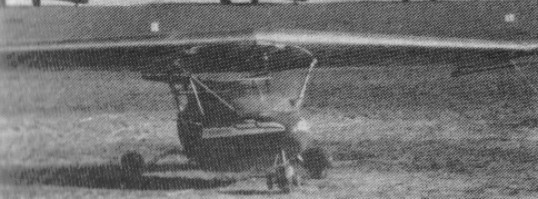
A fully cantilevered aluminium wing folding for towing. HP range: 40-50.
The TU-10 Twin Eagle is a two-place ultralight trainer, semi-enclosed cockpit, high wing monoplane with Whitcomb winglets, 3-axis controls, trailing elevons. POWERPLANT: Rotax 447, reduction ratio 2.12:1, 52-inch prop. LANDING GEAR: Chrome moly aluminum tricycle. 1984 PRICE: $10,500.
In 1997 the Higher Planes T-10 kit price was US$11,500.
T-10
Engine: Rotax 447
Empty wt: 350 lbs
Max wt: 850 lbs
Wing span: 37ft 4in
Wing area: 176 sq.ft
Wing loading: 4.1 lbs/sq.ft
Power loading: 17.8 lbs/hp
Max speed: 63 mph
Cruise: 58 mph
Stall: 30 mph
Vne: 110 mph
Seats: 2
Engine: Rotax 503SC, 46 hp
Speed max: 78 mph
Cruise: 62 mph
Range: 200 sm
Stall: 35 mph
ROC: 650 fpm
Take-off dist: 190 ft
Landing dist: 200 ft
Service ceiling: 12,000 ft
Fuel cap: 6.5 USG
Weight empty: 400 lbs
Gross: 875 lbs
Height: 7.33 ft
Length: 9 ft
Wing span: 37.33 ft
Wing area: 170 sq.ft
Seats: 2
Landing gear: nose wheel
Glide ratio: 14-1
TU-10 Twin Eagle
Wingspan 37’4”
Wing area 170 sq.ft
Empty wt. 350 lbs
Gross weight 900 lbs
Cruise speed 60 mph
Stall speed 31 mph
Vmax 63 mph
Climb 500 fpm
Takeoff run 325 ft
Land¬ing roll 300 ft
Higher Planes Mitchell Wing T-10
Top speed: 78 mph
Cruise: 62 mph
Stall: 35 mph
Range: 200 sm
Rate of climb: 650 fpm
Takeoff dist: 190 ft
Landing dist: 200 ft
Service ceiling: 12,000 ft
Engine: Rotax 503-SC, 46 hp
HP range: 40-50
Fuel capacity: 6.5 USG
Empty weight: 400 lb
Gross weight: 875 lb
Height: 7.3 ft
Length: 9 ft
Wing span: 37.3 ft
Wing area: 170 sq.ft
Seats: 2
Landing gear: nose wheel
Glide ratio: 14-1

