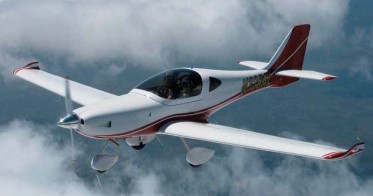
Arion Aircraft LS-1 Lightning

Arion Aircraft design of the Lightning structure was tested extensively for symmetrical and asymmetrical flight loads to over 9 G at a gross weight of 1320 lbs. Torsional testing of the fuselage and tail, load testing of welded parts rounded out the strength testing profile.
A Ballistic Recovery Systems was designed for the Lightning. This is instaled inside the molded skins.
Through a mix of molded fiberglass components and welded 4130 steel structures, the construction method has no epoxy layups are needed to complete the kit. Trimming and fitting the parts, some final fabrication of the parts and bolting the plane together is all that is required from the kit. Aircraft grade hardware is used throughout.
The Lightning cruises at 175 mph on 120 hp, burning 5.5 US gallons per hour. Solo climb rates is at 1700 fpm. Roll rates exceed 45 degrees/second. Top speed is 190 mph, and the touchdown speed is under 50 mph.
The Lightning was available with extended tips for LSA.

A carryover from the kit-built market, the all-composite, American-built Arion LS-1 Lightning was available in 2012 in Experimental-built kit form with a 135-140 knot cruise. The base price 2012: $119,900.
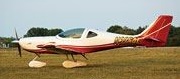
Arion LS-1 Lightning

Lightning
Engine: Jabiru 3300, 120 hp
Propeller: Sensenich WC62FK-58 Carbon Fiber Ground Adjustable
Wing Span: 27′ 2″
Length: 20′
Height: 6’6″
Wing Area: 91.0 sq ft
Empty Weight: 825 lbs
Gross Weight: 1425 lbs
Fuel Capacity: 23 gallons std or 30 gal optional
Maximum Speed: 190 mph
Cruise Speed @ 8000 ft 75% pwr: 150 – 170 mph
Vne: 208 mph
Stall (Full Flap): 45 mph
Stall Clean: 56 mph
Glide Ratio: 17:1
Take Off Roll: 315 ft
Landing Roll (with brakes): 500 ft
Climb Rate (at gross): 1200 ft / min
Turn Rate 45/45o: <1 second
Maneuvering Speed: 125 mph
Endurance: 5 hr w/ reserve (30 gal tanks)
Range w/ res: 750 sm
Cockpit Width Elbow: 43″
Cockpit Width Shoulder: 41″
Brakes: Independent Hydraulic
Rudder Pedals: Adjustable even in flight
Construction: Vacuum infused oven post cured fiberglass
Canopy: Forward Hinged Clear or Tinted
Flaps: Electric Std
Trim: Electric Std
Max Loading: + 5G -3.8

Lightning Sport
Engine: Jabiru 3300, 120 hp
Propeller: Sensenich WC62FK-56 Carbon Fiber Ground Adjustable
Wing Span: 30′ with extended tips for LSA
Length: 20′
Height: 6’6″
Wing Area: 91.0 sq ft
Empty Weight: 800 lbs LSA
Gross Weight: 1320 lbs for LSA
Fuel Capacity: 23 gallons std or 30 gal optional
Maximum Speed: 150 mph
Cruise Speed @ 8000 ft 75% pwr: 138 mph
Vne: 208 mph
Stall (Full Flap): 40 mph
Stall Clean: 51 mph
Glide Ratio: 17:1
Take Off Roll: 275 ft
Landing Roll (with brakes): 350 ft
Climb Rate (at gross): 1800 ft/min
Turn Rate 45/45o: <1 second
Maneuvering Speed: 125 mph
Endurance: 5 hr
Range w/ res: 700 sm
Cockpit Width Elbow: 43″
Cockpit Width Shoulder: 41″
Brakes: Independent Hydraulic
Rudder Pedals: Adjustable even in flight
Construction: Vacuum infused oven post cured fiberglass
Canopy: Forward Hinged Clear or Tinted
Flaps: Electric Std
Trim: Electric Std
Max Loading: + 5G -3.8

LS-1 Lightning
Engine: Jabiru 3300
Max cruise: 120 kt
Climb rate: 1,200 fpm
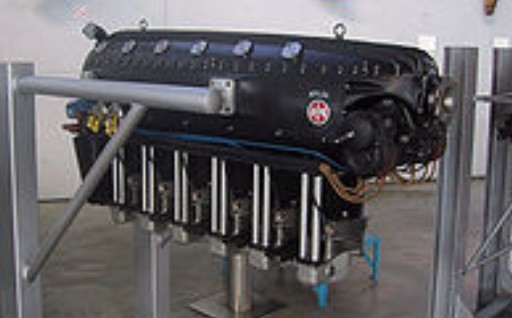
Argus As 8

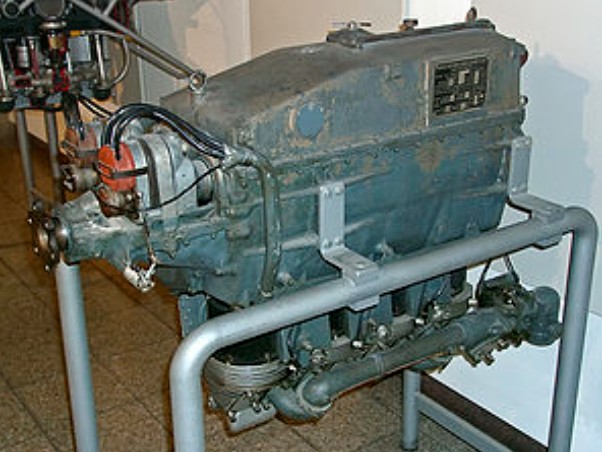
The Argus As 8 was a four-cylinder, air-cooled, inverted inline aircraft engine produced in Germany by Argus Motoren in the 1930s.

Applications:
Albatros L 100
Albatros Al 101
Arado L II
BFW M.23
BFW M.27
BFW M.29
Klemm L 25E

Specifications:
Bore: 120 mm (4.7 in)
Stroke: 140 mm (5.5 in)
Displacement: 6.3 L (386 cu in)
Length: 107 cm (42 in)
Width: 42 cm (17 in)
Height: 89 cm (35 in)
Dry weight: 113 kg (249 lb)
Power output: 80 kW (110 hp) at 2,100 rpm

Argus As II          

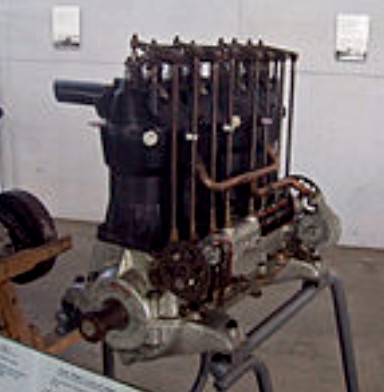
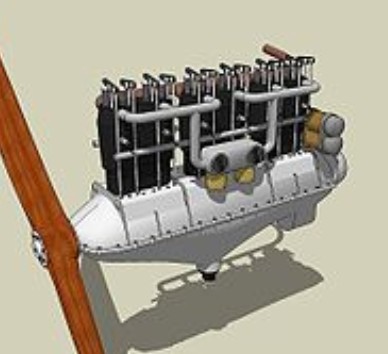
The Argus As II was a six-cylinder, in-line, water-cooled, aircraft engine produced in Germany by Argus Motoren in 1914.

Applications:
Halberstadt D.II
Albatros B.II
Häfeli DH-1
Häfeli DH-3

Specifications:
Type: Six-cylinder, upright, inline, liquid-cooled piston engine
Bore: 130 mm
Stroke: 130 mm
Valvetrain: Overhead-valve, two valves per cylinder, pushrod operated
Fuel system: Twin carburettors
Oil system: Pressure feed
Power output: 120 hp (89 kW) at 1,350 rpm

Agus As 411 / Renault 12 / SNECMA 12

Argus As 411

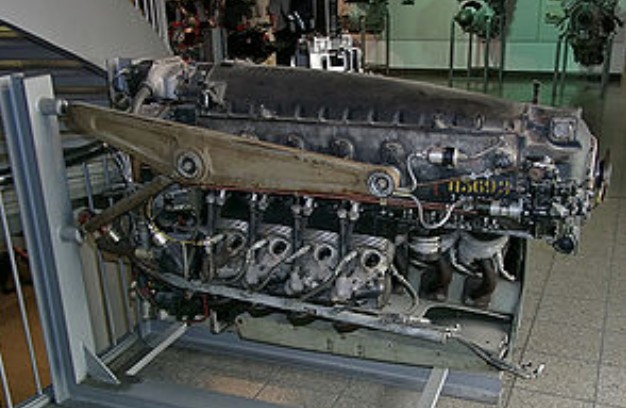
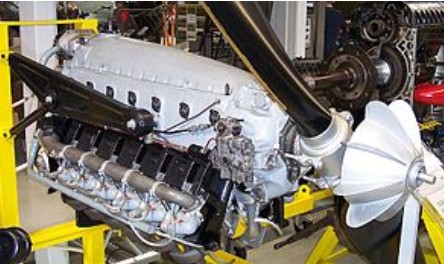
A twelve-cylinder, air-cooled, inverted-V aircraft engine developed by Argus Motoren in Germany during World War II , the As 411 was a refined and more powerful version of the Argus As 410. Most 411 production was undertaken by Renault in occupied Paris, these engines were used to power the Siebel Si 204 and the post war Dassault MD 315 Flamant. It developed 600 PS (592 hp, 441 kW) at 3,300 rpm.

Following the end of World War II, Renault continued to manufacture the engine as the Renault 12S. After merging the French aircraft engine manufacturers into SNECMA in 1945, production continued under the new designation SNECMA 12.

Approximately 2,600 were built.

Variants:

As 411
A refined and more powerful version of the Argus As 410.

Renault 12S
Production of the As 411 after WWII in France.

SNECMA 12S; (a.k.a. SNECMA Renault 12T) Designation change on the formation of SNECMA.

SNECMA 12T
(a.k.a. SNECMA Renault 12T) Refined version of the 12T with new pistons and cylinders, with a revised induction system.

Applications:

Arado Ar 96
Breguet 892 Mercure (4 × 12S)
Dassault MD 315 Flamant
Focke-Wulf Fw 189
Pilatus P-2
Siebel Si 204
Sud Ouest S.O.93

Specifications:

As 411
Type: 12-cylinder inverted 60-degree Vee
Dry weight: 385 kg (849 lb)
Cooling system: Air-cooled
Power output: 600 PS (592 hp, 441 kW) at 3,300 rpm
Compression ratio: 6.4:1

Argus As 410

The engine marked a departure from earlier Argus engines in that it had new construction techniques which gave the engine greater operating speeds and power. The engine featured smaller 105 mm x 115 mm cylinders with deep finned steel cooling slots, aluminum heads, geared supercharger,a steel alloy crankshaft and a magnesium alloy crankcase. The engine weighed approximately 315 kg and produced 465 PS (459 hp, 342 kW) at 3,100 rpm. First run in 1937, approximately 28,700 engines were produced.

A distinctive feature is the finned spinner ahead of the propeller. This is driven by the airflow as a windmill, and used to power the actuator of the variable pitch propeller.

The more powerful and refined Argus As 411 was developed from it.

Applications:

Arado Ar 96
Focke-Wulf Fw 189
Pilatus P-2
Argus Fernfeuer

Specifications:

Argus 410
Type: 12-cylinder air-cooled inverted V engine
Bore: 105 mm (4.13 in)
Stroke: 115 mm (4.52 in)
Displacement: 11.9 L (729 cu in)
Dry weight: 315 kg (694 lb)
Fuel system: Carburetor
Cooling system: air
Power output: 465 PS (459 hp, 342 kW) at 3,100 rpm

Argus As 10 / As 401

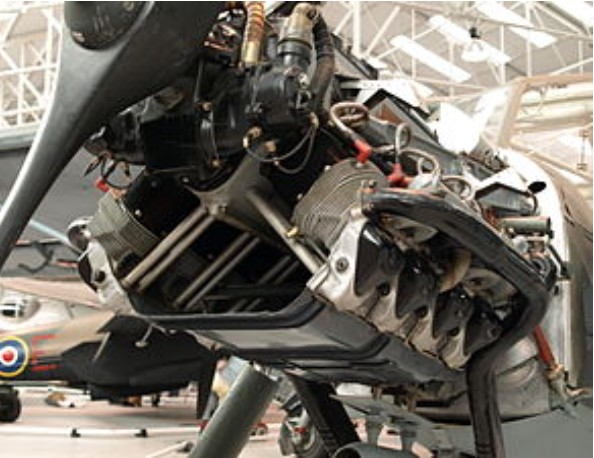
The Argus As 10 is a German-designed and built, air-cooled 90º cylinder bank angle inverted V8 “low power” inline aircraft engine, used mainly in training aircraft such as the Arado Ar 66 and Focke-Wulf Fw 56 Stösser and other small short range reconnaissance and communications aircraft like the Fieseler Fi 156 Storch during and shortly after WWII. It was first built in 1928.

Approximately 28,700 were built.

Variants
As 10C

As 10E
Optional output version of the As 10C, delivered with either 240 hp (179 kW) or 270 hp (201 kW) rating (achieved by increasing maximum rpm).

As 401
Supercharged As 10 with rated output at 3,000 m (9,843 ft), also fitted with hydraulically actuated variable pitch airscrew.

Applications:

Arado Ar 66
Arado Ar 76
Dornier Do 12
Fieseler Fi 156 Storch
Focke-Wulf Fw 56 Stösser
Focke-Wulf Fw 58
Gotha Go 145
Henschel Hs 121
Klemm Kl 151
Messerschmitt Bf 108 Taifun
Kayaba Ka-1 Imperial Japanese Army Observation autogiro
Rogozarski SIM-XIV-H

Specifications:

Argus As 10 C/3
Type: inverted V-8, air-cooled, 90° piston engine
Bore: 120 mm (4.72 in)
Stroke: 140 mm (5.51 in)
Displacement: 12.667 l (772.99 cu in)
Length: 1,105 mm (43.50 in)
Width: 880 mm (34.65 in)
Height: 936 mm (36.85 in)
Dry weight: 213 kg (470 lb) dry
Valvetrain: Two valves per cylinder.
Fuel system: Two Sun carburetors adapted for aerobatics
Fuel type: 80 octane
Oil system: Dry sump, one pressure pump and two scavenge pumps
Cooling system: Air
Power output: 179 kW (240.04 hp) at 2,000 rpm
Specific power: 14.8 kW/L (0.31 hp/in³)
Compression ratio: 5.9:1
Specific fuel consumption: 235 gr/(hph); 0.518 lb/(hph)
Oil consumption: 0.010 kg/kW/hr (0.0176 lb/hp/hr)
Power-to-weight ratio: 0.835 kW/kg (0.51 hp/lb)