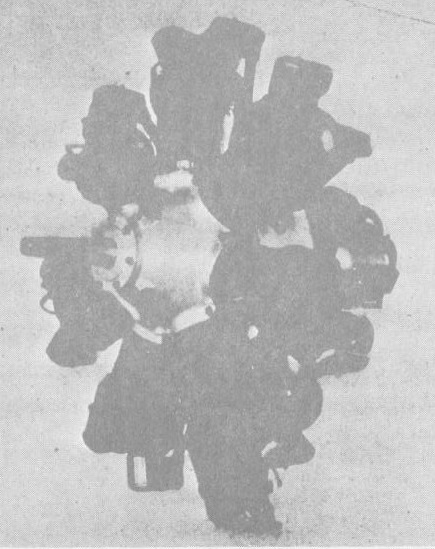
Continental IO-550 / OL-550

Continental TSIO-550-C engine installation in a Cessna 400

First run in 1983, the Continental IO-550 engine is a large family of fuel injected six-cylinder, horizontally opposed, air-cooled aircraft engines that were developed for use in light aircraft by Teledyne Continental Motors. The first IO-550 was delivered in 1983 and the type remains in production through 2010. There is no carburetor-equipped variant, hence the base model is the IO-550.

The IO-550 family of engines was developed from the IO-520 series, with the stroke increased from 4.00 to 4.25 inches, increasing the displacement to 552 cu.in (9.05 l). The engine family covers a power range from 280 hp (209 kW) to 360 hp (268 kW).

The engines were first certified on a regulatory basis of FAR 33, 1 February 1965 amendment, 33-8, 2 May 1977. The first IO-550 model was certified on 13 October 1983.

The IOF-550 is an Aerosance FADEC equipped version of the same basic engine, the TSIO-550 is a dual turbocharged version and the TSIOL-550 is a liquid-cooled variant.

Variants:

IO-550-A
300 hp (224 kW) at 2700 rpm, dry weight 430.72 lb (195.37 kg). Certified 13 October 1983.

IO-550-B
300 hp (224 kW) at 2700 rpm, dry weight 421.61 lb (191.24 kg). Certified 13 October 1983.

IO-550-C
300 hp (224 kW) at 2700 rpm, dry weight 433.20 lb (196.50 kg). Certified 13 October 1983.

IO-550-D
300 hp (224 kW) at 2700 rpm, dry weight 437.1 lb (198.3 kg). Certified 23 June 1988.

IO-550-E
300 hp (224 kW) at 2700 rpm, dry weight 450.50 lb (204.34 kg). Certified 20 December 1989.

IO-550-F
300 hp (224 kW) at 2700 rpm, dry weight 437.1 lb (198.3 kg). Similar to the IO-550-A,B & C, with a top-mounted induction system and 8-quart oil sump. Certified 23 June 1988.

IO-550-G
280 hp (209 kW) at 2500 rpm, dry weight 428.97 lb (194.58 kg). Certified 17 March 1989.

IO-550-L
300 hp (224 kW) at 2700 rpm, dry weight 438.5 lb (198.9 kg). Certified 23 June 1988.

IO-550-N
310 hp (231 kW) at 2700 rpm, dry weight 429.97 lb (195.03 kg). Similar to the IO-550-G with increased power rating. Certified 16 August 1996.

IO-550-P
310 hp (231 kW) at 2700 rpm, dry weight 429 lb (195 kg). Similar to the IO-550-N with oil sump from the IO-550-L. Certified 1 March 2000.

IO-550-R
310 hp (231 kW) at 2700 rpm, dry weight 439.5 lb (199.4 kg). Similar to the IO-550-N but with the oil sump, oil suction tube and mount legs from the IO-550-B. Certified 1 March 2000.

IOF-550-B
300 hp (224 kW) at 2700 rpm, dry weight 447.1 lb (202.8 kg). Similar to the IO-550-B with an Aerosance FADEC fuel and ignition control system. Certified 4 February 2002.

IOF-550-C
300 hp (224 kW) at 2700 rpm, dry weight 453.2 lb (205.6 kg). Similar to the IO-550-C with an Aerosance FADEC fuel and ignition control system. Certified 4 February 2002.

IOF-550-D
300 hp (224 kW) at 2700 rpm, dry weight 455.0 lb (206.4 kg). Similar to the IO-550-D with an Aerosance FADEC fuel and ignition control system. Certified 4 February 2002.

IOF-550-E
300 hp (224 kW) at 2700 rpm, dry weight 462.8 lb (209.9 kg). Similar to the IO-550-E with an Aerosance FADEC fuel and ignition control system. Certified 4 February 2002.

IOF-550-F
300 hp (224 kW) at 2700 rpm, dry weight 460.1 lb (208.7 kg). Similar to the IO-550-F with an Aerosance FADEC fuel and ignition control system. Certified 4 February 2002.

IOF-550-L
300 hp (224 kW) at 2700 rpm, dry weight 455.0 lb (206.4 kg). Similar to the IO-550-L with an Aerosance FADEC fuel and ignition control system. Certified 4 February 2002.

IOF-550-N
310 hp (231 kW) at 2700 rpm, dry weight 460.0 lb (208.7 kg). Similar to the IO-550-N with an Aerosance FADEC fuel and ignition control system. Certified 4 February 2002.

IOF-550-P
310 hp (231 kW) at 2700 rpm, dry weight 460.0 lb (208.7 kg). Similar to the IO-550-P with an Aerosance FADEC fuel and ignition control system. Certified 4 February 2002.

IOF-550-R
310 hp (231 kW) at 2700 rpm, dry weight 470.5 lb (213.4 kg). Similar to the IO-550-R with an Aerosance FADEC fuel and ignition control system. Certified 4 February 2002.

TSIO-550-A
360 hp (268 kW) at 2600 rpm, dry weight 442 lb (200 kg) plus two turbochargers of 28.2 lb (12.8 kg) each.

TSIO-550-B
350 hp (261 kW) at 2700 rpm, dry weight 442 lb (200 kg) plus two turbochargers of 28.2 lb (12.8 kg) each. Similar to the TSIO-550-A except with a 12 quart sump, sonic venturii removed and the two stage fuel pump replaced by a single stage fuel pump.

TSIO-550-C
310 hp (231 kW) at 2600 rpm, dry weight 442 lb (200 kg) plus two turbochargers of 28.2 lb (12.8 kg) each.

TSIO-550-E
350 hp (261 kW) at 2700 rpm, dry weight 442 lb (200 kg) plus two turbochargers of 28.2 lb (12.8 kg) each. Similar to TSIO-550-C with the oil sump and maximum continuous power rating of the TSIO-550-B.

TSIO-550-G
310 hp (231 kW) at 2700 rpm, dry weight 554 lb (251 kg) plus two turbochargers of 28.2 lb (12.8 kg) each. Similar to the TSIO-550-E with smaller surface area intercoolers, different oil sump capacity and power rating.

TSIO-550-K
315 hp (235 kW) at 2500 rpm, dry weight 522 lb (237 kg) plus two turbochargers of 28.2 lb (12.8 kg) each. Similar to the TSIO-550-E with new oil sump and capacity, decreased maximum continuous power, increased turbo boost pressure, decreased engine speed rating and tapered cylinder barrel fins.

TSIOF-550-D
350 hp (261 kW) at 2600 rpm, dry weight 558 lb (253 kg) plus two turbochargers of 35.2 lb (16.0 kg) each. Similar to the TSIOF-550-J except the exhaust system and low voltage harness.

TSIOF-550-J
350 hp (261 kW) at 2600 rpm, dry weight 558 lb (253 kg) plus two turbochargers of 35.2 lb (16.0 kg) each. Similar to the TSIO-550-E except for FADEC fuel injection and ignition control, turbochargers, tapered cylinder barrel fins, oil sump and capacity, maximum continuous speed and manifold pressure rating.

TSIOF-550-K
315 hp (235 kW) at 2500 rpm, dry weight 537.3 lb (243.7 kg) plus two turbochargers of 28.2 lb (12.8 kg) each. Similar to the TSIO-550-K but with FADEC fuel injection and ignition control.

TSIOL-550-A
350 hp (261 kW) at 2700 rpm, dry weight 402 lb (182 kg). Similar to the TSIO-520-NB but with a new cylinder design that uses liquid cooling. The coolant manifold is on top of the cylinder head, with a coolant pump fitted to the starter adapter, driven by the starter adapter shaft and the oil cooler is mounted on the airframe, not the engine. The engine has an AiResearch TA81 turbocharger.

TSIOL-550-B
325 hp (242 kW) at 2700 rpm, dry weight 557 lb (253 kg). Similar to the TSIO-520-UB but with a new cylinder design that uses liquid cooling. The coolant manifold is on top of the cylinder head, with a coolant pump fitted to the starter adapter, driven by the propeller shaft using sheaves, the oil cooler is mounted on the airframe, not the engine. A coolant tank and coolant lines are added to the installation. The engine has an AiResearch TS06 turbocharger.

TSIOL-550-C
350 hp (261 kW) at 2600 rpm, dry weight 546 lb (248 kg). Similar to the TSIOL-550-A but with the exhaust system and turbocharger bracket from the TSIOL-550-B. The engine is modified to accept the AiResearch TA81 turbocharger. Neither oil nor coolant radiators are provided with the engine.

GIO-550-A
A special non-certified geared engine developed for the RU-38 Twin Condor covert reconnaissance aircraft, incorporating 3:2 gear reduction to 2267 rpm.

Applications:

IO-550
Beechcraft Baron
Beechcraft Bonanza
Bellanca 17-30
Cessna 182 (STC SA09133SC, modification)
Cessna 206 (modification)
Cessna 350
Cirrus SR22
Cirrus VK-30
Freedom Aviation Phoenix
Lancair ES
Lancair Legacy
Mooney M20
Seawind 300C
Velocity XL-RG
Yakovlev Yak-112

TSIO-550
Adam A500
Cessna 400
Lancair IV
Mooney M20TN
Velocity TXL-RG
Cirrus SR22T

TSIOF-550
Diamond DA50

TSIOL-550
Extra EA-400

GIO-550
RU-38 Twin Condor

Specifications:

IO-550-A
Type: 6-cylinder air-cooled horizontally opposed aircraft piston engine
Bore: 5.25 in (133.4 mm)
Stroke: 4.25 in (108.0 mm)
Displacement: 552 in³ (9.05 L)
Dry weight: 430.72 lb dry (195.37 kg)
Fuel system: TCM fuel injection
Fuel type: 100LL avgas
Cooling system: Air-cooled
Power output: 300 hp (224 kW) at 2,700 rpm
Specific power: 0.54 hp/in³ (24.6 kW/L)
Compression ratio: 8.5:1
Power-to-weight ratio: 0.70 hp/lb (1.15 kW/kg)

Continental IO-360

Continental IO-360-D

The Continental IO-360 is a family of fuel-injected air-cooled, six-cylinder aircraft engines manufactured by Continental Motors in the United States of America, and first run in 1962.

The engine was available in both normally aspirated, fuel injected IO-360 model and a turbocharged TSIO-360 versions. It was also available in both left and right hand rotation versions for use on twin-engined aircraft.

There was no carbureted version of this engine therefore the base model is the IO-360.

The IO-360 was first certified by the Federal Aviation Administration on 15 May 1962 to the CAR 13 certification standard, effective June 15, 1956, as amended by 13-1 thru 13-3. The engine is produced by Continental under Production Certificate No. 508.

The turbocharged TSIO-360 series was first certified on 11 October 1966 to the Federal Aviation Regulations Part 33 standard effective February 1, 1965, as amended by 33-1. This series was manufactured under Production Certificate No. 7, except the TSIO-360-D which is under Production Certificate No. 508.

Variants:

IO-360-A
210 hp (157 kW) at 2800 rpm, Minimum fuel grade 100 or 100LL avgas, compression ratio 8.5:1. Base IO-360 model: a six-cylinder air-cooled, horizontally opposed direct drive, fuel injected engine. Uses a TCM 639230A3 fuel injector. The crankshaft has two 6th order dampers.

IO-360-AB
210 hp (157 kW) at 2800 rpm, Minimum fuel grade 100 or 100LL avgas, compression ratio 8.5:1. Uses a TCM 639230A3 fuel injector. Same as the IO-360-A except for modified crankshaft. The crankshaft has one 6th and one 4½ order damper.

IO-360-AF
180 hp (134 kW), designed to run on lower octane fuels such as the proposed 94UL avgas. The designation of “AF” stands for alternative fuel. The version incorporates lower-compression pistons, giving a 7.5 to 1 compression ratio and a revised fuel injection system.

IO-360-B
180 hp (134 kW) at 2700 rpm, Minimum fuel grade 80/87 avgas, compression ratio 6.0:1. Uses a TCM 639230A3 or 6006 fuel injector. Same as IO-360-A except for reduced compression ratio and rated power. The crankshaft has two 6th order dampers.

IO-360-C
210 hp (157 kW) at 2800 rpm, Minimum fuel grade 100 or 100LL avgas, compression ratio 8.5:1. Uses a TCM 639231A3 fuel injector. Same as the IO-360-D except for accessory drive provisions. The crankshaft has two 6th order dampers.

IO-360-CB
210 hp (157 kW) at 2800 rpm, Minimum fuel grade 100 or 100LL avgas, compression ratio 8.5:1. Uses a TCM 639231A3 fuel injector. Same as the IO-360-C except for modified crankshaft. The crankshaft has one 6th and one 4½ order damper.

IO-360-D
210 hp (157 kW) at 2800 rpm, Minimum fuel grade 100 or 100LL avgas, compression ratio 8.5:1. Uses a TCM 639231A3 fuel injector. Same as the IO-360-A except for power rating and oil cooled pistons. The crankshaft has two 6th order dampers.

IO-360-DB
210 hp (157 kW) at 2800 rpm, Minimum fuel grade 100 or 100LL avgas, compression ratio 8.5:1. Uses a TCM 639231A3 fuel injector. Same as the IO-360-D except for modified crankshaft. The crankshaft has one 6th and one 4½ order damper.

IO-360-E
210 hp (157 kW) at 2800 rpm, Minimum fuel grade 100 or 100LL avgas, compression ratio 8.5:1. Uses a TCM 639231A3 fuel injector. Same as the IO-360-D except for oil sump and suction tube. The crankshaft has two 6th order dampers.

IO-360-ES
210 hp (157 kW) at 2800 rpm, Minimum fuel grade 100 or 100LL avgas, compression ratio 8.5:1. Same as the IO-360-HB except for the modified spider induction system and the use of a TCM 639289A95 fuel injector. The crankshaft has one 6th and one 4½ order damper.

IO-360-G
210 hp (157 kW) at 2800 rpm, Minimum fuel grade 100 or 100LL avgas, compression ratio 8.5:1. Uses a TCM 639231A3 fuel injector. Same as the IO-360-C except for crankshaft counterweight tuning. The crankshaft has one 6th and one 4½ order damper.

IO-360-GB
210 hp (157 kW) at 2800 rpm, Minimum fuel grade 100 or 100LL avgas, compression ratio 8.5:1. Uses a TCM 639231A3 fuel injector. Same as the IO-360-G except for modified crankshaft. The crankshaft has one 6th and one 4½ order damper.

IO-360-H
210 hp (157 kW) at 2800 rpm, Minimum fuel grade 100 or 100LL avgas, compression ratio 8.5:1. Uses a TCM 639231A3 fuel injector. Same as the IO-360-D except for crankshaft counterweight tuning. The crankshaft has one 6th and one 4½ order damper.

IO-360-HB
210 hp (157 kW) at 2800 rpm, Minimum fuel grade 100 or 100LL avgas, compression ratio 8.5:1. Uses a TCM 639231A3 fuel injector. Same as the IO-360-H except for modified crankshaft. The crankshaft has one 6th and one 4½ order damper.

IO-360-J
210 hp (157 kW) at 2800 rpm, Minimum fuel grade 100 or 100LL avgas, compression ratio 8.5:1. Uses a TCM 639231A3 fuel injector. Same as the IO-360-H except for power rating. The crankshaft has one 6th and one 4½ order damper.

IO-360-JB
210 hp (157 kW) at 2800 rpm, Minimum fuel grade 100 or 100LL avgas, compression ratio 8.5:1. Uses a TCM 639231A3 fuel injector. Same as the IO-360-J except for modified crankshaft. The crankshaft has one 6th and one 4½ order damper.

IO-360-K
195 hp (145 kW) at 2600 rpm, Minimum fuel grade 100 or 100LL avgas, compression ratio 8.5:1. Uses a TCM 639231A3 fuel injector. Same as the IO-360-H except for power rating. The crankshaft has one 6th and one 4½ order damper.

IO-360-KB
195 hp (145 kW) at 2600 rpm, Minimum fuel grade 100 or 100LL avgas, compression ratio 8.5:1. Uses a TCM 639231A3 fuel injector. Same as the IO-360-K except for modified crankshaft. The crankshaft has one 6th and one 4½ order damper.

TSIO-360-A
210 hp (157 kW) at 2800 rpm, Minimum fuel grade 100 or 100LL avgas, compression ratio 7.50:1. Base TSIO-360 model: a six-cylinder air-cooled, horizontally opposed direct drive, fuel injected, tuned induction, turbocharged engine with internal piston cooling oil jets.

TSIO-360-AB
210 hp (157 kW) at 2800 rpm, Minimum fuel grade 100 or 100LL avgas, compression ratio 7.50:1. Same as the TSIO-360-A except for a modified crankshaft.

TSIO-360-B
210 hp (157 kW) at 2800 rpm, Minimum fuel grade 100 or 100LL avgas, compression ratio 7.50:1. Same as the TSIO-360-A except for accessory drive provisions.

TSIO-360-BB
210 hp (157 kW) at 2800 rpm, Minimum fuel grade 100 or 100LL avgas, compression ratio 7.50:1. Same as the TSIO-360-B except for modified crankshaft and different dampers.

TSIO-360-C
225 hp (168 kW) at 2800 rpm, Minimum fuel grade 100 or 100LL avgas, compression ratio 7.50:1. Same as the TSIO-360-A except for rating, crankshaft dampers provision for cabin pressurization.

TSIO-360-CB
225 hp (168 kW) at 2800 rpm, Minimum fuel grade 100 or 100LL avgas, compression ratio 7.50:1. Same as the TSIO-360-C except for a modified crankshaft.

TSIO-360-D
225 hp (168 kW) at 2800 rpm, Minimum fuel grade 100 or 100LL avgas, compression ratio 7.50:1. Same as the TSIO-360-C except for cabin pressurization.

TSIO-360-DB
225 hp (168 kW) at 2800 rpm, Minimum fuel grade 100 or 100LL avgas, compression ratio 7.50:1. Same as the TSIO-360-D except for a modified crankshaft.

TSIO-360-E
215 hp (160 kW) at 2575 rpm, Minimum fuel grade 100 or 100LL avgas, compression ratio 7.50:1. Same as the TSIO-360-C except for rating, engine mounted turbocharger, freon compressor drive and cabin pressurization.

TSIO-360-EB
215 hp (160 kW) at 2575 rpm, Minimum fuel grade 100 or 100LL avgas, compression ratio 7.50:1. Same as the TSIO-360-E except for a modified crankshaft.

TSIO-360-F
200 hp (149 kW) at 2575 rpm, Minimum fuel grade 100 or 100LL avgas, compression ratio 7.50:1. Same as the TSIO-360-E except for the power output rating and the exhaust system configuration.

TSIO-360-FB
200 hp (149 kW) at 2575 rpm, Minimum fuel grade 100 or 100LL avgas, compression ratio 7.50:1. Same as the TSIO-360-F except for a modified crankshaft.

TSIO-360-G
210 hp (157 kW) at 2700 rpm, Minimum fuel grade 100 or 100LL avgas, compression ratio 7.50:1. Same as the TSIO-360-E except for the power output rating and the exhaust system configuration.

TSIO-360-GB
210 hp (157 kW) at 2700 rpm, Minimum fuel grade 100 or 100LL avgas, compression ratio 7.50:1. Same as the TSIO-360-G except for a modified crankshaft.

TSIO-360-H
210 hp (157 kW) at 2800 rpm, Minimum fuel grade 100 or 100LL avgas, compression ratio 7.50:1. Same as the TSIO-360-G except for rating and cabin pressurization.

TSIO-360-HB
210 hp (157 kW) at 2800 rpm, Minimum fuel grade 100 or 100LL avgas, compression ratio 7.50:1. Same as the TSIO-360-H except for a modified crankshaft.

TSIO-360-JB
225 hp (168 kW) at 2800 rpm, Minimum fuel grade 100 or 100LL avgas, compression ratio 7.50:1. Same as the TSIO-360-HB except for the increased power output rating.

TSIO-360-KB
220 hp (164 kW) at 2800 rpm, Minimum fuel grade 100 or 100LL avgas, compression ratio 7.50:1. Same as the TSIO-360-EB except for the increased power output rating.

TSIO-360-LB
210 hp (157 kW) at 2700 rpm, Minimum fuel grade 100 or 100LL avgas, compression ratio 7.50:1. Same as the TSIO-360-GB but with a larger throttle body, larger induction elbows, relocated overboost valve, magneto pressurization and an exhaust muffler.

TSIO-360-MB
210 hp (157 kW) at 36″ mp and 2700 rpm, Minimum fuel grade 100 or 100LL avgas, compression ratio 7.50:1. Same as the TSIO-360-LB except for intercooler, wastegate controller, maximum manifold pressure, and cluster manifold.

TSIO-360-NB
210 hp (157 kW) at 2700 rpm, Minimum fuel grade 100 or 100LL avgas, compression ratio 7.50:1. Same as the TSIO-360-LB except for an intercooler.

TSIO-360-PB
200 hp (149 kW) at 2600 rpm, Minimum fuel grade 100 or 100LL avgas, compression ratio 7.50:1. Same as the TSIO-360-MB but not equipped with an intercooler.

TSIO-360-RB
220 hp (164 kW) at 2600 rpm, Minimum fuel grade 100 or 100LL avgas, RH95/130 or B95/130 CIS, compression ratio 7.50:1. Same as the TSIO-360-KB except the manifold pressure is controlled with a wastegate controller, an intercooler is installed in the induction system, and uses a Precision Airmotive RSA-5AD2 fuel injection servo.

TSIO-360-SB
220 hp (164 kW) at 39″ mp and 2600 rpm, Minimum fuel grade 100 or 100LL avgas, compression ratio 7.50:1. Same as the TSIO-360-MB except for the manifold pressure, RPM, and power output rating.

LTSIO-360-E
215 hp (160 kW) at 2575 rpm, Minimum fuel grade 100 or 100LL avgas, compression ratio 7.50:1. Same as the TSIO-360-E except for direction of rotation.

LTSIO-360-EB
215 hp (160 kW) at 2575 rpm, Minimum fuel grade 100 or 100LL avgas, compression ratio 7.50:1. Same as the LTSIO-360-E except for a modified crankshaft.

LTSIO-360-KB
220 hp (164 kW) at 2800 rpm, Minimum fuel grade 100 or 100LL avgas, compression ratio 7.50:1. Same as the LTSIO-360-EB except for the increased power output rating.

LTSIO-360-RB
220 hp (164 kW) at 2600 rpm, Minimum fuel grade 100 or 100LL avgas, RH95/130 or B95/130 CIS, compression ratio 7.50:1. Same as the TSIO-360-RB except for direction of rotation.

Applications:
Aero Boero AB-210
AVE Mizar
Beriev Be-103
Cessna 160
Cessna R172K Hawk XP
Cessna Skymaster / O-2 Skymaster
Cirrus SR20
Cierva CR Twin
Goodyear GZ-20
Ilyushin Il-103
Irkut A-002
Maule M-4
Maule M-5
Mooney M20
PAC CT/4
Piper PA-28R-201T Turbo Arrow
Piper PA-28-201T Turbo Dakota
Piper PA-34 Seneca
PZL M-20 Mewa
Reims FR172J Reims Rocket
Ryan XV-8
Sasin Spraymaster
T-41 Mescalero

Specifications:

IO-360-A
Type: 6-cylinder, fuel injected, horizontally opposed, piston engine
Bore: 4.438 (112 mm)
Stroke: 3.875 (98 mm)
Displacement: 360 in³ (5.90 L)
Dry weight: 294 lb (133 kg)
Fuel type: minimum 100LL Avgas
Power output: 195 hp (145 kW) at 2,800 rpm continuous, 210 hp (157 kW) at 2,800 rpm for take-off
Compression ratio: 8.5:1
Power-to-weight ratio: 0.71 hp/lb

Continental IO-346

The Continental IO-346 engine is a fuel-injected four-cylinder aircraft engine, first run in 1962, that was developed especially for the Beechcraft Musketeer Custom III by Continental Motors. It was produced for that aircraft between 1965 and 1969.

There is no carbureted version of the engine therefore the base model is the IO-346.

The IO-346 was designed to run on 91-98 avgas. The engine has a dry weight of 269¾ lb or 297 lb including the generator and starter. The ignition system consists of dual magnetos, one Scintilla S4RN-201 and one S4RN-205 or, alternatively, two Slick Electro 449 magnetos.

Variants:

IO-346-A
Base model, certified 27 July 1962

IO-346-B
Identical to IO-346-A except it incorporates provisions for a hydraulic propeller control. Certified 23 June 1964.

Applications:

Beechcraft Musketeer
Gadfly E.S 102
Piel Emeraude
Stampe SV-4D

Specifications:

IO-346
Type: 4-cylinder air-cooled horizontally opposed aircraft piston engine
Bore: 5.25 in (133 mm)
Stroke: 4.00 in (102 mm)
Displacement: 346 in³ (5.68 L)
Length: 30 in (762 mm)
Width: 33.38 in (848 mm)
Height: 22.4 in (569 mm)
Dry weight: 297 lb dry, with starter and generator (135 kg)
Valvetrain: One intake and one exhaust valve per cylinder
Fuel system: CMC fuel injection
Fuel type: 91/98 octane avgas
Cooling system: Air-cooled
Power output: 165 hp (121 kW) at 2,700 rpm
Specific power: 0.47 hp/in³ (21.2 kW/L)
Compression ratio: 7.5:1
Power-to-weight ratio: 0.56 hp/lb (0.90 kW/kg)

Continental C-145 / O-300 / Voyager 300 / Rolls-Royce O-300

Rolls-Royce Continental O-300

The Continental O-300 and the C145 are a family of air-cooled flat-6 aircraft piston engines built by Teledyne Continental Motors. First produced in 1947, versions were still in production as of 2004. It was produced under licence in the United Kingdom by Rolls-Royce in the 1960s.

The C-145 was developed from the 125 hp (93 kW) C125 engine. Both powerplants share the same crankcase, although the C145 produces an additional 20 hp (15 kW) through a longer piston stroke, higher compression ratio of 7.0:1 and different carburetor jetting.

The O-300 is a modernized C145 and retains the same weight, dimensions, bore, stroke, compression ratio, displacement and output power of the earlier engine.

Continental O-300-C

The GO-300 employs a reduction gearbox, so that the engine turns at 3200 rpm to produce a propeller rpm of 2400. The GO-300 produces 175 hp (130 kW) whereas the ungeared O-300 produces 145 hp (108 kW).

The GO-300 engine has a TBO (Time Between Overhaul) of only 1200 hours, while 1800 hours is the standard for ungeared O-300 engines. The GO-300 engine also suffered reliability problems as a result of pilots mishandling the engine and operating it at too low an engine rpm. This caused the Cessna Skylark to develop a poor reputation for engine reliability. Many Skylarks flying today have been converted to different larger displacement direct drive engines.

Variants:
C145
Six-cylinder, 145 hp (108 kW), direct-drive engine.
1947
145-175hp
301.4ci

O-300
Modernized C145, 145 hp (108 kW), direct drive engine.

O-300-A
O-300-B
O-300-C

O-300-D
O-300-A with starter, shielded ignition.

GO-300
Geared O-300, 175 hp (130 kW) at 3200 crankshaft rpm, 2400 propeller rpm.

GO-300-A
ATC 298
straight starter drive
175hp 301ci
Weight: 309 lb

GO-300-B
GO-300-A with governed hydraulic prop.

GO-300-C
GO-300-A with short oil filler neck and breather tube.

GO-300-D
GO-300-A with starter, electrical system, shielded ignition.

GO-300-E
GO-300-D with governed hydraulic prop.

Voyager 300
Liquid-cooled, fuel-injected version developing 170 hp (127 kW) at 2,700 rpm.

Rolls-Royce O-300
Licence production in the United Kingdom.

Applications:

O-300
Aeronca Sedan
Baumann Brigadier
Cessna 160 – intended for production model
Cessna 170
Cessna 172 and T-41 Mescalero
Maule M-4
Meyers MAC-145
Taylorcraft 15
Temco TE-1A
Globe Swift

GO-300
Cessna 175
Goodyear GZ-19 and GZ-19A

Voyager 300
Alexeev Strizh

Specifications:

O-300
Type: 6-cylinder air-cooled horizontally opposed aircraft piston engine
Bore: 4.0625 in (103.2 mm)
Stroke: 3.875 in (98.4 mm)
Displacement: 301.4 in³ (4.94 L)
Length: 39.75 in (101.0 cm)
Width: 31.5 in (80.0 cm)
Height: 23.25 in (59.0 cm)
Dry weight: 268 lbs (121.5 kg) dry, without starter or generator
Cooling system: Air-cooled
Power output: 145 hp (108 kW) at 2,700 rpm
Specific power: 0.58 hp/in³ (26.5 kW/l)
Compression ratio: 7.0:1
Power-to-weight ratio: 0.54 hp/lb (0.89 kW/kg)

Continental A-70

The 1928 A-70 (ATC 32) featured a cast aluminium crankcase in two sections, a two piece forged chrome-nickel steel crankshaft, and one piece master connecting rod. All rods were H section. The crankshaft was mounted on ball and roller bearings.

The pistons were unribbed cast aluminium in composite steel and aluminium cylinder assemblies. The heads were screwed and shrunk to steel barrels. The valves were tulip, tungsten inake and CNS exhaust.

All accessory drives except pump cross shaft were on plain bearings with full pressure lubrication. The rocker arms were on ball bearings.

There was no rotary induction system, but a double branch manifold feeding a horseshoe header. The lubrication system elibinated all internal and external piping.

The engine could be installed in the mounting ring without removal of any accessories.

Standard equipment was the exhaust nose ring and piping complete, nose cowling, air heater and cleaner assemblies, priming pump and fittings, ignition switch, and tool kit.

Accessories available at extra cost were any starter (including Heywood) using standard SAE mounting cylinders drilled for Heywood fittings, any generator with SAE flange, any fuel pump with SAE flange, and propeller hub.

Type: 7 cylinder air cooled radial
Dept of Commerce Approved Certificate
Rating: 165 hp at 2000 rpm
Displacement: 544 cu.in
Compression ratio: 5.4-1
Bore: 4 5/8 in
Stroke: 4 5/8 in
Length: 39 in
Diameter: 41 3/4 in
Weight: 430 lb
Fuel consumption: not more than .55 lb/hp/hr
Oil consumption: not more than .035 lb/hp/hr
Lubrication: Pressure and scavenger gear pumps, 75 lb/sq.in
Ignition: 2 Scintilla magneto
Carburation: Stromberg
Spark plugs: 2 per cylinder B.G.
Price: $2700

Continental Motors

Founded in 1929, Continental Motors, Inc. is an aircraft engine manufacturer located at the Brookley Aeroplex in Mobile, Alabama. Although Continental is most well known for its engines for light aircraft, it was also contracted to produce the air-cooled V-12 AV-1790-5B gasoline engine for the U.S. Army’s M47 Patton tank and the diesel AVDS-1790-2A and its derivatives for the M48, M60 Patton and Merkava main battle tanks. The company also produced engines for various independent manufacturers of automobiles, tractors, and stationary equipment (pumps, generators and machinery drives) from the 1920s to the 1960s.

In 1929, Continental introduced its first aircraft engine, a seven-cylinder radial designated as the A-70, with a displacement of 543.91 cu in (8.91L) that produced 170 hp (127 kW). In August 1929, the Continental Motors Company formed the Continental Aircraft Engine Company as a subsidiary to develop and produce its aircraft engines.

During the late 1930s, early 1940s the Gray Marine Motor Company adapted Continental engines for maritime use. On 14 June 1944 the company was purchased by Continental for US$2.6 million. John W. Mulford, the son of one of Gray’s founders was appointed general manager of Gray by Continental. Gray’s continued to make marine engines in the post-war period until its closure by Continental in about 1967.

As the Great Depression unwound, 1930 saw the company introduce the 37 hp (28 kW) A-40 four-cylinder engine. A follow-on design, the 50 hp (37 kW) A-50 was introduced in 1938 and was used to power the Taylor Cub and derivative Piper Cub. As the Second World War started in 1939 Continental commenced building aircraft engines for use in British and American tanks. Continental formed Continental Aviation and Engineering (CAE) in 1940 to develop and produce aircraft engines of over 500 hp (373 kW) Continental ranked 38th among United States corporations in the value of wartime production contracts.

During the late 1930s, early 1940s the Gray Marine Motor Company adapted Continental engines for maritime use. On 14 June 1944 the company was purchased by Continental for US$2.6 million. John W. Mulford, the son of one of Gray’s founders was appointed general manager of Gray by Continental. Gray’s continued to make marine engines in the post-war period until its closure by Continental in about 1967.

During the 1950s, the A-65 was developed into the more powerful 90 hp (67 kW) C-90 and eventually into the 100 hp (75 kW) O-200. The O-200 powered a very important airplane design milestone: the Cessna 150. By the 1960s turbocharging and fuel injection arrived in general aviation and the company’s IO-520 series came to dominate the market.

In 1969, Teledyne Incorporated acquired Continental Motors, which became Teledyne Continental Motors (TCM). That same year, the Continental Tiara series of high output engines were introduced, although they were dropped from the line after 1978. The company brought the TSIO-520-BE for the Piper PA-46 to market in 1984 and it set new efficiency standards for light aircraft piston engines. Powered by a liquid-cooled version of the IO-240, the Rutan Voyager was the first piston-powered aircraft to circumnavigate the world without refueling in 1986.

NASA selected Continental to develop and produce GAP in 1997, a new 200 hp (150 kW) piston engine to operate on Jet-A fuel. This was in response to 100-octane aviation gasoline becoming less available as a result of decreased demand, due to smaller turboprop engines becoming more prevalent.

In 2008, Teledyne Continental’s new president, Rhett Ross announced that the company was very concerned about future availability of 100LL avgas and as a result would develop a diesel engine in the 300 hp (220 kW) range for certification in 2009 or 2010. By the fall of 2009 the company was feeling the effects of the economic situation and the resulting reduced demand for aircraft engines. The company announced that it would close its plant for two one-week periods in October 2009 and January 2010. Salaried employees would move to a four-day work week with one week vacations for Thanksgiving and Christmas, with the aim “to protect as much of our valuable employee base as possible”.

On December 14, 2010, Continental’s parent Teledyne announced that Teledyne Continental Motors, Teledyne Mattituck Services and its general aviation piston engine business would be sold to Technify Motor (USA) Ltd, a subsidiary of AVIC International, for US$186 million in cash. AVIC is owned by the Chinese government. In May 2011, the transaction was reported as complete and the company renamed Continental Motors, Inc.

Diesel engines are manufactured in Germany by Continental Motors Group, Ltd., an AVIC International Holding Corporation company. Previously the company was known as Centurion Aircraft Engines before its 2013 acquisition by Continental. Several diesel engines were available from Continental in 2016: the CD-135 and CD-155 four cylinders and V6 CD-300, producing 310 hp.

Diesel engines are manufactured in Germany by Continental Motors Group, Ltd., an AVIC International Holding Corporation company. Previously the company was known as Centurion Aircraft Engines before its 2013 acquisition by Continental. Several diesel engines were available from Continental in 2016: the CD-135 and CD-155 four cylinders and V6 CD-300, producing 310 hp.

A90
A100
C90
C145
C175
E250
GR-9A
Voyager 200
Voyager 370
Voyager 550
O-110
O-200
O-240
O-255
O-315
O-368
O-520
O-526
OL-200
OL-370
Continental-Honda OL-370
OL-1430
V-1650 (Merlin)
XH-2860
R-545
227
300
320
324
325
352
354
356
500
TD-300
TS325
TP-500
R-20
RJ35 Ramjet
RJ45 Ramjet
RJ49 Ramjet
T69

Continental Copters El Tomcat

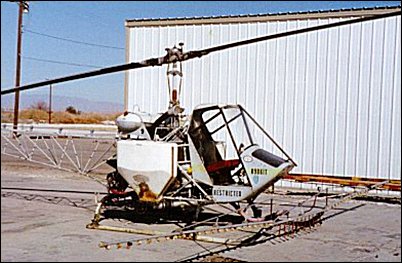
In 1959, Continental Copters Inc. of Fort Worth, Texas, developed and produced a specialised single-seat agricultural aircraft based on the Bell Model 47G-2. Payload is increased by deletion of unnecessary structure and equipment. Known as the El Tomcat Mk.II, this aircraft flew for the first time in April 1959 and received an FAA supplementary type certificate soon afterwards. An improved variant, the El Tomcat Mk.III, made its maiden flight in April 1965 as an improved version of the Mk.II, and subsequent variants were progressively introduced. The Tomcat Mk.III weighs empty 540kg and 1105kg loaded.
The El Tomcat Mk.IIIA was flown in January 1966 with 200hp Franklin 6V4-200-C32, 210hp 6V-335-A or a 235hp 6V-350-A engine.
The El Tomcat Mk.IIIB of 1967 had a still lower and repositioned windscreen, modified glassfibre nose, lower cabin roof and a 6V-350 engine.
The Mk.IIIC of 1968 was an improved version with a 200-235hp 6V4-200-C32, 6V-335-A or 6V-350A engine and was first flown in May 1968.
The Mk.V (first flown in June 1968) entered production in 1968 with a 220hp Lycoming VO-435-B1A engine (empty weight 620kg and maximum weight 1105kg), followed by the improved Mk.V-A with a 260hp VO-435-A1F engine and a folding jump-seat to permit carriage of a flagman to distant work sites. The latest version is the 265hp VO-435-BlA-engined Mk.V-B.

El Tomcat Mk.II

El Tomcat Mk.III
Empty weight: 540kg
Loaded weight: 1105kg

El Tomcat Mk.IIIA
Engine: 200hp Franklin 6V4-200-C32, 210hp 6V-335-A or 235hp Franklin 6V-350-A

El Tomcat Mk.IIIB
Engine: Franklin 6V-350

El Tomcat Mk.IIIC
Engine: 200-235hp Franklin 6V4-200-C32, Franklin 6V-335-A or Franklin 6V-350A

El Tomcat Mk.V
Ngine: 220hp Lycoming VO-435-B1A engine
Empty weight: 620kg
Maximum weight: 1105kg

El Tomcat Mk.V-A
Engine: 260hp VO-435-A1F
Disc loading: 2.6 lb/sq.ft.
Pwr loading: 9.42 lb/hp.
Max TO wt: 2450 lb.
Empty wt: 1420 lb.
Equipped useful load: 991 lb.
Payload max fuel: 817 lb.
Range max fuel/ cruise: 81 nm/ 1.3 hr.
Service ceiling: 10,500 ft.
Max sling load: 844 lb.
Cruise speed: 65 kt.
Working endurance: 1.5 hr.
ROC: 1500 fpm.
HIGE: 5900 ft.
HOGE: 1400 ft.
Fuel cap: 174 lb.
Seats: 1.

El Tomcat Mk.V-B
Engine: 265hp VO-435-BlA

Mk.VI-B
Engine: Lycoming TVO-435-B1A, 260 hp.
Seats: 1.
Disc loading: 2.6 lb/sq.ft.
Pwr loading: 10.9 lb/hp.
Max TO wt: 2850 lb.
Empty wt: 1490 lb.
Equipped useful load: 1321 lb.
Payload max fuel: 1147 lb.
Range max fuel/ cruise: 50 nm/ 0.8 hr.
Service ceiling: 10,500 ft.
Max sling load: 1194 lb.
Cruise speed: 65 kt.
Working endurance: 1.5 hr.
ROC: 1800 fpm.
HIGE: 5900 ft.
HOGE: 1400 ft.
Fuel cap: 174 lb.