CKD-Praga E-111 / BH-111           

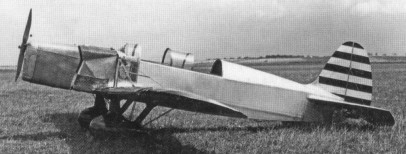
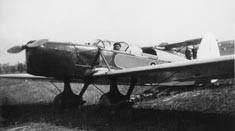
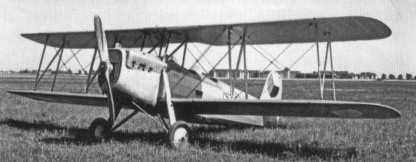
The E.111 (or BH.111) of 1932 was a two seat low wing monoplane tourer powered by a 110 hp de Havilland Gipsy III engine.

A two-seat lower-wing strutted type used by Flying Clubs. The BH-111 had wooden wing and tailpane covered by plywood, and tube framed control surfaces by fabric. The wood-framed fuselage was covered by plywood and fabric. Sheet metal plate cowling. Fixed undercarriage, wooden two-blade propeller.

One built in 1932 for Air Racing with rearwards folded wings.

Engine: de Havilland Gipsy III, 110 hp
Wingspan: 10.5 m
Length: 7. 4 m
Empty weight: 470 kg
Maximum speed: 230 kph
Climb 3000m: 15 min 45 sec

CKD-Praga E-39 / BH-39

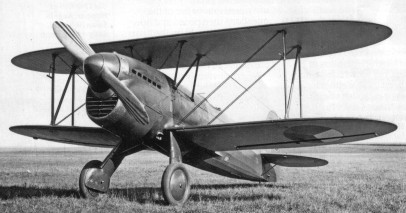
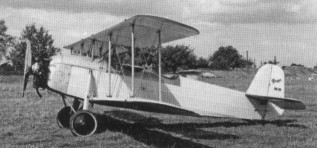
In several cases the code name of BH-39 after her designers Benes and Hajn is used for this type.

The prototype (designated BH.39NZ) first flew in 1931 with a 120 hp Walter NZ nine-cylinder radial engine. The 1936 next 8 built used 140 hp Walter Gemma radials (designated BH.39G). After this the 160 hp Armstrong Siddeley Genet Major was fitted (designated BH.39AG of 1937).

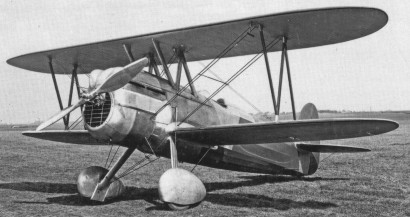
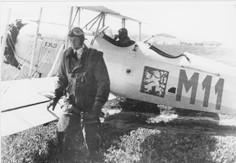
Praga E-39.21

Praga E-39.21, the 21st production one, was powered by a Walter Gamma engine.

A total of 149 aircraft appears to have been built with 125 used by the Luftwaffe as primary trainers during WW2. No mention of cross bracing while later models had ‘N’ shape interplane struts, cross-braced layout, while the rest on the paint guides had ‘N’ shaped struts.

BH.39NZ
Two seat primary trainer
Engine: 120 hp Walter NZ

BH.39G
Engine: 150 hp Walter Gemma

BH.39AG
Engine: 150 hp Armstrong Siddeley Genet Major 1A

BH.39RS
Span: 10.00m
Length: 7.00m
Height: 2.57m

Civil Aviation Department of India Revathi

The Civil Aviation Department Revathi was a light civil utility aircraft designed in India principally for use by that country’s flying clubs.

The Revathi was a conventional, low-wing monoplane with fixed tailwheel undercarriage and two seats side-by-side with an optional third seat behind them. The fuselage construction was of welded steel tube, with the forward section skinned in aluminium and the tail section in fabric. The wings were of all-metal construction and originally fitted with wooden flaps and ailerons that were later replaced with metal surfaces. The tail surfaces were also originally wooden but later replaced with metal.

The Revathi first flew on 13 January 1967 and received Indian type certification in January 1969.

The prototype’s wings and fuel system were later revised, and the resulting configuration was designated the Revathi Mk.II. It first flew in this configuration on 20 May 1970. It received its Indian type certificate on 31 October 1972.

Revathi Mk.II
Crew: One pilot
Capacity: 1-2 passengers
Length: 24 ft 10 in (7.58 m)
Wingspan: 30 ft 10 in (9.40 m)
Height: 9 ft 9 in (2.97 m)
Wing area: 152 ft2 (14.1 m2)
Empty weight: 1,408 lb (639 kg)
Gross weight: 2,120 lb (962 kg)
Engine: 1 × Rolls-Royce Continental O-300-C, 145 hp (108 kW)
Maximum speed: 120 mph (193 km/h)
Range: 400 miles (643 km)
Service ceiling: 11,500 ft (3,505 m)
Rate of climb: 600 ft/min (3.0 m/s)

Civil Aviation Department of India MG-1   

The Technical Centre of the Indian Civil Aviation Department began Design work on the MG-1 motor glider in October 1981. It was a low wing monoplane with spruce and plywood wings with a forward sweep of 1.5° at quarter chord mounted with 3.25° of dihedral. The ailerons were fabric covered; there were no flaps but wooden airbrakes extended above and below the wing. The cantilever, unswept empennage was similarly constructed and the low set tailplane carried elevators with a trim tab on the starboard side.

The fuselage of the MG-1 was steel framed and fabric covered with the exception of a glass fibre engine cowling. This housed a conventionally nose mounted, 74.5 kW (100 hp) flat four Continental O-200 piston engine driving a non-retractable propeller. Its cockpit seated two side by side under a rearward sliding canopy. The conventional undercarriage had main wheels with rubber cord shock absorbers and brakes, assisted by a steerable tailwheel.

Only one MG-1 was built. It made its first flight on 30 May 1983 and gained certification in December 1985.
Specifications

Engine: 1 × Rolls Royce Continental O-200-A, 75 kW (100 hp)
Propeller: 2-bladed Hoffmann V62R/170Y, 1.70 m (5 ft 7 in) diameter adjustable pitch
Length: 8.00 m (26 ft 3 in)
Wingspan: 16.50 m (54 ft 2 in)
Height: 2.50 m (8 ft 2 in) in flying attitude
Wing area: 21.83 m2 (235.0 sq ft)
Airfoil: Wortmann FX-61-184
Empty weight: 560 kg (1,235 lb) equipped
Max takeoff weight: 748 kg (1,649 lb)
Fuel capacity: 60 L (13.2 Imp gal; 15.8 US gal)
Maximum speed: 245 km/h (152 mph; 132 kn) power off, smooth air
Cruising speed: 160 km/h (99 mph; 86 kn) economical, 75% power
Stall speed: 62 km/h (39 mph; 33 kn) powered; 70 km/h (44 mph; 38 kn) power off
Range: 500 km (311 mi; 270 nmi) maximum fuel
Service ceiling: 4,575 m (15,010 ft) service
g limits: 5.3/-2.65 power off
Maximum glide ratio: 26:1 at 105 km/h (65 mph; 57 kn), power off
Rate of climb: 6.0 m/s (1,180 ft/min)
Rate of sink: 1.0 m/s (200 ft/min) minimum, at 90 km/h (56 mph; 49 kn), power off
Wing loading: 34.3 kg/m2 (7.0 lb/sq ft) maximum
Take-off run: 170 m (558 ft)
Landing run: 135 m (443 ft)
Crew: 2

Civilian Coupe

Civilian Coupe II

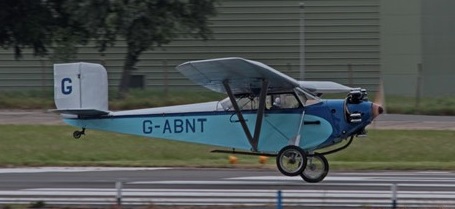
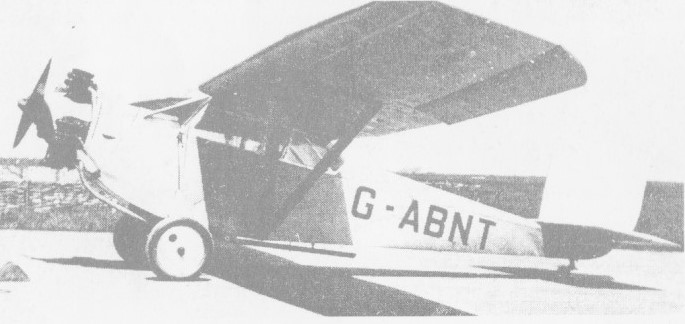
Designed by H.D.Boultbee in 1928 the C.A.C. Mk I Coupe, a two-seat, high-wing cabin monoplane tourer, was built at Burton-on-Trent, near Hull. Initially powered by an 85 hp ABC Hornet engine, the prototype G-AAIL was first flown in July 1929 and was demonstrated publicly at Heston that same month.

A factory was set up at Hedon to produce the improved Coupe II powered by a 100 hp Genet major radial engine. Two aircraft were built in 1930, G-ABFI and G-ABFJ, and two more, G-ABNT and G-ABPW, in 1931. Customers were hard to find and a sixth was never completed.

Coupe II

G-ABNT cn 0.2.3 was first registered to Civilian Aircraft on 10 September 1931. It was not sold until February 1933 when it was delivered to S.B.Cliff at Woodley. After moving to Whitchurch it was re-sold to G.O.Rees at Pengham, Cardiff in October 1933. G-ABNT was stored at Carmarthan from 1939 until early 1978 when it was purchased by P.A.Mann, who moved it to Biggin Hill for restoration.

Coupe II
Engine: Armstrong Siddeley Genet Major I, 100 hp
Wingspan: 35 ft 6.5 in
Length: 19 ft 4 in
AUW: 1500 lb
Max speed: 110 mph

Citroen RE-2      

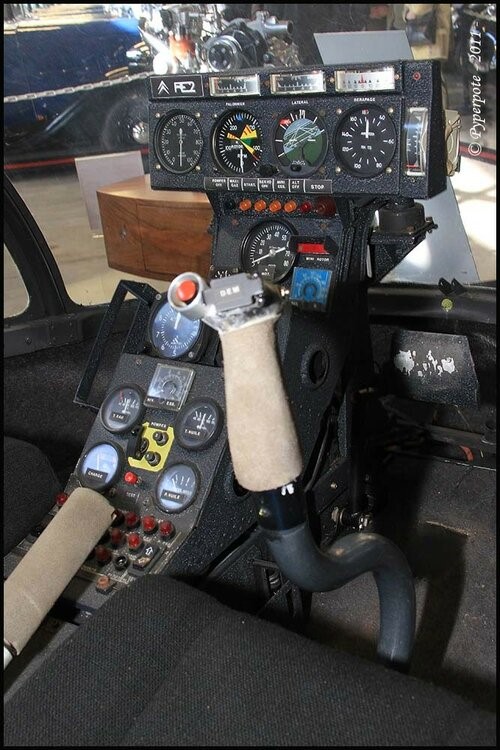
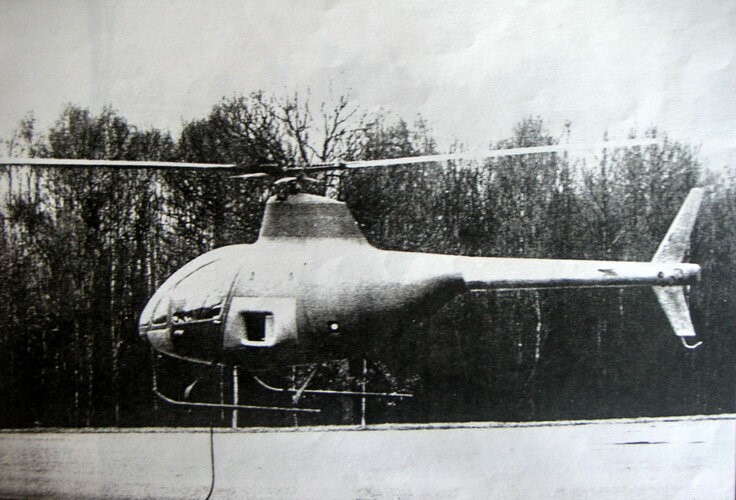
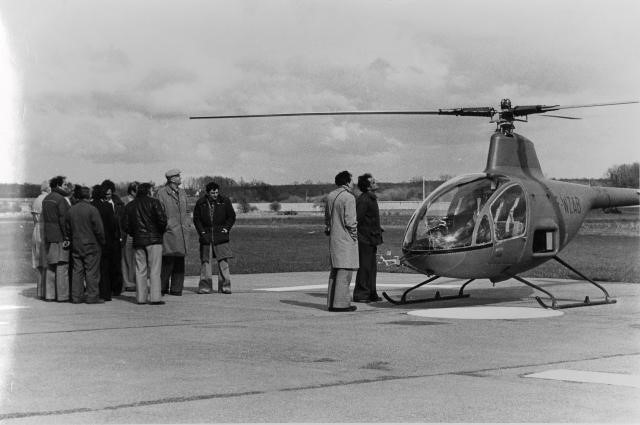
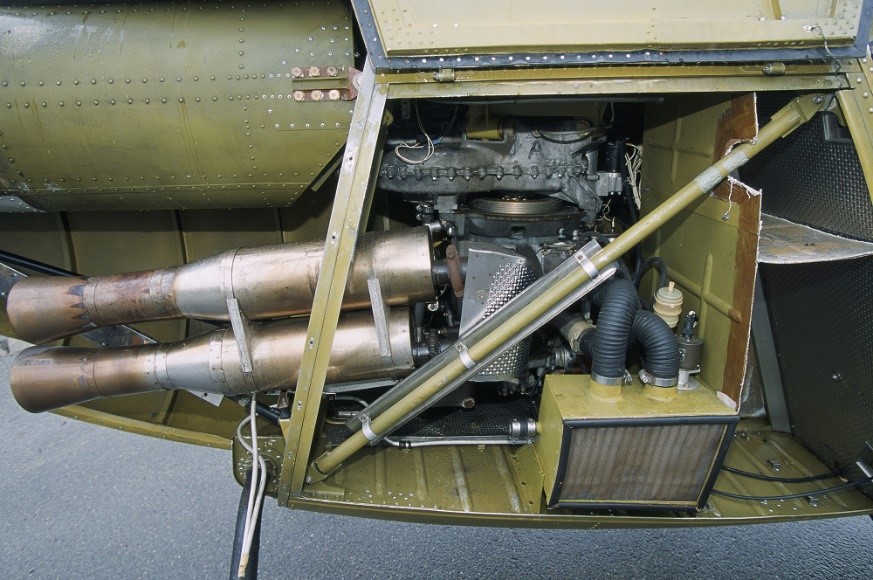
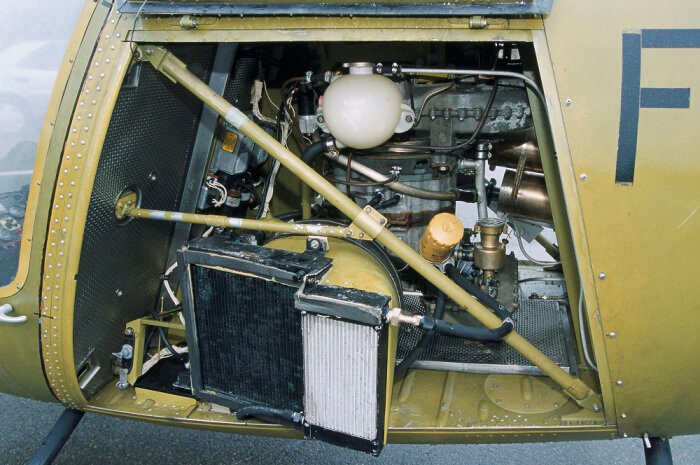
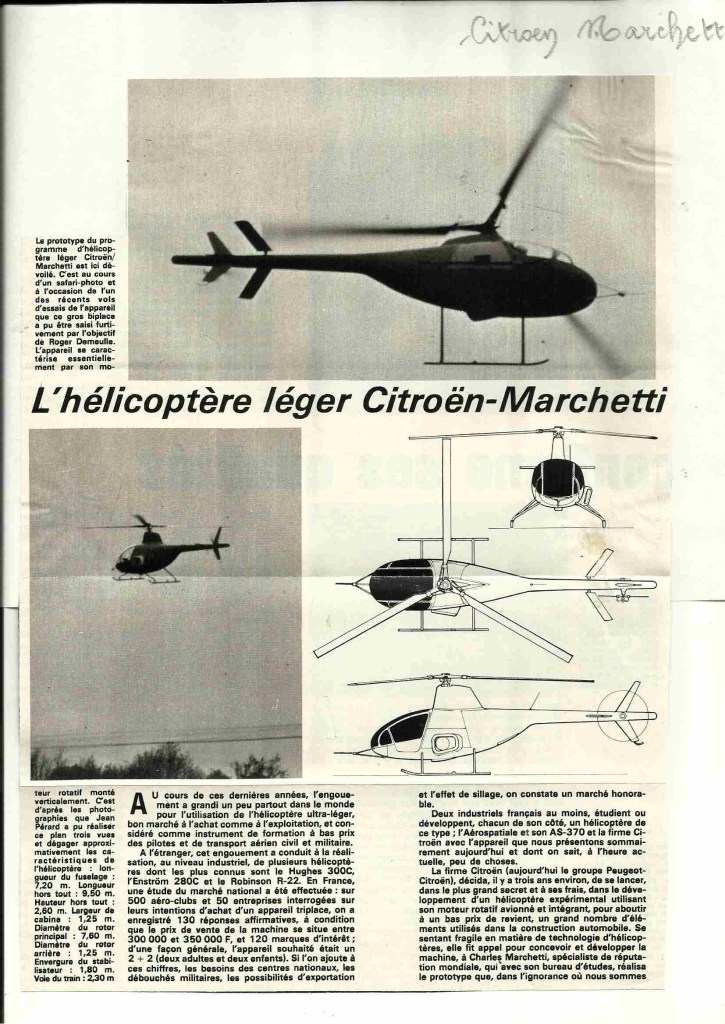
In the 1970’s Citroen experimented with a small light helicopter, powered by a Wankel engine developed in a joint venture with NSU (Comotor), as part of their investigation into alternative engine development.

All started with Comotor, a joint-venture between NSU and Citroën for the development and marketing of rotary motors. The small Citroën M35 preceded the Citroën GS Birotor, which, despite of their good performance and exclusive image, always suffered from high fuel consumption and low reliability. The last attempt to save Comotor was the RE-2 helicopter.

French helicopter engineer Charles Marcetti was commissioned to design and build a small helicopter, which would be powered by a Comotor 624 twin-rotor (170hp) engine. A development of the engine used in the prototype GS Birotor. Charles Marchetti had designed the successful helicopter Alouette.

The damage to Comotor was already done. Sales of the Citroën GS Birotor were disastrous, and the Board of Directors of the brand I wanted to put point and end to the project. Clutching at straws, Citroën looked at the sky: “we will produce a helicopter, and we’ll use our thrusters rotating to make it fly”.

The engine was a Comotor 624 of two rotors, a capacity of 1,990 cc and 101 HP fitted with Solex carburetor by a system of mechanical fuel injection, developed by Citroën. The fuel feed and cooling were modified.

After months of rushed development, the first prototype would rise from the ground, the Christmas Eve of the year 1975. It was a helicopter designed for two occupants, for recreational use. Citroën wanted to have his helicopter ready as soon as possible, and with the rush even had difficulties to find a test pilot.

This engine was capable of to propel the aircraft to a cruise speed of 173 km/h and on the paper, could climb to a ceiling of 3,500 meters altitude. Citroën had been flown successfully with its RE-2, but did not yet have the government certification to sell it to the public. During the processes of approval, it was discovered that the engine overheated after a time running at high-rate.

Although the tests were successful, over-heating problems with the engine and pending bankruptcy brought the project to an end. The lack of funds and technical problems delayed the certification of the aircraft, that it would never be completed.

While the engineers solved the engine problems, Citroen came under Peugeot, in the recently formed PSA Group. Although the RE-2 solved their problems and got a permit of flight six months in 1977 for the final adjustments, in Peugeot were fed up.

On May 5, 1979, Peugeot ordered to Citroën the immediate cancellation of the project after only 38 hours of flight.

The RE-2 went to the Musée Citroën in France.

RE-2
Engine: 1 x Citroën Comotor 624 rotary (Wankel), 160-190hp
Length: 7,18 m
Height: 2,59 m
Weight: 700 kg