Single-seat light aircraft with twin booms and pusher propeller, designed and built by Laister Sailplanes and first flown 1983.
The CL-1 was powered with a 38 hp Kawasaki engine and had a power off glide ratio of 18-1.
The Zipper was first registered in 1983 as N3999C Serial Number X1.
I worked in building this aircraft with Jack Laister for Bill Cleary. Jack was the Engineer and I was the A&P. I’m trying to locate where this aircraft is. Both Jack and Bill have passed on now. Timothy Blackmon
John Thorp retired in 1985 and took the T-18 plans off the market. Lu Sunderland, having worked with John on a wider fuselage and folding wing option for the T-18, did a complete rework of the drawings and produced plans for the S-18. The S-18 is then a redesign of the Thorp T-18. The fuselage body is 2″ wider and 5″ longer than the standard T-18. Also it has a newer NASA computer designed Wing Airfoil, which is stated to lower the stall speed by 6-8 knots. This airfoil also allows a more gentle stall with adequate warning. The top and cruise speeds remain the same. An S-18 with an 160hp Lycoming IO-320 and Hartzel Constant Speed propeller will cruise around 180 mph at 8500 ft (MSL) on less than 7 GPH (gallons per hour of fuel). The S-18, like the T-18 is an all metal 2 place side-by-side high performance aircraft. Control response is exceptional and control forces are well harmonized. The S-18 is a very capable cross-country airplane. It will carry 2 people and 80 lbs. of baggage. Powerplants range from Lycoming O-235 (115hp) to IO-360 (180). Parts can be provided with matched holes so that parts fit together saving a lot of time in construction. Also parts are scribed to outer mold-lines or trim lines. No jigs are required. The airplane is built using 1/8″ solid aluminum rivets, but can be built using 1/8″ stainless steel pop rivets (but not recommended). The S-18 has a folding wing designed by Lu Sunderland which can be swung around parallel to the fuselage making the airplane less than 8 feet wide. So that it can be trailered home or stored in small spaces. Test Flights were completed on the S-18T Tri-Gear in May of 2003.
The S-18 was available in kit form from Classic Sport Aircraft. Pieces and parts for both the T-18 and the S-18 are available here also.
S-18T Engine: Lycoming O-360 Propeller: constant speed Wingspan 20′ 10″ Length 18′ 6″ Wing area: 86 sq.ft Gross Weight 1600 lbs. Empty Weight 1000 lbs. Useful Load 600 lbs. Fuel – Standard Tank 29 gallons Fuel – Wing Tank 24 gallons Rate of Climb 1500 fpm Luggage Capacity 80 lbs. Range (standard) 540 SM Range (with optional wing tanks) 900 SM Cruise – 75% power 180 mph Top Speed 200 mph Stall: 63 mph Cockpit width; 40 in Seating 2 side by side Engine options: Lycoming 290, 320, or 360
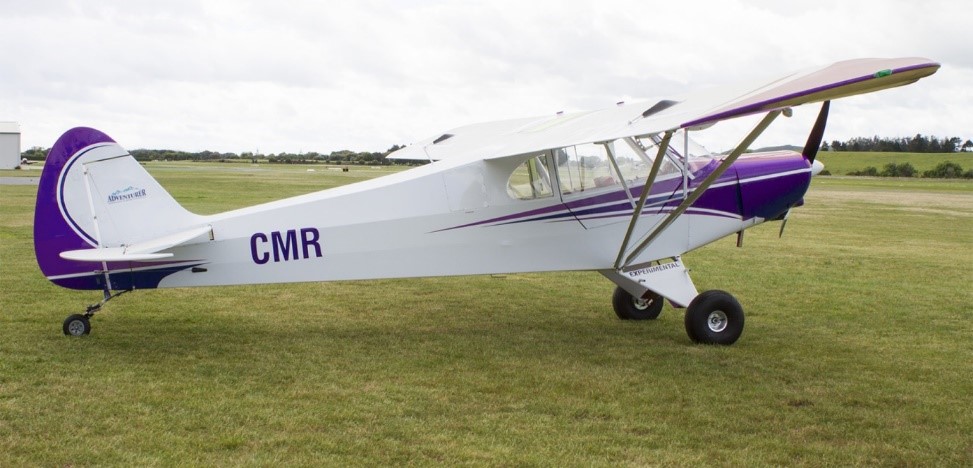
The CA18-1320 is the lightest weight version. It is designed for New Zealand’s CAA Class Two Microlight category with a maximum all up weight of 600Kgs.
The basic aircraft does not come equipped with flaps or large grass all terrain tyres to keep weight to a minimum. Fuel is limited in each wing tank to 35 litres.
For this model you can choose between a full size J3 or PA18 Cub. The added bonus is that solo flight is from the front seat.
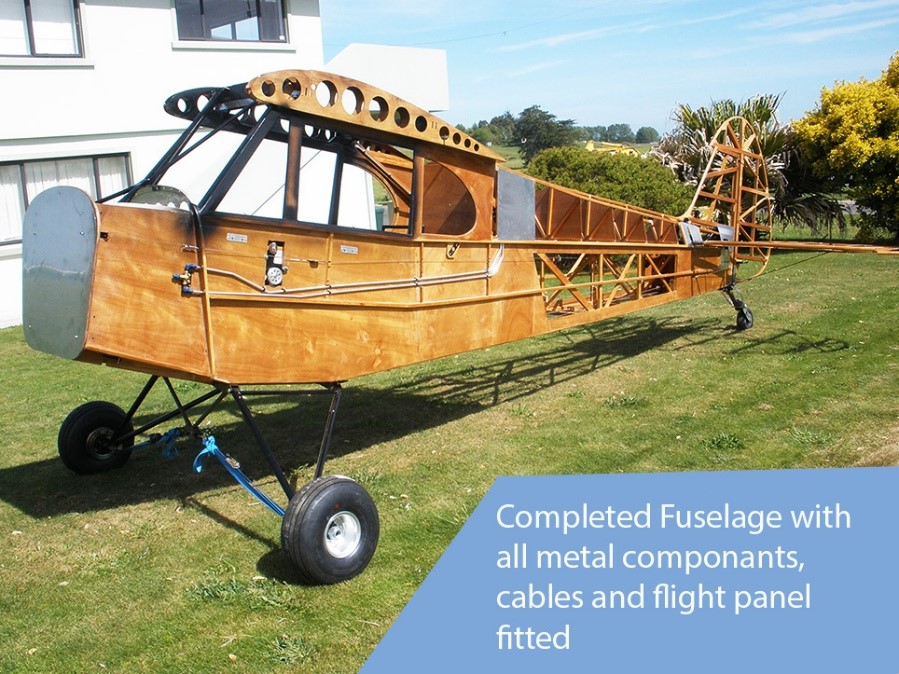
The CA18-1530 model is based on the 100hp Cub. With its 1530 MAUW capacity this model is suited for engines up to 120hp. To accommodate the increased weight capacity from the CA18-1320 model, it has increased size of the timber framework within the fuselage. The wings are the same, however the wing lift struts are larger and 50 litre fuel tanks are fitted.
Extra options available for the CA18-1530 model include:
Flaps
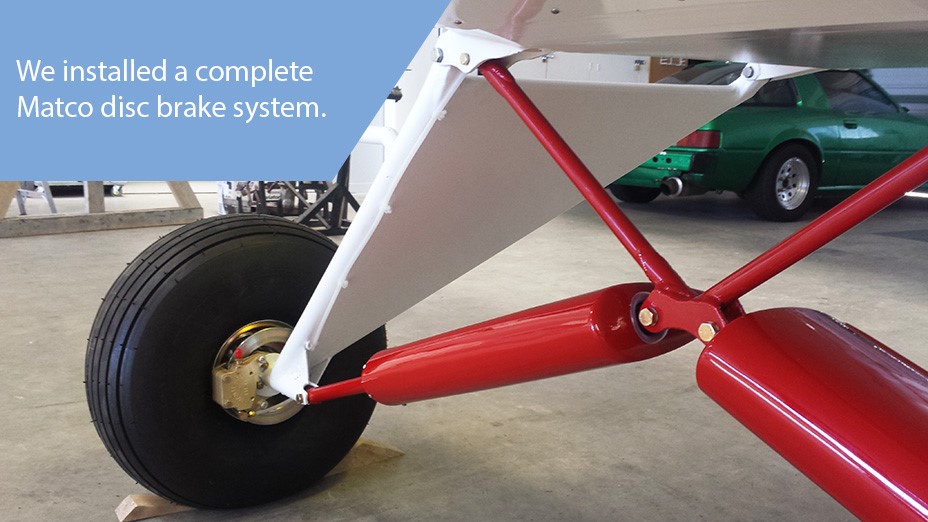
Larger main landing gear tries & rim kits for disc brake mounts
Large tail wheel assembly
Navagation and runway lighting kit
The CA18-1920 model is based on a 180hp retro fitted PA18 Super Cub. The CA18-1920 has a maximum all up weight of 1920lbs. To accommodate the increased load capacity, the timber framework within the fuselage along with the wing spar caps have been increased in size.
This model is an ideal platform to fit a STOL kit for those shorter and rougher landing areas.
CADL was to be offering STOL components for this model by the end of 2016, the components were to include:
Fibre glass hoerner style wing tips
Carbon fibre leading edge coverings (to replace the plywood)
CA18-1320 Engine: Continental 0-200 / Rotax 912, 100 hp Wing span: 10.668 m / 35.0 ft Wing Area: 15.80 sq/m / 178.5 ft MAUW: 1320 lbs Fuel Capacity: 2 x 35 lt Total useable fuel: 68 lt Fuel type: 100 LL Avgas/ MOGAS Main Landing Gear Tires: 6.00 x 4 Tail Wheel: 2.50 x 4 Axles & Bearings: 1 – ¼ inch Brakes: Matco MLG Wing Loading: 43.92 kgs/m / 8.5 lbs/ft Wheel Base: 5.059 m / 16 ft Wheel Track: 1.879 m / 74 in Main Wheels: 21×8.00×6, 18 psi Tail Wheel: 2.80×4, 20 psi Elevator Maximum up Deflection: 25⁰ Elevator Maximum Down Deflection: 15⁰ Elevator Trim Maximum up Deflection: 3⁰ Elevator Maximum Down Deflection: 4⁰ Rudder Defection Left & Right: 25⁰ Tail wheel defection before unlocks to 360deg: 22⁰ Aileron deflection: Up 18deg, Down 18deg Maximum G: +4, -0 Service Ceiling: 13,500ft Manoeuvring Speed: 85 mph Maximum Cruise: 100 mph Never Exceed (Vne): 120 mph Rate of Climb: 524 fpm at 71 mph Best Angle of Climb: 64 mph Best Rate of Climb (Ratio): 1 to 9.4 Stall Speed: 38 mph
CA18-1530 Engine: Continental O-200, 100 hp Prop: Omega 71 x 41 Wing span: 10.668 m / 35.0 ft Wing Area: 15.80 sq/m / 178.5 ft MTOW: 1530 lb Wing Loading: 43.92 kgs/m / 8.5 lbs/ft Fuel Capacity: 2 x 50 lt Total useable fuel: 98 lt Fuel: 100 LL Avgas Main Landing Gear Tires: 21/8.00 x 4 Tail Wheel: 2.80 x 4 Axles & Bearings: 1 – ¼ inch Brakes: Matco MLG Wheel Base: 5.059 m / 16 ft Wheel Track: 1.879 m / 74 in Main Wheels: 21×8.00×6 18 psi Tail Wheel: 2.80×4, 20 psi Elevator Deflection: +25⁰ / -15⁰ Elevator Trim Deflection: +3⁰ / -4⁰ Rudder Defection Left & Right: 25⁰ Tail wheel defection before unlocks to 360deg: 22⁰ Aileron deflection: Up 18deg / Down 18deg Maximum Flap Speed (Vfe): 85 Mph Flap deflection: 15deg / 25deg / 40deg TO to 50ft: 332-372m Landing dist from 50ft: 104-106m ROC: 505-644 fpm at 71 mph Stall Speed Angle of Bank 0⁰: 42 mph Stall Speed Angle of Bank 10⁰: 44 mph Stall Speed Angle of Bank 20⁰: 45 mph Stall Speed Angle of Bank 30⁰: 47 mph Stall Speed Angle of Bank 40⁰: 50 mph Stall Speed Angle of Bank 60⁰: 55 mph Stall Speed Angle of Bank 90⁰: 62 mph Manoeuvring (Va): 90 mph Max cruise: 110 mph Never exceed: 138 mph Flight Load: +4.4 / -0 Max Endurance: 5 hr Service Ceiling: 13,500 ft Manoeuvring Speed: 90 Mph Max Cruise: 110 Mph Never Exceed (Vne): 138 Mph MAUW: 1530 lb Best Rate of Climb: 624 fpm at 71 Mph Best Angle of Climb: 64 Mph Rate of Climb Ratio: 1 to 9.4 Stall Speed: 39 Mph
CA18-1920 Engine: Lycoming O-320 / 360, 160 / 180 hp Wing span: 10.668 m / 35.0 ft Wing Area: 15.80 sq/m / 178.5 ft Fuel Capacity: 2 x 50 lt Total useable fuel: 98 lt Fuel: 100 LL Avgas Main Landing Gear Tires: 21/8.00 x 4 Tail Wheel: 2.80 x 4 Axles & Bearings: 1 – ¼ inch Brakes: Matco MLG Wheel Base: 5.059 m / 16 ft Wheel Track: 1.879 m / 74 in Main Wheels: 21×8.00×6 18 psi Tail Wheel: 2.80×4, 20 psi Wing Loading: 43.92 kgs/m / 8.5 lbs/ft Wheel Base: 5.059 m / 16 ft Wheel Track: 1.879 m / 74 in Main Wheels: 21×8.00×6 18 psi Tail Wheel: 2.80×4, 20 psi Elevator Deflection: +25⁰ / -15⁰ Elevator Trim Deflection: +3⁰ / -4⁰ Rudder Defection Left & Right: 25⁰ Tail wheel defection before unlocks to 360deg: 22⁰ Aileron deflection: Up 18deg / Down 18deg Maximum Flap Speed (Vfe): 85 Mph Flap deflection: 15deg / 25deg / 40deg Flight Load: +4.4 / -0 Service Ceiling: 13,500 ft Manoeuvring Speed: 94 Mph Max cruise: 110 mph Never exceed: 138 mph MAUW: 1920 lb ROC: 980 fpm at 71 mph Best Angle of Climb: 64 Mph Rate of Climb Ratio: 1 to 9.4 Stall Speed: 42 Mph
James W. Clark of Bridgewater, Pennsylvania, supposedly tested this machine between 1900 and 1910. It failed to fly, was wrecked, then rebuilt and fitted with its present engine – a 5 hp 2-cylinder Waterman – in 1907.
Currently residing at the Owls Head Transportation Museum in Maine, possibly the oldest full-sized internal combustion engine powered flying machine anywhere in the world.
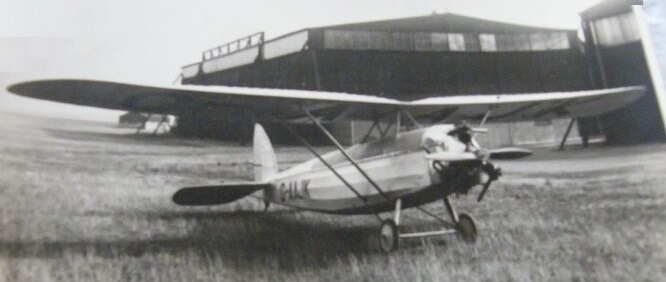
The Clarke Cheetah was a single seat biplane designed in 1929 by J.Clarke with diagonal interplane struts. Powered by a Blackburn engine, it used the lower wings of the Halton Mayfly G-EBOO.
First flown at Brough in 1929 as G-AAJK cn.1.
It was converted in 1930 to a parasol monoplane configuration by A.C.Thomas and partners.
It was broken up in 1937 and donated its wing to the Martin Monoplane G-AEYY.
Production of prototype Clark F-46A three/four-seat monoplane used the developed Duramold process of constructing fuselages in molded halves of a plastic compound material, joined along top and bottom centerlines, at Fairchild’s Hagerstown, Maryland factory.
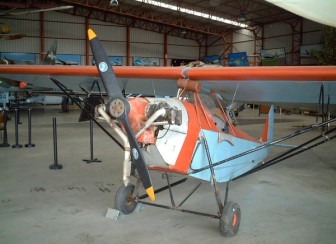
The Skybaby was a fully-acrobatic, single seat light aircraft with a strut-braced, parasol wing. It was of all wooden construction and covered with lrish linen. The fuselage was a Pratt truss with 3/4 inch square longerons with l/8-inch ply gussets, and weighed just 16 lb bare. The wing employed a Gottingen 426 airfoil, and had a l/2-degree dihedral. The spars were “I” beams with 9/16-inch by 1/2 inch flanges and l/8-inch ply webs. The aircraft had a divided undercarriage with hard tyres, and a tailskid. Before long, the main wheels were replaced with balloon tyres on 5-inch by 4-inch hubs (the same as the tailwheel on Kingsford Smith’s Lockheed Altair). The Henderson engine, in it’s original side valve configuration, ran at its maximum of 3,000 rpm and suffered overheating problems. Bill Clancy replaced the top half of the engine with new cylinders and alloy pistons, increasing the bore by 9/16 inch to 3-1/8-inch Overhead valves of increased diameter were fired in well finned heads cast in bronze for better heat dissipation and to eliminate the need for valve seat inserts. A full dual ignition system was fitted and, in its modifed form, the engine delivered 38 brake horsepower at 2550 rpm The compression ratio was increased to 5:1 and it cruised smoothly at 2200 rpm. An extension shaft was bolted to the crankshaft flywheel flange. This shaft was tapered to fit the propeller hub (which was turned down from a Model T Ford rear wheel hub) and carried a shoulder to accommodate a ball thrust bearing in the nose cone, which was fabricated from mild steel sheet. Later models had a Praga “B” 40hp flat twin engine.
Gross-Weight 560 lb Empty Weight 330 lb in original form 350 lb when modified Span 25 feet 6 inches Length 16 feet 2 inches Wing Area 104 square feet Wing Loading 5.4 Ib/sq.ft Span Loading 22.2 Ib/ft Power Loading 14.7 Ib/hp Cruising Speed at 2200 rpm 55 mph. Stalling 8peed 30 mph. Fuel 31/2 Imp Gals at 13/4 Imp gph. Propeller 60 inch by 36 inch Differential brakes, 5-inch by 4-inch tyres, coil springs in telescopic landing gear legs.
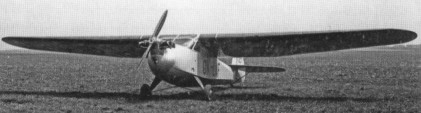
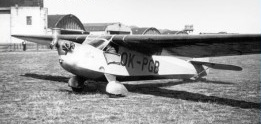
The 40 hp Praga B powered prototype, OK-PGA, first flew in Seqtember 1934 and was Praga’s first civil project. Sixty-three were built.
Following a demonstration tour in the UK in 1935, F.Hills & Sons on Manchester, acquired a licence to build the E.114 as the Hillson Praga. The first Hills & Sons Ltd licence-built Praga E.114 was sold to Australia, and the second registered G-AEEU became the company’s demonstrator in April 1936. Total production by Hills amounted to twenty-eight aircraft, plus seven uncompleted during 1936 and 1937, selling for £385-435.
Praga E-114 Air Baby
In 1936 H.L.Brook set a new Lympne to Cape Town record of 16 days in one of the British built examples. The E.114bis was fitted with a 65 hp Praga D engine. The prototype E.114bis, OK-PGF, was flown before the Second World War, as was the E.115, an improved version with a shorter wing.
After the war, the Air Baby was relaunched as the E.114D.
CKD-Praga E.114 Air Baby Engine: Praga B, 29 hp Length: 21.654 ft / 6.6 m Wingspan: 36.089 ft / 11.0 m Wing area: 163.613 sqft / 15.2 sqm Max take off weight: 1080.5 lb / 490.0 kg Weight empty: 639.5 lbs / 290.0 kg Max. speed: 94 kts / 175 km/h Cruising speed: 79 kts / 147 km/h Service ceiling: 11483 ft / 3500 m Wing load: 6.56 lb/sq.ft / 32.00 kg/sq.m Range: 297 nm / 550 km Crew: 2
CKD-Praga E.114 Air Baby Engine: Praga D 1, 75 hp.