Designed and built by Pierre Clerget in France, in 1909.
Span: 29’6″
Length: 32’10”
Designed and built by Pierre Clerget in France, in 1909.
Span: 29’6″
Length: 32’10”
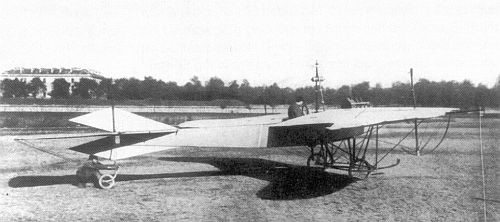
The Clerget-Etrich Taube Aman was a slightly modified version of the Etrich IV Taube license-built by Clerget in France for whose name appeared on the tail, Gustave Aman. Powered by an inline Clerget engine, it was completed in August but first flown in October 1910.
The 1911 biplane designed and built by Louis Clement was built of all steel tube.
Span upper: 43’9″
Span lower: 30’8″
Length: 34’5″
Gross Weight: 1600 lb
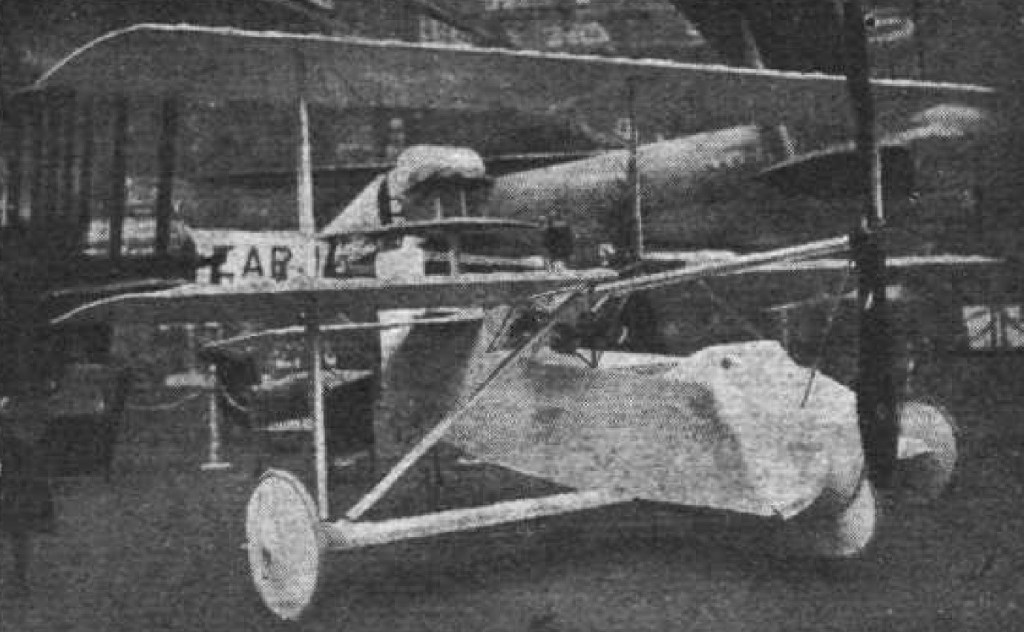
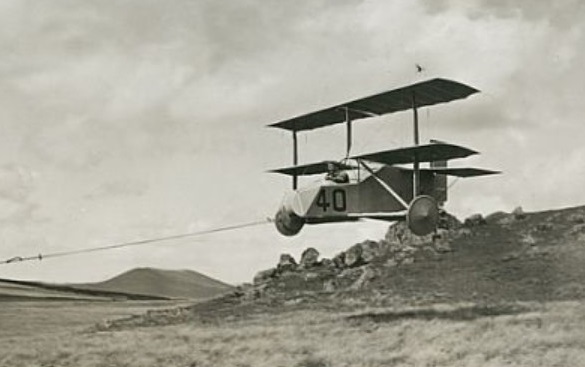
Louis Clement built a small triplane in 1919. It had a span of 18 ft, and the lower wing was shorter than the others. The landing wheels were mounted at the tips. Power was a 35 hp Anzani engine.
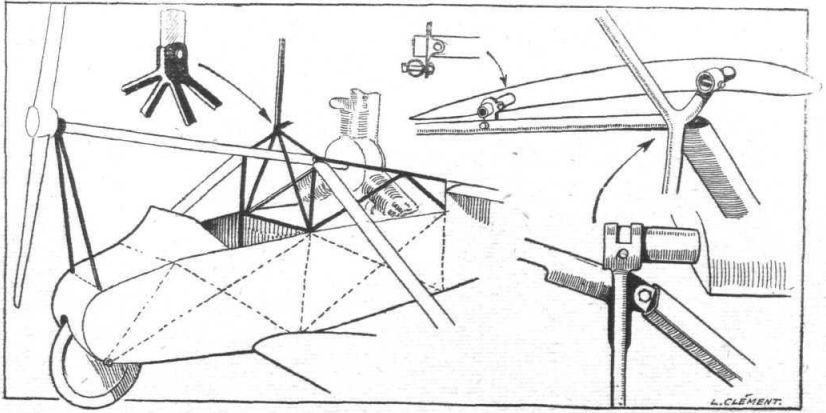
It was first presented at the Paris Aero Salon in 1919 with an Anzani engine behind the pilot on top of the aft fuselage, transmitting power through an extension shaft to the propeller on the normal front position. One could say it was the ultra-light of the time.
The Clement triplane was made of a rather complex tubular metal construction it was also braced outside with a number of wires.
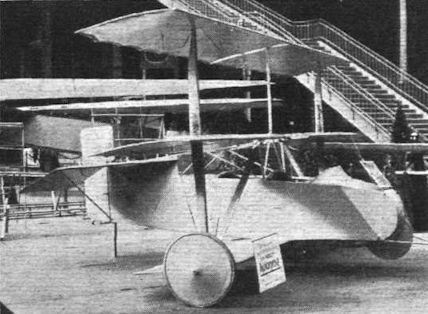
It reappeared in the Salon in 1921 without the engine.
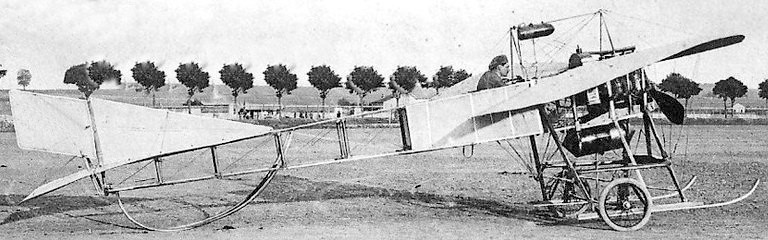
Émile Chesnay, a photographer and balloonist, had a monoplane built by Clement Bayard. It was equipped with a Clerget engine of 50 hp. The wings, with a span of 8.50 m resembled those of Bleriots and may have been built at their factory. The landing gear had two wheels and two curved skids. It was presented at the aviation meeting of Dijon which was held from 22 to 25 September 1910.
Clément-Bayard built Alberto Santos-Dumont’s Demoiselle No 19 monoplane that he had designed to compete for the Coupe d’Aviation Ernest Archdeacon prize from the Aéro-Club de France. The plane was small and stable, but they planned a production run of 100 units, built 50 and sold only 15 for 7,500 francs for each airframe. It was the world’s first series production aircraft. By 1909 it was offered with a choice of 3 engines, Clement 20 hp; Wright 4-cyl 30 hp (Clement-Bayard had the license to manufacture Wright engines); and Clement-Bayard 40 hp designed by Pierre Clerget. It achieved 120 km/h.
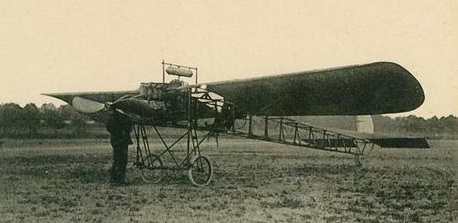
In March 1908 Pierre Clerget, employed by Gustave-Adolphe Clément-Bayard at the time, received an order from Ernest Archdeacon to design a monoplane. It was to be financed by Archdeacon and constructed by the firm of Clément-Bayard.
Alternately known as monoplan C.A.M. (Clerget-Archdeacon-Marquézy), on November 4, 1909, during a trial of the C.A.M. monoplane, fitted with a Clerget motor of 50 hp, the pilot, René Marquézy, after a quick start, suddenly rose to a height of 15 meters whereupon Marquézy cut the ignition and the aircraft returned to earth abruptly, breaking the propeller and distorting the wheels.
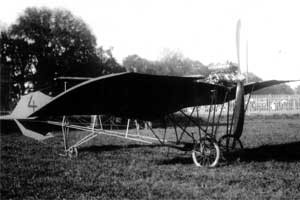
René Marquézy, oft mentioned as being a lighter-than-air aeronaut, later acquired a Brevet of the Aeroclub de France (#238) on October 4, 1910.
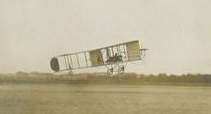
Also known as the Clément-Bayard biplane, the biplane of 1910 was constructed by the firm Letord et Niepce and fitted with a 43 hp 4-cylinder Clément-Bayard motor.
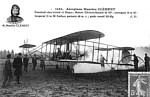
Span: 38’2″
Length: 37’9″
Weight: 1100 lb gross

A shoulder-wing monoplane with a deep, triangular, REP-inspired fuselage, powered by a 70 hp Gnôme. It was displayed at the 1912 Paris Aero Salon and several examples with slight variations were built.

Gnome-engined Clement-Bayard two-seat monoplane set world distance record of 255 miles (410 km) February 1913.

Span: 41’8″
Length: 32’2″
Weight: 838 lbs
Speed: 56 mph
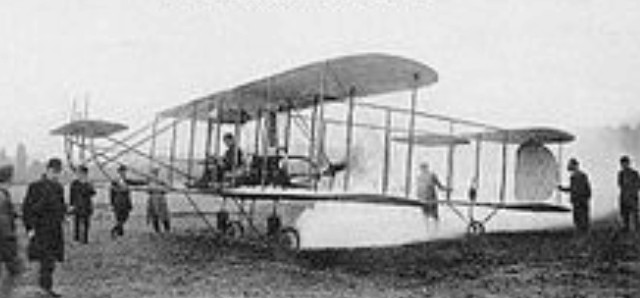
It was constructed at Leotard et Niepce and powered by a 43 hp Clement-Bayard motor.
Engine: Clement-Bayard, 43 hp
Wingspan: 11.6 m / 38 ft
Wing area: 60 sq.m / 645.8 sq.ft
Length: 11.5m / 37.7 ft
Weight: 500 kg / 1102.5 lb

