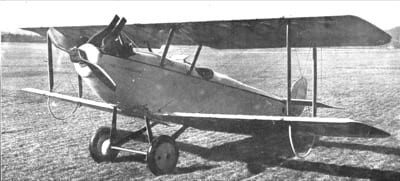
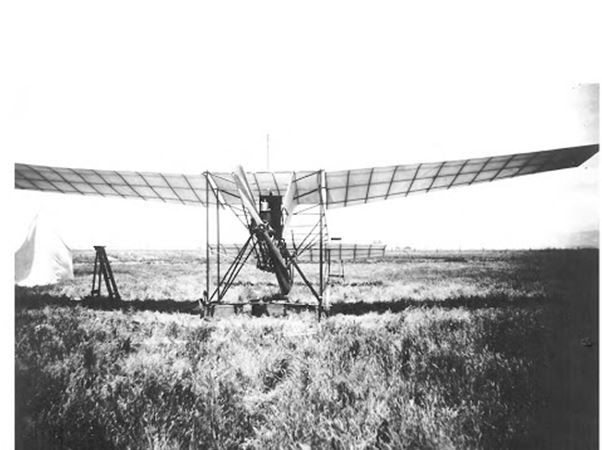
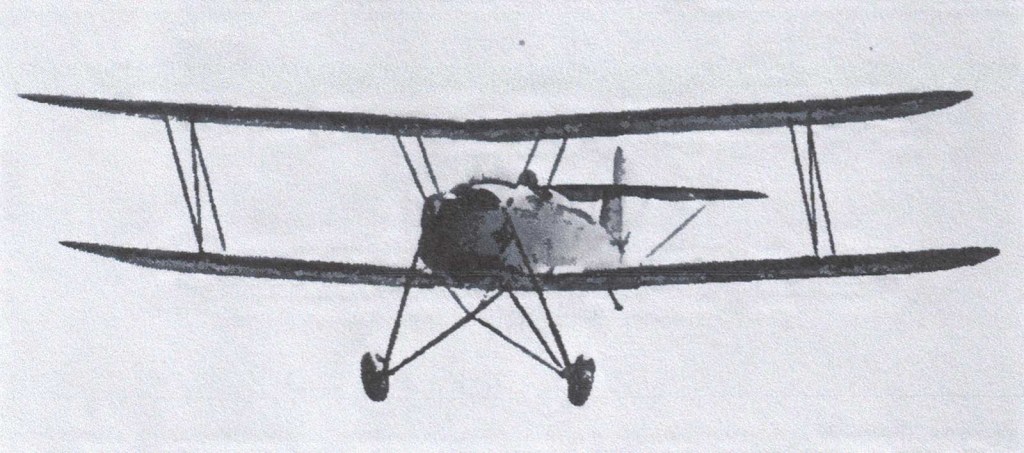
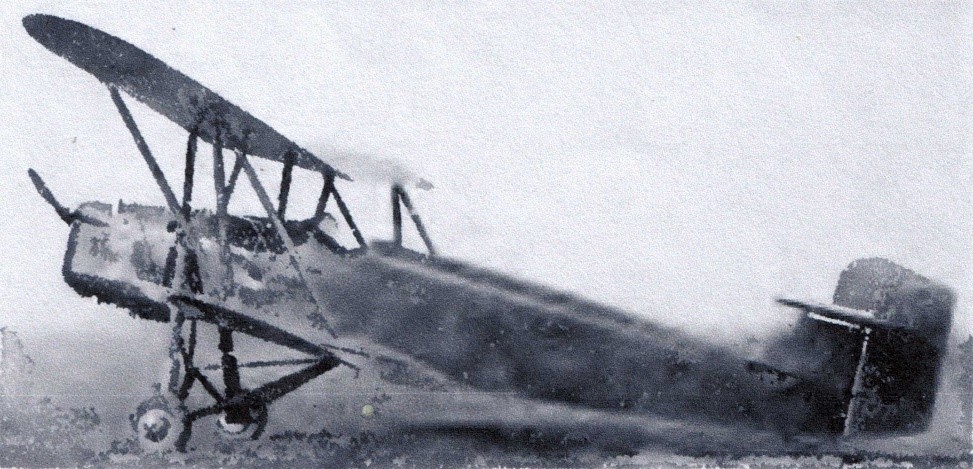
The Dayton-Wright Messenger biplane was designed by Oliver Thomas in 1918. It was powered by a 37-hp DePalma V-4 engine. Dayton-Wright hoped to get an Army contract. Failing that, it was planned to sell on the civil market, but only one was built.
Engine: 37-hp DePalma V-4 Span: 19 ft 3 in Length: 17 ft 6 in Empty weight: 476 lb Loaded weight: 636 lb Speed: 85 mph
Glenn L Martin and Charles H Day built their first aircraft in 1909, in Long Beach, California. When they took the machine out for testing, the engine stopped while it was being taxied. The individual taxiing it decided to try to re-start the engine himself and was successful, but with no one in the cockpit the machine went off by itself and ran around the field until it hit something and was totally wrecked.
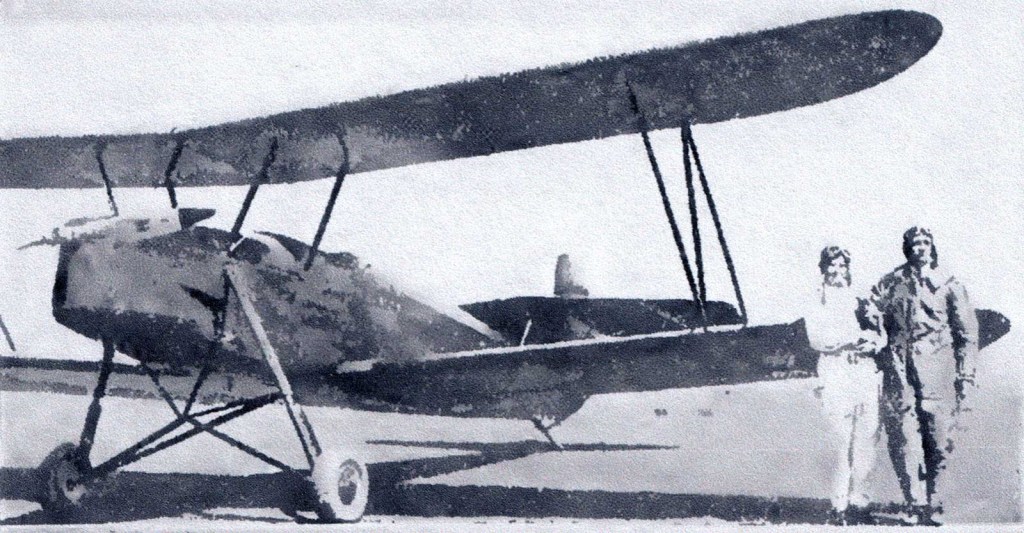
The Day Model A Special was planned originally for pilots with limited experience by offering them a safe, easy to fly aircraft. An early light plane around-the-world-flight was successfully achieved by Charles Healy Day with his wife Gladys in 1931. They completed a 24,000 mile global tour in an open cockpit, side by side biplane he designed.
Day was a highly respected aeronautic engineer. He designed the Standard J-1 in 1914 which was used to teach World War I cadets to fly. It was also a favorite of barnstormers during the 1920’s. He also designed the later five-place New Standard GD-24 and D-25.
The 34 foot span airplane was powered with a 120 hp Martin D-333 engine. Their seven month tour included flights over 20 countries with visits to 74 cities and covered 16,000 miles flown over land and 8,000 miles with their aircraft loaded aboard ship for crossing the Atlantic and Pacific oceans.
Charles and Gladys Day pose beside their airplane prior to embarking on their world tour.
The only damage this aircraft suffered throughout the world tour was a bent tail skid mount caused by ground-looping across a ditch in Foo-Chow, China.
Fuel capacity was only 24 gallons. An additional 24 gallon tank was installed for the world flight. This extended range for over land flights but 48 gallons was insufficient for flying over the oceans.
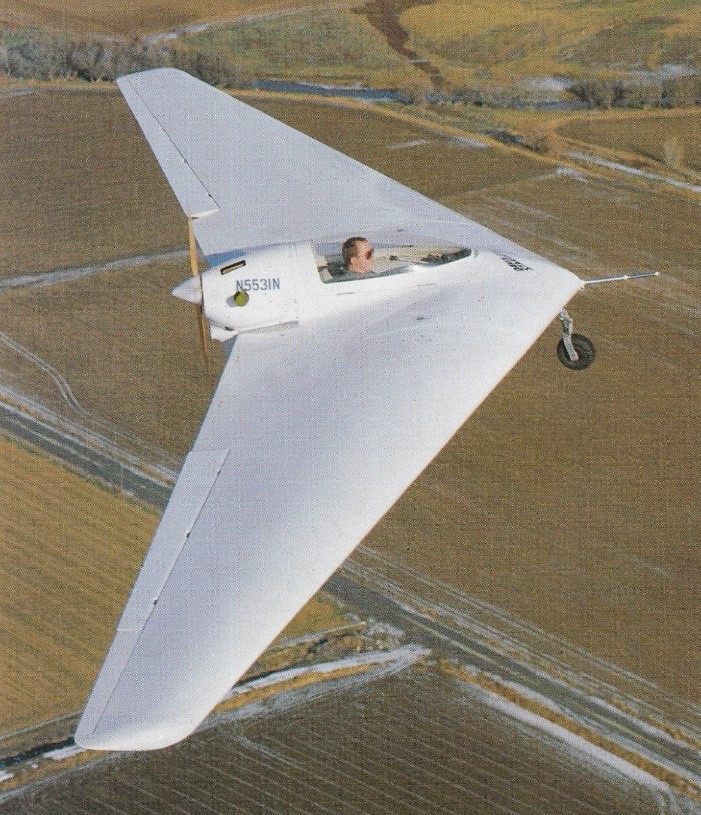
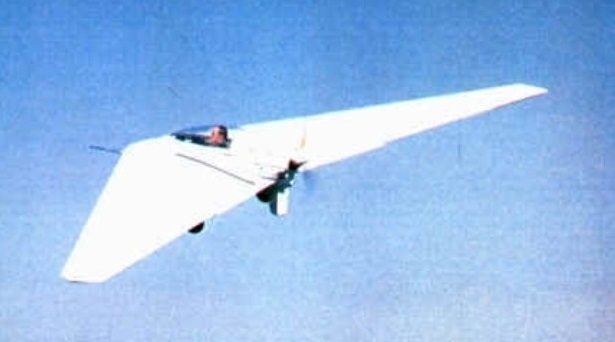
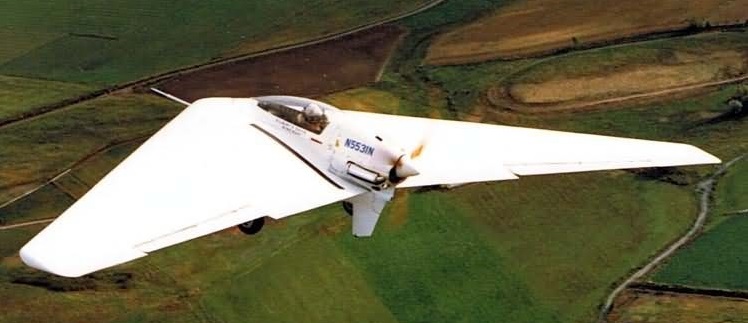
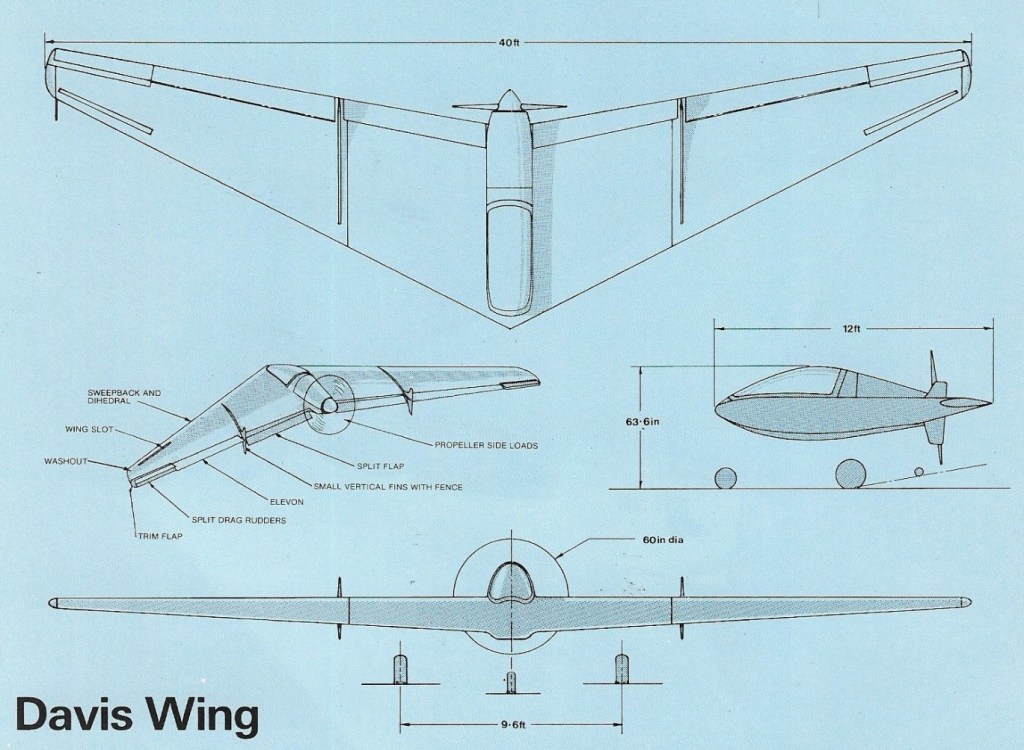
Built in 1986 by Gilbert E Davis, of Nampa ID, USA, the Starship Alpha was first registered N5531N Serial Number D-007 on 19 September 1984.
A single seat, single engine experimental aircraft, the engine has been stated as a Kawasaki and as a 65 hp Rotax 532.
This pure flying wing design proof of concept (technology demonstrator) first flew on June 10, 1986.
The aircraft was mainly used in the development of the planned Starship Gemini, a two-seater with a 150-160 hp Lycoming O-320 engine and aimed at the amateur constructor. Marketing of the Starship Gemini was to be done by Davis Wing Limited, but the project was shelved.
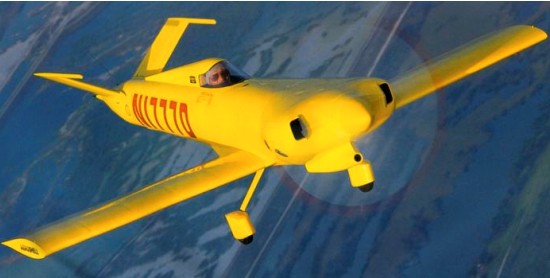
Work on the DA-9 started in 1986 and when first flown on May 25, 1990 the aircraft had a 40 hp two-cylinder engine which was basically a “half” Continental A65. DA-6 and later use the USA 35B airfoil modified with a flat bottom. In 1995 the DA-9 was re-engined with a 90 hp Continental C90 and the aircraft was then also used to establish several FAI climb-to-altitude records.”
The DA-9 has retractable nosewheel and was not intended for amateur construction, but mainly built as engine test bed.
Registration N1777D Serial Number Builder Davis Leeon D Owner Date1990 Empty Weight373 Gross Weight Seats1 Engine Cont C-90 Wingspan12′ 10″ Length 15′