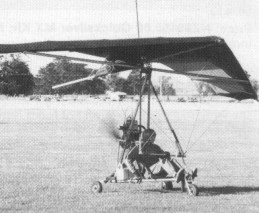
Designed and built by Terry Delore of Christchurch, NZ, and based on the English Hiway Skytrike. Most types of hang glider wing may be fitted. About 25 built.
Engine: Robin EC25PS 22hp or Robin EC34PM 30hp.
Designed and built by Terry Delore of Christchurch, NZ, and based on the English Hiway Skytrike. Most types of hang glider wing may be fitted. About 25 built.
Engine: Robin EC25PS 22hp or Robin EC34PM 30hp.
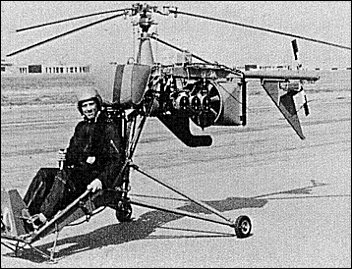
Del Mar Engineering Laboratory was a weapons system support and training systems designer/manufacturer of Los Angeles, California; produced a series of very original experimental ultralight helicopters from 1940, as well as a helicopter training system. Production ended by 1974.
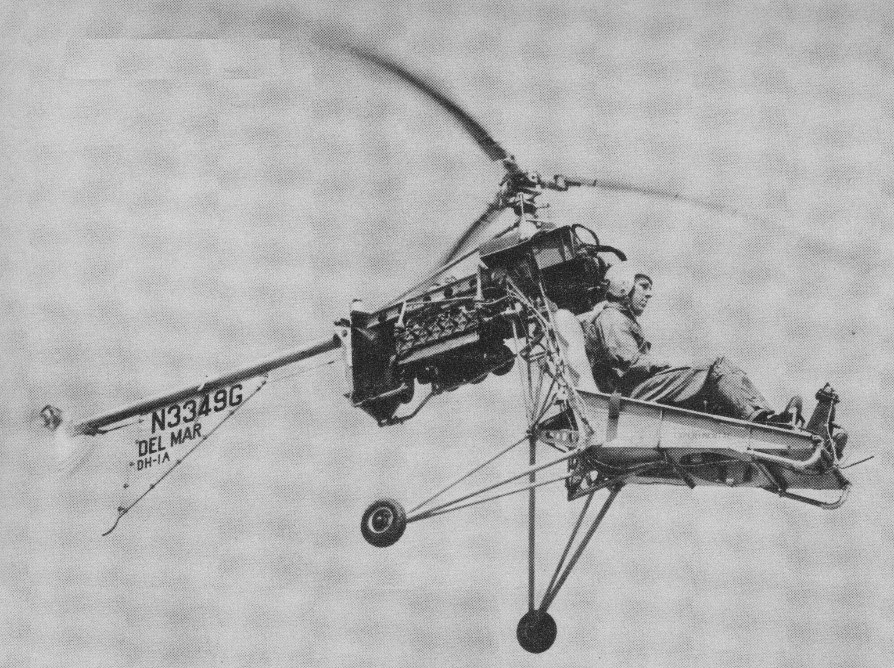
Engine: 60 hp Mercury outboard or 65 shp Solar Titan turbine
Gross weight: 550 lb
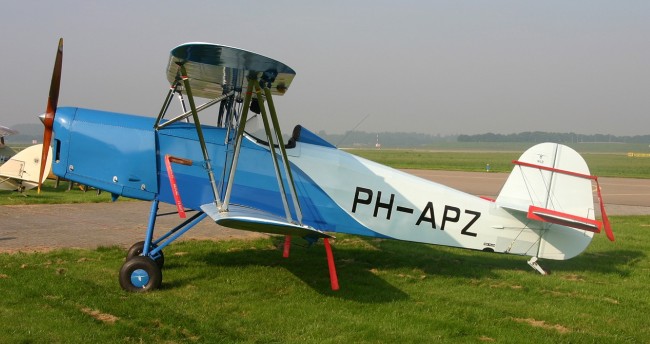
To celebrate the 45-years jubilee of the Student Aeronautical Study Association ‘Leonardi da Vinci’ of the Technical University of Delft, the members decided it would be a nice project to build an ‘exact’ replica of the Lambach HL-2. However, it never was the intention to make a 100% exact replica since this was almost impossible for practical and for flight-safety reasons.
To realize the construction the SSVOBB, or Stichting Studenten Vliegtuigontwikkeling, -Bouw en Beheer (Foundation Aircraft development, construction and Maintenance) was founded in 1990.
Driving person behind this project was Mr. Hans Blaauw. The project was started around 1989 with the formation of a construction team of dedicated volunteers. The team found out that the chief constructor of the Lambach HL-2, Ir. Wim de Koo was still alive and fully prepared to assist with the project. As a great help a set of original works drawings was discovered at the Aviodome museum at Schiphol airport. In fact, the finding of these drawings was the main reasons this quite unknown aircraft was chosen as a project!
Over more than five years so much work was done to complete the construction that it was more than enough to fill a book. In fact a book on this project WAS written by Bas Nijenhuis, Ferdinant Spek and Piet Moeleker and published in 1996. The original HL-2 had a typical construction of that period with a welded steel tube fuselage covered with fabric, light-alloy engine cover plates and a wooden wing with fabric covered control surfaces. The team had to ‘rediscover’ many construction techniques as originally used in the Thirties and of course modern materials were used where appropriate. As a novelty, the new GLARE-composite material was used, amongst others for the engine firewall. This was the first time this new material was used in an aircraft. After five years the HL-2 replica was ready to make its first flight. This took place on Monday 18 September 1995 at Gilze-Rijen airbase. Pilot on this occasion was Charels Bertels. Over the next few months more test flights were made until the testing programme was completed on 28 December 1995 with the 25th flight. The replica carried the original registration of the original, PH-APZ.
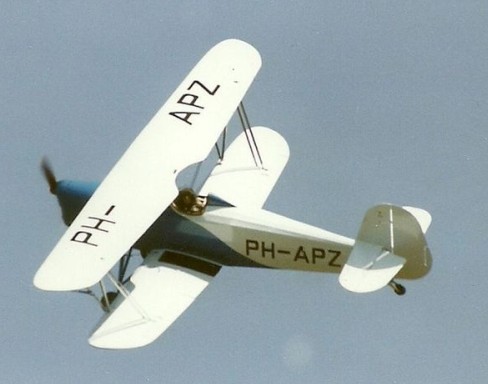
It was the intention to use the plane for airshow displays but unfortunately its Certificate of Airworthiness was withdrawn when fatigue cracks were found in the wing strut supports. The plane was located at various places over the years. Over 1995-1999 is was located at Gilze Rijen Airbase. Over 1999-2000 it was placed in the display hall of the old Aviodrome museum at Schiphol airport. From 2000 to 2005 it was stored at Midden-Zeeland airfield and over the period 2005-2008 it was located at Hoogeveen airfield. In September 2008 it was removed to Lelystad Airport in the exhibit hall of the Aviodrome Theme Park Museum. SSVOBB is still active with the Lambach HL-2 replica and they hope to solve the technical/structural problems to make the plane airworthy again. Last activities took place on 6 July 2010 when a group of SSVOBB volunteers, headed by Halbe Mulder, started the engine again to do some vibration measurements. Basically the engine was regularly started over the years, but since its last move to the Aviodrome there were some problems with one of the magnetos and the original planning of SSVOBB to do the vibration test was quite hampered by these problems.
Lambach HL.II Replica C/N 20002
Registration: PH-APZ
Engine: De Havilland Gipsy Major Mk. 1
Serial number: 95121 A 444646
Fuel: AVGAS 100 LL
Propellor: Poncelet Two-bladed, wooden fixed pitch
Wing Span: 8.00 m
Length: 6.70 m
Height: 2.40 m
Empty Weight: 468 kg
Max. Take-off Weight: 620 kg
Stall Speed: 43 KIAS
Cruise Speed (VA): 110 KIAS
Max. Speed (VNE): 145 KIAS
Max. G-load: -2.9 / +5.8
Operating Ceiling: 6000 ft MSL
Min. take-off distance: 200 m
Min landing distance: 300 m
Seats: 1
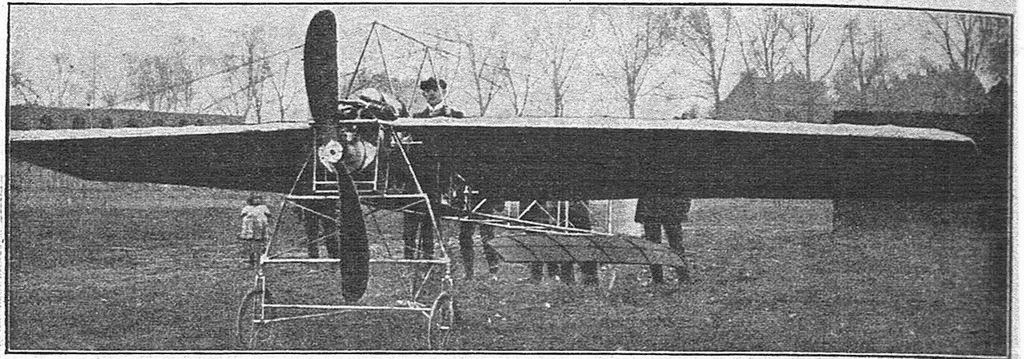
In 1909 Arthur Delfosse built a Blériot-like monoplane with metal fuselage, powered by one of his own 24 hp three-cylinder engines. He displayed it at the Cologne aviation week and the Brussels Motor Show.
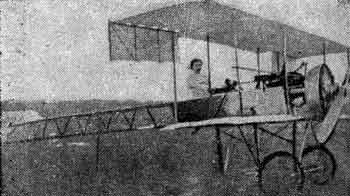
The Delest 1912 Biplane was constructed by Juan Alberto Delest during 1912–13 at Villa Lugano, a section of greater Buenos Aires where the first airfield in Argentina was established. The machine was possibly named “Porteno”.
The Deleray Aircraft Works D-5 Sport Plane of 1920 was a single-seat open cockpit biplane powered with a 15hp motorcycle engine. The lower wing slightly shorter. It could be practically any motorcycle motor of 12 hp or more. The slab-sided early ultralight was advertised as “complete set of 18 large plans” for $6.00.
Wingspan: 17 ft
Max speed: 65 mph
Stall: 35 mph
Seats: 1
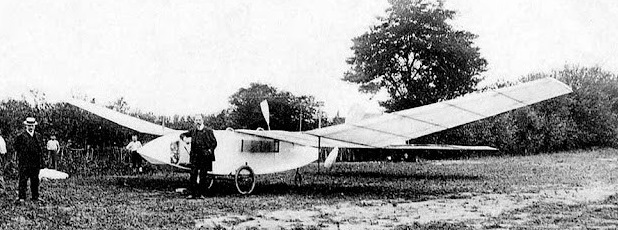
At Cye. The de la Vaux monoplane was designed and built by de la Vaux in France circa 1910.
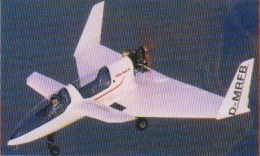
The delta wing of the Delta Dart II uses composite construction.
Delta Dart II
Empty weight: 245 kg
Wing span: 6.24 m
Wing area: 14.4 sq.m
Fuel capacity: 70 lt
Certification: Vz
Engine: BMW 90, 90 hp
MAUW: 450 kg
Seats: 2
Max speed: 250 kph
Cruise speed: 205 kph
Minimum speed: 55 kph
Climb rate: 4.5 m/s
Fuel consumption: 7.5 lt/hr
Price (1998): 85,000 DM
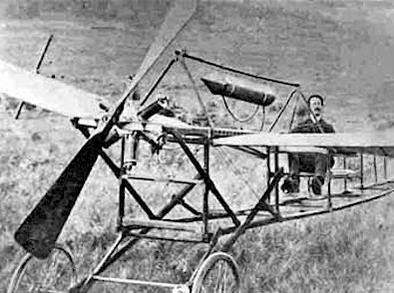
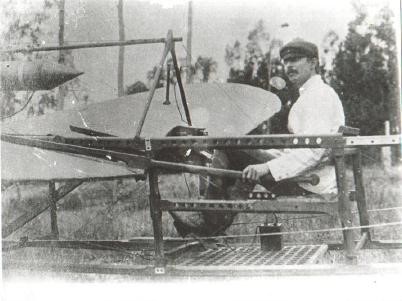
On the 7th January 1910, the first airplane constructed and designed in Brazil took off for its maiden flight in Osasco, São Paulo. The aircraft was conceived by the Frenchman Demetre Sensaud de Lavaud and was very similar to the Bleriot designs. The first flight was only 6-sec long. Afterwards, several other flights followed and the airplane, known as São Paulo, attracted huge crowds during its flights exhibitions. The aircraft was 100% Brazilian-made (even the propellers and the engine were manufactured by Mr. Lavaud). It was the first of several other designs developed in Brazil and the event took place long before the country could see aircraft serial manufacturing.
The 1910 de Lailhacar monoplane was designed by Jacques De Lailhacar (Spaniard), and built by Berthaud in France.
Span: 32’10”
Length: 36’1″
Weight: 660 lb

