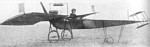
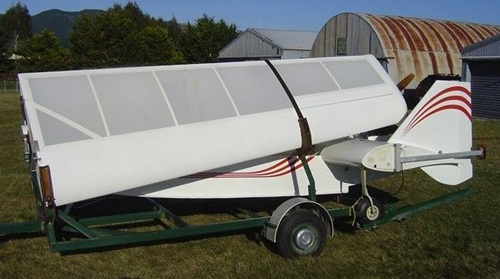
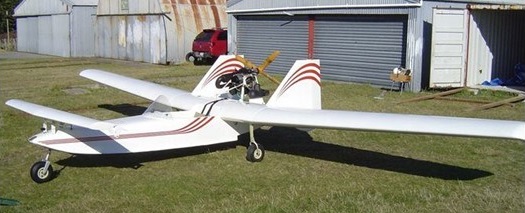
In 1911 H. S. Dixon built a 25 hp canard called the Dixon Nipper. The original Nipper was wrecked, which is hardly surprising, for it had no lateral control and the canard elevator was hinged along its trailing edge, so that any control input would have led to full deflec¬tion of the surface.
The three-seat HD 156 modification of the HD 153 featured revised front and side cabin glazing with additional side windows.
Small numbers of the type were completed by the end of 1960 and on 1 January 1961 four HD 153 and four HD 156 Motor–Möwen appeared in the West German civil aircraft register. In 1965 four HD 153 and five HD 156 Motor-Möwen were registered in West Germany. By 2007, no examples were known to be active.
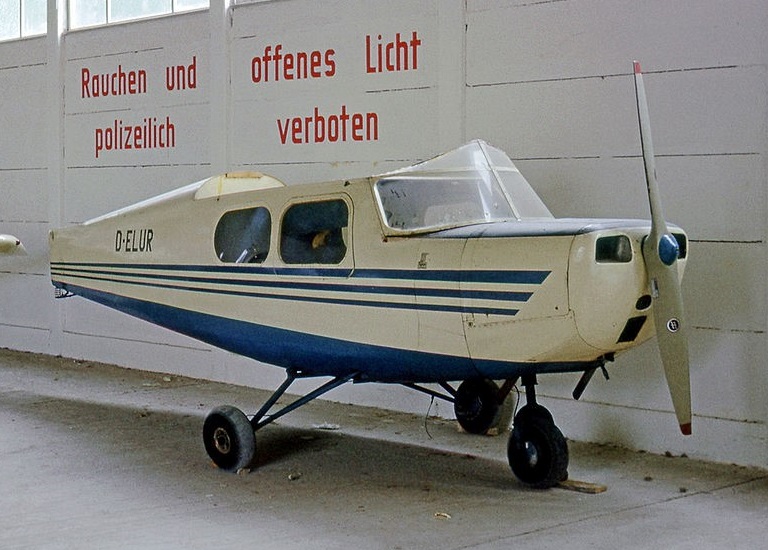
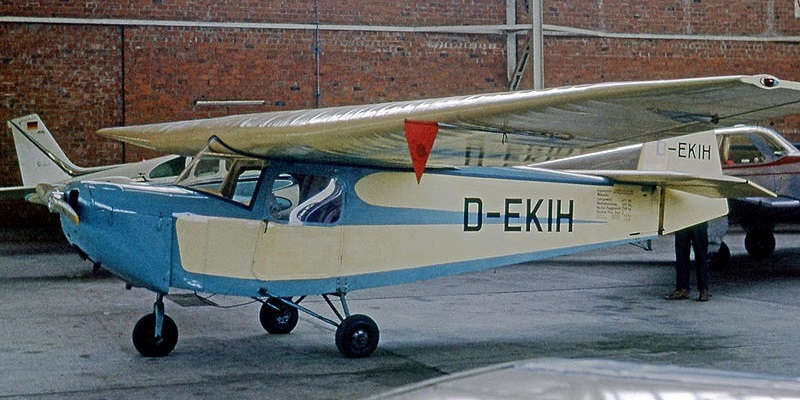
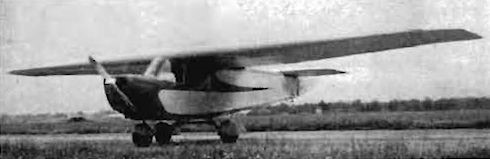
The Motor-Möwe, designed by Heini Dittmar who had designed the Dittmar HD 53 Möwe sailplane, was a motorized development of this sailplane and was initially designed to be powered by engines of 48–63 kW (65–85 hp). Heini Dittmar, the designer, was well known before the war as an international Gliding champion.
The fuselage is of wood, plywood covered, with the rear top decking detachable. An entrance door on the left side gives access to the two side-by-side seats, one of which comes out if an extra tank is fitted. Baggage room is at rear of cabin. Dual control is fitted. The wooden wing has a one-piece spar with torsion-box plywood leading edge, and lift spoilers on the top surfaces. The tail unit is of similar construction, the balanced rudder being fabric covered. Spring tabs are fitted to the elevators. A fixed spatted tricycle undercarriage has nose-wheel steering direct from a hand lever in the cabin.
Preparations for road-towing are simplicity itself; two bolts are withdrawn to release the tail controls, the wing, rudder and tailplane are stowed on top of the fuselage and bolted down, and a dolly with ball coupling is attached to the undercarriage.
The aircraft was designed for private and club use and served as a trainer and glider tug.
Heini Dittmar, the aircraft’s designer, was killed in 1960 when his Motor-Möwe crashed near Essen/Mulheim airport.
The prototype, D-EBEF, first flight was in November 1953
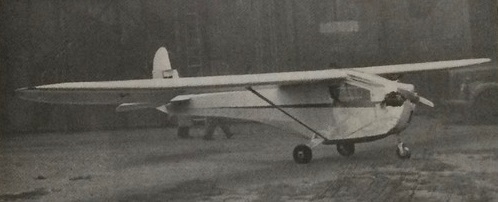
A second prototype aircraft was fitted with a 45 kW (60 hp) Hirth engine. The second Motor Gull (D-EHYT differs from prototype (D-EBEF) by having redesigned fin/rudder and more windows.
second prototype
Production HD 153 two-seat aircraft were designated HD 153A-1.
Small numbers of the type were completed by the end of 1960 and on 1 January 1961 four HD 153 and four HD 156 Motor–Möwen appeared in the West German civil aircraft register. In 1965 four HD 153 and five HD 156 Motor-Möwen were registered in West Germany. By 2007, no examples were known to be active.
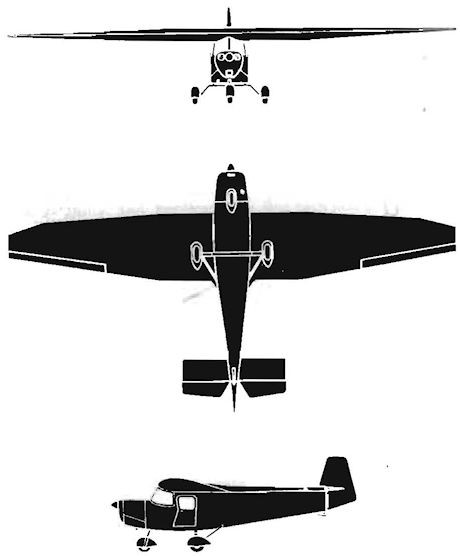
The RAAB Mora was a two-seat powered version of the Doppelraab (Reihe 6).
RAAB Mora
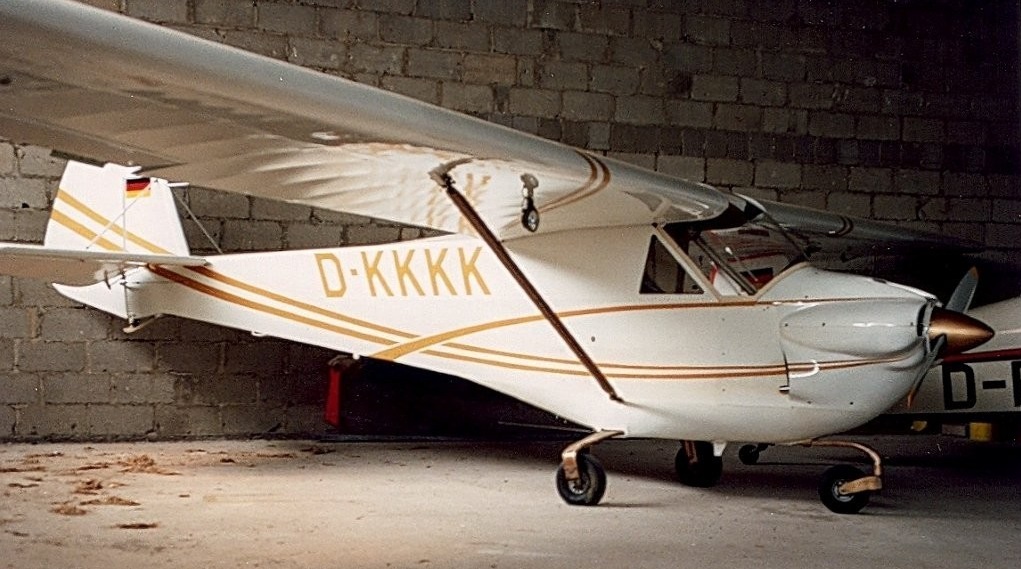
Built as Doppelraab VII glider, the Raab Doppelraab Hankur 1 D-KKKK was rebuilt as a motor glider.
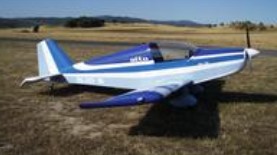
The Alto aircraft is an all-metal construction aircraft for amateur construction. The Alto aircraft meets both requirements to European category “ultralight aircraft” and “light sport aircraft” (LSA) category that has been defined in the U.S.A.
Different versions were offered. A basic version with the tricycle, nose type landing gear or optional with the tail landing gear with Rotax 912 ULS/UL as standard, but Jabiru on request, and wheel-type control or the stick control, standard is wheel control
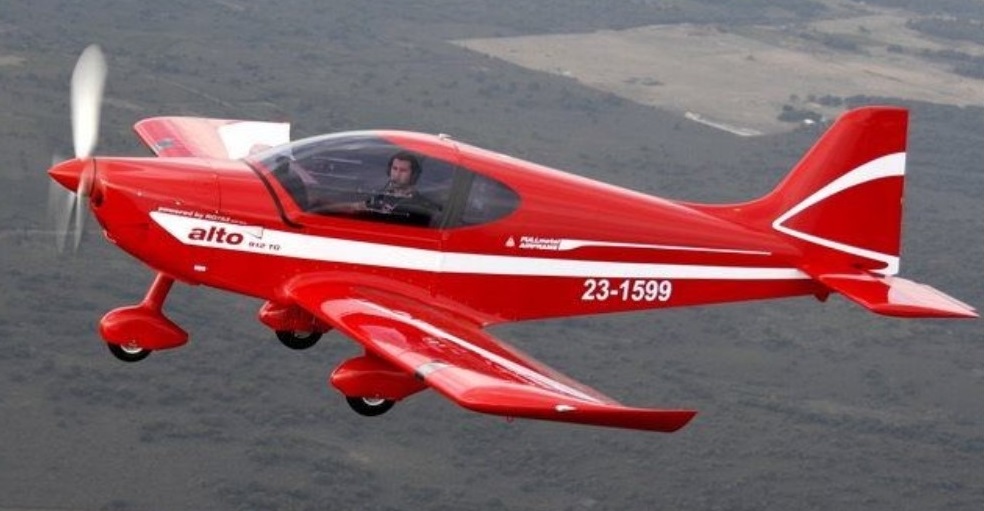
Alto is single-engine, two-seat, low-wing, cantilever monoplane. The aircraft is all-metal riveted construction and may be equipped with rescue parachute system.
Alto 912 TG
The TG version (basic) is the tricycle, nose type with the nose landing gear steering. The main wheels are attached to the flexible all-composite legs. The main landing gear wheels brakes are operated by the hydraulic system, by means of break pedals (in the left side only) or with central brake with parking function. The TW version (optional) has the tail wheel landing gear.
The rectangular wing is a monospar construction with an auxiliary spar. The skin is made from duralumin sheet. The wing is equipped with ailerons, slotted flaps and integral fuel tanks with a total capacity of 105 l. All the parts are riveted together. The wing-body attachment forms a wing centre section, which is firmly placed into the fuselage. The wing main spar is connected to the wing centre section by bolts and the rear auxiliary spar is connected by a hinge.
The rectangular fuselage is of semimonocoque, riveted construction and has a bottom and the side walls reinforced by diagonal stiffeners. The dorsal is of oval cross section.
Alto 912 TG
The tail unit is of all-metal, riveted structure and has a standard configuration.
Aeroplane control consist of elevator, ailerons and rudder control surfaces. The manual control is of a wheel-type or a stick and deflections are transmitted by chains, push-pull tubes, and cables. The pedal control deflections are transmitted by cables to the rudder, and by push-pull tubes to the nose landing gear steering. The wing flaps and the elevator trim tabs are operated electrically. The main landing gear wheels brakes are independently operated by the hydraulic system, by means of break pedals on the pedal control.
The cockpit inner width is 106 cm and the wheel-type control and a forward sliding canopy make for easy boarding. The canopy is made from glass, and optionally may has light blue colour, and may be equipped with the wind-wings.
2009 Price: 44000 EURO
Alto TG 912 UL Engine: Rotax 912UL, 80 hp Length: 6,15 m / 20,18 ft Wing span: 8,20 m / 26,9 ft Wing area: 10,5 sq.m / 114 sq.ft Height: 2,25 m / 7,38 ft Cabin width: 1,10 m / 3,61 ft Seats: 2 Fuel: 118 lt / 31,2 US gal Take off run: 100 m / 328 ft Landing run: 150 m / 492 ft Empty weight: 280 kg / 618 lb MTOW – ULM: 472 kg / 1041 lb MTOW – LSA: 600 kg / 1320 lb Vne: 255 km/h / 158 mph Maximum speed: 230 km/h / 143 mph Cruising speed: 185 km/h / 115 mph Stall speed full flaps 450 kg: 65 km/h / 41 mph Stall speed no flaps 600 kg: 81 km/h / 51 mph G factor: +4 / -2 Climb rate 450 kg: 5,6 m/s / 1100 fpm Climb rate 600 kg: 4,5 m/s / 890 fpm
Alto TG 912 ULS Engine: Rotax 912ULS, 100 hp Length: 6,15 m / 20,18 ft Wing span: 8,20 m / 26,9 ft Wing area: 10,5 sq.m / 114 sq.ft Height: 2,25 m / 7,38 ft Cabin width: 1,10 m / 3,61 ft Seats: 2 Fuel: 118 lt / 31,2 US gal Take off run: 90 m / 295 ft Landing run: 150 m / 492 ft Empty weight: 285 kg / 628 lb MTOW – ULM: 472 kg / 1041 lb MTOW – LSA: 600 kg / 1320 lb Vne: 270 km/h / 168 mph Maximum speed: 250 km/h/ 155 mph Cruising speed: 200 km/h / 124 mph Stall speed full flaps 450 kg: 65 km/h / 41 mph Stall speed no flaps 600 kg: 81 km/h / 51 mph G factor: +4 / -2 Climb rate 450 kg: 6,3 m/s / 1250 fpm Climb rate 600 kg: 5,1 m/s / 1005 fpm Take-off distance (50ft obstacle): 440 ft / 135 m Landing distance (50ft obstacle): 490 ft / 150 m
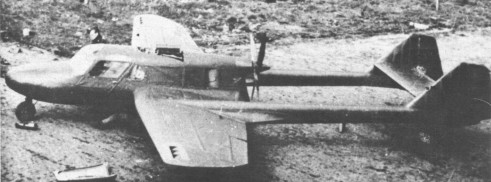
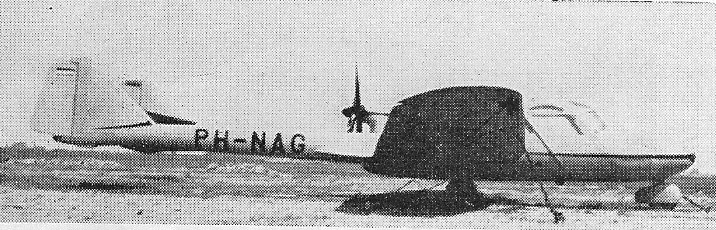
The DIFOGA 421 was built in secret during the war, but did not fly until the war was over. Its originator was Frits Diepen, Manager of Diepen’s Ford Garage (hence DIFOGA).
The aircraft was powered by a 98 hp Ford V-8 driving a four-blade wooden propeller.
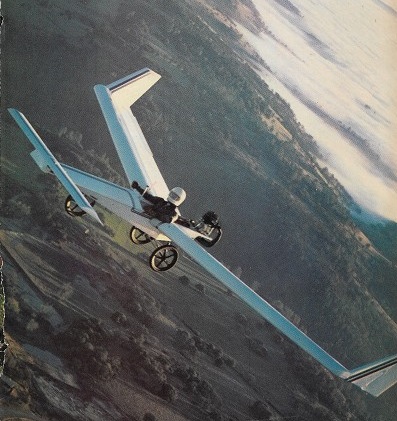
Single seat single engined mid wing monoplane with conventional three axis control. Wing has swept back leading edge, swept forward trailing edge, and tapering chord; two fin tail and canard wing. Pitch control by fully flying canard; yaw control by fin-mounted rudders; roll control by one third span spoilers; control inputs through stick for pitch/roll and pedals for yaw. Cantilever wing; wing profile double surface. Undercarriage has three retractable wheels in tricycle formation; steel spring suspension on all wheels. Push right go right nosewheel steering connected to yaw control. Individual brakes on main wheels. Glass fibre fuselage partially enclosed (total enclosure optional). Engine mounted above wing driving pusher propeller. Composite foam/glass fibre construction with spars in carbon fibre.
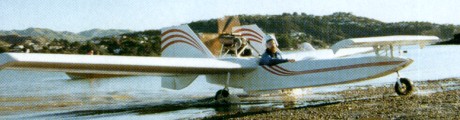
The appearance of the world’s first purpose designed amphibious ultralight created quite a stir when it appeared in prototype form at the ’82 Oshkosh and it has continued to attract great interest ever since.
This composite construction machine has floats at its wing tips and the entire fuselage forms a hull. The main wheels of the XTC Hydrolight retract sideways and outwards and the nosewheel retracts forward, nestling in the nose of the fuselage. Foot operated individual main wheels brakes are fitted.
Though originally fitted with a twin cylinder Cuyuna 430RR and later with the Kawasaki TA440 developing 39 hp at 6000 rpm, the XTC Hydrolight is now normally supplied with the KFM 107 engine. The title stands for Cross Terrain Craft and, according to its constructor, is pronounced ‘ecstasy’! To allow trailer transport, the outer wing sections are removable, rigging time being quoted as 10 min with one person. The aircraft is supplied in kit form, requiring some 100 h for completion, for around $6000 in 1982, the exact price depending on the options selected from a long list including bubble canopy, parachute systems, lights, instruments, skis, Tedlar wing covering and a trailer.
Powered by a Rotax 447 it cruises at around 45-50mph at only 4700rpm and uses around eight litres per hour. You can up the cruise to 60-65mph. The hull is constructed of fibreglass and Kevlar, the wing has a fibreglass D-section leading edge and covered with sail cloth, and a carbon fibre capped spar. Wing attach fittings are titanium, and with extensive use of stainless steel and anodised aluminium in a majority of the rest of the metal fittings this is a very low maintenance airframe even if operated in the sea.
Engine: KFM 107, 25 hp at 6280 rpm. Propeller diameter and pitch 52×22 inch, 1.32×0.56m. V belt reduction, ratio 2.1/1. Max static thrust 170 lb, 77 kg. Power per unit area 0.16 hp/sq.ft, 1.7 hp/sq.m. Fuel capacity 5.0 US gal, 4.2 Imp gal, 18.9 litre. Length overall 15.2 ft, 4.62 m. Height overall 4.8ft, 1.44m. Wing span 32.0ft, 9.75m. Chord at root 5.0ft, 1.52m. Chord at tip 3.0ft, 0.91m. Dihedral 3 degs. Canard span 12.0ft, 3.65m. Canard chord 2.5 ft, 0.76 m. Fin height 3.0 ft, 0.91 m. Total wing area 155 sq.ft, 14.4 sq.m. Main wing area 128 sq.ft, 11.9sq.m. Canard area 27.0 sq.ft, 2.5 sq.m. Total spoiler area 4.0 sq.ft, 0.37 sq.m. Fin area 10.0ft , 0.93 sq.m. Rudder area 8.0 sq.ft, 0.74 sq.m. Main wing aspect ratio 8.0/1. Wheel track 6.3ft, 1.93m. Wheelbase 10.2ft, 3.09m. Nosewheel diameter overall 11 inch, 26 cm. Main wheels diameter overall 11 inch, 26 cm. Floats, dimensions 2.4 x 14.0 ft, 0.71 x 4.26 m. Empty weight 247 lb, 112kg. Max take off weight 500 lb, 227kg. Payload 253 lb, 115kg. Max wing loading 3.22 lb/sq.ft, 15.8 kg/sq.m. Max power loading 20 lb/hp, 9.1 kg/hp. Load factors +4.0, 4.0 design; +8.0, 8.0 ultimate. Max level speed 62 mph, 100 kph. Never exceed speed 80 mph, 129 kph. Max cruising speed 60 mph, 97 kph. Economic cruising speed 50 mph, 80 kph. Stalling speed 25 mph, 40 kph. Max climb rate at sea level 600 ft/min, 3.1 m/s. Min sink rate 250 ft/min at 37 mph, 1.3 m/s at 59 kph. Best glide ratio with power off 14/1 at 40 mph, 64 kph. Take off distance 100 ft, 30 m. Landing distance 200 ft, 60 m. Range at average cruising speed 120 mile, 193 km.
Engine: KFM 107 ER, 22 hp. 2.1:1 reduction belt drive. Wingspan 32ft. Wing area 150 sq.ft. Aspect ratio 6:1. Length 14ft. Empty weight 280 lbs. Payload 250-lbs. pilot plus fuel. Wing loading 3.2 lbs/sq.ft. L/D 16:1. Cruise speed 50 mph. Stall speed 26 mph. Vmax 60 mph. Climb rate 600 fpm. Fuel 5 USgal.
In the 1940s, Benigno Diaz put together Cuba’s first homebuilt, assembled from plans in Popular Mechanics, with the help of a childhood friend, Roberto Gude. In 1938, Diaz and Gude used wood from fish crates and poplin from a fabric store to begin constructing the island’s first experimental aircraft. “It took us years,” Gude says. “We had to beg for every nut and bolt and piece of fabric and wood. Everything on that plane was improvised.”
The landing gear was crafted from automobile exhaust pipes. One friend, a pilot, donated a 65-hp Continental engine and the tires off a Piper J-3 Cub. After seven years, the airplane dubbed La Estrella Errante (Wandering Star) was finished. Diaz’s father was there for the 1945 maiden flight. He approached his son, put his arm around him, and said, “Benigno, are you sure you tightened all the bolts on that thing?” Diaz nodded. He climbed into the cockpit, turned the aircraft onto the grass field, and gave it power. Gaining speed, the little airplane bounced and lifted off. “It flew very well,” says Diaz, who still has a small model of his handiwork. “It was the first flight of the first homemade plane on the island.”
In 1999, the fate of that homebuilt airplane was unknown. Some say it was shipped to a military airfield in Cuba. “We heard it was there in mothballs, but we don’t know for sure. Someone else said the plane had been left outside on a tie-down and simply rotted.” Covered with house paint, its primitive construction “would not have stood up very long outside”.
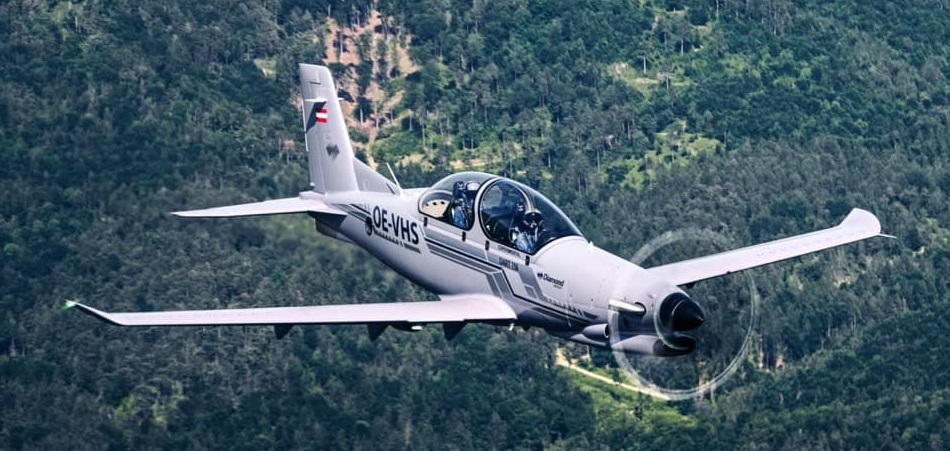
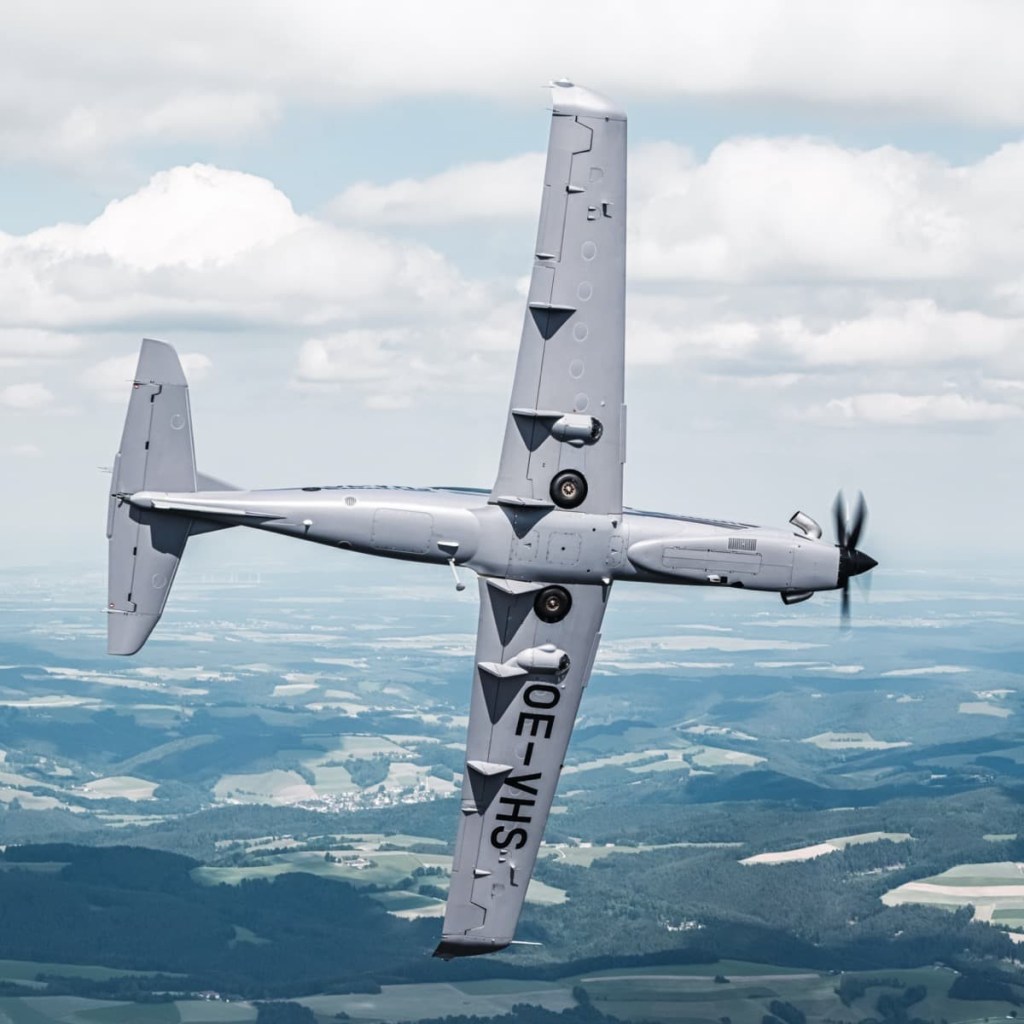
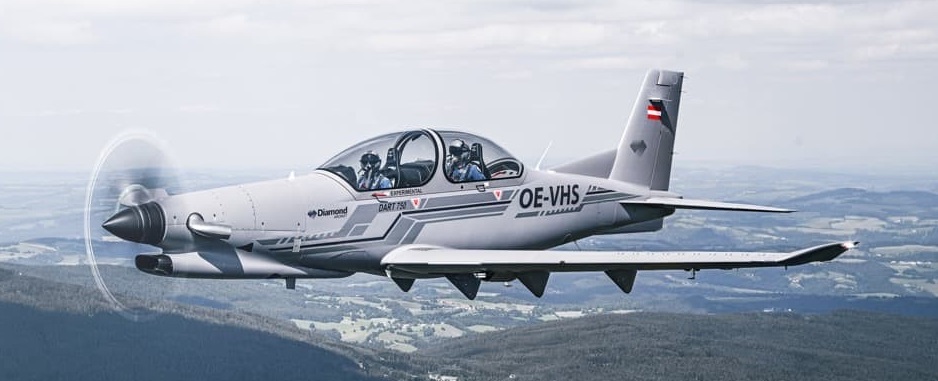
The DART-750 will be a certified all composite aerobatic turboprop trainer in tandem seat configuration, equipped with Garmin G3000 avionics and the 750 shp Pratt & Whitney Canada.PT6A-25C turboprop engine.
The first flight of Diamond Aircraft‘s DART-750 aerobatic trainer took place June 12, 2023, at the company’s headquarters in Wiener Neustadt in Austria.
Piloted by Diamond’s Head of Flight Test Sören Pedersen and Senior Test Pilot Niko Daroussis, the maiden flight lasted 30 minutes and covered all basic maneuvers, including performance and handling checks.
“The aircraft and all tested parameters did meet or exceed all expectations,” company officials said in a press release.
The aircraft was expected to be certified by EASA in 2024, with FAA certification soon after.