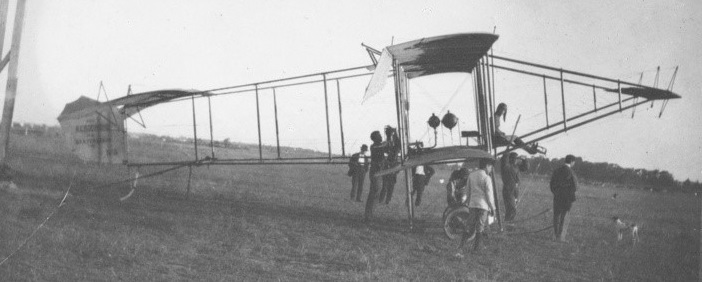
Designed by Etienne Dormoy in 1919 as a single place open cockpit biplane experiment in ultralights. A basic framework with wings and a pilot’s seat behind the 18hp Henderson motor. The idea was carried over into Dormoy Bathtub.
Flown successfully at Selfridge Field, Detroit, only the one was built, sometimes listed as a Packard Motor Co product but actually spare-time project by Dormoy and his co-workers while employed there.
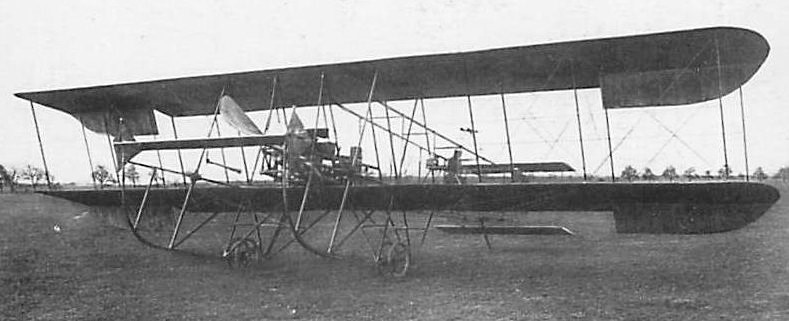
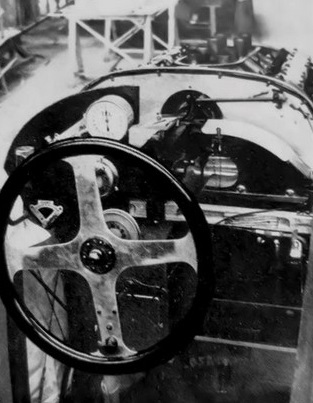
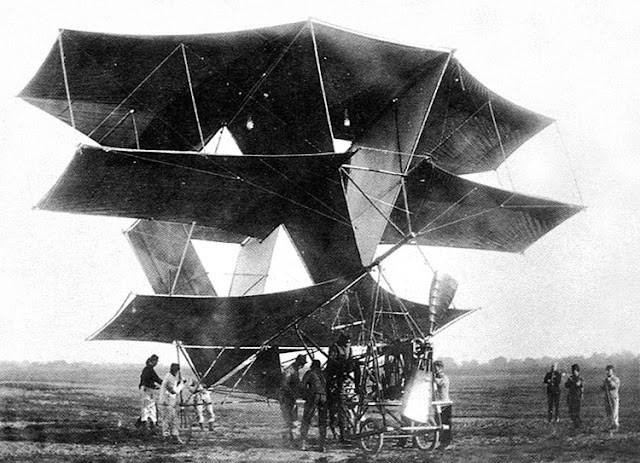
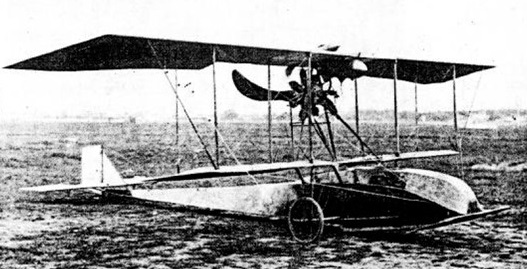
A design specially built for the testing of several components, like wings and propellers. The machine was loaded with all sorts of measurement instruments. As this was far before the time of automatic registration, these instruments were photographed in flight. At that time glass plate negatives were used for photographing. Interpretation was made on the ground.
The machine dates from 1910 (although first described in L’Aérophile 1912) and was continuously modified if needed for the tests. Dorand was an old hand in aeronautics as he was already assigned commander of the Établissement Aérostatique at Chalais-Meudon in 1894.
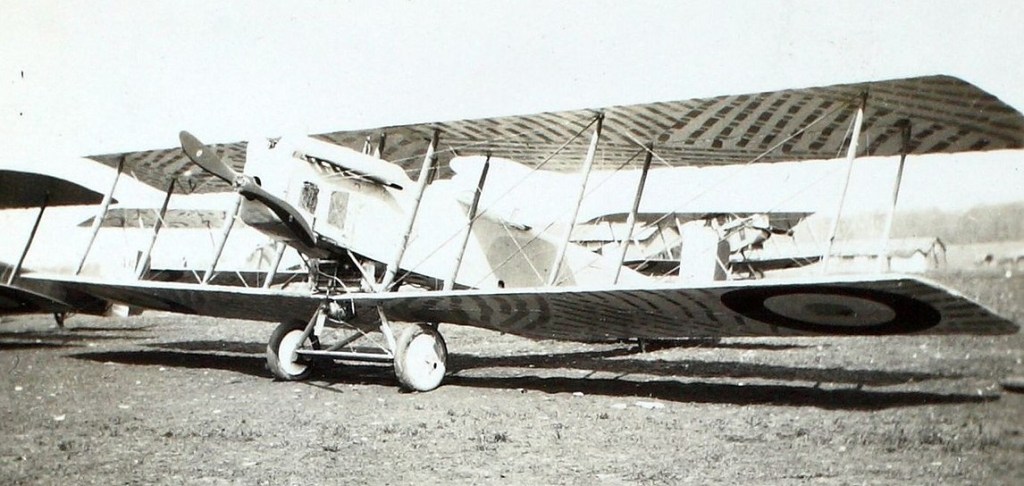
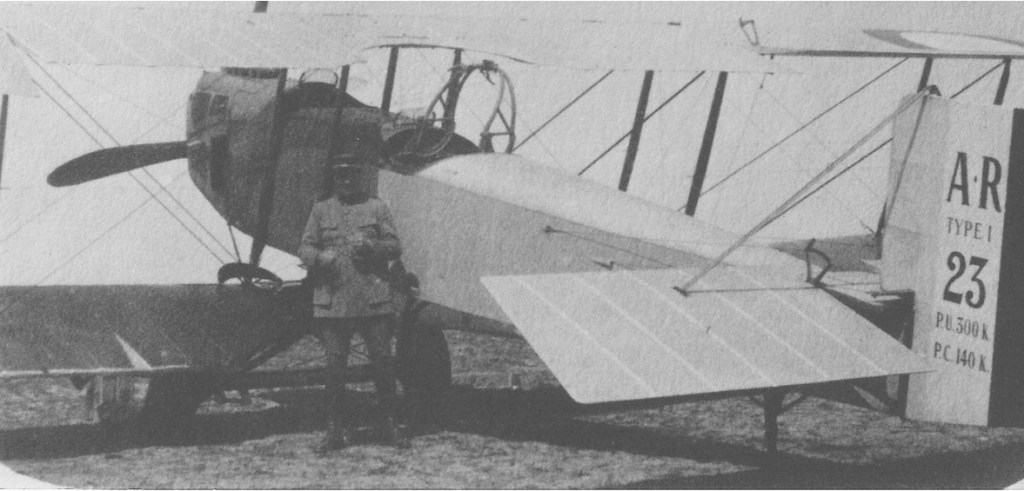
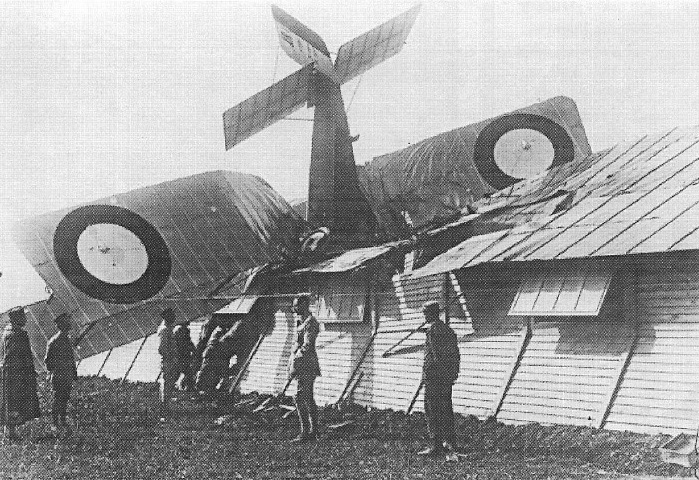
The Dorand AR.1 was a World War I French two-seat observation biplane aircraft used by the French Air Force, the American Expeditionary Force and, in small numbers, by Serbian Aviation.
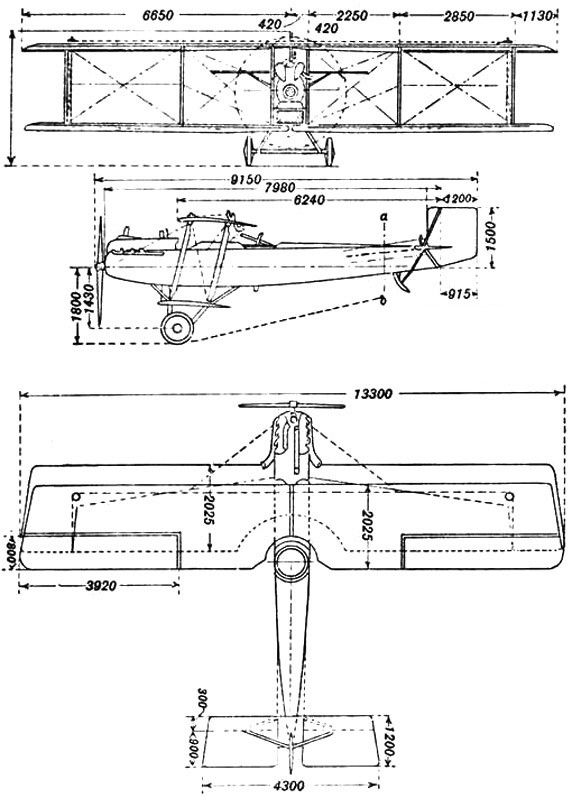
Designed by Captain Georges Lepère of the STAé to replace the obsolescent Farman F.40 pusher aircraft, Dorand AR-series were two-seater reconnaissance biplanes that were named after the STAé director, Lt. Col. Dorand. They were characterized by backward-staggered two-bay wings and angular all-moving tail surfaces. The pilot sat beneath the leading edge of the upper wing, with the observer’s cockpit being under the trailing edge, and there were cut-outs in both wings to improve the latter’s field of view. Rather unusually for a single-engine tractor biplane of the era, the lower wing was not directly attached to the fuselage, instead being somewhat below it, supported by struts.
Dorand AR.1
Production of these aircraft began in a state-owned French Army Aircraft Establishment (or S.T.Aé.) factory at Chalais-Meudon, near Paris, after flight testing had been completed in the autumn 1916.
The first of the thirteen squadrons which flew Dorands on the Western Front received their aircraft in the spring 1917. Five other French squadrons used the type on the Italian Front. These aircraft were withdrawn from the combat units in early 1918.
In 1917 the American Expeditionary Force ordered the Renault-engined varieties of the Dorand, the first of 22 AR.1s being delivered in December 1917 and the first of 120 AR.2s in following February. The Americans operated these types on the Western Front for the first half 1918, until replacing them with the Salmson 2. After being retired from fighting duties, the surviving examples were used as trainers.
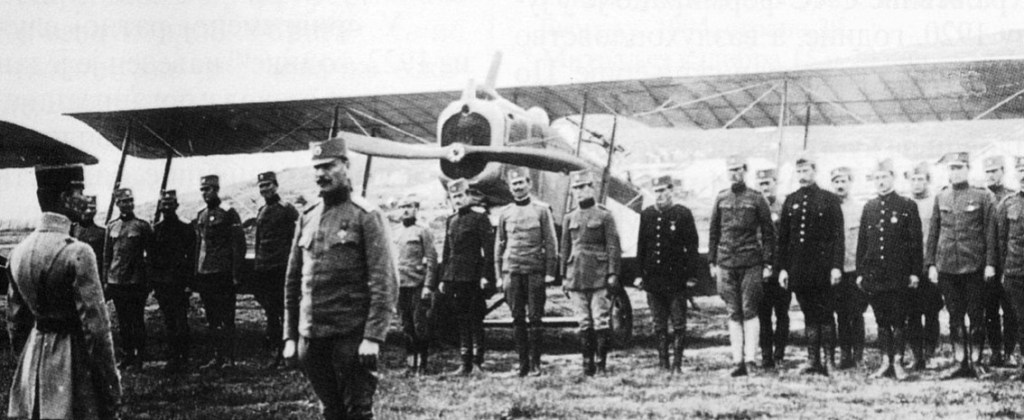
A small number of Dorand AR.1s were also supplied to Kingdom of Serbia, which operated these aircraft in four squadrons from April 1918 onwards.
Dorand AR.2’s of the first Serbian squadron
While the Dorand AR-types didn’t have a particularly distinguished career in either French or American service, having a rather mediocre performance for a late-war daytime reconnaissance aircraft and suffering from having low priority for engine supplies, it is a testimony to the general soundness of the design that after the war, many AR.1s and AR.2s appeared in the French civil register, being used as 2/3-passenger transports by companies like Compagnie Aérienne Française and Réseau Aérien Transafricain. Private users found the aircraft useful for training and joy-flights as well.
All these types had “A.2” added to their names in French service, indicating that they were two-seater reconnaissance aircraft.
1917
Variants:
AR.1 A2 160 Early production version, frontal radiators Engine: 120 kW (160 hp) Renault 8Gd Wing span: 13.27 m (43.5 ft)
AR.1 A2 200 Mid production version, frontal radiators Engine: 150 kW (200 hp) Renault 8Gdy Propeller: 2-bladed wooden fixed pitch Wing span: 13.27 m (43.5 ft) Wing area: 50.36 m2 (542.1 sq ft) Length: 8.225 m (27 ft 0 in) Empty weight: 890 kg (1,962 lb) Gross weight: 1,330 kg (2,932 lb) Wing loading: 26.4 kg/m2 (5.4 lb/sq ft) Power/mass: 0.143 kW/kg (0.087 hp/lb) Fuel capacity: 170 L (37 imp gal) Maximum speed: 148 km/h (92 mph, 80 kn) at 2,000 m (6,600 ft) Endurance: 3 hours Service ceiling: 5,500 m (18,000 ft) Crew: 2 (pilot and observer) Armament: 1 × fixed forward-firing 7.7 mm (.303 in) Vickers mg / 1 or 2 × 7.7 mm (.303 in) Lewis gun(s) for observer
AR.1 A2 190 Late production version, frontal radiators Engine: 140 kW (190 hp) Renault 8Gd Wing span: 13.27 m (43.5 ft)
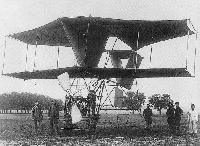
The first special military aeroplane ever built. It was specially designed by Capt. Dorand, for what were then held to be the aerial necessities of the French Army. The planes were placed well above the body, giving the pilot a very clear uninterrupted view.
Dave Donohoe, a colleague of Tom Cadet, developed the Boorabee’s airfoil. This wing was mated to a new fuselage mould to use a 4 x 3 inch rectangular boom and Dave called the result the Shuttle. Similar in overall appearance, the Shuttle has a single wing strut and a different tail and undercarriage and control system. After the undercarriage of the Shuttle proved weak, some Shuttles adopted that of the Boorabee.
The Shuttle design was abandoned after Dave’s second aircraft, powered by a 1600cc Jabiru, developed aileron flutter. The wings were damaged extensively, but Dave was able to land the aircraft. Vibration from the Jabiru, coupled with a control system that was too slack, caused the flutter.
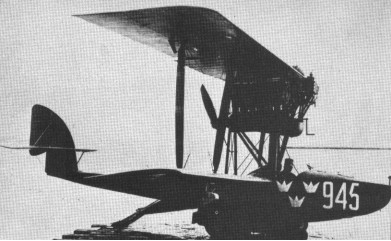
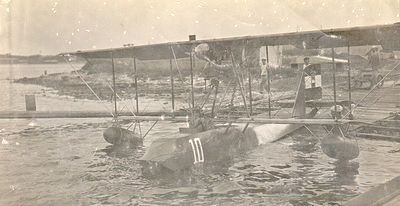
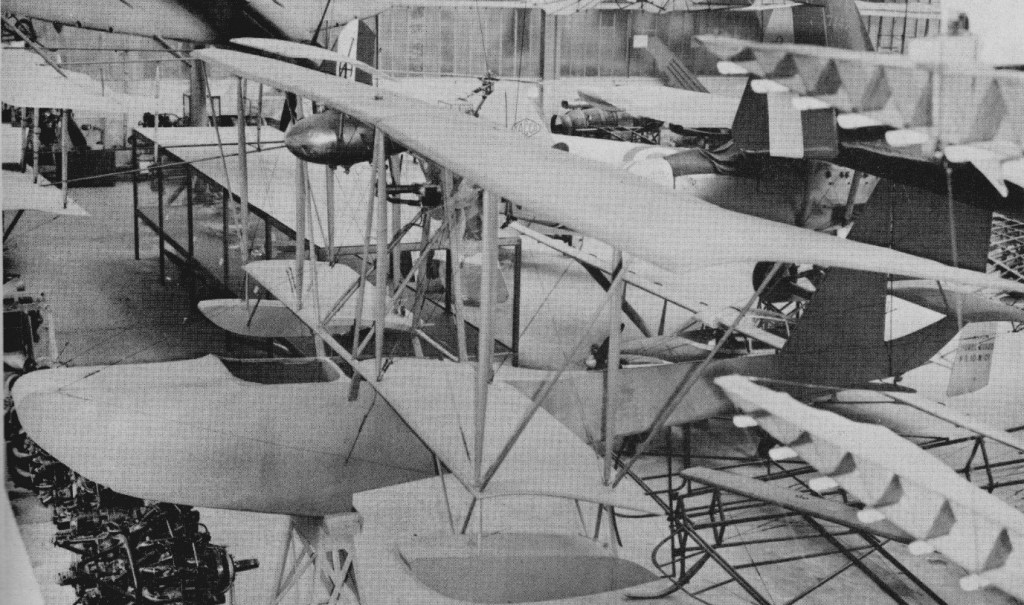
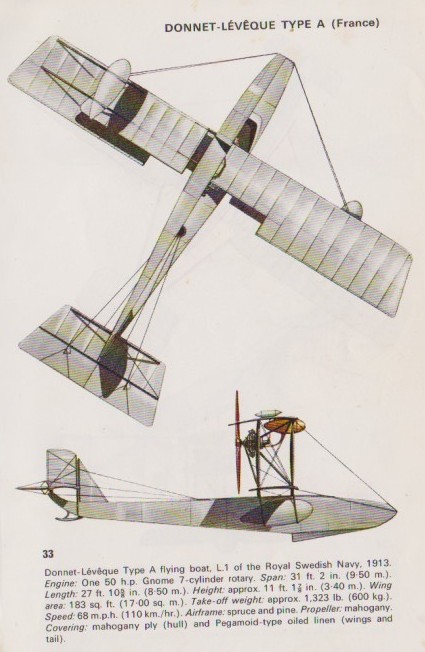
In 1912 four Donnet-Lévêque flying boats type A (no ailerons) and type C (with ailerons) – assigned numbers from 8 to 12 – were obtained by K.u.k. Seeflugwesen. A two-place hulled hydroplane designed by Francois Denhaut, they were powered by a 50 hp Gnome engine.
Aircraft sporting number 10 entered service on January 4, 1913 and was written off in December 1913 due to damage sustained in a crash.
At Argenteuil in 1913, piloted by the marine Konning
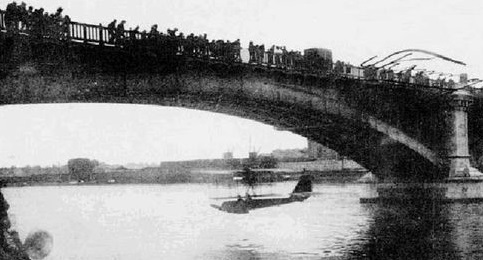
On 9 August 1912, Jean Conneau (also known as Beaumont) attempted a Paris-to-London flight. He took off from the Seine, near Bezons, made stops at Quilleboeuf and Le Havre, and the landed at Boulogne-sur-Mer where an accident cancelled the flight.
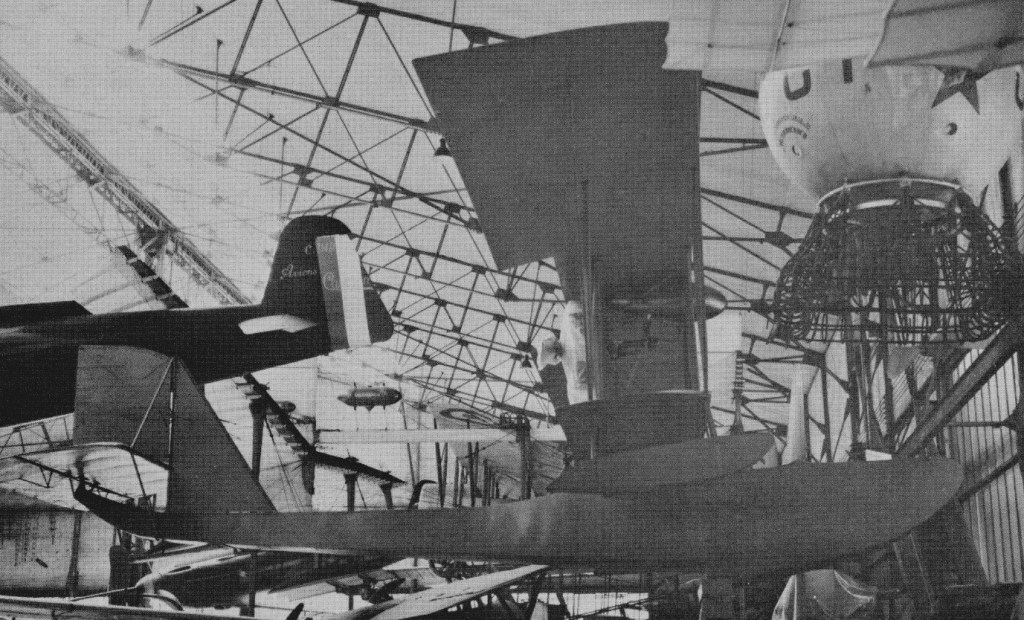
Jean Conneau’s aircraft was donated to the Musse de L’Air by the Schreck concern.
Jean Conneau’s aircraft
Engine: Gnome, 50 hp Wingspan: 31.16 ft Length: 28.86 ft
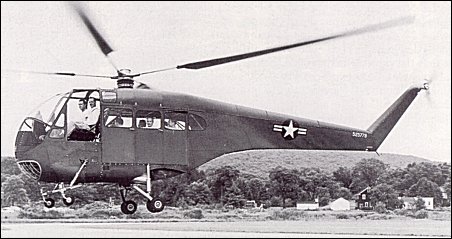
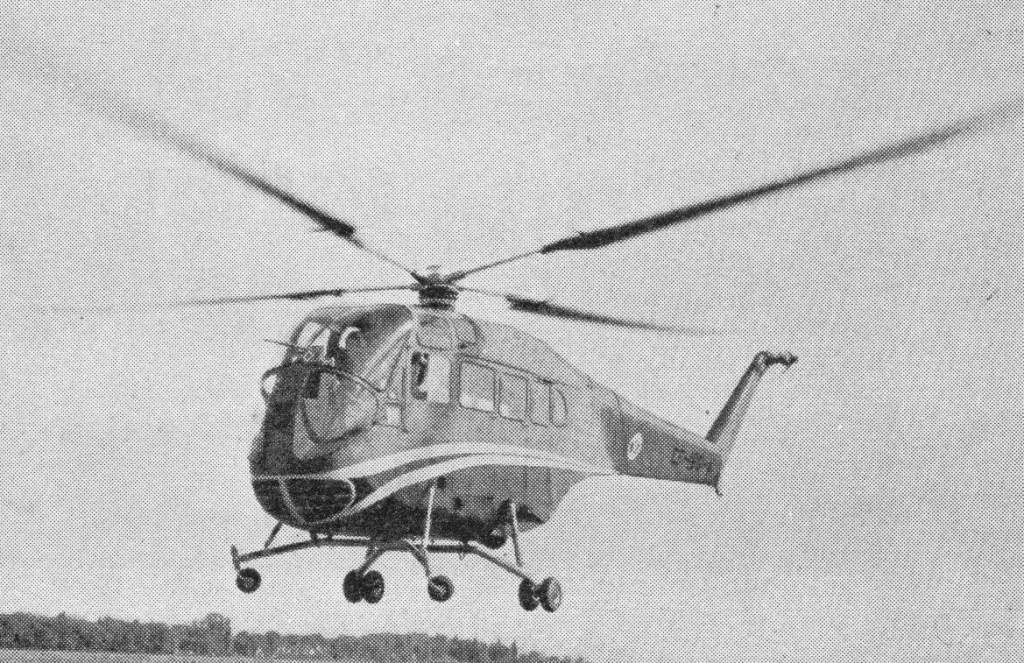
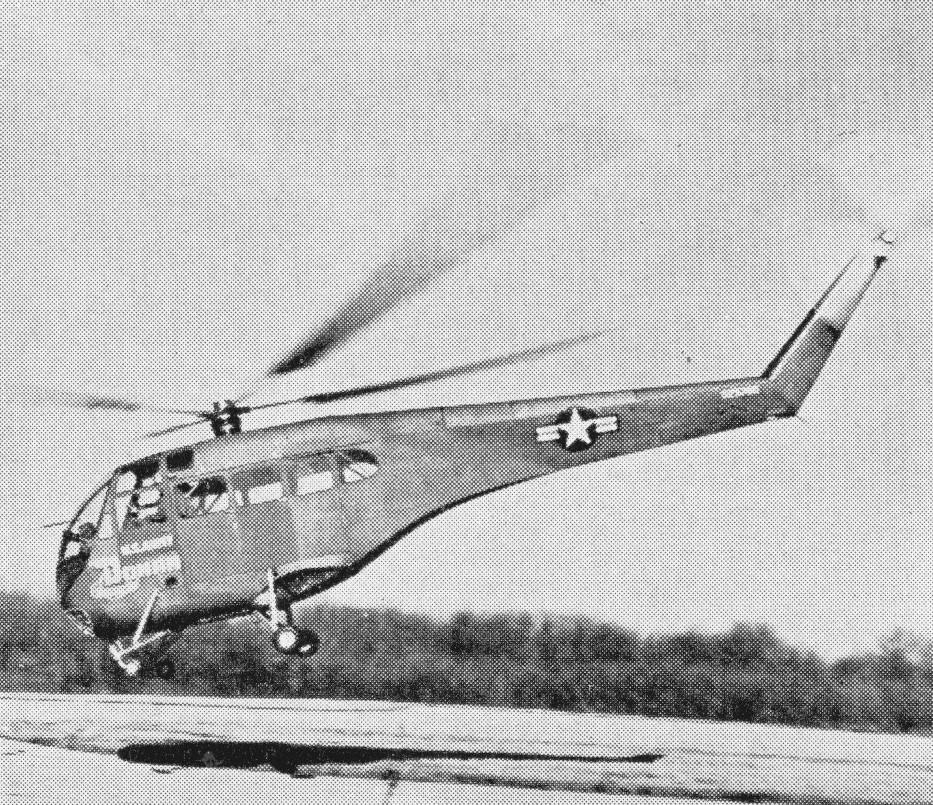
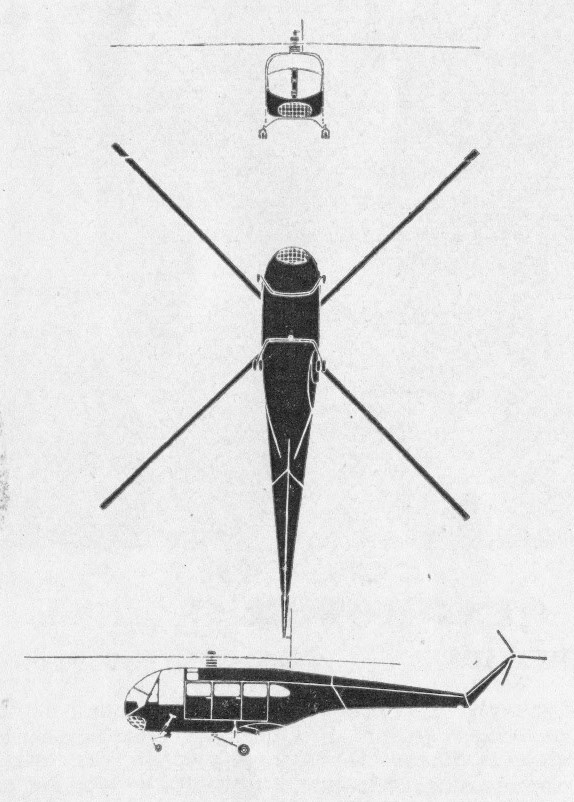
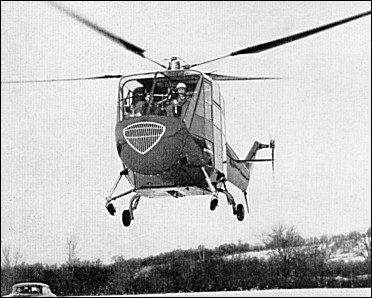
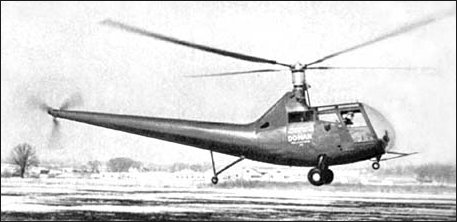
The LZ-5 was similar to the LZ-4 but used a 400hp supercharged Lycoming 580-D engine, and had numerous detail changes. The measurements and layout of this production model very closely resemble those of the hand-made LZ-4. The 8-cylinder supercharged engine is placed beneath the pilot’s compartment; the crankshaft is inclined at an angle of 32degs and drive engagement to the rotor is through a fluid coupling. The front cabin is big enough to take two pilots; the main cabin has room for six passengers with luggage, or four stretchers or cargo over an area of 3.7 square metres. The first example first flew on 27 April 1953. With hingeless rotor unit and hydraulic rotor control system, the prototype received C.A.A. certification for passenger carrying in 1953.
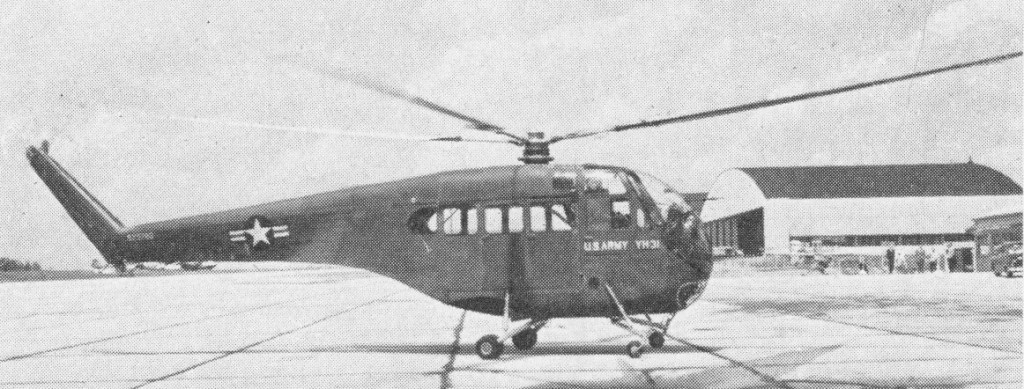
Doman gained a contract from the U.S. Army to supply two aircraft designated YH-31. These were evaluated following delivery in late 1953 (serials 52-5779 and -5780) but it was felt that the possible maintenance problems of the complex rotor system would cause problems with field maintenance. Consequently, the two aircraft were retired in 1958 following a period of use as executive transports in the Washington, DC area until their 1958 withdrawal from the Army inventory. Doman also designed a small two-seat helicopter, the D-10, to an Army requirement. This would have been powered by an Allison 250 turbine but was not built.
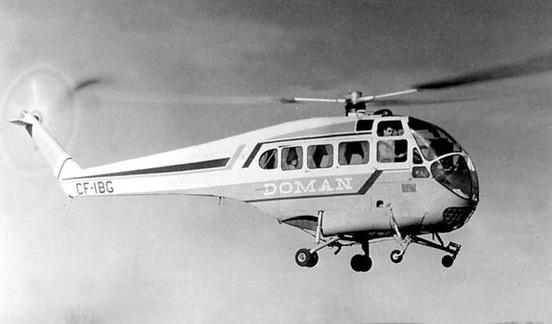
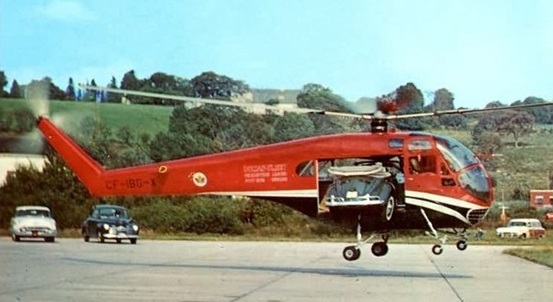
Doman actually completed two more development machines in addition to the pair of YH-31s (N94561 and N812). The third aircraft was modified into a new variant – the D-10B – which had a turbocharged Lycoming HIO-720-A1A engine and minor changes and was the subject of a co-production agreement with Fleet in Canada. N812 became CF-IBG-X.
For the Fleet licence agreement one LZ-5 prototype was demonstrated in Canadian markings.
A number of deals and production relationships were subsequently established by Doman in an effort to get the LZ.5 into production. Hiller were licenced to build the military version. Doman also entered into an arrangement with Ambrosini in Italy for them to market the D-10B and for production of 20 airframes to be carried out by Aeronautica Sicula at Palermo in Sicily with final assembly at Doman’s factory in Danbury, Connecticut. A plan was also devised for Aeronautica Sicula to fit a D-10B with a Turbomeca Astazou turbine. The agreement with the Italians collapsed and a new company was subsequently established as Caribe Doman in Puerto Rico during 1966.
Unfortunately, the LZ-5 was obsolete by this time as more modern turbine-powered helicopters flooded onto the market. A further company, Berlin-Doman was formed and a new project launched as the BD-19 but this was also stillborn and the Doman helicopters finally vanished into obscurity.
With its 7 ft (2.13 m) wide doors removed on both sides the helicopter showed in mid-1956 its capability of lifting bulky cargo without slings by transporting a 1,900 lb (862 kg) cabriolet Volkswagen.
Only three LZ-5s were built.
LZ-5 Engine: 1 x Lycoming SO-580-D, 400hp Rotor diameter: 48 ft / 14.64m Type of rotors: 4-blade main; 3-blade tail. Fuselage Length: 37 ft. 10 in / 11.57m Height: 3.12m Gross weight: 5,000 lb / 2363kg Empty weight: 1297kg Maximum speed: 110 m.p.h./ 169km/h Cruising speed: 138km/h Rate of climb: 396m/min Absolute ceiling: 18,000 ft / 5490m Typical range: 245 miles at 86 m.p.h. with full load. Number of seats: 8
After the LZ-2A Pelican, Doman’s system was designed into a larger helicopter that was seen as a viable commercial production machine. The LZ-4A had a large fuselage with three rows of double seats in the main cabin and a two-crew flight deck in front. Large folding doors provided access for loading bulky cargo into the main compartment. The tail boom was conventional with a cranked-up rear section mounting a tail rotor, and the LZ-4A sat on a four-leg undercarriage with trailing link dampers. A 400hp Lycoming SO-590-B engine was positioned in the lower nose, driving the four-blade rotor via a flexible transmission. Following its first flight in November 1950, and subsequent testing, Doman moved on to the improved LZ-5 and transferred the LZ-4A (N74147) to Curtiss Wright, where it was given the designation of CW-40, as a test vehicle. The LZ-4’s first flew in November 1950.
LZ-4 Number of seats: 8 Engine: 1 x Lycoming SO-590-B, 400hp Rotor diameter: 14.64m Length: 11.7m Height: 3.41m Gross weight: 2165kg Empty weight: 1343kg Cruising speed: 125km/h Rate of climb: 244m/min Absolute ceiling: 4880m Range: 336km
Doman Helicopters Inc. was founded in 1945 for the purpose of exploiting patents taken out by Gliden S. Doman, who during World War II had worked with Sikorsky. The patents related to a new system for controlling and attaching helicopter blades. These included a new hub system which was essentially similar to the mechanism used on a variable pitch propeller. The rotor system also incorporated a gimbal mounting to provide the necessary tilting of the rotor disc and rotating it by means of a unique constant-velocity driving system. No blade-flapping hinges, drag hinges or hinge dampers were required and bearings subject to centrifugal loads with oscillating motion are reduced to a minimum. The Doman rotor incorporates the speed reduction gearing as an integral part of the rotor assembly. All moving parts are contained within a common housing which precludes damage from weather or foreign matter. Doman’s theories were tested initially by installing an experimental system on a USAF Sikorsky R-6 in 1947. The rotor had four blades, and though their length was increased from 11.58 to 12.2 metres, this resulted in improved hovering ability and did not lower the top speed. The helicopter was known as the Doman LZ-1A and it started flight tests in early 1950 with good results. The first flights took place early in 1950 and it should be noted that during one experimental flight this rotorcraft flew for forty minutes without the pilot needing even once to touch the cyclic pitch control. It was followed by the larger LZ-2A Pelican.
LZ-1A Engine: 1 x Franklin 0-405-9, 245hp Rotor diameter: 12.2m Length: 10.34m Height: 3.35m Gross weight: 1350kg Empty weight: 871kg Cruising speed: 136km/h Rate of climb: 275m/min Range: 640km Number of seats: 2
One of the designs of the Russian flying instructor A. Ya. Dokuchayev [А. Я. Докучаев]. The 1913-1914 number 3 machine – the Докучаев-3 – was based on two Henry Farman design which gives this mix. The front part is based on the Farman-VII and the tail side is based on the Farman-XVI (about equal with the French HF.20). This resulted in this one-off pusher trainer, fitted with a 80 hp Gnôme rotary engine. The instructor seat is right behind the seat of the pupil, somewhat higher placed so that he can see easily to the front. He could also guide the steering done by the pupil (or take it over).