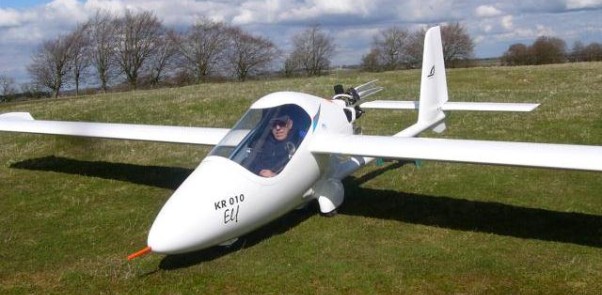
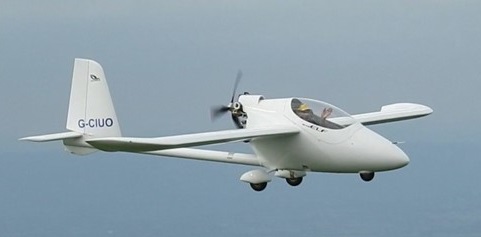
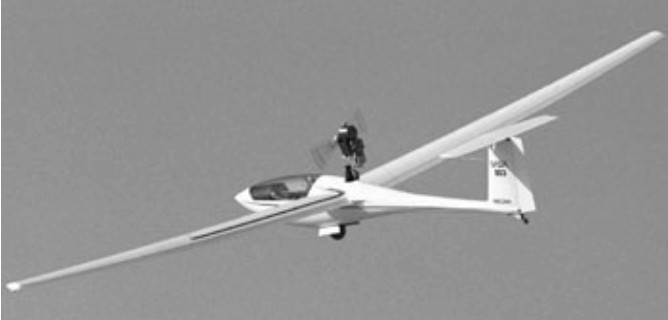
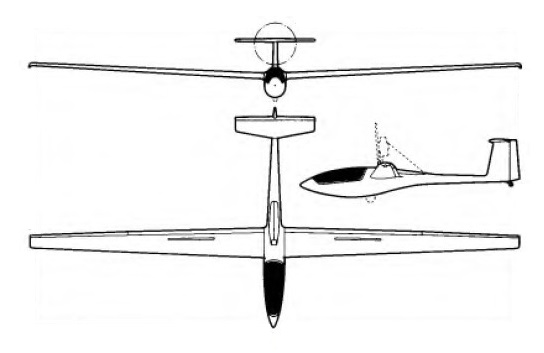
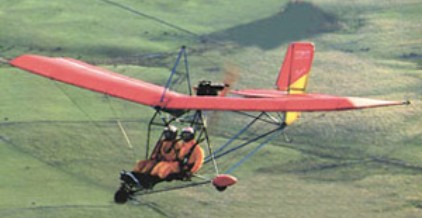
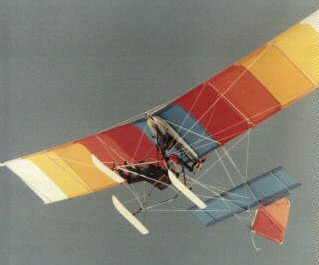
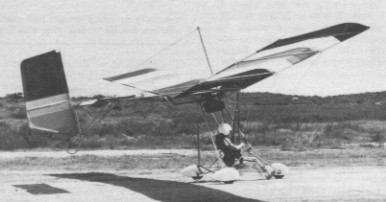
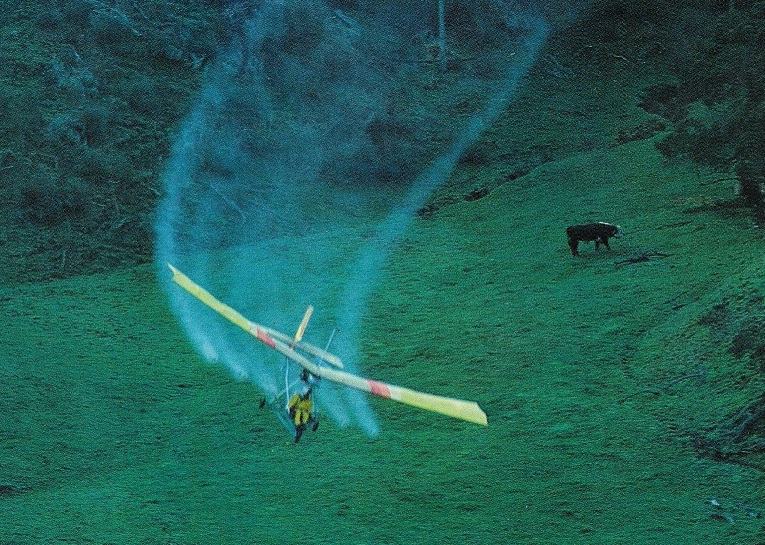
Jerzy Krawczyk, in addition to Ekolot’s Junior and Topaz, has several light aircraft, crop sprayer, and sailplane designs to his credit. In creating the self launching Elf sailplane, he employed composite sandwich and carbon structures to achieve the exceptional strength and durability required to pass UK BCAR Section ‘S’ airworthiness certification. The Elf prototype used the JPX 330 engine which, unfortunately, was withdrawn from production in 2006 after over 20 years in the market. Fortunately, Compact Radial Engines in Canada has produced a very similar unit. This is 20% more powerful than the JPX and also employs a clutch which eliminates folding prop ‘chatter’ on start-up and allows the prop to fold whilst the engine is on idle. This engine has displayed instant re-start capability. The Elf employs full span flapperons, and airbrakes, and has excellent rudder/stick co-ordination. The NN17-18 aerofoil possesses mild stall characteristics and overall, the handling conveys a strong sense of stability and security to the pilot.
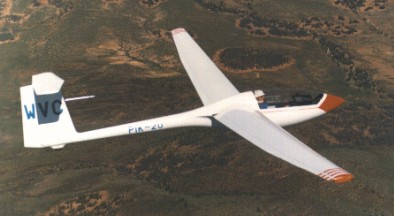
KR-010 “Elf” G-CIUO over Scotland
Production aircraft will have the more powerful Compact Radial engine and a 126cms prop with a projected climb rate of 500 ft/min. Engine off, the Elf with it’s 120 ft/min sink rate is capable of slowing down to exploit the slightest lift and core the smallest thermal. This is where the fun and skill challenge begins and where, if the pilot falls out of lift into sink, he can be confident of a quick engine restart and climb back to the area of lift.
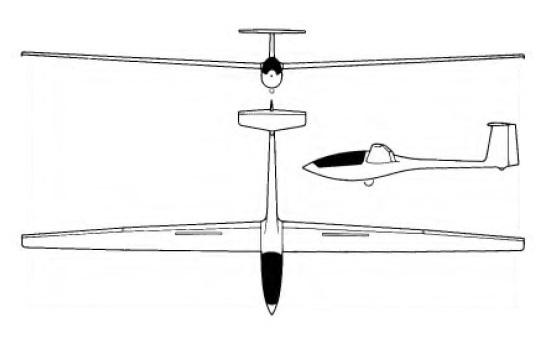
Prototype Engine: JPX 330, 24 hp Prop dia: 116cms , folding Weight: 145 kg (with BRS) Gross Weight: 260 kg Area: 10.8 sq/m Span: 11.2 m Length: 5.7m Aerofoil: NN18-17 Fuel Capacity: 15 litres (3 hours + reserve) Proof Load: +6 / -3 Max Pilot Height: 1.9m (6’3”) Max Pilot Weight: 100kg (220lbs) Cruise: 50 mph at 5,100rpm Max Climb: 400ft/min at 30mph Stall: 27mph Best L/D: 26.4:1, 150ft/min at 45mph Min Sink: 120ft/min at 39 mph Airbrake: 300ft/min at 45mph (13:1) Fuel burn: 4.5 litres/hour
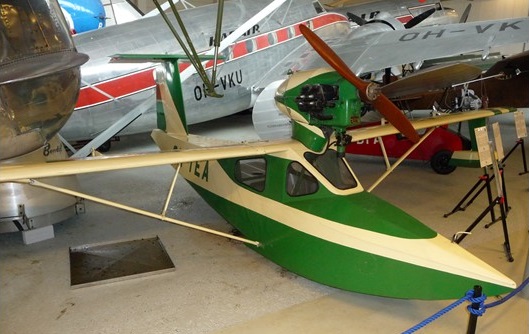
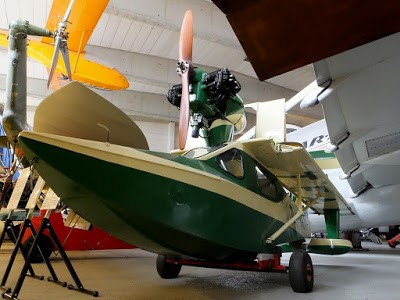
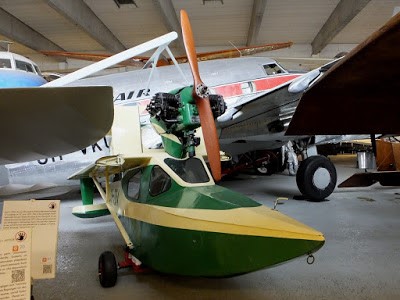
Originally designed by engineer Torolf Eklund as an amphibian with a 28 HP engine. The plane made its first flight on 23 February 1949. Underpowered, a 40 HP engine was installed and the landing gear removed, resulting in the world’s smallest flying boat.
The plane was in the aircraft register in 1954 – 1969 as OH-TEA Serial number: 1. Deposited at the Finnish Aviation Museum since 1981.
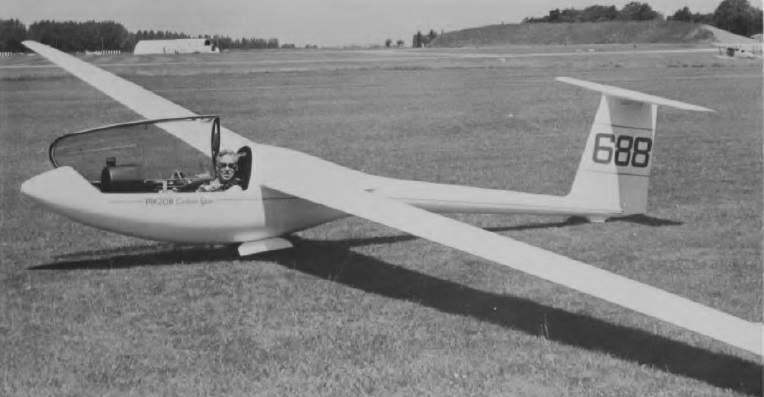
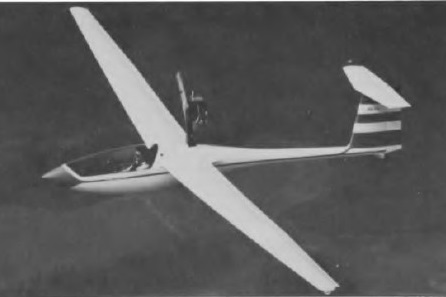
The single-seat high performance Unrestricted Class PIK-20, design work on which, by a team headed by Pekka Tammi, started on 1 May 1971, the first of two prototypes making its first flight on 10 October 1973. Three prototypes were built, followed by 24 of the first series.
The Pik-20 is a 15 m. racing class, all-fiberglass sailplane with water ballast, retractable gear and 90 degrees trailing edge flaps for landing. Finnish certification of the PIK-20 was granted on 20 June 1974, followed by FAA certification exactly a year later.
There is a retractable Tost monowheel with a drum brake as well as a tailwheel. The T-tail is of similar construction to the wings, and the fixed-incidence tailplane has a one-piece elevator.
After over 425 were built, the PIK-20 was soon followed by the PIK-20B in 1975, the main production version, which had an increased gross weight, greater water ballast capacity of 309lb, interconnected flaps and ailerons for improved performance, which could be retrofitted to earlier models, and a pneumatically sealed sideways opening cockpit canopy. From aircraft No 20100 carbon-fibre spars became available as an option, but later became standard, reducing the empty weight to 496 lb. The PIK-20A designation was an unofficial designation used to distinguish the PIK-20 from the PIK-20B.
Ingo Renner won the 15 m. class at the 1976 World Championships at Rayskala, Finland in a B-model, and others finished 2nd, 3rd and 5th.
PIK-20B
The PIK-20C designation was not used, but reserved for the JT-6 proof-of-concept prototype for PIK-20E.
The PIK-20C designation was not used, but reserved for the JT-6 proof-of-concept prototype for PIK-20E.
The PIK-20D, first flown on 19 April 1976, superseded the B, and this has carbon-fibre spars as standard, and is fitted with Schempp-Hirth air brakes and improved flaps, or ‘flaperons’, which act as both flaps and ailerons for enhanced performance. The flaperons, operate differentially for roll control and deflect from -12 degrees to +16 degrees for cruise or approach control. The cockpit is enlarged and its layout improved, and carbon-fibre is also used to reinforce the fuselage. The wings and tail surfaces are glass-fiber reinforced plastic (GRP) sandwich with PVC core. The fuselage is a GRP monocoque structure reinforced with ribs of carbon fiber.
The -20D features carbon fiber spar caps and carbon reinforcement strips at critical locations in the fiberglass monocoque fuselage. The PIK-20D-78 production models the nose profile was sharpened, the tail moved 5 inches forward and fuselage fairings recontoured to reduce drag.
PIK-20 production was undertaken by Eiriavion O/Y, and by January 1979 a total of 149 PIK-20Bs and 150 PIK-20Ds had been delivered. The type soon made its mark in competitions, winning the first three places in the Standard class at the 1976 World Gliding Championships in Finland, and also winning several national championships.
PIK-20E
The PIK-20E is a -D sailplane with a retractable Rotax two-cylinder two-cycle engine, developed by Jukka Tervamaki, the chief designer of Finland’s Eiriavion O/Y, to meet the OSTIV airworthiness regulations for powered sailplanes. A manual crank handle requires about 15 turns to deploy or retract the engine and propeller.
Initial PIK-20E were powered by the Rotax 501 but the PIK-20E II featured a Rotax 505 (two spark plugs per cylinder). The Rotax 503 500cc two-stroke two-cylinder engine produces 43 hp at 6,200 RPM. With double carburetors and resonance exhaust system, the whole snowmobile engine has been redesigned and built to aircraft requirements. The Hoffmann two-blade wooden propeller is belt driven giving a 1:2 reduction. When not in use, the power plant is retracted into the fuselage by a manual crank and lever in the cockpit wall. The glider features fiberglass monocoque construction. Half of the fuselage/wing fairing has been taken to the wing so that the main rib and wing spar are 20 nm higher in order to save weight. The wings, flaps, and complete tail are of sandwich construction with fiberglass skin and PVCfoam core. Wing spars are made of carbon fiber. The PIK boasts a maximum L/D ratio of 40 to 1. With power on, takeoff can be accomplished in less than 1,000 feet if a 50′ obstacle has to be cleared and rate of climb is 787 fpm. Cruising speed is 84 mph at 75 percent power, burning 4.4 gph from the 8.7-gallon fuel tank.
The prototype PIK-20E was powered by a 30hp Kohler 440cc engine and first flew on 2 October 1976, making a four hour flight of which two hours were spent soaring with the engine retracted. The production prototype made its first (aero-tow) flight on 16 March 1978, and its first powered flight two days later, and series production began shortly after.
There is an electric starter for the engine, and the fuel tank behind the pilot’s seat holds 7.3 Imp gallons. Apart from the engine, the PIK-20E is very similar, structurally and otherwise, to the PIK-20D, with a longer nose, 25% more tailplane area, small fixed wheels at the wing tips and a rubber-sprung tailwheel now mounted on a steel sprung skid moved behind the fin spar to the base of the rudder so as to make it steerable; the water ballast capacity (an optional feature) is smaller than the D’s.
Eiri PIK-20E
The PIK-20F was available as a 15m Class variant (with 308lb of water ballast) or a Club Class variant, the latter having a fixed monowheel. The PIK-20F has carbon-fibre spars, a modified wing profile, a lower drag fuselage, a forward-opening carbon-reinforced cockpit canopy, a carbon-reinforced cockpit area, and a new wing/fuselage epoxy finish.
Production rights for the PIK-20E were sold in 1981 to the French firm Siren SA. Altogether 102 PIK-20Es had been built in Finland when production ceased there in the spring of 1981. By the spring of 1981 a total of 409 PIK-20s of all versions (including the motorised PIK-20E) had been built, of which 85% were for export.
PIK-20D Span: 49 ft 2.5 in/ 15.0 m Length: 21 ft 2 in / 6.45 m Height: 4 ft 6.75 in / 1.45 m Wing area: 107.6 sqft / 10.0 sq.m Aspect ratio: 22.5 Wing section: Wortmann FX-67-K-170/150 Empty weight: 480 lb / 220 kg Max weight: 992 lb / 450 kg Water ballast: 309 lb / 140 kg Max wing loading: 45kg/sq.m / 9.21 lb/sq.ft Max speed: 181 mph 158 kt / 292 km/h (in smooth air) Stalling speed: 32 kt / 60 km/h Max aero-tow speed: 118 mph / 130 kt / 240 km/h Min sinking speed: 2.17 ft/sec at 53.5 mph Min sinking speed: 0.56 m/sec / 1.84 ft/sec at 39 kt / 73 km/h Best glide ratio: 42:1 at 73 mph / 63 kt / 117 km/h
PIK-20E Engine: Rotax 503, 32 kW / 43 bhp Wing span: 15m / 49 ft 2.5 in Wing area: 10.0 sq.m / 107.6 sq.ft Airfoil: Wortmann FX 67-K-170/150 Aspect ratio: 22.5 Length: 6.53 m / 21 ft 5 in Height: 4 ft 8.75 in Empty Weight: 310kg / 684 lb Payload: 160kg / 352 lb Gross Weight: 470kg / 1036 lb Wing Load: 47kg/sq.m / 9.6 lb/sq.ft Water Ballast: 80kg / 176 lb L/DMax: 40 @ 110 kph / 63 kt / 73 mph MinSink: 0.66 m/s / 2.16 fps / 1.28 kt at 55 mph / 42 kt / 77 km/h (power off) Max speed: 177 mph 154 kt / 285 km/h (power off) Max cruising speed: 84 mph (power on) Stalling speed: 36 kt / 66 km/h Rate of climb: 4.0 m/sec / 13 ft/sec Take-off run: 1,640ft to 50ft Seats: 1
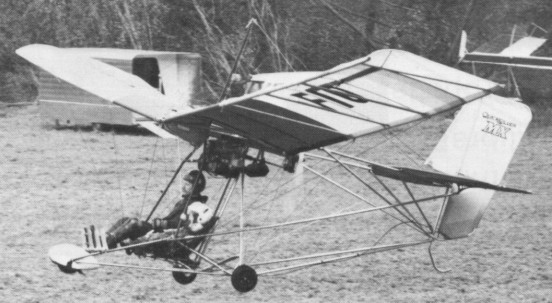
Jack Hutchinson, under contract to Eipper, was charged with developing a new ultralight. The 1981 Phoenix Air Race was the unveiling of the new 15 hp Yamaha powered MX. Units delivered, by June 1981: 185. Since 1981 the Quicksilver MX has progressively replaced the earlier Quicksilver Double quick and Seaquick types which were all hybrid control like the type E. The motor fitted until the end of 1982 was the twin cylinder in line 429 cc Cuyuna 430R giving 30hp at 5500 rpm and fitted with a toothed belt reduction drive. However, in November 1982, Eipper Aircraft announced that apart from the Quicksilver E the other models in the range would henceforth be offered with the Bombardier Rotax engine, since the Austrian manufacturer had a production facility in Canada.
Wing and fuselage structures are similar to the Quicksilver. Control is accomplished by Eipper’s multi-axis aircraft-style system. Pitch, yaw and resulting roll control are achieved with control rods running to the elevator and rudder surfaces and linked to a yoke-mounted control wheel-stick combination. Additional roll control is achieved by wing-mounted spoilerons activated by foot pedals. The spoilerons may be used independently for quick roll rate or simultaneously to create steep descents at low airspeeds. POWERPLANT: One Rotax two-cycle, air-cooled engine mounted in pusher position under the wing. Dual ignition system. Power transmitted via 2:1 reduction to a 52×32” prop of laminated wood. LANDING GEAR: Similar to Quicksilver. Blue anodised aluminium tubing. Eipper present their kit-set Quicksilver on handy vacuum-packed boards. Non-steerable nosewheel. First year built; 1980. Single seat single engined high wing monoplane with unconventional three axis control (conventional three axis optional). Wing has unswept leading and trailing edges, and constant chord; cruciform tail. Pitch control by elevator on tail; yaw control by fully flying rudder; roll control by one third span spoilers; control inputs through stick for pitch/yaw (pitch/roll optional) and pedals for roll (yaw optional). Wing braced from above by king¬post and cables, from below by cables; wing profile; single surface. Undercarriage has three wheels in tricycle formation with additional tailskid; torsion bar suspension on all wheels. No ground steering. nosewheel brake. Aluminium tube framework, with optional pod. Engine mounted below wing driving pusher propeller.
On offer with the option of a glass fibre nosecone with windscreen since January 1982, the Quicksilver W can also be fitted, on request, with a kit to convert the control system to conventional, so that the spoilers and elevators are operated by a stick and the rudder through the rudder bar. This kit is retrofittable. In the United States, the W is delivered in kit form requiring 40h for assembly without any special tools at a price of $4995 in 1982. Options other than those already listed include floats for $995, transport bag, skis, brakes, parachute, aircraft style throttle (in place of the motor cycle type) and wheel fairings. The MX II is a side by-side two seater. Brakes on main wheels. No pod. Appearing at the begin¬ning of 1982, the two seater from Eipper Aircraft is a victim of the US legislation, as its empty weight of 3001b (136kg) places it on the wrong side of laws limiting ultralights in the USA to 254 lb (115 kg) empty weight. However, it enjoyed considerable success in Europe, notably in France and the UK, where more liberal laws have allowed its classification as a microlight and therefore do not require the pilot to hold a private pilot’s licence. The standard version uses the unconventional control system from the MX, with the stick working the elevators and the rudder and, like the single seater, the MXII turns perfectly by induced roll and so can be flown happily without the pedals. The aircraft can be supplied with one or two sets of pedals, each set operating the spoilers either together as air brakes or separately. A conversion to conventional control is available, which is useful for training pilots who wish to fly other conventional control machines; machines so converted, however, lose the useful air brake facility. Initially powered by the Cuyuna 430R 30 hp engine, the MXII adopted since the beginning of 1983 the two cylinder Rotax 503, giving 46 hp. The MX and the MXL use as standard the Rotax 377 twin-cylinder in line of 368 cc, developing 33.5 hp at 6500 rpm. The prototype MX Super and the two seater MXII were fitted with the Rotax 503 twin cylinder in line engine of 497 cc, developing 46 hp at 6500 rpm. By that time the single-seat Quicksilver had evolved to become the three-axis-control MX, and a waiver to the FAA’s Part 103 ultralight regulation allowed two-seat trainers. The MX II became one of the first. Arrival of the legal two-seat trainers put an end to speaking-from-the-ground flight instruction. With the termination of the two-seat ultralight training, legal paid flight instruction in machines such as the MXL II Sport is no longer available. But checking out licensed pilots in an N-numbered MXL II Sport so they could safely solo single-seat Quicksilver ultralights would be a lot of fun, and it would justify building a new copy of the old MXL II, a relic that introduced thousands of people to recreational flying. Designed for those who want higher performance than the standard MX can offer, the MXL has conventional three axis control with inputs through stick for pitch/roll and pedals for yaw, and a double surface wing with a more cambered profile. Dihedral is reduced from 150 to 7.50 and a span decreased from 32 ft (9.75 m) to 30 ft (9.14 m). The tail surfaces are re designed and the whole structure reinforced. It appeared for the first time in 1982 as a prototype, fitted with a twin cylinder Cuyuna 430R, but was sold with the Rotax 377 twin cylinder in line engine of 368cc giving 33.5 hp. This model is conventional control in its standard form, as opposed to the MX which only has this as an option; the stick works the spoilers and the elevators, the rudder bar operates the rudder. Otherwise, options are the same as for the other single seaters. The price for the kit in the USA in 1982 was $5695. The Quicksilver MX Super is a single seat single engined high wing monoplane with conventional three axis control. Wing has unswept leading and trailing edges, and constant chord; cruciform tail. Pitch control by elevator on canard; yaw control by fully flying rudder; roll control by spoilers; control inputs through stick for pitch/roll and pedals for yaw. Wing braced from above by kingpost and cables, from below by cables; wing profile single surface. Undercarriage has three wheels in tricycle formation, with additional tailskid; torsion bar suspension on all wheels. No ground steering. Aluminium tube framework, with pod. Engine mounted below wing driving pusher propeller. This is a distinct single seat, three¬ axis, conventional control development of the MX. It retains the single skin wing but with several important modifications, including reduced span. The structure has been reinforced to permit the MX Super to accomplish positive g aerobatics. On one of the pro¬totypes the spoilers 4 x 2.4 inch (10 x 70 em) of the standard MX have been increased to 4 x 6.11 inch (10 x 21 cm). Various engines have been tried on the MX Super, such as the Cuyuna 430R, giving 45 hp when fitted with twin carbs, and the Rotax 377 and 503. Though Eipper Aircraft was not actively marketing this model, it had been used for several public demonstra¬tions, including one by Lyle Byrum, who used his parachute to finish his demonstration at Salinas, Florida in October 1982. The quoted price for the MX Super, as a kit requiring 30 h for completion, was in the order of $6500 in 1982. The MX Sprint was designed for the entry-level pilot while retaining the excitement & handling a proven pilot demands. The MX Sprint has fast roll response and handles crosswinds easily with its conventional three-axis controls. Yet it retains the docile and predictable slow flight characteristics that made the original MX famous. With a six-month written limited warranty, the MX Sprint features a Rotax 447 engine, conventional 3-axis controls, a 66″ propeller, a flexible driveshaft coupler for reduced vibration, tapered stabilizer, tubular-braced tail, triangulated kingpost assembly, partial double surface wings, extra ribs, and an easy-to-assemble kit (Average 30 to 40 Hours). The MX II Sprint is ideal for the recreational flier and flight schools. Its high lift, partial double surface wings give it an exceptionally short take-off roll and predictable handling at very low flight speeds. These characteristics make the MX II Sprint easy. The MX II Sprint’s simple design and bolt together construction make preflight inspections and routine maintenance easy. As with all other Quicksilvers, its assembly-style kit will have you flying in days, not weeks or months. Floats are suited to the MX II Sprint’s high lift wing. The MX II Sprint features the six month limited warranty, dual cdi electronic ignition, dual carburetor engine, steerable nose wheel standard, main wheel brakes, high lift, partial double surface wings, extra ribs for firm airfoil, conventional 3-axis controls, 68″ propeller for more power with less noise, new, wider cabin for greater pilot comfort, inflight adjustable trim control, tapered stabilizer, tubular braced tail, excellent crosswind capability, easy-to-assemble kit (average 40 to 60 hours), and the airspeed indicator is included. Some people wanted even more performance than the MX Sprint, so the MX Sport was introduced. The MX Sport was designed to enhance the envelope with a shortspan double-surface wing with full-span ailerons and conventional three-axis controls. Its 42 horsepower Rotax 447 engine and large 66-inch propeller give the Sport an exceptional climb rate.
Quicksilver MX Sport
The MX Sport comes standard with Quicksilver’s six-month written limited warranty. All Quicksilver kits feature easy-to-assemble construction – we do all the fabrication, you just bolt it together. The MX Sport features a Rotax 447 engine, conventional 3-axis controls, 66″ propeller for more performance with less noise, flexible driveshaft coupler for reduced vibration, tapered stabilizer, tubular-braced tail, triangulated kingpost assembly, double surface wings, extra ribs for firm airfoil, excellent crosswind capability, short takeoff, very fast control response, an easy-to-assemble kit (average 30 to 40 hours), and 6-month written warranty.
Quicksilver MXL II Sport
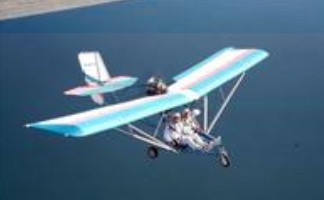
The MXL II Sport two-seat light recreational aircraft is for the pilot looking for easy handling and precise control response. Double surface wings and conventional three-axis controls combine to make this an excellent all around aircraft. Recreational pilots like its greater speed range while flight schools are especially fond of its smooth and predictable flight characteristics. The in-flight adjustable trim makes long flights more carefree. The MXL II Sport features a six month limited warranty, dual cdi electronic ignition, dual carburetor engine, steerable nose wheel standard, main wheel brakes, double surface wings, extra ribs for firm airfoil, conventional 3-axis controls, 68″ propeller for more power with less noise, wider cabin for greater pilot comfort, inflight adjustable trim control, tapered stabilizer, tubular braced tail, excellent crosswind capability, easy handling and responsive control, short takeoff and landing, easy-to-assemble kit (average 40 to 60 hours), and the airspeed indicator is included. The MXL II Sport can be built as an Experimental/Amateur-Built and flown as a Light Sport Aircraft. The Sport 2S open cockpit development program began with the goal of producing the best side-by-side trainer ever. Featuring strutted wings, wider cockpit, rugged aluminum steerable nosewheel, and larger wheels, the Sport 2S combines the many suggestions and comments of ultralight enthusiasts and professionals with Quicksilver’s designing, engineering, and R & D testing to fullfill that goal. The Sport 2S provides the solid feel of a strut braced plane with the desirable flying characteristics that have made Quicksilvers so popular. An improved wing cover design makes the Sport 2S even faster to build. You are ready to fly with only a few weekends and some basic tools. Aircraft grade hardware and custom fittings allow for exceptional ease of assembly, maintenance, and breakdown for storage. In about thirty minutes you can go from trailer to flight. The Sport 2S boasts a wealth of new features, including, dual cdi electronic ignition, dual carburetor engine, rugged aluminum steerable nose wheel, main wheel brakes, double surface wings with streamlined struts, extra ribs with mylar leading edge insert for extra firm airfoil. The max takeoff weight has increased to 996 lbs, with conventional 3-axis controls, a 68″ propeller for more power with less noise, wider tail boom accommodates up to 72″ propeller, even wider cockpit for greater pilot comfort, inflight adjustable trim control, tapered stabilizer, tubular-braced tail, excellent crosswind capability, quick breakdown for transport, easy-to-assemble kit (average 40 to 60 hours), airspeed indicator included, and a six-month written warranty.
Quicksilver MX Engine: Cuyana 2-cyl 2-stroke 430 cc, 30 hp. Wing Span: 32 ft (9.6 m) Wing Area: 160 sq. ft. (14.4 sq. rn) Aspect ratio 6.4. Cruise speed: 43 mph Stall speed: 23 mph Max. rate of climb: 800 fpm Empty weight: 220 lb (100 kg) Max. pilot weight: 240 lb (108 kg)
Quicksilver MX Engine: Rotax 377, 33.5hp at 6500rpm. Propeller diameter and pitch 52×32 inch, 1.32×0.81 m. V belt reduction, ratio 2.0/1. Max static thrust 170 lb, 77 kg. Power per unit area 0.21 hp/sq.ft, 2.27 hp/sq.m. Fuel capacity 5.0 US gal, 4.2 Imp gal, 18.9 litre in main tank; 5.3 US gal, 4.4 Imp gal, 20.0 litre in reserve (optional on French version). Length overall 18.1 ft, 5.51 m. Height overall 9.8ft, 2.93m. Wing span 32.0ft, 9.75m. Constant chord 5.0ft, 1.52 m. Dihedral 15 degs. Sweepback 0 degs. Tailplane span 9.1 ft, 2.75 m. Total wing area 160 sq.ft, 14.9 sq.m. Rudder area 11.3 sq.ft, 1.05sq.m. Tailplane area 19.5 sq.ft, 1.82sq.m. Total spoiler area 1.5sq.ft, 0.14 sq.m. Total elevator area 11.8 sq.ft, 1.10sq.m. Wing aspect ratio 6.4/1. Wheel track 5.9ft, 1.75 m. Wheelbase 5.5ft, 1.66 m. Nosewheel diameter overall 12 inch, 30 cm. Main wheels diameter overall 12 inch, 30 cm. Empty weight 235 lb, 107kg. Max take off weight 525 lb, 238 kg. Payload 290 lb, 131 kg. Max wing loading 3.28 lb/sq.ft, 16.0 kg/sq.m. Max power loading 15.7 lb/hp, 7.0kg/hp. Load factors ultimate; +5.0, 3.0. Max level speed 52mph, 84kph. Never exceed speed 63mph, 101 kph. Max cruising speed 46 mph, 74 kph. Economic cruising speed 38mph, 61kph. Stalling speed 24 mph, 38 kph. Max climb rate at sea level 800 ft/min, 4.1 m/s @ 37 mph. Best glide ratio with power off 6.5/1 at 28 mph. 45 kph. Take off distance 69 ft, 21 m. Landing distance 60 ft, 18 m. Service ceiling 10.000 ft. 3050 m. Range at average cruising speed 95 mile, 153 km.
MX Sprint Engine; Rotax 447, 40 hp @ 6500 rpm TBO; 250 hr Propeller; 66 in x 34 in Length; 18 ft 1 in Height; .8 ft 10 in Wingspan; 28 ft 0 in Wing area; 156 sq ft Wing loading; 3.36 lb/sq ft Power loading; 13.12 lb.hp Seats; 1 Empty weight; 250 lb Useful load; 275 lb Payload w/full fuel; 245 lb Max takeoff weight; 525 lb Fuel capacity; 5 U.S. gal Takeoff distance, ground roll; 65 ft Takeoff distance, 50 ft obst; 200 ft Rate of climb; 900 ft/min Max level speed, sea level; 54 mph Max operating altitude; 14,000 ft Landing distance 50 ft obstacle (with brake); 200 ft Landing distance ground roll (with brake); 60 ft Cruise speed/range @ 55% power (5000 rpm); 44 mph/84 mi Cruise speed/range @ 65% power (5300 rpm); 47 mph/84 mi Cruise speed/range @ 75% power (5500 rpm); 50 mph/80 mi Cruise speed/range @ 100% power (6500 rpm); 54 mph/52 mi Fuel flow @ 55% power; 2.5 gph Fuel flow @ 65% power; 2.7 gph Fuel flow @ 75% power; 3.0 gph Fuel flow @ 100% power; 4.5 gph Vx (Best angle of climb); 33 mph Vy (Best rate of climb); 36 mph Va (Design maneuvering); 48 mph Vne (Never exceed); 65 mph Vs (Stall, power off); 24 mph Landing approach speed (1.3 Vs); 31 mph Landing gear: nose wheel. Cockpit width: 32 in LSA: yes
Eipper / Quicksilver Mfg MX Sport Engine; Rotax 447, 40 hp @ 6500 rpm Recommended TBO; 250 hr Propeller; 66 in x 34 in Length; 18 ft 1 in Height; 8 ft 10 in Wingspan; 28 ft 0 in Wing area; 156 sq ft Wing loading; 3.36 .lb/sq ft Power loading; 13.12 lb.hp Seats; 1 Empty weight; 254 lb Useful load; 271 lb Payload w/full fuel; 241 lb Max takeoff weight; 525 lb Fuel capacity; 5 U.S. gal Takeoff distance, ground roll; 75 ft Takeoff distance, 50 ft obst; 250 ft Rate of climb; 850 ft/min Max level speed, sea level; 58 mph Max operating altitude; 14,000 ft Landing distance, 50 ft obst; 300 ft Landing distance, ground roll; 70 ft Cruise speed/range SL @ 55% power (5000 rpm); 45 mph/90 mi Cruise speed/range SL @ 65% power (5300 rpm); 49 mph/91 mi Cruise speed/range SL @ 75% power (5500 rpm; 53 mph/88 mi Cruise speed/range SL @ 100% power (6500 rpm); 59 mph/65 mi Fuel flow @ 55% power; 2.5 gph Fuel flow @ 65% power; 2.7 gph Fuel flow @ 75% power; 3.0 gph Fuel flow @ 100% power; 4.5 gph Vx (Best angle of climb); 34 mph Vy (Best rate of climb); 37 mph Va (Design maneuvering); 54 mph Vne (Never exceed); 74 mph Vs (Stall, power off); 27 mph Landing approach speed (1.3 Vs); 35 mph Landing gear: nose wheel. LSA: yes
Quicksilver MX II Engine: Rotax 503, 46hp at 6500rpm. Propeller diameter and pitch 52 x 34 inch, 1.32 x 0.81 m. V belt reduction, ratio 2.0/1. Power per unit area 0.28 hp/sq.ft, 3.1 hp/sq.m. Fuel capacity 5.0 US gal, 4.2 Imp gal, 18.9 litre in main tank; 5.3 US gal, 4.4 Imp gal, 20.0 litre in reserve (optional on French version). Length overall 18.1 ft, 5.51 m. Height overall 9.8ft, 2.93m. Wing span 32.0ft, 9.75m. Constant chord 5.0ft, 1.52 m. Dihedral 15 degs. Sweepback 0 degs. Tailplane span 9.1 ft, 2.75 m. Total wing area 160 sq.ft, 14.9 sq.m. Rudder area 11.3 sq.ft, 1.05sq.m. Tailplane area 19.5 sq.ft, 1.82sq.m . Total elevator area 1.1 sq.ft, 0.11 sq.m. Wing aspect ratio 6.4/1. Wheel track 5.9ft, 1.75 m. Wheelbase 5.5ft, 1.66 m. Nosewheel diameter overall 12 inch, 30 cm. Main wheels diameter overall 12 inch, 30 cm. Total spoiler area 1.5 sq.ft, 0.14 sq.m. Total elevator area 11.8 sq.ft, 1.10 sq.m. Empty weight 300 lb, 136kg. Max take off weight 700 lb, 317kg. Payload 400 lb, 181 kg. Max wing loading 4.37 lb/sq.ft, 21.3kg/sq.m. Max power loading 15.2 lb/hp, 6.9kg/hp. Load; +6.5, 3.5 ultimate. Max level speed 45mph, 72kph. Never exceed speed 73mph, 117 kph. Max cruising speed 41 mph, 66 kph. Economic cruising speed 36mph, 58kph. Stalling speed 24 mph, 39 kph. Max climb rate at sea level 393 ft/min, 2.0 m/s. Min sink rate 393ft/min, 2.0m/s. Best glide ratio with power off 6/1 at 28mph, 45kph. Take off distance 100ft, 30m. Landing dis¬tance 100ft, 30m. Service ceiling 10,000ft, 3050m. Range at average cruising speed 49 mile, 79 km.
Eipper / Quicksilver Mfg MX II Sprint R503 Engine; Rotax 503, 50 hp Recommended TBO; 250 hrs Propeller; 68″ x 32″ Length; 18 ft – 1/2 in Height; .9 ft – 1 in Wingspan; 32 ft – 7 in Wing area; 180 sq ft Wing loading; 4.0 lb/sq ft Power loading; 14.4 lb/hp Seats; 2 Empty Weight; 325 lbs Useful load; 395 lbs Payload w/full fuel; 359 lbs Max takeoff weight; 720 lbs Fuel capacity; 6 USgals Takeoff distance, ground roll; 102 ft Takeoff distance, 50 ft obstacle; 352 ft Rate of climb; 595 fpm Max level speed, sea level; 55 mph Landing distance, 50 ft obstacle; 240 ft Landing distance, ground roll; 75 ft Glide Ratio; 4.5:1 Minimum sink rate; 630 fpm Cruise 55% power (rpm/mph); 5000/39 Cruise 65% power (rpm/mph); 5300/46 Cruise 75% power (rpm/mph); 5600/51 Cruise 100% power (rpm/mph); 6500/55 Fuel flow 55% power (gph/mi); 3.2/73 Fuel flow 65% power (gph/mi); 3.8/72 Fuel flow 75% power (gph/mi); 4.4/69 Fuel flow 100% power (gph/mi); 5.8/56 Vx (Best angle of climb); 36 mph Vy (Best rate of climb); 39 mph Va (Design maneuvering); 64 mph Vne (Never exceed); 75 mph Vs1 (Stall, power off); 27 mph Landing approach speed; 39 mph Landing gear: nose wheel. Cockpit width: 39 in LSA: yes
Eipper / Quicksilver Mfg MXL II Sport – R503 Engine; Rotax 503, 50 hp TBO; 250 hrs Propeller; 68″ x 32″ Length; 216 in. Height; 109 in. Wingspan; 32.75 ft Wing area; 180 sq ft Wing loading; 4.0 lb/sq ft Power loading; 14.4 lb/hp Seats; 2 Empty Weight; 325 lbs Useful load; 395 lbs Payload w/full fuel; 359 lbs Max takeoff weight; 720 lbs Fuel capacity;6 USgals Takeoff distance, ground roll; 155 ft Takeoff distance, 50 ft obstacle; 435 ft Rate of climb; 595 fpm Max level speed, sea level; 61 mph Landing distance, 50 ft obstacle; 300 ft Landing distance, ground roll; 75 ft Glide Ratio; 5.0:1 Minimum sink rate; 630 fpm Cruise 55% power (rpm/mph); 5000/40 Cruise 65% power (rpm/mph); 5300/48 Cruise 75% power (rpm/mph); 5600/54 Cruise 100% power (rpm/mph); 6500/61 Fuel flow 55% power (gpm/mi); 3.2/73 Fuel flow 65% power (gpm/mi); 3.8/72 Fuel flow 75% power (gpm/mi); 4.4/69 Fuel flow 100% power (gpm/mi); 5.8/56 Vx (Best angle of climb); 37mph Vy (Best rate of climb); 39 mph Va (Design maneuvering); 64 mph Vne (Never exceed); 75 mph Vs1 (Stall, power off); 32 mph Landing approach speed; 45 mph Landing gear: nose wheel. Cockpit width: 39 in LSA: yes
Eipper / Quicksilver Mfg MXL II Sport – R582 Engine; Rotax 582, 64 hp TBO; 250 hrs Propeller; 68″ x 36″ Length; 210 in. Height; 112 in. Wingspan; 32.75 ft Wing area; 180 sq ft Wing loading; 4.0 lb/sq ft Power loading; 11.25 lb/hp Seats; 2 Empty Weight; 330 lbs Useful load; 390 lbs Payload w/full fuel; 354 lbs Max takeoff weight; 720 lbs Fuel capacity; 6 USgals Takeoff distance, ground roll; 121 ft Takeoff distance, 50 ft obstacle; 260 ft Rate of climb; 1145 fpm Max level speed, sea level; 67 mph Landing distance, 50 ft obstacle; 300 ft Landing distance, ground roll; 75 ft Glide Ratio; 5:1 Minimum sink rate; 630 fpm Cruise 55% power (rpm/mph); 5000/43 Cruise 65% power (rpm/mph); 5300/52 Cruise 75% power (rpm/mph); 5600/59 Cruise 100% power (rpm/mph); 6500/67 Fuel flow 55% power (gpm/mi); 4.1/63 Fuel flow 65% power (gpm/mi); 4.8/65 Fuel flow 75% power (gpm/mi); 5.6/63 Fuel flow 100% power (gpm/mi); 7.4/54 Vx (Best angle of climb); 37 mph Vy (Best rate of climb); 39 mph Va (Design maneuvering); 64 mph Vne (Never exceed); 75 mph Vs1 (Stall, power off); 32 mph Landing approach speed; 45 mph
Quicksilver MXL Engine: Rotax 377, 33.5hp at 6500rpm. Propeller diameter and pitch 52×32 inch, 1.32×0.81 m. V belt reduction, ratio 2.0/1. Max static thrust 170 lb, 77 kg. Power per unit area 0.22 hp/sq.ft, 2.4 hp/sq.m. Fuel capacity 5.0 US gal, 4.2 Imp gal, 18.9 litre in main tank; 5.3 US gal, 4.4 Imp gal, 20.0 litre in reserve (optional on French version). Length overall 18.1 ft, 5.51 m. Height overall 9.8ft, 2.93m. Wing span 30.0ft, 9.14m. Constant chord 5.0ft, 1.52m. Dihedral 7.5 deg. Sweepback 0 deg. Tailplane span 9.1 ft, 2.75 m. Total wing area 150 sq.ft, 13.9 sq.m. Total spoiler area 1.5 sq.ft, 0.14 sq.m. Rudder area 11.3 sq.ft, 1.05 sq.m. Tailplane area 16.1 sq.ft, 1.50 sq.m. Total elevator area 11.8sq.ft, 1.10sq.m. Wing aspect ratio 6.8/1. Wheel track 5.9 ft, 1.75 m. Wheelbase 5.5 ft, 1.65 m. Nosewheel diameter overall 12 inch, 30 cm. Main wheels diameter overall 12 inch, 30 cm. Empty weight 252 lb, 114kg. Max take off weight 550 lb, 249 kg. Payload 298 lb, 135 Max wing loading 3.66 lb/sq.ft, 17.8 kg/m . Max power loading 16.4 lb/hp, 7.3kg/hp. Load factors; +5.8, 2.9 ultimate. Max level speed 61 mph, 98 kph. Never exceed speed 74 mph, 119 kph. Max cruising speed 54 mph, 87 kph. Economic cruising speed 45 mph, 72 kph. Stalling speed 24 mph, 38 kph. Max climb rate at sea level 850 ft/min, 4.3 m/s. Best glide ratio with power off 6/1. Take off distance 75 ft, 23 m. Landing distance 75 ft, 23 m. Service ceiling 10,000 ft, 3050 m. Range at average cruising speed 113 mile, 181 km.
Quicksilver MXL II Engine: Rotax 503 Empty wt. lbs: 330 Max wt. lbs: 720 Wing span: 32.75ft Wing area sq.ft.:180 Wing loading lbs/sq.ft: 4 Power loading lbs/hp: 15.7. Max speed mph: 60 Cruise mph: 53 Stall mph: 32 Vne mph: 75 Seats: 2
Eipper / Quicksilver Mfg Sport 2S Engine; Rotax 582, 64 hp Recommended TBO; 250 hrs. Propeller; 68in x 36 in Length; 18ft 1/2 in Height; 8 ft Wingspan; 31 ft Wingarea; 174.1 sq ft Wing loading; 5.74 lb/sq ft Power loading; 15.63 lb/hp Seats; 2 Empty weight; 430 lb Useful load; 566 lb Payload w/full fuel; 530 lb Max takeoff weight; 996 lb Fuel capacity; 6 U.S. gal Takeoff distance, ground roll; 240 ft Takeoff distance, 50 ft obstacle; 660 ft Rate of climb; 500 ft/min Max level speed, sea level; 69 mph Landing distance, 50 ft obstacle (with brake); 484 ft Landing distance, ground roll (with brake); 220 ft Glide ratio; 5.5:1 Minimum sink rate; 660 ft/min Cruise @ 55% power-5000 rpm; 55 mph Cruise @ 65% power-5300 rpm; 58 mph Cruise @ 75% power-5500 rpm; 61 mph Cruise @ 100% power-6500 rpm; 69mph Fuel flow @ 55% power (gph/mi); 4.5/73 Fuel flow @ 65% power (gph/mi); 5.0/69 Fuel flow @ 75% power (gph/mi); 5.6/65 Fuel flow @ 100% power (gph/mi); 7.5/53 Vx (Best angle of climb); 38 mph Vy (Best rate of climb); 40 mph Va (Design maneuvering); 70 mph Vne (Never exceed); 87 mph Vs1 (Stall, power off); 35 mph Landing approach speed; 46 mph Cockpit width: 45 in LSA: yes
Quicksilver MX Super Engine: Rotax 503, 46 hp. Prop: Wood 54×34. Wingspan: 28 ft 6 in. Wing area: 160 sq.ft. Empty wt: 335 lbs. Max wt: 616 lbs. Cruise: 50 mph. Stall: 30 mph. Vmax: 70 mph. ROC: 690 fpm. TO run: 100 ft. Ldg roll: 50 ft. Fuel capacity 3.0 US gal, 2.5 Imp gal, 11.4 litre. Length overall 18.0 ft, 5.48 m. Height overall 8.11ft, 2.70m. Wing span 27.5ft, 8.35m. Constant chord 5.0 ft, 1.52 m. Total wing area 136sq.ft, 12.7sq.m. Wing aspect ratio 5.5/1. Empty weight 250 lb, 113 kg. Max take off weig6t 520 lb, 236 kg. Payload 270 lb, 122 kg. Max wing loading 3.82 lb/sq.ft, 18.6kg/sq.m. Never exceed speed 60 mph, 97 kph.
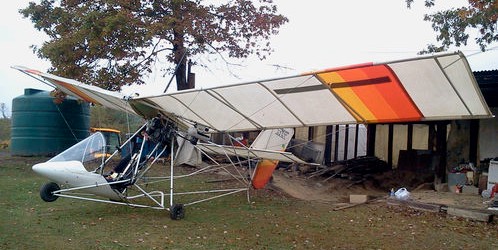
The Quicksilver GT was an entirely new concept from the Eipper company. Introduced in 1984 it was available in two versions. The 280C, a cable braced like all other Eipper ultralights while the 280S was strut braced. The double surface wings are tappered and have flaps and ailerons fitted. The two piece aluminium boom supports the pilot forward of the main plane in a sleek cockpit pod. Centre mounted yoke, rudder pedals, nosewheel steerable through rudder pedals. The GT entered production in 1984.
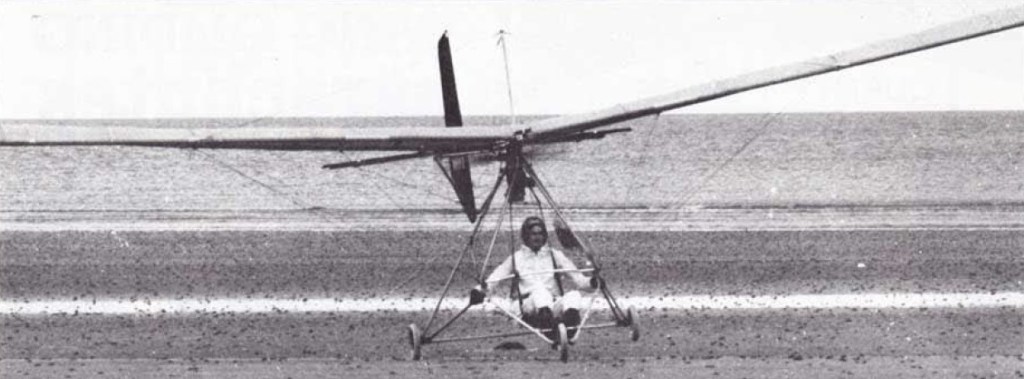
The Quicksilver monoplane hang glider was developed it into a powered glider. With its twin-boom tail support structure, an engine mounted from the wing center section it offers gentle and forgiving flight characteristics and is generally foot-launched, though landing gear can be added. The first powered version being the Quicksilver M.
The Quicksilver E is a single seat single engined high wing monoplane with hybrid control. Wing has unswept leading and trailing edges, and constant chord; cruciform tail. Pitch control by elevator on tail, assisted by weight shift; yaw control by fully flying rudder, assisted by weight shift; no separate roll control; control inputs through weight shift for pitch/yaw/roll. Wing braced from above by kingpost and cables, from below by cables; wing profile single surface. Undercarriage has three wheels in tricycle formation; with additional tailskid; torsion bar suspension on all wheels. No ground steering. No brakes. Aluminium tube framework, without pod. Engine mounted below wing driving pusher propeller.
Quicksilver E
Motorization was a logical step, since the Quicksilver hang glider already had hybrid control, with its rudder linked by cables to the pilot’s harness. The hybrid version of the Quicksilver, the E, made its appearance in May 1982 and doesn’t have a great many points in common with the early hybrids from this manufacturer. It uses the tricycle undercarriage frame developed for the MX. The pilot’s swing seat is connected to the rudder on the cruciform tail and also to a ‘trimvator’ elevator measuring 4 x 42 inch (10 x 107 cm), hinged from the trailing edge of the horizontal stabiliser. These elevators work to assist the weight shift control of the pilot.
Units delivered to June 1981: 5,000. The type E is delivered as a kit requiring 15 h for assembly at a price of $3995 in the US in 1982. As well as the options available for the other single seaters from Eipper Aircraft, the type E, which is fitted with a Cuyuna 215R 20 hp engine, can have the 430R 30 hp engine or one of the Rotax engines, options which are becoming increasingly popular.
Quicksilver Double quick and Seaquick types were all hybrid control like the type E.
Quicksilver E Engine: Cuyuna 215R, 20 hp at 5500 rpm. Propeller diameter and pitch 52 x 32 inch, 1.32 x 0.81 m. V belt reduction, ratio 2.25/1. Power per unit area 0.13 hp/sq.ft, 1.3 hp/sq.m. Fuel capacity 2.5 US gal, 2.1 Imp gal, 9.5 litre. Length overall 18.1 ft, 5.51 m. Height overall 9.8ft, 2.93m. Wing span 32.0ft, 9.75m. Constant chord 5.0ft, 1.52 m. Dihedral 15 degs. Sweepback 0 degs. Tailplane span 9.1 ft, 2.75 m. Total wing area 160 sq.ft, 14.9 sq.m. Rudder area 11.3 sq.ft, 1.05sq.m. Tailplane area 19.5 sq.ft, 1.82sq.m . Total elevator area 1.1 sq.ft, 0.11 sq.m. Wing aspect ratio 6.4/1. Wheel track 5.9ft, 1.75 m. Wheelbase 5.5ft, 1.66 m. Nosewheel diameter overall 12 inch, 30 cm. Main wheels diameter overall 12 inch, 30 cm. Empty weight 195 lb, 88kg. Max take off weight 415 lb, 188kg. Payload 220 lb, 100kg. Max wing loading 2.59lb/sq.ft, 12.6 kg/sq.m. Max power loading 20.7 lb/hp, 9.4kg/hp. Max level speed 42 mph, 67 kph. Never exceed speed 60 mph, 97kph. Max cruising speed 34mph, 54kph. Stalling speed 19 mph, 30 kph. Max climb rate at sea level 450 ft/min, 2.2 m/s. Min sink rate 320ft/min, 1.6m/s. Take off distance 60ft, 18m. Landing distance 50ft, 15m. Service ceiling 9000ft, 2745m. Range at average cruising speed 68 mile, 109km.
Single-surface, high wing, open cockpit, 3-axis control with spoilerons and trim tab. Aircraft aluminium with stainless steel wire-braced wing. Tricycle aluminium undercarriage.
Engine: Rotax 503, 54 hp. Prop: Wood 52×34. Wing span: 32 ft. Wing area: 160 ft. Empty wt: 300 lbs. Max wt: 700 lbs. Cruise: 45 mph. Stall: 27 mph. Vmax: 60 mph. ROC: 1000 fpm. TO run: 100 ft. Ldg roll: 200 ft.
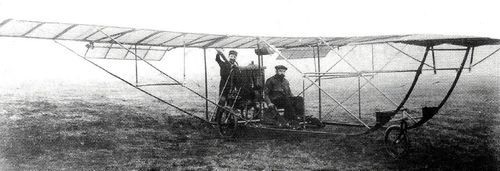
Pierre Eich, like a lot of craftsmen mechanics, was also attracted by the adventure of aviation. In 1909 he built a monoplane, a canard type with wings equipped with ailerons. The aircraft was fitted with a French Antoinette motor of 24 hp to which Eich has a propeller of his design attached. Ground tests were conducted at the plain of Saint-Denis-Westrem at Ghent and the first attempted flight took place on June 13, 1910. The aeroplane, piloted by one Albert Ville, the mechanic who had developed the Antoinette engine, left the ground to a height of several meters, then fell heavily. The aircraft sustained minor damage, the pilot remained unhurt. Retrying June 16, he met with the same result. Finally, on June 23, Ville managed to make several flights of 70 meters at a height of two to three meters. On August 9, Pierre Eich himself was in control, but feeling that the apparatus did not exhibit sufficiently stable behaviour, decided to end his experiments. Along with the young son of the inventor, a modified aircraft would reappear June 20, 1911, on the Farman plain at Ghent. There would be made a unique and last flight.