Fairchild F-11 Husky

First flown on 14 June 1946, this type had a large cabin, nine seat, big doors on both sides and a very useful ventral hatch to facilitate lengthy cargo such as building material, pipes, and so forth. Constructed entirely of metal, it could be fitted with floats, skis or wheels. With a gross weight of 6,400 lbs, the prototype was underpowered with its 450 bhp Pratt and Whitney R985.
On floats the F-11 weighed 4,200 lbs empty and grossed at 6,400 lbs. Its 54 ¬foot, 9 inch wing had an area of 355 square feet. It cruised at 105 knots and stalled at 51 (flaps 30). On wheels it was 9 knots faster.
Only 12 examples were built; the last in 1948. The Husky design was sold to HuskyAircraft Ltd. in 1955.
Husky Aircraft was formed in 1955 to reestablish a production line for the Fairchild F-11 Husky. Production models were offered in land or floatplane versions, designated F-11-2 Leonides Husky and F-11-3/4 Super Husky.

F 11 Husky
Engine; P & W Wasp Junior R-985 SB 3, 450 hp
Wing span: 16,70 m
Length: 11,40 m
Height: 5,41 m
Wing area; 32,98 sq.m
Empty weight: 1790/1905 kg
MAUW: 2903/2988 kg
Wing loading: 88 kg / sq.m
Power loading: 6,451 / 6,64 kg / hp
Max speed: 222 kph at 670 m
Cruise: 195/235 km / h
Rate of climb: 206/244 m /min
Stall: 93/92 kmh
Ceiling: 4300 / 4900 m
Range: 240 km / 1240 km (with opt. Fuel)
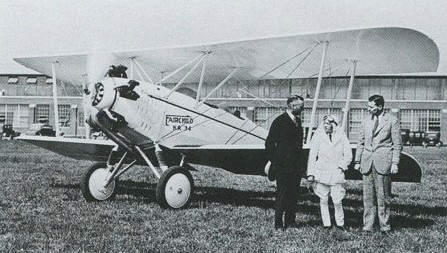
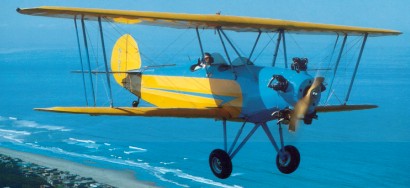
Fairchild KR-34

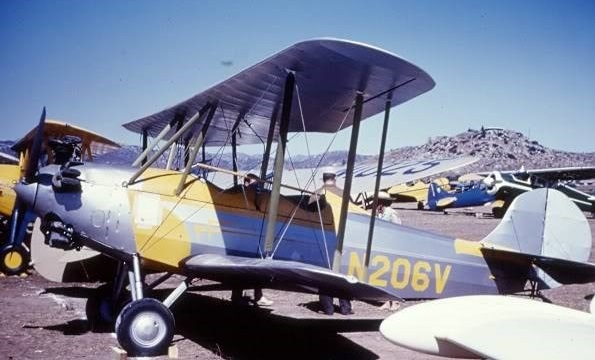
Previously the Kreider-Reisner C-4 Challenger of 1929. Construction was of welded steel tube.

Two were built, NC567K and NC11607A.

The KR-34B built in 1928 and early 1929 was a single engine, open cockpit, two-bay version carrying a pilot and two passengers, with a 130 hp Comet engine. Several examples were built.

One KR 34B2 was built, NC205E, in 1934. It uses a Continental A70 engine of 165 hp. NC205E was owned by David Carpenter in 2017.

KR-34A
Engine: Wright J-6 Whirlwind, 165 hp
Propeller: two-bladed fixed pitch
Wingspan:: 9,17 m
Length: 7,06 m
Height: 2,82 m
Wing area: 26,48 sq.m
Empty weight: 690 kg
MTOW: 1075 kg
Wing loading: 40,596 kg/sq.m
Power loading: 6,515 kg/hp
Max speed: 193 kmh
Cruise speed: 164 kmh
Ceiling: 4265 m
Range: 820 km.

KR-34B
Engine: Wright J-6 Whirlwind, 130 hp
Weight: 485 kg
Max speed: 193 km/h
Cruise: 164 km/h
Stall: 72 km/h
Ceiling: 5029 m
Range: 820 km
Seats: 3

KR-34B
Engine: Comet

KR 34B2
Engine: Continental A70, 165 hp

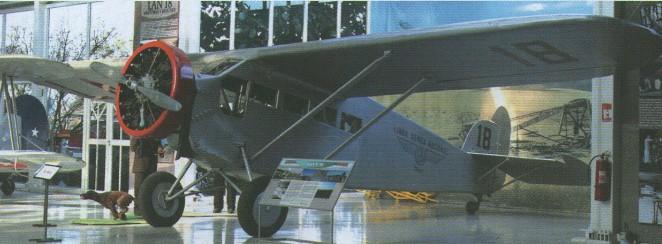
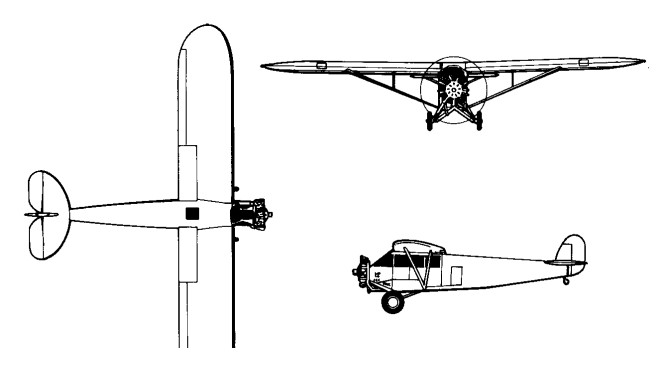
Fairchild 61 / Fairchild FC-1 / Fairchild FC-2            

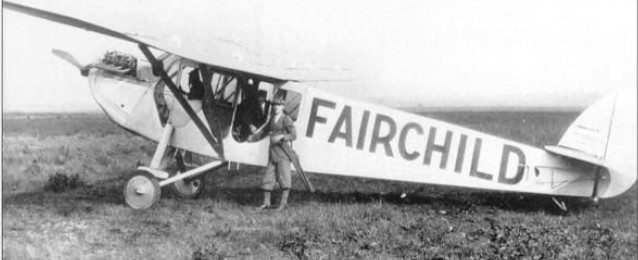
In the early 1920s Sherman Fairchild designed what he considered to be an ideal aircraft for aerial photography and survey. Tenders for construction of a number of these aircraft was prohibitive so Fairchild acquired premises at Farmingdale, Long Island, to build them ‘in house’. The FC-1 was built in Farmingdale, Long Island, New York, and towed 12 miles by truck to Rooservelt Field, where it first flew.

As first flown in mid-1926, the Fairchild FC-1 was of braced high-wing monoplane configuration, with a wing that could be folded for storage, a braced tail unit, tailskid landing gear and power provided by a 67kW Curtiss OX-5 8-cylinder Vee engine. The fuselage had an enclosed-cabin for a pilot and one or two passengers, and there were ample windows and ports for easy use of cameras.
The FC-1 received publicity in 1926’s Ford National Air Tour of the US, flying at an average speed of 90.3 mph. Richard H. Depew flew this first FC-1, carrying Corydon M. Johnson as a passenger. It finished 18th out of a field of 25 aircraft in a tour that began at Ford’s Dearborn Airport near Detroit, Michigan, and covrered 2585 miles.

After extensive testing during 1926, the FC-1 was re-engined with a 149kW Wright J-4 Whirlwind 9-cylinder radial engine, being redesignated FC-1A.

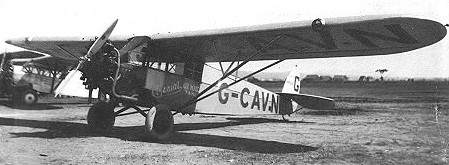
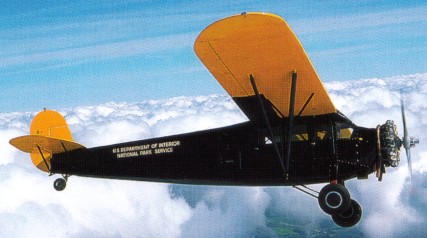
Further tests followed into 1927 and a decision was made to put the aircraft into production for general sales under the designation FC-2. This version differed by having increased cabin volume to seat a pilot plus four passengers, and a Wright J-5 Whirlwind engine (standard) or Curtiss C-6 engine (optional). FC-2s were also available with float or ski landing gear.
Fairchild created the six passenger FC-2W 2. One, the Stars and Stripes, was used by Richard Byrd in his 1928 Antarctic Expedition.

FC-2W-2

A total of 56 FC-2s were built over an eight-month period from 1 June 1927.

The FC-2C was the first aircraft to be equipped with brakes and hydraulically operated landing gear.

Fairchild 61 FC-2W

Gallery

FC-2
Engine; 1 x Wright J-5 Whirlwind 9-cylinder radial, 149kW / 225 h.p.
Take-off weight; 1633 kg / 3600 lb
Empty weight; 980 kg / 2161 lb
Wingspan; 13.41 m / 43 ft 12 in
Length; 9.45 m / 31 ft 0 in
Height; 2.74 m / 8 ft 12 in
Wing area; 26.94 sq.m / 289.98 sq ft
Max. Speed; 196 km/h / 122 mph
Cruise speed; 169 km/h / 105 mph
Ceiling; 3505 m / 11500 ft
Range; 1127 km / 700 miles

FC-1A
Engine: Wright J-4, 200 hp
Top speed: 120 mph

FC-2
Engine: Wright J-5

Fairchild II

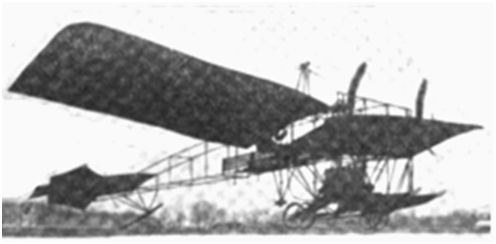
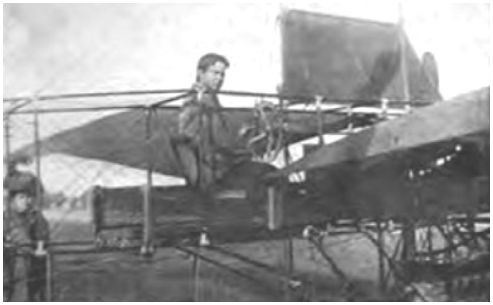
A mid-wing monoplane of mainly conventional configuration, entirely of steel construction and characterized by the vertical radiators on each side of the 100 hp six-cylinder two-stroke Emerson engine. It was the design of Walter L. Fairchild of Mineola and flew for the first time on May 11, 1911 with Auguste Denis as pilot.

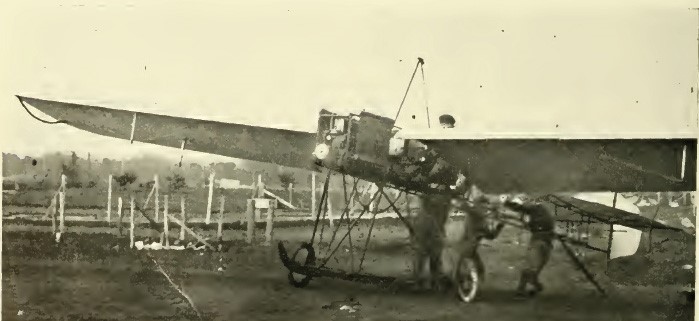
Fairchild 1910 monoplane

A monoplane built by Walter L. Fairchild with twin tractor propellers chain-driven by a six-cylinder 100-125 hp, two-cycle Emerson engine set on platform on undercarriage. The fuselage was built of steel tubing, lightness and strength achieved by careful use of different sizes and thicknesses of tubes, the strength of each part and portion calculated in detail. All the tubes of the frame where especial strength was thought advisable were stuffed with elm, giving them great strength. It was flown frequently, but crashed in February 1911.

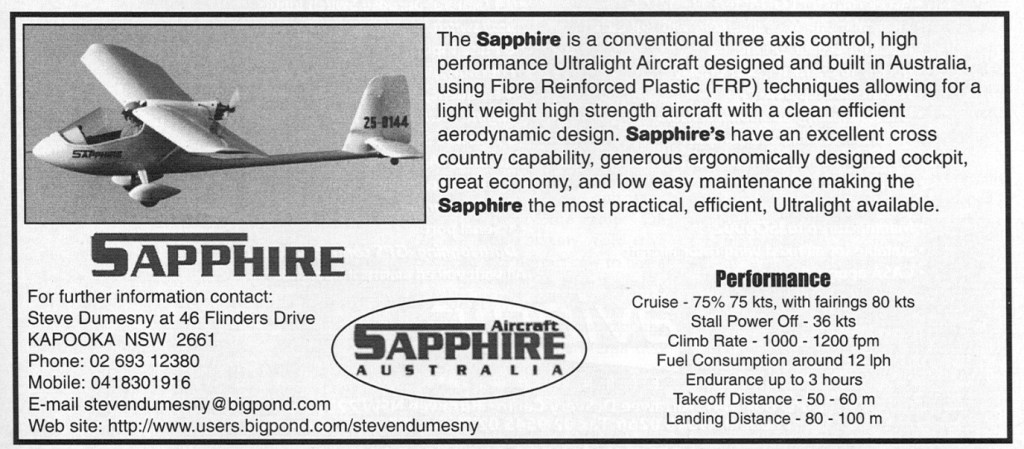
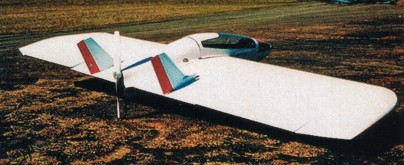
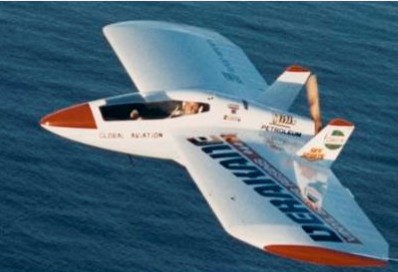
Facet Aircraft Sapphire / Sapphire Aircraft Sapphire

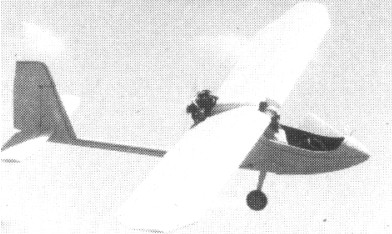
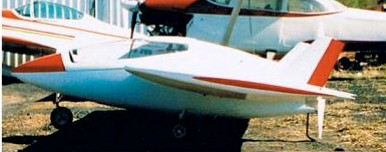
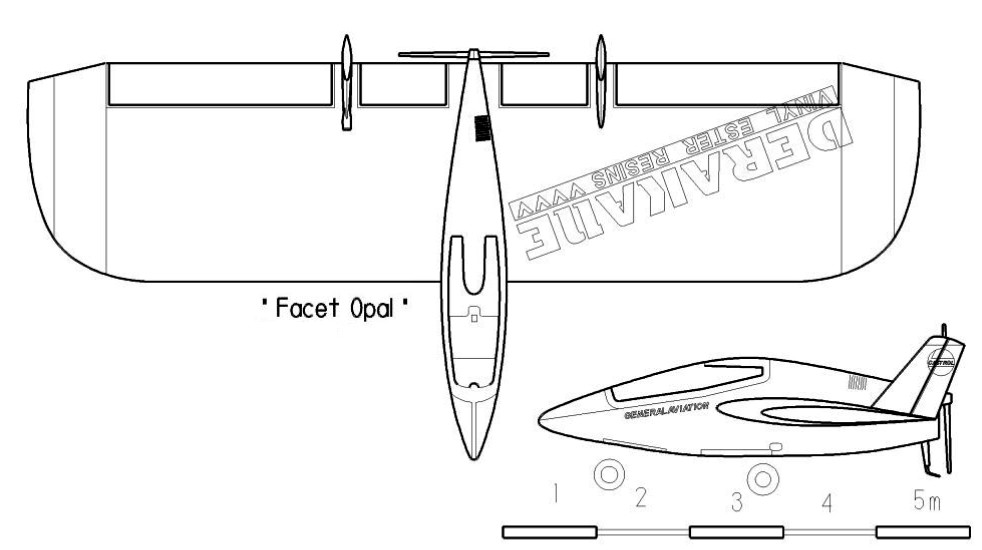
The Sapphire is designed as an efficient ultralight for use in a wide range of strip and weather conditions. Extensive testing over the last 2 years has resulted in only minor modifications having to be effected. The sleek glider like aircraft is constructed of fibreglass foam, aluminium and fabric wing and tail coverings. Cockpit is open but glider type fuselage and windscreen gives protection from the elements. Undercarriage is con¬ventional tail-dragger.
Designed in Australia by Scott Winton, of fibreglass and aluminium construction, the 95/10 has wing tanks, rather than previous fuselage tank, and fabric covered wings in place of fibreglass on the earlier, heavier models. All are three axis control.

March 1999

Gallery

Sapphire
Engine: Rotax 377, 35hp.
Wing span: 8.84m.
Length: 4.88m.
Empty wt: 141 kg.
MAUW: 249 kg.
Range: 306 km.
Fuel capacity: 24 ltr.
Econ cruise speed: 73 kts.
Stall: 29kts.

Sapphire 95/10
Engine: Rotax 447, 40 hp.
Stall: 32 mph.
Cruise: 80 mph.
Vne: 110 mph.
ROC: 1400 fpm.
Take-off dist: 120 ft.
Ldg dist: 300 ft.

Faccioli No. 2

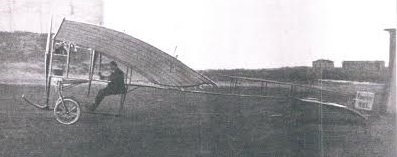
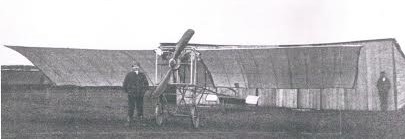
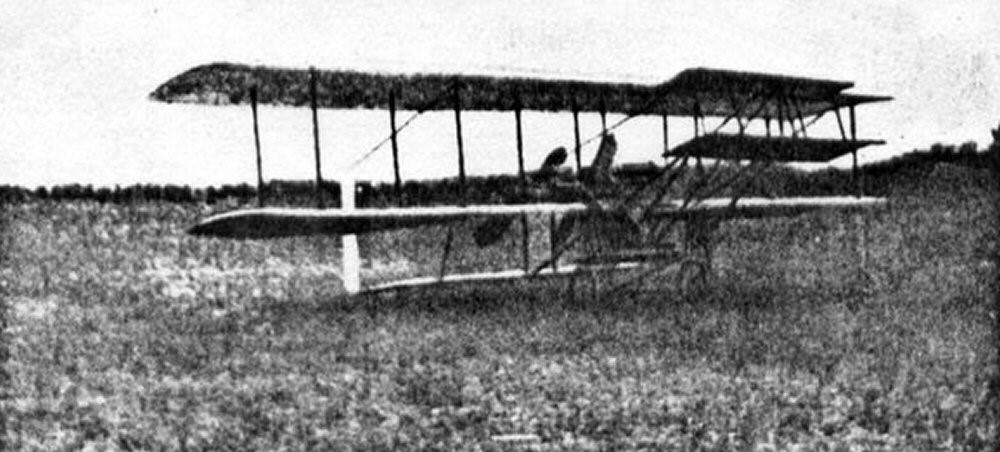
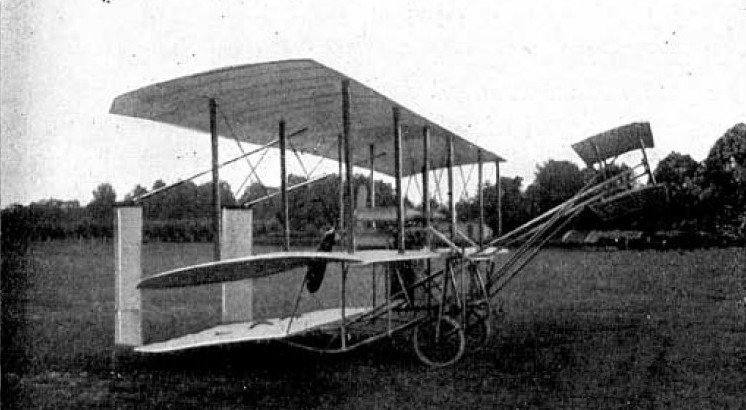
On the 13th of January 1909, the first all-Italian aircraft, a triplane designed and built by Aristide Faccioli, took off from a field near the Mirafiori horse racing track. It was powered by a 4-cylinder water-cooled 75 hp engine, designed by Faccioli and built by S.P.A. (Società Piemontese Automobili), driving two offset contra-rotating propellers. It crashed when the tail hit the ground. The machine was rebuilt in May 1909 with the same engine, a biplane wing cellule and a very short tail with a low-mounted horizontal stabilizer. It made a few hops on the parade gound at Venaria Reale, but crashed before the Brescia air show and thus could not be presented there.