
A full size replica of the Fokker D.VIII
Engine: Rotec 3600 Radial.
A full size replica of the Fokker D.VIII
Engine: Rotec 3600 Radial.
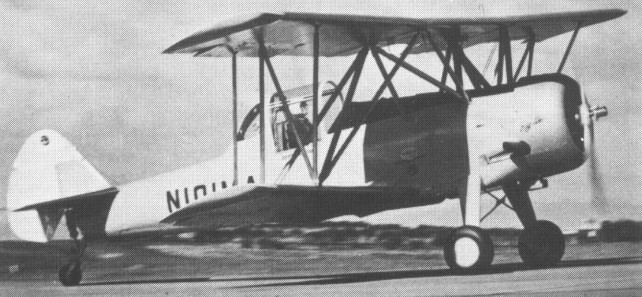
The Murrayair MA-1, a conversion of the Stearman Kaydet, was designed by the technical services section of Air New Zealand at Mangere during 1968 and 1969. The conversion of the Stearman involved the fitting of a 600 hp P & W R-l340 Wasp engine from a Harvard to double the aircraft’s payload to 30 cwt, and the redesigning of the entire centre fuselage using a New Zealand-made integral fibreglass hopper. With a capacity of 62 cu ft it is the largest in the ag aviation industry. Fuselage panels are also of moulded fibreglass and are quickly removable for maintenance. An enclosed cockpit was also fitted. The rear fuselage, tail unit and strengthened undercarriage were from the Stearman. The wooden and fabric wings were increased in area by 35 per cent, and the entire strut system was redesigned to eliminate the flying and landing wires, using steel lift struts to accommodate the increased gross weight (3,495 lbs to 6,250 lbs).
Work on the conversion of the Stearman began towards the end of 1968, and the first aircraft, N101MA, first flew from Mangere on July 27, 1969. The job was carried out for the Honolulu-based aviation service firm, Murrayair Ltd, which operated a fleet of modified Stearmans for spraying pineapple and sugar plantations in the Hawaiian Islands. By mid-1972 N101MA had flown 1,100 hours and production of five more pre-production aircraft, the MA-1, was begun. In 1974 the MA-1 was being produced at Harlingen in Texas by a subsidiary of Murrayair, Emair Ltd, at the rate of one aircraft per month, with completion of 2-3 air¬craft per month planned by the middle of that year.
The Emair MA-1, was offered with a 1,200 hp Wright R-1820 engine derated to 900 hp. The MA-1B, which began its flight tests from Harlingen, Texas, in August, also has a new slower turning propellor with larger diameter and broader blades.
MA-1
Engine: P&W R-1340, 600 hp
Seats: 1-2
Wing loading: 15.7 lb/sq.ft
Pwr loading: 11.7 lb/hp
Max TO wt: 7000 lb
Empty wt: 3550 lb
Equipped useful load: 3398 lb
Payload max fuel: 2750 lb
Hopper cap: 450 USG / 30 cwt / 62 cu.ft
75% cruise: 95 kt
Working speed: 90 kt
Working endurance: 2.9 hr
Stall: 56 kt
Fuel cap: 648 lb
MA-1B
Engine: Wright R-1820, 900 hp
Seats: 1-2
Wing loading: 15.7 lb/sq.ft
Pwr loading: 8.9 lb/hp
Max TO wt: 8000 lb
Empty wt: 4300 lb
Equipped useful load: 3648 lb
Payload max fuel: 3000 lb
Hopper cap: 450 USG
75% cruise: 115 kt
Working speed: 105 kt
Working endurance: 2.3 hr
Stall: 63 kt
ROC: 1750 fpm
Min field length: 1600 ft
Fuel cap: 648 lb
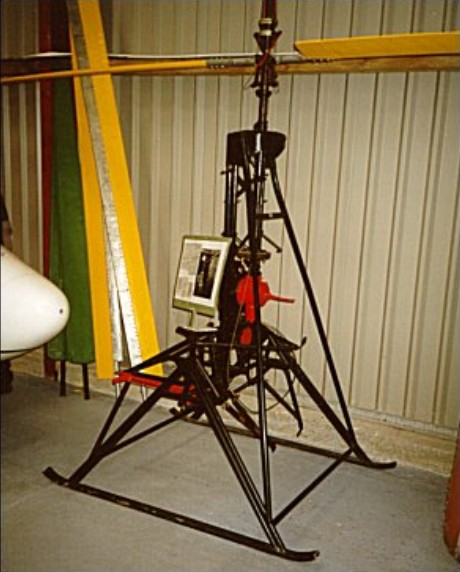
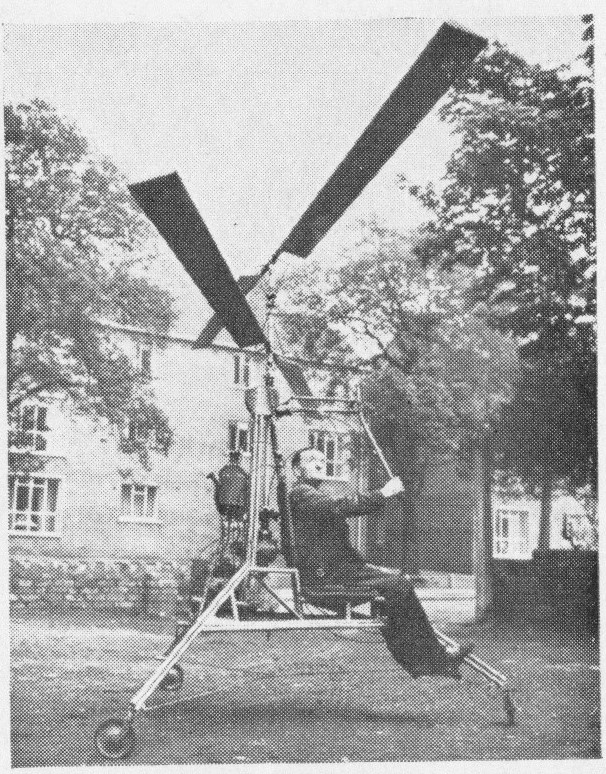
Built in 1954 at Salford, Manchester by Mr. John Murray, a motor mechanic from Salford, who started designing and building this single seat helicopter in 1951 in his spare time. He utilised the equipment available to him in his garage and spent three years and over £1000 building what was designated the M-1. It was ready to start testing in May 1954 powered by a JAP J-99 piston engine. In 1995 the Murray M-1 was donated to the Helicopter Museum but is missing the engine and many other original components.
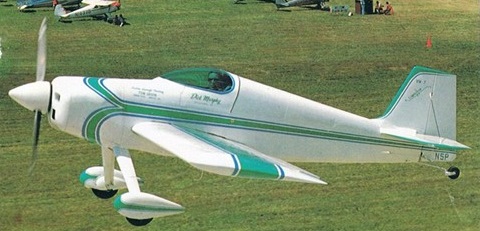
“Richard L. “Dick” Murphy of Doylestown, Pennsylvania, USA, was a Captain with American Airlines and had 23 years of military and civil flying and engineering experience when he designed and built this single-seat Unlimited class aerobatic aircraft. Murphy had previously constructed a Van’s RV-3, which was flown competitively during 1976, also registered N5P. The VM-7 Competitor owed much to this aircraft and to ideas and suggestions from other designers and pilots, including Bud Judy, Leo Loudenslager, Ed Mahler and Nick d’Apuzzo.
Cantilever mid-wing monoplane. Wing section NACA 23015. Constant chord. Light alloy structure, comprising a laminated main spar, passing through fuselage under pilot’s knees, and twenty hydroformed ribs, covered with light alloy skin panels, bonded and pop-riveted in place. Symmetrical, balanced and sealed ailerons.
Light-alloy semi-monocoque fuselage structure, mostly bonded but with some pop rivets.
The tail unit is a cantilever light alloy structure. Fin integral with rear fuselage. Trim tab in port elevator. Non-retractable tailwheel type landing gear. Wittman type cantilever spring steel main legs. Main-wheel tires size 5.00-5. Cleveland brakes. Streamline fairings over main wheels. Steerable tailwheel.
A 200 hp Avco Lycoming O-360 flat-four engine, driving a Hartzell two-blade constant-speed propeller, with spinner. Engine fitted with IO-360 sump, manifold and fuel injector. Main and auxiliary fuel tanks in forward fuselage; total capacity 17 gal (64.4 l). Second auxiliary tank optional. Oil capacity 2 gal (7.6 l).
Single seat, inclined at about 15°, under forward-sliding canopy.
Design objectives for the VM-7 were that it should be easy to construct, should cost under $10,000, and should have good performance. Without the engine and propeller, it cost $6,000 and took 2,000 working hours to build. Plans would be made available to amateur builders when the aircraft had proved its capability in competitive aerobatics.
The prototype flew for the first time in March 1978 and according the FAA received a CofA a year later, March 28, 1979. Reportedly the aircraft was destroyed by fire during December 1979, however, on December 4, 1979 the aircraft was reregistered to Bishop Aviation, Inc of N. Richland Hills, Texas. Reportedly Murphy began construction of a second example, with the intention of having it completed it time to compete in the 1980 World aerobatic contest, however, there is no information a second example was ever completed. The registration N5P expired and was cancelled on October 14, 2014.”
Engine: Avco Lycoming O-360, 200 hp
Propeller: Hartzell two-blade constant-speed
Span: 19 ft 6 in (5.94 m)
Length: 19 ft 9 in (6.02 m)
Wing chord, constant: 4 ft 6 in (1.37 m)
Propeller diameter: 6 ft 4 in (1.93 m)
Empty weight: 797 lb (361.5 kg)
Max takeoff weight: 1,250 lb (567 kg)
g limits: + 14/-14 Never exceed speed: 215 mph (346 kmh)
Max level speed: 200 mph (322 kmh) at sea level
Max cruise speed: 175 mph (282 kmh)
Econ cruise speed: 150 mph (241 kmh)
Stall speed: 50 mph (80 kmh)
Climb: 3,000 ft (915 m)/min
Takeoff run: 150 ft (46 m)
Takeoff to 50 ft (15 m): 250 ft (76 m)
Landing run from 50 ft (15 m): 1,200 ft (366 m)
Service ceiling, estimated: 18,000 ft (5,485 m)
Range: 250 mls (402 km)
Richard L. “Dick” Murphy of Doylestown, Pennsylvania, USA, was a Captain with American Airlines and had 23 years of military and civil flying and engineering experience when he designed and built the VM-7 single-seat Unlimited class aerobatic aircraft. Murphy had previously constructed a Van’s RV-3, which was flown competitively during 1976, also registered N5P.
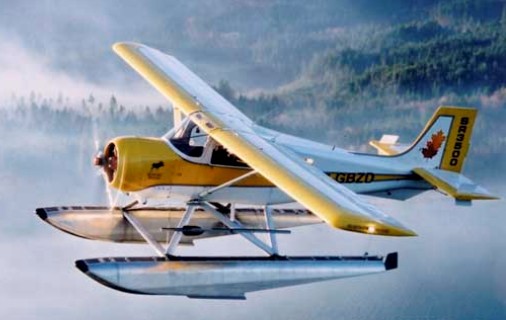
The Murphy SR3500 Moose is a STOL aircraft capable of operating from wheels, floats or skis. Featuring all metal construction, the pre-formed and pre-punched parts suit the first time builder.
The empty weight of the SR 3500 was increased 2% over the SR 2500 Super Rebel to prepare it structurally for more powerful engines, speed increase, and a 17% payload increase. Most of the changes are to the outside of the structure, including doublers added to the wing and horizontal stabiliser roots. A stronger set of rudder and elevator horns and the undercarriage has been strengthened. The structure was stactically loaded to 8400 lb on each wing (5.3G) and the torsional load tests were equivalent to a 220 mph dive with a 4 G pull-up with full aileron deflection.
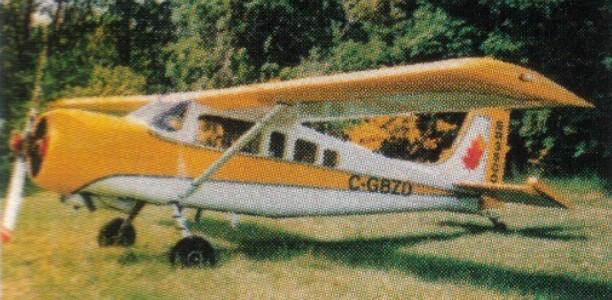
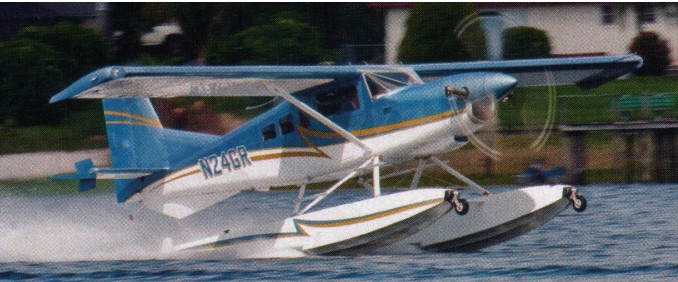
When powered by a 360 hp Russian radial, a gearbox allows the engine to run at 2950 rpm while the propeller turns at 1940 rpm. Typically producing 390 hp, the prop diameter is 98 in.
Murphy Moose
Engine: Lycoming O-540, 250 hp
Power Loading: 14.0 lb./hp
Gross weight: 3500 lb
Empty weight: 1650 – 1800 lb
G-loading (normal): +5.7 -3.8
Power range: 250 – 360 hp
Wing span: 36′
Length: 23′
Fuselage width: 44″
Wing chord: 60″
Tail span: 130″
Tail chord: 33.5″
Airfoil: 4415 (Modified)
Flap area: 22.5 sq. ft
Flap reflex: 5
Flap droop: 40
Aileron area: 25.5 sq. ft
Aileron reflex: 5
Aileron up deflection: 20
Aileron down deflection: 12
Useful Load: 1750-1850 lb
Wing Area: 182 sq.ft
Wing Loading: 19.2 lb./sqft
Rate of Climb: 950 ft/min
Take Off Run: 800 ft
Landing Roll: 600 ft
Stall (no flap) Power off: 64 mph
Stall (full flap) Power off: 58 mph
Cruise (70% Power): 143 mph
Vne: 189 mph
Top Speed: 155 mph
Fuel Burn: 14.1 USG/hr
Fuel Capacity: 60 USG
Endurance: 4.3 hr
Range: 610 statute miles
Murphy Moose
Engine: M-14P, 360 hp
TBO: 1500 hr
Gross weight: 3500 lb
Empty weight: 1650 – 1800 lb
G-loading (normal): +5.7 -3.8
Power range: 250 – 360 hp
Wing span: 36′
Length: 23′
Fuselage width: 44″
Wing chord: 60″
Tail span: 130″
Tail chord: 33.5″
Airfoil: 4415 (Modified)
Flap area: 22.5 sq. ft
Flap reflex: 5
Flap droop: 40
Aileron area: 25.5 sq. ft
Aileron reflex: 5
Aileron up deflection: 20
Aileron down deflection: 12
Power Loading: 9.7 lb./hp
Useful Load: 1800-1600 lb
Wing Area: 182 sq.ft
Wing Loading: 19.2 lb./sqft
Rate of Climb: 1500 ft/min
Take Off Run: 600 ft
Landing Roll: 600 ft
Stall (no flap) Power off: 64 mph
Stall (full flap) Power off: 58 mph
Cruise (70% Power): 150 mph
Vne: 189 mph
Top Speed: 175 mph
Fuel Burn: 15 USG/hr
Fuel Capacity: 80 USG
Endurance: 5.3 hr
Range: 795 statute miles
Turbine Moose
Engine: Pratt & Whitney PT6A-20
Wingspan: 37 ft 6 in
Wing loading: 22.2 lb/sq.ft
Fuel cap: 160 USG
Max Gross Wt: 4000 lb
Empty wt: 2795 lb
Useful load: 1205 lb
Seats: 4
Cabin width: 46 in
Baggage cap: 250 lb
Max ROC: 2000+ fpm
Stall clean: 65 mph / 56 kt IAS
Stall ldg config: 62 mph / 54 kt IAS
Cruise: 180 mph / 157 kt @ 8000 ft @ 60% pwr
Fuel burn at cruise: 34 USG/hr
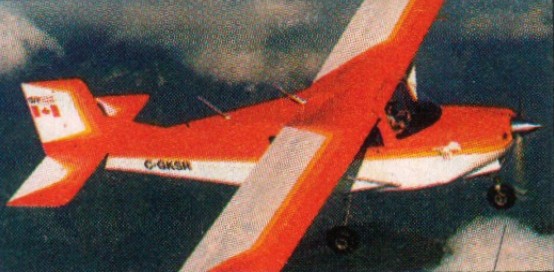
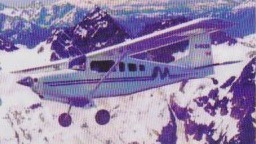
Designed by Daryl Murphy, the ‘Super Rebel’ 2500 is a four seat STOL aircraft.
The SR 2500TD is the tail wheel version.
SR 2500
Top speed: 160 mph
Cruise: 145 mph
Stall: 48 mph
Range: 619 sm
Rate of climb: 1100 fpm
Takeoff dist: 600 ft
Landing dist: 500 ft
Service ceiling: 15,000 ft
Engine: Lycoming O-540, 250 hp
HP range: 180-250
Fuel capacity: 60 USG
Empty weight: 1700 lb
Gross weight: 3000 lb
Length: 27.8 ft
Wing span: 36.3 ft
Wing area: 182 sq.ft
Seats: 4
Landing gear: nose wheel
SR-2500 TD
Engine: Lycoming O-540, 250 hp
HP range: 180-250
Length: 27.8 ft
Wing span: 36.3 ft
Wing area: 182 sq.ft
Empty weight: 1600 lb
Gross weight: 3000 lb
Cruise: 155 mph
Stall: 46 mph
Range: 619 sm
Rate of climb: 1100 fpm
Takeoff dist: 600 ft
Landing dist: 500 ft
Service ceiling: 15,000 ft
Seats: 4
Landing gear: tailwheel
Engine: Lycoming
Wing span: 10.97 m
Wing area: 16.74 sq.m
MAUW: 1360 kg
Empty weight: 657 kg
Fuel capacity: 277 lt
Max speed: 257 kph
Cruise speed: 233 kph
Minimum speed: 65 kph
Climb rate: 5 m/s
Seats: 4
Kit price (1998): $21,695
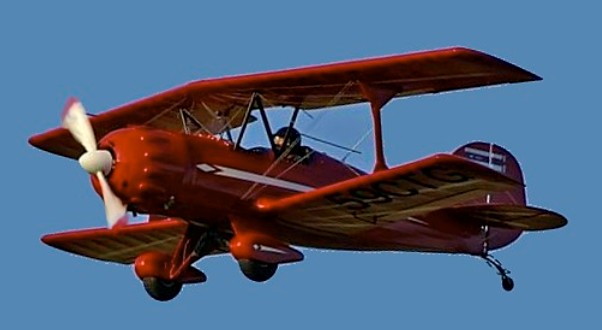
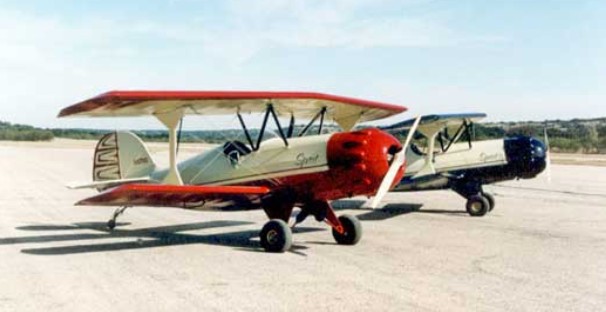
Designed by Daryl Murphy, the Renegade Spirit can be purchased in a quick build kit form. Weights for the Renegade Spirit run 420 to 520 pounds. Forward of the Spirit firewall there can be a Rotax 582 (65 hp.), or if you prefer four cycle, a Rotax 912 (80-100 hp.). The Spirit also features the nostalgic look of the rounded bump cowling that made antique aircraft like the Monocoupe famous. Depending on where you live, the Renegade might qualify for ultralight aircraft status.
To further support the integrity of the Renegade design, a complete structural analysis has been performed by Mr. Richard Hiscocks, a former Chief Engineer of DeHavilland Aircraft of Canada. This analysis has been provided to numerous foreign regulatory agencies to facilitate acceptance of the design in countries including Japan, England and Germany, to name a few.
The Design has been analyzed to the following Codes:
Airworthiness Standards, Chapter 522 Subchapter C – Structures Gliders and Powered Gliders issued by Transport Canada, Jan. 1986
The Renegade conforms to Canadian Advanced Ultralight Regulation TP 101.41.
European Joint Airworthiness Standards JAR 22 Subpart C – Structure
British Civil Airworthiness Requirements Section S, Small Light Aeroplanes (CAP 482) draft, 1983
FAA – CFR – Part 23 Airworthiness Standards, Normal, Utility & Acrobatic Category Airplanes Subpart C-Structure, Jan. 1982
The design described by the basic Drawing List is eligible for certification in the:
Utility category at a Gross Weight of 850 lb.to all the above Standards
Acrobatic category at a Gross Weight of 700 lb. to Part 23 (9g) Standards
With the Drawing List amended to Dec. 1988 the Design is eligible for approval in the: Acrobatic category of JAR 22/522 (10.5)
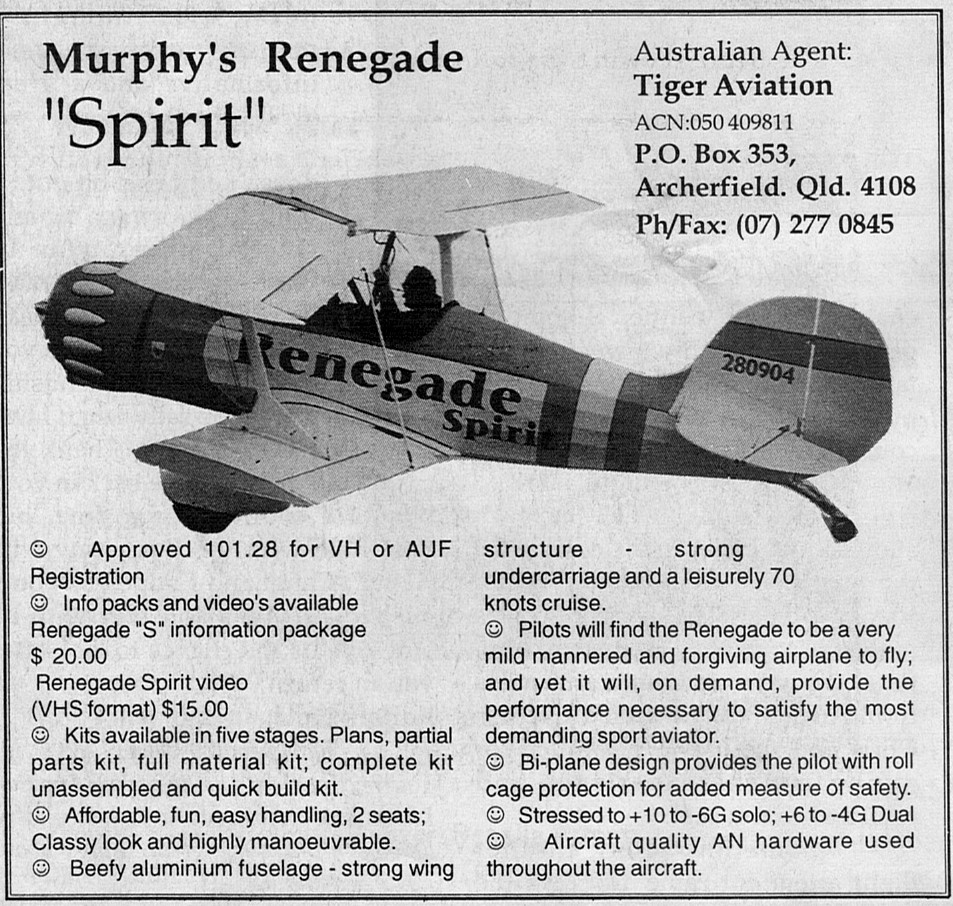
Murphy Renegade Solo
Engine: Rotax 503, 53 hp
Power range: 65 – 100 HP
Wing span (top): 21′ 3 “
Wing span (bottom): 19′ 10 “
Length: 18′ 5 “
Fuselage width: 26″
Wing chord: 46″
Tail span: 86″
Airfoil: 23012 (Semi-Sym)
G-loading @ 750 lb gross: +10 -6
G-loading @ 950 lb gross: +7.9 -4.7
Gross Weight: 850 lb
Empty Weight: 375-425 lb
Useful Load: 425-475 lb
Wing Area: 153.8 sq. ft
Power Loading: 14.1 lb./hp
Rate of Climb: 700 ft/min
Take Off Run: 150 ft
Landing Roll: 200 ft
Stall Speed: 31 kt / 36 mph / 58 kmh
Vne: 104 kt / 120 mph / 193 kmh
Top Speed: 85 mph
Cruise @ 75%: 70 mph
Fuel Capacity: 14 USG
Fuel Burn @ 75%: 4 USG/hr
Range @ 75%: 245 sm
Murphy Renegade Dual
Engine: Rotax 503, 53 hp
Power range: 65 – 100 HP
Wing span (top): 21′ 3 “
Wing span (bottom): 19′ 10 “
Length: 18′ 5 “
Fuselage width: 26″
Wing chord: 46″
Tail span: 86″
Airfoil: 23012 (Semi-Sym)
G-loading @ 750 lb gross: +10 -6
G-loading @ 950 lb gross: +7.9 -4.7
Gross Weight: 850 lb
Empty Weight: 375-425 lb
Useful Load: 425-475 lb
Wing Area: 153.8 sq. ft
Power Loading: 16 lb./hp
Rate of Climb: 500 ft/min
Take Off Run: 300 ft
Landing Roll: 300 ft
Stall Speed: 38 mph
Vne: 104 kt / 120 mph / 193 kmh
Top Speed: 80 mph
Cruise @ 75%: 65 mph
Fuel Capacity: 14 USG
Fuel Burn @ 75%: 4 USG/hr
Range @ 75%: 227 sm
Murphy Renegade Solo
Engine: Rotax 582, 65 hp
Power range: 65 – 100 HP
Wing span (top): 21′ 3 “
Wing span (bottom): 19′ 10 “
Length: 18′ 5 “
Fuselage width: 26″
Wing chord: 46″
Tail span: 86″
Airfoil: 23012 (Semi-Sym)
G-loading @ 750 lb gross: +10 -6
G-loading @ 950 lb gross: +7.9 -4.7
Gross Weight: 950 lb
Empty Weight: 420-500 lb
Useful Load: 450-530 lb
Wing Area: 153.8 sq. ft
Power Loading: 11.5 lb./hp
Rate of Climb: 900 ft/min
Take Off Run: 100 ft
Landing Roll: 200 ft
Stall Speed: 31 kt / 36 mph / 58 kmh
Vne: 104 kt / 120 mph / 193 kmh
Top Speed: 95 mph
Cruise @ 75%: 75 mph
Fuel Capacity: 14 USG
Fuel Burn @ 75%: 4.5 USG/hr
Range @ 75%: 247 sm
Murphy Renegade Dual
Engine: Rotax 582, 65 hp
Power range: 65 – 100 HP
Wing span (top): 21′ 3 “
Wing span (bottom): 19′ 10 “
Length: 18′ 5 “
Fuselage width: 26″
Wing chord: 46″
Tail span: 86″
Airfoil: 23012 (Semi-Sym)
G-loading @ 750 lb gross: +10 -6
G-loading @ 950 lb gross: +7.9 -4.7
Gross Weight: 950 lb
Empty Weight: 420-500 lb
Useful Load: 450-530 lb
Wing Area: 153.8 sq. ft
Power Loading: 14.6 lb./hp
Rate of Climb: 500 ft/min
Take Off Run: 350 ft
Landing Roll: 350 ft
Stall Speed: 40 mph
Vne: 104 kt / 120 mph / 193 kmh
Top Speed: 90 mph
Cruise @ 75%: 72 mph
Fuel Capacity: 14 USG
Fuel Burn @ 75%: 4.5 USG/hr
Range @ 75%: 237 sm
Murphy Renegade Solo
Engine: Rotax 912, 80 hp
Power range: 65 – 100 HP
Wing span (top): 21′ 3 “
Wing span (bottom): 19′ 10 “
Length: 18′ 5 “
Fuselage width: 26″
Wing chord: 46″
Tail span: 86″
Airfoil: 23012 (Semi-Sym)
G-loading @ 750 lb gross: +10 -6
G-loading @ 950 lb gross: +7.9 -4.7
Gross Weight: 950 lb
Empty Weight: 460-520 lb
Useful Load: 430-490 lb
Wing Area: 153.8 sq. ft
Power Loading: 9.4 lb./hp
Rate of Climb: 900 ft/min
Take Off Run: 100 ft
Landing Roll: 250 ft
Stall Speed: 31 kt / 36 mph / 58 kmh
Vne: 104 kt / 120 mph / 193 kmh
Top Speed: 105 mph
Cruise @ 75%: 85 mph
Fuel Capacity: 14 USG
Fuel Burn @ 75%: 4 USG/hr
Range @ 75%: 298 sm
Murphy Renegade Dual
Engine: Rotax 912, 80 hp
Power range: 65 – 100 HP
Wing span (top): 21′ 3 “
Wing span (bottom): 19′ 10 “
Length: 18′ 5 “
Fuselage width: 26″
Wing chord: 46″
Tail span: 86″
Airfoil: 23012 (Semi-Sym)
G-loading @ 750 lb gross: +10 -6
G-loading @ 950 lb gross: +7.9 -4.7
Gross Weight: 950 lb
Empty Weight: 460-520 lb
Useful Load: 430-490 lb
Wing Area: 153.8 sq. ft
Power Loading: 11.8 lb./hp
Rate of Climb: 600 ft/min
Take Off Run: 300 ft
Landing Roll: 350 ft
Stall Speed: 40 mph
Vne: 104 kt / 120 mph / 193 kmh
Top Speed: 100 mph
Cruise @ 75%: 80 mph
Fuel Capacity: 14 USG
Fuel Burn @ 75%: 4 USG/hr
Range @ 75%: 280 sm
Renegade II
Speed max: 85 mph
Cruise: 70 mph
Range: 245 sm
Stall: 36 mph
ROC: 700 fpm
Take-off dist: 150 ft
Landing dist: 200 ft
Service ceiling: 10,000 ft
Engine: Rotax 503, 53 hp
Fuel cap: 14 USG
Weight empty: 375 lbs
Gross: 850 lbs
Height: 6.42 ft
Length: 18.42 ft
Wing span: 21.3 ft
Wing area: 153.8 sq.ft
Seats: 2
Landing gear: tail wheel
Renegade Spirit
Speed max: 105 mph
Cruise: 75 kts
Range: 298 sm
Stall: 36 mph
ROC: 900 fpm
Take-off dist: 100 ft
Landing dist: 250 ft
Service ceiling: 10,000 ft
Engine: Rotax 912, 80 hp
HP range: 53-80
Fuel cap: 14 USG
Weight empty: 420 lbs
Gross: 950 lbs
Height: 6.42 ft
Length: 18.42 ft
Wing span: 21.3 ft
Wing area: 153.8 sq.ft
Seats: 2
Landing gear: tail wheel
Loading: Solo, +10/-6g, Dual, +6/-4g
Cockpit width: 22 in
Murphy Renegade Spirit
Engine: Rotax 912, 80 hp
Wing span: 6.48 m
Wing area: 14.30 sq.m
MAUW: 430 kg
Empty weight: 190 kg
Fuel capacity: 53 lt
Max speed: 193 kph
Cruise speed: 145 kph
Minimum speed: 64 kph
Climb rate: 5 m/s
Certification: VZ, PFA
Seats: 2
Fuel consumption: 14 lt/hr
Price (1998): $16,865
Kit price (1998): 91 500 Fttc
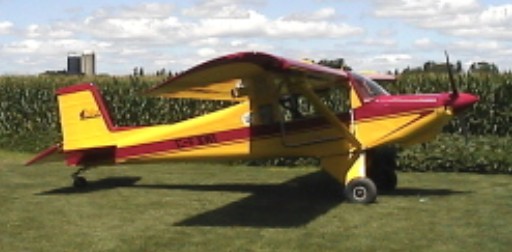
Designed by Daryl Murphy, the Murphy Rebel is an all-metal, 3 seat, high wing aircraft constructed using semi-monocoupe construction techniques. Built for strength and longevity, the Rebel is designed to endure tough bush plane-like conditions with low maintenance costs. The Rebel was designed to accommodate a variety of powerplants including the Rotax 912, Lycoming O-235 and Lycoming O-320. The Rebel is easily stored or trailered due to its removable wings and folding tailfeathers. The cabin is a comfortable 44″ wide and provides a large wrap around instrument panel, skylights, and large doors. Pre-formed and pre-aligned punched holes make eliminate the need for jigs & special tools, making the Rebel a simple aircraft to build. The Rebel is at home on floats and skis as on standard wheels.
The structure of the Murphy Rebel has been designed to meet the airworthiness standards of the U.S.A. FAR Part 23, Subpart C, the U.K. BCAR Section S. and the Canadian TP10141E. Depending on the gross weight and power selected, it will comply with the acceleration factors and airspeeds specified for the normal, utility or aerobatic categories of Part 23.
In general, the structure is conventional and compliance with these standards has been demonstrated by detailed analysis using well established methods. In many areas of the primary structure the strength is set by the minimum gauges of available material and the margins of safety are very large. A major portion of the wing structure is redundant and a full scale component has been tested to support the analysis.
The maximum design loads on the horizontal tail result from a combination of Balancing and Gust loads at V (D) on the flight envelope. In addition to the analysis, this structure has been tested to ultimate loads.
The fuselage is a rugged metal box for “crash-worthiness”, stiffened with a substantial main frame to support the undercarriage and provide a carry-through structure for the wing reactions. Engine mounting pick-up points have been designed for a range of engines up to 160 HP. Provision has been made for up to three seat and harness attachments that will accept load factors in excess of 9 G. The fuselage strength has been verified by static tests.
Since the structure is governed to a major extent by minimum gauges of stiffness (EI) considerations, high strength alloys with debatable characteristics from the standpoint of corrosion and fatigue are not required. Most of the preliminary structure is comprised of flat skins or formed parts using 6061-T6 alloy. Margins of safety on joints are large and “fail safe” provisions have been made in many instances.
The original Rebel design was a delightful Light Sport Aircraft, almost 20 years ago, well before the LSA category was introduced. The Rebel Sport meets LSA requirements.
The Rebel Sport is a two seat STOL aircraft capable of operating from wheels, floats, or skis, featuring all metal construction.

The two-place Elite is a Rebel, originally redesigned for the use of tricycle gear. It was then usually ordered with conventional gear, for grass field operations. The redesign required a strengthened, heavier fuselage to handle the gear loads. Other design features include a new cantilevered stabilizer, one-piece elevator, all-metal control surfaces, split flaps, and heavier, beefed-up wing attach points and leading edges. All of these changes give the Elite an 1800-lb. gross weight and the ability to accommodate engines up to 180 hp.
Engine: Rotax / Lycoming
Wing span: 9.14 m
Wing area: 13.8 sq.m
MAUW: 748 kg
Empty weight: 397 kg
Fuel capacity: 164 lt
Max speed: 225 kph
Cruise speed: 193 kph
Minimum speed: 64 kph
Climb rate: 6 m/s
Seats: 3
Kit price (1998): $17,985
Homebuilt / Experimental
Engine: Lyc O-320, 160 hp
Gross weight: 1650 lb
Empty weight: 800-950 lb
G-loading (normal): +5.7 -3.8
Power range: 80-160 HP
Wing span: 30′ 0″
Length: 21′ 4″
Fuselage width: 44″
Wing chord: 60″
Airfoil: 4415 (modified)
Power Loading: 10.3 lb./hp
Gross Weight: 1650 lb
Empty Weight: 950 lb
Useful Load: 700 lb
Wing Area: 150 sq. ft
Wing Loading: 11.0 lb./sq. ft
Rate of Climb @ Gross: 1200 ft/min
Climb Speed: 65 mph
Take Off Run: 300 ft
Landing Roll: 400 ft
50′ Obstacle Clearance: 533 ft
Stall (No Flap) Power Off: 44 mph
Stall (FULL FLAP) Power On: 40 mph
Cruise (65% POWER): 120 mph
Vne: 151 mph
Top Speed: 140 mph
Fuel Burn: 7 USgal/hr
Fuel Capacity: 44 US gal
Range: 6.1 hr
Range: 733 sm
G Limit (Ultimate): +5.7 -3.8
Canadian
Engine: Lyc O-235, 116 hp
Gross weight: 1650 lb
Empty weight: 800-950 lb
G-loading (normal): +5.7 -3.8
Power range: 80-160 HP
Wing span: 30′ 0″
Length: 21′ 4″
Fuselage width: 44″
Wing chord: 60″
Airfoil: 4415 (modified)
Power Loading: 14.2 lb./hp
Gross Weight: 1650 lb
Empty Weight: 900 lb
Useful Load: 750 lb
Wing Area: 150 sq. ft
Wing Loading: 11.0 lb./sq. ft
Rate of Climb @ Gross: 800 ft/min
Climb Speed: 65 mph
Take Off Run: 400 ft
Landing Roll: 400 ft
50′ Obstacle Clearance: 754 ft
Stall (No Flap) Power Off: 44 mph
Stall (FULL FLAP) Power On: 40 mph
Cruise (65% POWER): 105 mph
Vne: 151 mph
Top Speed: 125 mph
Fuel Burn: 6 USgal/hr
Fuel Capacity: 44 US gal
Range: 7.6 hr
Range: 797 sm
G Limit (Ultimate): +5.7 -3.8
Ultralight
Engine: Rotax 912, 80 hp
Gross weight: 1650 lb
Empty weight: 800-950 lb
G-loading (normal): +5.7 -3.8
Power range: 80-160 HP
Wing span: 30′ 0″
Length: 21′ 4″
Fuselage width: 44″
Wing chord: 60″
Airfoil: 4415 (modified)
Power Loading: 18.1 lb./hp
Gross Weight: 1450 lb
Empty Weight: 700 lb
Useful Load: 750 lb
Wing Area: 150 sq. ft
Wing Loading: 9.7 lb./sq. ft
Rate of Climb @ Gross: 500 ft/min
Climb Speed: 60 mph
Take Off Run: 450 ft
Landing Roll: 300 ft
50′ Obstacle Clearance: 976 ft
Stall (No Flap) Power Off: 40 mph
Stall (FULL FLAP) Power On: 36 mph
Cruise (65% POWER): 100 mph
Vne: 143 mph
Top Speed: 100 mph
Fuel Burn: 4 USgal/hr
Fuel Capacity: 44 US gal
Range: 11.0 hr
Range: 880 sm
G Limit (Ultimate): +5.7 -3.8
U.S.
Engine: Rotax 912, 80 hp
Gross weight: 1650 lb
Empty weight: 800-950 lb
G-loading (normal): +5.7 -3.8
Power range: 80-160 HP
Wing span: 30′ 0″
Length: 21′ 4″
Fuselage width: 44″
Wing chord: 60″
Airfoil: 4415 (modified)
Power Loading: 15.4 lb./hp
Gross Weight: 1232 lb
Empty Weight: 625 lb
Useful Load: 607 lb
Wing Area: 150 sq. ft
Wing Loading: 7.0 lb./sq. ft
Rate of Climb @ Gross: 800 ft/min
Climb Speed: 60 mph
Take Off Run: 300 ft
Landing Roll: 200 ft
50′ Obstacle Clearance: 626 ft
Stall (No Flap) Power Off: 38 mph
Stall (FULL FLAP) Power On: 35 mph
Cruise (65% POWER): 85 mph
Vne: 143 mph
Top Speed: 105 mph
Fuel Burn: 4 USgal/hr
Fuel Capacity: 22 US gal
Range: 5.5 hr
Range: 468 sm
G Limit (Ultimate): +5.7 -3.8
Sport Pilot
Engine: Rotax 912, 80 hp
Gross weight: 1650 lb
Empty weight: 800-950 lb
G-loading (normal): +5.7 -3.8
Power range: 80-160 HP
Wing span: 30′ 0″
Length: 21′ 4″
Fuselage width: 44″
Wing chord: 60″
Airfoil: 4415 (modified)
Power Loading: 16.88 lb./hp
Gross Weight: 1320 lb
Empty Weight: 700 lb
Useful Load: 650 lb
Wing Area: 150 sq. ft
Wing Loading: 9 lb./sq. ft
Rate of Climb @ Gross: 550 ft/min
Climb Speed: 60 mph
Take Off Run: 450 ft
Landing Roll: 300 ft
50′ Obstacle Clearance: 976 ft
Stall (No Flap) Power Off: 40 mph
Stall (FULL FLAP) Power On: 36 mph
Cruise (65% POWER): 100 mph
Vne: 143 mph
Top Speed: 100 mph
Fuel Burn: 4 USgal/hr
Fuel Capacity: 44 US gal
Range: 11 hr
Range: 880 sm
G Limit (Ultimate): +5.7 -3.8
Murphy Rebel Sport
Engine: Lyc O-235, 116 hp
Gross weight: 1320 lb
Empty weight: 700-890 lb
G-loading (normal): +5.7 -3.8
Power range: 80-120 HP
Wing span: 30′ 0″
Length: 21′ 4″
Fuselage width: 44″
Wing chord: 60″
Airfoil: 4415 (modified)
Power Loading: 11.4 lb./hp
Gross Weight: 1320 lb
Empty Weight: 880 lb
Useful Load: 440 lb
Wing Area: 150 sq. ft
Wing Loading: 9 lb./sq. ft
Rate of Climb @ Gross: 700 ft/min
Climb Speed: 65 mph
Take Off Run: 400 ft
Landing Roll: 400 ft
50′ Obstacle Clearance: 780 ft
Stall (No Flap) Power Off: 45 mph
Stall (FULL FLAP) Power Off: 42 mph
Cruise (65% POWER): 105 mph
Vne: 151 mph
Top Speed: 115 mph
Fuel Burn: 6 USgal/hr
Fuel Capacity: 32 US gal
Endurance (no reserve): 5 hr
Range (no res.): 525 sm
G Limit (Ultimate): +5.7 -3.8
Murphy Rebel Sport
Engine: Rotax 912, 80 hp
Gross weight: 1320 lb
Empty weight: 700-890 lb
G-loading (normal): +5.7 -3.8
Power range: 80-120 HP
Wing span: 30′ 0″
Length: 21′ 4″
Fuselage width: 44″
Wing chord: 60″
Airfoil: 4415 (modified)
Power Loading: 16.5 lb./hp
Gross Weight: 1320 lb
Empty Weight: 725 lb
Useful Load: 595 lb
Wing Area: 150 sq. ft
Wing Loading: 9 lb./sq. ft
Rate of Climb @ Gross: 550 ft/min
Climb Speed: 60 mph
Take Off Run: 350 ft
Landing Roll: 350 ft
50′ Obstacle Clearance: 850 ft
Stall (No Flap) Power Off: 40 mph
Stall (FULL FLAP) Power Off: 35 mph
Cruise (65% POWER): 95 mph
Vne: 143 mph
Top Speed: 105 mph
Fuel Burn: 3.5 USgal/hr
Fuel Capacity: 32 US gal
Endurance (no reserve): 8 hr
Range (no res.): 760 sm
G Limit (Ultimate): +5.7 -3.8
Murphy Rebel Sport
Engine: Rotax 912-S, 100 hp
Gross weight: 1320 lb
Empty weight: 700-890 lb
G-loading (normal): +5.7 -3.8
Power range: 80-120 HP
Wing span: 30′ 0″
Length: 21′ 4″
Fuselage width: 44″
Wing chord: 60″
Airfoil: 4415 (modified)
Power Loading: 13.2 lb./hp
Gross Weight: 1320 lb
Empty Weight: 730 lb
Useful Load: 590 lb
Wing Area: 150 sq. ft
Wing Loading: 9 lb./sq. ft
Rate of Climb @ Gross: 670 ft/min
Climb Speed: 60 mph
Take Off Run: 300 ft
Landing Roll: 350 ft
50′ Obstacle Clearance: 750 ft
Stall (No Flap) Power Off: 40 mph
Stall (FULL FLAP) Power Off: 36 mph
Cruise (65% POWER): 100 mph
Vne: 143 mph
Top Speed: 110 mph
Fuel Burn: 5 USgal/hr
Fuel Capacity: 32 US gal
Endurance (no reserve): 6 hr
Range (no res.): 600 sm
G Limit (Ultimate): +5.7 -3.8
Murphy Elite
Engine: Lycoming O-235, 116 hp
Gross weight: 1800 lb
Empty weight: 920 lb
G-loading (normal): +5.7 -3.8
Power range: 116-180 HP
Wing span: 30′ 4 “
Length: 22′ 3″
Fuselage width: 44″
Wing Chord: 60″
Tail Span: 110″
Tail Chord: 38″
Airfoil: 4415 (modified)
Power Loading: 15.5 lb./hp
Useful Load: 880 lb
Wing Area: 152 sq. ft
Wing Loading: 11.8 lb./sq. ft
Rate of Climb @ Gross: 600 ft/min
Take Off Run: 700 ft
Landing Roll: 400 ft
Stall (No Flap)Power Off: 46 mph
Stall (Full Flap) Power On: 42 mph
Cruise (65% POWER): 118 mph
Vne: 157 mph
Top Speed: 130 mph
Fuel Burn: 6.3 USgal/hr
Fuel Capacity: 44 US gal
Endurance: 7.0 hr
Range: 824 statute miles
G Limit (Ultimate): +5.7 -3.8
Murphy Elite
Engine: Lycoming O-320, 150 hp
Gross weight: 1800 lb
Empty weight: 950 lb
G-loading (normal): +5.7 -3.8
Power range: 116-180 HP
Wing span: 30′ 4 “
Length: 22′ 3″
Fuselage width: 44″
Wing Chord: 60″
Tail Span: 110″
Tail Chord: 38″
Airfoil: 4415 (modified)
Power Loading: 12.0 lb./hp
Useful Load: 850 lb
Wing Area: 152 sq. ft
Wing Loading: 11.8 lb./sq. ft
Rate of Climb @ Gross: 1000 ft/min
Take Off Run: 600 ft
Landing Roll: 400 ft
Stall (No Flap)Power Off: 46 mph
Stall (Full Flap) Power On: 42 mph
Cruise (65% POWER): 127 mph
Vne: 157 mph
Top Speed: 140 mph
Fuel Burn: 7.5 USgal/hr
Fuel Capacity: 44 US gal
Endurance: 5.9 hr
Range: 745 statute miles
G Limit (Ultimate): +5.7 -3.8
Murphy Elite
Engine: Lycoming O-360, 180 hp
Gross weight: 1800 lb
Empty weight: 980 lb
G-loading (normal): +5.7 -3.8
Power range: 116-180 HP
Wing span: 30′ 4 “
Length: 22′ 3″
Fuselage width: 44″
Wing Chord: 60″
Tail Span: 110″
Tail Chord: 38″
Airfoil: 4415 (modified)
Power Loading: 10.0 lb./hp
Useful Load: 820 lb
Wing Area: 152 sq. ft
Wing Loading: 11.8 lb./sq. ft
Rate of Climb @ Gross: 1500 ft/min
Take Off Run: 470 ft
Landing Roll: 400 ft
Stall (No Flap)Power Off: 46 mph
Stall (Full Flap) Power On: 42 mph
Cruise (65% POWER): 132 mph
Vne: 157 mph
Top Speed: 145 mph
Fuel Burn: 8.5 USgal/hr
Fuel Capacity: 44 US gal
Endurance: 5.2 hr
Range: 683 statute miles
G Limit (Ultimate): +5.7 -3.8
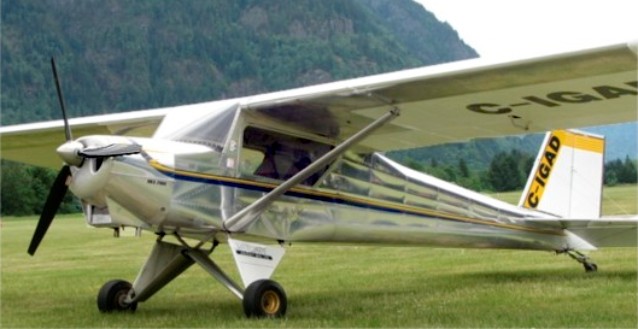
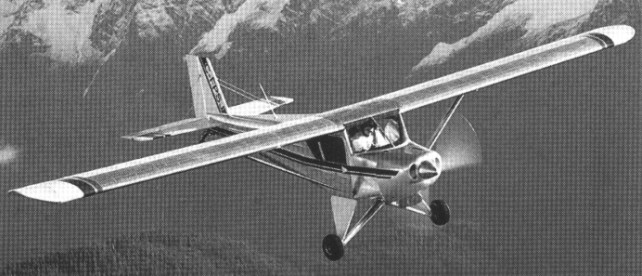
Designed by Daryl Murphy, the Maverick is a side by side seated, high wing airplane has always had great appeal to a wide variety of flyers. From the every day pilot who likes to fly around his own patch to the outdoorsman or others who want to land in small strips, many pilots prefer the Maverick for it’s performance, visibility and visual appeal.
A lightweight version of the Rebel kitplane, the Maverick uses riveted sheet construction, although the wings are partially fabric covered.
The Design has been analyzed and tested to meet these Regulations:
The design is eligible for certification in the Normal Category at a Gross Weight of 950 lbs to all the above Standards
The Phoenix Aircraft Maverick PA is a further development of the Murphy Maverick from Canada. The Maverick PA is almost entirely built in Germany.
Standard Wing
Engine: Rotax 503 53 hp
Propeller: GSC 68″ GA
Power range: 53-65 HP
Wing span: 29′ 5″
Gross weight: 950 lb
Empty weight: 395-460 lb
G-loading (normal): +5.7 -3.8
Length: 20′ 8″
Fuselage width: 37″
Wing chord: 60″
Tail span: 106″
Airfoil: 4415 (Modified)
Gross Weight: 950 lb
Empty Weight: 395-420 lb
Useful Load: 530-555 lb
G Loading (Ultimate): +5.7 -3.8
Wing Area: 147 sq. ft
Power Loading: 17.9 lb./hp
Rate of Climb: 600 ft/min
Take Off Run: 150 ft
Landing Roll: 200 ft
Stall Speed: 32 mph
Vne: 120 mph
Top Speed: 95 mph
Cruise @ 75%: 80 mph
Fuel Capacity (std): 5 USG
Fuel Capacity (opt.): 14 USG
Fuel Burn @ 75%: 4 USG/hp
Range @ 75%: 280 sm
Service ceiling: 13,000 ft
Height: 6.42 ft
Seats: 2
Landing gear: tail wheel
Engine: Rotax 503, 52 hp
Wing span: 10.15 m
Wing area: 15.06 sq.m
MAUW: 385 kg
Max speed: 145 kph
Cruise speed: 120 kph
Minimum speed: 50 kph
Climb rate: 3 m/s
Empty weight: 179 kg
Fuel capacity: 62 lt
Certification: PFA
Seats: 2
Fuel consumption: 14 lt/hr
Price (1998): $18,485
Kit price (1998): 114 900 Fttc
Extended Wing
Engine: Rotax 503 53 hp
Propeller: GSC 68″ GA
Power range: 53-65 HP
Wing span: 32′ 5″
Gross weight: 950 lb
Empty weight: 395-460 lb
G-loading (normal): +5.7 -3.8
Length: 20′ 8″
Fuselage width: 37″
Wing chord: 60″
Tail span: 106″
Airfoil: 4415 (Modified)
Gross Weight: 850 lb
Empty Weight: 395-420 lb
Useful Load: 430-455 lb
G Loading (Ultimate): +5.7 -3.8
Wing Area: 162 sq. ft
Power Loading: 16.0 lb./hp
Rate of Climb: 800 ft/min
Take Off Run: 100 ft
Landing Roll: 200 ft
Stall Speed: 28 mph
Vne: 120 mph
Top Speed: 90 mph
Cruise @ 75%: 75 mph
Fuel Capacity (std): 5 USG
Fuel Capacity (opt.): 14 USG
Fuel Burn @ 75%: 4 USG/hp
Range @ 75%: 262 miles
Top Speed: 110 mph
Cruise @ 75%: 85 mph
Fuel Capacity (std): 5 USG
Fuel Capacity (opt.): 14 USG
Fuel Burn @ 75%: 4.5 USG/hp
Range @ 75%: 264 sm
Standard Wing
Engine: Rotax 582 65 hp
Propeller: GSC 68″ GA
Power range: 53-65 HP
Wing span: 29′ 5″
Gross weight: 950 lb
Empty weight: 395-460 lb
G-loading (normal): +5.7 -3.8
Length: 20′ 8″
Fuselage width: 37″
Wing chord: 60″
Tail span: 106″
Airfoil: 4415 (Modified)
Gross Weight: 950 lb
Empty Weight: 440-460 lb
Useful Load: 4 90-510 lb
G Loading (Ultimate): +5.7 -3.8
Wing Area: 147 sq. ft
Power Loading: 14.6 lb./hp
Rate of Climb: 900 ft/min
Take Off Run: 100 ft
Landing Roll: 200 ft
Stall Speed: 32 mph
Vne: 120 sm
Extended Wing
Engine: Rotax 582 65 hp
Propeller: GSC 68″ GA
Power range: 53-65 HP
Wing span: 32′ 5″
Gross weight: 950 lb
Empty weight: 395-460 lb
G-loading (normal): +5.7 -3.8
Length: 20′ 8″
Fuselage width: 37″
Wing chord: 60″
Tail span: 106″
Airfoil: 4415 (Modified)
Gross Weight: 850 lb
Empty Weight: 440-460 lb
Useful Load: 390-410 lb
G Loading (Ultimate): +5.7 -3.8
Wing Area: 162 sq. ft
Power Loading: 13.1 lb./hp
Rate of Climb: 1200 ft/min
Take Off Run: 80 ft
Landing Roll: 200 ft
Stall Speed: 28 mph
Vne: 120 mph
Top Speed: 100 mph
Cruise @ 75%: 80 mph
Fuel Capacity (std): 5 USG
Fuel Capacity (opt.): 14 USG
Fuel Burn @ 75%: 4.5 USG/hp
Range @ 75%: 248 sm
Engine: HKS-700E
Cruise: 77 mph
ROC: 700 fpm
Stall: 20 mph.
Engine: Jabiru 2200, 80 hp
Empty wt: 487 lb
Max wt: 950 lb
Useful load: 463 lb
Stall: 30 mph
TO run: 100 ft
Ldg roll: 200 ft
Cruise 75%: 85 mph
Phoenix Aircraft Maverick PA
Engine: Rotax 582, 50 hp
HP range: 53-65
Stall: 32 kt / 37 mph / 60 kmh
Cruise: 76 kt / 87 mph / 140 kmh
VNE: 97 kt / 112 mph / 180 kmh
Empty Weight: 265 kg / 584 lbs
MTOW Weight: 472 kg / 1041 lbs Top speed: 110 mph
Stall: 32 mph
Range: 264 sm
Rate of climb: 900 fpm
Takeoff dist: 80 ft
Landing dist: 200 ft
Service ceiling: 13,000 ft
Fuel capacity: 5 USG
Height: 6.4 ft
Length: 20.7 ft
Wing span: 29.4 ft
Wing area: 147 sq.ft
Seats: 2
Landing gear: tailwheel

