Pilatus P2

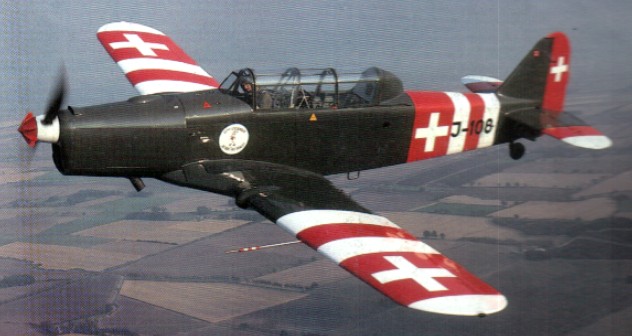
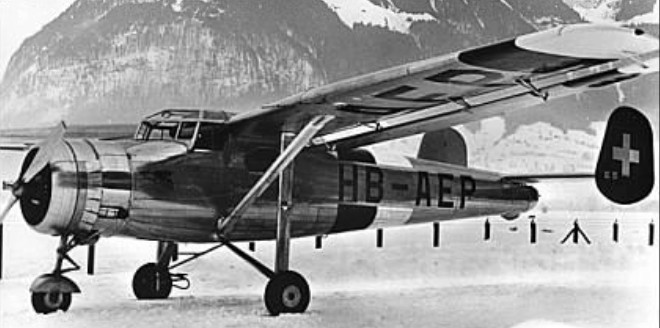
The P-2 first flew in 1945 as a trainer for operation from high-altitude airfields, fitted with night-flying, radio and oxygen equipment.

The first 27 were built as pilot trainers while the balance of 26 were built for weapons and observer training. They were built using many parts from stocks of Bf109 components.

Gallery

P-2
Engine: 1 x Argus As 410 A-2, 347kW / 465 hp
Max take-off weight: 1970 kg / 4343 lb
Empty weight: 1520 kg / 3351 lb
Wingspan: 11 m / 36 ft 1 in
Length: 9.07 m / 30 ft 9 in
Height: 2.7 m / 9 ft 10 in
Wing area: 17 sq.m / 182.99 sq ft
Max. speed: 340 km/h / 211 mph
Cruise speed: 305 km/h / 190 mph
Range: 865 km / 538 miles
Crew: 2

Pilatus SB-2 Pelican

First product of Pilatus Flugzeugwerke AG was a four/six-seat light transport designated Pilatus SB.2 Pelican, a braced high-wing monoplane with fixed tricycle landing gear, powered by a 336kW Pratt & Whitney Wasp Junior radial engine. The pilot and co-pilot/navigator were seated in a separate compartment forward of the wing leading edge, with a main cabin below the wing which could be arranged to accommodate two to four passengers according to layout. The Pelican, which was first flown during 1944, failed to gain any commercial interest.

SB-2
Engine: 1 x Pratt & Whitney Wasp Junior, 336kW
Wingspan: 15.5 m / 51 ft 10 in
Max. Speed: 250 km/h / 155 mph
Crew: 2
Passengers: 2-4

PIK Pik-27

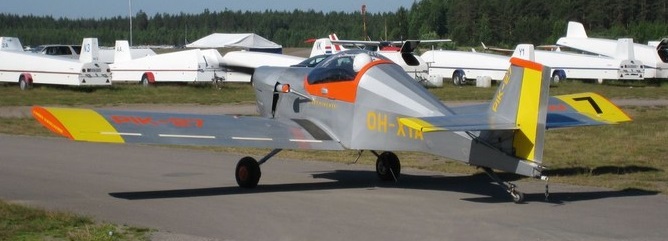
The Pik-27 design was begun by DI Aki Suokas with the objective of operating costs at a reasonable level, but not at the expense of safety. The design was to require minimal maintenance and only the necessary systems were included.

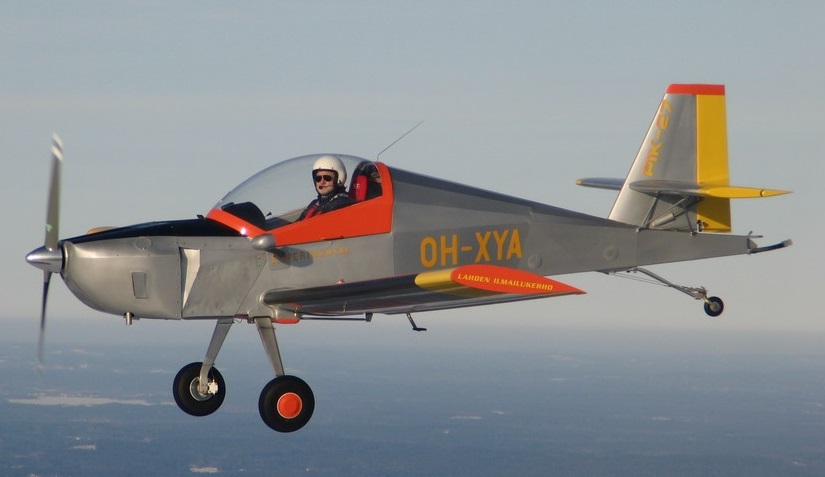
The prototype OH-XYA bears the excess weight of a prototype and it was anticipated the next would be at least 30-40 pounds lighter. The prototype weight includes a 70 m tow rope with a built-in reel.

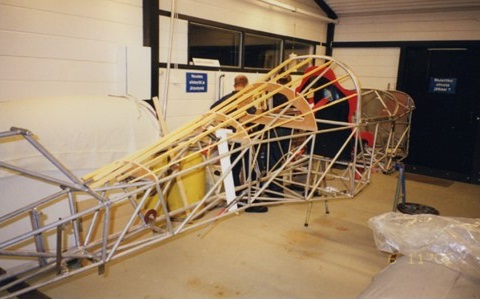
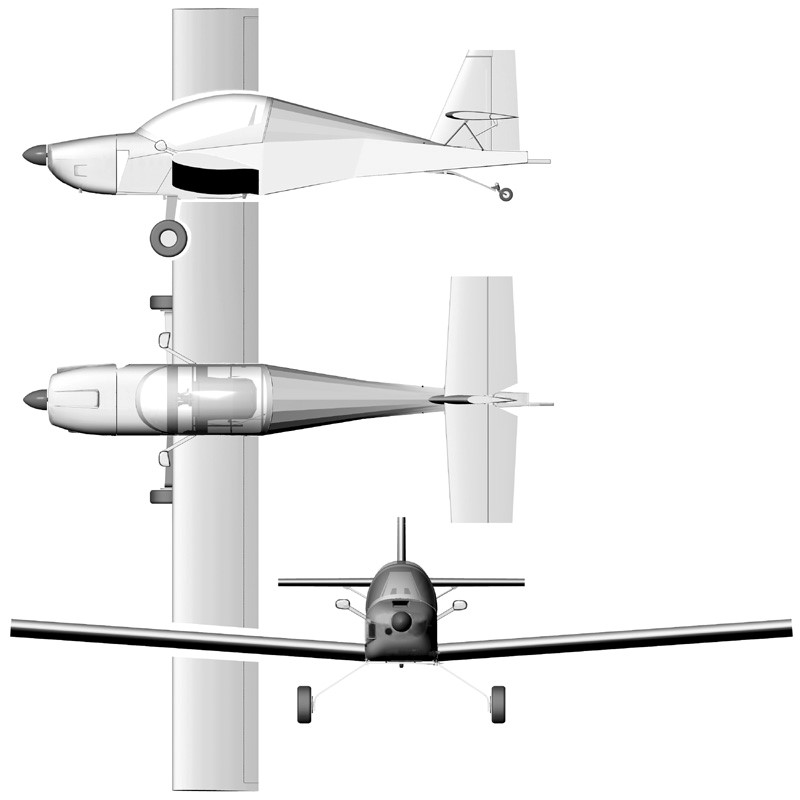
The PIK-27 low-wing monoplane has GRP wing construction and a fabric-covered SAF2205 steel-tube fuselage. The material has a very high elongation at break (25%), which improves the chances of settlement in the event of an accident. Another plan was for a 4130 fuselage.

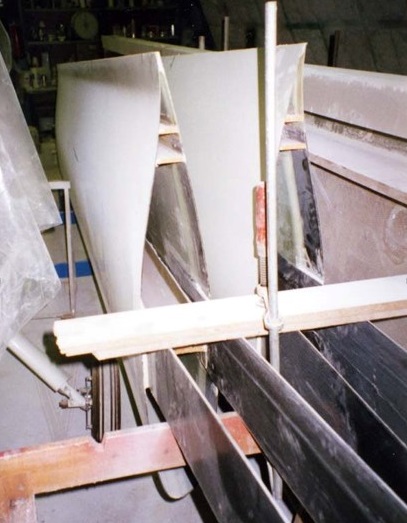
The wings were traditional glider technology of glass reinforced PVC foam laminate surfaces, with fuel tanks in the wing.

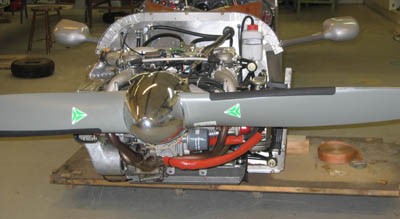
The Windcraft Oy built prototype (OH-XYA) was first flown December 2006, powered by a 115 hp Rotax 914. The Rotax 914 is a supercharged engine, meaning it does not lose power as density increases. The Rotax 914 maintains full power for flight level 150.

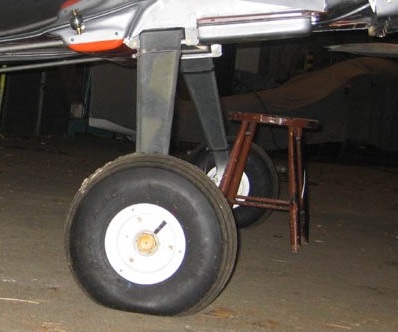
The undercarriage and brakes are the same style as the Cessna 172. The landing gear is quite high for a large propeller optimized for low speeds. The propeller has a diameter of 1.95 meters.

The Pik-27 was offered as kit and fits the US LSA definition (FAR CR 1.1). The wings and tail have to be molded. Wings can be joined by the builder if the transportation of a 9 m long package is difficult. The frame could not be deliver welded.

Gallery

Pik-27 prototype
Engine: Rotax 914
Span: 9.1 m / 29.8 ft
Wing area: 9.0 m² / 96.9 sqft
Wing profile: LS (1) -0417 mod
Length: 6,125 m / 20.1 ft
Height: 2.92 m / 9.6 ft
Empty weight: 410 kg / 904 lbs
Maximum take-off weight: 595 kg / 1312 lbs
Fuel capacity: 90 liters / 24 USg
Stabilizer area: 2.24 m² / 24.1 sqft
VNE: 270 kph / 146 kts
VA: 198 kph / 107 kts
VS: 81 kph / 44 kts
Loading: +4.7 g / -2 g
Maximum sailplane tow: 850 kg / 1874 lbs
PIK PIK-26 Mini-Sytky

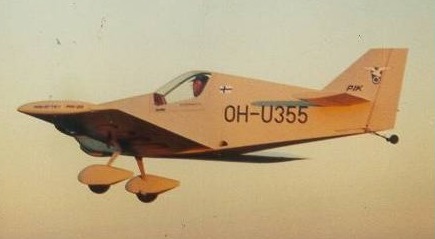
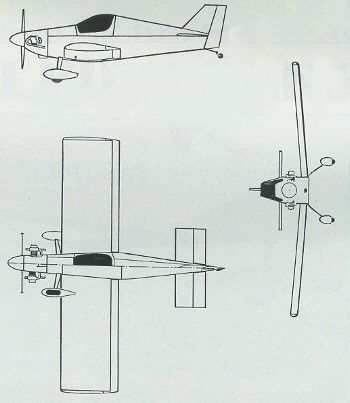
The PIK-26 Mini-Sytky is a single-seater ultra-light aircraft. The structure is entirely wood, except the wing and rudder which are cut from PVC foam. The one-piece wing attaches with two bolts to the main arch of the frame and its rear spar to the lower part of the backrest. Hinged flaps are fitted. The wing can be detached from below, leaving the frame resting on the landing gear.

The cockpit features a sidestick.

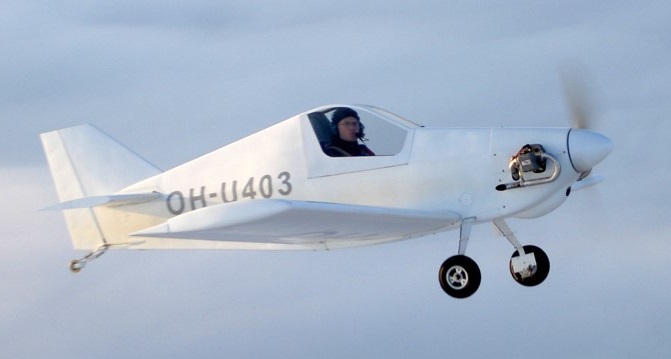
Designed by Kai Mellén and first built in 1996, at least four ave been built: OH-U355, OH-U356, OH-U403, and OH-U404. .

Mini-sytky OH-U403
Engine: Mosler MMCB HO2, 35 hp
Propeller: 48 “(122cm) x 38 “(96.5 cm)
Wing span: 5.24 m
Wing chord: 1.15 m
Wing area: 6 sq. m
Airfoil: GAW-2
Length: 4.33 m
Height: 1.22 m
Load limit: +3.8, -1.5 g
Empty Weight: 144 kg
Gross Weight: 250 kg
Fuel capacity: 27 lt / 20 kg
Useful Load: 106 kg
Luggage capacity: 5 kg
Vne: 190 km/h
Top Speed 3250 rpm: 180 km/h
Cruise@3000rpm: 160 km/h
Stall w/flaps: 55 kph
Stall clean: 60 km / h
Maximum flap speed: 120 km / h
Maximum manoeuvre speed: 125 km / h
Fuel Consumption: 7-8 lt/hr
Rate of Climb: 3.2 m/s
Takeoff Distance: 170 m
Landing Distance: 250 m
TO to 15 m: 600 m
Landing dist from 15 m: 500 m
Climb speed: 100-110 mph
Endurance: 3.25 hr
Range: 475 km
Wing loading: 41.6 kg/sq.m
Seats: 1
Wheel track: 1.21 m
Wheelbase: 3.27 m
Rudder: 0.22 sq.m
Vertical stabilizer: 0.56 sq.m
Vertical stabilizer profile: NACA 0011
Rudder: 0.38 sq.m
Rudder profile: NACA 0009
Aspect Ratio: 4.56
Didedral: 4 degrees
Aileron movement: – 35, + 27
Flap deflection: 16 deg
Rudder movement: + – 28 deg
Elevator movement: 20 deg up, 12 deg down
Tires: LAMB 11.400-5 (6ply)
Wheels: 5 ” AZUZA
Brakes: AZUZA, mechanical

PIK PIK-25

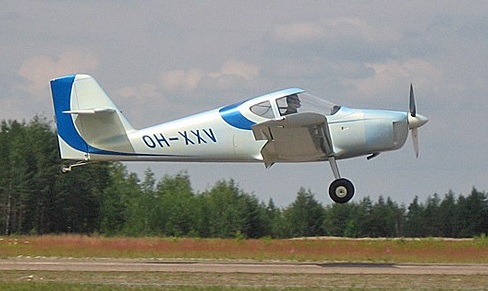
The 1983 PIK-25 Varttimarkka (Quarter Mark) was a 2-seat ultralight of GRP construction. Powered by a VW HO4 engine the project was abandoned.

In 2007 the project was completed privately by Jarmo Hakala of the Finnair flying club and registered OH-XXV.

PIK-25 OH-XXV
Engine: 1 x 100/120 hp WV 1.9 TDI JH1
Wing span: 8.8 m
Length: 6.6 m
Empty weight: 595 kg
MTOW: 850 kg
Fuel capacity: 240 l
Cruise 75% (75hp): 115 mph (less than 2000 ft)
Stall speed: 65 mph
Stall speed with flaps: 55 mph
3.8G max
Fuel consumption 75% (75hp): approx. 14 l / h

PIK Pik-15 Hinu

PIK has also built several low-wing single-engine monoplanes, including the PIK-15 glider tug in 1964, and the PIK-19 glider tug and two-seat trainer in 1972.

Ten of the PIK-15 Hinu (Hinauslentokone = tow a/c) single-engine, low-wing monoplane were built. Design by Kai Mellén, Ilkka Lounamaa and Jussi Rinta, the wooden aircraft were powered by a 150 hp Lycoming O-320A HO4 engine and had a 10.00 m wingspan.

PIK Pik-11 Tumppu

PIK has also built several low-wing single-engine monoplanes, including the Pik-11 in 1953.

The PIK-11 Tumppu is a single seat, sports aircraft, capable of aerobatics. It was designed in the 1950’s by two students and members of the student flying club of the Helsinki University of Technology (PIK or Polyteknikkojen Ilmailukerho), Kai Mellén and Ilkka Lounamaa.

Four aircraft of this type were built, one of which was still in operation in 2006.

Wingspan: 8.0 m

PIK PIK-10 Moottoribaby

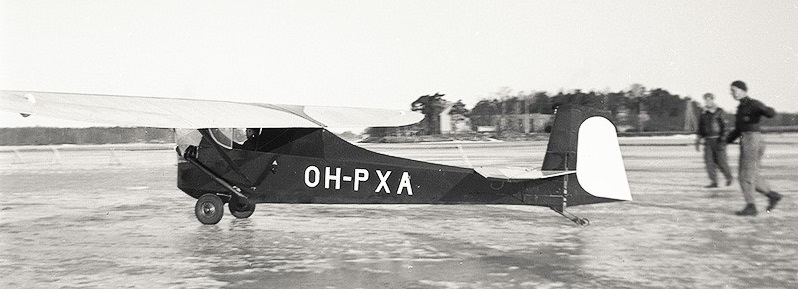
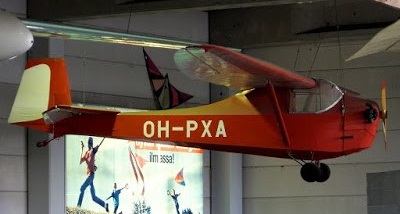
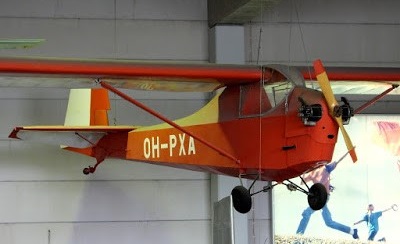
Mr. Carl Stude designed and Polyteknikkojen Ilmailukerho built the PIK-10 variant of the Grunau Baby II and the first single-seater powered sailplane designed in Finland. The basis of the project was Grunau Baby II glider OH-BAB. The machine was built with a BMW motorcycle engine, later re-powered by an Aubier & Dunne V2D 17-hp (a French 540 cc 2-cyl inline motorcycle engine, and finely re-engined with a 28 hp Pincard engine.

Nicknamed “Paukkulauta” (“Bang Board”), the sole PIK-10 (OH-PXA) flew first time in 1949.

The aircraft had seven owners during the next 20 years. The Korso Flying Club with the help of the Finnair Flying Club restored it in 1969. Before that the aircraft has got the wings of another Grunau Baby (OH-BAF).

OH-PXA

The restored aircraft is on the show at the Finnish Aviation Museum.