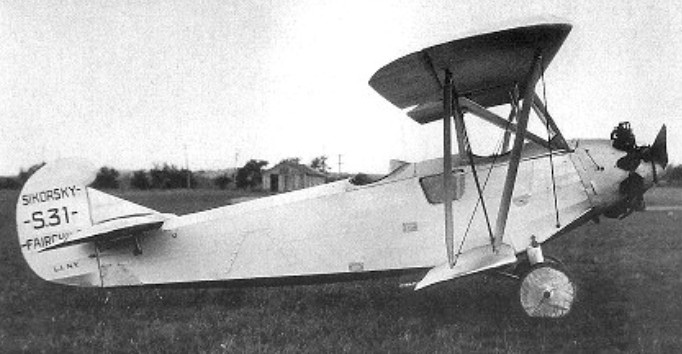
Sikorsky S-31

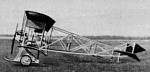
The 1925 five-seat S-31, with a 200hp Wright J-4 Whirlwind engine, was used by the Fairchild Company for aerial photo-mapping work in South America.

Up to four passengers, or photographic equipment, could be carried in the semi-closed centre cabin.

During flight testing, the S-31 climbed to 4680m in 47 minutes with a pilot, two passengers and fuel for four hours of flying.
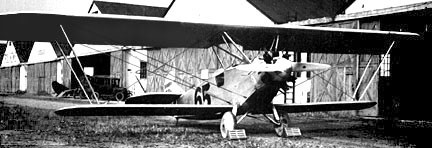
The sole example built was shown in a publicity photo shows it with a machine-gunner in the rear cockpit, suggesting plans for a military export version.
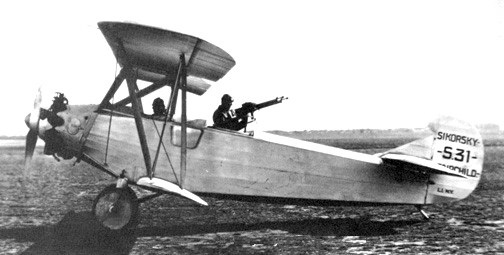
S-31
Engine: 200hp Wright J-4
Wingspan (upper): 45’0″
Wingspan (lower): 32’0″
Length: 26’0″
Useful load: 1200 lb
Max speed: 124 mph
Cruise: 110 mph
Stall: 35 mph
Range: 500 mi
Ceiling: 15,000′
Seats: 3

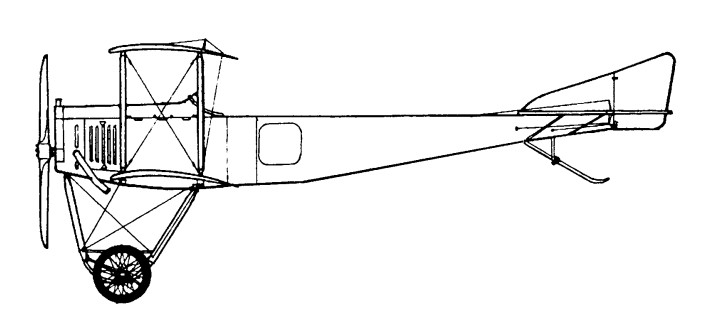
Sikorsky S-5

The S-3, S-4, and S-5 followed in quick succession, each a refinement of its predecessor, and each adding to Sikorskys’ piloting experience.

Finally, by the summer of 1911, in an S-5 with a 50-horsepower engine, Sikorsky was able to remain in the air for more than an hour, attain altitudes of 1,500 feet (450 metres), and make short cross-country flights. This success earned him International Pilot’s License Number 64.

Span: top 39’4″ bottom 29’6″ or 27’11”
Length: 27’11” or 26’3″
Weight loaded: 970 lb
Speed: 78 mph

Sikorsky S-1 / S-2

S-2

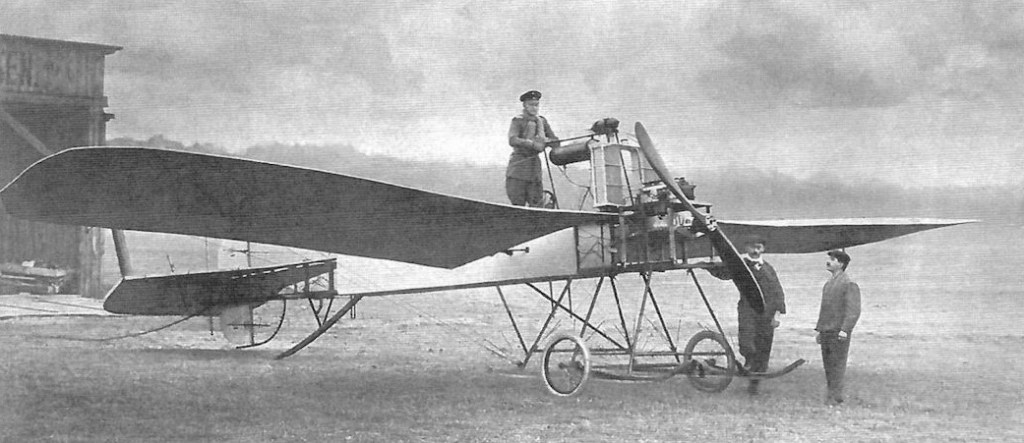
For the time being Sikorsky decided to enter the field of fixed-wing design and began construction of his first airplane. His S-1 biplane was tested early in 1910, and, although its 15-horsepower engine proved inadequate, a redesigned airframe with a larger engine (S-2) carried him on his first short flight. On 16 June 1910 it flew about 800 ft at 2 to 3 feet altitude. It crashed a few days later after a 49 second flight.

S-2
Engine: Anzani, 25 hp
Top speed: 50 mph

Sikorsky 1909 Helicopter

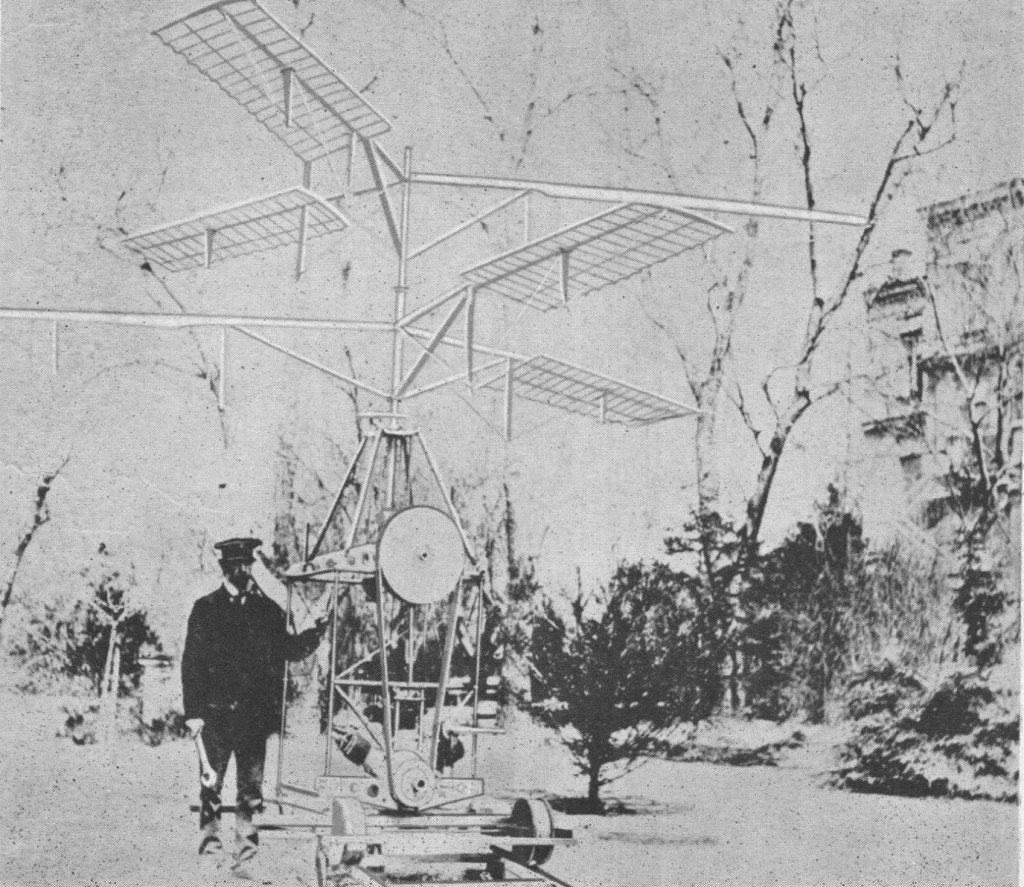
In Kiev in May of 1909 Igor Sikorsky began construction of a helicopter. Its failure revealed some of the practical obstacles. Powered by a three-cylinder, 25-hp Anzani engine that drove coaxial, twin blade rotors, the H-1 shook wildly but did not have enough power to lift itself off of the ground. A second machine with a larger engine was tested in 1910, but also failed to fly. He then made a major decision: “I had learned enough to recognize that with the existing state of the art, engines, materials, and-most of all-the shortage of money and lack of experience … I would not be able to produce a successful helicopter at that time.” In fact, he had to wait 30 years before all conditions could be met.

Siersma SRC-1

Designed by Earl Chelsea, Gerard Rogers and Herman Siersma, the 1962 Siersma SRC-1 was a single-place cabin, mid-wing monoplane midget racer,

Eleven years in construction, it was registered N4190C and first flew on 2 February 1962.

Engine: 85hp Continental C-85-12J
Wingspan: 17’0″
Length: 20’0″
Useful load: 330 lb
Max speed: 200 mph
Cruise: 170 mph
Stall: 85 mph
Range: 500 mi
Seats: 1

Sierra / Aircraft Industries BLW-1 / BLW-2

Sierra San Franciscan NR7713

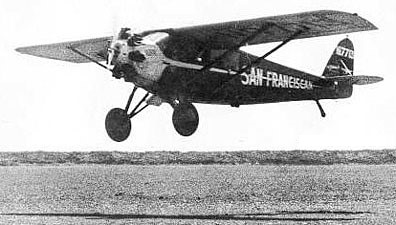
Designed by H Sherman Tharpe, two 1929 Sierra were built with ATC 2-151. Priced at $8,000 and designated BLW-1 and BLW-2 registered NX215H and NX/NR7713, the latter as San Franciscan in unsuccessful endurance record attempts June-Aug 1929 at Mills Field, San Francisco (piloted by Jim Warner). It is said to have been sold after WW2 to someone in South America.

The design reappeared in the Hawke Duster.

Engine: 130hp Comet
Wingspan: 36’0″
Length: 25’8″
Useful load: 909 lb
Max speed: 125 mph
Cruise: 100 mph
Stall: 47 mph
Range: 400 mi
Seats: 3