Squirecraft SA102.5 Cavalier / K & S SA102.5 Cavalier

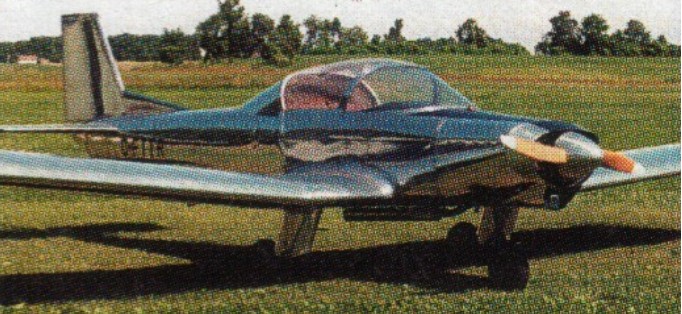
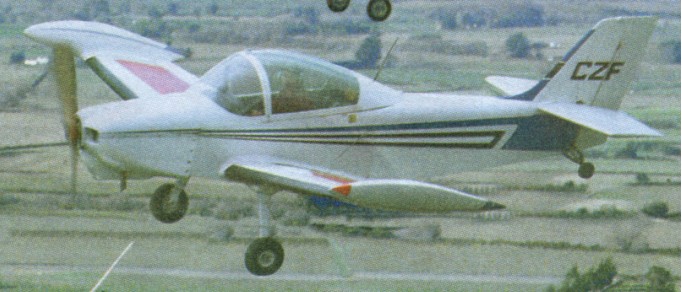
The original plans built, all wood, two place Cavalier SA.102 was designed in 1964 by Stan McLeod of Calgary, Alberta, and was based on the French Minicab. Retaining much of the basic airframe of the GY-20 but features a redesigned cockpit with a third, child, seat. The tail surfaces were redesigned and the aircraft sits on a tricycle undercarriage.

The initial version, the SA.102, encountered stability problems but these were solvrf by the addition of angled tip-tanks. This version first flew in February 1971, designated SA.102.5.

Subsequent revisions by McLeod led to the 100 to 125 hp SA.102.5 and SA.102.88.

The SA 102-5 Cavalier is a side-by-side two-seater of all wood and fabric construction, that can use any four-cylinder Continental, Lycoming or Franklin engine and rated in the 85 to 150-hp range. The prototype flew in 1969. The wing section is a NACA23015 at the root and NACA23012 at the tip. The wing structure consists of a single wooden box spar plywood leading edge, an auxiliary rear spar for the flaps and ailerons and a diagonal drag spar. The entire centre section is plywood covered, the remainder of the wing being fabric covered. The fuselage is a wooden truss type structure of spruce and ply construction. The cockpit doors and canopy are of moulded fibreglass. The rear decking is fabric covered. The empennage is of all wood construction with fabric covered control surfaces. The standard aircraft has a fixed tricycle under-carriage, but a tailwheel version is available. Fuel is carried in wing tip tanks of 13 or 1 6 Imp gallon capacity.

Gross Wt. up to 1800 lb
Empty Wt. 900 lb
Fuel capacity 40 USG
Wingspan 26’l0”
Length 18’4”
Wing area: 118 sq.ft
Top speed 200 mph
Cruise speed 165 mph
Stall 50 mph
Climb rate 1500 fpm
Range 850 sm
Landing roll 800 ft
Seats: 2

Engine: Lycoming O-290, 125 h.p
Span: 27’4”
Length: 22’0”
Wing Area: 118 sq. ft
Empty Weight: 9001b
Loaded Weight: 1,500 lb
Max. Speed: 150mph
Cruise Speed: 130mph
Stall Speed: 50mph
Initial Climb: 1,000 fpm
Range: 715 miles

Engine: 135 hp
Cruise: 150 mph
ROC: 2000 fpm
Range: 700 sm

SA.102.5-88
Engoine: 125 hp
Empty weight: 950 lb
MTOW; 1800 lb
Tip tank cap: 38 USG
Max level speed: 170 mph
Vne: 200 mph
Cruise: 150 mph
Rate of Climb: 1200 fpm
Loading: +3g
Take off dist: 500 ft
Landing dist: 600-800 ft
Squadron Leader Hawker Hurricane

Hawker Hurricane
Stall: 39 kt / 45 mph / 72 kmh
Cruise: 132 kt / 152 mph / 244 kmh
VNE: 180 kt / 207 mph / 333 kmh
MTOW Weight: 285 kg / 628 lbs
Climb Rate: 1150 ft/min / 6 m/s
Take-off distance (50ft obstacle): 600 ft / 183 m
Landing distance (50ft obstacle): 600 ft / 183 m

Hawker Hurricane MKII Replica
Stall: 34 kt / 39 mph / 63 kmh
Cruise: 115 kt / 132 mph / 212 kmh
VNE: 156 kt / 180 mph / 290 kmh
MTOW Weight: 599 kg / 1320 lbs
Climb Rate: 1150 ft/min / 6 m/s
Take-off distance (50ft obstacle): 850 ft / 259 m
Landing distance (50ft obstacle): 850 ft / 259 m

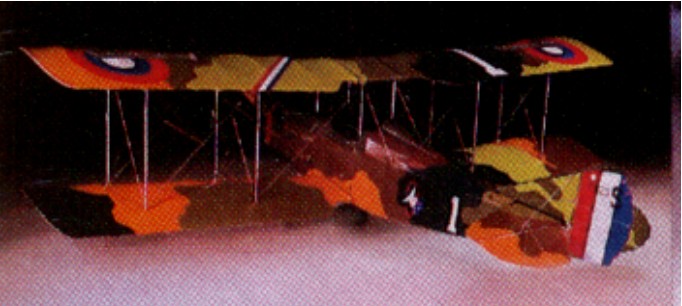
Squadron Aviation SPAD XIII Model 12

Squadron Aviation produce a variety of replicas and most of the specs are very similar. All three of the aircraft, designed by Lew Parsley, are produced at the company’s Columbus, Ohio plant and are structurally the same. Wing panels are pre-assembled at the factory from stamped aluminium ribs and aluminium tubing, as is the precisely jigged aluminium tubing fuselage and tail feathers. The kit-builder is faced with assembly (all critical holes are drilled), rigging (accomplished with a simple jig concept detailed by the factory) and traditional dope and fabric covering. The external styling to create each replica is obtained with the use of a plastic pre-moulded and coloured cowling for the three individual ultralights. Flight perform¬ances are very good with a take-off roll of 22 metres the standard. A very comprehensive kit was available which includes everything, right down to the dope finish of the squadron of your choice.

Max gross wt: 505 lbs
Max pilot wt: 225 lbs
Empty weight: 250 lbs
Fuel capacity: 3.6 lbs
Climb rate: 1000+ fpm
Power off stall: 22 kts
Wing loading (225 lbs pilot): 3.0 lbs/sq.ft
Power loading (170 lbs pilot): 12.8 lbs/hp
Take-off distance: 75 ft
Landing distance: 100 ft
Glide ratio: 5.5:1
Vne: 60 kts
Cruise speed: 50 kts
G loading: +4 / -2
Engine: Cuyuna UL II-02
Wing spans average: 24.5 ft.

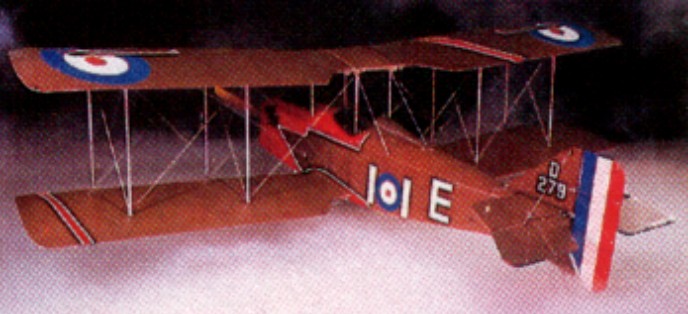
Squadron Aviation SE5a Model 13 / Loehle SE-5A

Squadron Aviation produce a variety of replicas and most of the specs are very similar. All three of the aircraft, designed by Lew Parsley, are produced at the company’s Columbus, Ohio plant and are structurally the same. Wing panels are pre-assembled at the factory from stamped aluminium ribs and aluminium tubing, as is the precisely jigged aluminium tubing fuselage and tail feathers. The kit-builder is faced with assembly (all critical holes are drilled), rigging (accomplished with a simple jig concept detailed by the factory) and traditional dope and fabric covering. The external styling to create each replica is obtained with the use of a plastic pre-moulded and coloured cowling for the three individual ultralights. Flight perform¬ances are very good with a take-off roll of 22 metres the standard. A very comprehensive kit was available which includes everything, right down to the dope finish of the squadron of your choice. Centre mounted joy stick, rudder pedals, tailwheel or skid.

Built by Squadron Aviation before manufacture and marketing were acquired by Loehle. Loehle shipped kits pre-built to covering stage. LSA approved.

Empty wt: 253 lbs
Wing span: 24 ft
Wing area: 168 sq.ft
Height: 6’4”
Length: 16 ft
Fuel cap; 5 USG
Construction: Aluminium, Dacron
Engine: Cuyuna ULII-02 (429 cc) 35 hp
Prop: 183cm
Static thrust: 300+ lbs
Max wt: 504 lbs
Max pilot wt: 225 lbs
Stall: 22 mph
Econ cruise speed: 45 kts
Max speed: 63 mph
Vne: 75 mph
Climb rate: 1000 fpm @ 45 mph
Design limit: +4, -2g
Glide ratio: 5.5-1
Wing loading: 3lbs/sq.ft
Power loading: 14.4 lbs/hp
Take-off distance: 75 ft
Landing distance: 100 ft

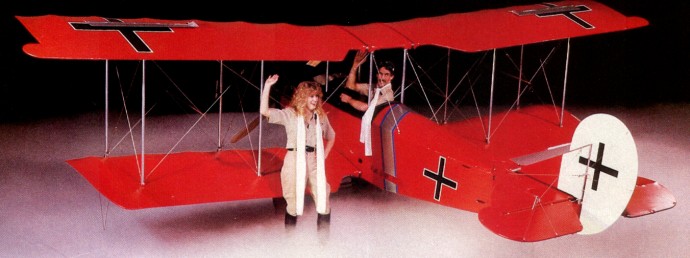
Squadron Aviation Fokker D.VII / Loehle Fokker D-VII

Squadron Aviation produce a variety of replicas and most of the specs are very similar. All three of the aircraft, designed by Lew Parsley, are produced at the company’s Columbus, Ohio plant and are structurally the same. Wing panels are pre-assembled at the factory from stamped aluminium ribs and aluminium tubing, as is the precisely jigged aluminium tubing fuselage and tail feathers. The kit-builder is faced with assembly (all critical holes are drilled), rigging (accomplished with a simple jig concept detailed by the factory) and traditional dope and fabric covering. The external styling to create each replica is obtained with the use of a plastic pre-moulded and coloured cowling for the three individual ultralights. Flight performances are very good with a take-off roll of 22 metres the standard. A very comprehensive kit was available which includes everything, right down to the dope finish of the squadron of your choice.

The Fokker was part of the Squadron Aviation purchase by Loehle Aviation and kits have been marketed by them since.

Max gross wt: 505 lbs
Max pilot wt: 225 lbs
Empty weight: 250 lbs
Fuel capacity: 3.6 lbs
Climb rate: 1000+ fpm
Power off stall: 22 kts
Wing loading (225 lbs pilot): 3.0 lbs/sq.ft
Power loading (170 lbs pilot): 12.8 lbs/hp
Take-off distance: 75 ft
Landing distance: 100 ft
Glide ratio: 5.5:1
Vne: 60 kts
Cruise speed: 50 kts
G loading: +4 / -2
Engine: Cuyuna UL II-02
Wing spans average: 24.5 ft

Spring Sprint WS.202

Landing gear can be changed from nose to tail wheel in one hour. Engine options include VW or O-200.

Engine: Subaru EA81, 118 hp
HP range: 65-125
Height: 6.7 ft
Length: 19.5 ft
Wing span: 27 ft
Wing area: 130 sq.ft
Empty weight: 650 lb
Gross weight: 1130 lb
Fuel capacity: 12 USG
Top speed: 115 mph
Cruise: 110 mph
Stall: 350 mph
Range: 45 sm
Rate of climb: 600 fpm
Takeoff dist: 500 ft
Landing dist: 500 ft
Service ceiling: 10,000 ft
Seats: 1
Landing gear: nose or tail wheel

Spratt Control wing

Dr G A Spratt’s first powered airplane with pivoting wings was a single-place, open cockpit biplane, built in 1912, and powered by a 40hp Curtiss V-8 air-cooled engine.

The second controlwing was a single-place open cockpit high-wing monoplane built in 1934, powered by a 25hp Jacobs outboard motor modified to air cooling (now in EAA Museum), and registered N14763. With an empty weight of 180 lb, it was the first controlwing airplane to do any real flying.

The 1939 Controlwing further development of Spratt’s controllable-wing theory was a two place, open cockpit, mid-wing flying boat. A 65hp Lycoming pusher engine was mounted in the bow, driving a prop by a long shaft. The wing is mounted over a twin-tailed, boat-shaped fuselage.

The 1947 version, N3915A, had a 65hp Continental mounted aft of the cockpit. Spratt’s project continued well into the 1970s with several successful flying boats. Plans marketed to home-builders; 80 sets sold by 1982.

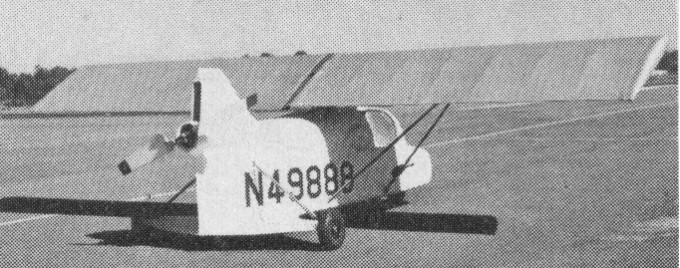
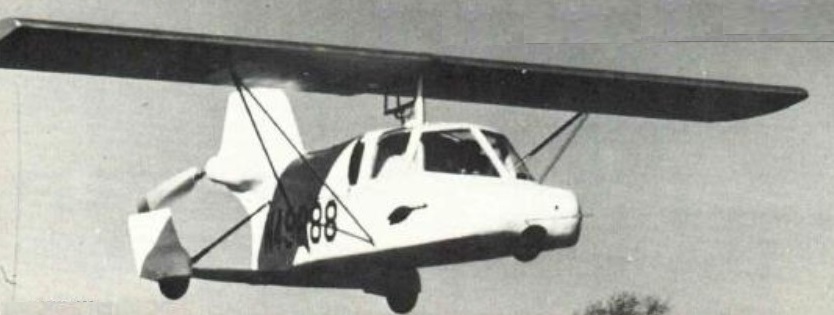
The 1973 Controlwing 105 N49888 was a two-place cabin, high-wing monoplane landplane with a 60ci Mercury marine engine. The span was 22’0″ and length 12’6″. Spratt’s continuance of design numbers from his days at Convair sometimes lead to confusion of this plane with Convair-Stinson 106 Skycoach.

The 1964 Controlwing 106 N910Z was a two-place, open cockpit high-wing monoplane flying boat.

Circa 1975 the Controlwing 107 was a two-place, open cockpit high-wing monoplane flying boat, powered by a modified 80hp Mercury marine engine. The span was 24’0″, length 17’0″, and useful load: 500 lb.

Seats: 2