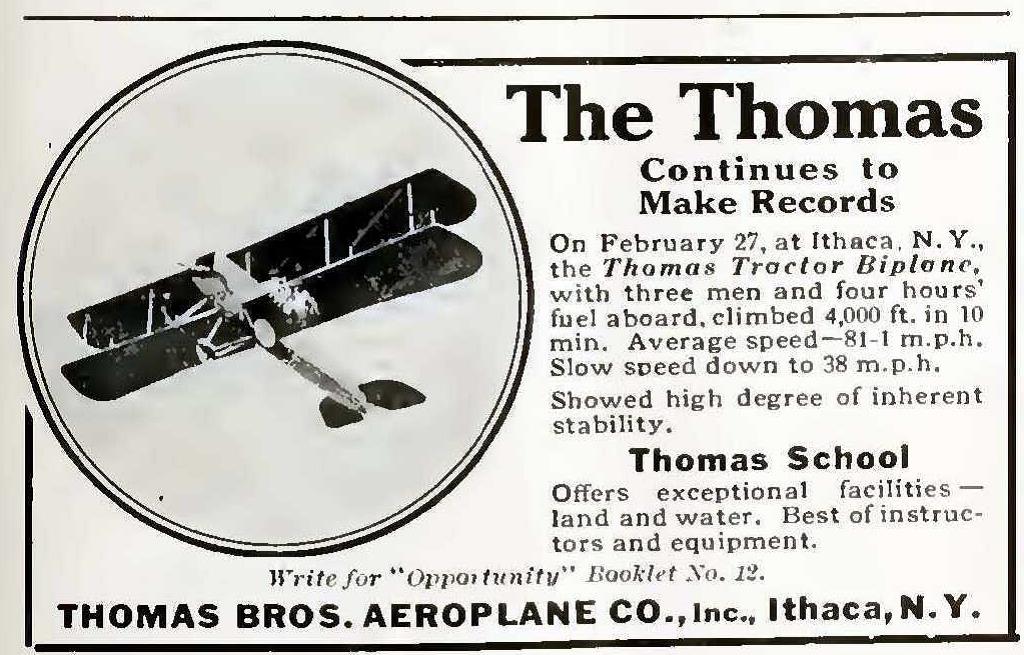
In 1914, the Thomas Company advertised aviation for sport, war and business. Their earlier models, the B-4 and B-5 were used as trainers for civilian pilots seeking thrills, speed and fortune.
Aircraft
Thomas Brothers B-3 / B-4
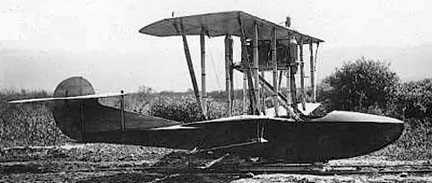
Built in 1912, the 2-3 seat B-3 and B-4 had a wooden hull covered with galvanized iron sheeting. A 1914 version incorporated streamlining, and 1915 model was a three place “luxury cruiser” with a mahogany hull.
In 1914, the Thomas Company advertised aviation for sport, war and business. Their earlier models, the B-4 and B-5 were used as trainers for civilian pilots seeking thrills, speed and fortune.
Three or four were built.
B-3 / B-4
Engine: Austro-Daimler, 90hp pusher
Speed: 65 mph
Thomas Brothers Standard Biplane
The 1913 Thomas Standard Biplane was a design modification of the 1912 tractor TA with open cockpit, a nacelle fuselage, twin tails, and underslung lower wing.
Engine: 65hp Kirkham pusher
Wingspan: (upper) 37’0″
Wingspan: (lower) 27’0″
Speed: 58 mph
Range: 70-100 mi
Seats: 2
Thomas Brothers 1913 Monoplane
The 1913 Thomas Monoplane was a single place Blériot look-alike with quad gear.
Engine: 40hp Maximotor or 65hp Kirkham pusher
Wingspan: 32’0″
Length: 30’0″
Seats: 1
Thomas Brothers 1912 Biplane
The 1912 Thomas Biplane was a single place open cockpit tractor version of the TA. Only one was built and further development was abandoned in favour of pusher versions.
Engine: 65hp Kirkham
Thomas Brothers 1911 Headless Biplane
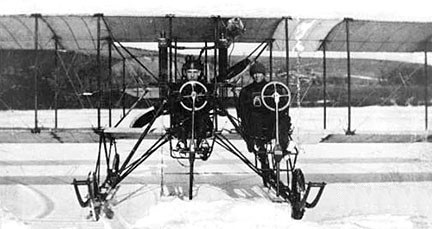
The Thomas Biplane first appeared in 1911 and was possibly the first dual-control trainer. Early versions had a four wheel undercarriage, which was changed during the time to a two double wheel and skid undercarriage.
This Thomas Biplane with 65 hp Kirkham C6 engine was used in this configuration for record flying of which the most famous one is the US Endurance record flown on October 31, 1912.
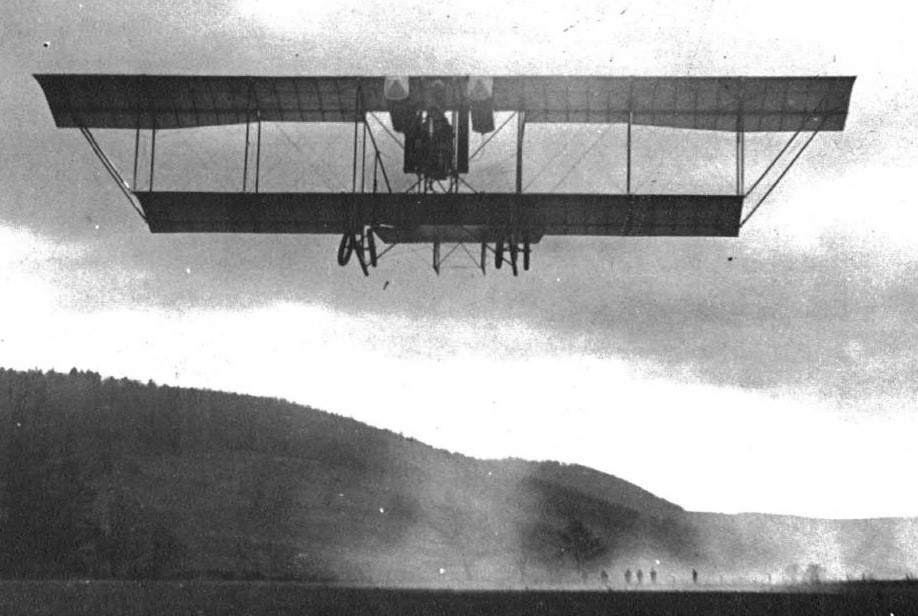
Referred to in contemporary literature as Thomas Headless biplane and Thomas 65.
Engine: Kirkham I-6, 65hp pusher
Wingspan: 31’6″
Length: 20’0″
Seats: 2
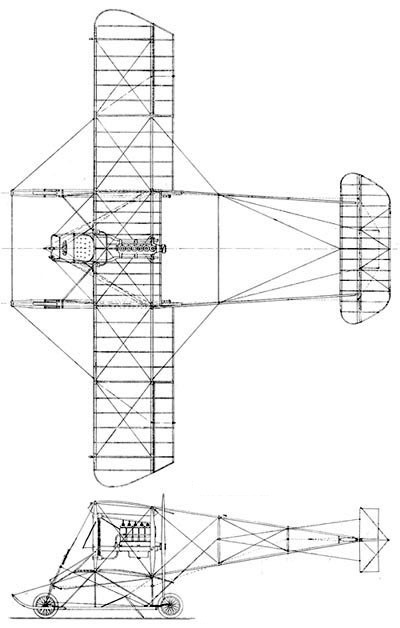
Thomas Brothers 1910 Biplane
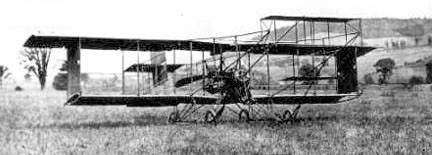
Designed by William T Thomas, the 1910 Thomas biplane was originally powered by a chain-driven 22hp Kirkham V-8 pusher engine. First flown on 25 June 1910, piloted by Bert Chambers, it was equipped with a quad landing gear with bamboo skids. It was later modified with twin rudders and direct-drive motor.
Wingspan: 27’0″
Length: 25’0″
Seats: 2
Thomas Brothers Aeroplane Co
USA
1910: (William T & Oliver W) Thomas Bros Co, Hammondsport NY, USA and Hornell NY, USA.
Founded at Bath, New York, 1912 by William and Oliver Thomas, who built their first aircraft in Winter 1909-1910.
1912-13: Thomas School of Aviation Inc, Cayuga Lake NY. USA.
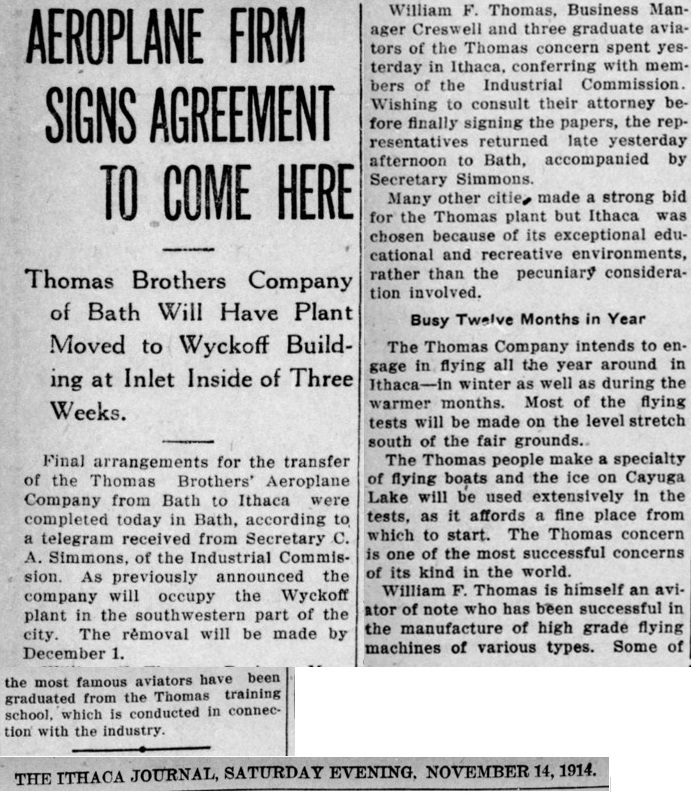
1915: Thomas Aeromotor Co.
Products included T-2 biplane (similar to Curtiss J) and D-5 two-seat observation biplane, of which two evaluated by US Army.
Merged and re-capitalised in January 1917 with Morse Chain Company to form Thomas-Morse Aircraft Corporation, Ithaca NY, USA.
THK THK-15 / MKEK Model 4 Uğur (Luck)
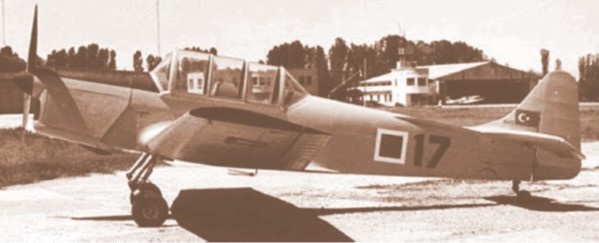
A tandem two-seat primary trainer, the THK-15 was an updated Magister, made of metal, and with a cockpit canopy.
Of 100 ordered for the Turkish Air Force, 60 had been delivered and production ceased in 1956.
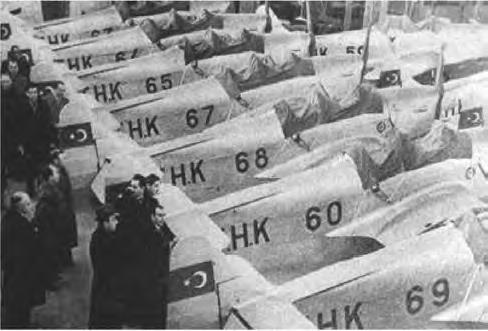
54 were used by the Turkish Air Force 1955-1963 and the remaining THK-15 were donated to the Jordan Royal Air Force.
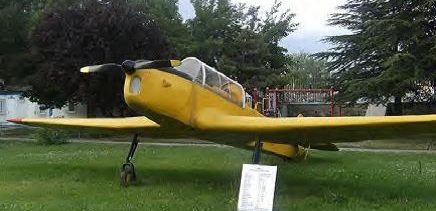
After the change to MKEK the MKEK-4 designation was used.
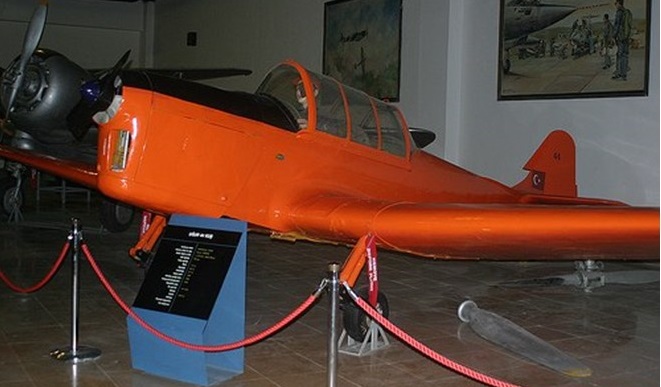
MKEK 4 Ugur
Engine: DH Gipsy Major 10 Mk.I, 145 hp
Wing span: 31 ft 2.5 in / 9.50 m
Wing area: 171 sq.ft
Length: 24 ft 7.25 in
Empty weight: 1465 lb
Loaded weight: 2045 lb
Max speed: 135 mph
Cruise: 110 mph
ROC: 800 fpm
Service ceiling: 16,000 ft
Range: 300 mi
Seats: 2 tandem
THK THK-13
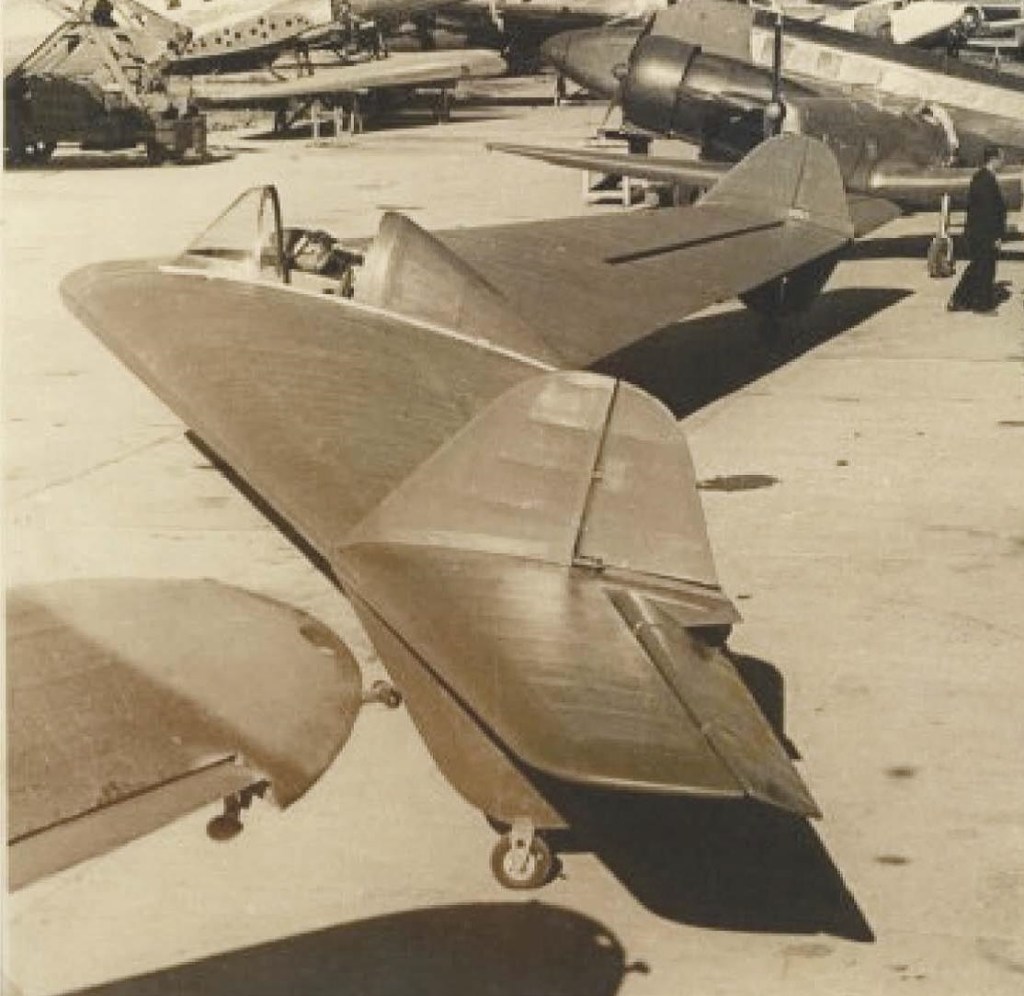
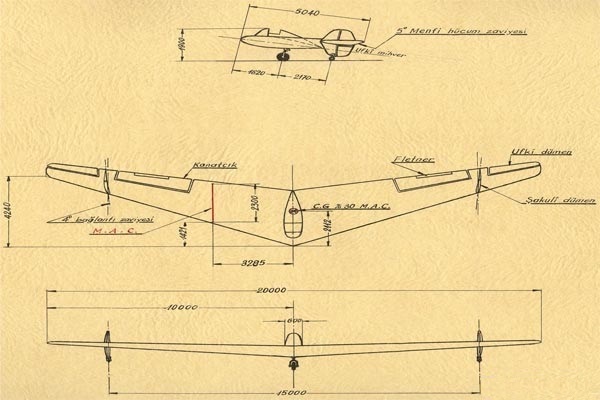
The 1948 THK-13 single-seat tailless wood and fabric glider was for aerodynamic research. It was planned to produce a Gipsy-powered version when the glider had successfully completed stability trials.
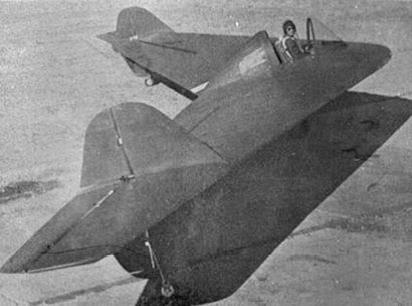
The undercarriage consists of a single main wheel under the nacelle, and small castering stabilizing wheels attached to the vertical fins.
In 1948, designed by Senior Engineer Yavuz Kansu and Y.Muh, the test flight pilots were Kadri Kavukçu and Pilot Cemal Uygun.
Exhibited at the 1949 Aerospace Exhibition in Paris.
The project was not developed after an accident.
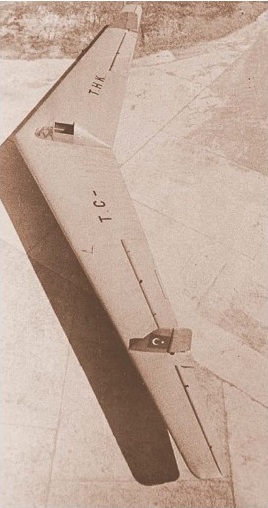
Wing span: 65 ft 7 in
Height: 6ft 6 in
Wing area: 431 sq ft.
Loaded weight: 1,014 lb