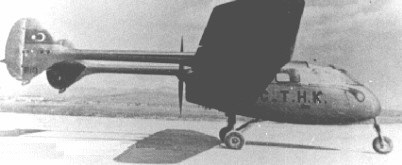
THK THK-11

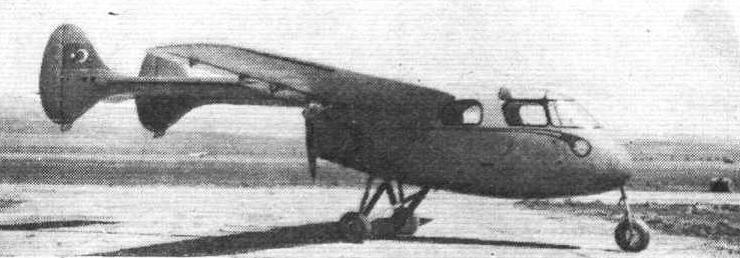
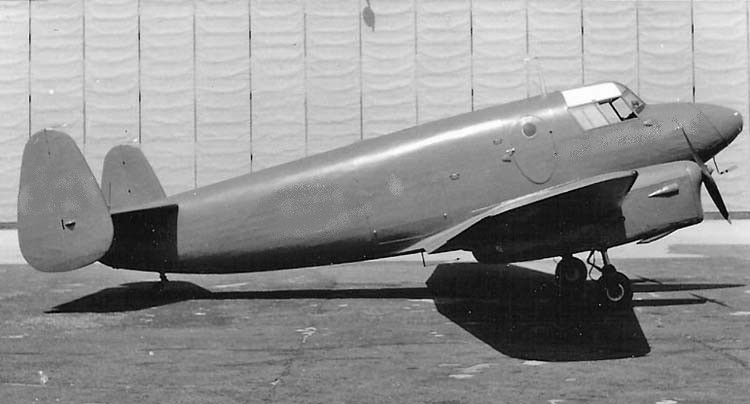
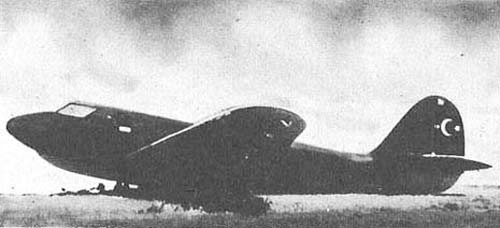
The THK-11 was a high-wing twin-boom three-seat cantilever cabin monoplane with a 135 hp (101 kW) de Havilland Gipsy Major piston engine driving a pusher propeller. It has a fixed nose-wheel landing gear and was first flown in 1947.

Designed and built by Türk Hava Kurumu (THK – Turkish Aeronautical Association), only one was built.

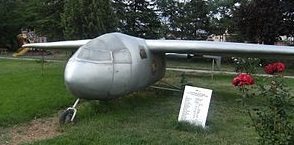
The sole THK-11 is on display at the Ankara Türk Hava Kurumu Müzesi – (Ankara Turkish Aeronautical Museum).

Engine: 1 × de Havilland Gipsy Major, 101 kW (135 hp)
Propeller: 2-bladed fixed-pitch pusher
Wingspan: 11.80 m (38 ft 9 in)
Wing area: 18.7 sq.m (201 sq ft)
Length: 8.44 m (27 ft 8 in)
Height: 2.59 m (8 ft 6 in)
Empty weight: 828 kg (1,825 lb)
Gross weight: 1,150 kg (2,535 lb)
Maximum speed: 201 km/h (125 mph; 109 kn)
Cruise speed: 164 km/h (102 mph; 89 kn)
Landing speed: 80 km/h (50 mph; 43 kn)
Range: 800 km (497 mi; 432 nmi) in still air
Service ceiling: 3,500 m (11,500 ft)
Rate of climb: 3.5 m/s (690 ft/min)
Wing loading: 61.5 kg/sq.m (12.6 lb/sq ft)
Power/mass: 11.4 kg/kW (18.7 lb/hp)
Crew: 2
Capacity: 1 passenger

THK THK-5 / THK-10 / MKEK Models 5

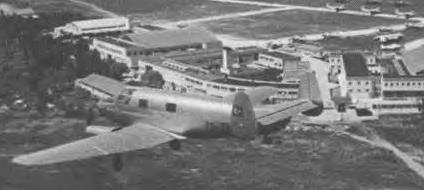
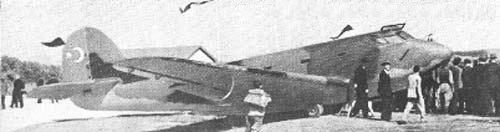
The THK-5 was a twin-engine aircraft developed in Turkey as an air ambulance. First flying in 1945, it was a conventional, low-wing cantilever monoplane of wooden construction throughout. The main units of the tailwheel undercarriage retracted into the wing-mounted engine nacelles and the THK-5 could carry two stretcher cases plus a medical attendant.

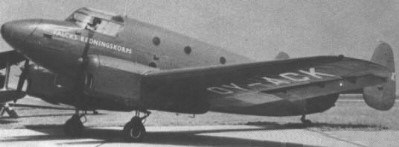
THK-5A TYRKEN (c/n 503 / OY-ACK) light ambulance a/c of the Danish FALCKS REDNINGSKORPS

This was followed in production by a six-seat utility transport version designated THK-5A and three examples of an improved version of the 5A designated THK-10. A single example of the type was exported, sold to Denmark.

On September 6, 1951 THK-5A serial number 503 sold to Denmark was put into service with registration OY-ACK. The aircraft, which was used as air ambulance under the name TYRKEN (TURK) until logging 961 hours and 20 minutes. In 1960 it was resold and used by air taxi companies. On 18 November 1961 the airplane suffered a landing accident and was withdrawn to a children’s park in Lagunen. The wreck was eventually scrapped.

THK-10

In total 13 were built.

When THK was taken over by MKEK, this was one of the designs selected for further work. However, although the designation MKEK-5 was allocated, nothing further came of this.

Gallery

THK-5
Engine: 2 × de Havilland Gipsy Major, 123 kW (165 hp) each
Wingspan: 14.63 m (48 ft 0 in)
Length: 9.98 m (32 ft 9 in)
Height: 2.87 m (9 ft 5 in)
Empty weight: 883 kg (1,943 lb)
Gross weight: 1,920 kg (4,255 lb)
Maximum speed: 220 km/h (137 mph)
Cruise speed: 124 mph
Landing speed: 74.5 mph
Range: 646 km (404 miles)
Service ceiling: 4,000 m (13,100 ft)
Crew: Two pilots
Capacity: Two stretcher cases plus one medical attendant

THK THK-2 / MKEK 2

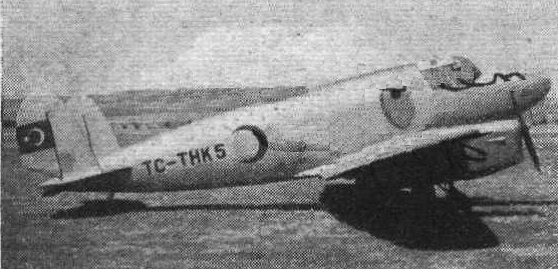
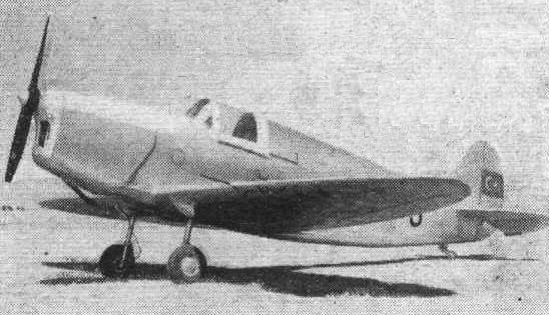
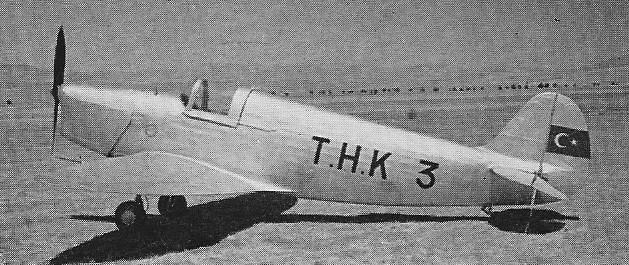
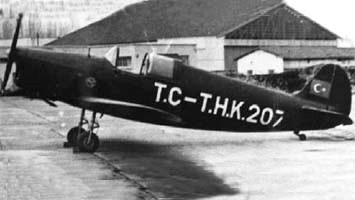
In 1936, Turkey bought 36 Polish R.24E fighter, simultaneously launching construction of an aircraft factory in Etimesgut near Ankara. The director of the factory became a Pole Jeri Vedrichovsky. The first aircraft built with the help of Polish engineers was the TNK-2 training monoplane. Stanislav Rogalsky, Jeri Telsiye and Leszek Duleba took part in its development. The design team took the RWD-10 as a basis, with several modifications. Preserving the same wooden construction of the Polish prototype. The single cockpit made completely closed. The English DH “Gipsy Major” motor, was also installed on Miles M.14 training aircraft built under licence.

The design and construction of the aircraft took place in 1943-1944 at the Turkish Aviation League (Turk Hava Kurumu).

Designed for aerobatic training, the first prototype of the TNK-2 was airborne in mid-1944. The second prototype took to the air in 1945, showing better performance than the first and the British Miles M.14.

Serial production amounted to only four aircraft that served in the Turkish Air Force until the mid-1950s. In 1952, after changing the name of the company, these aircraft were renamed MKEK-2.

Engine: de Havilland Gipsy Major, 135hp
Wingspan: 8.00m / 26 ft 2 in
Wing area: 10.20sq.m
Length: 7.00m / 23 ft
Height: 2.10m / 7 ft 1 in
Empty weight: 490kg / 1078 lb
Normal takeoff weight: 660kg / 1452 lb
Maximum speed: 265km / h / 164 mph
Cruising speed: 235km / h / 136 mph
Landing speed: 59 mph
Initial ROC: 1710 fpm
Practical range: 700km / 435 mi
Service ceiling: 6000m / 19,685 ft
Crew: 1

THK THK-1

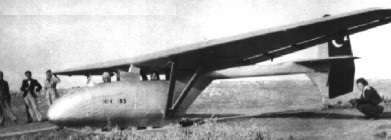
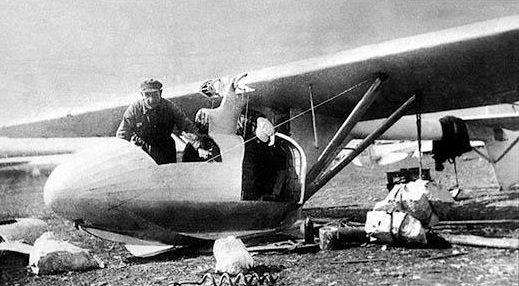
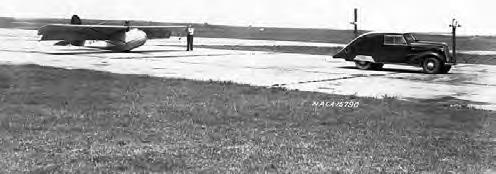
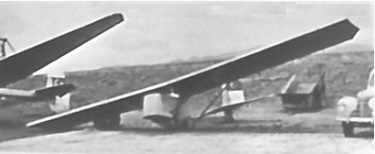
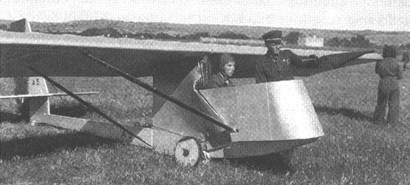
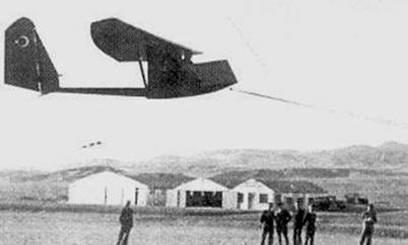
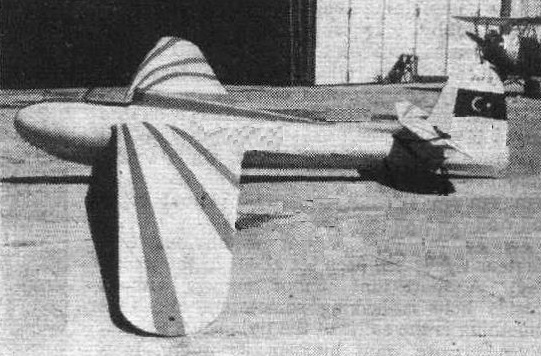
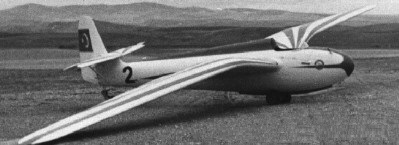
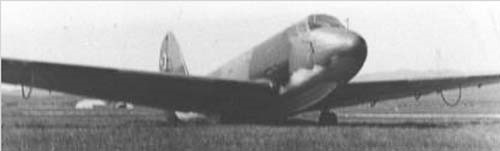
The Turk Hava Kurumu TNK-1 transport glider, built in 1943 was intended for military.

A 12-seat troop transport glider of wooden construction, the need for mass production was considered redundant and TNK-1 remained only a prototype.

THK-1
Wingspan: 26.00 m
Length: 12.50 m
Height: 4.60 m
Wing area: 56.00 sq.m
Weight empty equipped: 1100 kg
Maximum take-off weight: 2260 kg

THK / Turk Hava Kurumu Ucak Fabrikasi

As a forerunner of the nowadays Turkish Aeronautical Association, the Turkish Aircraft Foundation was founded on 16.02.1925. In accordance with the statute, the TTaC was to collect donations to buy new aircraft for the Turkish Air Force. In the years 1925-1935, 250 new aircraft could be procured by the actions of the TTaC. Some aircraft (like e.g. the Bréguet XIX B-2) was TTaC. In 1935 the statute of the foundation was modified. From that time it was supposed to function not as procurement organ for the Air Force, but rather execute sports activities in civilian aviation.

Upon reorganisation, the civil flying school, Turkish Bird (Türkkusu), was founded on 03.05.1935. Finally the association assumed its new name Türk Hava Kurumu (THK) on 24.05.1935. In 1936 the THK began to manufacture gliders for internal demand. Therefore a carpenter plant was built at Akköprü near Ankara. Then in 1939, when World War II began, some German and Polish aircraft designers were able to save themselves by detouring into Turkey. As the Turkish Government was also pressed badly in distress because of the world-political situation, it was decided that aircraft under license be manufactured, with the help of the experienced foreign designers. As a result a new aircraft plant was built at Etimesgut near Ankara in 1941.

Aircraft factory of the Turkish Air League formed 1941 at Etimesgut, near Ankara. At first the Miles Magister 1A Mk.I primary training aircraft was manufactured under license. Later Turkish designed aircraft were added. Built several gliders, including the THK-1 12-seat troop transport glider, and five types of light aircraft: the THK-2 single-seat aerobatic trainer; THK-5/5A twin-engined light transport/ambulance; THK-11 three-seat pusher-engined twin-boom light tourer; THK-15 tandem two-seat primary trainer; and THK-16 twin-jet trainer. Also built about 100 Miles M.14s under license, Turkish Air League control ceased 1952.

After World War II, the Turkish Government’s interest in its own aircraft production program, rapidly decreased. In addition, enormous aircraft supplies had come from the USA. Therefore it is not surprising that at the beginning of the fifties the THK aircraft plants were experiencing great difficulties. In order to prevent the worst of it, the government decided to transfer the available plants to the Mechanical and Chemical Industries Corporation (Makine ve Kimya Endüstrisi Kurumu, MKEK).

In 1952 Makina ve Kimya Endustrisi Kurumu / MKEK / Mechanical and Chemical Industry Corporation took over THK factory at Ankara, together with existing designs. THK-15 became the MKEK Model 1, THK-16 the Model 2, THK-5 and 5A the Models 5 and 5A, THK Prototype 14 the Model 6 and THK-2 the Model 7.

Türk Hava Kurumu Uçak Fabrikası – Turkish Air Agency Aircraft Factory

Numbered THK Uçak Fabrikası aircraft designations were applied only to original designs. So, for example, the licensed THK-Miles 14 Magister bears no relationship to the THK-14 (a 2-seat training glider).

Designations may be rendered as T.H.K.1 or THK.1 but the most common style seen in modern Turkish publications is THK-1.

THK designs were taken over by MKE with added ‘MKEK’ designations.
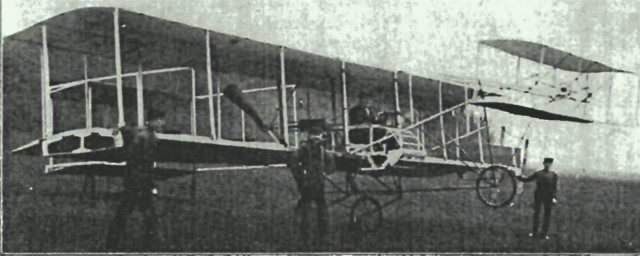
Thiele 1910 biplane

Little is known about this machine, except that it was designed by Ingenieur Erich Thiele, who made some flight tests in with it in 1910, and that “Flugsport” erroneously attributed it to Stefano Amerigo. Early in 1911, Thiele created the “Sächsische Flugzeugwerke” which in November 1911 became the famous Deutsche Flugzeugwerke.