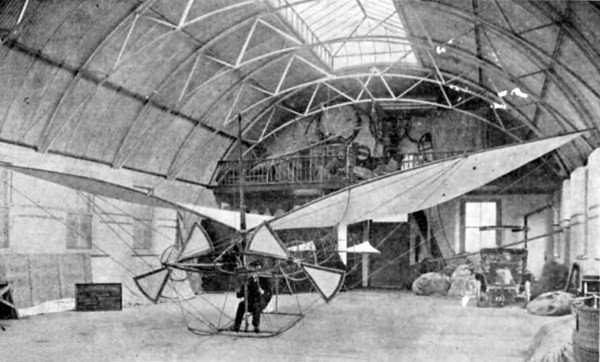
Designed by a Mr. Alvarez of Brazil, built by the firm of C. G. Spencer and Sons of Highbury and tested at Hendon with ballast instead of a pilot. It was taken to altitude of 3,000 feet by a balloon and dropped with the engine running, descending steadily to a soft landing. It had a 2 hp motor, a span of 40 ft, a wing area of 400 sq.ft and weighed 150 lbs. A larger model was planned, but nothing is known of it.
1995-6: 1405 N.Johnson, El Cajon, CA 92020, USA. Alturair has flown the Rotorair 2 two-seat air-pressure helicopter (first flown 1986), manufactures components for the BD-5 and Globe Swift, and developed the Alturdyne A650 and AT62 engines.
The Formula GT prototype aircraft, designed by Jeff Ackland, was completed and first flown in April, 2001. The GT shares its wing and horizontal tail planform/design with the Radial Rocket and P85.
Although the prototype Formula GT was powered by a 260 HP Lycoming engine, the GT was actually designed from the outset to utilize a liquid cooled LS V8 engine. The GT offers a side by side seating, and tricycle gear.
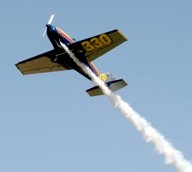
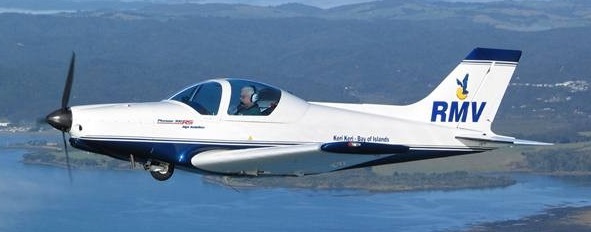
Developed in 2004, the Pioneer 330 Acro basic level aircraft trainer is designed to be equipped with the inverted flight engine kit for the Rotax 912S and a smoke system. Based on the P300 structure, the P330 has been strengthened to reach from +9 g up to -4.5 g, giving +6 to –3 usable. The wing has a pass through main spar and fully plywood skin covering, and a three axis trim system.
Engine: Rotax 912S Propeller: Variable Pitch Wing Span: 7.55 m Wing Area: 10 sq.m Fuselage Length: 6.25 m Cabin Width: 1.05 m Cabin Height: 1.05 m Empty Operative Weight: 295 Kg Maximum Takeoff Weight (Ulm): 450 Kg Maximum Design Takeoff Weight: 530 Kg Load Factors : +6 / -3 G Tank Capacity: 80 lt (2 x 40 lt) Auxiliary Tank Capacity: 22 lt Payload Limit (Ulm): 165 Kg Design Payload Limit: 245 Kg Baggage Volume: 226 lt Maximum Baggage Amount: 20 Kg Maximum Level Speed: 270 Km/H Cruise Speed (@ 75% Power): 240 Km/H Stall Speed: 65 Km/H Best ROC Speed : 120 Km/H Best Angle Climb Speed: 100 Km/H Best Rate Of Climb: 460 M/Min (1500 Ft/Min) Roll Rate: 180°/Sec Range @ 75% Power: 12.5:1 Range @ 75% Power With Auxiliary Tank: 1260 Km Operative Ceiling Altitude: 6000 m Take Off & Landing Ground Run: 120 m
The Asso V Champion was built by Alpi Aviation with composite skin panels as the Pioneer 300.
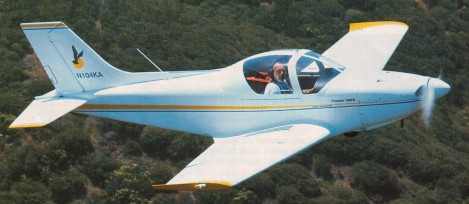
The Pioneer 300 STD has an S version with a shorter wing span, retractable landing gear and is produced in Italy. Both the 200 and 300 are fitted with the AVTEK in flight adjustable prop. The Pioneer 300 has a 300 kph VNE, while remaining within the ultralight aircraft rules, and the first engines installed were Mid-West, obtaining the BFU (German Certification). The aircraft is a compromise between performances, fuel consumption and flight quality.
The tricycle retractable landing gear has electrical landing gear retraction with manual emergency actuation and a stearable nose landing gear. The 2 place, side by side arrangements has double control stick and detachable wing.
Engine options include the Rotax 912 80 hp, Rotax 912S 100 hp, Jabiru 3300 120 hp, Jabiru 2200 80 hp, and Midwest wankel 110 hp. The Pioneer 300 Turbo is a turbocharged version.
The Pioneer 300 Hawk is derived from the Pioneer 300 standard, maintains the P300 flight qualities and is equipped with a good quality & luxury interiors. The detachable wing has a skin fully made of plywood and the retractable landing gear is equipped with a gas-oil damper system. The aircraft is equipped with the higher and more aerodynamic canopy. The instrument panel is made of composite materials and has a three dimensional shape. The electrical landing gear retraction has a manual emergency actuation and stearable nose gear.
Powered by a Rotax 912 ULS with an Idrovario C/S prop, the Alpi Pioneer JayHawk cruises at 130 kts.
Engine: Rotax 912 UL, 80 hp Wing Span: 7.55 m Wing Area: 10 sq.m Fuselage Length: 6.25 m Cabin Width: 1.05 m Cabin Height: 1.05 m Empty Operative Weight: 290 Kg Maximum Take Off Weight (Ulm): 450 Kg Maximum Design take Off Weight: 530 Kg Load Factors: +4 / -2 G Tank Capacity: 80 lt (2 x 40 lt) Auxiliary Tank Capacity: 32 lt Pay Load Limit (Ulm): 160 Kg Design Pay Load Limit: 240 Kg Baggage Volume: 226 lt Maximum Baggage Amount: 20 Kg Aspect ratio: 13-1
Pioneer 300 S Engine: Rotax 912S, 100 hp Propeller: Fixed Pitch Wing Span: 7.55 m Wing Area: 10 sq.m Fuselage Length: 6.25 m Cabin Width: 1.05 m Cabin Height: 1.05 m Empty Operative Weight: 285 Kg Maximum Takeoff Weight (Ulm): 450 Kg Maximum Takeoff Weight (Jar-Vla): 530 Kg Load Factors: +4 / -2 G Tank Capacity: 80 lt Auxiliary Tank Capacity: 32 lt Overall Payload Limit (Ulm): 165 Kg Overall Payload Limit (Jar-Vla): 245 Kg Baggage Volume: 226 lt Maximum Baggage Amount: 20 Kg Maximum Levelled Speed: 285 Km/H) Cruise Speed (@ 75% Power): 255 Km/H Stall Speed: 65 Km/H Best ROC Speed: 120 Km/H Best Climb Angle Speed: 100 Km/H Best Rate Of Climb: 460 M/Min (1500 Ft/Min) Roll Speed: 120°/Sec Range @ 75% Power: 1000 Km Range @ 75% Power With Auxiliary Tank: 1450 Km Operative Ceiling Altitude: 6000 m Takeoff & Landing Ground Run: 120m
Pioneer 300 N Engine: Rotax 912S, 100 hp Propeller: Fixed Pitch Wing Span: 7.55 m Wing Area: 11 sq.m Fuselage Length: 6.25 m Cabin Width: 1.05 m Cabin Height: 1.05 m Empty Operative Weight: 285 Kg Maximum Takeoff Weight (Ulm): 450 Kg Maximum Takeoff Weight (Jar-Vla): 530 Kg Load Factors: +4 / -2 G Tank Capacity: 80 lt Auxiliary Tank Capacity: 32 lt Overall Payload Limit (Ulm): 165 Kg Overall Payload Limit (Jar-Vla): 245 Kg Baggage Volume: 226 lt Maximum Baggage Amount: 20 Kg Maximum Levelled Speed: 270 Km/H Cruise Speed (@ 75% Power): 240 Km/H Stall Speed: 62 Km/H Best ROC Speed: 120 Km/H Best Climb Angle Speed: 100 Km/H Best Rate Of Climb: 460 M/Min (1500 Ft/Min) Roll Speed: 120°/Sec Range @ 75% Power: 1000 Km Range @ 75% Power With Auxiliary Tank: 1450 Km Operative Ceiling Altitude: 6000 m Takeoff & Landing Ground Run: 120m
Pioneer 300 Hawk Engine: Rotax 912S Propeller: Variable Pitch Wing Span: 7.55 m Wing Area: 10 sq.m Fuselage Length: 6.25 m Cabin Width: 1.05 m Cabin Height: 1.05 m Empty Operative Weight: 290 Kg Maximum Takeoff Weight (Ulm): 450 Kg Maximum Takeoff Weight ((Jar-Vla): 530 Kg Load Factors: +4 / -2 G Tank Capacity: 80 lt (2 x 40 lt) Auxiliary Tank Capacity: 32 lt Overall Payload Limit (Ulm): 160 Kg Overall Payload Limit (Jar-Vla): 240 Kg Baggage Volume: 226 lt Maximum Baggage Amount: 20 Kg Maximum Levelled Speed: 285 Km/H Cruise Speed (@ 75% Power): 255 Km/H Stall Speed: 65 Km/H Best ROC Cimb Speed: 120 Km/H Best Climb Angle Speed: 100 Km/H Best Rate Of Climb: 460 M/Min (1500 Ft/Min) Roll Speed: 120°/Sec Range @ 75% Power: 1000 Km Range @ 75% Power With Auxiliary Tank: 1450 Km Operative Ceiling Altitude: 6000 m Takeoff & Landing Ground Run: 120 m
Alpi Pioneer JayHawk Rotax 912 ULS with an, the Prop: Idrovario C/S Cruises: 130 kt All up weight: 544 kg Useful load: 204 kg Fuel capacity: 80 lt Undercarriage: retractable
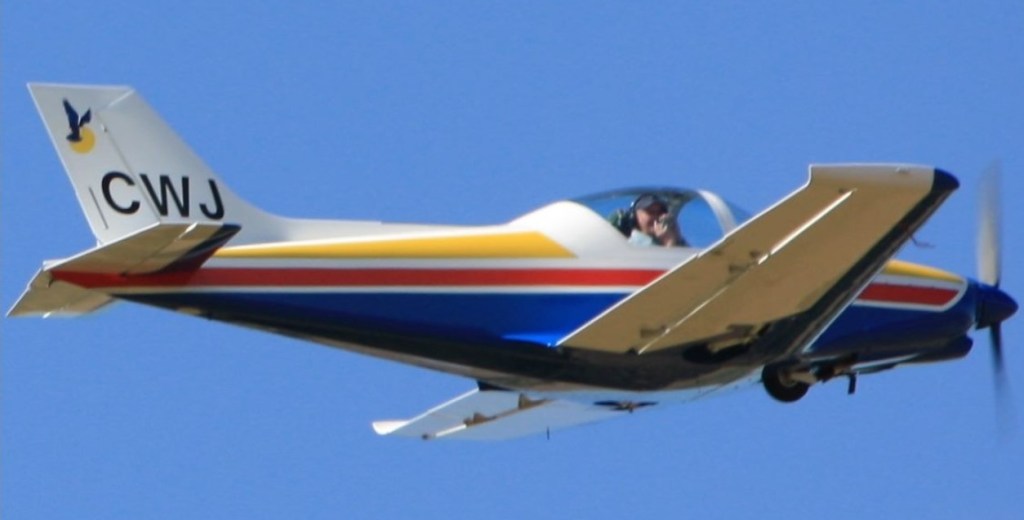
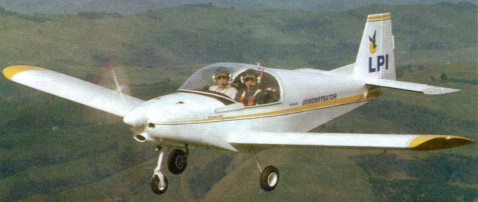
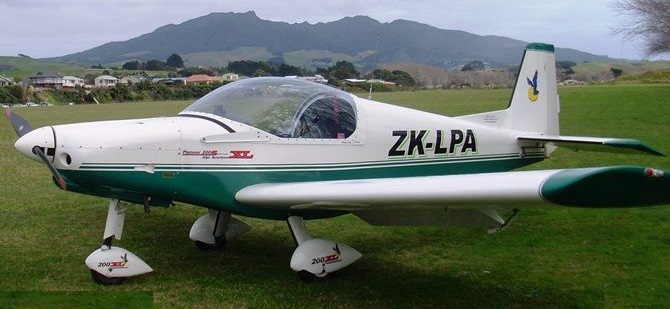
Alpi Aviation ws started by a group of amateur builders desiring and ultralight shaped like a general aviation aircraft. This led to the design of the Pioneer with retractable undercarriage, electric flaps, tapered wings, a carbon-covered fuselage, wing tanks, and a wooden structure. The Pioneer 200 STD is wooden construction, simple and without frills, and the fuselage wood truss structure is common with the Pioneer 300. The aircraft has also the same instrument panel, central consol and the composite materials engine cowling. The aircraft has a fixed landing gear and a rectangular wing with a main spar made of Spruce wood and ten ribs per wing. The torsion resistance is maintained by a plywood ‘D’ shaped box. A rear spar supports the hinges and aileron controls aluminium push-pull tubes, and the overall aircraft structure is covered by a Dacron fabric. Some mechanical parts are common with the Pioneer 300 such as: control stick, rudder and elevator hinges, braking system, and wheels. The front hinged canopy is made of a one piece, transparent polycarbonate. The aluminium fuel tank has a standard capacity of 54 litres and is positioned inside the fuselage. Powerplants can be from 60 to 80 hp. Produced in Italy. Both the 200 and 300 are fitted with the AVTEK in flight adjustable prop. In 2004 Alpi developed the aerobatic Pioneer 330 and a cheaper Pioneer 200 version equipped with the Sauer engine. Alpi also received the UK, JAR-VLA standards certification, a strongly and severe certification standard, really pursued and finally obtained as a relevant objective. The Pioneer 200 Sauer is the cheaper version equipped with the Sauer engine, a Volkswagen derived engine. The low engine price together with the basic aircraft configuration permits a mix between cost and performances. The Pioneer 200 Sauer features a 65 hp Sauer engine, tricycle fixed landing gear, with a stearable nose wheel, 2 place, side by side seating with double control stick, a fully fabric covered wood structure, and detachable wing. The kit includs everything except the engine, propeller and instruments. The Pioneer 200 Sparrow, similar to the P300 Hawk, has a composite, three dimensional shape to improve the instrument visual and the interiors look.instrument panel. The aircraft has good quality & luxury interior that give the P200 Sparrow a general aviation look, strobe lights and landing lights, and cabin heat. Sparrow features a Rotax 912 100 hp, landing gear fairings, the horizontal and vertical tail with composite tips, detachable wing, well finished and comfortable interiors, with car quality ergonomic seats, and blue polycarbonate transparent canopy.
ALPI Pioneer 200S
The Pioneer P200 Beluga is derived from the standard P200, has the rear fuselage turtle modified to be opened and transformed into a long baggage vane. The Beluga model has all the P200 performances.
Pioneer 200 Engine: Rotax 912, 80 hp Propeller: fixed pitch Wing Span: 7.55 m Wing Area: 10.5 sq.m Fuselage Length: 6.15 m Cabin Width: 1.05 m Cabin Height: 1.00 m Empty Operative Weight: 275 Kg Maxium Take Off Weight (Ulm): 450 Kg Maximum Take Of Weight (Vla): 520 Kg Load Factors: +4 / -2 G Fuel Capacity: 54 lt Auxiliary Tank Capacity: 17 lt Payload (Ulm): 175 Kg Payload (Vla): 245 Kg Baggage Volume: 226 lt Maximum Baggage: 20 Kg Maximum levelled speed: 215 km/h VNE: 130 kt / 149 mph / 240 kmh Cruise speed 75% pwr: 100 kt / 115 mph / 185 km/h Stall speed: 65 km/h Max rate climb speed: 110 km/h Max angle climb speed: 90 km/h Best rate of climb: 300 m/min (980 ft/min) Roll rate: 90°/sec Range 75% pwr: 650 km Range 75% pwr aux fuel: 830 km Operative ceiling: 5000 m Take off & landing ground run: 100 m Take-off distance (50ft obstacle): 590 ft / 180 m Landing distance (50ft obstacle): 390 ft / 120 m
Pioneer 200 Sauer Engine: Sauer 65 hp Stall: 35 kt / 40 mph / 65 kmh Cruise: 89 kt / 103 mph / 165 kmh VNE: 103 kt / 118 mph / 190 kmh Wing Span: 7.55 Mm Wing Area: 10.5 sq.m Fuselage Length: 6.15 Mm Cabin Width: 1.05 m Cabin Height: 1.00 m Empty Operative Weight: 270 kg Maxium Takeoff Weight (Ulm): 450 kg Maximum Design Take Off Weight: 520 kg Climb Ratio: 500 ft/min / 3 m/s Glide Ratio: 11:1 Take-off distance (50ft obstacle): 790 ft / 240 m Landing distance (50ft obstacle): 390 ft / 120 m Load Factors: +4 / -2 G Fuel Capacity: 54 lt Auxiliary Fuel Capacity: 17 lt Payload (Ulm): 185 kg Design Payload Limit: 250 kg Baggage Volume: 226 lt Maximum Baggage: 20 kg
Pioneer 200 Sparrow Engine: Rotax 912, 100 hp Propeller: Fixed Pitch Max Level Speed: 225 Km/h Cruise Speed 75% pwr: 210 Km/h Stall Speed: 65 Km/h Best ROC speed: 110 Km/h Best angle speed: 90 Km/H Best Rate of Climb: 425 m/min (1400 fpm) Roll Rate: 90°/Sec Range 75% Pwr: 600 Km Range 75% Pwr Aux fuel: 800 Km Operating Ceiling: 6000 m Take Off & Landing Ground Run: 80 m Wing Span: 7.55m Wing Area: 10.5 sq.m Fuselage Length: 6.15 m Cabin Width: 1.05 m Cabin Height: 1.00 m Empty Operative Weight: 282 Kg Maxium Take Off Weight (Ulm): 450 Kg Maximum Take Off Weight (Vla): 520 Kg Load Factors: +4 / -2 G Fuel Capacity: 54 lt Auxiliary Fuel Capacity: 17 lt Overall Payload Limit (Ulm): 168 Kg Overall Payload Limit (Vla): 238 Kg Baggage Volume: 226 lt Maximum Baggage: 20 Kg
Pioneer 200 Beluga Engine: Rotax 912, 80 hp Propeller: Fixed Pitch Wing Span: 7.55 m Wing Area: 10.5 sq.m Fuselage Length: 6.15 m Cabin Width: 1.05 m Cabin Height: 1.00 m Empty Operative Weight: 275 Kg Maxium Takeoff Weight (Ulm): 450 Kg Maximum Design Takeoff Weight: 520 Kg Load Factor: +4 / -2 G Tank Capacity: 54 lt Auxiliary Tank Capacity: 17lt Pay Load Limit (Ulm): 180 Kg Design Payload Limit: 245 Kg Baggage Volume: 500 lt Maximum Baggage Amount: 60 Kg Maximum Levelled Speed: 215 Km/H Cruise Speed (@ 75% Power): 185 Km/H Stall Speed: 65 Km/H Best ROC Speed: 110 Km/H Steep Climb Speed: 90 Km/H Best Rate Of Climb: 300 M/Min (980 Ft/Min) Roll Speed: 90°/Sec Range @ 75% Power: 650 Km Range @ 75% Power With Auxiliary Tank: 830 Km Operative Ceiling Altitude: 5000 M Takeoff & Landing Ground Run: 100 M
Alpi Aviation was started by a group of amateur builders desiring and ultralight shaped like a general aviation aircraft. This led to the design of the Pioneer with retractable undercarriage, electric flaps, tapered wings, a carbon-covered fuselage, wing tanks, and a wooden structure. In 2004 the Croatian Alpi factory has been renewed and enlarged with a completely new shed that permits a higher production rate for the wood structure that involves the higher man hours amount during the manufacturing process.
Established early 1970s to manufacture a re-engined and updated version of the Luscombe 11A Sedan under the designation Alpha 11D. Primary changes were the introduction of a fixed tricycle landing gear and provision of a 180 hp engine.
Founded 1958 by Mm d’Assche and Noin. Made slightly modified Jodel D-117-A (two per month from January 1959). In 1962 partnership with Rene Fournier resulted in Avion-Planeur RF3 with Volkswagen engine.
1964 Alpavia S. A. Aerodrome de Gap-Tallard (Htes-Alpes), France.