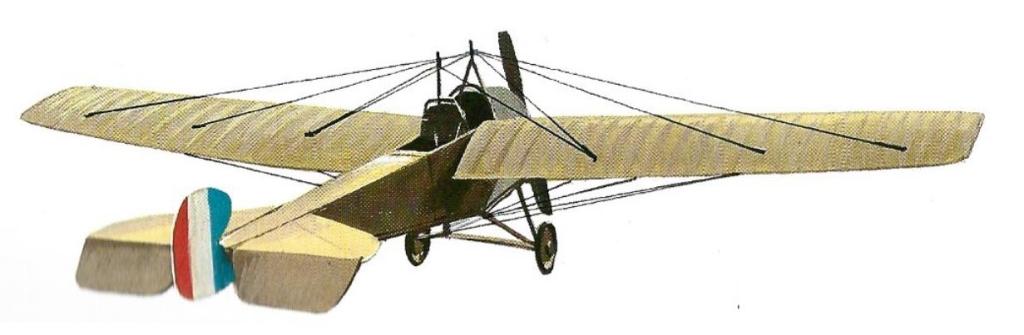
Robert Esnault-Pelterie !909 reconnaissance aircraft.
Engine: Gnome, 80 hp
Wingspan: 36 ft / 10.97 m
Length: 26 ft / 7.92 m
Empty weight: 670 lb / 304 kg
Max speed: 72 mph / 116 km
Crew: 2
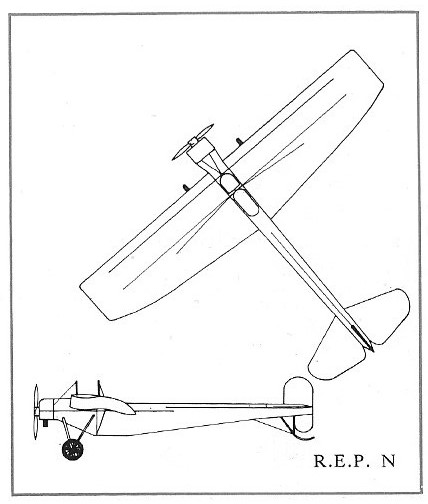
Robert Esnault-Pelterie !909 reconnaissance aircraft.
Engine: Gnome, 80 hp
Wingspan: 36 ft / 10.97 m
Length: 26 ft / 7.92 m
Empty weight: 670 lb / 304 kg
Max speed: 72 mph / 116 km
Crew: 2
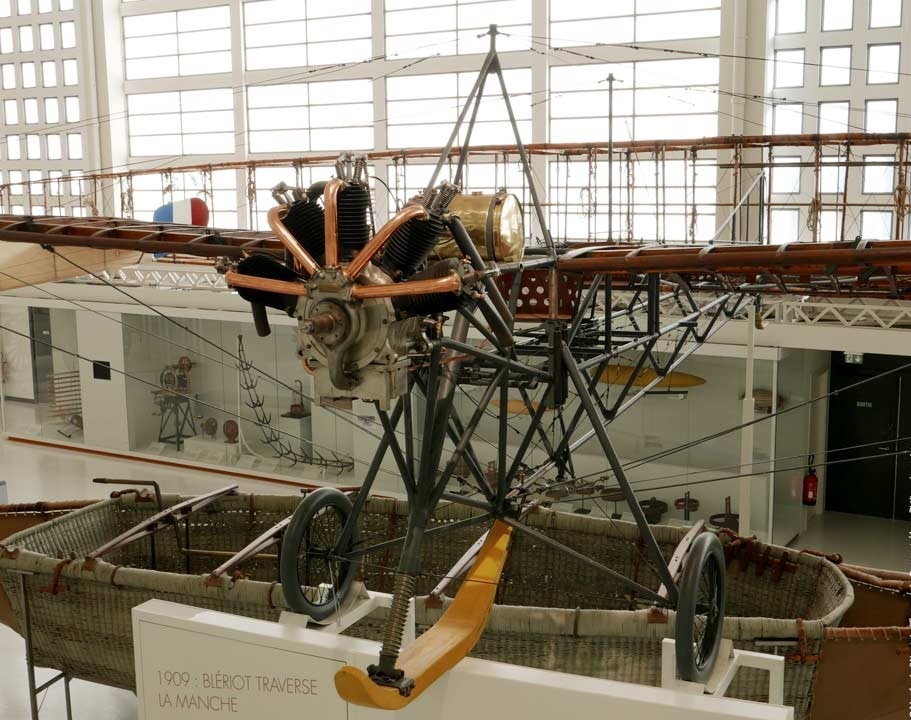
Equipped with a 60 hp engine, the REP type D broke several records at the end of 1910 before being ordered by the military aeronautics and produced in series.
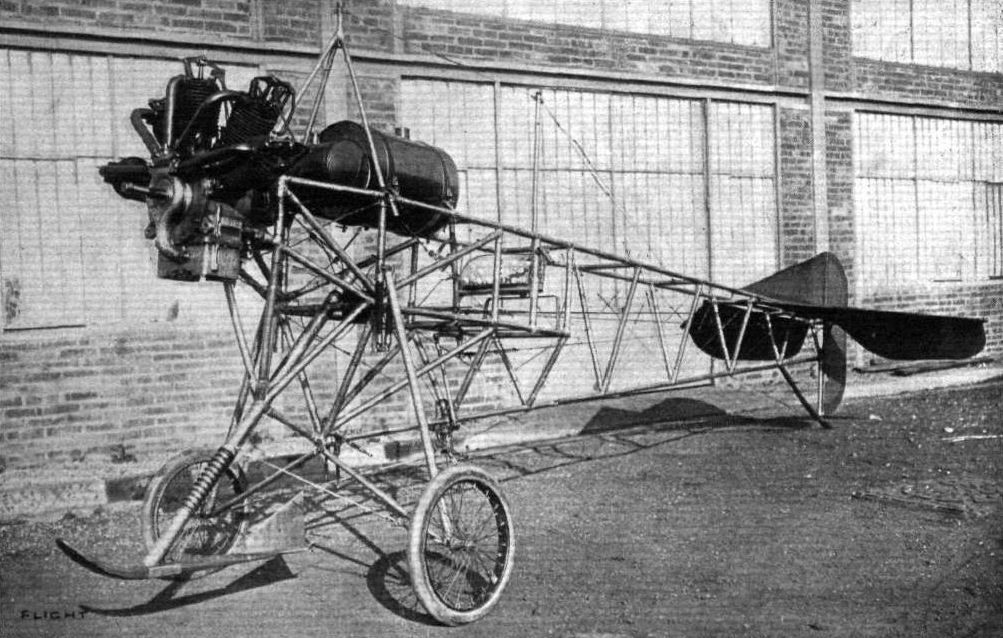
The REP Type D was capable of 70 mph or more.
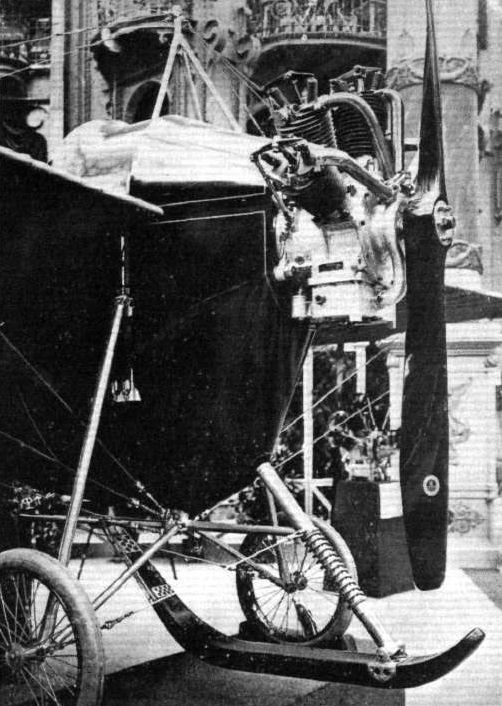
The prototype traveled 530 km in 6 h 29 min, in Buc (Yvelines), on December 31, 1910 piloted by Pierre-Marie Bournique.
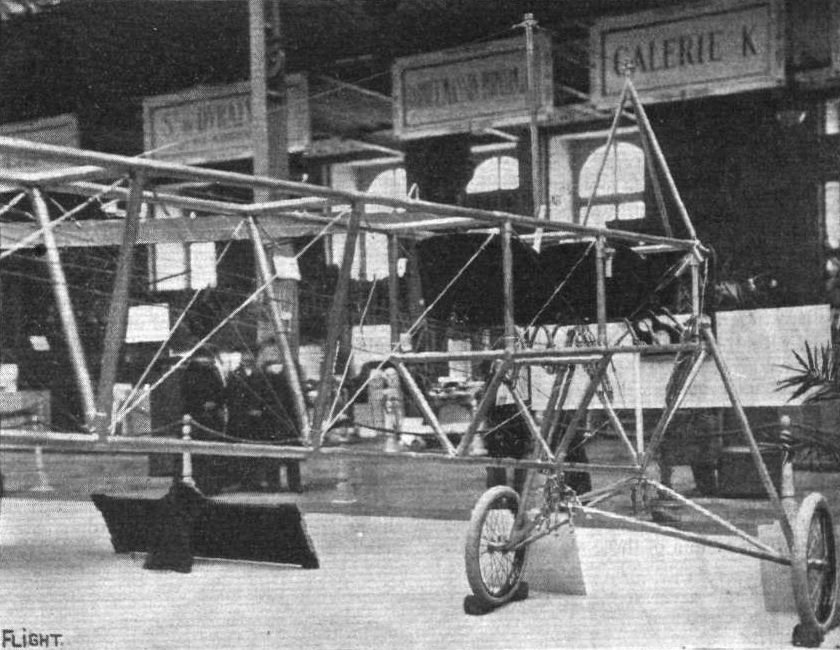
Span: 42’8″
Length: 36’1″
Weight: 1543 lb gross
Speed: 56 mph
The 1911 Esnault-Pelterie Type F monoplane was designed and built by Robert Esnault-Pelterie in France.
Span: 38’5″
Length: 24’5″
The 1911 Esnault-Pelterie biplane was similar to the “De Cours” but with a diamond cross-section. It was designed and built by Robert Esnault-Pelterie.
Span: 37’1″
Length: 34’5″
The 1911 Esnault-Pelterie “De Cours” monoplane was designed and built by Robert Esnault-Pelterie in France.
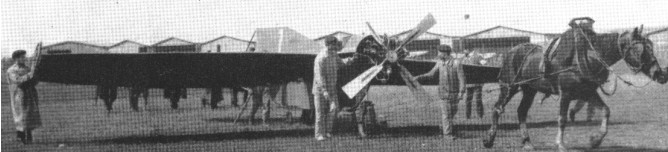
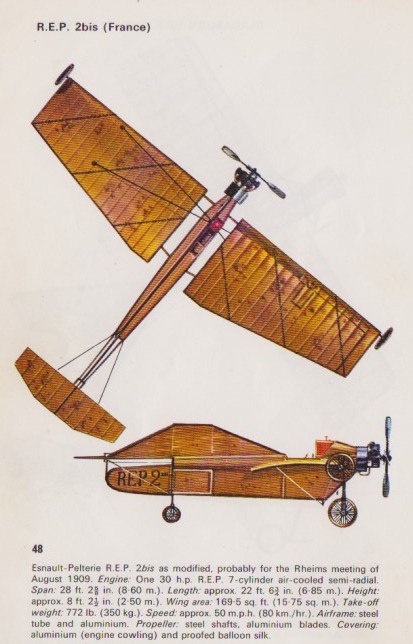
One of the few pioneers to persevere with the monoplane, Robert Esnault Pelterie applied to his work to apply aileron control to a full-sized aeroplane (a glider, in 1904), the first to use hydraulic wheel brakes, the first to develop an aircraft seat belt, he also designed the engines that powered his early aircraft. First flown on 15 February 1909, the steel frame REP 2bis represented the culmination of development of his first powered aircraft, and in May 1909 it made its best flight, travelling some 5 miles (8 km). Before the end of the first World War, however. Esnauit Peiterie had transferred his interest to an even more exciting field that of rocket propulsion.
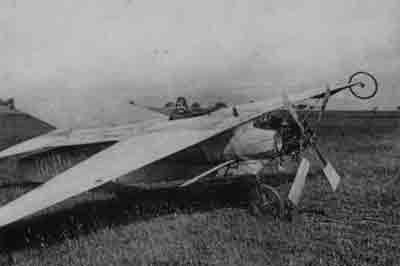
The REP 2 was similar to the REP 1 but now with fin and rudder.
Engine: R.E.P. seven¬-cylinder air-cooled semi radial, 30 hp.
Prop: 4-blade.
Wing span: 28 ft 2.5 in (8.60 m).
Length: appro. 22 ft 6.75 in (6.85 m).
Height: approx 8 ft 21 in (2.50 m).
Wing area: 169.5 sq ft (15.75 sq.m).
Gross weight: 772 lb (350 kg).
Speed: approx 50 mph (80 kph).
Seats: 1.
R.E.P. No.2bis
First flight: 1908
Wing span: 9.6m / 31ft 6 in
Length:8m / 26 ft
Weight: 420kg / 925 lb
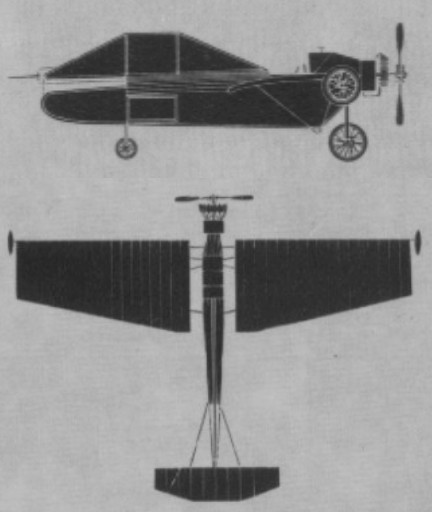
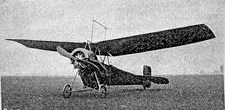
The 1907 Esnault-Pelterie Rep 1 tractor monoplane, with no rudder initially, but flew up to 2000′ It was designed and built by Robert Esnault-Pelterie in France
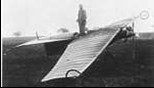
Span: 32’2″
Robert Esnault-Pelterie (1881 -1957) was a pioneer in aircraft design and development, rocketry, and aero-engine construction. Especially noted for tractor monoplanes and metal-tube construction. Following construction of Wright type gliders (1904), he tested REP 1 (1907) and REP 2 (1908) powered by his own engines. Founded in 1908 Association des Industriels de la Locomotion Aerienne and merged with Chambre Syndicale des Industries Aeronautiques. Developed central-float seaplane. Vickers in England acquired license for REP monoplanes in 1911. A few French-built REP monoplanes (including parasol type) used in First World War. After the Armistice, Esnault-Pelterie, something of a visionary, increasingly concerned himself with the problems of spaceflight.
In Germany in 1911 Bernhard Escher designed and built a monoplane.
A low-wing monoplane in which a tubular steel spar formed the fuel tank. Revived after the war.

