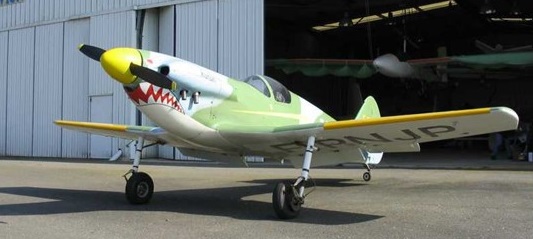
Reinhard Cumulus

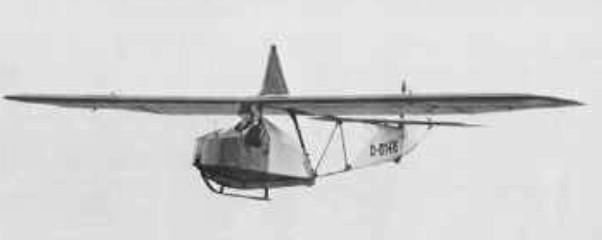
The Cumulus, which first flew in 1951, incorporated a wing very similar to that of the pre-World War II Schneider Grunau Baby with a new fuselage design reminiscent of the pod and boom Bowlus Baby Albatross. It was designed by Gerharf Reinhard with homebuilders in mind. Early models used a skid for takeoff and landing, while later models incorporated a small main wheel. The glider is constructed with wood wings and steel tube fuselage; both fabric covered.

Wing span: 13.57 m / 44.5 ft
Empty Weight: 159 kg / 350 lb.
Seats: 1
L/D max: 19
No. built: approx. 10

Reid & Sigrist R.S.1 Snargasher

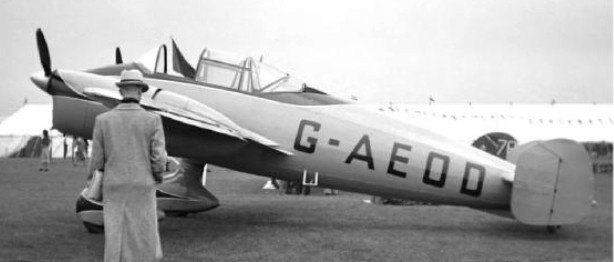
Reid & Sigrist Ltd built a twin-engined advanced trainer popularly known as the Snargasher, of which only a prototype (G-AEOD) was built.

A three seat trainer built at Desford shortly before the Second World War, power was by two de Havilland Gipsy Six engines. The aircraft’s first public appearance was at the Royal Aeronautical Society garden party at Heathrow in May 1939.

During the war the Snargasher flew as the maker’s communication aircraft until scrapped in 1944.

Reid Flub / Reid Flying Submarine / RFS-1

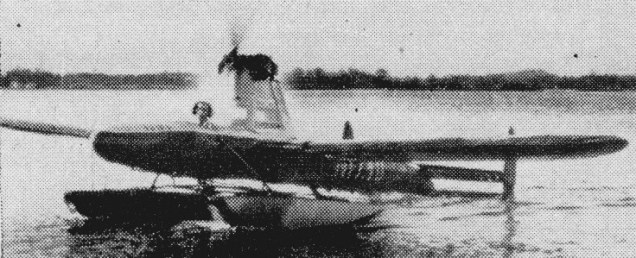
Donald Reid was developing a flying sub using his own money. The “flub” would use one jet engine for both flying and underwater propulsion.

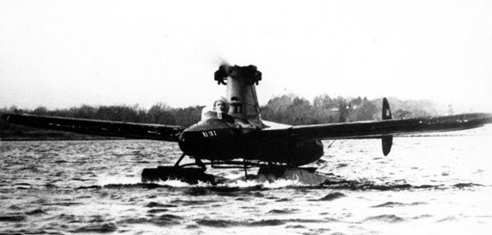
The last five models have been man-size, and his son, Bruce, has been his chief test pilot. Bruce has had the flub, in the air on short, straight-ahead flights, and underwater for short periods. In 1965 they hoped to put the two together and take off from water, land and submerge.

The 1965 model is scrounged mostly from parts of crashed airplanes. It has a 65-hp Lycoming engine with propeller mounted above the fuselage/hull for flying and an electric-powered screw for underwater propulsion.

Reid says he was laughed out of Washington when he proposed such a vehicle to the Navy 10 years ago. “Now,” he says, “I’ll just finish it and give it to the Air Force.”

The RFS-1 sort of worked. The airplane was incredibly heavy, so it could only do slight hops in the air, but it could dive, at least a little bit. Before diving, the pilot had to remove the propeller, and cover the engine in rubber. Since the airplane had an open cockpit, the pilot used an aqualung while under water. The RFS-1 dived down to 12 feet during a test.
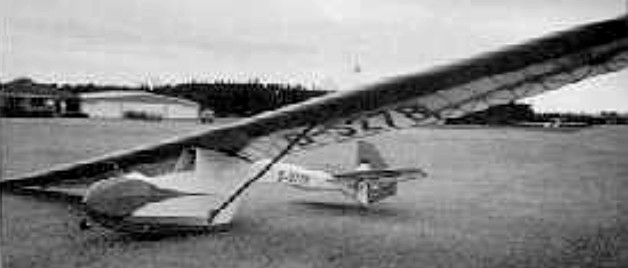
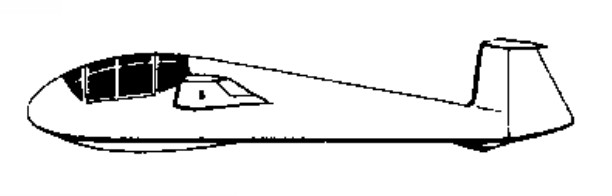
Reichelt Eindecker Nr. 1

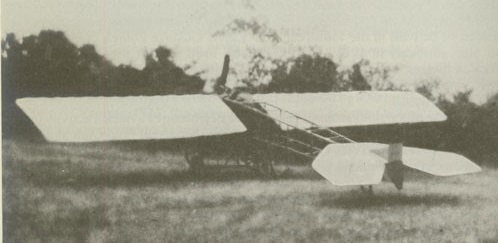
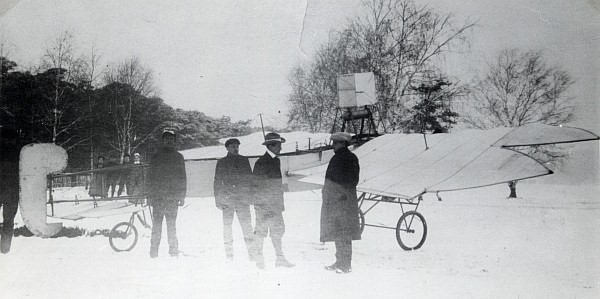
This was the first motorized aeroplane built by Hermann Reichelt in Dresden, Germany, who had previously experimented with gliders. He based the 1910 design on the famous Blériot monoplane but added some self-developed features, for example the unique split wing tips. The 16 hp two-cylinder engine was sponsored by the Gruhl motorcycle company. Ing. Gruhl and Hermann Reichelt can be seen in the foreground of the photograph. Take-off attempts with the underpowered monoplane failed.