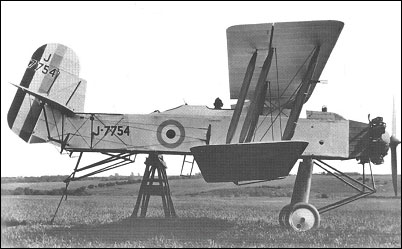
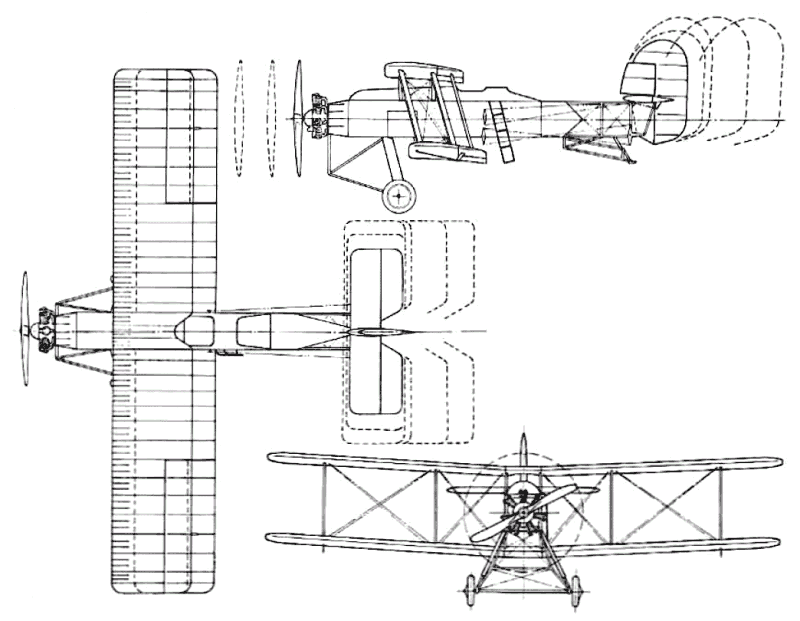
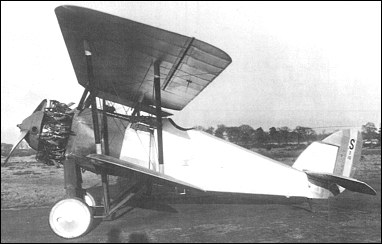
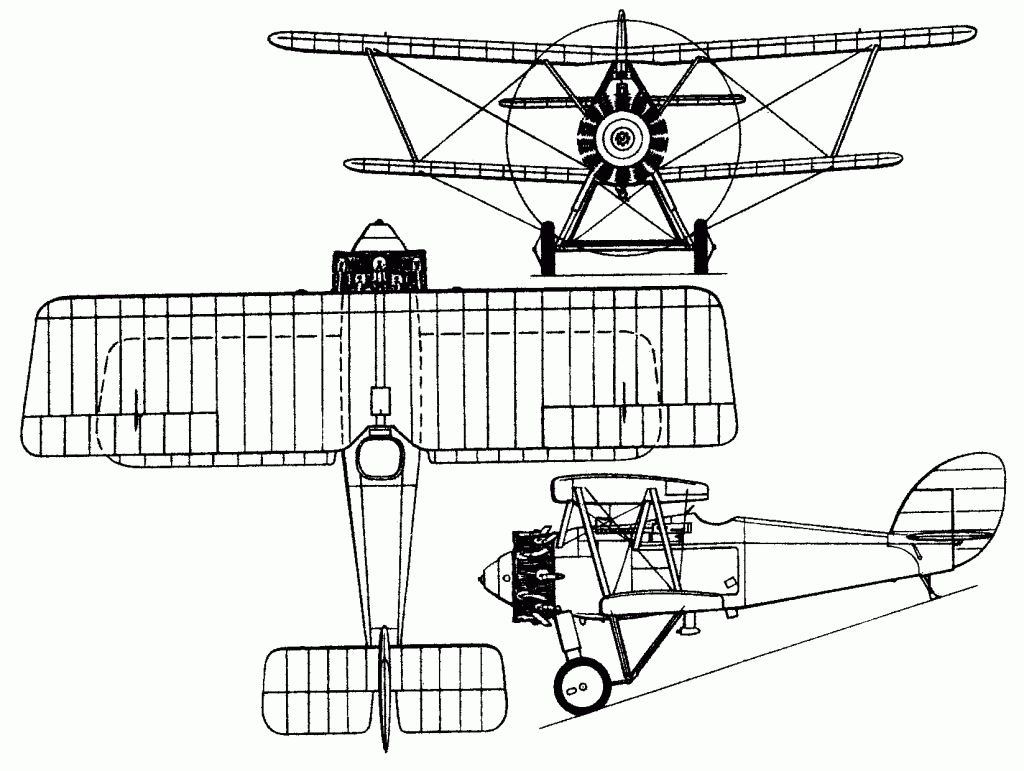
The only prototype was flown on 5 April 1930. No production. Aries was a proposed and improved Atlas I model with slightly larger surfaces and overall dimensions while also being made easier to maintain in the field. However, only one was ever completed.
Engine: 1 x 460hp Armstrong Siddeley Jaguar IV Wingspan: 12.80 m / 41 ft 12 in Length: 8.64 m / 28 ft 4 in Height: 3.33 m / 10 ft 11 in Wing area: 37.12 sq.m / 399.56 sq ft Armament: 2 x 7.7mm machine-guns
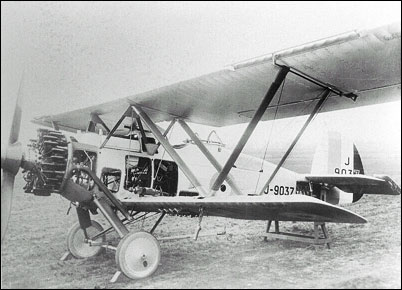
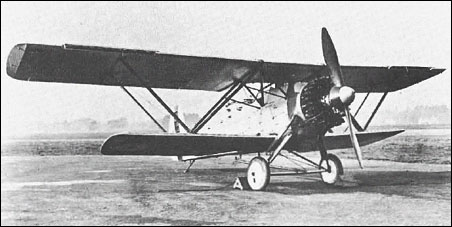
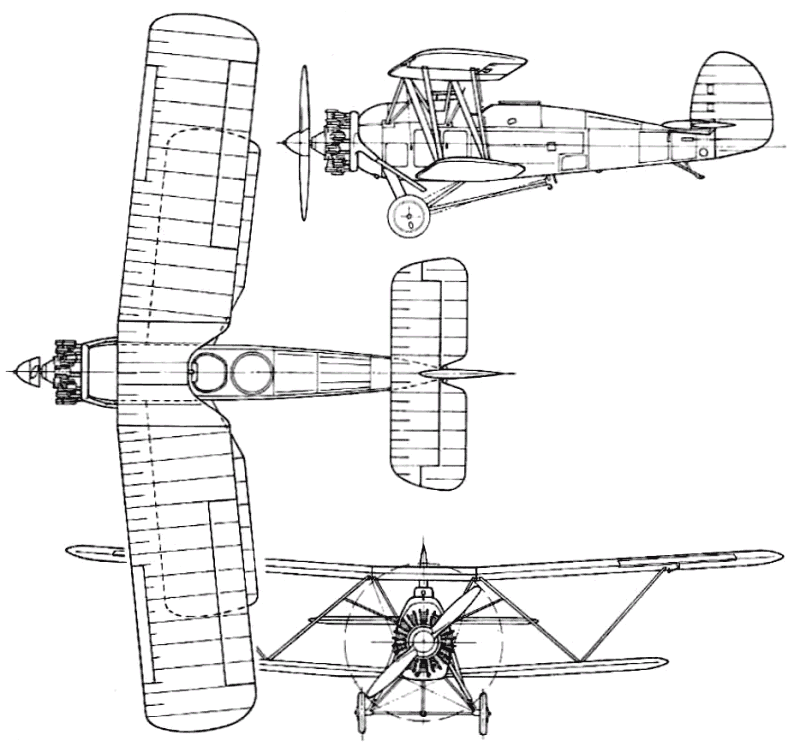
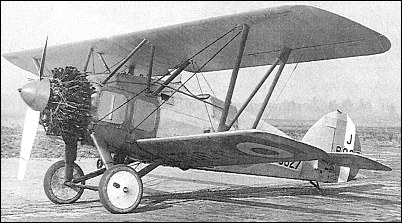
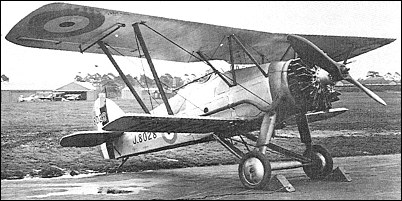
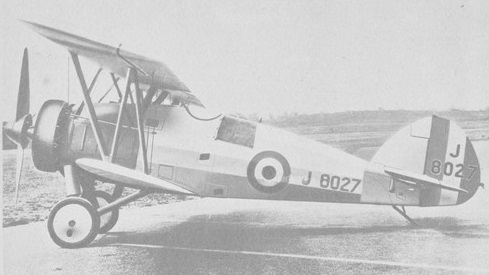
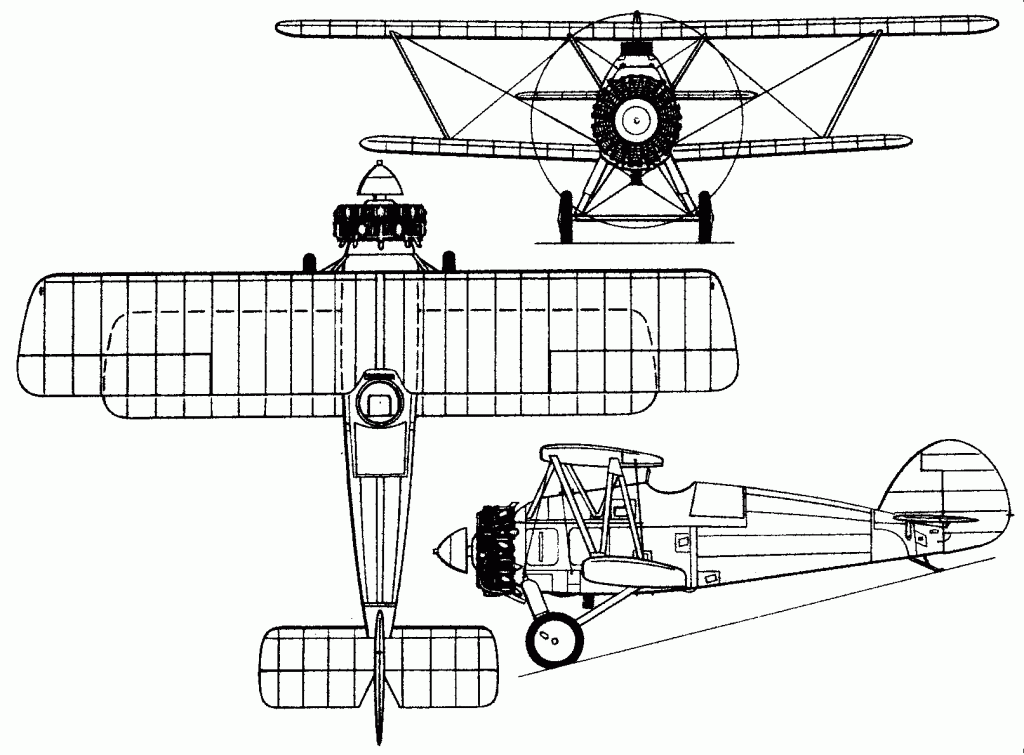
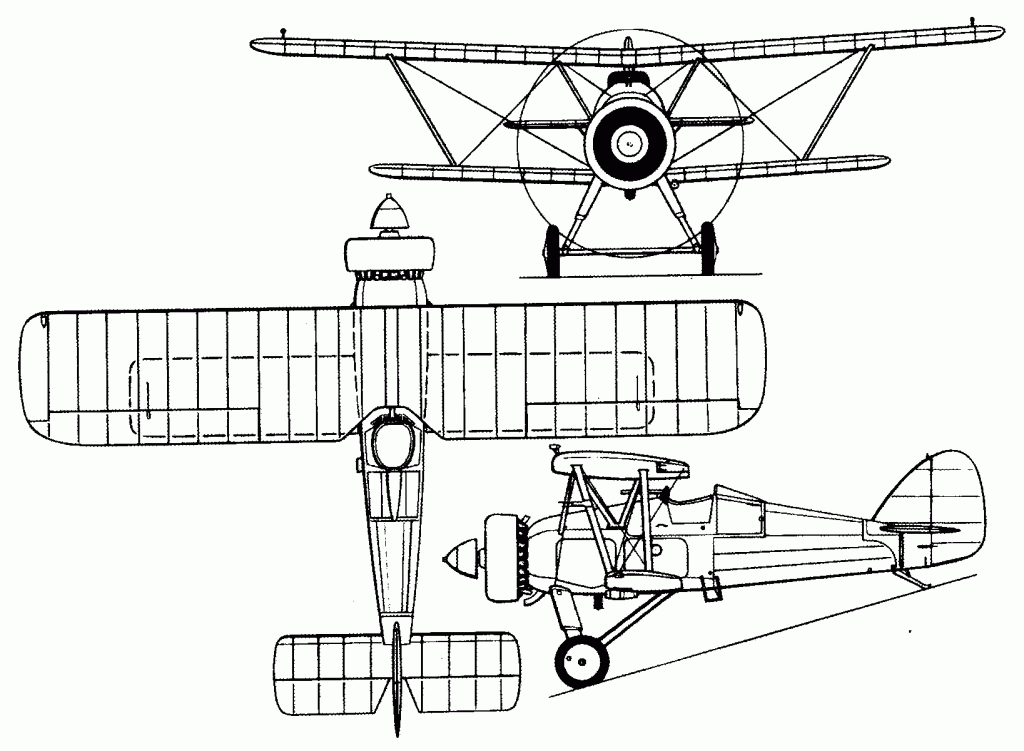
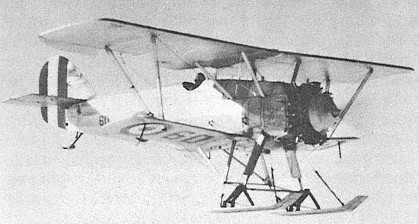
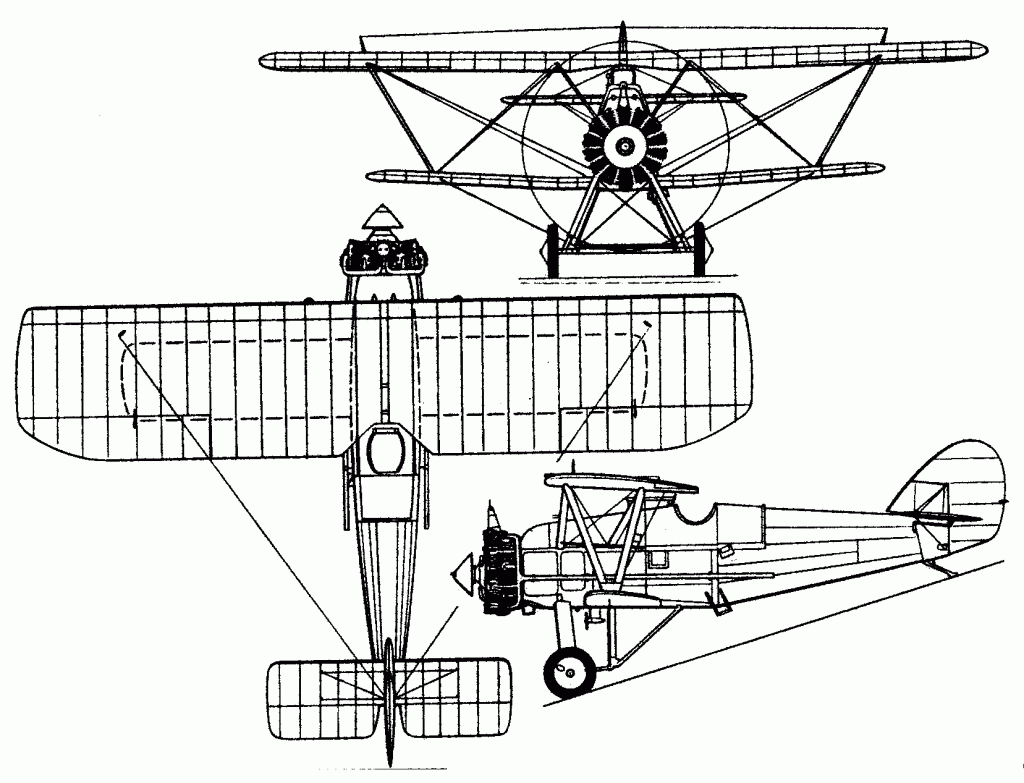
Designed by J Lloyd to the Air Ministry specification F.9/26, the A.W.14 Starling was a staggered biplane with wings of unequal span and chord. Of fabric-covered rectangular-section steel-tube fuselage, the wings were steel spars, wooden ribs and fabric skinning. Two prototypes were ordered, the first flying on 19 May 1927 with an uncowled 385hp Armstrong Siddeley Jaguar VII two-row 14-cylinder radial. The engine was later replaced by a supercharged Jaguar IV rated at 410hp at 2745m and enclosed by a Townend ring cowling. Armament was two 7.7mm Vickers Mk II machine guns. Competition in the F9/26 competition at Martlesham Heath against the officially sponsored Annstrong Whitworth Starling, Boulton-Paul Partridge, Gloster Goldfinch and Hawker Hawfinch, was the private venture Bristol Bulldog. The Starling proved disappointing, and the second prototype was abandoned in favour of an entirely new design known as the Starling II.
AW.14 Starling II
The A.W.14 Starling II bore no relationship to the original Starling apart similar construction. Powered by an Armstrong Siddeley Panther IIIA 14-cylinder two-row radial rated at 540hp and armed with two Vickers Mk II machine guns, three prototypes were completed and flown in 1930, one being a shore-based fighter to the requirements of F.9/26 and the other two being private venture tenders to the N.21/26 fleet fighter specification. The land-based prototype had an uncowled engine and the shipboard prototypes featured Townend ring engine cowlings. No production orders were received.
Starling Engine: Armstrong Siddeley Jaguar VII, 385hp Take-off weight: 1404 kg / 3095 lb Empty weight: 934 kg / 2059 lb Wingspan: 9.55 m / 31 ft 4 in Length: 7.67 m / 25 ft 2 in Height: 3.20 m / 10 ft 6 in Wing area: 22.89 sq.m / 246.39 sq ft Max. speed: 286 km/h / 178 mph
AW.14 Starling II Engine: Armstrong Siddeley Panther IIIA, 540hp Take-off weight: 1463 kg / 3225 lb Wingspan: 10.44 m / 34 ft 3 in Length: 7.53 m / 24 ft 8 in Max. speed: 295 km/h / 183 mph
To advance the science of aerodynamics, the Royal Aeronautical Establishment (RAE) commissioned an ‘infinitely adjustable’ aeroplane from Armstrong Whitworth, that by addition and adjustment of various parts would ‘provide all the answers’ to problems of aircraft design. Named the Ape, the plane could be altered by varying the length and rake of various struts on, the wing position, stagger, gap and dihedral, and the fuselage length could be increased by inserting extra bays. The tailplane incidence could be altered in the air by the pilot by pulling levers in the cockpit, and the fin tilted along with the tailplane. Four different sizes and shapes of rudder and tailplane could be fitted. On the second aircraft an arrangement of struts was attached to the landing gear to prevent the propeller striking the ground if the Ape tipped forward. The first Ape had a 180hp engine and performance was poor, limiting its utility. The second Ape was later fitted with a more powerful Jupiter engine, but increases in the weight largely nullified the effect of the greater power. It lasted for nine months of trials before crash-landing near Farnborough in May 1929. A third aircraft was completed but saw little use, the RAE having become somewhat disenchanted with the whole idea.
Engine: 1 x 180hp Napier Lynx III radial piston engine Take-off weight: 1225-1474 kg / 2701 – 3250 lb Wingspan: 12.19 m / 39 ft 12 in Length: 8.61/11.66 m / 28 ft 3 in / 38 ft 3 in Height: 3.96/4.57 m / 12 ft 12 in / 14 ft 12 in Max. speed: 145 km/h / 90 mph Crew: 2
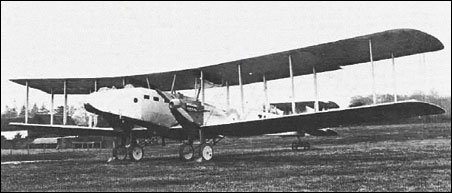
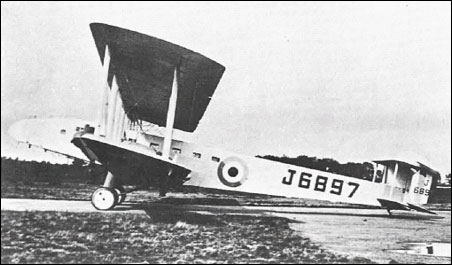
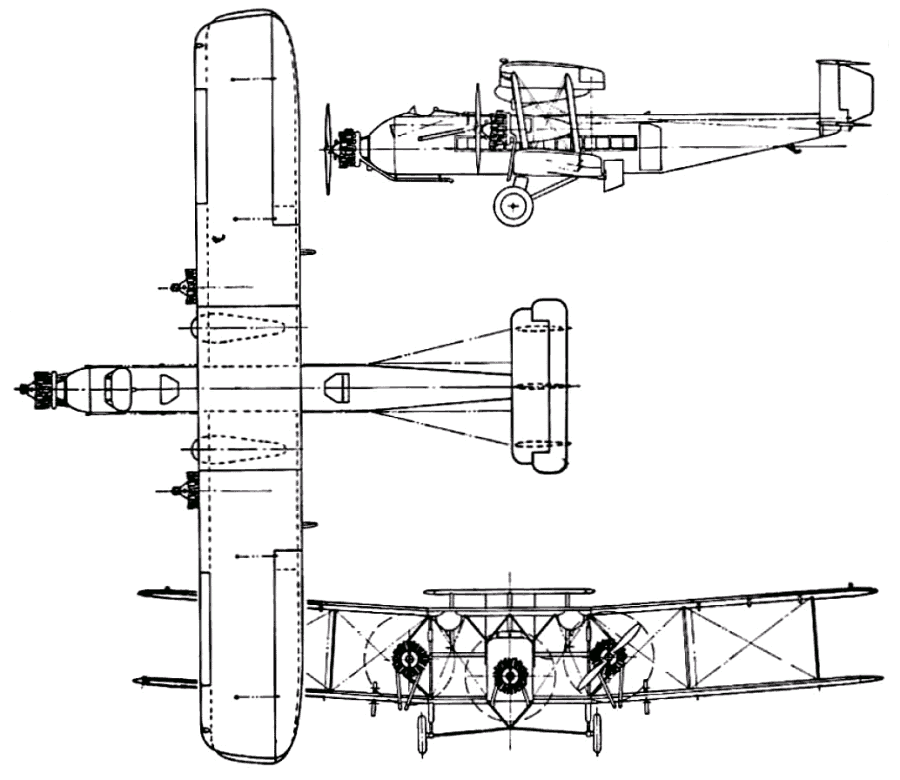
Awana Engine: 2 x 450hp Napier Lion Take-off weight: 8373 kg / 18459 lb Empty weight: 4536 kg / 10000 lb Wingspan: 32.16 m / 105 ft 6 in Length: 20.72 m / 67 ft 12 in Height: 6.17 m / 20 ft 3 in Wing area: 213.68 sq.m / 2300.03 sq ft Max. speed: 156 km/h / 97 mph Ceiling: 2438 m / 8000 ft Range: 579 km / 360 miles
Engine: 1 x 350hp Jaguar III Take-off weight: 1855 kg / 4090 lb Empty weight: 1220 kg / 2690 lb Wingspan: 12.14 m / 39 ft 10 in Length: 9.45 m / 31 ft 0 in Height: 3.96 m / 12 ft 12 in Wing area: 45.34 sq.m / 488.04 sq ft Max. speed: 177 km/h / 110 mph Ceiling: 4618 m / 15150 ft
After the Siddeley Deasy Car Co Ltd acquired in 1921 the name and goodwill of Sir W G Armstrong Whitworth & Co Ltd, which had closed down its aviation department, the Siskin was developed from the Siddeley S.R.2 Siskin, a single-seat fighter of 1919.
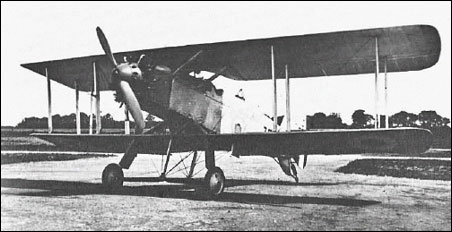
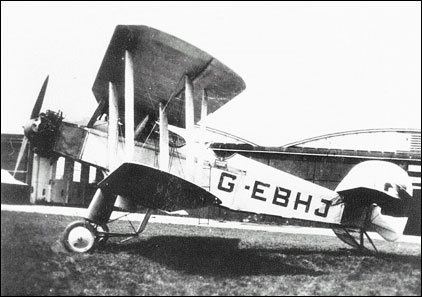
The initial Siskin of all-wood construction flew with the Dragonfly engine for the first time in May of 1919. The aircraft itself proved a capable mount though the engine left much to be desired. Retaining the basic features, the Siskin II was redesigned structurally, with fuselage and wing spars of high-tensile steel tubing and strip. The Siskin II appeared in August 1922 as a two-seater powered by a 325hp Armstrong Siddeley Jaguar I 14-cylinder two-row radial. A second prototype followed in October 1923 was a single-seat fighter. The first prototype was later modified as a single-seater. The Siskin II did not attract any orders, and the second prototype was eventually sold to the Swedish Air Force.
The air-cooled radial piston engine was fitted to the extreme forward end of the fuselage sans a cowl and powered a two-blade propeller. The fuselage itself, though all-metal throughout her internal structure, was still covered over in tight fabric and was originally slab-sided and boxy in appearance. This later gave way to a more circular design thanks to an all-new engine installation. As a biplane, the Siskin featured an unequal-span upper and lower straight-wing assembly with slight dihedral. Wings were set in a single bay arrangement and featured V-type struts and were further braced to the fuselage via additional struts located just forward of the cockpit.
The cockpit was set aft from the powerplant and was open. The fuselage was capped aft by a conventional empennage featuring a rounded vertical stabilizer and applicable horizontal planes. The undercarriage was fixed in place and consisted of two main single-wheeled landing gear legs and a simple tail skid at the rear.
Armament was 2 x .303 (7.7mm) Vickers brand machine guns synchronized to fire through the spinning propeller via an interrupter gear. These were fitted to the forward fuselage just ahead of the pilot’s windscreen. An external load of 4 x 20lb bombs was carried externally under the wings (two to a wing).
By this time, the British Air Ministry had made a decision to pursue all-metal fighters for their future needs – the fear being that another war could spell shortages of wood and thusly affect the capability of wood-based fighter production in the UK. As such, the Siskin was redesigned in 1923 to incorporate an all-metal aluminum alloy internal frame.
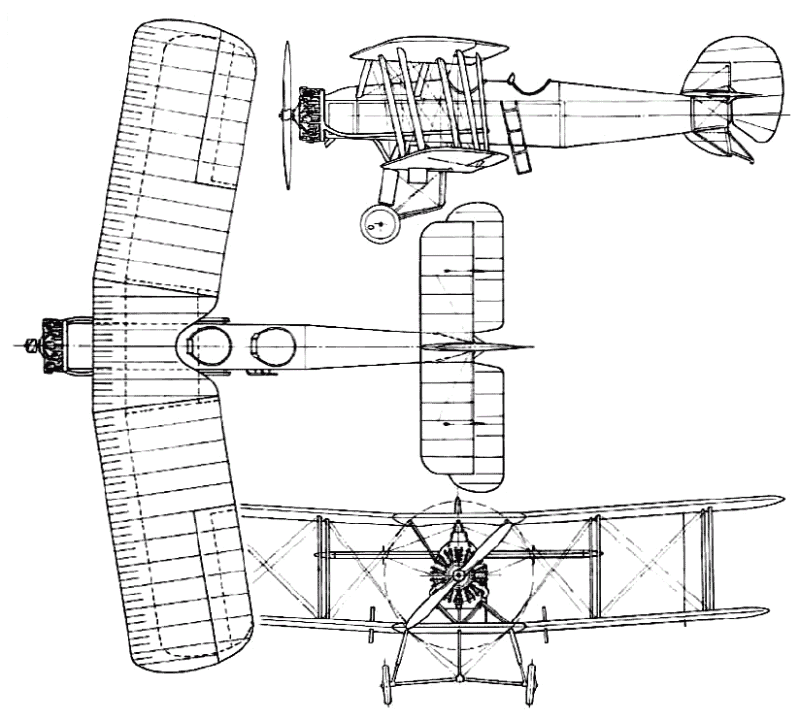
Embodying considerable redesign, the Siskin III featured an enlarged upper wing, a lower wing of reduced chord and Vee-type interplane struts. The Siskin III was powered by the 350hp Armstrong Siddeley Jaguar III engine, and was ordered for the RAF to Specification 15/22 and flown on May 7th, 1923.
The Royal Air Force (RAF) ordered six for evaluation. Tests were conducted in January of 1924 and proved quite promising to the point that the Siskin III was officially accepted into service with the RAF. The Siskin became the RAFs first all-metal fighter, the first production example flying on 24 March 1924. Armament comprised two 7.7mm Vickers machine guns, and 50 single-seat examples were built for the RAF, one of these later being passed to the RCAF. Twelve two-seat trainer models were also built.
Siskin III
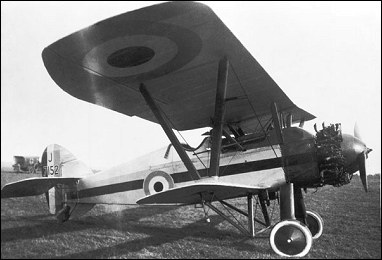
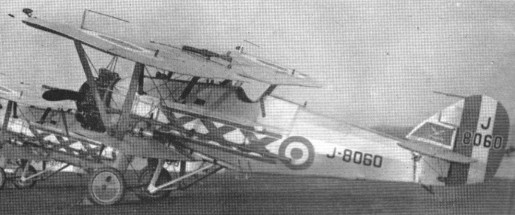
The definitive Siskin became the Siskin IIIA, built to Specification 19/23, of which some 348 were produced with 340 of these slated for the RAF and the remaining 8 for the Royal Canadian Air Force. The IIIA brought about a longer fuselage with raised aft decking, greater gap and less upper wing dihedral, redesigned vertical tail surfaces, and a rounded sided fuselage. Performance specifications included a top speed of 156 miles per hour, a range of 280 miles, a service ceiling of 27,000 feet and a rate-of-climb of 2,953 feet per minute. Endurance 1 x 425hp Armstrong Siddeley Jaguar IV or super-charged Jaguar IVS series radial piston engine provided for a good “bump” to performance above 10,000 feet was listed at roughly 1 hour and 12 minutes. Retaining the twin 7.7mm Vickers gun armament, the Siskin IIIA could reach 10,000 feet in just over 7 minutes (7minutes, 5 seconds).
The Siskin IIIA first flew on 20 October 1925, and was ordered for the RAF in June 1926, 412 being built, including 47 dual-control trainers, 17 of the single-seaters were supplied to the RCAF. Of the total production, Armstrong Whitworth built 159, Blackburn 42, Bristol 85, Gloster 74 and Vickers 52.
The Siskin IIIB was a one-off experimental prototype fitting an improved engine in a Townend ring.
The Siskin IIIDC was a two-seat dual control trainer that was built in 53 examples with deliveries to the RAF, Canada and Estonia. The Siskin IV was a single example civilian racer.
Siskin IIIA
Siskin IIIA
Siskin IIIA
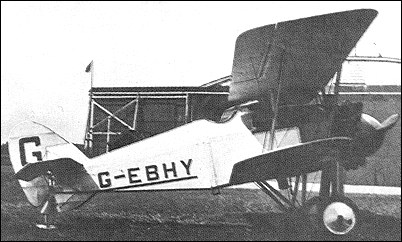
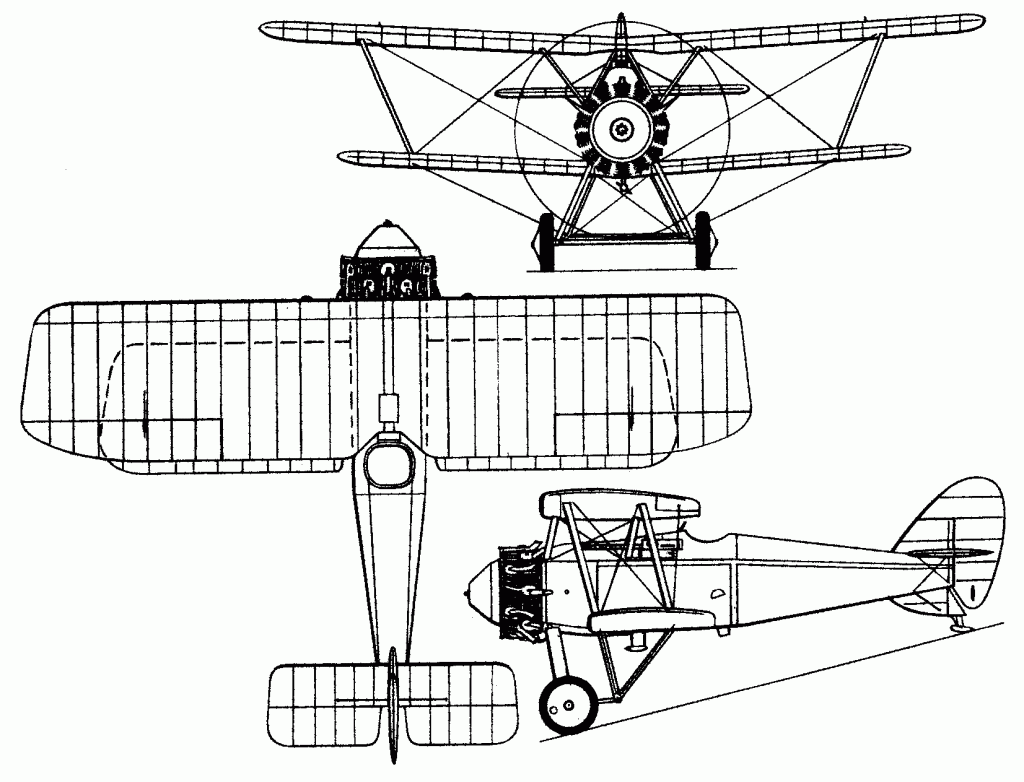
The Siskin V preceded the Siskin IIIA and was essentially a development of the Siskin II. The V retained the shorter span upper wing, broader chord lower wing and parallel struts of the original model, but with redesigned vertical tail surfaces, a forward fuselage with rounded sides, and a 385hp Armstrong Siddeley Jaguar III. Armament was two 7.7mm machine guns. An order for 70 was received from the Romanian government and production was initiated early in 1925, but in March 1925 one of the Romanian Siskin Vs was destroyed in a crash while being flown in the UK by a Romanian test pilot, and the order was cancelled. At that time at least 10 had been completed, but no deliveries had been made. Two Siskin Vs were subsequently flown with civil registrations. The Siskin IV, the sole example of which was built for the 1925 King’s Cup Race, was similar.
The Siskin in British service was fielded by No. 1, 17, 19, 23, 24, 25, 29, 32, 41, 43, 54, 56 and 111 Squadrons. No. 41 Squadron was the first to receive the type (in their base Siskin III forms) in May of 1924 operating out of Northolt and No. 111 Squadron followed. The Siskin IIIA was accepted into service and served the RAF up until October of 1932, which saw the aircraft replaced by the Bristol Bulldog.
In Canadian service, the Siskin flew with No. 1 Squadron. Canada originally evaluated two Siskin III models and ended up ordering 12 IIAs from 1926 through 1931. The evaluation versions were initially field-tested through two British aircraft on loan in an effort to validate its in-flight operation in a winter environment. Canadian use of the Siskin spanned from 1926 through to 1939. The Siskin was finally replaced by the Hawker Hurricane in 1939.
Siskin II Take-off weight: 1021 kg / 2251 lb Wingspan: 8.63 m / 28 ft 4 in Length: 6.55 m / 21 ft 6 in Height: 2.89 m / 9 ft 6 in Wing area: 23.50 sq.m / 252.95 sq ft Max. speed: 238 km/h / 148 mph
Siskin III Take-off weight: 1241 kg / 2736 lb Empty weight: 830 kg / 1830 lb Wingspan: 10.08 m / 33 ft 1 in Length: 6.85 m / 22 ft 6 in Height: 2.97 m / 9 ft 9 in Wing area: 27.50 sq.m / 296.01 sq ft Max. speed: 216 km/h / 134 mph
Siskin IIIA Engine: 1 x Armstrong Siddeley Jaguar IV or IVS, 313/336kW Wingspan: 10.11 m / 33 ft 2 in Length: 7.72 m / 25 ft 4 in Height: 3.10 m / 10 ft 2 in Wing area: 27.22 sq.m / 292.99 sq ft Take-off weight: 1366 kg / 3012 lb Empty weight: 935 kg / 2061 lb Max. speed: 251 km/h / 156 mph / 136kt Maximum Range: 280miles (450km) Rate-of-Climb: 1,538ft/min (469m/min) Ceiling: 8230 m / 27000 ft Armament: 2 x 7.7mm Vickers machine-guns, 4 x 20lb / 9kg bombs Hardpoints: 4 Crew: 1
Siskin V Take-off weight: 1116 kg / 2460 lb Wingspan: 8.63 m / 28 ft 4 in Length: 6.55 m / 21 ft 6 in Height: 2.89 m / 9 ft 6 in Wing area: 23.50 sq.m / 252.95 sq ft Max. speed: 249 km/h / 155 mph
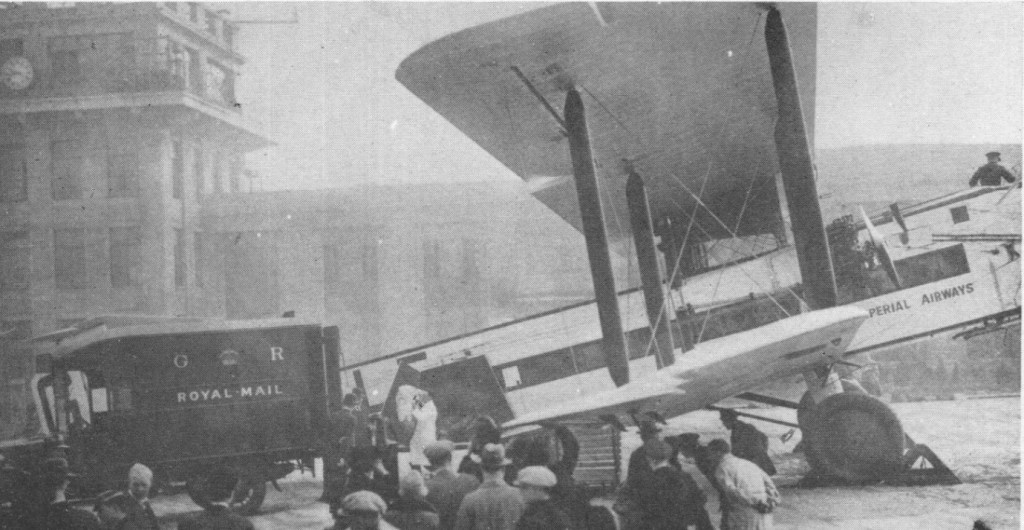
Arrival of Prince of Wales at Croydon 26 March 1929
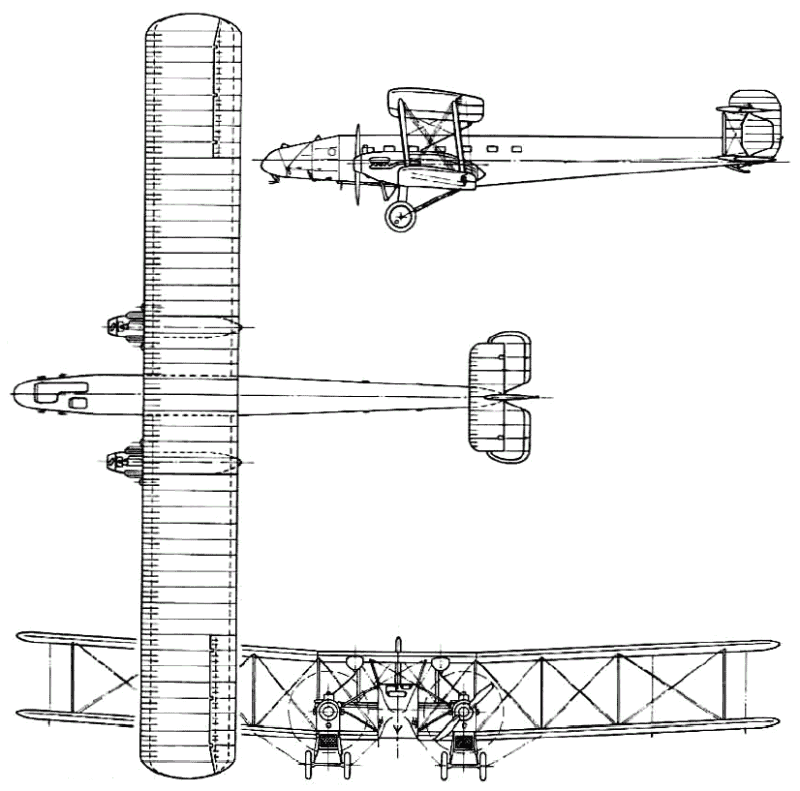
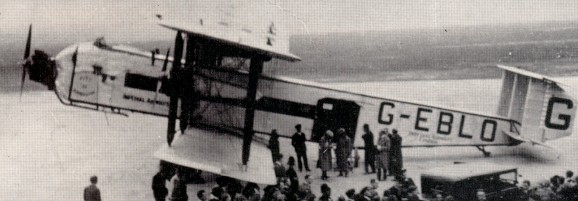
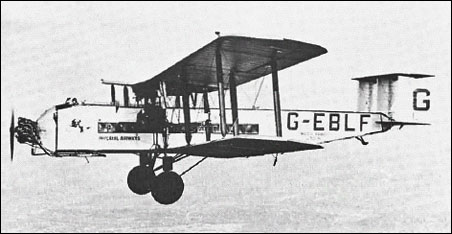
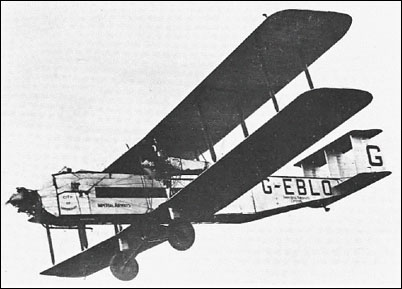
One of three new types of airliner ordered by Imperial Airways on its formation in 1924, the others being the Handley Page W.8f and de Havilland Hercules. First flown on 16 March 1926, the Argosy was the aeroplane that introduced luxury air travel on regular services, except for the pilot, who still sat out in the open up front. The Argosy had a steel tube fuselage and all steel wing construction and was powered by three 385 hp (later 420 hp) Armstrong Siddeley Jaguars.
Three Mk.I machines entered service with Imperial Airways on August 5, 1926, and inaugurated the world’s first named luxury air service the lunchtime Silver Wing from London to Paris in May of the following year. Accommodation was reduced from 20 to 18 Passengers, to make room for a steward and buffet. The four 28 seat Mk.II Argosies followed in 1929 and were had more powerful (420 h.p.) engines in circular, rather than square, nacelles, and the addition of Handley Page slots and servo tabs on the lower wing trailing edge. These latter made the aileron controls finger light and applied bank automatically in a sideslip or flat turn, which made the pilot’s work very much easier. On 31 March 1929 Imperial Airways Argosy ‘City of Glasgow left Croydon with the first airmail for India.
Argosies were not withdrawn from service until 1935.
Argosy Mk I Engines: 3 x Armstrong Siddeley Jaguar, 385hp Take-off weight: 8165 kg / 18001 lb Wingspan: 27.64 m / 90 ft 8 in Length: 20.07 m / 65 ft 10 in Height: 6.05 m / 19 ft 10 in Wing area: 175.22 sq.m / 1886.05 sq ft Max. speed: 177 km/h / 110 mph Cruise speed: 153 km/h / 95 mph Range: 531 km / 330 miles Passengers: 20
Argosy Mk II Engines: 3 x Armstrong Siddeley Jaguar, 420hp Span 90 ft. Length 64 ft 6 in. Height 19 ft. Wing area 1,890 sq. ft. Empty weight 12,090 lb Loaded weight 19,200 lb Max. speed 110 m.p.h. Range 405 miles at 90 mph. Pax cap: 18-20.
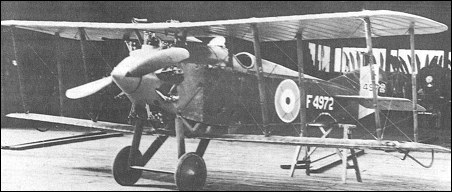
Designed in 1918 around the newly developed ABC Dragonfly nine-cylinder air-cooled radial of 320hp, three prototypes of the Ara were ordered. Delays in delivery of the Dragonfly engine led, in October 1918, to abandoning of plans to produce a Dragonfly-powered fighter in quantity. Companies with a design under development were each allocated one Dragonfly engine in December 1918 in order to enable them to complete and test one prototype. The ABC engine proved extremely unreliable when the Ara commenced trials early in 1919. A second prototype was completed and flown before, late in 1919, Sir W G Armstrong Whitworth & Co Ltd closed its aircraft department. The planned armament of the Ara comprised two 7.7mm Vickers guns.
Take-off weight: 875 kg / 1929 lb Empty weight: 599 kg / 1321 lb Wingspan: 8.35 m / 27 ft 5 in Length: 6.17 m / 20 ft 3 in Height: 2.39 m / 7 ft 10 in Wing area: 23.87 sq.m / 256.93 sq ft Max. speed: 241 km/h / 150 mph
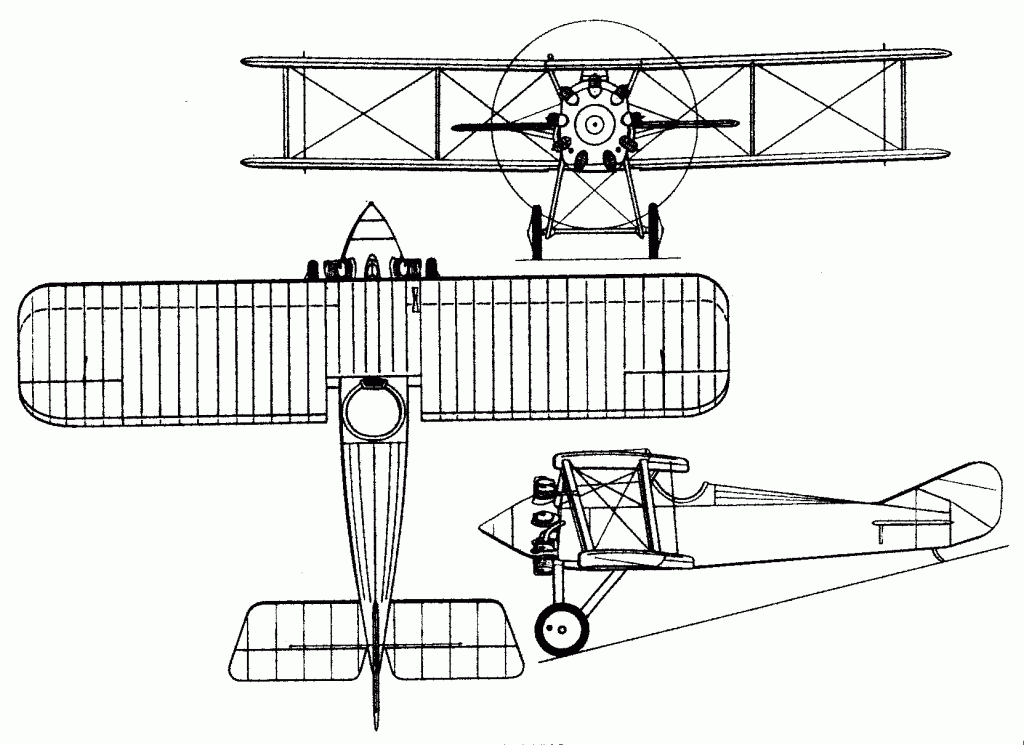
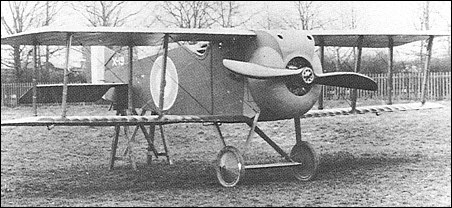
F Murphy, who had succeeded F Koolhoven as chief designer to Armstrong Whitworth, began the design of the Armadillo late in 1917 and the construction of two prototypes began early in 1918 as a private venture. The first of these was flown in April 1918 powered by a 230hp Bentley B.R.2 nine-cylinder rotary. The Armadillo had provision for an armament of two synchronised 7.7mm Vickers machine guns. Flying characteristics were declared to be unsatisfactory and flight testing was terminated in June 1918, the second prototype never being flown.
Engine: Bentley B.R.2 nine-cylinder rotary, 230hp Take-off weight: 844 kg / 1861 lb Empty weight: 567 kg / 1250 lb Wingspan: 8.46 m / 27 ft 9 in Length: 5.74 m / 18 ft 10 in Height: 2.38 m / 7 ft 10 in Wing area: 21.55 sq.m / 231.96 sq ft Max. speed: 201 km/h / 125 mph
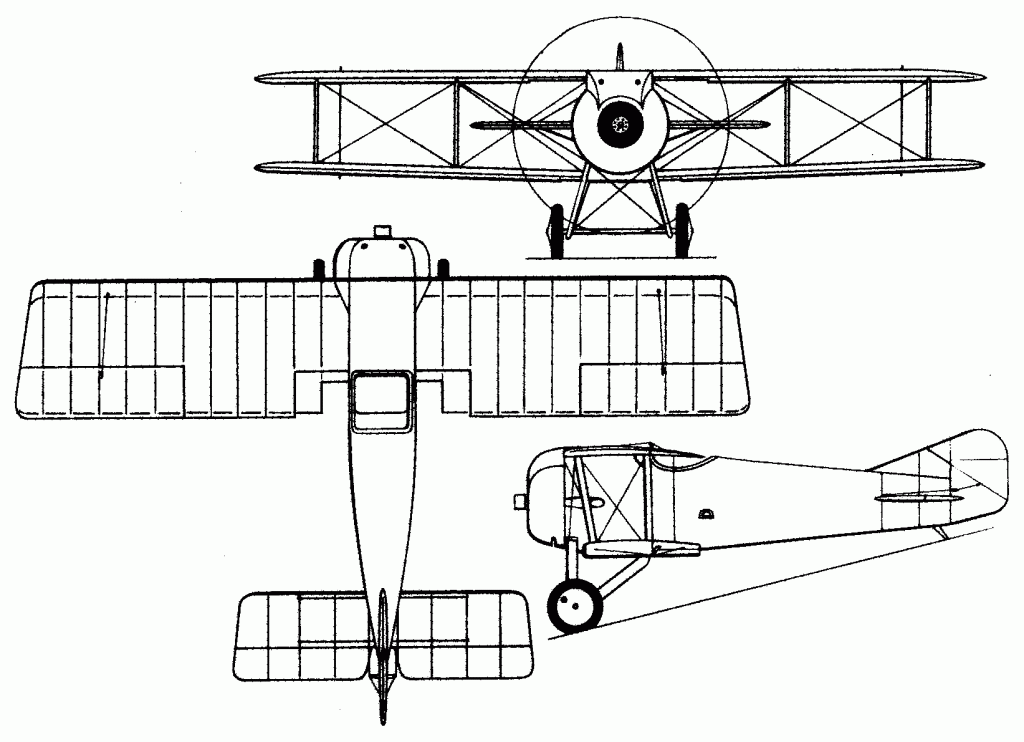
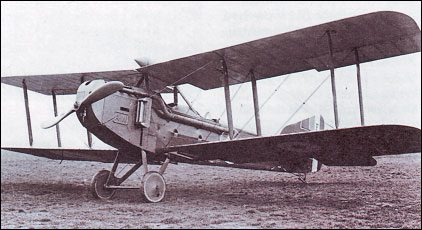
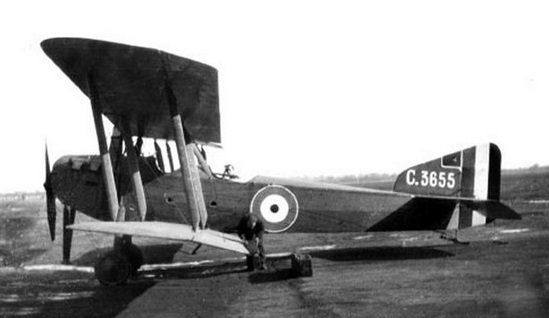
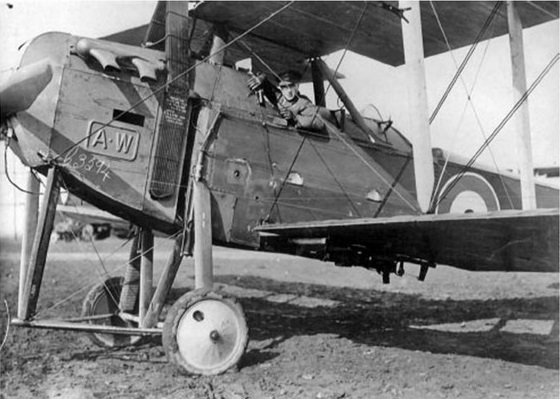
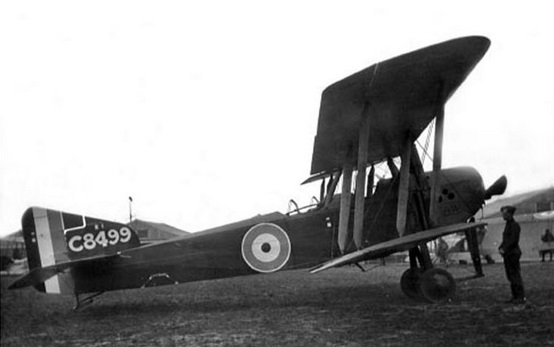
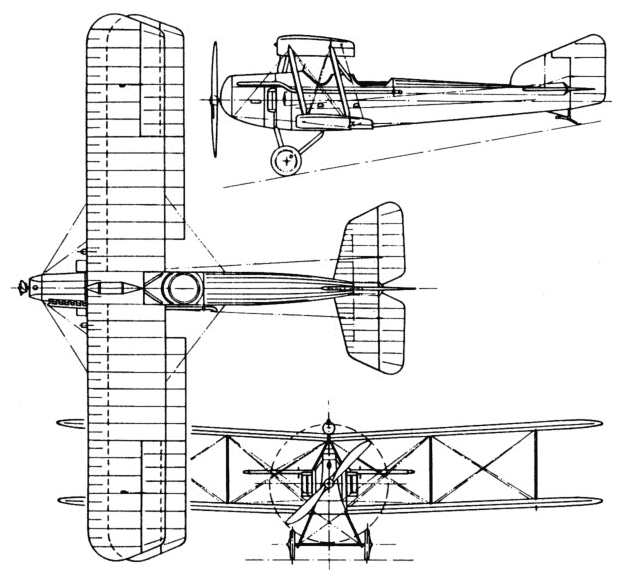
Designed by Frederik Koolhoven, the F.K.8 prototype first flew in May 1916, and was similar to its predecessor, the F.K.3 and intended to supersede the capabilities of the FK.3.
The standard production versions were powered by a 120 hp Beardmore engine and in the original form had an angular engine cowling and radiators which met in an inverted Vee in front of the top wing. After a time production aircraft were delivered with a more rounded cowling carrying a small box-like radiator on each side.
Early models had a Vee-skid in front of their wheels.
Later machines with a 160 hp Beardmore. All were fitted with a form of dual control so that the rear cockpit observer could partially fly the machine if his pilot was incapacitated.
Armament consisted of a single forward-firing fixed 7.62mm Vickers machine gun and a single 7.62mm trainable Lewis-type in the rear cockpit position. Provisions for bombs were also a part of the arsenal for the FK.8.
F.K.8
The first RFC unit to receive F.K.8s was 35 Squadron, which flew fully equipped to France on January 24, 1917. Number 2 Squadron began to re-equip in April 1917; 10 Squadron in July; 8 Squadron in August, and 82 Squadron, fully equipped with the type, arrived in France in November 1917. In the Middle East zone of operations, 17 and 47 Squadrons in Macedonia, and 142 Squadron in Palestine were equipped with F.K.8s by 1918, and continued to operate them until the end of the war. In England, several home defence units were partly equipped with the F.K.8, and one belonging to 50 Squadron was responsible for shooting down a Gotha bomber on July 7, 1917.
The F.K.8 first came into prominence during the German spring offensive of March 1918, being used primarily in a tactical low-level bombing and strafing role against German infantry.
F.K.8
At least 1596 machines were built and delivered for service use. By October 31, 1918, a total of 694 F.K.8s were still on RAF charge, but at the end of 1919 few examples remained. Eight found their way onto the Civil Register, and two went to Australia where they helped to pioneer air travel from late 1922 onwards.
Armstrong Whitworth F.K.8 Engine: 1 x 120hp Beardmore Wingspan: 13.26 m / 43 ft 6 in Length: 9.58 m / 31 ft 5 in Height: 3.33 m / 10 ft 11 in Wing area: 540 sq.ft Armament: 1 x 7.62mm Vickers mg, 1 x 7.62mm Lewis mg
Armstrong Whitworth F.K.8 Engine: 1 x 160hp Beardmore Wingspan: 13.26 m / 43 ft 6 in Length: 9.58 m / 31 ft 5 in Height: 3.33 m / 10 ft 11 in Wing area: 540 sq.ft Max take-off weight: 1275 kg / 2811 lb Empty Weight: 1,918 lbs (870kg) Fuel capacity: 47.5 Imp.Gal Max. speed: 153 km/h / 95 mph / 83kt Service ceiling: 3690 m / 12100 ft Endurance: 3 hr Armament: 1 x 7.62mm Vickers mg, 1 x 7.62mm Lewis mg Crew: 2 Hardpoints: 4
 All Aero