Avro 530

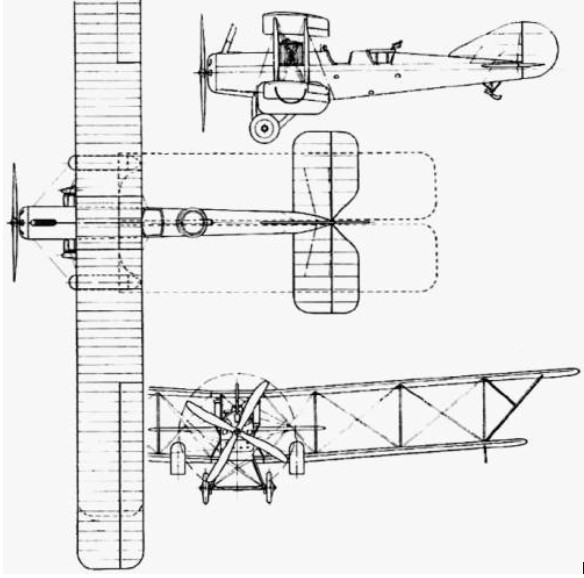
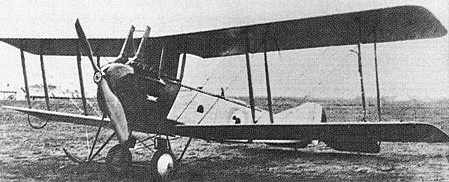
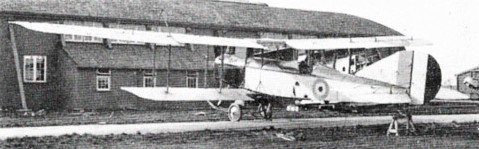
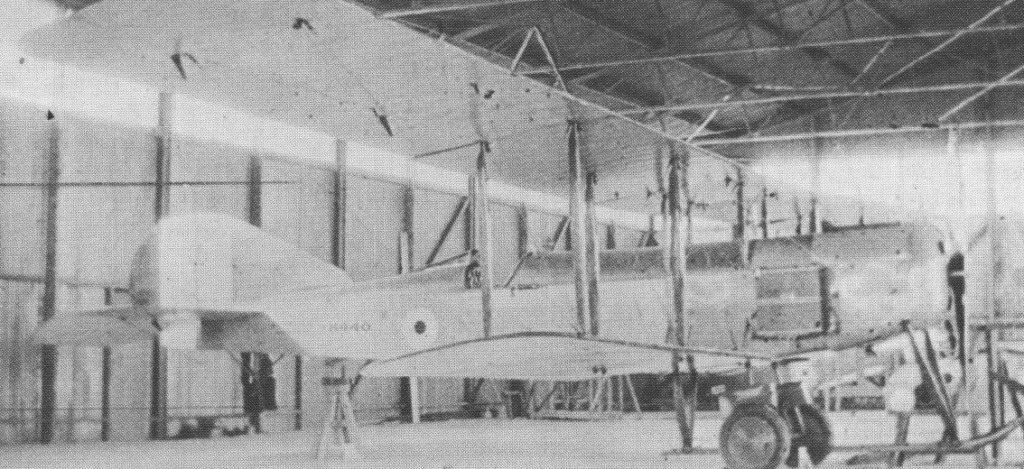
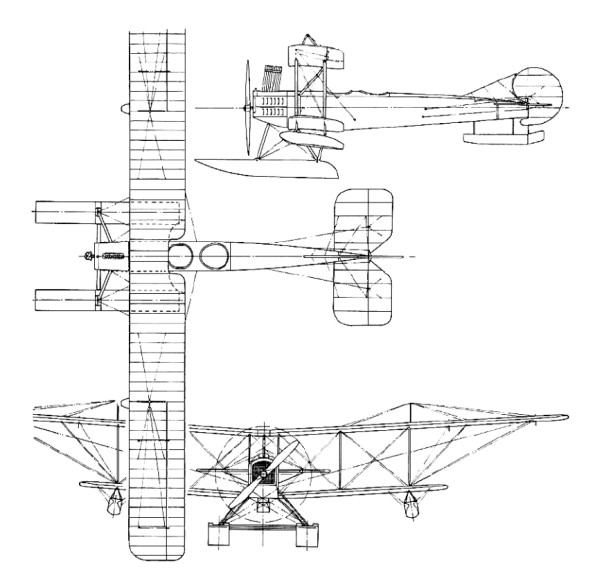
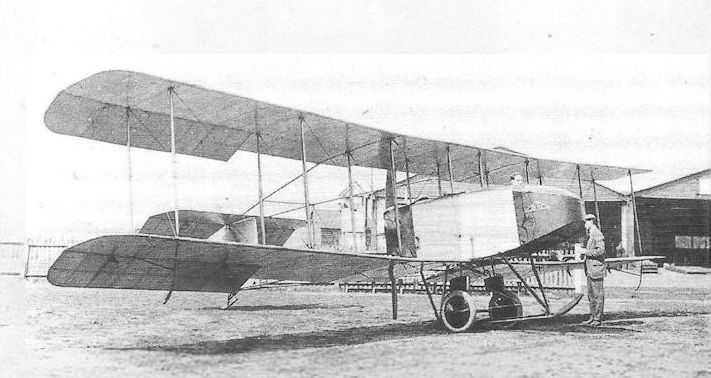
The Avro 530 two-seat fighter was designed in 1916 to compete with the Bristol F.2A, and the first prototype was first flown in July 1917. Powered by a 200hp Hispano- Suiza 8Bd eight-cylinder water-cooled engine, the Avro 530 was of wooden construction with fabric skinning, and mounted an armament of a single fixed and synchronised 7.7mm Vickers gun, a 7.7mm Lewis gun was mounted on a Scarff ring in the rear cockpit.
Performance of the Avro 530 proved to be good, but not sufficiently on that of the Bristol F.2A to warrant production orders and priority in the supply of the Hispano- Suiza engine was being given to the S.E.5a. During 1918, one of the two Avro 530 prototypes was flown with a 200hp Sunbeam Arab engine, revised undercarriage, an extended tail fin and flapless wings of new section with long-span ailerons, but development was subsequently abandoned.

Engine: 200hp Hispano- Suiza 8Bd eight-cylinder water-cooled
Take-off weight: 1216 kg / 2681 lb
Empty weight: 769 kg / 1695 lb
Wingspan: 10.97 m / 36 ft 0 in
Length: 8.69 m / 29 ft 6 in
Height: 2.92 m / 10 ft 7 in
Wing area: 30.23 sq.m / 325.39 sq ft
Max. speed: 183 km/h / 114 mph
Time to 10,000 ft / 3050 m: 15 min
Service ceiling: 18,000 ft
Endurance: 4 hr
Armament: 1 x Vickers 0.303in / 7.7mm mg, 1 x Lewis 0.303in / 7.7mm mg

Avro 529

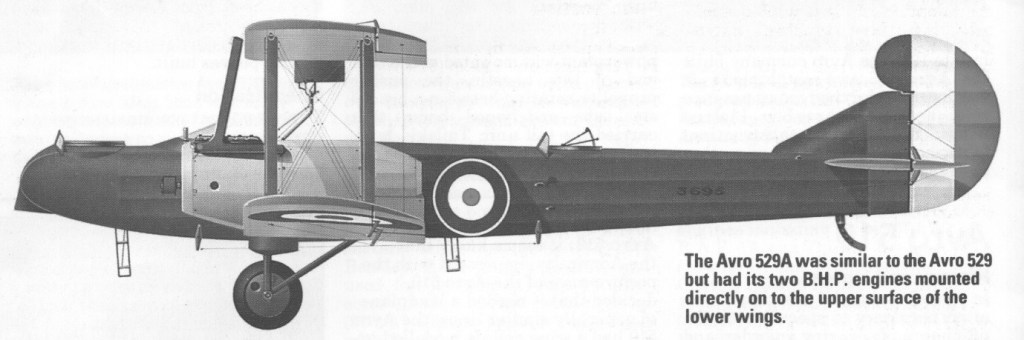
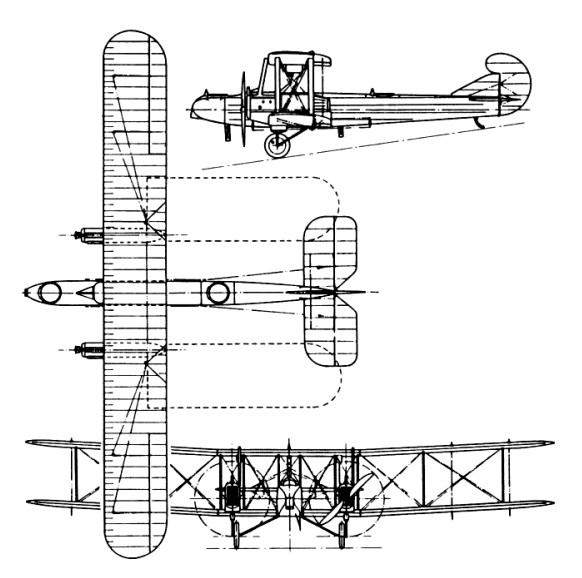
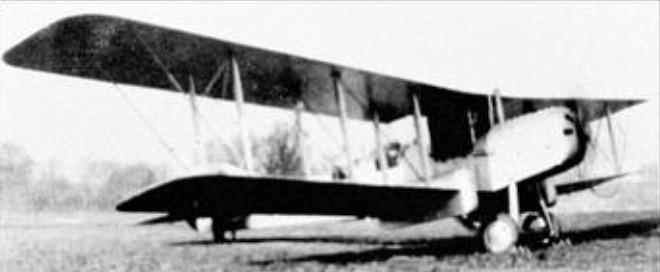
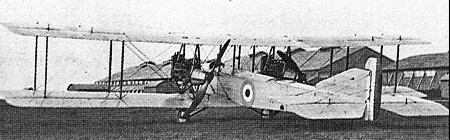
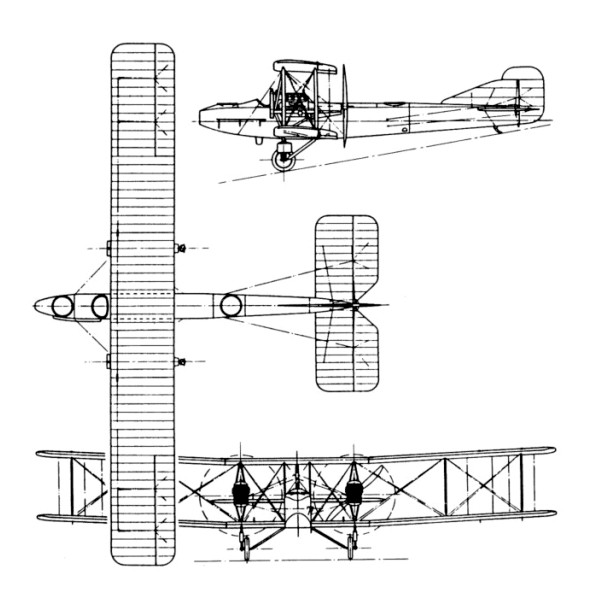
While the Admiralty had not placed an order for the Avro 523 Pike there was some interest in the Potential of the aircraft. During 1916, two prototypes were ordered for evaluation in a long-range bombing role and were in effect slightly larger version of the 523. Apart from dimensional changes, the wings were made to fold, from jus outboard of the engines, the tail unit was revised, and the powerplant of the first completed, as Avro 529, comprised two counter-rotating Rolls-Royce Falcon engines, mounted between the wings and driving tractor propellers. The second prototype, the Avro 529A, was similar except for the installation of two 230 hp / 172 kW Galloway-built B.H.P. inline engines mounted on the lower wing, and a revised fuel system. Forward-looking features of the design provided the front gunner / bomb aimer with dual controls, plus Gosport tube communication with the pilot so that he could guide him during a bombing attack. However, performance was not good enough, and only the two prototypes were built.

Avro 529
Engine: 2 x 190hp Rolls-Royce Falcon I water-cooled in-line
Take-off weight: 2864 kg / 6314 lb
Empty weight: 2150 kg / 4740 lb
Wingspan: 19.20 m / 63 ft 0 in
Length: 12.09 m / 40 ft 8 in
Height: 3.96 m / 13 ft 0 in
Wing area: 85.70 sq.m / 922.47 sq ft
Max. speed: 153 km/h / 95 mph
Ceiling: 4115 m / 13500 ft
Armament: 2 x 7.7mm machine-guns
Crew: 3

Avro 529A
Engines: 2 x BHP inline piston, 230 hp
Length: 39.67ft (12.09m)
Width: 62.99ft (19.20m)
Height: 12.99ft (3.96m)
Empty Weight: 4,736lbs (2,148kg)
Maximum Take-Off Weight: 6,310lbs (2,862kg)
Maximum Speed: 95mph (153kmh; 83kts)
Maximum Range: 360miles (580km)
Rate-of-Climb: 715ft/min (218m/min)
Service Ceiling: 13,501ft (4,115m)
Armament:
Standard:
1 x 7.7mm (0.303 caliber) Lewis machine gun on trainable mount in nose cockpit.
1 x 7.7mm (0.303 caliber) Lewis machine gun on trainable mount in rear dorsal cockpit.
Optional:
20 x 50lb conventional drop bombs. Up to 1,000lbs of bombs.
Accommodation: 3

Avro 528

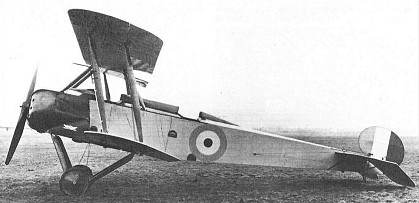
The Avro 528 was a two-seat single-engined biplane ordered by the Admiralty in 1915, and not even the task for which it was intended is recorded. It had some similarities with the Avro 519 (a single seater intended for the RFC) and the twin-seat 519A, built for the RNAS, though neither of these were armed and both had 150 hp Sunbeam Nubian engines rather than the 225 hp Sunbeam of the 528. Both the 519s and the 528 had some shared features with the Naval Avro 504.

It was a large three bay biplane with unswept, unstaggered and constant chord wings of unequal span, the lower plane having a span 10 feet 0 inches (3.05 m) less than the upper. Ailerons were carried on the upper wings; both wings folded for storage. The fuselage had similarities with the Naval 504s though the overall length of the 528 was greater by about 4 feet (1.2 m): both had a generous fixed fin in contrast to the all moving, comma shaped rudder of the RFC’s 504s. The vertical stabiliser was also close in size to that of the 504, but the rather rectangular horizontal tail was nearly 60% greater in span. Like the 519s, the top of the fuselage carried a raised decking that provided deeper cockpits for the pilot, placed under the trailing edge of the wing and the observer/gunner, in a separate cockpit close behind equipped with a ring mounted gun. The fixed single axle undercarriage had no central skid.

The Sunbeam engine drove a four-bladed propeller and had a single, central and near vertical exhaust pipe. There were two radiators, mounted edge on (longitudinally) between the wings, rather than the single but similarly mounted radiators of the Avro 519s and the Avro 527. Two tank-like features are shown in both image and diagram on the lower wings just inboard of the innermost interplane struts; they may be fuel tanks.

The first flight was on 19 December 1916 at Avro’s Hamble factory. The aircraft remained troublesome, with a variety of propellers being tried but the Admiralty lost interest and the 528 last flew in April 1917.

Engine: 1 × Sunbeam, 250 hp (187 kW)
Wingspan: 65 ft 0 in (19.82 m)
Length: 33 ft 8 in (10.26 m)
Gross weight: 5,509 lb (2,504 kg)
Crew: 2
Armament: 1× 0.303 in (7.7 mm) Lewis machine gun in rear cockpit provision for bombs in nacelles under lower wing

Avro 527

The two-seat Avro 527 fighter was built for the RFC and flown for the first time early in 1916 with a 150hp Sunbeam Nubian eight-cylinder water-cooled engine. The mainplanes, undercarriage and tail assembly, were basically similar to those of the Avro 504, but the fuselage differed. Proposed armament consisted of a single free-mounted 7.7mm Lewis gun in the rear cockpit. The Avro 527 displayed a poor climb rate and the pilot’s forward view was impaired by the twin exhaust stacks of the Nubian engine. Only one prototype was completed, and development was discontinued during the course of 1916, a version with a longer-span wing, the 527A, also discontinued at the same time.

Engine: 150hp Sunbeam Nubian eight-cylinder water-cooled
Wingspan: 10.97 m / 36 ft 0 in
Max. speed: 166 km/h / 103 mph

Avro 523 Pike

The Pike three-seat twin-engined biplane was designed primarily to meet an Admiralty requirement for a long-range escort and anti-airship fighter. Of wooden construction with fabric skinning, the first prototype Pike had two 150hp Sunbeam eight-cylinder liquid-cooled engines mounted as pushers driving two-bladed propellers via extension shafts and was flown for the first time in May 1916.
The pilot was seated just ahead of the mainplanes with gunners’ cockpits, each with a free-mounted 7.7mm Lewis, fore and aft. A second Pike, the Avro 523A, differed by having two 150hp Green six-cylinder liquid-cooled engines driving tractor propellers and a Scarff-type ring mounting for the forward Lewis gun. No production of the Pike was ordered following completion of official trials.

Avro 523
Engine: 2 x 160hp Sunbeam Nubian
Take-off weight: 2751 kg / 6065 lb
Empty weight: 1814 kg / 3999 lb
Wingspan: 18.29 m / 60 ft 0 in
Length: 11.91 m / 39 ft 1 in
Height: 3.55 m / 12 ft 8 in
Wing area: 75.71 sq.m / 814.93 sq ft
Max. speed: 156 km/h / 97 mph

Avro 523 A
Engines: 150hp Green six-cylinder liquid-cooled
Wingspan: 18.29 m / 60 ft 0 in
Height: 3.55 m / 12 ft 8 in
Wing area: 75.71 sq.m / 814.93 sq ft

Avro 521

The Avro 521 two-seat fighter, first flown late in 1915, included a number of Avro 504 components. Powered by a 110hp Clerget 9Z nine-cylinder rotary, the prototype had provision for a free-mounted 7.7mm Lewis gun, fired from the rear cockpit. The prototype underwent official trials early in 1916, and 25 aircraft were ordered for the RFC, but this contract was subsequently cancelled, and there is no evidence that any Avro 521 other than the prototype (which crashed at Upavon on 21 September 1916) was built.

Engine: 110hp Clerget 9Z nine-cylinder rotary
Take-off weight: 905 kg / 1995 lb
Empty weight: 522 kg / 1151 lb
Wingspan: 9.14 m / 30 ft 0 in
Length: 8.58 m / 28 ft 2 in
Wing area: 24.71 sq.m / 265.98 sq ft
Max. speed: 145 km/h / 90 mph
Armament: 1 x 7.7mm Lewis gun

Avro 511 / Avro 519

Under the designation Avro 511 the company built the prototype of a light-weight single-seat biplane that was intended to serve as a military scout. Fuselage, tail unit and tail skid were typical and the type could be easily dismantled and transported.

The biplane wing was cellule, incorporating considerable sweepback for inherent stability, and introduced a form of trailing edge flap on the lower wing.

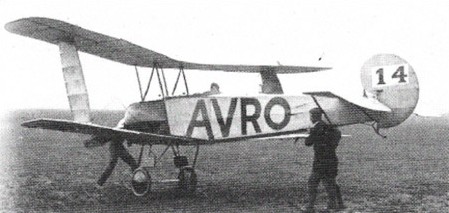
Flight testing proved to be successful, but for participation in the 3rd Aerial Derby race, to be flown around London in 1914, alternative wings without sweepback were fitted, together with lightweight main landing gear units. Redesignated Avro 514 in this configuration, the aircraft was extensively damaged when the landing gear collapsed while taxiing out for take-off. It was subsequently repaired and flown again, but the outbreak of WW 1 brought development to an end.

Avro 511

Engine: Gnome Monosoupape, 80 hp / 75 kW
Wingspan: 26 ft 0 in / 7.92 m
Length: 22 ft 4 in / 6.81 m
Height: 9 ft 4 in / 6.81 m
Wingarea: 235.0 sq.ft / 21.83 sq.m
Empty weight: 675 lb / 306 kg
MTOW: 1165 lb / 538 kg
Max speed: 95 mph / 153 kph

Avro 510

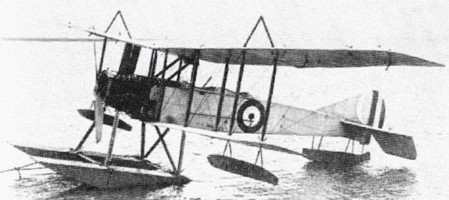
The Avro 510 was built to take part in the 1914 Circuit of Britain Race. A completely new design, powered by a Sunbeam Nubian engine, the 510 was sent from Avro’s Manchester factory by rail to Calshot in July 1914 to take part in the race, which was cancelled with the outbreak of WW 1.

Despite this the aircraft was assembled and test flown with some success.

On competition of trials, the aircraft was bought by the Admiralty, who also ordered five more with some modifications. No further production was undertaken and the last known date in service was September 1917

Engine: Sunbeam Nubia, 150 hp / 112 kW
Wingspan: 63 ft 0 in / 19.2length: 38 ft 0 in / 11.58 m
Wing area: 564.0 sq.ft / 52.40 sq.m
Empty weight: 2080 lb / 943 kg
MTOW: 2800 lb / 1270 kg
Max speed: 70 mph / 113 kph
Climb to 3000ft / 915m: 15 min
Endurance: 4 hr 30 min

Avro 508

The Avro 508 was a two-seat biplane built at the Manchester works in December 1913 and delivered at Brooklands for assembly and test a month later.

It was a twin boom, three bay pusher biplane of fabric covered wooden construction having equal span mainplanes structurally similar to those of the Avro 504 prototype. A wide center section carried the first pair of interplane struts at its extremities, the dihedral commencing at this point as on the Avro 503. Ailerons were used for lateral control and the machine was noteworthy as the first Avro type to have aileron cables located inside the wing leading edge and running over buried pulleys.

A square-section nacelle, built up from four ash longerons and spruce cross struts, accommodated two crew in tandem. The observer/gunner sat in the nose for maximum field of vision with the pilot behind. Fuel and oil tanks were located behind the pilot’s seat and just ahead of an 80 hp Gnome rotary engine mounted on steel tube bearers.

Tail booms were of steel tubing braced by streamline section spruce struts, the rear extremities of which were built into the tailplane structure. For ease of dismantling, the booms were jointed just ahead of the tailplane leading edge. The rudder was an elongated version of the comma type.

The Avro 508 was not adopted for the Royal Flying Corps and the single machine built made but two public appearances. The airframe was shown without covering at an exhibition at Belle Vue Gardens, Manchester on January 1-3, 1914 and the complete aircraft was shown on the Avro stand at the Olympia Aero Show, London on March 16-25, 1914.

Engine: One 80 hp Gnome
Wingspan: 44 ft. 0in
Wing area: 468 sq. ft
Length: 26 ft. 9 in
Height: 10 ft. 0in
Empty weight: 1,000 lb
All-up weight: 1,680 lb
Maximum speed: 65 mph
Endurance: 4.5 h