The 1931 1T was a two-place open-cockpit biplane, registered N10677 c/n 1000. First flown in September 1931, with a tail design that “prevented flat spins”.
Engine: 45hp Szekely SR-3
Wingspan: 20’0″
The 1931 1T was a two-place open-cockpit biplane, registered N10677 c/n 1000. First flown in September 1931, with a tail design that “prevented flat spins”.
Engine: 45hp Szekely SR-3
Wingspan: 20’0″

Very little is known about this French Voisin-like biplane, powered by a 50 hp Anzani engine weighing 120 kg in running order and equipped with a Chauvière propeller and Bergougnan tyres. It was perhaps flown by Louis Cottereau Jr, probably son of the Dijon car manufacturer and bicycle racer of the same name. There is no solid evidence for the “Barkers” ID of this machine, which is only known from a single postcard, only circumstantial indications.
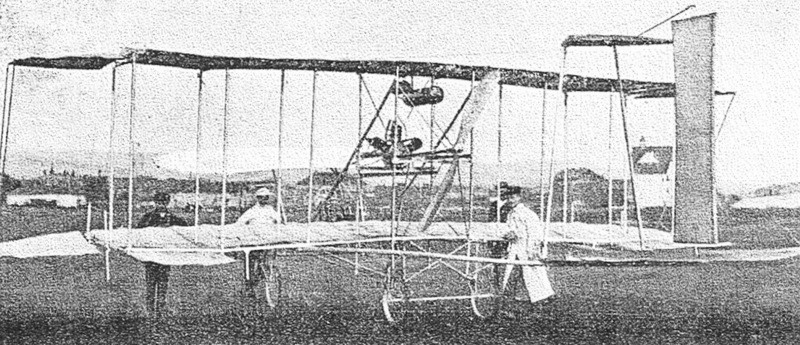
A pusher biplane designed and built by Felix Balzer in Gommern, Germany, in 1910. The engine was a 25 hp Anzani, which didn’t give enough power to make it leave the ground. Another lighter “Apparat” was projected, but nothing more is known.
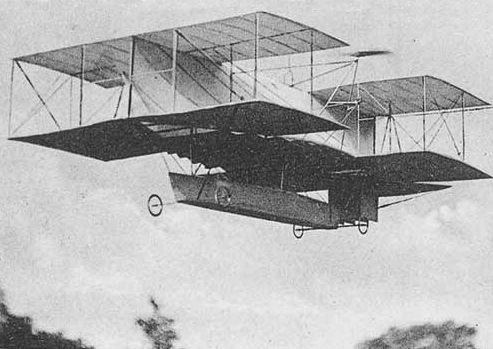
Designed by Anton Baltes from Düsseldorf, Germany.
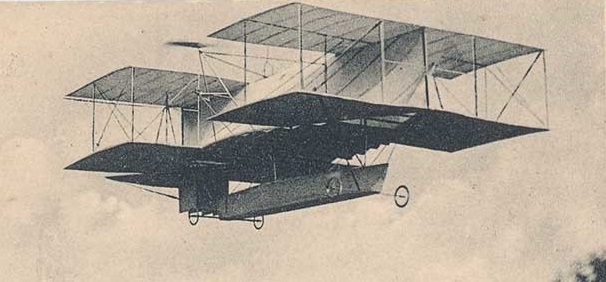
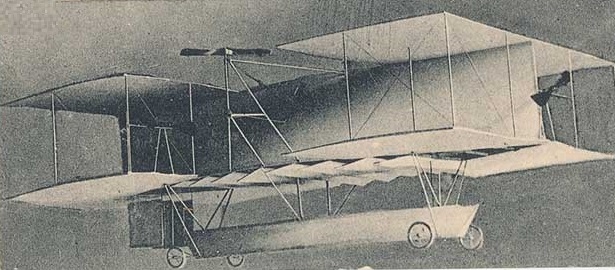
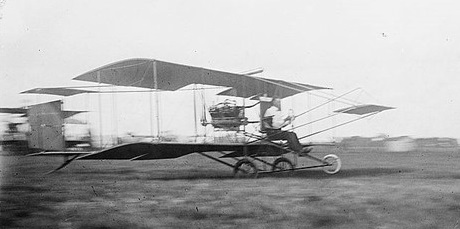
When Thomas S. Baldwin returned from the 1910 Pacific tour, he began testing a new airplane at Mineola, New York. The new aircraft was similar to the basic Curtiss Pusher design but was constructed of steel tubing instead of wood with cloth wings. The aircraft was constructed by C. and A. Wittemann of Staten Island, New York, and was powered by a 60 horsepower (45 kW), Hall-Scott V-8. It was capable of 60 mph (97 km/h). Baldwin named his new aircraft the “Red Devil III”, and thereafter each of his designs would be called a “Baldwin Red Devil”. Tony Jannus flew actress Julia Bruns in a Red Devil on October 12, 1913, in a New York Times Derby.
About half-a-dozen steel biplanes have been produced in 1911 by Captain Baldwin, and he and other aviators, Badger, Hammond, Miss Scott Mass, etc., have flown these at various exhibitions and meets.
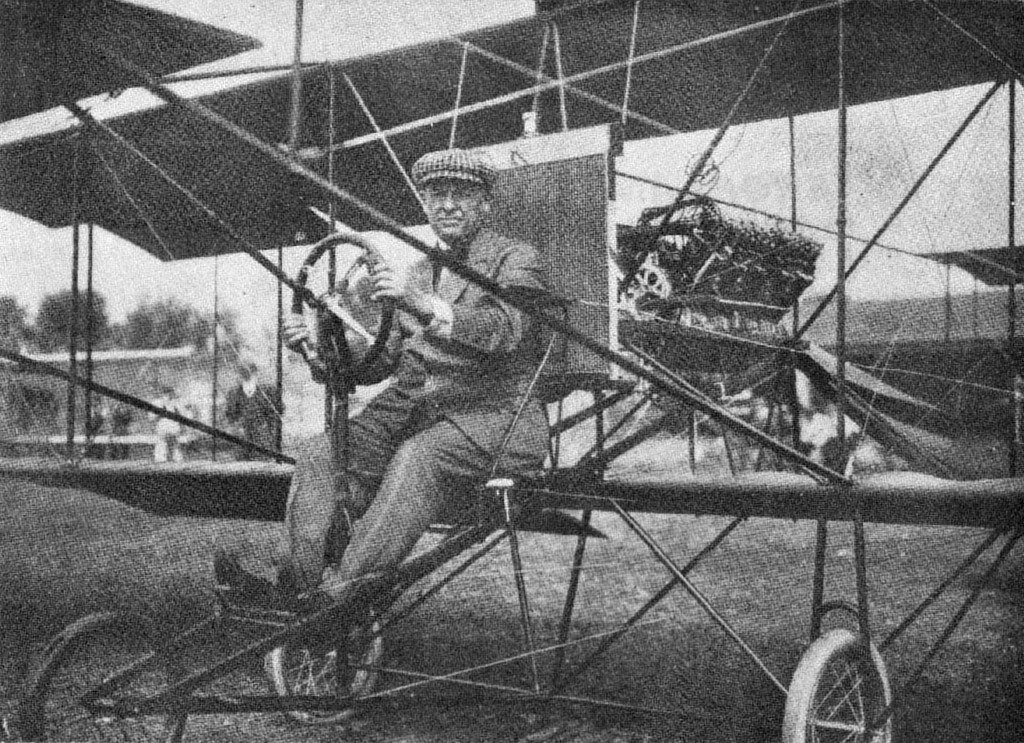
Three or four were built; one built for James C “Bud” Mars for his exhibition 1910-11 tours of the USA, Hawaii, and the Orient. Subsequent versions, built by Wittemann, had 60hp Hall-Scott or 75hp Rausie, wingspan of 31’3″ and 32’0″ length.
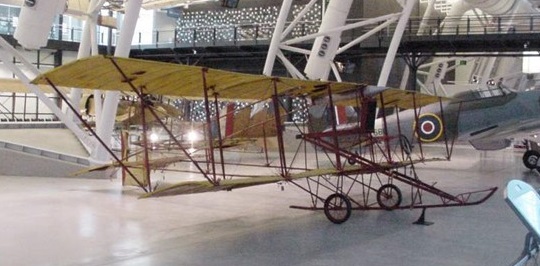
Baldwin Red Devil
Engine: Hall-Scott, 50-60 hp
Propeller: Requa-Gibson
Prop diameter: 7 ft / 2.13 m
Prop pitch: 6 feet / 1.82 m
Span: 28 ft 8 in / 8.75 m
Length: 28 ft 3 in / 8.60 m
Speed: 60 mph / 97 kph

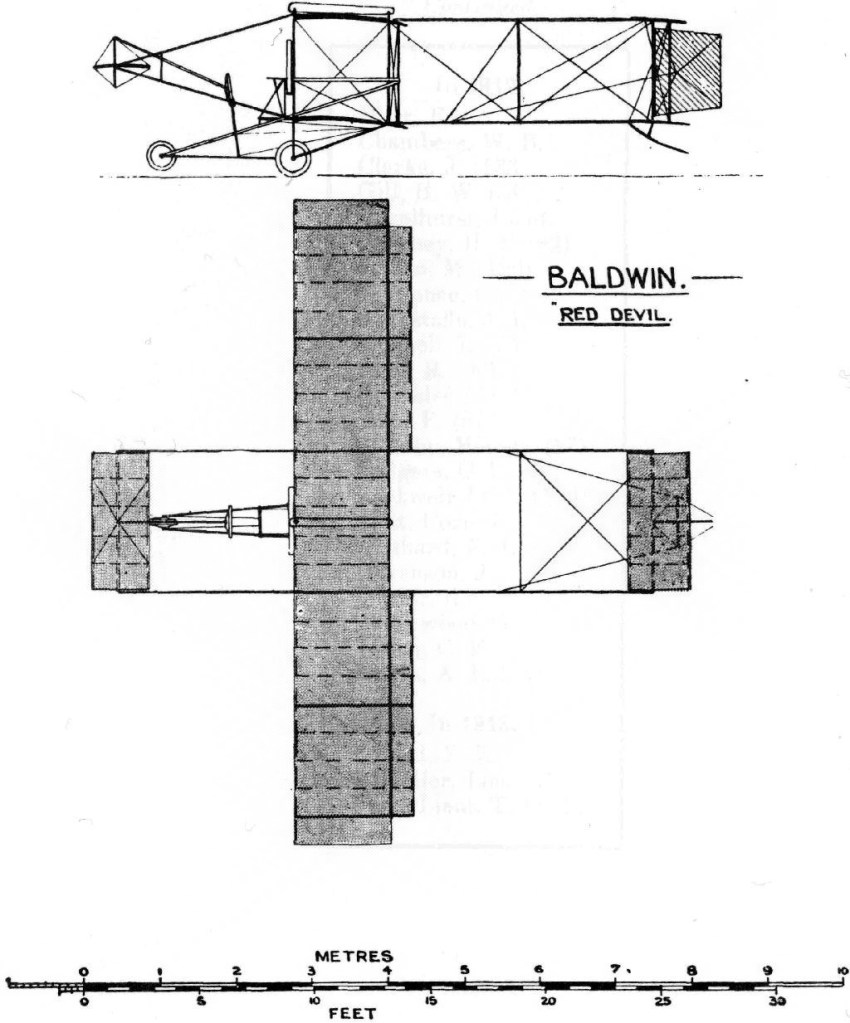
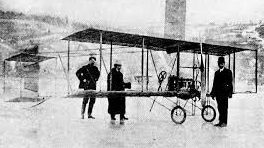
In 1910 Thomas Scott Baldwin designed his own airplane, and it was built by Glenn Hammond Curtiss. It used a 25 horsepower (19 kW), four-cylinder Curtiss engine that was later replaced by a Curtiss V-8 engine.
On September 10, 1910 Baldwin made history with the first airplane flight over the Mississippi River. The St. Louis flight started just east of Bellefontaine Cemetery. Baldwin and his Red Devil plane took off at 5:11 p.m. 200,000 citizens lined the riverfront on both sides to watch the red biplane fly from the north St. Louis field and land in Illinois across the river from Arsenal Street. On the return flight, the aviator astounded the crowds by flying under both the Eads and McKinley bridges at fifty miles per hour (80.5 km/hr). Baldwin landed at 6:05 back at his starting place.
Baldwin flew it at an air meet in Kansas City, Missouri, on October 7, 1910. He spoke to State University of Iowa engineering students on October 11, 1910 and flew demonstrations at the Iowa City, Iowa fairgrounds on October 12–13, 1910. The flight on October 12 was unsuccessful. On October 13, he flew two flights, one of which was photographed by Julius Robert Hecker. On the second flight he did not gain sufficient altitude and the plane was damaged on a barn but he was uninjured. He then took his airplane to Belmont, New York. He put together a company of aerial performers including J.C. “Bud” Mars and Tod Shriver in December 1910 and toured countries in Asia, making the first airplane flights in many of those locations. The troupe returned to the United States in the spring of 1911.
The Philippines can claim south-east Asia’s earliest encounter with manned powered flight, when American aviator James C. “Bud” Mars thrilled spectators in his Skylark pusher biplane (a modified Curtiss design) at the Manila Carnival on February 21, 1911. Mars was part of a Pacific Aviation Exhibition tour organised by fellow American Capt Thomas Baldwin, who followed Mars’s Skylark display at the Carnival with a demonstration of his own Baldwin Red Devil, the pair having arrived with their dismantled aircraft aboard a steamer from Hawaii ten days previously. The exhibition had not gone so well in Hawaii, where the locals had quickly established a principle that has caused headaches for airshow organisers ever since; why pay for a ticket to enter the showground when you can see an air display from any nearby vantage point? The Manila Carnival organisers must have found a way to sidestep this issue, as the pair of aviators made numerous flights during the week-long festival. Baldwin sold his machine before the duo moved on to complete the Pacific tour with visits to Thailand, Hong Kong and Japan.
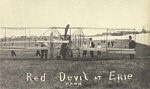
The Red Devil was later used by the first flight school in the Philippines, opened by Lt Frank Lahm of the US Army Signal Corps in March 1912.
When he returned from the Pacific tour, Baldwin began testing a new airplane at Mineola, New York. The Red Devil III.
Span: 28’9″
Length: 28’3″
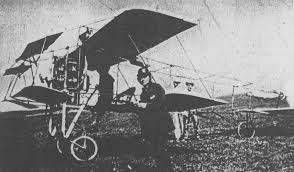
Giovanni Paolo Baglioni built his biplane in Italy. This staggered-wing tractor biplane with two double sets of front control surfaces was briefly tested in June 1911.
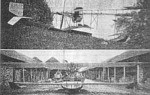
The 1913 Bachelier-Dupont-Baudrin biplane flying-boat was designed and built by Bachelier, Dupont and Baudrin in France.
Span: upper 36’9″ lower 29’6″
Length: 26’3″
Weight empty: 836 lbs
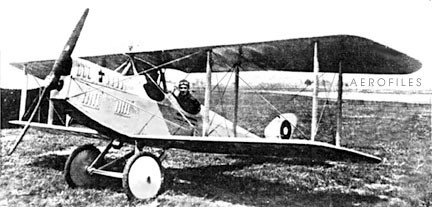
The 1919 LC-7 (Light Commercial 7) was a 2 place, open cockpit biplane, powered by a 60hp Kemp I-4.
A 1925 single place, open cockpit biplane.
Engine: 90hp Curtiss OX-5
Loaded weight: 700 lb
 All Aero