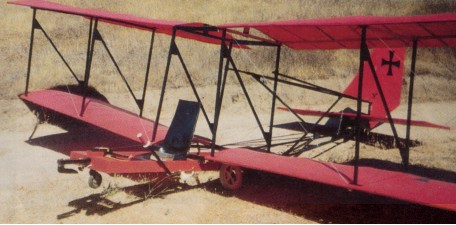
A two-axis control ultralight. Plans were available.
Empty weight: 155 lb
A two-axis control ultralight. Plans were available.
Empty weight: 155 lb
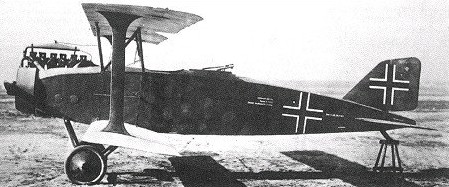
Redesign of the CL.la by BFW in accordance with the “new design principles” as requested by Idflieg resulted in the CL.III, a single prototype of which was completed at the close of hostilities but was not apparently subjected to Idflieg testing. Adhering closely to the concept of the CL.la, the CL.III was powered by a 200hp Benz Bz IV engine and featured longer-span, more angular wings. A further development, the CL.IV, remained on the BFW drawing boards.
Engine: 200hp Benz Bz IV
Wingspan: 11.54 m / 38 ft 10 in
Length: 7.81 m / 26 ft 7 in
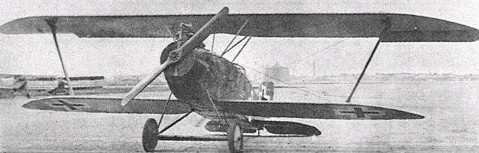
The second prototype of the CL.I two-seat reconnaissance fighter was completed with a 175hp MAN (Maschinenfabrik Augsburg-Nurnberg) Mana III six-cylinder in-line engine as the CL.II, or Type 18, in May 1918. In all other respects the CL.II was similar to the CL.I.
Engine: 175hp MAN (Maschinenfabrik Augsburg-Nurnberg) Mana III six-cylinder in-line
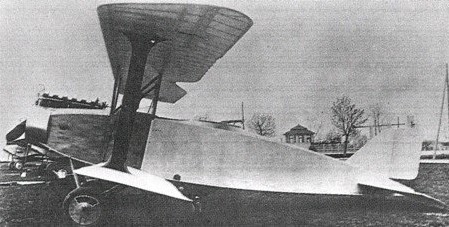
In late 1917, the Bayerische Flugzeugwerke (BFW) of Munich was awarded a contract to build two prototypes of the CL.I two-seat reconnaissance fighter of original design. At the time, BFW was negotiating a contract to build 100 Halberstadt CL.II reconnaissance fighters and the company’s CL.I was specifically designed to require 20% less manufacturing manhours than the Halberstadt aircraft. The first prototype, known by BFW as the Type 17, was completed in April 1918 with a 160hp Mercedes D III engine. A single-bay unequal span biplane with an intended armament of one fixed LMG 08/15 machine gun and an LMG 14 on a ring mounting, the CL.I was sent to the Adlershof test centre for Typprüfung in July 1918, but the Idflieg reported that it was “in no way equal” to the Hannover CL.V, requesting that improvements be made and the aircraft resubmitted for further evaluation. Accordingly, a lighter fuselage was fitted and, as the CL.la, the aircraft underwent static load testing between 30 August and 14 September 1918. Results were unsatisfactory and BFW agreed to redesign the CL.Ia in accordance with “new design principles”.
Engine: 160hp Mercedes D III
Take-off weight: 1060 kg / 2337 lb
Empty weight: 720 kg / 1587 lb
Wingspan: 10.62 m / 35 ft 10 in
Length: 7.81 m / 26 ft 7 in
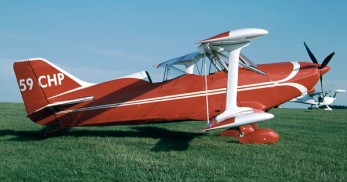
Peter Funk started in 1994 with the development of an Ultralight biplane, which went in production at the end of 1997 as the FK-12 Comet.
The FK12 Comet is an ultra-light two-seat aerobatic biplane design using modern materials.
It has good flight performance with optimised laminar flow wings with 4 full length ailerons (flaperons) making it highly agile with good viability. The wings fold down in a few minutes giving it a width of only 2.42m for storage.

The FK12 has a max. speed of 220 km/h and engines used are Rotax 912 or 912S of 80-100hp. Price 2009: 46000 EURO

Engine: Rotax 912, 80 hp
Wing span: 6.7 m
Wing area: 13.4 sq.m
Empty Weight: 265 kg / 584 lbs
MTOW Weight: 450 kg / 992 lbs
Fuel capacity: 42 lt
Cruise: 103 kt / 118 mph / 190 kmh
VNE: 119 kt / 137 mph / 220 kmh
Stall: 35 kt / 40 mph / 65 kmh
Climb Rate: 1200 ft/min / 6,9 m/s
Take-off distance (50ft obstacle): 460 ft / 140 m
Landing distance (50ft obstacle): 520 ft / 160 m
Fuel consumption: 12.8 lt/hr
Certification: Vz
Seats: 2
Price (1998): 91 600 DM
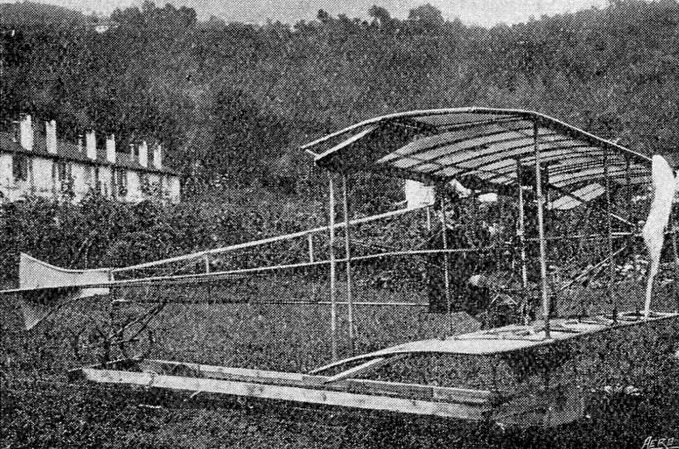
This machine was owned by M. Betteo and built by A. Caravaggio, who also provided the four-cylinder air-cooled “semi-radial” engine, which was placed immediately in front of the pilot and drove the propeller via a long shaft. The tail surfaces were fixed, but the incidence of the wings could be changed by 35 degrees by a patented mechanism, thereby achieving pitch control.
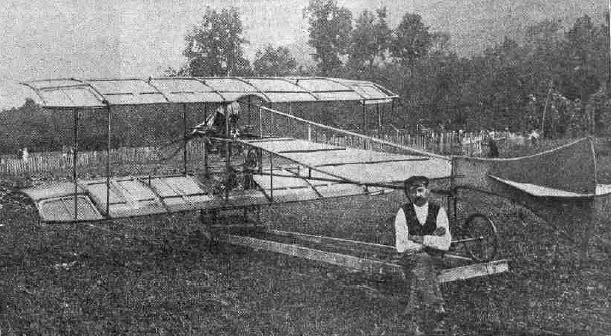
The plane made some short flights at an altitude of 3-4 m in late 1910, in Pallanza on the shores of Lago Maggiore in northern Italy.
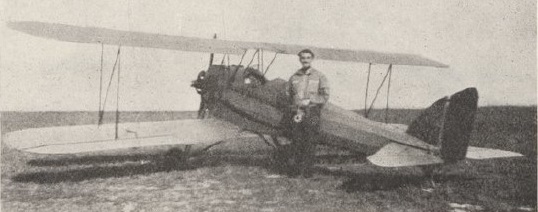
The Moineau biplane was designed and built by MM Bessard & Millevoye at Saint-Ouen in 1935. It featured a tube fuselage and 20-25 hp Poinsard engine.
The name ‘Le Moineau’ appeared on its fuselage.
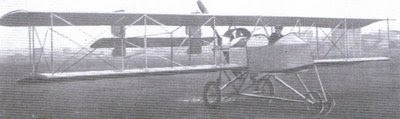
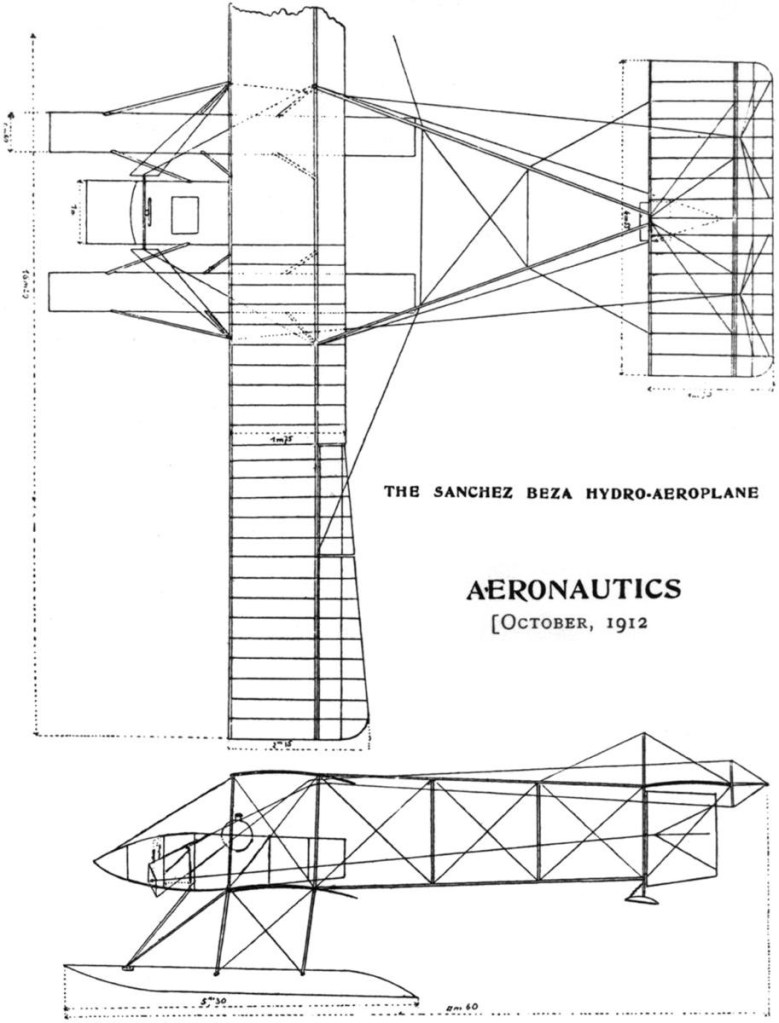
The 1914 José Sanchez Besa built biplane.
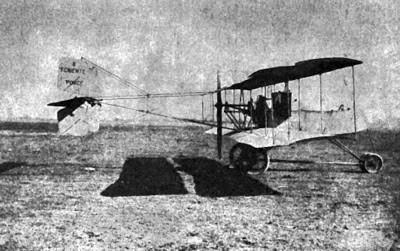
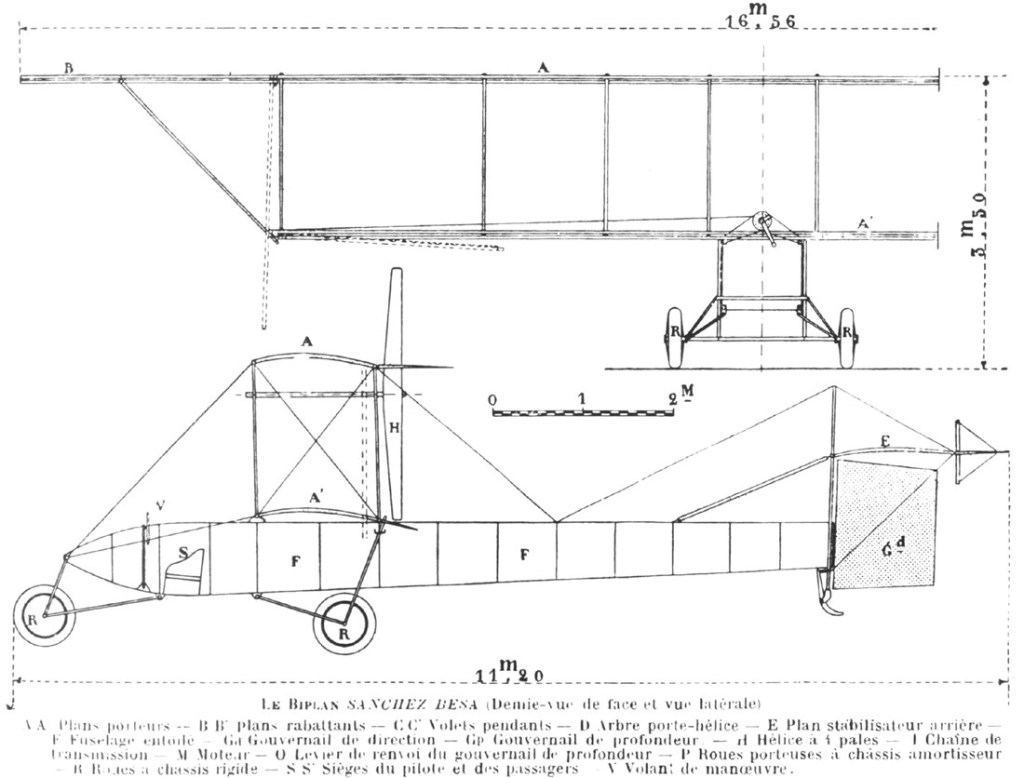
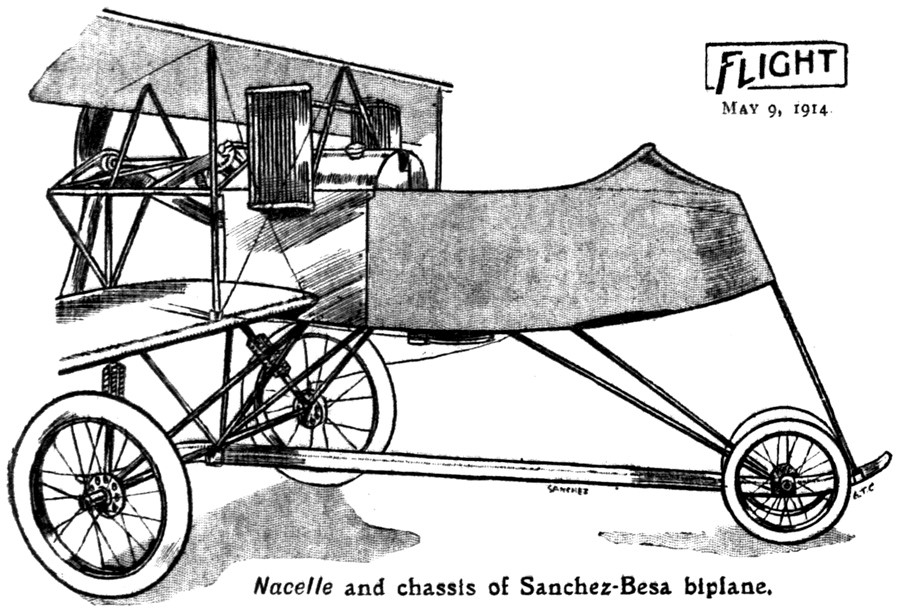
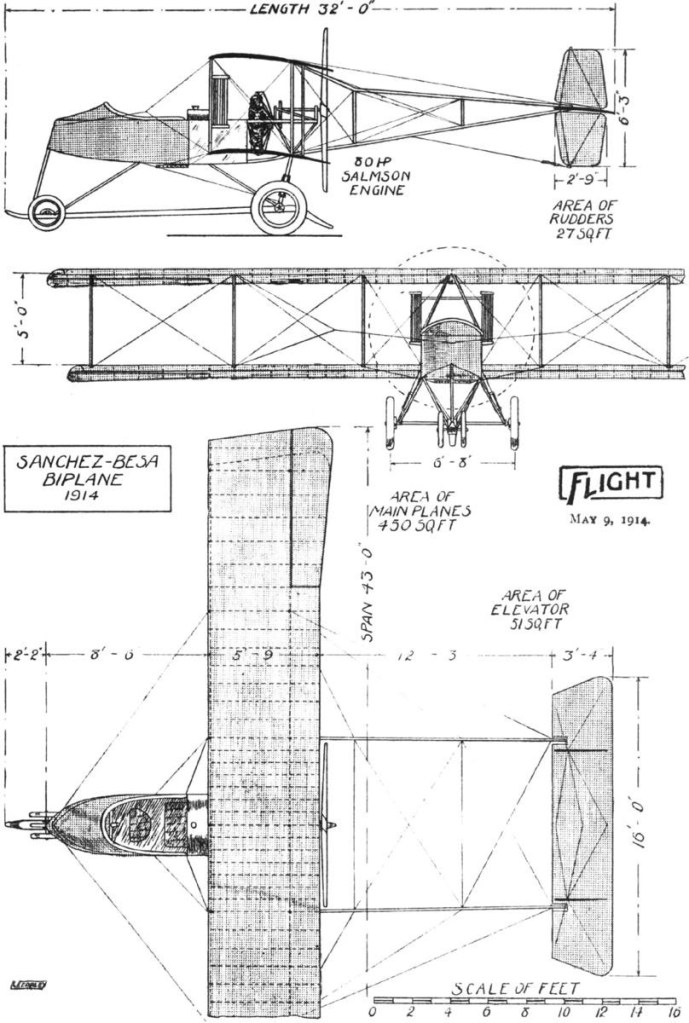
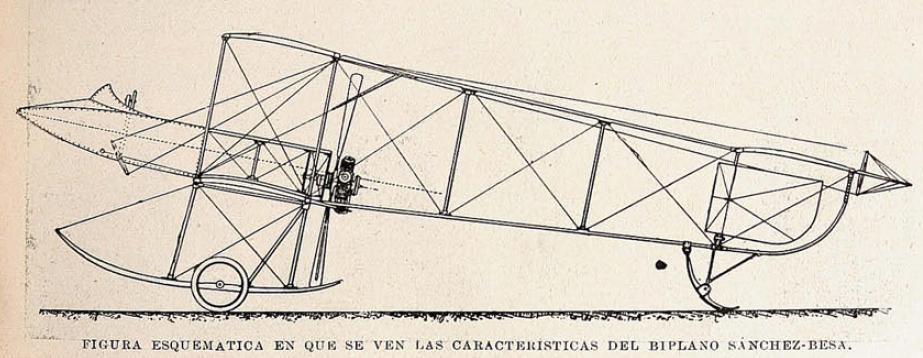
The José Sanchez Besa built 1913 Biplane.
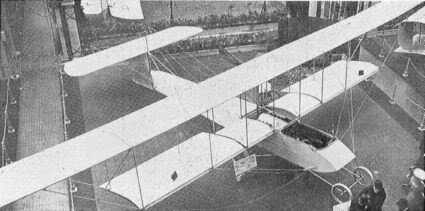
The José Sanchez Besa pusher biplane with a buried 80 hp Canton-Unné motor as seen at the Paris Salon in 1912.
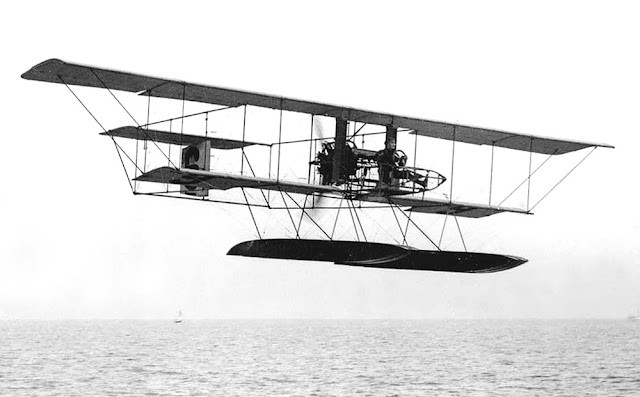
 All Aero