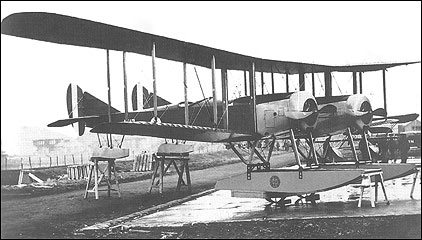
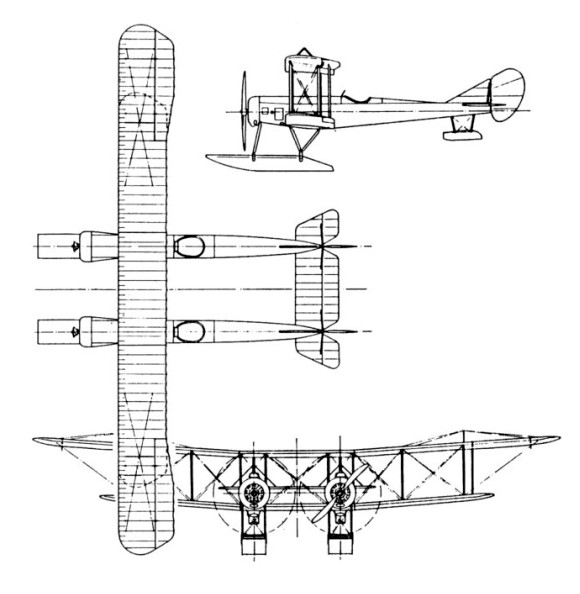
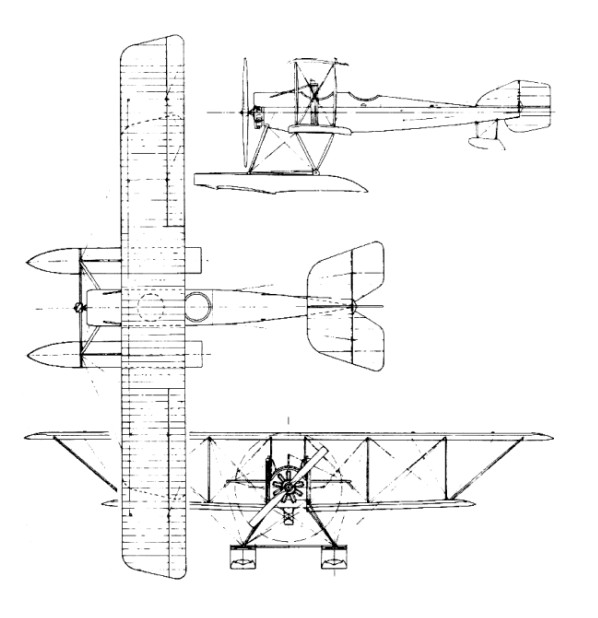
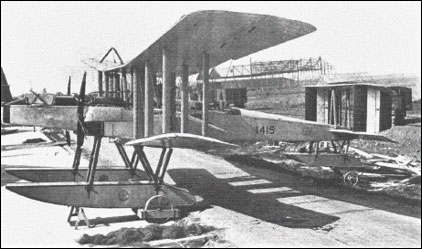
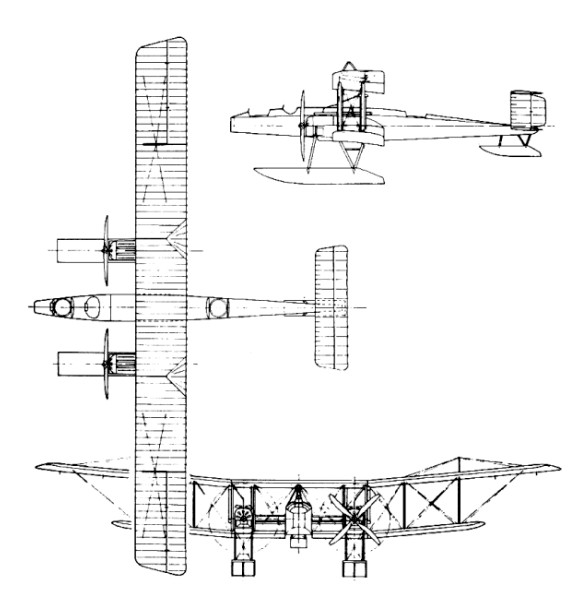
Blackburn General Purpose

1916

Engine: 2 x 150hp Sunbeam Nubian or 190hp Rolls-Royce water-cooled in-line engine
Take-Off Weight: 3904 kg / 8607 lb
Empty Weight: 2651 kg / 5844 lb
Wingspan: 22.81 m / 74 ft 10 in
Length: 14.02 m / 45 ft 12 in
Height: 5.13 m / 16 ft 10 in
Wing Area: 81.75 sq.m / 879.95 sq ft
Max. Speed: 156 km/h / 97 mph
Ceiling: 3353 m / 11000 ft
Armament: 2 x 7.7mm machine-guns, 4 x 100kg bombs or a torpedo

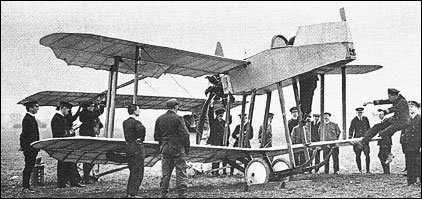
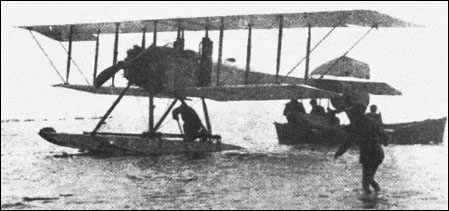
Blackburn TB

The 1915 Blackburn TB was a long-range twin-engined anti-Zeppelin floatplane. Technically a fighter. This was Blackburn’s first twin-engined aircraft (TB standing for Twin Blackburn), but the rear fuselages and tails came from the BE.2c, then being licence-produced by Blackburn.
Designed for a pair of 150hp Smith radial engines, the TB was built with 100hp Gnome Monosoupapes giving a third less power. Its war load was 32kg of steel incendiary darts. The TB’s were to climb above enemy airships where the observer would throw the darts at them in the hope of causing and igniting a fatal gas leak. The TB had no other armament.

Engine: 2 x 100hp Gnome Monosoupape rotary engines
Take-Off Weight: 1588 kg / 3501 lb
Wingspan: 18.44 m / 60 ft 6 in
Length: 11.13 m / 36 ft 6 in
Height: 4.11 m / 13 ft 6 in
Max. Speed: 138 km/h / 86 mph
Crew: 2

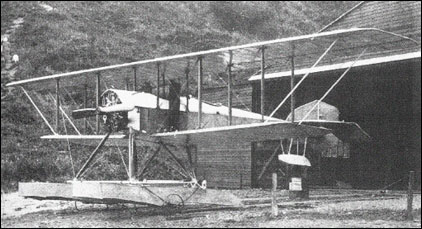
Blackburn AD Scout

1915
Harris Booth of the Admiralty (or A.D.) designed this anti-airship fighter for naval use. Although of conventional wood and fabric construction, the fuselage nacelle was attached to the top wing rather than the bottom. This gave the pilot/gunner an excellent all-round view but contributed nothing to stability.
The Scout (unofficially called the Sparrow) was intended to carry a Davis two-pounder recoilless gun, but the structure wasn’t up to such a weapon. An ordinary Lewis gun was fitted instead. The ability of a single man to fly the aircraft, load, fire and reload these heavy guns was always doubtful. RNAS pilots found the Scout was overweight with extremely poor handling. The Admiralty accepted it, but got rid of it as unsatisfactory within a month.

Engine: 1 x 100hp 9-cylinder Gnome Monosoupape rotary engine
Wingspan: 10.18 m / 33 ft 5 in
Length: 6.93 m / 22 ft 9 in
Height: 3.12 m / 10 ft 3 in
Max. speed: 135 km/h / 84 mph
Crew: 1

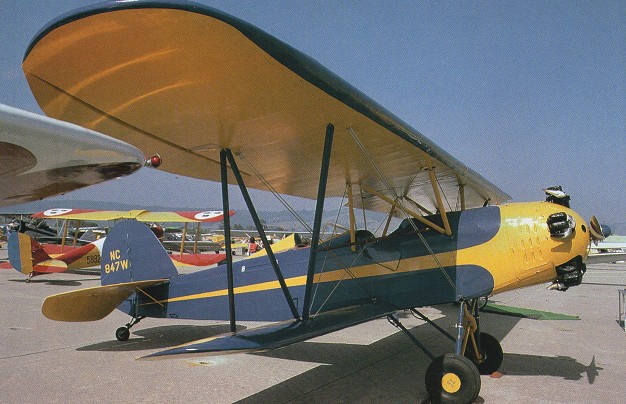
Birdwing Imperial

A 1928 three seat commercial biplane. Powered by a 90 hp Curtiss engine, the Imperial had a maximum speed of 90mph (145 kmh).

The first Bird Wing took McCrum and his assistants 63 days to build at a cost of US$12.000. The prototype flew over 5000 passengers over a period of 15 months.

Among the many pilots who flew the birds wing was Hap Arnold and Charles Lindbergh. McCrum suggested a comprehensive program of courses of flight training, which included training flight in a Bird Wing, and build the aircraft from scratch. The Bird Wing Imperial was tested to meet the requirement of 1931 and 50 were ordered, then cancelled at the beginning of the great Depression.

McCrum revised the plans for the Bird Wing again in the 1950s to install a 450 hp 336 kW Pratt & Whitney R-985 Wasp Junior radial engine and a 3 inch fuselage widening to convert the design into an agricultural aircraft which never went into production.

Bird Wing Model 1
Engine: 1 × Curtiss OX-5, 90 hp / 67 kW
Propeller: 2-bladed wooden fixed pitch
Wingspan: 31 ft 4 in / 9.55 m
Wing area: 303.5 sq ft / 28.20 sq.m
Airfoil: Aeromarine 2
Length: 23 ft 6 in / 7.16 m
Height: 8 ft 7 in / 2.62 m
Empty weight: 1.236 lb / 561 kg
Gross weight: 2.255 lb / 1023 kg
Fuel capacity: 34.5 US gal / 28.7 imp gal / 131 l
Maximum speed: 90 mph / 140 km / h / 78 kn
Rate of climb: 460 ft / min / 2.3 m / s
Service ceiling: 10.000 ft / 3.000 m
Cruise speed: 75 mph 121 km / h, 65 kn
Landing speed: 30 mph / 26 kn / 48 km / h
Wing loading: 6.95 lb / sq ft / 33.9 kg / sq.m
Power / mass: 0.04 hp / lb 0.066 kW / kg
Crew:
Capacity: 2 pax

Bird Wing No. 2
Upper and lower ailerons

Bird Wing No. 4
Engine: Hisso, 180 hp / 134 kW

Bird Wing Imperial
1930
Engine: Wright Whirlwind R-540, 165 hp / 123 kW
Max speed: 118 mph / 190 km / h
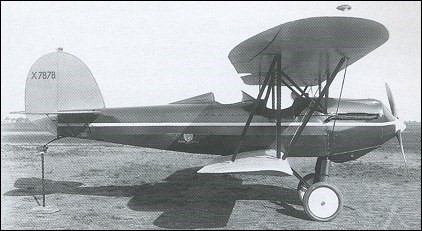
Bird Aircraft Corp Bird / Brunner-Winkle Bird

Bird BK

In 1928 the Brunner-Winkle Aircraft Corporation was founded to manufacture a three-seat open cockpit commercial biplane known as the Bird biplane. In March 1929 the Bird Aircraft Corporation was incorporated, with William E. Winkle as vice-president, to continue production of the Bird biplane with a variety of engines ranging from 100- 165 hp. It was made available subsequently in four- and five-seat forms.

Bird A

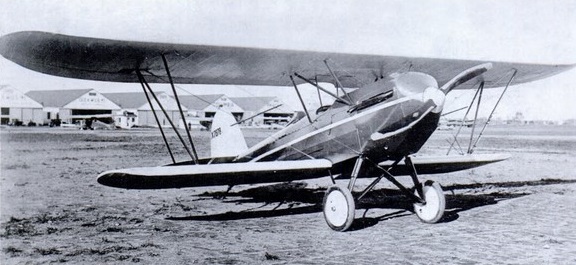
Final assembly and flight-testing of the Bird was done at Roosevelt Field in Garden City. Originally powered by a 90 hp Curtiss OX-5, the Bird was able to carry three people in its two open cockpits.

Brunner Winkle Aircraft Corp Model A Bird, Roosevelt Field, 1929

There were approximately 225 Birds built from 1929 thru 1931. The “A” model was powered by the OX-5 engine, the “BK” model used the 100HP Kinner engine and the “CK” used the larger 125 HP Kinner engine. In addition, they also had several individual models. One had the Packard diesel engine and another the Jacobs radial engine.

The BK was a three-seater.

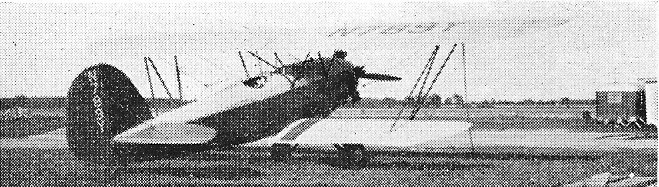
Bird BK N789Y

McCrum revised the plans for the Bird Wing again in the 1950s to install a 450 hp 336 kW Pratt & Whitney R-985 Wasp Junior radial engine and a 3 inch fuselage widening to convert the design into an agricultural aircraft which never went into production.

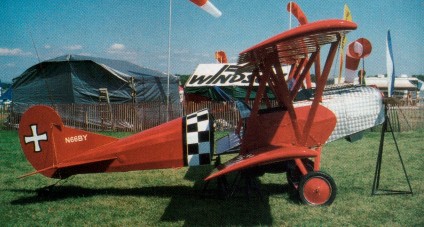
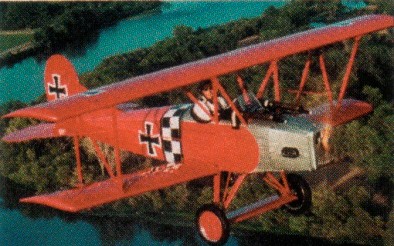
Biplanes of Yesteryear Mifyter II

An LSA legal two place version of the original Miifyter ultralight. It can be split in two parts (aft of the cockpit) for storage.

Cruise: 70 mph
Stall: 40 mph
Range: 260 sm
Rate of climb: 750 fpm
Takeoff dist: 150 ft
Landing dist: 250 ft
Engine: Geo Metro, 150 hp
Fuel capacity: 4 USG
Empty weight: 705 lb
Gross weight: 1150 lb
Length: 16.3 ft
Wing span: 21.5 ft
Wing area: 153 sq.ft
Seats: 2
Cockpit width: 40 in
Landing gear: tailwheel

Bing 1911 biplane

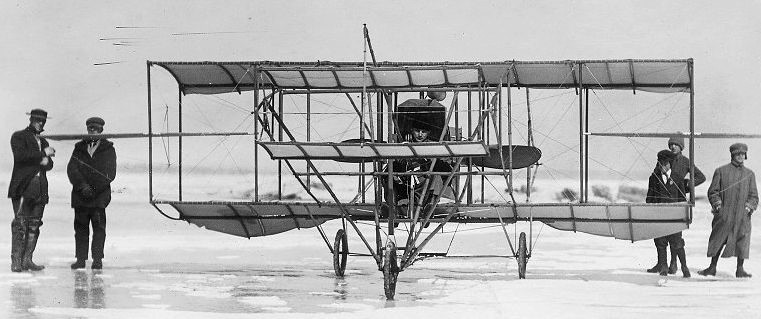
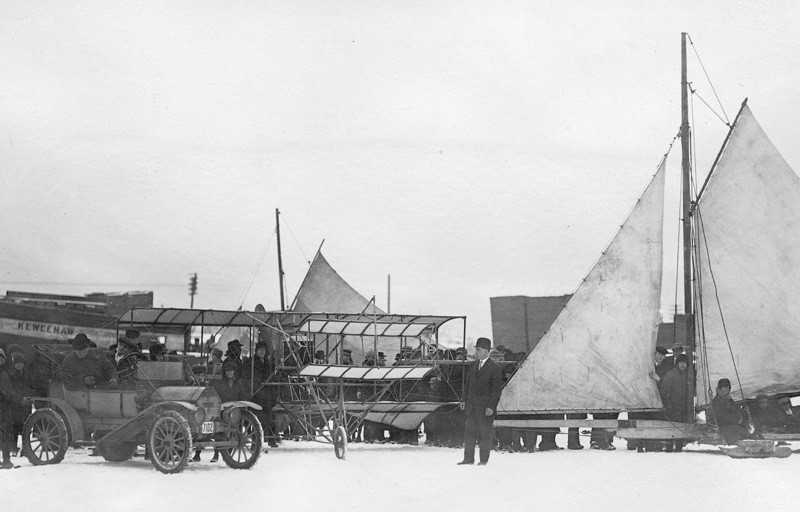
George J. Bing was one of Sandusky, Ohio’s prominent businessmen. He operated a carriage, bicycle, and automobile repair shop at West Adams and Tiffin Avenue and held the distinction of being the first to build an airplane in the city of Sandusky. In 1911, he constructed this biplane, modelling it after the Hudson flier flown from Euclid Beach to Cedar Point by Glenn Curtiss in 1910. It was tested on the ice of Lake Erie, but apparently never flew.

Billing 1911 Biplane        

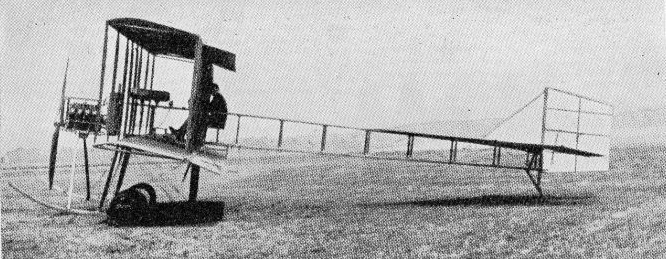
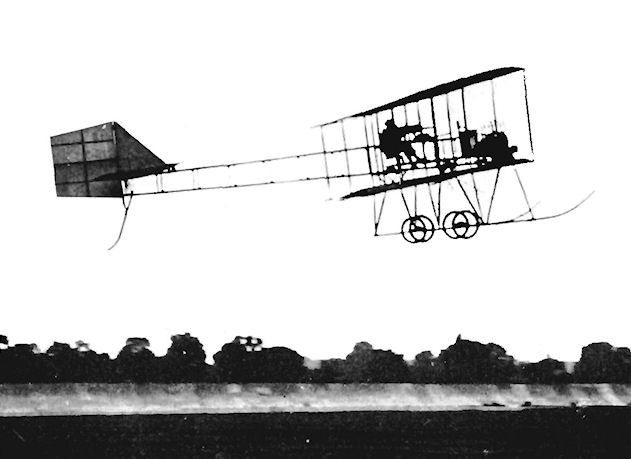
The 1911 Billing biplane was designed and built by Eardley Billing at Brooklands in the UK during 1911. It was a single-seat tractor built from C.A.Moreing’s discarded Voisin.

The Billing tractor biplane was constructed using the wings of the Voisin pusher of C.A. Moreing. The engine was a 40 h.p. ENV Type D. It was originally flown with an uncovered fuselage but fabric was added later.

The machine was in use from May 1911 to the end of the season, becoming nicknamed the ‘Oozley Bird’. Billing was, at that time, in charge of the Lane Gliding School at Brooklands and for a brief period at the begining of 1912 was in charge of the Deperdussin School at Brooklands. Eardley and his wife Ada also ran the Bluebird restaurant at Brooklands until its closure at the outbreak of war.

The Billing biplane was crashed on 4 October 1911 by N.S. Percival, who rebuilt it as the Percival Parseval I at the end of 1911. Percival had completed the tests for his Royal Aero Club Aviator’s Certificate No.111 in the machine on 1 August 1911.

Replica
Best-Devereux & Co Eardley-Billing