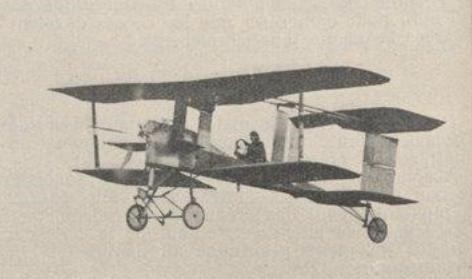
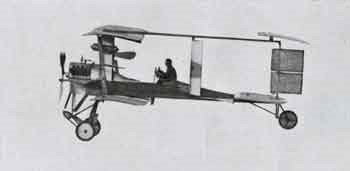
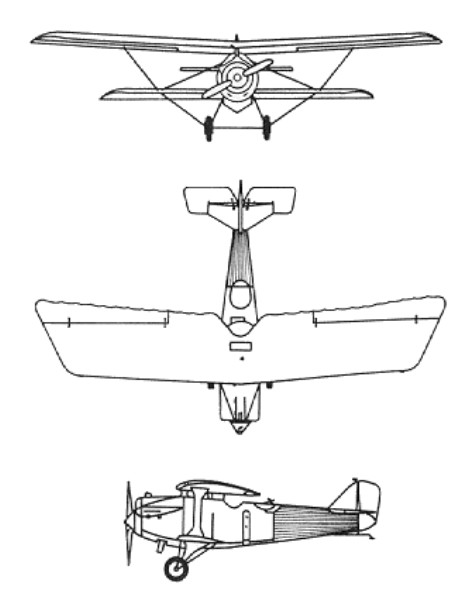
Like Bréguet’s previous design, the Bréguet Type I, the structure was principally of metal, although less highly stressed parts such as the tail surfaces used wood. It had a triangular section fuselage of wire-braced steel tube with the 41 kW (55 hp) air-cooled Renault engine at the front: this drove a three-bladed propeller which was connected to the engine’s camshaft and so revolved at half the speed of the engine. The wings had pressed aluminium ribs threaded onto a main spar of 65 mm (2.56 in) diameter steel tube. These were connected by a single interplane strut on either side. Tail surfaces consisted of a pair of horizontal surfaces, the lower carried on the rear of the fuselage and the upper by a pair of booms running back from the centre section of the upper wing. The upper surface was movable to achieve pitch control. A rectangular balanced rudder was mounted between the two horizontal surfaces. In addition, a pair of small horizontal stabilising surfaces were mounted at the front of the aircraft either side of the engine. The pilot’s seat was positioned halfway between the wings and the tail surfaces: a passenger seat was fitted behind the engine. The main undercarriage employed oleo-pneumatic suspension, and there was a single steerable tailwheel.
It was intended that lateral stability would be achieved by automatic differential movement of the two halves of the upper wing, this feature being the subject of a patent filed by Bréguet. In a turn, the greater speed of the outer wing would cause the angle of attack to be reduced, so eliminating the increase in lift that the greater speed would otherwise have produced. Lateral control was effected by a pair of mid-gap ailerons mounted on the interplane struts: these were evidently not effective and Bréguet intended to use another method for lateral control in his next design.
Its first recorded flight was made on 5 January 1910, when Louis Breguest made three circuits of the flying field at La Brayelle near Douai. and on 16 January 1910 it made a flight of 1.5 km (0.93 mi) However, by April 1910 Bréguet was flying his next design, the Type III.
Powerplant: 1 × Renault 50/60 hp V-8, 41 kW (55 hp) Propeller: 3-bladed, 2.50 m (8 ft 2 in) diameter Upper wingspan: 12.0 m (39 ft 4 in) Wing area: 40 m2 (430 sq ft) Empty weight: 580 kg (1,279 lb) Gross weight: 800 kg (1,764 lb) Maximum speed: 70 km/h (43 mph, 38 kn) Seats: 2
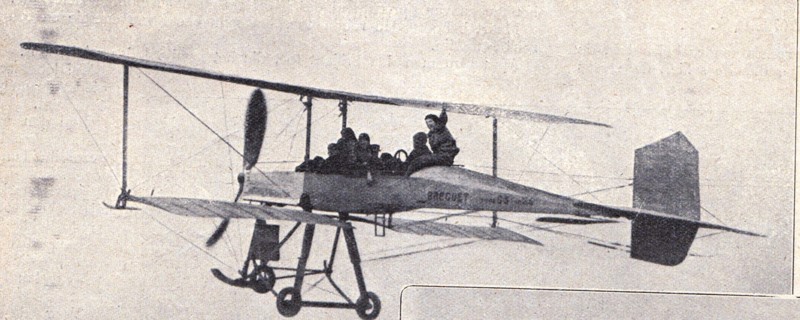
Bréguet and around 10 passengers above the airport of Douai in March 1911
The Bréguet Type IV was developed from the Bréguet Type III which had appeared during 1910. It was a tractor biplane with a tricycle undercarriage.
The Bréguet Type IV was an aircraft built by Bréguet Aviation. It was first flown in 1911, and was the first Bréguet aircraft to be produced in quantity. It was used by the French Army and the British Royal Flying Corps. It is notable for the extensive use of metal in its construction, unusual in an aircraft of its time.
The Bréguet Type IV was produced in a number of variants, differing in their seating arrangement and in the engine fitted.
G, later G.1 powered by a 50 hp (37 kW) Gnome Omega G.2 powered by a 70 hp (52 kW) Gnome G.3 powered by a 100 hp (75 kW) Gnome Gnome Double Omega G.4 powered by a 160 hp (120 kW) Gnome Gnome Double Lambda R.1 powered by a 50 hp (37 kW) REP R.2 powered by a 70 hp (52 kW) REP L.1 powered by a 50 hp (37 kW) Renault 50/60 hp (the ‘L’ for Louis Renault) L.2 powered by a 70 hp (52 kW) Renault C.1 powered by a 40 hp (30 kW) Chenu C.2 powered by an 80 hp (60 kW) Chenu U.1 powered by an 80 hp (60 kW) Canton-Unné U.2 powered by an 80 hp (60 kW) Canton-Unné D.1 powered by a 100 hp (75 kW) Dansette O.1 powered by an 80 hp (60 kW) Le Rhône
R.U.1
Although Bréguet’s earlier aircraft were referred to using a type number, the aircraft produced after the Type III were generally referred to using an airframe number and a letter/number combination denoting the type of engine fitted.
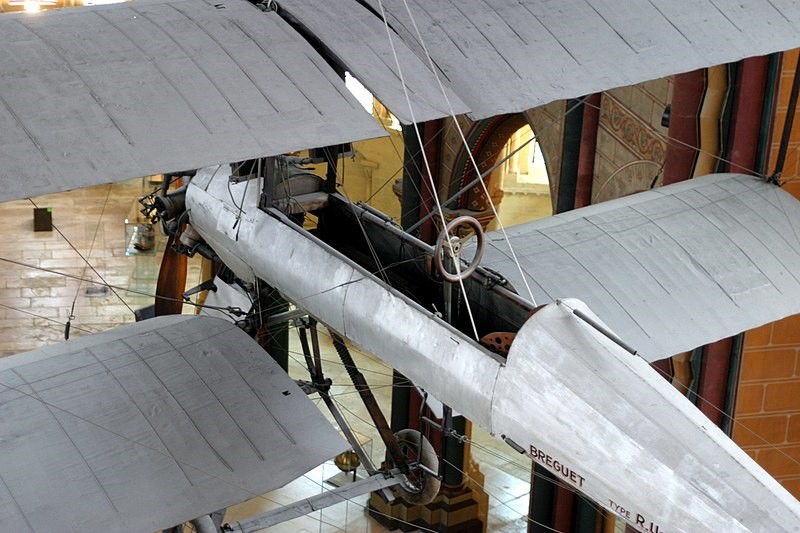
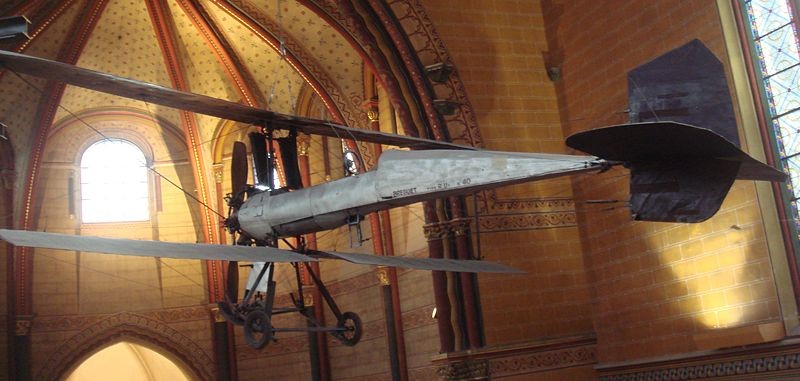
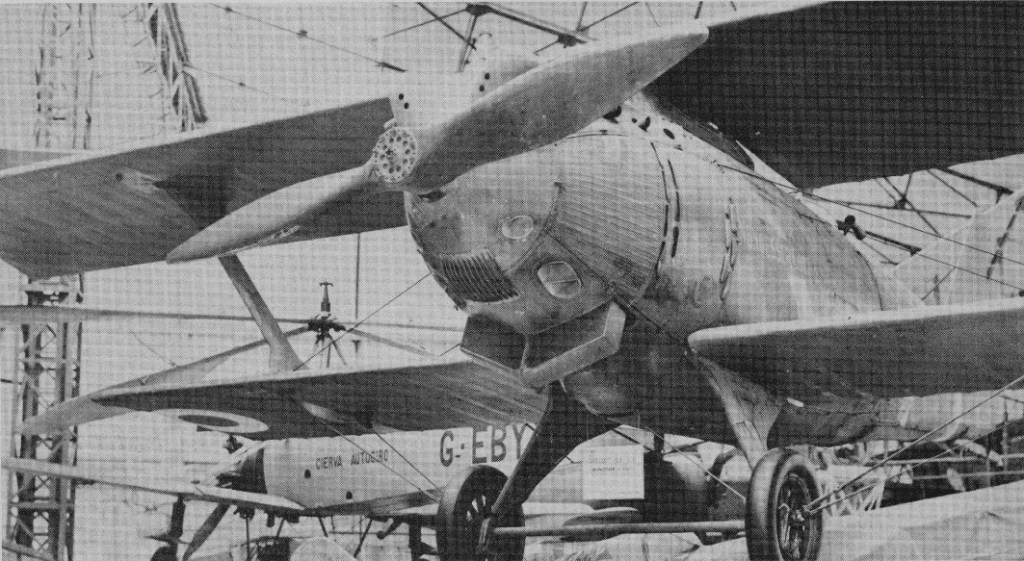
An example, an R.U.1, is on display at the Musée des Arts et Métiers in Paris.
R.U.1 at the Musée des Arts et Métiers
Breguet 1-bis of 1909 at aérodrome de la Brayelle
A large Breguet RU1 biplane.
U.I
The original 1909 Breguet U.I designed and built by Louis Breguet was later improved into the U.I-bis. Originally the Breguet biplane 1, but after a crash, it was re-designed and rebuilt. Sometimes referred to as the Breguet 2.
Number 40, of 1911 had a radial engine, two-blade wood propeller.
U.2
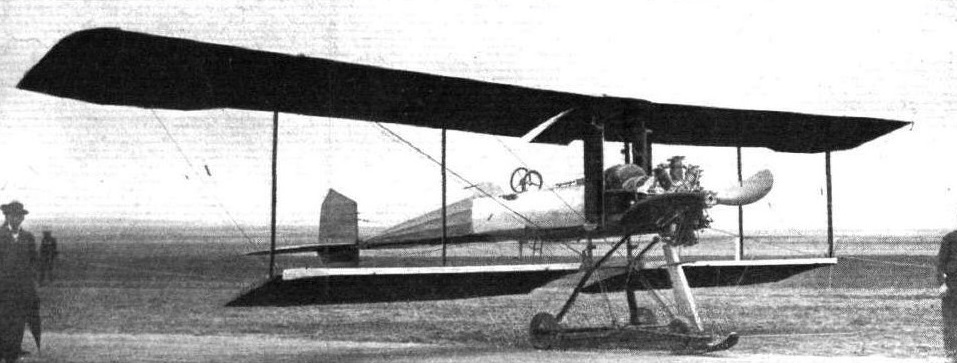
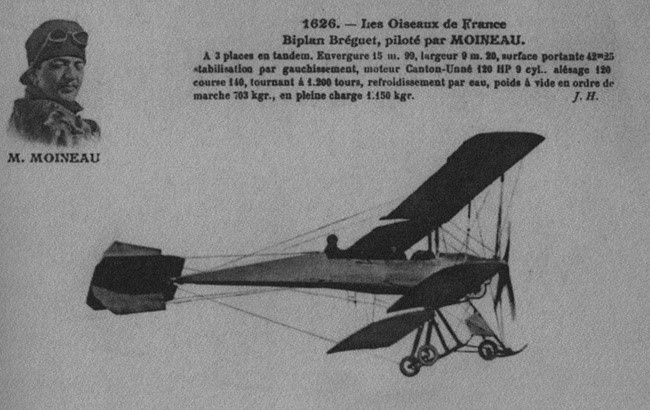
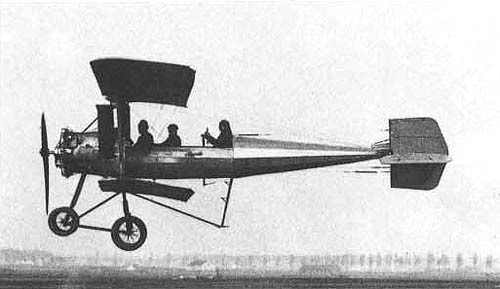
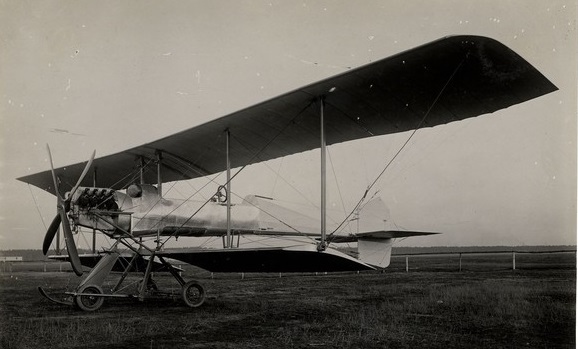
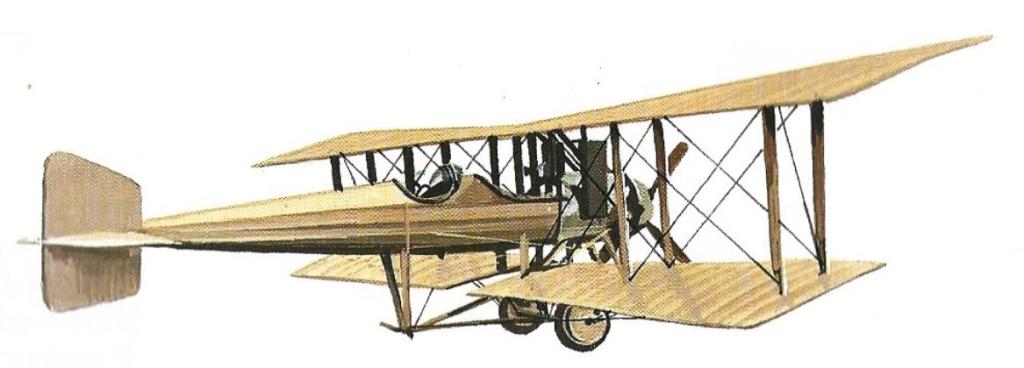
Proposed by the manufacturer to meet a military requirement, the Breguet U2 biplane was presented in various versions from 1911. The 1911 U2 version with a Salmson Canton-9 liquid cooled engine cylinder, two-bladed propeller, had the fuel tank between the two radiators placed vertically. The pilot, in back position, faced a rear-facing passenger, the other passenger, in the front, looked forward.
This machine has a steel structure fuselage, with a main landing gear with four wheels comprising two rear wheels mounted on the same axis and two front wheels detached. On early versions, lateral control was obtained by warping the wings, and later aileron control.
Initially the aircraft was equipped with a 130 hp Gnome rotary engine and was able to carry three people. Many engines were mounted on these machines, including Anzani, Renault 55 or 60 CV, and Canton-Unné of 120 hp. The propellers can be bladed or four-bladed.
U.2
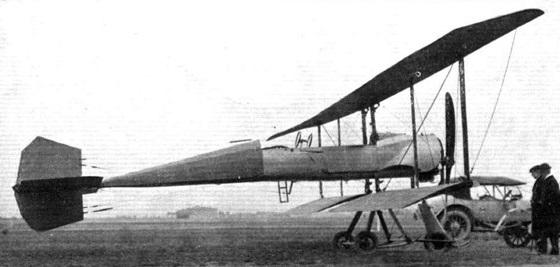
Type U.2 No 45; Another military machine showing in the same Concours. A heavier aircraft than L.1 No 3, with an interwing strut between the earlier 2, retaining the original wiring. 2 tall radiators stood up under the center-section; the nosewheel was now doubled.
Type U.2 No 102: This 3-seater 2-bay single-spar biplane appeared in 1913. The 4-wheel landing gear was supported under the rear cockpit by a tall skid, keeping the cruciform tail off the ground. The fuselage was no longer a single boom aft, but consisted of 4 steel tube longerons supporting a structure faired out with stringers.
Type U.2 No 138: Similar to No 102, this new 1914 machine was a 2-bay 2-spar biplane, with 2 separate cut-out cockpits. The wing cell design was named “semi-rigide,” and the wings still warped.
The Breguet H-U2 and U3 H seaplanes were derived from U-2 biplane. These became famous in April 1913, in Monaco, then in August of the same year in Deauville, in the hands of Henri Brégi and René sparrow.
Breguet biplane U2, three-seater tandem, piloted by René Moineau
At the beginning of the First World War, the first bombing took place early in August 1914 with an attack of Frascati airship hangar near Metz by the airman Corporal Finck. Projectiles were almost exclusively former 90 or 120 caliber artillery shells. These weapons were crammed into cabins and launched by hand by the observer. Some firebombs were tried, but proved difficult to use and dangerous for the aircraft that carried them. The first months of war dart boxes (cylindrical steel rods of 12 cm long and 8 mm in diameter, tapered tip and Phillips tail to rotate to stabilize during the fall) were used. This process of low efficiency (lack of accuracy and dispersion) was abandoned in early 1915.
Used for reconnaissance missions at the beginning of the First World War these machines had rigid wings equipped with ailerons and a Salmson Canton-Unné liquid cooled 110 hp or rotary Gnome engine of 100 HP that allowed them to reach 110 km / h.
French forces employed about 30 machines.
U.2
A small batch of the popular Breguet L.2 biplane, powered by an air-cooled Renault V-8, was assembled or built by Albatroswerke, Johannisthal in Germany under license and test flown by Bréguet factory pilot Debussy in March 1912.
Breguet L.2, license-built by Albatroswerke
A myriad of versions of the Breguet biplane, were produced between 1910 and 1914. Breguet used a complex letter-number designation for the engine used in the machine. The L.2 uses a 70 hp Renault engine driving a four bladed propeller. In the Breguet system it was then coded as L (= Renault) 2 (70 hp). It might seem strange to code the Renault engine with the letter L, but the letter R was already taken by the R.E.P. engine. Code 2 stood here for 70 hp, where code 1 denoted 50 hp.
The machine had a tricycle undercarriage with a nosewheel. There were undercarriage skids to prevent the machine from nosing over. The big bulb in the front of the fuselage is the petrol tank. After the tank is a compartment holding two persons and the pilot at the back. The whole fuselage was a metal construction and in this version the big wings are two-bay.
The Breguet Biplane managed to set a world record with seven passengers.
The Royal Flying Corps (RFC) around August 1912 bought two machines of this exact type (L.2). They lasted till December 1913 but did very little flying, at most a few hours.
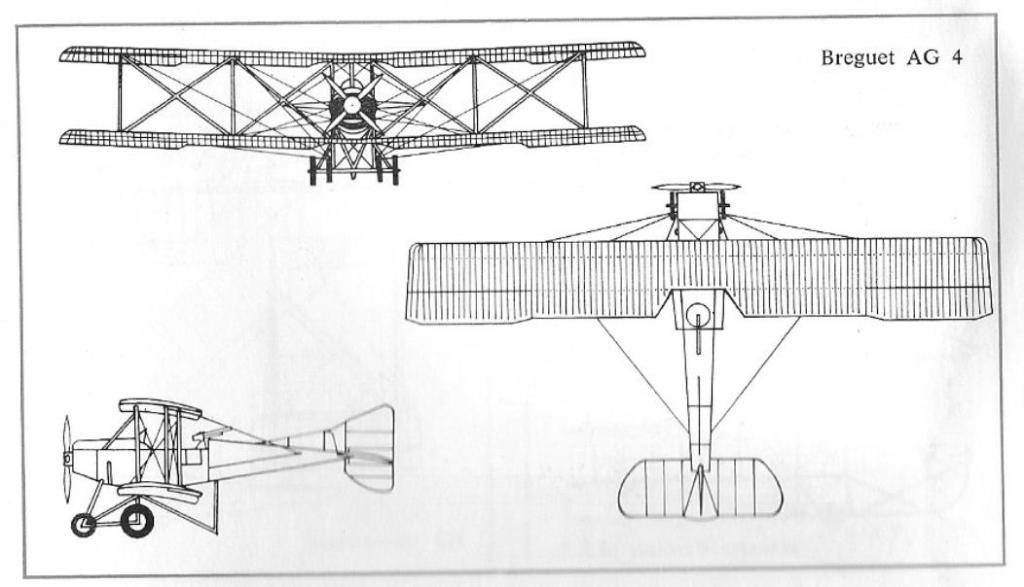
Just before the outbreak of the War, Breguet had started 2 new aircraft and projected a third. The A-G.4 was a 160 Gnome tractor; the A-U.3 was a 200 hp Canton-Unne tractor, and B-U.3 was a 200 hp Canton-Unne pusher (the A and B now used to distinguish similarly-powered machines only.)
A-G.4
The relative success of the use of cannon in the Breguet BU.3 led the Breguet company to install it in their latest aircraft, the Breguet 5.
The French forces employed some type A-G4, the British employed some A-G4 for the Royal Flying Corps and 15 A-G4 for the Royal Royal Naval Air Service, the Italians some A-G4.
The A-G4 was the definitive 1913 military version with a rotary engine.
L-1 Cruiser Propeller: 2.4 m (8 ft) diameter Upper wingspan: 13.94 m (45 ft 9 in) Lower wingspan: 8.74 m (28 ft 8 in) Wing area: 30.43 m2 (327.5 sq ft) Length: 8.5 m (28 ft) Crew: 1 Capacity: 1
U.I Engine: Salmson Canton-Unné, 85 hp Span upper: 45′ / 13,70 m Span lower: 39’4″ Length: 30′ / 9.15m Empty weight: 1275 lb Total weight: 1150 kg Speed: 80 kph
U.I-bis Span: 41′ Length: 27’11” Weight: 1100 lb
U.2 Engine: Canton-Unné, 110 hp Wingspan: 44 ft 4 in / 13.5 m Length: 27 ft 10 in / 8.5 m Height: 8 ft 4 in / 2.5 m Empty weight: 1234 lb / 560 kg Loaded weight; 2116 lb / 960 kg Max speed: 68 mph / 110 kph Armament: none
U.2 Engine: Salmson Canton-Unné, 85 hp Wingspan: 13,70 m Length: 9.15m Total weight: 1150 kg Speed: 80 kph
A-G.4 Engine: Gnome, 160 hp Wingspan: 50 ft 4 in / 15.35 m Length: 27 ft 1 in / 8.25 m Height: 10 ft 10 in / 3.30 m Weight: 2970 lb / 1350 kg Max speed: 62 mph / 100 kph Ceiling: 42900 ft / 1500 m Armament: 1 x mg Crew: 2
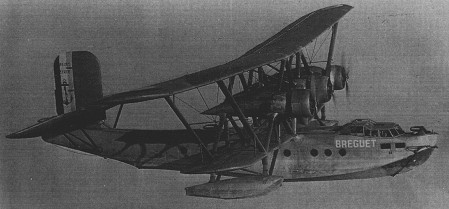
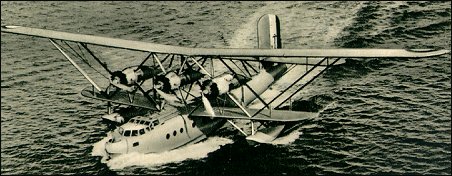
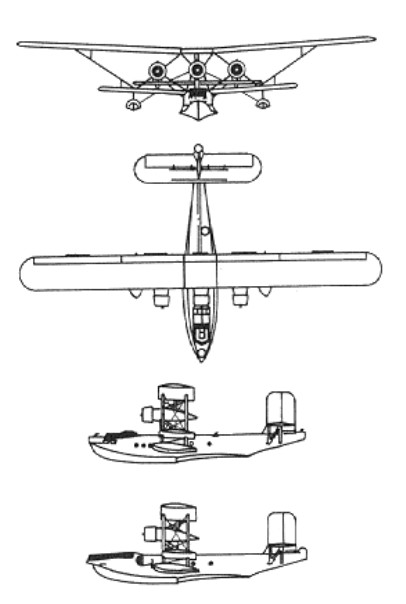
In 1931 Breguet secured a licence to build the Short Calcutta, and this was used as the basis for the company’s Bre.521 submission to meet a 1932 French Navy requirement for a long-range reconnaissance flying-boat. The Bre.521 was of all-metal construction with stabilising floats strut-mounted under the lower wings, a strut-braced empennage and three tractor engines located between the biplane wings. The Bre.521.01 prototype flew on 11 September 1933 with 630-kW (845-hp) Gnome-Rhóne l4Kdrs radials, and was followed by three pre¬production boats. The second of these introduced refinements intended for the production variant, includng an improved cockpit enclosure and more potent defensive armament. Armament comprised five 7.5mm Darne machine-guns: one in the cupolas each side at the rear of the cabin, one under each of two sliding hatches (with retractable windscreens) staggered to port and starboard amidships, and one in the extreme tail cockpit aft of the tail unit. Thirty were built up to 1940, powered by three 671kW Gnome-Rhone 14 Kirs radial engines. These served with “Exploration” escadrilles of the French Aeronavale from 1935 until the end of World War II, latterly being used as maritime reconnaissance and anti-submarine aircraft. Of these, nine were captured by the Germans and were used during 1943-45 for air-sea rescue.
One ‘boat became the sole Bre.522 when re-engined with 746-kW (1,000-hp Hispano-Suiza l4Aa radial engines.
In 1935 a civilian version – the Breguet Br.530 Saigon – was produced.
Bre.521 Bizerte Engines: 3 x Gnome-Rhône l4Kirs or 14N-11, 671 kW (900 hp). Wingspan: 35.1-18.9 m / 115 ft 2 in-62 ft 0 in Wing area: 169.8 sq.m / 1827.71 sq ft Length: 20.5m (67 ft 3in). Height: 7.5 m / 24 ft 7 in Max T/O weight: 16600 kg (36,597 lb). Empty weight: 8855 kg / 19522 lb Max speed: 243 km/h / 152 mph at 3,280ft. Cruise speed: 200 km/h / 124 mph Ceiling: 6600 m / 21650 ft Range w/max.fuel: 3000 km / 1864 miles Range w/max.payload: 2000 km / 1243 miles Seats: 8 Crew: 5 Armament: 5 x 7.5-mm (0.295-in) Darne mg plus up to 300 kg (661 lb) of bombs.
Bre.522 Engines: 3 x Hispano-Suiza 14Aa, 1000 hp, (746 kW). Span: 35.15m / 115ft 4in. Length: 20.5m / 67 ft 3in. Armament: 5 x 7.5-mm (0.295-in) Darne mg.
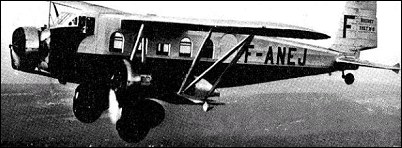
Development of the Breguet 393T three-engined passenger transport began with the Breguet 390T prototype, an all-metal sesquiplane which made its first flight in February 1931. During a test flight on 3 July 1931 a propeller broke away, the pilot losing his life when his parachute failed to open after he abandoned the aircraft. The Breguet 390T was completely destroyed in the ensuing crash. A single Breguet 392T followed, replacing the Bre.390T’s 179kW Gnome-Rhone 5Kd radials with 224kW Hispano-Suiza 9Qc engines, and completed as a freight carrier. Only one example appeared and it was followed later in 1933 by the prototype Breguet 393T. It differed by changes in interplane struts, by having fabric instead of metal fuselage covering, and by introducing a tailwheel and spat fairings for the mainwheel units. This aircraft was delivered to Air France in July 1934, being followed by two more examples later that year. The remaining three aircraft ordered by Air France were delivered in 1935. The Breguet 393T had accommodation for a crew of two and 10 passengers, each passenger having a comfortable armchair beside a large window. The type flew regular routes between Toulouse and Casablanca, the Mediterranean leg of the route to South America, and later on the Natal-Buenos Aires stage in Brazil. Their final employment was on several European routes radiating from Paris.
Bre.390T Engines: 3 x 179kW Gnome-Rhone 5Kd radials
Bre.392T Engines: 3 x 224kW Hispano-Suiza 9Qc
Bre.393T Engines: 3 x Gnome-Rhone 7Kd Titan Major radial, 261kW Take-off weight: 6000 kg / 13228 lb Loaded weight: 3966 kg / 8744 lb Wingspan: 20.71 m / 67 ft 11 in Length: 14.76 m / 48 ft 5 in Wing area: 66.46 sq.m / 715.37 sq ft Max. speed: 249 km/h / 155 mph Cruise speed: 235 km/h / 146 mph Ceiling: 5850 m / 19200 ft Range: 975 km / 606 miles
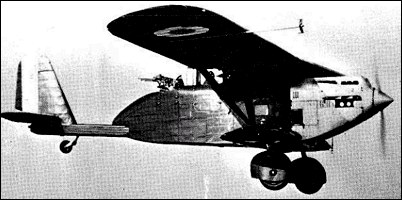
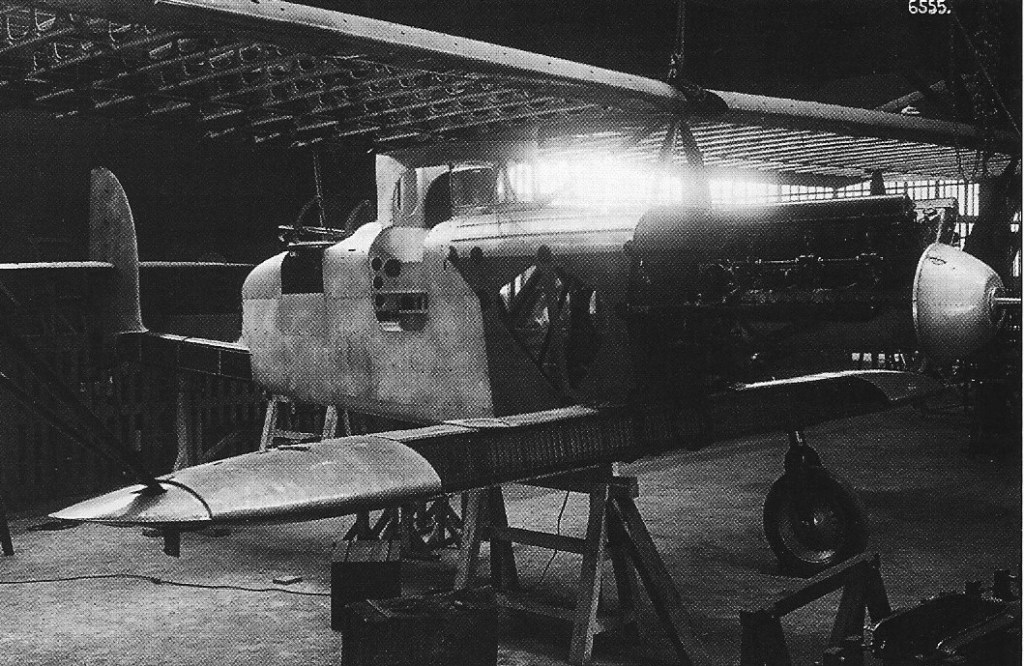
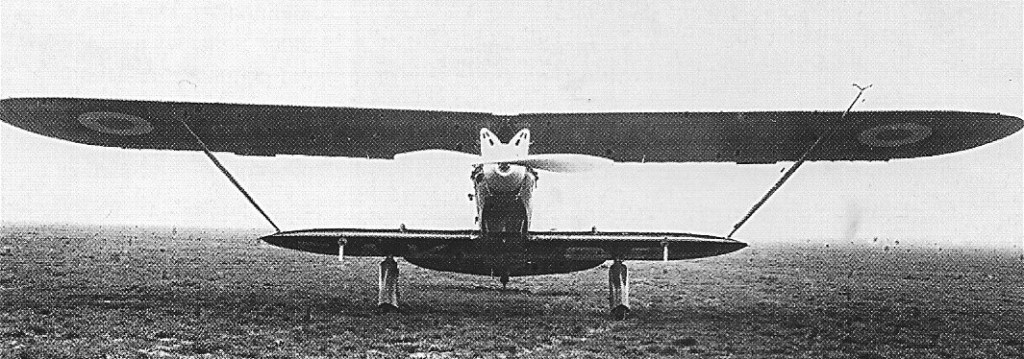
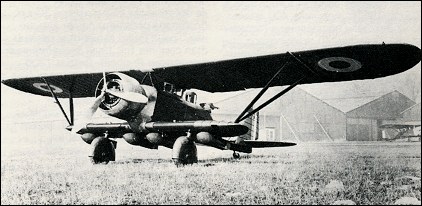
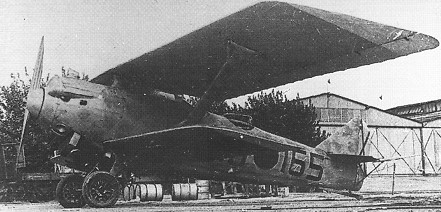
Built to an official requirement of 1928 for a two-seat observation aircraft, the Breguet 270 was designed by a distinguished team led by Marcel Vuillerme and including Rene Dorand, Rene Leduc and Paul Deville. The prototype Bre.270.01 made its maiden flight on 23 February 1929 with Bucquet, chief Breguet test pilot, at the controls. A two-seat all-metal sesquiplane, it introduced a number of interesting design features. High-tensile steel replaced aluminium alloys, and the short fuselage, engine, lower wing and tail boom were all attached to a steel chassis, resulting in a very tough aircraft. Following early tests, the prototype was returned to the company’s Velizy-Villacoublay workshops where the tail unit was redesigned with a more angular fin/rudder assembly and lower-set horizontal tail-plane. Nine further prototypes under the Bre.270/271 designations were completed, two of them being displayed at the 1930 Paris Salon de I’Aeronautique. Despite a rather poor overall performance, orders for a total of 85 Breguet 270s were received during 1930, all for the French Armee de I’Air. In 1932, an order was placed for 45 examples of the Breguet 271, powered by an engine delivering 112kW more than the original Hispano-Suiza 12Hb, and capable of lifting an increased useful load. Several Bre.270s were subsequently modified for VIP liaison duties, with a ‘glasshouse’ covering both cockpits. In 1932 the original prototype registered F-AJRC and fitted with a supplementary ventral fuel tank, made a longdistance flight across Africa to Madagascar. Besides small batches of Bre.270s bought by Brazil and Venezuela, 15 examples of the Breguet 273 reconnaissance-bomber development were exported to Venezuela and six to China. The Bre.273 prototype had flown in April 1934. Powered by a 641kW Hispano-Suiza 12Ybrs engine with a frontal radiator (all previous versions had ‘chin’ radiators), the Bre.273 had improved performance and bombload increased to 400kg.
Experimental versions of the basic design included the Bre.272 TOE fitted with a radial engine, initially a Gnome-Rhone 9K and finally a Renault 9Fas, and the Bre.274 with a 567kW Gnome-Rhone 14K. The latter, intended as a bomber, was subsequently operated by sporting Frenchwoman Maryse Hilsz, who flew it to victory in the 1936 Coupe Helene Boucher contest, averaging 277km/h. A series of experimental Breguet 41 twin-engined biplanes, which shared the same ‘chassis’ and tailboom construction as the Breguet 270, met with initial success and secured an order for the Armee de I’Air, which intended them for the ‘multiplace de combat’ role, capable of fighting, bombing or reconnaissance. With the appearance of more promising rival designs, the order was cancelled before deliveries had commenced.
Bre.272 TOE
On 1 January 1936 Bre.270s and Bre.271s were still in service in the French observation escadrilles. At the outbreak of World War II a number of Groupes Aeriens d’Observation (manned largely by reserve pilots) had Bre.27s on charge. These included GAOs 509, 543 and 547. A number of Bre.27s were shot down while on reconnaissance patrols across the Rhine before being withdrawn from service at the end of 1939.
Breguet 270 Engine: 1 x Hispano-Suiza 12Hb inline piston engine, 373kW Take-Off Weight: 2393 kg / 5276 lb Loaded Weight: 1756 kg / 3871 lb Wingspan: 17.01 m / 55 ft 10 in Length: 9.76 m / 32 ft 0 in Height: 3.55 m / 11 ft 8 in Wing Area: 49.67 sq.m / 534.64 sq ft Max. Speed: 236 km/h / 147 mph Ceiling: 7900 m / 25900 ft Range: 1000 km / 621 miles Armament: 3 x 7.7mm machine-guns, 120kg of bombs
The first prototype Bre 19.01 was displayed at the Salon Aeronautique in 1921 while fitted with a 335.3kW Breguet-Bugatti engine. However, for the first flight in March 1922 (piloted by Marcel Vuillermet), a similarly rated Renault 12Kb was installed.
The Bre 19 was mostly of metal construction, with fabric covering only the unequal-span wings, aft fuselage and tailplane. Large-scale production of A2 (observation) and B2 (day bomber) versions, powered by Renault 12K or Lorraine 12 engines, was undertaken; ‘Amenagement 1926’ machines having increased fuel capacity.
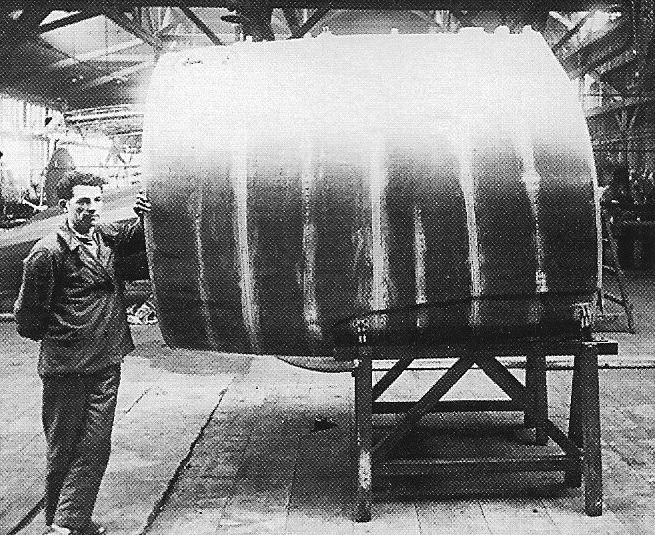
Breguet XIX main fuel tank
The aircraft featured a biplane design with I-type struts, the upper wing substantially wider than the lower section and the aircraft was armed with 3 (or 4) .303 machine guns. The landing gears were covered. It being a day-time bomber, it could carry a payload of over 1,500lbs of ordnance.
In 1923 the prototype won a Spanish international military aircraft contest and the 11 pre-production machines under construction in France were inspected by a Yugoslav delegation. Sales to both countries followed. More than 1,000 were built for French service, the type equipping many Groupes of the French Aeronautique Militaire from 1925; the last escadrilles did not relinquish their aircraft until 1935. Included in the total were a number of night fighter (Cn2) variants.
Spain imported 19 aircraft, and CASA then produced 26 aircraft from French components before building another 177 with Lorraine (127 with licence-built and the other 50 with imported engines). The type was widely used in action within Spain’s North African territories, and 135 were still on strength in 1936, the majority of them in Spain where each side had about 60 aircraft. The Nationalists bolstered their numbers with 20 ex-Polish machines to create five units (1-G-10 to 5-G-10), but after considerable ground-attack and coastal patrol service in 1937 the survivors were retired on both sides to training.
1923 Bre.19 for Poland
Foreign deliveries went to Poland (250), Yugoslavia (160, plus 190 built under licence at Kraljevo), Romania (108), China (74), Greece (30), Argentina (25), Turkey (20), Spain (19, plus 177 built under licence by CASA), Venezuela (12), Bolivia (15), Belgium (6, plus 146 built under licence by SABCA) and Brazil (5). One hundred and three Yugoslav Bre 19 were still in service in 1939, many powered by 313kW Gnome Rhone Jupiter radial engines.
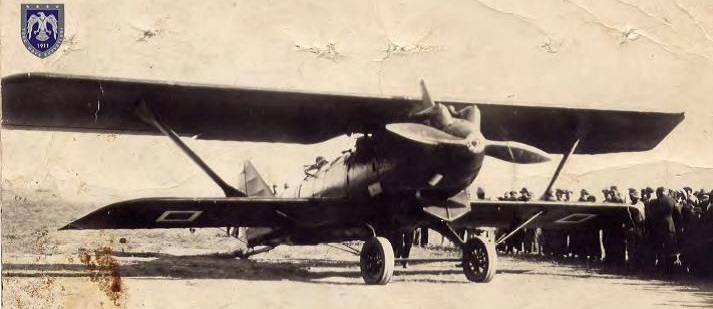
From 1926 twenty Bréguet XIX B-2 were licence built by Türk Hava Kurumu / THK, assembled in the halls of the Türk Tayyare Cemiyeti / TTaC.
THK- Bréguet XIX B2
Many record flights were made by Breguet 19 including one made by the ‘Grand Raid’ version named Nungesser-Coli, which was flown from Paris to San Francisco and Tokyo to Paris by Diudonne Costes and Joseph Le Brix, covering 57,000km in 350 hours flying time, powered by a 600 hp Hispano-Suiza.
Pilot Lt Pelletier d’Olsy during the Paris-Peking rally of 1926
Piloted by Lucien Girier and Dordilly the first non-stop air crossing of the South Atlantic, from St.Louis, Mauritania to Natal, Brazil, on 14 October 1927 (2356 miles in 27 hours).
Also, in September 1929 a Breguet 19 ‘Super Bidon’ named Point d’Interrogation was flown by Costes and Bellonte from Le Bourget to Manchuria to set up a new world distance record of 7,905km. A year later it was the first aircraft to fly non-stop from Paris to New York. It also flew Paris-Jask, Iran (3472 miles in 32 hours) piloted by Coatws and Jean Rignot.
After a total of 74,400 miles in 650 flight hours it was donated to a museum by the Breguet company.
In 1928 the Breguet 19ter was developed into the improved Breguet 19.7, with a 484.3kW Hispano-Suiza 12Nb engine, new wings with semi-elliptical tips, redesigned vertical tail-plane and increased fuel tankage. Yugoslavia built 75 and a small batch built by Breguet went to Romania. Fifty similar aircraft were exported to Turkey in 1932 and were the last of the breed to be built by Breguet. Forty-eight Yugoslav-built Breguet 19.8 had Wright Cyclone 580kW radials with long chord cowlings, the last being completed in 1937. Yugoslav Breguets were used later by Croat forces, and two recaptured by Tito’s troops were flown during 1945.
2700 units of the Bréguet XIX were produced worldwide.
Engine: 1 x HS 12Nb, 480kW Take-off weight: 6700 kg / 14771 lb Empty weight: 2190 kg / 4828 lb Wingspan: 18.3-11.5 m / 60 ft 0 in-37 ft 9 in Length: 10.7 m / 35 ft 1 in Height: 4.1 m / 13 ft 5 in Wing area: 60.0 sq.m / 645.83 sq ft Max. speed: 245 km/h / 152 mph Ceiling: 6500 m / 21350 ft Range: 950 km / 590 miles Armament: 1 x 12.7mm machine-guns Crew: 2
Breguet Bre.19 Engine: 1 x Renault 12Kc water-cooled inline, 550hp. Length: 29.17ft (8.89m) Width: 48.56ft (14.80m) Empty Weight: 3,272lbs (1,484kg) Maximum Take-Off Weight: 5,093lbs (2,310kg) Maximum Speed: 149mph (239kmh; 129kts) Maximum Range: 497miles (800km) Service Ceiling: 25,591ft (7,800m; 4.8miles) Armament: 3 or 4 x .303in machine guns 1,543 lbs (700 kg) of external ordnance Accommodation: 2 Hardpoints: 2
Bre.19A2 Engine: l x Lorraine l2Ed, 336kW (450 hp). Wing span: 14.83m (48ft 7.75in). Length: 9.61m (31 ft 6.25in). Max T/O weight: 2500 kg (5,511 lb). Max speed: 133 mph at sea level. Operational range: 497 miles. Armament: 3 x 7.7-mm (0.303-in) mg plus light bombs.
Bréguet XIX B2 Engine: Lorraine 12Ed, 336kW (450 hp) Wingspan 14.83 m Wing area: 50 sq.m Length: 9,61 m Height: 3.69 m Empty weight: 1387 kg MTOW: 2500 kg Maximum speed: 214 km / h Range: 800 km Service ceiling: 7200 m
The Breguet 17 looked very similar to the Breguet 14. However, it had a larger tail fin and rudder, a shorter wingspan, a deeper under-camber and increased armament. The prototype of the Breguet 17 two-seat fighter flew in June 1918 but there were problems and the aircraft wasn’t available until after the Armistice. Production was planned for at least 1,000 series aircraft in 1919 but, after the Armistice, orders were cut back and only ten of the aircraft were built during the early 1920s.
The Bre.17, like the Bre.14, was an unequal-span two-bay biplane, powered by a 313kW Renault 12K engine and had much better performance. Ailerons were fitted to the upper wing only and were horn-balanced. The prototype was tested as a night-fighter, but no development in that role took place.
Production aircraft were powered by the Renault 12KI engine of slightly higher power, and had revised vertical tail surfaces. The rudder had rounded contours and was horn-balanced. Armament included twin Vickers machine-guns mounted on top of the engine cowling, synchronised to fire through the propeller disc, twin Lewis guns carried on a ring mount in the observer’s cockpit, and a third Lewis gun which could fire downwards and under the tail through a trap in the fuselage floor.
Bre.17s flew with a number of French escadrilles, but did not form the sole equipment of any single unit.
Engine: 1 x Renault 12KI, 336kW Take-Off Weight: 1840 kg / 4057 lb Wingspan: 14.28 m / 46 ft 10 in Length: 8.1 m / 26 ft 7 in Height: 3.42 m / 11 ft 3 in Wing Area: 43.3 sq.m / 466.08 sq ft Max. Speed: 218 km/h / 135 mph Ceiling: 7500 m / 24600 ft Armament: 5 x 7.7mm machine-guns
At the same as the Breguet 16 was being developed, a two-seat fighter, a version of the Breguet 14, was being built. It had originally been on the drawing board back in 1916, and had been submitted to the STAe for consideration. Rejected by them, the design had stayed on the drawing board, but the requirement for a long-range escort fighter at the beginning of 1918 caused it to be resurrected.
An enlarged version of the Breguet 14 appeared at the beginning of 1918, the Breguet 16 Bn2. This was designed for use as night-bomber, and the increased wingspan of 17m enabled it to carry sufficient fuel for long missions, as well as armament for major attacks.
The Breguet 16 had three pairs of inter-plane struts either side instead of two, and differently shaped vertical tail surfaces.
Maximum bomb load was 550kg. Breguet 16s remained in service in Morocco and Syria until March 1927.
The Breguet 13, or AV 1, as it was known at the time, had a conventional look. The prototype took to the air on 21 November 1916 powered by a 220 hp Renault engine, with Louis Bleriot at the controls. After extensive trials by company test pilots, the aircraft was delivered to Aviation Militaire in January 1917 for their assessment. It immediately became apparent that the aircraft was far in advance of anything the British or the Germans had.
The STAe (Section Technical Aeronautique) had stipulated earlier in November that they wanted four types of aircraft, a three seat, long-range reconnaissance plane, a three-seat bomber, a two-seat army co-operation plane, and a two-seat fighter. Breguet submitted the aircraft stating variants of the aircraft could cover all the requirements.
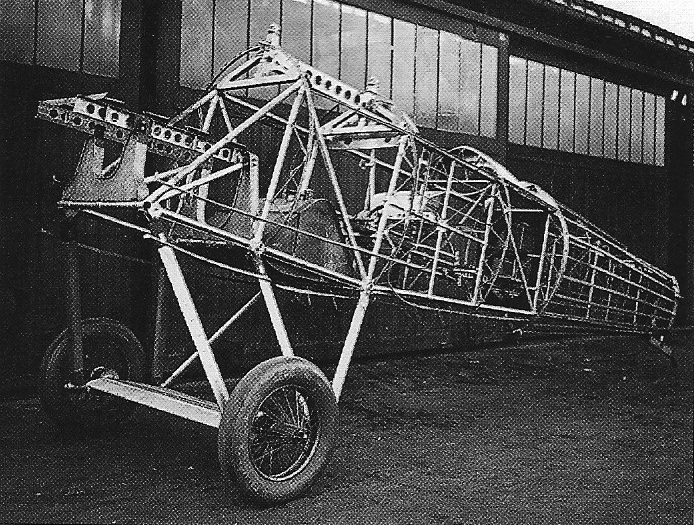
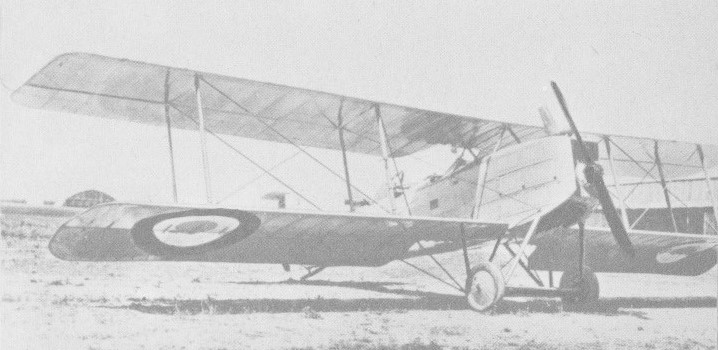
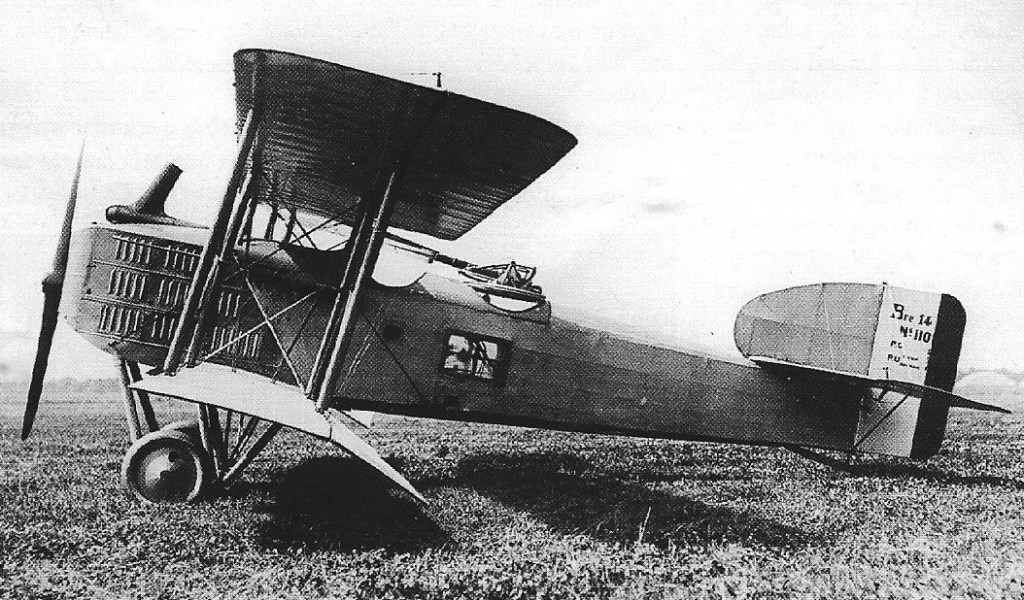
The Breguet 14 has two-bay wings, each with two aluminium spars, wooden leading-edge and ribs and fabric covering. The fuselage was of aluminium tube with fabric covering, except for metal top decking around the cockpits. Tail surfaces were fabric covered steel-tube structures. Conventional controls, with ailerons on the top wing only. Full span flaps on the lower wings dropped automatically at 70 mph to increase lift. Fuel was in two fuel tanks aft of the engine.
The 14B.2 bomber version was fitted with Michelin bomb racks.
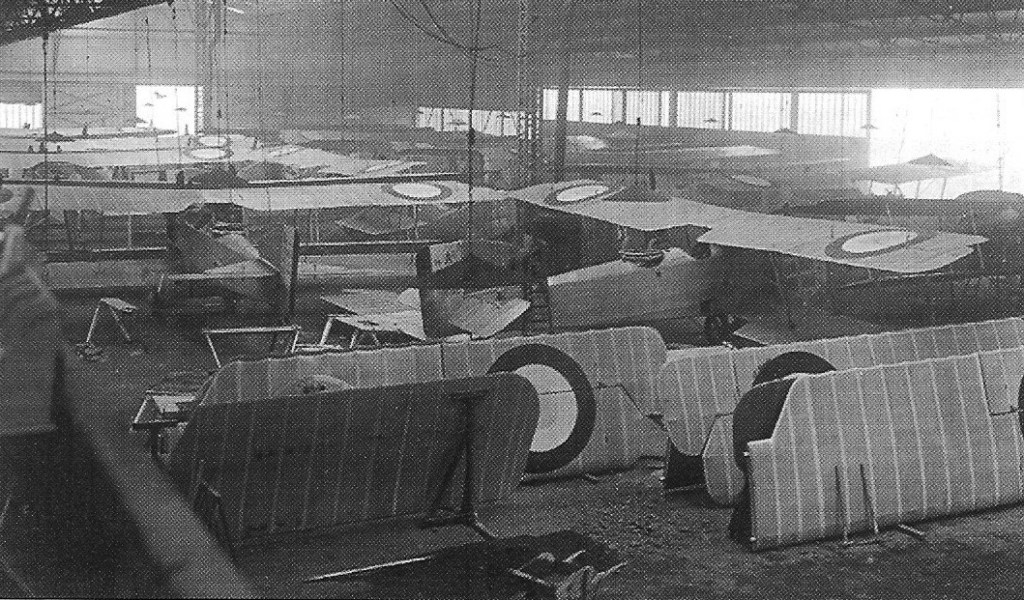
Breguet factory in 1918 assembling XIV A2
On 6 March 1917, impressed by the aircraft, the Aviation Militaire ordered 150 Breguet AV 1s (Breguet 13) to be used for reconnaissance. At the same time, the Michelin Company received an order for 150 Breguet AV 2s (Breguet 14), the bomber version. Because the aircraft were almost identical, it was decided to use the same designation for both – Breguet 14. In the months up until September 1917, orders totalling another 475 aircraft were placed.
Because demand was now outstripping supply, other companies were brought in to build the Breguet 14 under licence: Ballenger (3), Darracq (330), Farman (22), Sidam (300) and Paul Schmitt (275). The Paul Schmitt Company was already in the process of building a bomber, but the Breguet 14 had to take precedence, although they still managed to complete their own orders.
As far as the military was concern, the Breguet 14 was adaptable. It underwent numerous modifications, none of which affected its performance. On some of the aircraft, the wingspan and flap size was reduced. Different engines were tried, and various types of armament were installed and tested. Among these was one of the first air ambulances – the Breguet 14S (Sanitaire). The fuselage was modified to enable two stretchers to be carried inside.
Almost every escadrille was supplied with the Breguet 14, including the overseas units. During the short period of the war in which the USAS was involved, they purchased almost 400 of the aircraft. The first of their bombardment units, the 96th Aero Squadron carried out their first mission in June 1918 using Breguet 14 bombers.
Renault 300 hp and metal fuselage
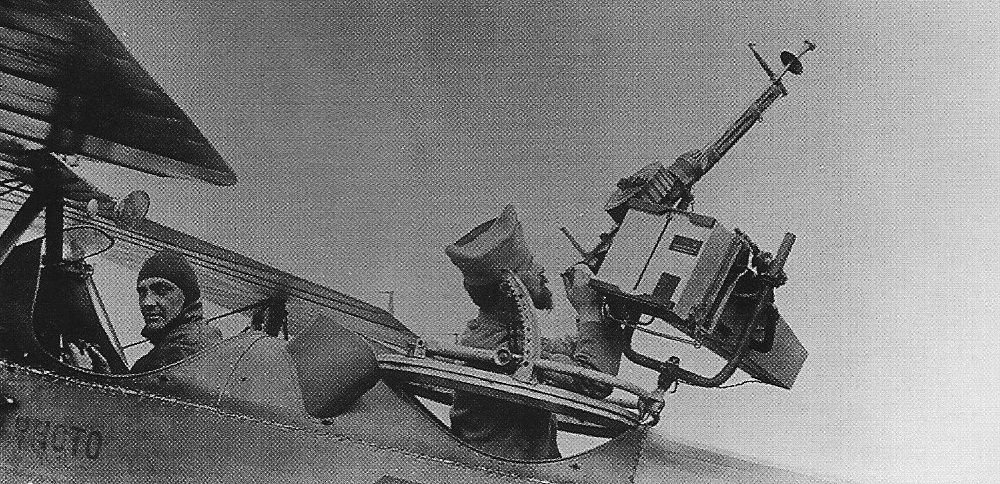
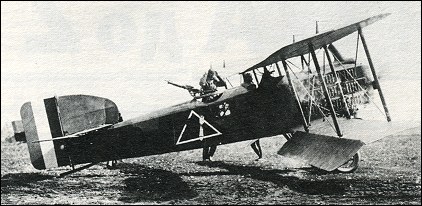
Powered by a Renault 12 Fcy water-cooled inline engine of 300hp / 238.5kW, the metal cowling was extensively louvred and a distinctive frontal radiator was fitted. The pilot was seated in the front and the gunner/observer behind. The Bre 14 A2 was armed with a single 7.7mm forward-fixed Lewis machine gun on the left side of the fuselage and an additional set of 7.7mm Lewis machine guns on a mounting in the rear cockpit. External stores could be carried when in the full bomber role.
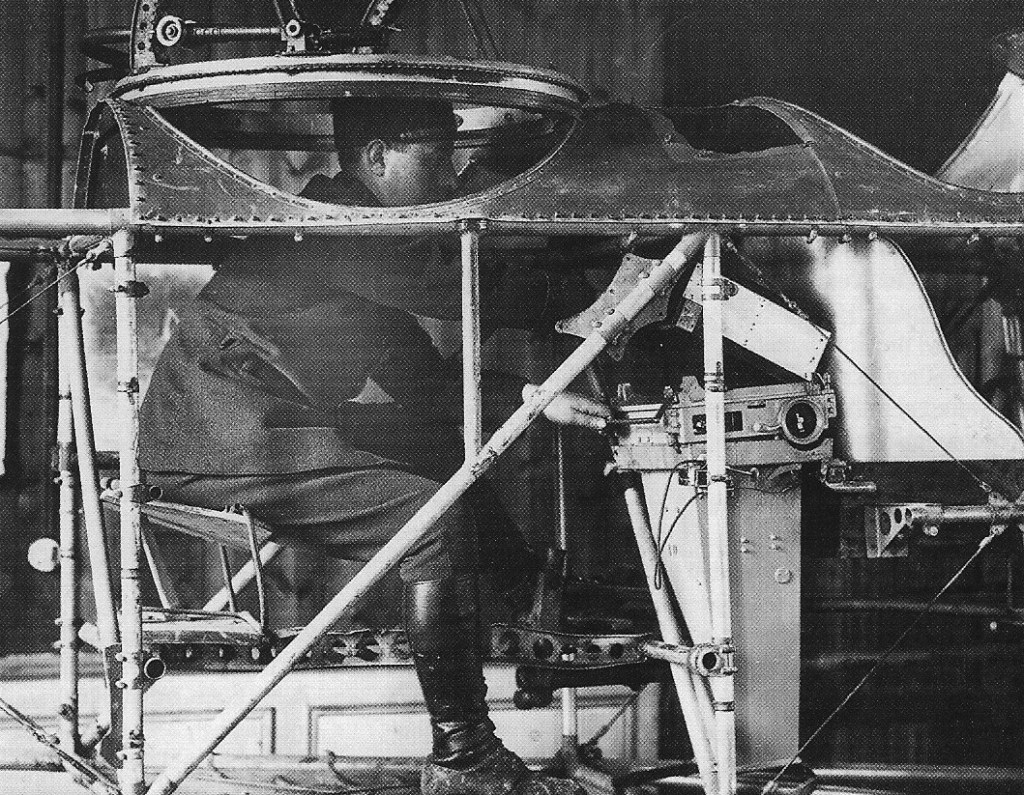
Breguet XIV Observer position and camera
The prototype flew for the first time on 21 November 1916.
Türk Hava Kuvvetleri assembled 16 Bréguet XIV A-2 in 1924 for the Turkish Air Force.
The reconnaissance version was followed into production by the bomber in the summer of 1917, the latter differing in having Breguet-designed automatic trailing-edge flaps on the lower wings and transparent panels in the sides of the observer’s cockpit. Late production examples of both versions had horn-balanced ailerons, the B2 aircraft thus equipped doing away with the trailing-edge flaps.
Breguet XIV A2 camera position
The B2 version could be fitted with an additional Lewis gun that fired downwards through the rear fuselage floor and had a maximum bomb load of 256kg, carried on underwing racks. A single-seat long-range version, known as the Bre 14 B1, was also built in limited numbers during 1918, and was intended to bomb Berlin. In fact it was little used and never mounted an attack on the German capital. Breguet 14 also equipped American and Belgian units during World War I, some powered by Italian Fiat A-12 and A-12bis engines. The Bre 14 A2 reconnaissance version and the Bre 14 B2 bomber equipped at least 71 French escadrilles on the Western Front by November 1918 and were also used by units in Serbia, Greece, Macedonia and Morocco. Many ex-French aircraft were handed over to Poland in 1919 and these took part in the fighting with Russia in 1920. The type formed part of the initial equipment of the Czech air arm, and others were operated in Brazil, China (70 with 298kW Lorraine-Dietrich engines), Denmark, Finland, Greece, Japan, Portugal and Spain. The Spanish equipped four squadrons in Morocco in 1922, using them on missions against Riff tribesmen. A further 40 were obtained in 1923. A small number of float variants were also built, mostly with a central main float and small wingtip stabilising floats. During 1919 Breguet 14 made a number of long-distance flights and Louis Breguet founded the Compagnie des Messageries Aeriennes with them, making regular air mail flights linking Paris with Brussels and London. These Bre 14 had special mail containers fitted under the wings. A cabin version with provision for two passengers was built as the Breguet 14T. Later came the improved Bre 14Tbis and the three-passenger Breguet 14T2. During the 1920s, the Lignes Aeriennes Latecoere company used more than 100 Breguet 14 in various versions on its routes between Toulouse and Dakar (West Africa) and between Natal and Santiago di Chile in South America. The Br 14S air ambulance, adapted from the Breguet 14T, was widely operated in the 1920s during the campaigns in Morocco and Syria. Each could carry two stretchers in the rear fuselage.
The Forges et Ateliers de Construction Latecoere began its interest in aviation in 1917 with an aircraft works at Toulouse-Montaudron. In 1917 P-G Latécoère turned from making munitions to licence-building aircraft for the Aviation Militaire Française. Total wartime production amounted to 800 licenced Breguet XIV and Salmson 2A.2 2-seat reconaissance bomber biplanes.
Initially, these licenced airframes do not seem to have received Latécoère designations. The licenced XIVs were refered to as Breguet-Latécoère 14s (or sometimes Latécoère Breguets). The designation Laté 1 may have been applied to licenced Brequets but there is some confusion with a 1918 2-seat fighter (of original Latécoère design?).
Latécoère converted large number of Breguet XIVs for civilian used in 1921-23 (190 for use by Aéropostale alone). None of these civil conversions seem to have received distinct Laté-x designations. Namings were as follows:
The ‘Torpedo’ name comes from the designation of Breguet’s own 14T and 14Tbis passenger conversions. Like the 14Ts, the Breguet-Latécoère 14 Torpedo was an aft cabin conversion as distinct from the cabin 14 ‘Salon’ conversions.
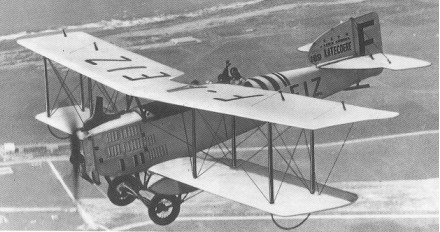
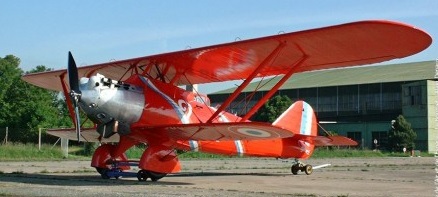
Breguet XIX TF Super Bidon Point d’Interrogation
Production was spread over seven manufacturers, in addition to the Louis Breguet factory at Velizy, near Paris, and 7800 of the type were built up to 1926, more than 2,500 appearing after the war ended in 1918.
The Breguet 14s were sold to 22 countries. There were fourteen variations that included using a number of engines and a large number of modifications. The type would continually see service in frontline French forces up until 1932.
Br.13 Engine: 1 x Gnome, 160 hp Wingspan: 49 ft 7 in / 15.3 m Length: 27 ft 10 in / 8.5 m Height: 10 ft 9 in / 3.3 m Empty weight: 2094 lb / 950 kg Loaded weight: 2876 lb / 1350 kg Max speed: 62 mph / 100 kph Armament: 1 x Hotchkiss mg Bombload: Flechettes
Breguet Bre.14A Engine: 1 x Renault 12Fcx, 220kW Wingspan: 14.4 m / 47 ft 3 in Length: 9.0 m / 29 ft 6 in Height: 3.3 m / 10 ft 10 in Wing area: 49.0 sq.m / 527.43 sq ft Take-off weight: 1740 kg / 3836 lb Empty weight: 1140 kg / 2513 lb Fuel capacity: 57.2 gal Max. speed: 180 km/h / 112 mph Ceiling: 6000 m / 19700 ft Range: 900 km / 559 miles Crew: 2 Armament: 3 machine-guns, 300kg of bombs
Breguet Bre.14B2 Engine: 1 x Renault 12 Fcy water-cooled inline, 300hp. Length: 29.10ft (8.87m) Wing span: 48.92ft (14.91m) Height: 10.83ft (3.30m) Empty Weight: 2,282lbs (1,035kg) Maximum Take-Off Weight: 3,483lbs (1,580kg) Fuel capacity: 57.2 gal Maximum Speed: 121mph (195kmh; 105kts) Maximum Range: 301miles (485km) Cruise: 75 mph. Service Ceiling: 13,993ft (4,265m; 2.7miles) Armament: 1 x 7.7mm Lewis machine gun in forward-fixed firing position. 2 x 7.7mm Lewis machine guns on mounting in rear cockpit. Up to 573lbs of external ordnance. Accommodation: 2 Hardpoints: 4
Breguet XIX Super Bidon Point d’Interrogation Engine: Hispano-Suiza 12 LB, 650 hp Wingspan: 18.30 m Length: 10.72 m Height: 4.08 m Wing area: 59.94 m² Max weight: 6375 kg Max speed: 250 km/h Ceiling: 6700 m Range: 9000 km
The Breguet 11 Corsair was a three engined aircraft with two pushers and one tractor. The two pusher engines were mounted on the lower wing, either side of the main fuselage, in nacelles, each with its own tricycle undercarriage. The three-bay, unequal span wings had ailerons mounted in the upper wings, but despite a favourable test report, the aircraft was declined in favour of smaller models. The 90-ft (27.6m) wingspan was one of the reasons it was declined, but it was felt that the relatively slow speed of the aircraft, 91 mph (149 kph), coupled with its enormous size made it an easy target for anti-aircraft guns.
 All Aero