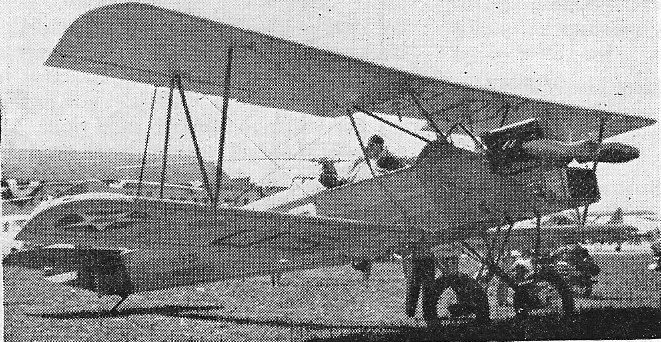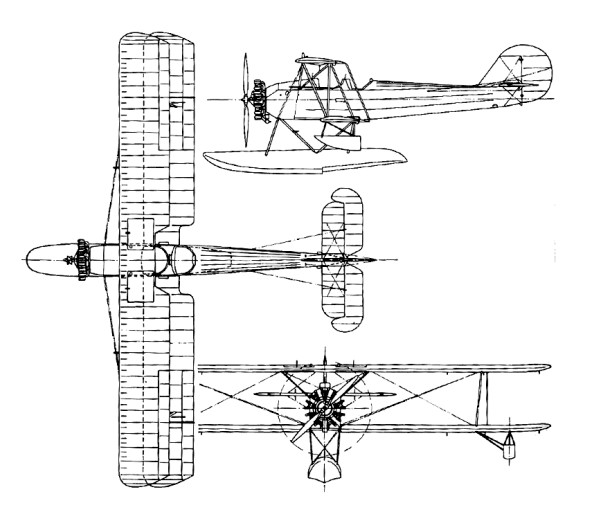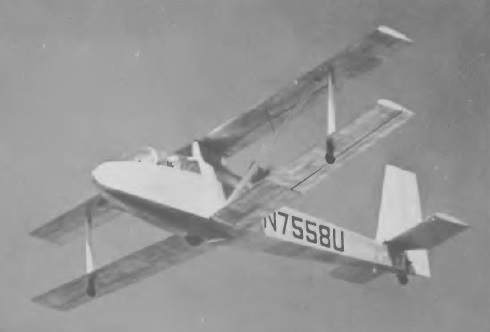
Corcoran 65-1

The 65-1 was designed and built by R. S Corcoran, an experienced sailplane pilot who was also the president of a company bearing his name which manufactured centrifugal pumps and other products. The 65-1 single-seater first flew in prototype form in October 1965, the powerplants being two 8hp West Bend 820 single-cylinder go-kart engines mounted on small booms extending from aft of the cockpit, and driving two-blade fixed-pitch pusher propellers. Construction is all-metal, the single-spar wings having aluminium skinning and unbalanced piano-hinged ailerons; the upper wing has flaps along 60% of its span which can be lowered to four positions, the maximum deflection being 35°. There is a single interplane strut and bracing strut on each side. The slab-sided fuselage is built up from aluminium extrusions and is also covered with aluminium; the landing gear consists of a monowheel mounted in an under-fuselage fairing, a steerable tailwheel and two small outrigger balancing wheels under the lower wings below the interplane struts – these are actually Sears ballbearing lawnmower wheels. The pilot sits under a single-framed cockpit canopy that hinges to port for entry and exit. The prototype 65-1 had a wing area of 100sq ft and was followed by a second prototype with a wing area increased to 180sq ft and two engines mounted inboard in the fuselage and driving belt-driven propellers mounted on outriggers.

First Prototype
Span: 26 ft 0 in
Length: 18 ft 6 in
Height: 5 ft 0 in
Wing area: 100 sqft
Aspect ratio: 13.0
Empty weight: 364 lb
Max weight: 550 lb
Max speed: l00 mph (power on)
Cruising speed: 67 mph
Take-off run: 500 ft
Range: 140 miles
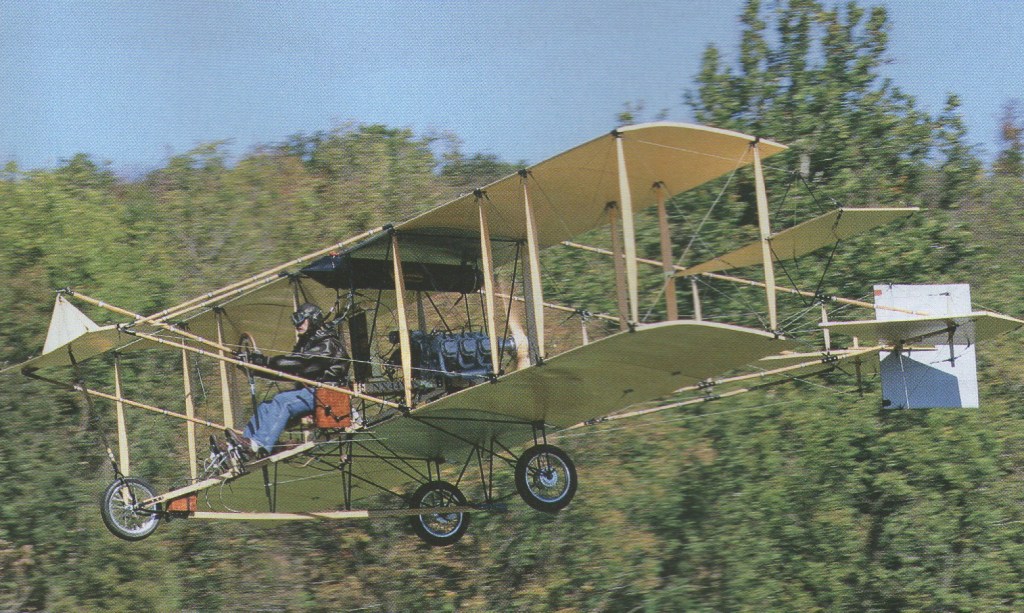
Cooke Aeroplane Co 1913 Biplane / Sandusky Biplane

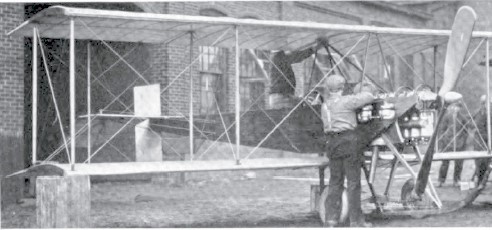
Weldon B. Cooke from Pittsburgh – Sandusky designed and built this tandem biplane aircraft in the winter of 1912-1913. Cooke, who was a well-known exhibition pilot, designed this aircraft with racing and exhibition flying in mind.

Cooke designed the aircraft for a 75 mph (121 km/h) top speed. For the time it was designed, it was a very modern aircraft, incorporating features that wouldn’t become commonplace on aircraft until towards the end of the Great War. The layout of the aircraft itself, a tandem two seat biplane with a tractor motor, was very unusual in 1912. Most of the aircraft being built and flying in North America at the time being some variation of a Curtiss type pusher biplane where the pilot and passengers would sit exposed in front of the leading edge of the lower wing.

Another unusual feature of the aircraft was the inverted installation of the Roberts inline 6 cylinder engine. When the early direct drive inline motors were mounted upright in a tractor installation, the cylinders would be almost completely exposed above fuselage deck. This type of mount would add aerodynamic drag to the aircraft, as well as presenting a substantial visual barrier for the pilot. By inverting the motor, the engine could be contained within the fuselage profile and the pilot had an unobstructed forward view. This may have been the first recorded inverted motor installation in an aircraft. The undercarriage consisted of a central skid with two flexible wheels at right / left with no connection to the fuselage (only to the central skid).

Cooke biplane on a take off run on ice, Sandusky Bay,1913

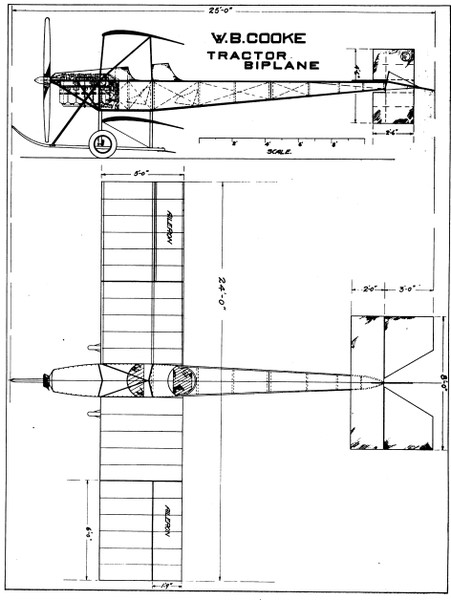
Because of the inability of period aircraft to be able to fly to and from the exhibition, the logistics of flying in the 1910s involved shipping the aircraft by train from one event to the next. To facilitate this, Cooke designed the aircraft to be quick and easy to take apart and re-assemble. The wings, which have a span of 24 feet, are made up of four detachable six foot sections. The fuselage is built in three detachable sections. The front section contains the engine and the passenger’s seat with all controls and their connections. The second section contains the pilot’s seat and the third, the tail and the square rudder. The skin of the fuselage was made up of a thin ply veneer to give it additional stiffness.

Used for exhibition flying and air racing, this biplane is sometimes identified as the ‘Sandusky Biplane’. Only the one was built.

Engine: 1 × Roberts two-stroke 6 cylinder, 75 hp (56 kW)
Propeller: 2-blade
Wingspan: 24 ft (7.3 m)
Length: 25 ft (7.6 m)

Constantin et d’Astanières No2 biplane

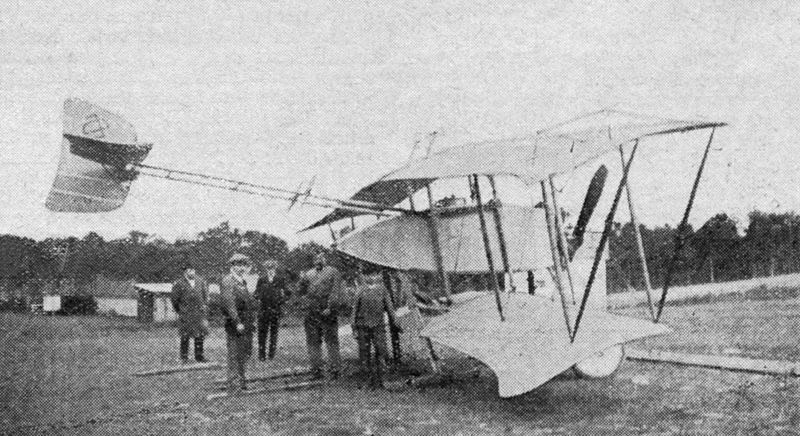
This second design of the duo Louis Constantin (designer) and M. d’Astanières (sponsor) never participated in the Concours de la sécurité (1914) for which it was intended, because it was not ready and still had problems that needed to be fixed. The machine was claimed to have three special features: A special design of the leading edges of the wings to improve their efficiency, automatic lateral stability by negative dihedral wings, and improved longitudinal stability by minimal its longitudinal moment of inertia. The last two of these appear rather counterintuitive, but perhaps… It was first tested only days before the outbreak of WW1, which stopped any further experimenting.

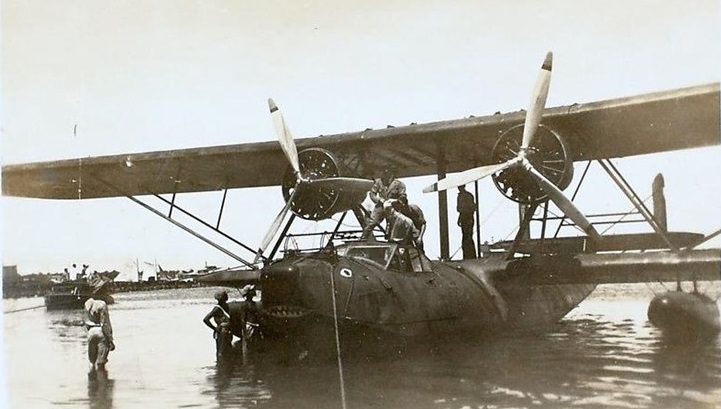
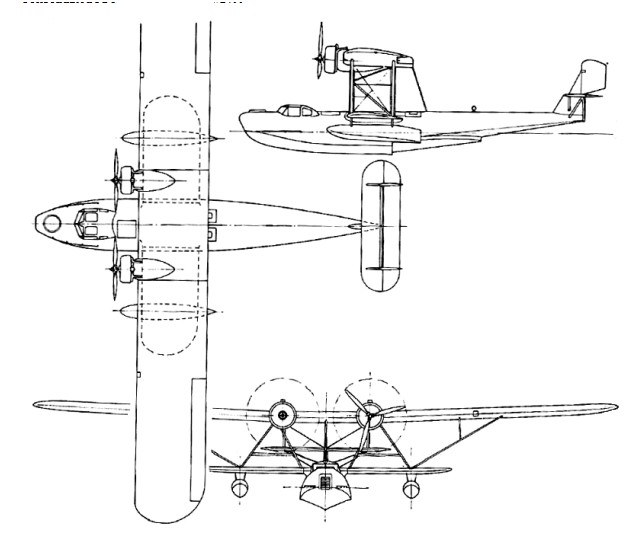
Consolidated P2Y

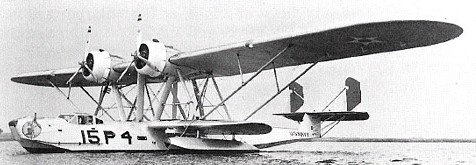
Consolidated P2Y-1 Article

Foreign sales included a P2Y-1C for Colombia flown on December 23, 1932.

The sole P2Y-1C (ex NC2102) delivered to Cartagena, Colombia on Dec 31st 1932.

The Columbian P2Y remained in service until 1948.

P2Y-3
Engine: 2 x 750hp Wright R-1820-90
Take-off weight: 11471 kg / 25289 lb
Empty weight: 5797 kg / 12780 lb
Wingspan: 30.48 m / 100 ft 0 in
Length: 18.82 m / 61 ft 9 in
Height: 5.82 m / 19 ft 1 in
Wing area: 140.66 sq.m / 1514.05 sq ft
Max. Speed: 224 km/h / 139 mph
Cruise speed: 188 km/h / 117 mph
Ceiling: 4907 m / 16100 ft
Range: 1900 km / 1181 miles
Armament: One flexible 7.62mm Browning in bows; two dorsal gun hatches in wings

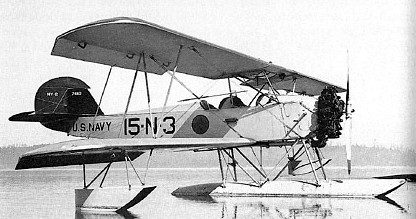
Consolidated TW-8 / PT-1 Trusty

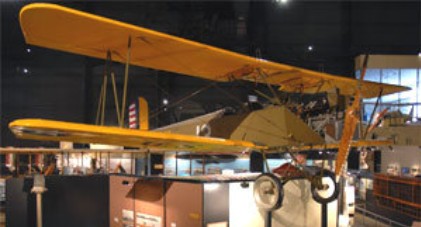
Improvements to the Dayton-Wright Company TW-3 design continued and included the removal of the engine cowling (for improved forward cockpit visibility) and a redesigned fuselage in a slimmer form with tandem instructor/student seating (this model being known as the “Camel” for the visible bump appearing between the two seating areas). The Camel was evaluated under the (unofficial) designation TW-8 and accepted into service as the PT-1 with 221 being delivered beginning 1924 and replacing the TW-3’s in service. The PT-1 represented the first aircraft purchase of the Army Air Service since the closing shots of World War One.

The PT-1 was a biplane aircraft with a simple two-wheel undercarriage, an engine mounted at the front of the design, a traditional tail section and twin side-by-side seating for instructor and student. The aircraft featured a choice of a Clerget or Le Rhone engines. The PT 1 basic trainer included innovations like a fuselage framework from welded chrome molybdenum steel. Because of it was so sturdy and dependable, it was nicknamed “Trusty”.

The PT-1 would eventually be replaced itself by the Consolidated PT-3 from 1928 onwards.

Hollywood’s Paul Mantz owned PT-1E A.C.26-233 two-seater which appeared in the film ‘One Man Mutiny’.

PT-1E A.C.26-233

Consolidated PT-1 Trusty
Engine: 1 x Wright-Hispano E 8-cylinder water-cooled Vee, 180hp.
Length: 27.76ft (8.46m)
Width: 34.45ft (10.50m)
Height: 9.84ft (3.00m)
Empty Weight: 1,806lbs (819kg)
Maximum Take-Off Weight: 2,577lbs (1,169kg)
Maximum Speed: 92mph (148kmh; 80kts)
Cruising speed: 68 kt / 126 km/h
Maximum Range: 350miles (563km)
Rate-of-Climb: 690ft/min (210m/min)
Service Ceiling: 13,448ft (4,099m; 2.5miles)
Accommodation: 2

PT-1E
Engine: Wright V-720, 180 hp

Consolidated TW-3

The Dayton-Wright Company TA-3 (designated with an “A” for its air-cooled engine operation) was delivered by request with an uprated Le Rhone engine of 110 horsepower. Still further evaluation models were ordered, this time with the requested Wright-Hispano I V-8, 150 horsepower engine of increased power (designated TW-3 with the “W” standing for its water-cooled engine process) finally culminating in an official order by the USAAS.
Production rights for the trainer were secured by the newly-created Consolidated Aircraft Company (established by Reuben Fleet of the Gallaudet firm) as General Motors was reviewing their commitment to aircraft production in a post-war world and would eventually shut down operations at Dayton-Wright altogether. The TW-3 was delivered by 1923 and became the first notable variant of the “Trusty” production line.