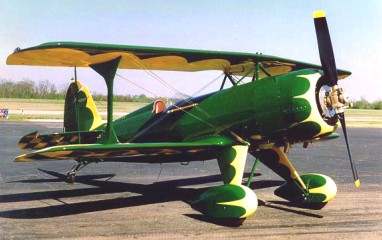
Culp began construction of his Special in 1994 and after some 7000 man hour it rolled out on 1 March 1995. It first flew in March 1995.
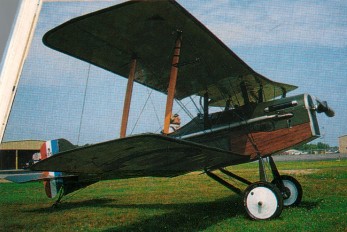
Everything about the Culp Special was meant to bring about that 1930’s airshow airplane feeling. Working with Hale Wallace of Steen Aerolab, Steve Culp redesigned the Skybolt and developed the modifications necessary for this round engine aircraft. The Culp Special is a fully aerobatic bi-plane using a 360 hp 9-cylinder Russian Vedeneyev M-14P radial engine. The aircraft is built using tube, wood and fabric construction materials. The two seat aircraft has an empty weight of 1480 lbs., a cruise speed of 150 mph and range of 600 sm.
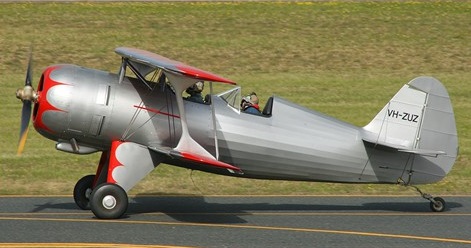
The fuselage is 4130 chromoly tubing with wood formers, but tail components are made of 2130 steel tubes. Wings have a 41 in constant chord with solid spruce spars. The forward spar measures 6 x 1 inch. The upper wing contains 24 quarter inch built-up spruce ribs; the lower has 22 ribs, and rib spacing is 10.5 inch.
Ailerons are fitted to all four wing panels with their pivot point at 30% of chord. Each aileron spans 70 inches and contains seven ribs. The top wing uses a NACA 632A015 airfoil and 6.5 degrees of sweepback. It’s span is 24 feet. The lower wing with its NACA 0012 airfoil spans 23 feet. Aircraft length is 21 feet. Culp has replaced the wing fabric with 0.0625 in birch plywood.
Horizontal tail span is 9 feet. Trim tabs are fitted into each elevator half, and there is also a rudder trim tab.
The tubular steel landing gear incorporates bungee shock absorbers and has a 82 inch tread. It has Cleveland wheels with heavy duty dual-piston caliper brakes and 10 x 6.00 tires. Wag Aero fibreglass pants streamline the wheels. The tail wheel is an 8 in stearable system.
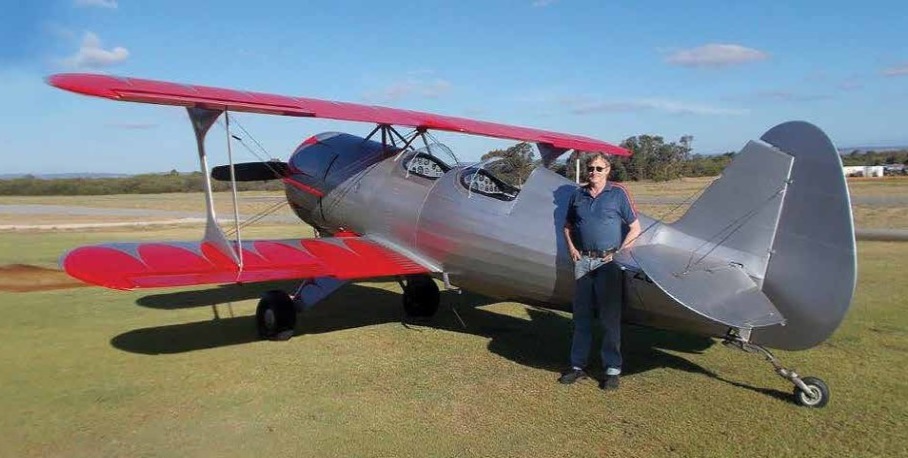
Engine: 360 hp 9-cylinder Vedeneyev M-14P
HP range: 240-400 hp
Gross weight: 2300 lb
Empty weight: 1480 lb
Fuel capacity: 54 USG
Top speed: 220 mph
Cruise speed: 150 mph
Stall: 70 mph
Range: 600 sm.
Rate of climb: 4500 fpm
Takeoff dist: 500 ft
Landing dist: 300 ft
Wing constant chord: 41 in
Aileron span: 70 in
Top wing: NACA 632A015
Top wing sweepback: 6.5 degrees
Top wingspan: 24 ft
Lower wing: NACA 0012
Lower wing span: 23 ft.
Wing area: 161 sq.ft
Length: 21 ft.
Horizontal tail span: 9 ft.
Wheel tread: 82 in
Tires: 10 x 6.00
Seats: 2
Cockpit width: 32 in
Landing gear: tailwheel

 All Aero