The Fleet Model 14 was a Model 2 modified for participation in Guggenheim Safe Aircraft Competition but disqualified. Around 300 were licence-built in Romania by IAR.
Biplane
Fleet 7 Fawn / 8 / 9 / 10 / 11 / PT-6 / Fleet 16 Finch / CNIAR IAR-10
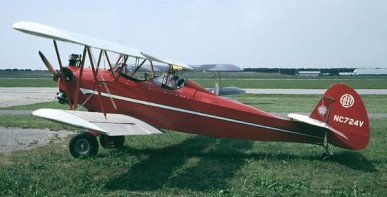
The Fleet 7 flew first in 1930, a total of 374 were built, including the Fleet 10 designed for the European market.
Forty-eight of the Fleet Model 7 version with Kinner B-5 engine were built, plus several converted from Model 2 by Fleet in Canada.
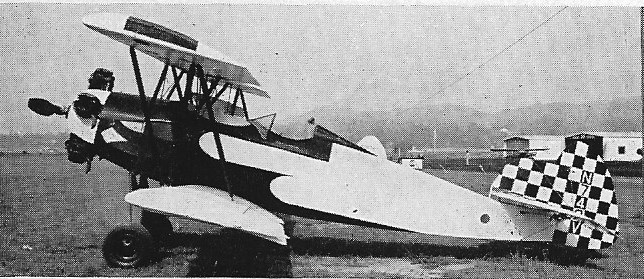
The Fleet Model 7B was a Canadian production version, as were the Fleet Model 7C with Armstrong Siddeley Civet engine and Fleet Model 7G with de Havilland Gipsy III engine.
One Model 7 with 100-hp Kinner R-370-1 (Kinner K5) engine was acquired by the US Army Air Corps for service tests as XPT-6. Ten YPT-6 followed, similar to the XPT-6, used by the US Army Air Corps for service tests and evaluation. The YPT-6A was a modified version of the Model 7 fitted with an enlarged cockpit. Used by the US Army Air Corps for service tests and evaluation.

The Fleet F.7C Trainer was built in 1937.
The Fleet Model 8 was a three-seat version similar to Model 7 (seven built), and Fleet Model 9 was a refined version of the Model 8 (12 built).
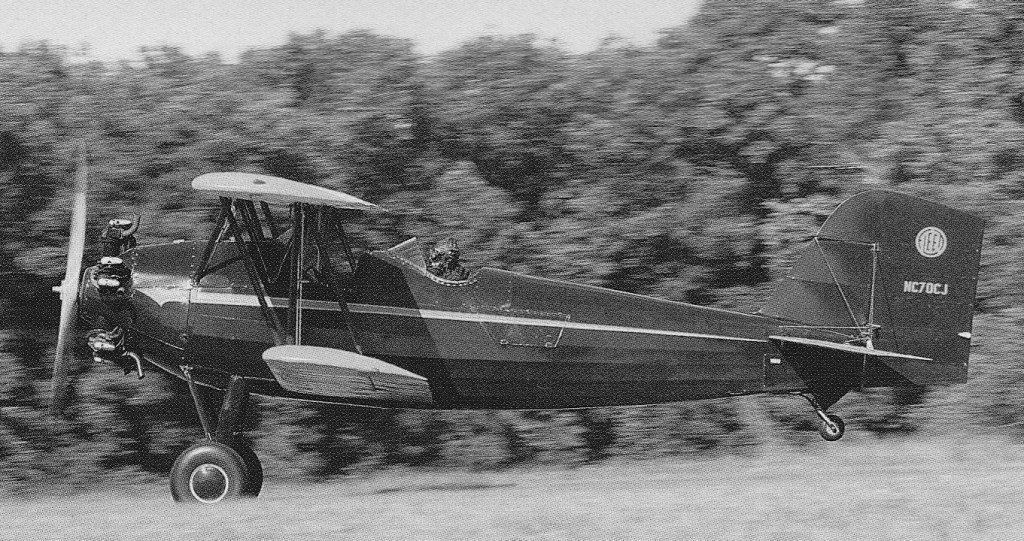
The Fleet Model 10 was a refined version of the Model 7 for export to Europe, replaced the 1928-origin “looped” landing gear radius rod of the Models 2 & 7 for their left mainwheel with a center-hinged design for both mainwheels, using a V-form transverse cabane strut to provide the hinge-point.
The Model 10A version had a 100 hp Kinner engine, Model 10B with 125 hp Kinner engine, and Model 10D a 160 hp Kinner engine. The Model 10-32D was generally similar to the Model 10D, but with an increased 4-ft 0-in (1.22-m) wingspan.
The Fleet Model 10E version was powered with a 125 hp Warner engine and Model 10F with a 145 hp Warner engine.
The Fleet Model 10G was built for the governments of Portugal and Romania, with about 70 built in Romania by ICAR as Fleet-IAR 10, sometimes listed simply as IAR-10, all powered with a de Havilland Gypsy Major engine.
The Fleet Model 10H was powered with a Menasco C-4S engine, and Fleet Model 11 with a Kinner R-5 engine. Some Model 11 were exported to Argentina, China and Mexico.
The Fleet Model 16, or Fleet Finch, was a strengthened Canadian production version with sliding canopy, powered by a 130 hp de Havilland Gipsy Major engine, about 600 were built. The Fleet Model 16B, or Fleet Finch Mk II, was a strengthened Canadian production version, powered by a Kinner B5 engine. The Model 16D was similar to the Model 16B, but fitted with a Kinner B5 engine.
The Fleet Model 16R, or Fleet Finch Mk I, was the designation of the Fleet 16D built in Canada for the RCAF.
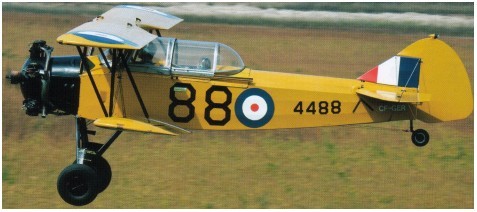
The Fleet 16B Finch II is a progressive development of the original Consolidated Fleet primary trainer, manufacture of which was commenced in Canada by Fleet Aircraft in 1930. The Fleet Finch Model 16 was developed specifically for the RCAF. In 1938 Fleet Aricraft was exporting Model 10s, when the RCAF examined a 10D for possible use as a primary trainer. The Air Force needed an aeroplane that could perform aerobatics with full military equipment; therefore, numerous modifications were made, and the aircraft built for the RCAF were designated Model 16s. The first Finch 16B for the RCAF flew in March 1940.
The Fleet 16 first entered RCAF service with tandem open cockpits, but the severity of the Canadian winter necessitated the introduction of a sliding canopy at an early stage in the trainer’s service career.
The Fleet Model 16, or Fleet Finch, was a strengthened Canadian production version with sliding canopy, powered by a 130 hp de Havilland Gipsy Major engine, about 600 were built. The Fleet Model 16B, or Fleet Finch Mk II, was a strengthened Canadian production version, powered by a Kinner B5 engine. The Model 16D was similar to the Model 16B, but fitted with a Kinner B5 engine.
The Fleet Model 16R, or Fleet Finch Mk I, was the designation of the Fleet 16D built in Canada for the RCAF.
A total of 437 Fleet Finches were produced as Model 16s, the majority (430) for the RCAF. They were used as initial trainers in the BCATP at twelve EFTS’s across Canada in parallel with the Tiger Moth. They were replaced eventually by Fairchld PT-26 Cornells, and the last of the Model 16s stayed on RCAF inventory until 1947.
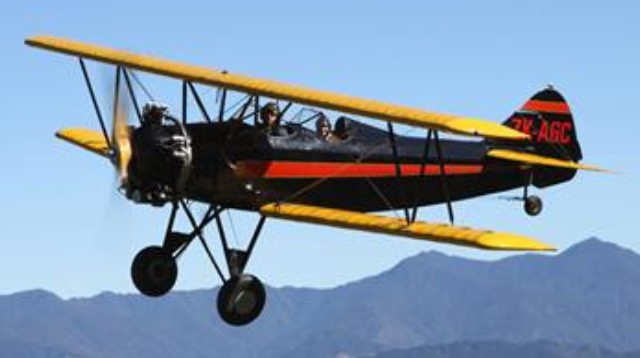
The Canadian manufacturing was a great success, with some 600 examples built for the Royal Canadian Air Force as the Fleet Fawn (Model 7) and Fleet Finch (Model 16).
United States manufacturing rights were eventually sold to Brewster Aeronautical Corporation, which intended to produce the Brewster B-1 based on the Canadian Model 16F prototype, built for Brewster.
Fleet Model 7
Engine: Kinner B-5
48 built, plus several converted from Model 2 by Fleet in Canada
Fleet Model 7A
Engine: 125 hp Kinner B-5 or 100 hp Kinner K-5
Wingspan: 28 ft
Wing area: 194 sq.ft
Length: 21 ft 6 in
Height: 7 ft 11.5 in
Max speed: 115 mph
Cruise: 90 mph
ROC: 730 fpm
Ceiling: 16,000 ft
Fleet Model 7B
Fleet F.7C
Engine: Armstrong Siddeley Genet Major, 135 hp
Fleet Model 7G
Engine: de Havilland Gipsy III
XPT-6
One Model 7 for US Army Air Corps for service tests.
Engine: 100-hp Kinner R-370-1 (Kinner K5)
YPT-6
ten built
YPT-6A
Model 7 fitted with enlarged cockpit.
Fleet Model 8
seven built
Seats: 3
Fleet Model 9
12 built
Fleet Model 10
Fleet Model 10A
Engine: 100 hp Kinner
Fleet Model 10B
Engine: 125 hp Kinner
Fleet F 10 D
Engine: Kinner K 5 radial, 160 hp
Fleet Model 10-32D
increased 4-ft 0-in (1.22-m) wingspan
Fleet Model 10E
Engine: 125 hp Warner
Fleet Model 10F
Engine: 145 hp Warner
Fleet Model 10G
Engine: de Havilland Gypsy Major
Fleet Model 10H
Engine: Menasco C-4S
Fleet Model 11
Engine: Kinner R-5
Fleet Model 16 / Fleet Finch
Engine: 130 hp de Havilland Gipsy Major
Fleet 16B Finch Mk II
Engine: Kinner B-5 five cylinder radial, 125 hp
Maximum speed: 113 mph
Empty weight: 1,102 lb (500 kg)
Loaded weight: 1,860 lb (844 kg)
Span: 28 ft (8.5 m)
Length: 21 ft 8 in (6.6 m)
Height: 7 ft 9 in (2.4 m)
Wing area: 194 sq ft (18 sq m)
Seats: 2
Fleet Model 16D
Engine: Kinner B5
Fleet Model 16F
prototype for Brewster B-1
Fleet Model 16R / Fleet Finch Mk I
Fleet 16D built in Canada for the RCAF
Fleet 1 / Fleet 2 / Fleet 3 / Fleet 4 / Fleet 5 / Fleet 6 / XN2Y-2 / PT-6 / N2Y-1 / Consolidated 14 Husky Junior
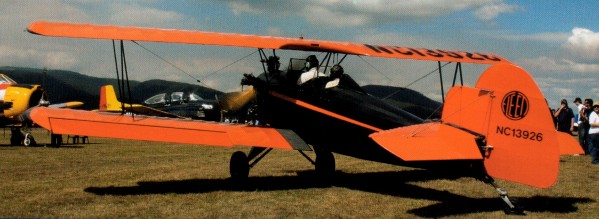
The Fleet Model 1 (originally the Consolidated 14 Husky Junior) and its derivatives were all orthodox two-seat trainer and sports biplanes with staggered, single-bay wings of equal span and fixed tailskid undercarriage. Accommodation was provided for two in tandem, originally sharing a single open cockpit, but in most examples in separate open cockpits. The fuselage was made of welded steel tube with triangular-layout Warren truss construction pattern side structures typical of the time, and the wings had a wooden spar with duralumin ribs, the entire aircraft being fabric-covered. They all shared the same basic design and varied mainly in their powerplants. Despite a superficial resemblance to Consolidated’s highly successful Trusty and Husky designs (hence the “Husky Junior” nickname), the Model 14 was an all-new design.
Originally designed by Reuben Fleet and created as a means for Consolidated to enter the civil market, the company abandoned this ambition shortly before the completion of the first prototype. The manufacturing rights were purchased by the designer and Consolidated company president Reuben Fleet to put into production under his new enterprise, Fleet Aircraft. Around five of the Consolidated Model 14 Husky Junior prototypes were built.
First flown on 9 November 1928, it was an immediate success, and in the first year of production alone, over 300 machines were sold. About 90 of the Fleet Model 1 initial production version with Warner Scarab engine were built.
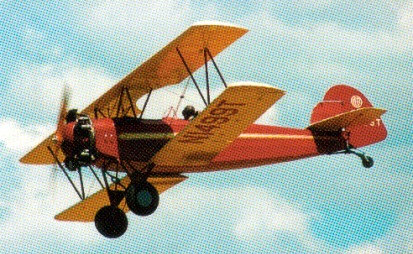
Consolidated responded by buying Fleet Aircraft and retaining it as a subsidiary while opening a second production line at Fort Erie, Ontario, Canada.
Two hundred and three of the Fleet Model 2 initial production version with Kinner K-5 engine were built. The USAAC purchased 16 Model 2 as the PT-16 for evaluation.
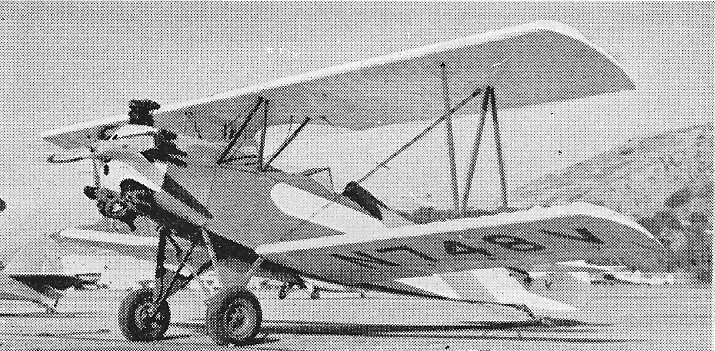
One initial prototype aircraft and six subsequent specialised production N2Y trainers were purchased by the United States Navy. These N2Y-1 aircraft were equipped with hooks to catch the trapeze on two U.S. Navy airships, the USS Akron and the USS Macon. The N2Y-1 parasite aircraft were used to train pilots that would subsequently fly the longer distance single-seat F9C Sparrowhawks reconnaissance aircraft. The two-seater N2Y-1 also acted as service aircraft, flying passengers to the inroute airships.
On July 6, 1930, future air racer and movie stunt pilot Paul Mantz flew a Fleet Model 2 biplane through 46 consecutive outside loops, an international record which stood for almost 50 years.
One Model 2 was converted to the Fleet Model 3 with a Wright J-6 engine. One Fleet Model 4 was built with a Curtiss Challenger engine, and one Fleet Model 5 version with a Brownback C-400 engine was built.
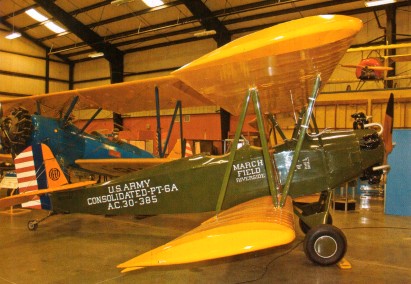
United States manufacturing rights were eventually sold to Brewster Aeronautical Corporation, which intended to produce the Brewster B-1 based on the Canadian Model 16F.
Fleet Model 1
Engine: Warner Scarab
No built: ca. 90
Fleet Model 2 / PT-6
Engine: Kinner K-5, 110 hp (82 kW)
Wingspan: 28 ft 0 in (8.53 m)
Wing area: 195 sq ft (18.1 sq.m)
Length: 20 ft 9 in (6.32 m)
Height: 7 ft 10 in (2.39 m)
Empty weight: 1,063 lb (482 kg)
Gross weight: 1,820 lb (826 kg)
Fuel capacity: 55 US gal (46 imp gal; 210 L)
Maximum speed: 113.5 mph (183 km/h; 99 kn)
Cruise speed: 88 mph (142 km/h; 76 kn)
Service ceiling: 12,200 ft (3,700 m)
Rate of climb: 730 ft/min (3.7 m/s)
Crew: 2
No built: 203 (16 as PT-6, 6 as N2Y-1)
Fleet Model 3
Engine: Wright J-6
one converted from Model 2
Fleet Model 4
Engine: Curtiss Challenger
one built
Fleet Model 5
Engine: Brownback C-400
one built
Fleet Model 6 / XN2Y-2
one built
Flanders B.2
The two-seat B.2 biplane, powered by 70 hp Gnome Rhone rotary engine, first flown 1912 and acquired by Admiralty 1914.
Fizir F1
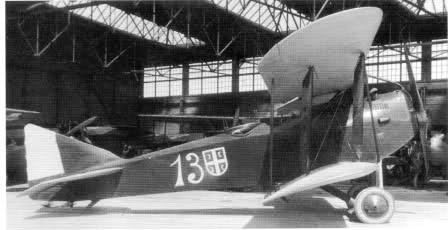
The Fizir F1V (Физир Ф1В – fizir prvi vojni – first military fizir – in Serbian) was the basis from which engineer Rudolf Fizir developed a series of single-engined, two-seat, reconnaissance biplanes fitted with different engines. Construction was carried out in the Yugoslav aircraft factories “Zmaj” and “Rogožarski” between 1928 and 1932.
During factory tests, on 8 October 1926 Pilot V. Striževski flew the aircraft from Novi Sad to Skopje to Mostar to Rajlovac (Sarajevo) to Zagreb and returned to Novi Sad (a distance of 1410 km) over a period of 8 hours and 40 minutes.
Zmaj built 15 of the Fizir F1V-Wright version and 5 Jupiter-engined Fizir F1M floatplanes for Naval Aviation in 1930. Zmaj was also responsible for conversion of several Fizir-Maybach trainers to Lorraine-Dietrich engines in 1932, which extended the service life of these machines under the new name Fizir-Lorraine 400 hp.
Fizir F1 – Prototype with Maybach MbIVa 260 hp engine, built in 1925
Fizir F1V-Maybach – Maybach MbIVa 260 hp engine (32 units built in 1928),
Fizir F1V-Loren – Lorraine-Dietrich 12Eb 450 hp engine,one prototype, conversion of Fizir F1V-Maybach in 1928 + 15 conversions of F1V-Maybach using Lorraine-Dietrich 12dB 400KS engine in 1933
Fizir F1V-Hispano – Hispano-Suiza 12Ga, 450 hp engine, one prototype, conversion of F1V-Maybach in 1928)
Fizir F1V-Wright – Wright Whirlwind J-5 220, 220 hp engine, (1 prototype + 15 copies in 1930)
Fizir F1M-Jupiter – Navy seaplane (also known as “Big Fizir”) with Jupiter IAM 9AD 420,420 hp engine (5 planes built in 1930)
Fizir F1G-Castor – Walter Castor 240 HP engine, (1 prototype in 1931)
Fizir F1G-Titan – Walter Titan 230 HP engine, (1 prototype in 1931)
Fizir F1V
Engine: 1 × Maybach MbIVa 7-cylinder radial, 190 kW (260 hp)
Wingspan: 12.71 m (41 ft 8 in)
Length: 10.21 m (33 ft 6 in)
Height: 3.10 m (10 ft 2 in)
Empty weight: 1,100 kg (2,425 lb)
Gross weight: 1,450 kg (3,197 lb)
Maximum speed: 176 km/h (109 mph; 95 kn) at sea level
Service ceiling: 6,000 m (19,685 ft)
Rate of climb: 3.46 m/s (681 ft/min) to 5,000 m (16,405 ft)
Crew: 2
Fitch & Son 1911 biplane
The 1911 Fitch biplane was designed and built by Fitch & Son in the UK.
Span: 33′
Wing Area: 330 sq.ft
Weight all up: 616 lb
Fisher Youngster
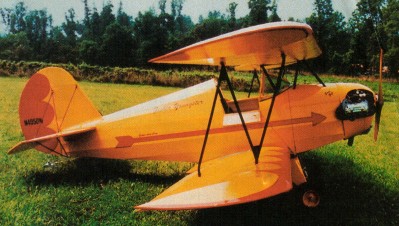
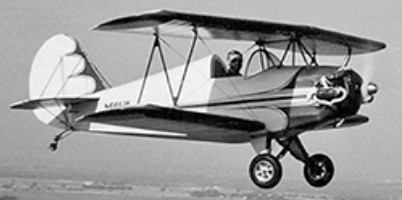
The Youngster “V” was designed, based on the Bücker Bü 133 Jungmeister, with all wood construction and short 350 build time. The cockpit accommodates up to 6’4″ pilots. This airplane offers a four-cycle VW engine and a 2315 airfoil with stainless wires and a bubble canopy. Enjoy an open cockpit on warm summer days and a fully enclosed cockpit for the winter.
First flown in 1994, the V stands for VW and Rotax power is optional.
It was designed to be affordable, but with the high quality you’ve come to know of Fisher Flying Products. The Youngster is gentle on the ground, but allows you to play with it in the air. The Youngster employs all wood construction using a Warner truss frame with 1/8″ birch ply skins in the fuselage. Stringers are placed along the fuselage sides and top turtledeck to form the fabric shaped fuselage.
1997 Youngster V kit price: US$3700. The Rotax powered kit sold for US$3400. Plans were US$200.
By 2004, ten had been sold.
2009 Youngster V kit price: US$8750
Youngster
Engine: 50 hp Rotax
Wingspan: 18 ft
Length: 15.6 ft
Gross weight: 650 lb
Empty weight: 400 lb
Fuel capacity: 12 Usgals
Cruise speed: 90 mph
Stall speed: 32 mph
Climb rate: 700 fpm
Takeoff run: 200 ft
Landing roll: 250 ft.
Seats: 1
Youngster V
Engine: Great Plains, 50 hp.
HP range: 50-65.
Height: 6.1 ft.
Length: 15.5 ft.
Wing span: 18 ft.
Wing area: 126 sq.ft.
Fuel cap: 6 USG.
Empty Weight: 181 kg / 400 lbs
MTOW Weight: 295 kg / 650 lbs
VNE: 96 kt / 110 mph / 177 kmh
Cruise: 85 mph.
Stall: 34 mph.
ROC: 800 fpm.
Take-off distance: 200 ft / 61 m
Landing distance: 250 ft / 76 m
Seats: 1.
Landing gear: nose wheel.
Engine: 65 hp VW
Velocity-Never Exceed: 110 mph
Cruise Speed: 80-90 mph
Stall Speed: 32-35 mph
Climb Rate: 700 fpm
Takeoff Run: 200 ft
Landing Roll: 250 ft
Wingspan: 18 ft
Wing Area: 126 sq. ft.
Cord: 42in
Wing Loading: 5 lb/sq.ft
Length: 15 ft 6 in
Height: 6 ft 1 in
Tail Span: 84in
Fuselage Width: 24 in
Headroom: 39 in
Gross Weight: 650 lbs.
Empty Weight: 400 lbs.
Construction Time: 500 hrs.
Youngster V
Engine: 1835cc VW 60HP
Span: 18 ft
Length: 15 ft 6 in
Wing Area: 126 sq.ft
Empty Weight: 400 lb
Useful Load: 50 lb
Take Off Distance: 200 ft
Stall: 42 mph
Landing Speed: 45 mph
Cruise: 85 mph
Rate of Climb: 700 fpm
Seats: 1
Engine: 50 hp Rotax 503
Velocity-Never Exceed: 110 mph
Cruise Speed: 80 mph
Stall Speed: 32 mph
Climb Rate: 800 fpm
Takeoff Run: 200 ft
Landing Roll: 250 ft
Wingspan: 18 ft
Wing Area: 126 sq. ft.
Cord: 42in
Wing Loading: 5 lb/sq.ft
Length: 15 ft 6 in
Height: 6 ft 1 in
Tail Span: 84in
Fuselage Width: 24 in
Headroom: 39 in
Gross Weight: 650 lbs.
Empty Weight: 400 lbs.
Construction Time: 500 hrs.
Engine: Rotax 503, 48 hp
Wing span: 5.48 m
Wing area: 11.7 sq.m
MAUW: 272 kg
Empty weight: 163 kg
Max speed: 175 kph
Cruise speed: 138 kph
Fuel consumption: 15 lt/hr
Seats: 1
Kit price (1998): US$3400
Fisher R-80 Tiger Moth
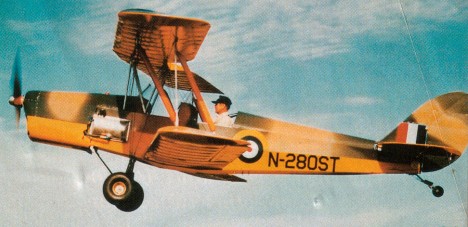
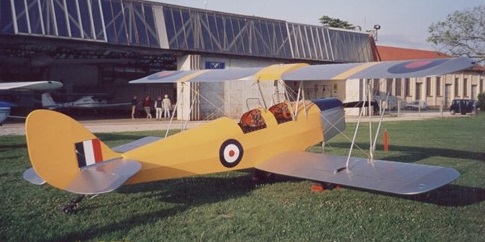
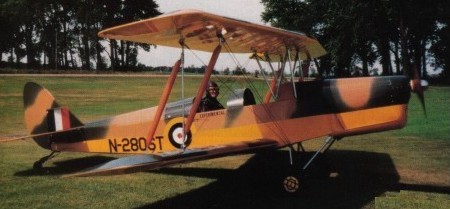
Steve Turner & Steve Lamberg developed the R-80 Tiger Moth as an 80% scale de Havilland Tiger Moth. Introduced and first flown in 1994, the original prototype fuselage was made of wood and powered with a Norton rotary engine.
In 2000 the Tiger Moth was introduced with a 4140 steel tube fuselage. The kit cost approximately US$5000 more than the wood version and included a prewelded fuselage, vertical fin, rudder, stabiliser, and elevator. No welding is required by the builder.
In 1997 the basic kit cost US$9300 with the quick build kit US$10,600. The Rotac 582, 618 or Subaru engines were options.
Issues with the fuel consumption and cooling led to a change in 2000 to a LOM M132, 120 hp engine. LOM provided a wood propeller that matched that engine. At that time the engine cost US$12,000 and the propeller US$1800.
The R-80 Tiger Moth is recommended for both first-time and experienced builders and only basic tools are needed in construction. Realistic estimates put construction time at 700 hours. The wood R-80 is straight-forward and strong. Aircraft grade epoxy adhesives are used throughout.
Initially, the airframe was designed by an aeronautical engineer. A design engineer was then brought in to assist during the actual construction and modification stage. The airframe was then tested, by an independent firm that specializes in structural analysis, to a limit of six positive and three negative g’s. At one point in this test, over 6,000 pounds of sandbags were on the R-80’s airframe-and it didn’t break.
By 2001 the standard airframe kit cost US$16,500, and quick build airframe kit cost US$18,500.
2009 kit price: US$15,500
Engine: Norton AE 100R
Horsepower: 75-100 hp
Engine Weight: 180-200 lb
Wingspan: 23′
Wing Area: 170 sq. ft.
Height: 7’4″
Length: 19′
Gross Weight: 522 kg / 1,150 lb
Empty Weight: 254 kg / 560 lb
Service Ceiling: 10,000
Vne: 96 kt / 110 mph / 177 kmh
Cruise Speed: 78 kt / 90 mph / 145 kmh
Stall Speed: 30 kt / 35 mph / 56 kmh
Climb Rate: 800-1000 fpm
Range (12 USgal fuel tank): 200 mi.
Design Loads: +6 -3g
Cockpit width: 26″
Takeoff Run: 300 ft / 91 m
Landing Roll: 400 ft / 122 m
Seats: 2/Tandem
Landing gear: tail wheel
(2001)
Engine: 120 hp
Wingspan: 23 ft
Wing Area: 170 sq. ft.
Height: 7 ft 4 in
Length: 20 ft
Gross Weight: 1350 lb
Empty Weight: 826 lb
Cruise Speed: 80 mph
Stall Speed: 30 kt / 35 mph / 56 kmh
Climb Rate: 800 fpm
Range: 200 mi.
Takeoff Run: 300 ft / 91 m
Landing Roll: 300 ft / 91 m
Seats: 2/Tandem
Landing gear: tail wheel
Engine: Rotax 912, 80 hp
Wing span: 7.0 m
Wing area: 15.80 sq.m
MAUW: 520 kg
Empty weight: 258 kg
Fuel capacity: 45 lt
Cruise speed: 145 kph
Minimum speed: 56 kph
Climb rate: 5 m/s
Fuel consumption: 16 lt/hr
Seats: 2
Plan price (1998): US$250
Kit price (1998): US$8850
Fisher Celebrity / Aero Visions International Celebrity
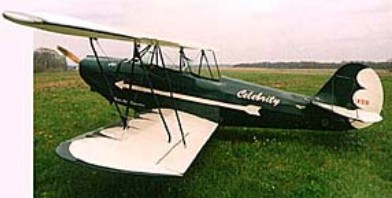
First flown in 1989, the normal takeoff will vary with your choice of engine, but the prototype with 65 horsepower gets off the ground in 300 feet. The latest factory demo gets off the ground in about 250 feet using a C-90-100 horsepower.
The Celebrity is a biplane of wood construction with an optional steel fuselage, tandem seating (solo from the rear), fabric covered, light aircraft designed to be built in the experimental category. The Celebrity is designed for the first-time builder.
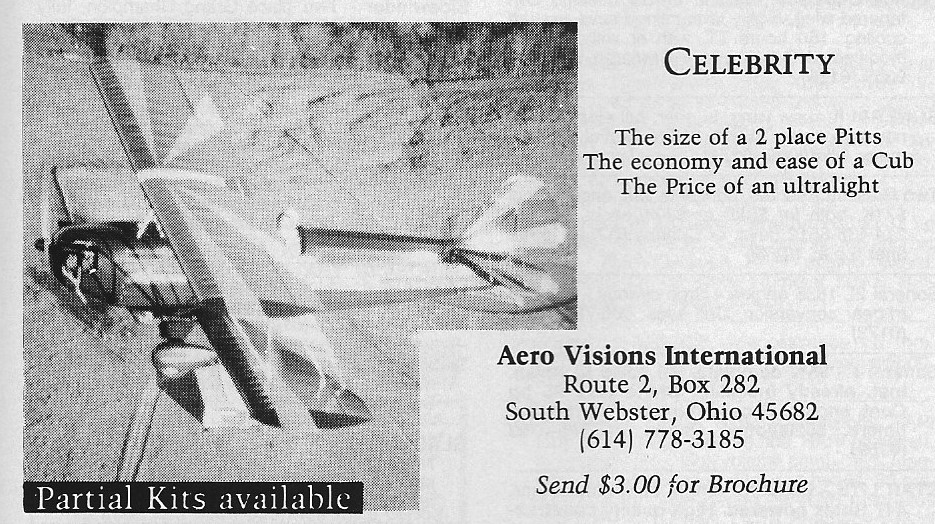
Thirty had been sold by 2004 and the 2009 price was US$12,650.
Engine: Continental O-200, 100 hp.
HP range: 65-125.
Height: 5.95 ft.
Length: 17 ft 6 in
Wing span: 22 ft.
Wing area: 176 sq.ft.
Wing Gap: 38in
Aileron Area: 20 sq. ft.
Tail Span: 7ft
Fuel cap: 13 USG.
Weight empty: 272 kg / 600 lbs.
Gross: 1,230 lbs lbs.
VNE: 104 kt / 120 mph / 193 kmh
Speed max: 95 mph.
Cruise: 74 kt / 85 mph / 137 kmh
Range: 200 sm.
Stall: 35 kt / 40 mph / 64 kmh
ROC: 800-900 fpm
Take-off dist: 300 ft.
Landing dist: 350 ft.
Seats: 2/Tandem dual controls.
Landing gear: tail wheel.
Take-off distance: 300 ft / 91 m
Landing distance: 300 ft / 91 m
Design Loads: +4 -2.5g
Field Assembly Time: 30 min
Fisher Classic
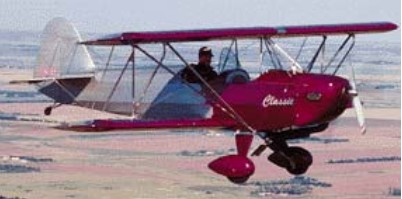
Sharing the flight characteristics of the 404, the two-place version of the FP-404 also carrys a passenger. First flown in 1987, dual controls give you the option of front or back position, and an 85 mph cruise speed.
This amateur-built biplane aircraft is complete with minimal instruments and bare-necessity controls. Featuring short wings, four ailerons and a semisymmetrical airfoil, the aircraft answers commands instantaneously. Geodetic wood construction and additional bracing contribute to structural strength, enough to withstand higher Gs than most light planes. The wings detach for east storage.
For experimental models, a 64 horsepower Rotax engine provides enough power for an 800 feet-per-minute climb.
In 1997 the kit price was US$6775. The 1998 kit price was US$7392. By 2004, 150 had been sold.
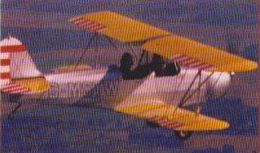
Engine: Rotax 582, 64 hp.
Range: 225 sm.
Stall: 38 mph.
ROC: 1000 fpm.
Take-off dist: 200 ft.
Landing dist: 300 ft.
Fuel cap: 8 USG.
Weight empty: 400 lbs.
Gross: 850 lbs.
Height: 5 ft 11 in.
Length: 16ft 9in.
Wing span: 22 ft.
Wing area: 154 sq.ft.
Seats: 2.
Landing gear: nose wheel.
Wing Gap: 41″ / 38″
Aileron Area: 18 sq. ft.
Tail Span: 84″
Drive Type: Geared
Reduction Ratio: 2.58:1
Max. Pilot Weight: 200 lbs.
Construction Time: 500 hrs.
Field Assembly Time: 30 min.
Velocity-Never Exceed Solo: 110 mph
Max Speed Solo: 90 mph
Cruise Speed Solo: 75-80 mph
Stall Speed Solo: 35 mph
Climb Rate Solo: 800 fpm
Glide Ratio Solo: 8:1
Velocity-Never Exceed Gross: 100 mph
Max Speed Gross: 90 mph
Cruise Speed Gross: 75-80 mph
Stall Speed Gross: 38-39 mph
Climb Rate Gross: 600 fpm
Glide Ratio Gross: 7:1

