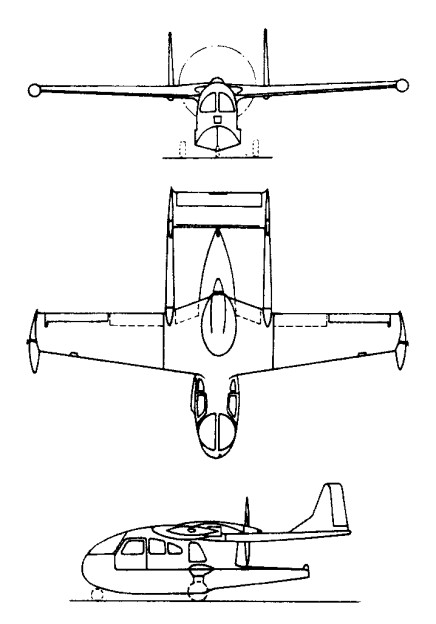
Back to Savoia-Marchetti SM.102
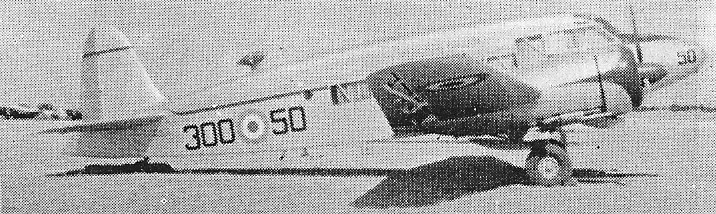
Back to Savoia-Marchetti SM.102
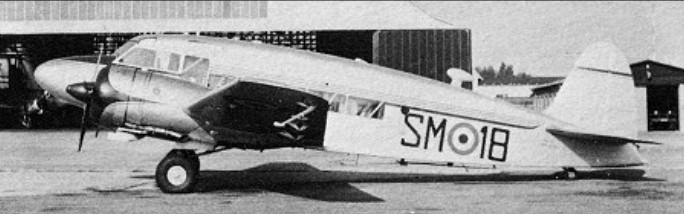
Twin-engined light transport aircraft accommodating eight passengers. The first prototype flew on 24 February 1949. Originally powered with two 500 hp Ranger SVG-770-C1B, the type was modified to take two Pratt & Whitney R-985 Wasp Junior radials and a small batch was built for the Italian Air Force.
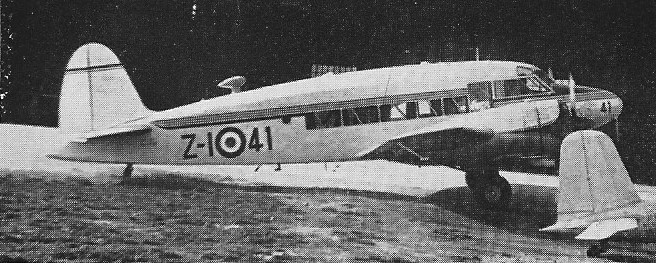
Engines: two Pratt & Whitney R-985 Wasp Junior
Wingspan: 18 m / 59 ft 1 in
Length: 43 ft
Height: 11 ft 5 in
Empty weight: 7600 lb
Max take-off weight: 5050 kg / 11133 lb
Max. speed: 330 km/h / 205 mph at 3280 ft
Cruise: 180 mph at 11,480 ft
Time to 5000ft: 6 mon
Service ceiling: 19,700 ft
Max range: 932 mi
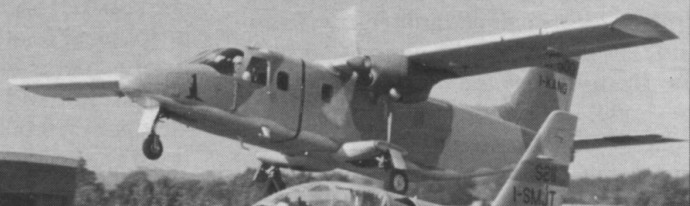
The prototype SF600TP Cangaru (Kangaroo) general utility transport was built by General Avia and made its first flight on 30 December 1978. Production examples entered service in an air taxi role on 8 April 1988.
SIAI Marchetti SF.600TP Canguro Article
A choice of fixed or retractable undercarriage versions was available, the engines being 450 shp (335 kW) Allison 250-B17F turboprops.
Projected military versions of the twin-turboprop SF.600TP Canguro include a swing-tail cargo transport, an electronic warfare aircraft, and a maritime surveillance variant with an undernose 360o -scan Bendix RDR-1400 search radar. Two underwing and two underfuselage hardpoints are provided.
The basic utility version can be equipped with 12 inward facing seats for paradropping, four stretchers for medevac, or Zeiss type cameras for photographic reconnaissance, and can also be used for target or glider towing.
In 1990 the PADC in the Philippines started assembling S 211s, followed by SF 260 TPWs and SF 600 Canguro in agreement with SIAI Marchetti of Italy.
The SF.600 Canguro was taken over by VulcanAir.
SF.600TP
Engines: 2 x Allison 250-B17C turboprops, 450 shp (335 kW)
Max take-off weight: 3300 kg / 7275 lb
Wingspan: 15 m / 49 ft 3 in
Length: 12.15 m / 40 ft 10 in
Height: 4.6 m / 15 ft 1 in
Max. speed: 305 km/h / 190 mph
Ceiling: 7300 m / 23950 ft
Range: 1580 km / 982 miles
Back to SIAI-Marchetti SF.260
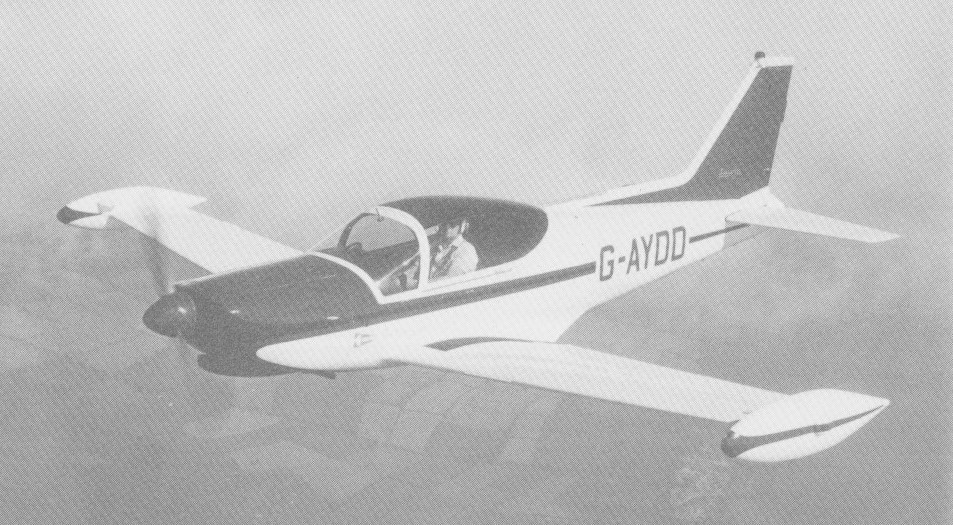
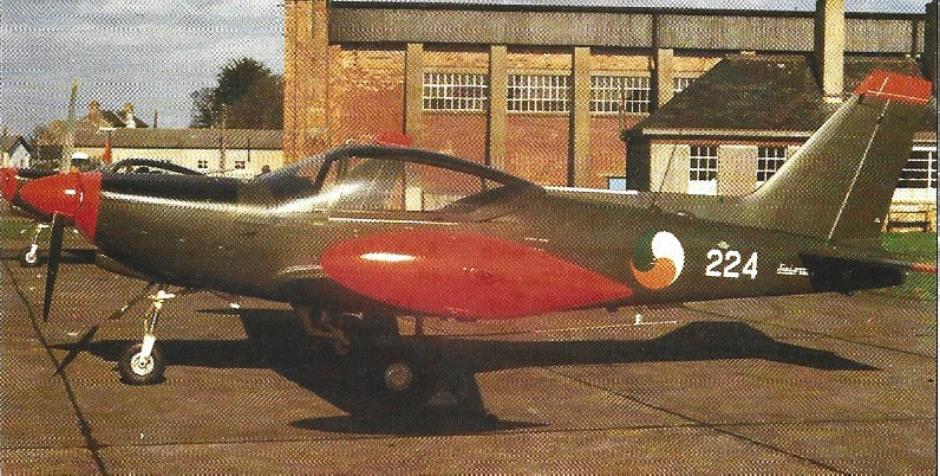
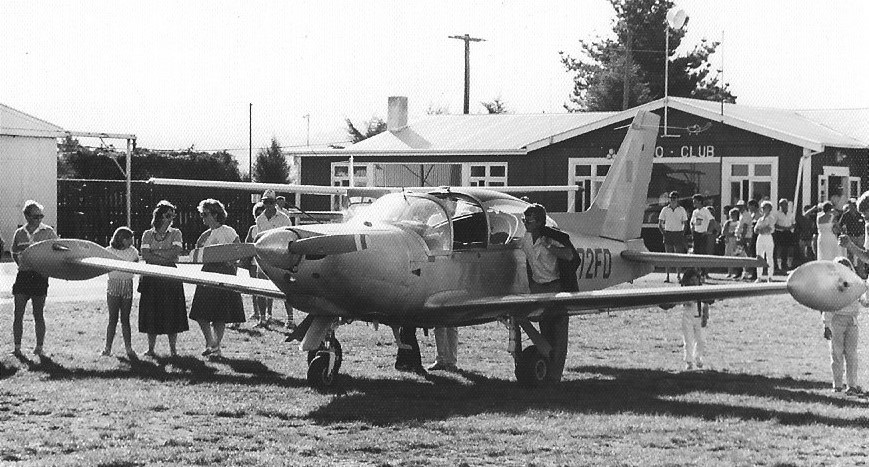
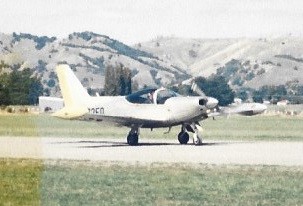
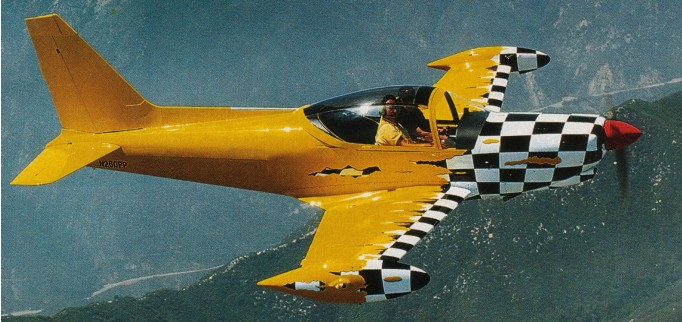
The prototype for the SF.260 series, known as the F.250, flew for the first time on 15 July 1964. The version developed initially for civil production was manufactured at first under licence from Aviamilano by SIAI-Marchetti and is designated SF.260 (initials in SF.260 denoted design by Stelio Frati). Subsequently SIAI-Marchetti became the official holder of the type certificate and of all manufacturing rights of the SF.260.
SIAI Marchetti SF.250 / SF.260 Article
A cabin monoplane with a cantilever low wing, the fuselage is an all-metal semi-monocoque structure of relatively thick skins and minimal stringers. The wing has a metal single spar, Friese type ailerons and electric slotted flaps. The wing is NACA 64-212 at the root and NACA 64-210 at the tip. The empennage contains cantilevered flying surfaces, with a manually operated trim tab on the elevator. The retractable tricycle undercarriage has oleo-pneumatic shock absorbers and a steerable nose wheel.
Designed by Stelio Frati and built in Italy, it is a 4 seater low-wing aircraft powered by a 260 hp Lycoming and has been predominantly sold in military versions since first flying in 1966. The SF.260 received FAA certifica¬tion on 1 April 1966.
Production of SF.260s for military use continued into 1987 in three versions: the SF.260M basic trainer, the armed SF.260W Warrior trainer and light attack aircraft, and the SF.260TP, powered by an Allison 250-B17C turboprop in place of the Lycoming 0-540 piston engine of the earlier models. The airframe is common in each case, except for a lengthened fuselage for the turboprop version. The SF.260W and TP have up to four underwing pylons for a variety of light stores, including rocket and gun pods to a maximum of 300kg.
Replacing the earlier C model, the SF.260D is powered by a 260 hp (194 kW) Textron Lycoming O-540-E4A5 engine and has the aerodynamic and structural improvements developed for the military SF260M. The similar SF260W Warrior can also double as a tactical support/liaison aircraft with light weapons. Production continues in 1990 of the SF.260TP, of which more than 60 had been ordered powered by the 350 shp (261 kW) Allison 250-B17D turboprop.
Some 350 SF260s were built in the 14 years since the type first flew. By 1993 more than 700 civil and military SF.260s of all models had been completed, most of which were for export.
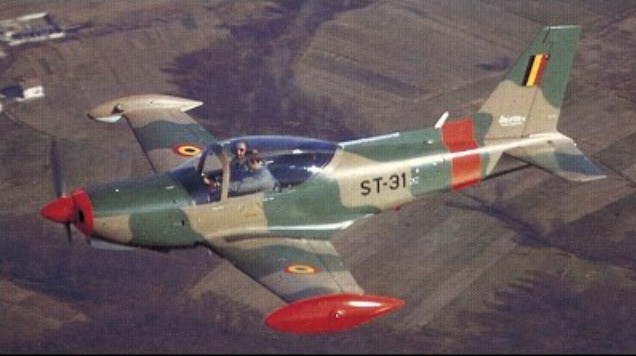
Waco Aircraft was founded in 1966 to build SF.260 (as Waco Meteor), and Socata Rallye Commodore (as Waco Minerva).

In 1990 the PADC in the Philippines started assembling S 211s, followed by SF 260 TPWs and SF 600 Canguro in agreement with SIAI Marchetti of Italy.
Aviamilano F.250
Engine: Lycoming 250 hp.
SIAI-Marchetti SF.260
Engine: Lycoming O-540-E4A5, 260 hp
TBO: 2000 hr
Fuel type: 100LL
Propeller type: CS
Landing gear type: Tri./Retr
Max ramp weight: 2430 lb
Gross weight, utility: 2430 lb
Gross weight, aerobatic: 2205 lb
Landing weight: 2430 lb
Empty weight, std: 1664 lb
Useful load, std: 766 lb
Useable fuel, std: 62 USG
Payload, full std. fuel: 377 lb
Wingspan: 27 ft. 5 in
Overall length: 23 ft. 4 in
Height: 7 ft. 11 in.
Wing area: 109 sq. ft
Wing Loading: 22.3 lbs./sq.ft
Power loading: 9.3 lbs./hp
Seating capacity: 3/4
Cabin width: 40 in
Cabin height: 36 in
Cruise speed, 75% power: 186 kt
Fuel consumption, 65% power: 12.4 USgph
Max range, 75% power: 800 nm
Max range, 55% power: 1040 nm
Vso: 57 kt
Best rate of climb, SL: 1700 fpm
Service ceiling: 21,370 ft
Takeoff ground roll: 820 ft
Takeoff over 50-ft. obstacle: 1610 ft
Landing ground roll: 790 ft
Landing over 50 ft. obstacle: 1610 ft
SF-260
Engine: Lycoming O-540-E4A5 or D4A5, 260 hp
Prop: Hartzell 2 blade CS 76 in
Wingspan: 27 ft 5 in
Wing area: 108.7 sq.ft.
Aileron area total: 8.5 sq.ft.
Flaps area total: 12.7 sq.ft.
Fin area: 8.05 sq.ft.
Rudder area: 5.38 sq.ft.
Tailplane area: 14.9 sq.ft.
Elevator area: 10 sq.ft.
Length: 23 ft
Height: 7 ft 7 in
Wheel track: 7 ft 5 in
Wheel base: 5 ft 3.5 in
Tire size mains: 6.00 x 6
Tire size nose: 5.00 x 5
Seats: 3
MTOW normal: 2430 lb
MTOW aerobatic: 2095 lb
Empty wt: 1488 lb
Useful load: 937 lb
Wing loading: 22.4 lb/sq.ft
Power loading: 9.3 lb/sq.ft
Fuel cap wing total/useable: 26 /25.4 USG
Baggage capacity: 90 lb
Fuel cap tip tanks total/useable: 38 /36.6 USG
Max cruise SL: 230 mph
Range max cruise 30min res: 1275 sm
75% cruise fuel burn: 19 USG/hr
60% cruise fuel burn: 14 USG/hr
Stall: 65 mph
Vy: 125 mph
ROC SL: 1880 fpm
Service ceiling: 21,235 ft
Take off ground roll: 790 ft
Landing ground roll: 790 ft
Landing over 50ft obst: 1610 ft
SF.260C
SF.260D
Engine: Textron Lycoming O-540-E4A5, 260 hp (194 kW).
Rear seat load limit: 260 lb
Max cruise@ 10 000 ft: 186 kts.
Max range: 1,100 nm
SF.260E
SF.260M
SF.260TP
Engine: 1 x Allison 250-B17D turboprop, 350 shp (261 kW).
Span: 8.35 m
Length: 7.4 m.
Wing area: 10.1 sq.m
Empty wt: 750 kg.
MTOW: 1300 kg.
Warload: 300 kg.
Max speed: 380 kph
Initial ROC: 660 m / min.
Ceiling: 8500+ m
T/O run: 300 m.
Ldg run: 305 m
Fuel internal: 235 (+144) lt.
Range: 950 km
Endurance: 3hr 20min.
Combat radius lo-lo-hi: 150 km
SF.260W Warrior
Max take-off weight: 1300 kg / 2866 lb
Loaded weight: 830 kg / 1830 lb
Wingspan: 8.35 m / 27 ft 5 in
Length: 7.1 m / 23 ft 4 in
Height: 2.41 m / 8 ft 11 in
Wing area: 10.1 sq.m / 108.72 sq ft
Max. speed: 305 km/h / 190 mph
Ceiling: 4480 m / 14700 ft
Range w/max.fuel: 1715 km / 1066 miles
Armament: 300kg on underwing pylons


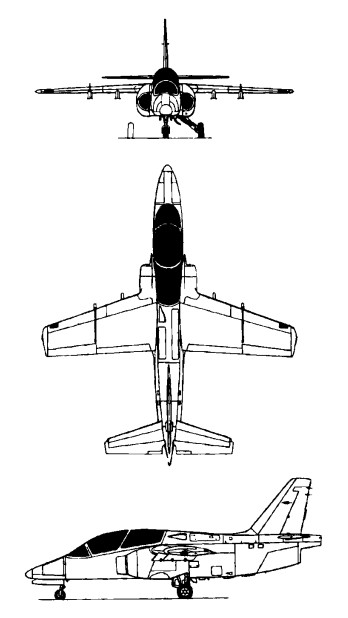
Probably the first trainer to employ a supercritical wing section, the intention of the private venture design was to combine low unit cost with advanced technology and utilising the PWC 1T15D turbofan.
The first prototype of SIAI Marchetti’s S.211 two-seat basic trainer powered by a single Pratt & Whitney JT15D4C turbofan of 2,500 lb (1134 kg) was flown on 10 April 1981 at Milan-Malpensa airport with Siai Marchetti’s chief test pilot, Cmdte Alessandro Ghisleni, at the controls. Five further flight tests were made during the following week.
The type was being developed as an “attack optimised” trainer with a light¬weight HUD and navigation computer in association with the Republic of Singapore Air Force.
Also under test in a production S.211 was the 5 version of the JT15D, offering 3190 lbs thrust with a dry weight 50 kg more than the -4C fit.
An S.211A was test flown with a PWC JT15D 5 turbofan, providing 3200 lbs of thrust (2500 lbs from the 4C) for an additional 50 kgs of dry weight. As well as the 28 percent in¬crease in thrust, designed to make the S.211A more competitive with close contender MB339 at the top end of the scale, the aircraft has a stronger wing and a greater fuel capacity, boosted to 1440 lbs. The reinforced wing structure is to +7.33 and 3G’s.
Singapore Aircraft Industries (SAI) continues to assemble S.211 single-turbofan two seat basic trainers for the Rebublic of Singapore Air Force, which has ordered 30 aircraft, in 1987. Six of these were delivered in CKD form for reas¬sembly by SAI, while the remainder are being delivered in kit form for complete assembly in Singapore. Haiti is the only other confirmed customer for the S.211.
Siai-Marchetti (as part of the Agusta group) teamed with Grumman as a contender for the USAF’s PATS (Primary Aircraft Training System) requirement for a lightweight, low-cost basic trainer and attack aircraft.
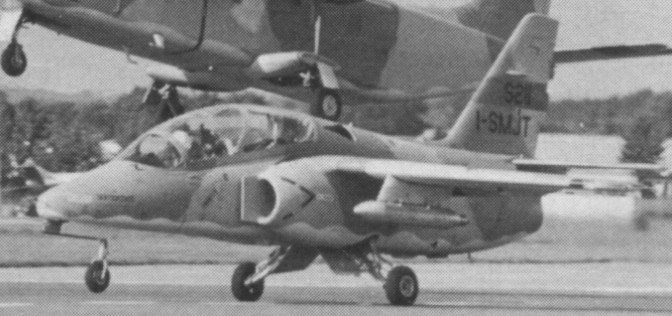
Customers to 1990 were the Philippines (18), where the type is being assembled by PADC, Singapore (30), where a similar arrangement involves SAI, Haiti (4) and Uganda (4).
In 1990 the PADC in the Philippines started assembling S 211s, followed by SF 260 TPWs and SF 600 Canguro in agreement with SIAI Marchetti of Italy.
It can carry external loads of four underwing pylons although the difference between clean gross weight and maximum take off weight is only 1323 lb with the -4C engine.
S.211
Engine: 1 x Pratt & Whitney Canada JT15D-4C turbofan, 2,500 lb st (1134 kgp)
Span: 8.43 m / 28 ft 8 in
Length: 9.5 m / 31 ft 7 in
Wing area: 12.6 sq.m / 135.63 sq ft
Height: 3.8 m / 12 ft 6 in
Empty wt: 1645 kg
MTOW: 3100 kg
TO wt clean: 6000 lb
Warload: 660 kg
Max speed: 452 kt, 667 kph / 413 mph
Initial ROC: 1280 m / min
Ceiling: 12,200 m / 40000 ft
T/O run: 390 m
Ldg run: 360 m
Fuel internal: 800 lt
Range/Endurance: 2480 km / 3hr 50min
Combat radius hi-lo-hi: 550 km
Hardpoints: 4
Loading limit: 3.5G
Fuel burn: 700 lbs/hr
Ejection seat: zero/zero
Crew: 1-2
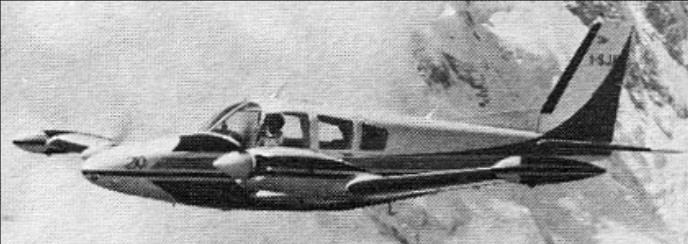
A 1970 six-seat, twin-engined version of the S.205 powered by two 149kW Lycoming TIO-360-As.
Engines: two 149kW Lycoming TIO-360-A
Wingspan: 11.63 m / 38 ft 2 in
Max. speed: 375 km/h / 233 mph
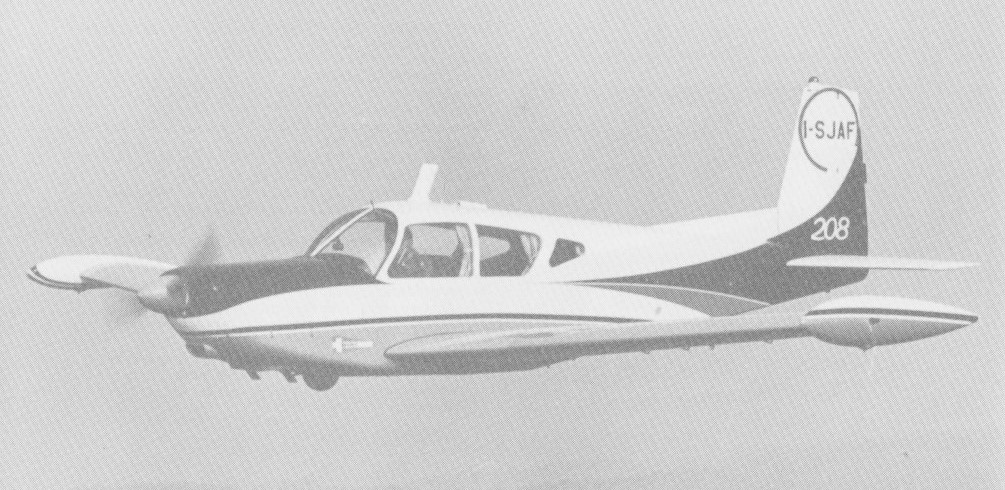
First flying in 1967, in 1968 the S.208 version became available, produced basically as a five-seat, more powerful version of the S.205, with some 60% of its structural components in common.
Savoia-Marchetti S.208 Article
By February 1973, approximately 80 S.208s had been delivered to customers in Europe and Africa, including 44 S.208Ms to the Italian Air Force for liaison and training duties.
A version for general duties, including agricultural and ambulance work, was developed as the S.208AG.
S.208
Engine: Lycoming O-540-E4A5. 260 hp
Wingspan: 35 ft 7.5 in / 10.86 m
Length: 26 ft 3 in / 8.00 m
Empty weight equipped: 1720 lb / 780 kg
MTOW: 3307 lb / 1500 kg
Max cruise: 162 kt / 187 mph / 300 kph
Range, internal fuel: 647 nm / 746 nm / 1200 km
Range Max fuel/tiptanks: 1085 nm / 1250 mi / 2000 km
Seats: 5
Cabin length: 5 ft 10.25 in / 1.78 m
Cabin width: 3 ft 8,25 in / 1.14 m
Cabin height: 4 ft 4 in / 1.32 m
Cabin volume: 88.0 cu/ft / 1.5 cu.m
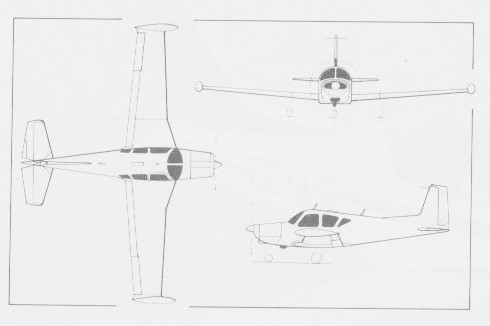
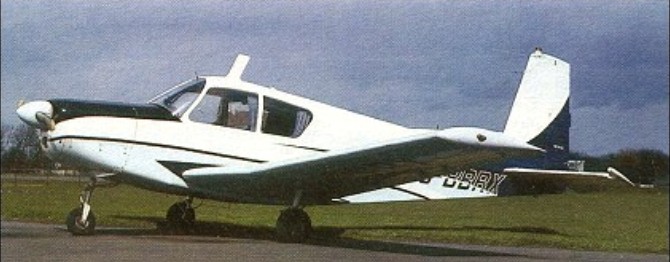
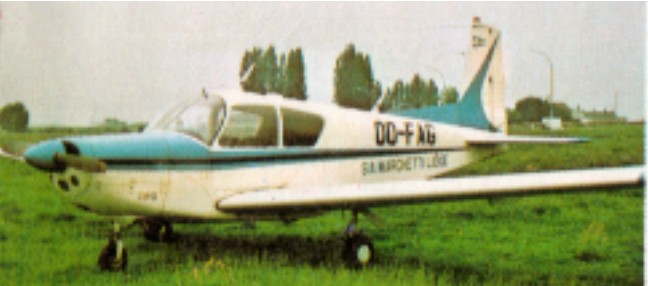
A four-seat development of the SA.202 Bravo, design of the S.205 four-seat all-metal light monoplane was started in March 1964, first flying in 1965, and by April of 1965 three examples had been completed. Each had a 134kW Lycoming engine fitted, but a wide range of versions subsequently became available with different engines and equipment.
Savoia-Marchetti S.205 Article
The S205/22R was never a trainer. It was the retractable version of the 205 with a franklin engine. We also had a 205R which was the same airplane with a Lycoming. The left door was a factory option.
Waco Aircraft Co [2] was founded in 1966 to build Savoia-Marchetti S.205 (as Waco Vela II and Sirius) plus turbosupercharged Taurus derivative
S.205
Max take-off weight: 1350 kg / 2976 lb
Empty weight: 750 kg / 1653 lb
Wingspan: 10.86 m / 36 ft 8 in
Length: 8 m / 26 ft 3 in
Height: 2.89 m / 10 ft 6 in
Wing area: 16.09 sq.m / 173.19 sq ft
Max. speed: 295 km/h / 183 mph
Ceiling: 6200 m / 20350 ft
Range: 1325 km / 823 miles
S.205 18F
Engine: Lycoming O-360-A1A, 180 hp
Undercarriage: fixed
S.205 18R
Engine: Lycoming O-360-A1A, 180 hp
Undercarriage: retractable
S.205 20F
Engine: Lycoming O-360-A1A, 200 hp
Undercarriage: fixed
S.205 20R
Engine: Lycoming O-360-A1A, 200 hp
Undercarriage: retractable
S.205-22/R / Waco S.220 Vela
Engine: Franklin 6A-350-C1, 220 hp
Undercarriage: retractable
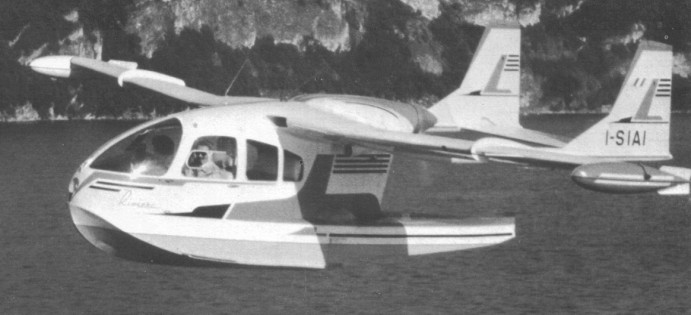
The three-seat prototype of the amphibian FN-333 flying boat, designed and built by Nardi S.A., flew first on 4 December 1952. Two more prototypes were built by Nardi through the decade. In the wake of the second Nardi prototype, Fiat of Italy also built two FN.333 prototypes, but did not continue with the exercise.
The initial prototype had “guitar-pick” style tailfins, and was powered by a Continental engine with 110 kW (145 HP); there had been thought of fixing the floats to the wingtips and then folding the wing downward after water landing, but the idea didn’t survive close examination.
Following the third Nardi prototype, an exclusive manufacturing licence for the FN-333 was obtained by SIAI Marchetti in March 1959. SIAI Marchetti called the aircraft “Riviera”.
SIAI-Marchetti placed a slightly enlarged four-seat variant in production which had flown in prototype form on 8 December 1954. The first of ten pre-production Rivieras was flown in February 1962.
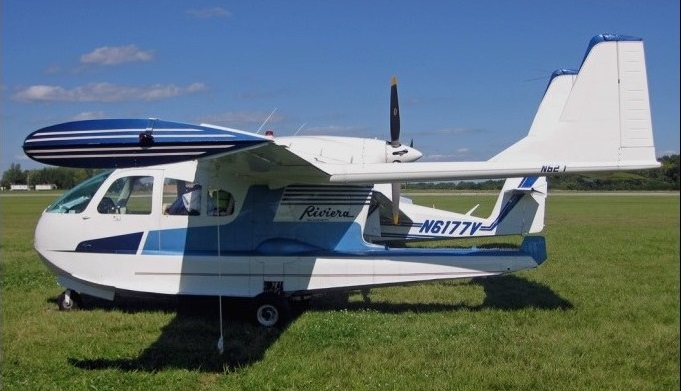
The Riviera used a tricycle landing gear with the nose gear tucking up into the forward hull, the main gear hinging up to be stowed in the fuselage, as well as retractable floats, hinging up to mate with the wingtips, and no wing bracing. The twin tailfins were of trapezoidal configuration and had forward fillets. Powerplant was a Continental IO-470-P air-cooled flat-six engine with fuel injection, providing 185 kW (250 HP) and driving a two-bladed propeller.
Initial production was devoted to fulfilling orders from the USA were sales were handled by the Lane Aircraft Company which purchased the airframes for assembly by Southwest Airmotive. The first four were delivered to the USA bu mid-January 1963 and more than fifty had been sold by the middle of the year.
About 24 Rivieras were built through the 1960s, the exact number being hard to determine because of double-counting of serials.

Engine: 1 x Continental IO-470-P, 185kW
Wingspan: 10.4 m / 34 ft 1 in
Length: 7.4 m / 24 ft 3 in
Height: 3.2 m / 11 ft 6 in
Wing area: 15.0 sq.m / 161.46 sq ft
Empty weight: 1030 kg / 2271 lb
Max take-off weight: 1485 kg / 3274 lb
Max. speed: 285 km/h / 177 mph at SL
Cruise 70%: 264 km/h / 164 mph
Econ cruise: 137 mph
ROC: 1220 fpm
Service ceiling: 5600 m / 18350 ft
Range w/max.fuel: 1300 km / 808 miles
Range w/max.payload: 1000 km / 621 miles
Crew: 4