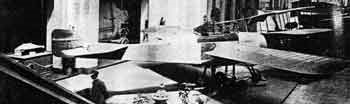
Societa italiana aeroplani – founded in Milan in 1912 by attorney Enrico Luzzatto after the close of the Helios firm – made use of the work of engineer Flaminio Piana Canova, who left the workshops of Somma Lombardo’s Battaglione Aviatori, and briefly assumed the role of technical director for all of Asteria where soon he built an almost identical monoplane to the Sia Italia, called Asteria MB, and also presented at the 3rd International Exhibition of Aerial Locomotion of Turin (May 17-24, 1913).
The Sochen Phoenix was a single engine, three axis control microlight designed by Edwin Sochen and produced in South Africa in the early 1980s.
The original single seat ES-1 Phoenix began as a rebuild by Edwin Sochen of a storm-destroyed Quicksilver MX but emerged a much refined aircraft, with two-surface wings, ailerons rather than spoilers and a fully steerable undercarriage. One of these was built and flown, then Sochen developed it into the CII two-seater.
Seating apart, the two variants were generally similar. The two surface wing, tapered in plan with a straight leading edge and a forward swept trailing edge, was braced from below on each side by a single strut, assisted by jury struts. The ailerons filled the whole span. The fuselage of the Phoenix was a completely open aluminium frame structure which carried the exposed pilot’s seat, placing his head just below the leading edge of the wing and supporting the engine in pusher configuration immediately behind. The fuselage frame extended rearwards to carry a conventional tail with horizontal surfaces at the same height as the wing and an all-moving rudder with a swept leading edge, extending below the tailplane aft of the rudder post. The rudder of the CII was swept on both edges, unlike that of the single seat version, and extended downwards further. The tricycle undercarriage had three similarly sized wheels mounted on short legs interconnected by a triangular frame. The front wheel was steerable from the rudder bar and the rear pair were differentially braked.
After two prototypes the CCII was put into production by Court Helicopters. Only eleven were completed before production was stopped.
CII Engine: 1 × Rotax 503, 52 hp (39 kW) Propeller: 2-bladed, 4 ft 10 in (1.47 m) diameter Wingspan: 32 ft 0 in (9.75 m) Empty weight: 315 lb (143 kg) Maximum speed: 65 mph (105 km/h; 56 kn) Cruise speed: 50 mph (80 km/h; 43 kn) Stall speed: 28 mph (45 km/h; 24 kn) Range: 100 mi (87 nmi; 161 km) at average cruising speed Rate of climb: 350 ft/min (1.8 m/s) from sea level Take-off distance: 230 ft (70 m) Landing distance: 100 ft (30 m) Crew: Two
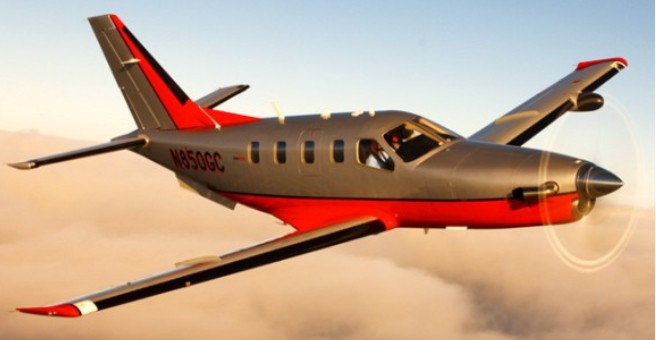
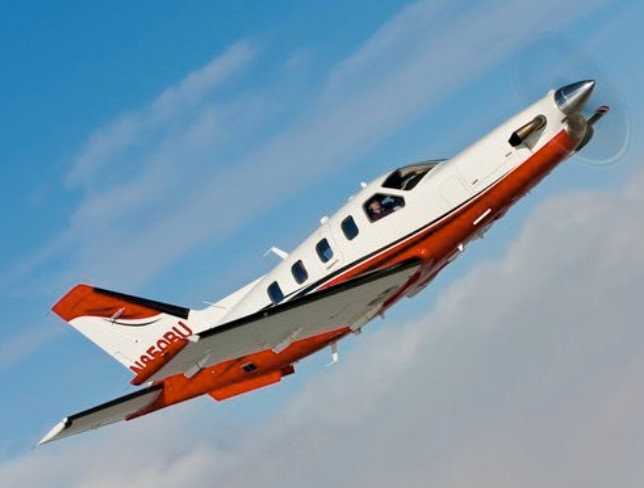
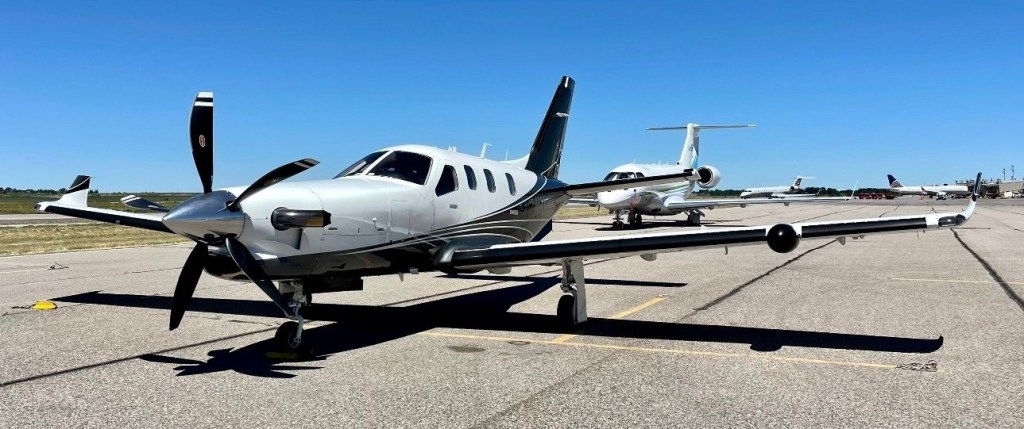
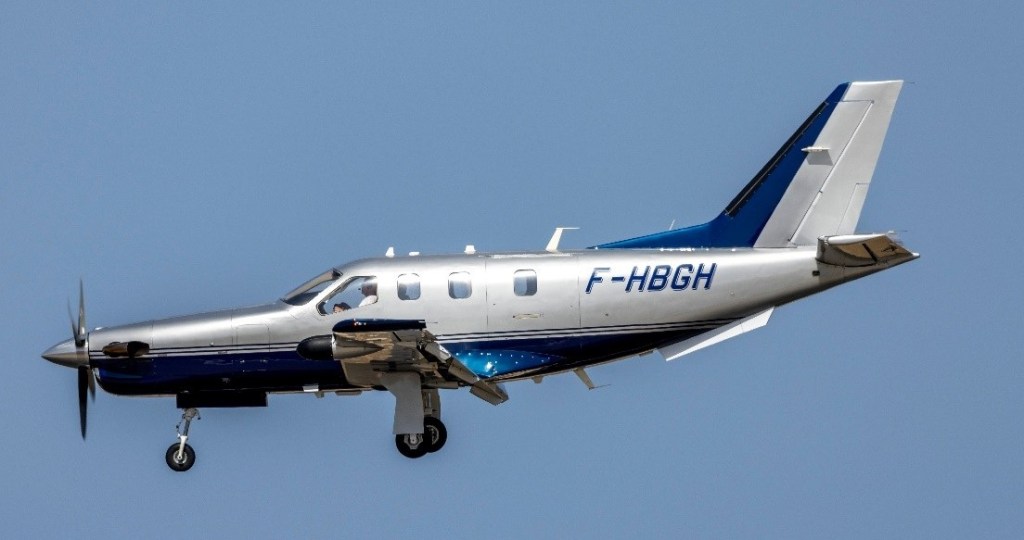
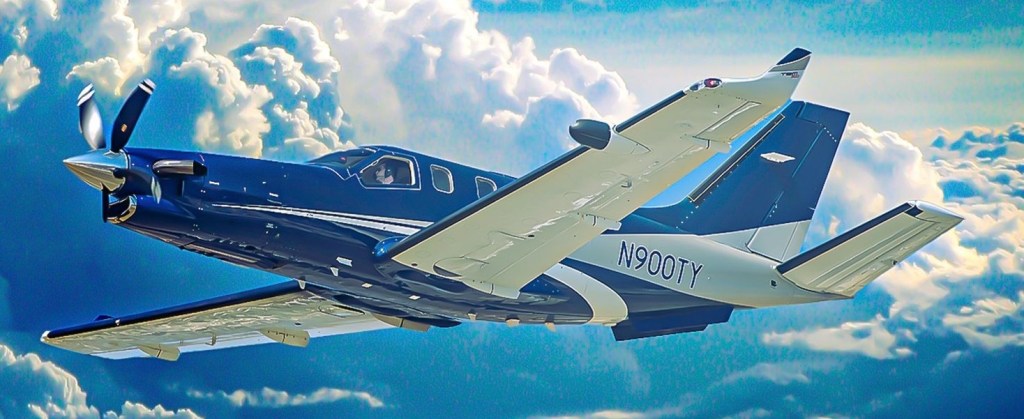
In December 2005, EADS Socata announced the TBM 850, an upgraded version of its single-engine turboprop TBM 700. After some 15 years of production, three different models and more than 300 airplanes, the 700 was replaced on the production line by the TBM 850. Featuring a 1,825-shp Pratt & Whitney PT6A-66D turboprop engine flat rated to 850 shp, at maximum takeoff weight, the 850 can climb to FL 260 in 15 minutes and to its service ceiling of FL 310 in 20 minutes. At FL 260 the 850’s cruise speed at maximum cruise power is 320 ktas. IFR cruising range is 1,365 nm. At FL 310 and ISA +20°C, the 850’s cruise speed is more than 55 knots faster than that of the TBM 700 C2.
Although described by Socata as the “Ultimate Personal Aircraft,” it offers performance numbers that virtually match-and in some cases even exceed-those of the twin-engine very light jets. The TBM 850 will have advantages including a significant reduction in direct operating costs, longer-range capability, a reduction in transition training requirements and potentially lower insurance premiums.
The TBM 850 airframe design employs fail-safe structural design techniques, including the use of multiple load paths and a crack-stopper band to maximize sub-system reliability/durability and structural life. The TBM 850 aircraft is essentially identical to that of the TBM 700 C2 model.
The TBM 850 airframe designers carefully chose a variety of aluminum alloys, high strength steel (including titanium) as well as advanced composite materials to maximize structural strength and durability while minimizing aircraft weight and both acquisition and life-cycle support costs. The majority of the TBM 850 structure is manufactured from conventional aluminum alloys. The wing spars, flap tracks and windshield frames are machined from solid bars of aluminum
The TBM 850 cabin is 14.96 ft long and 4 ft in height and width, and offers 6 leathers seats with adjustable backrests, folding armrest and a large folding executive table in the center.
Easy access to the cabin is possible through a large electric door, stairs and a ramp. Once inside, 7 rectangular windows with pull down sunshades protect privacy and a fully automated dual zone environmental control system adds comfortable.
Cabin lighting consists of dome lights, baggage compartment lights, access stair lighting, and individual reading lights at all seats. 14/24V power outlets and storage cabinets are fitted.
The TBM 850 carries six adults, climbs to the certified ceiling of 31,000 ft in as little as 20 minutes, range over 1,400 nm with NBAA IFR reserves, and can land in a 2,100 ft strip or a mountain runway.
Beyond performance, the TBM 850 introduced avionics upgrades and improved handling characteristics. The aircraft retained the same fuselage as the TBM 700 but featured a more modernized cockpit, including optional glass panel avionics.
Before its official introduction more than two-thirds of 2006’s production had already been sold. First delivery to a U.S. customer was slated to occur on February 23, 2006. Base price in 2006 of the TBM 850 was $2,576,930; with typical options and equipped for RVSM the airplane will list at $2,799,850, roughly $120,000 more than the TBM 700.
TBM 850s have an 1,825-shp PT6A-66D engines, derated to 850 shp. The derating yields better hot-and-high performance. It also lets the -66Ds produce those 850 horsepower right up to FL260-280, where maximum cruise speeds can reach 320 to 325 KTAS under optimal temperature conditions.
The PT6s used in TBMs do not have full authority digital engine controls (FADECs), so start procedures involve a few simple steps that the pilot must manually perform. However, both the -64s and -66s have torque limiters, so the chances of a ham-fisted pilot’s shoving the power lever past torque limits are minimized.
The TBM 850 was introduced with a new torque control. For takeoff and landing—using the TO flap defection—automatic torque limiting keeps torque below 110 percent. But once established in the climb you lift the flap switch up and over a detent, this disengages torque limiting, allowing the 121.4 percent torque redline, which gives the engine’s full, 850 horsepower.
Since 1998, TBMs have come with a large entry door that allows easier access to both the cabin and the aft baggage compartment; there’s another, smaller baggage compartment in the nose. When the door extends, a handrail and a set of stairs do too. To close the door, a fuselage-mounted push button activates an electric motor that starts the process. An optional pilot door ($89,350) is installed forward of the left wing root and next to the front left seat; of the 40 TBM 850s delivered in 2011, 17 ordered the pilot door. The landing gear can be extended at speeds up to 178 KIAS, the same extension speed as the first notch of flaps.
The TBM 850 was further improved with the TBM 850 G1000 featuring a G1000 Integrated Flight Deck, available on models from 2008 onwards, and fuel tank extension modification.
The TBM 850 Elite includes four cabin seats in a forward-facing configuration, which allowed for an increased cargo area aft of the cabin.
The TBM 850’s G1000 features a large 15-inch diagonal multifunction display (MFD) capable of showing a wide range of information. This includes a crew alerting system (CAS) that posts warnings and sounds aural alerts. Data entry for the MFD is via a keypad mounted forward of the center console. Aft of the power controls is the fuel selector, which automatically switches tanks to prevent fuel imbalances. Four leather seats in a club configuration are standard, although an optional ($9,990) toilet can be installed in place of the left center seat.
Launched in June 1987, the TBM 700 is a pressurised single-engined business aircraft developed by TBM International, formed by Socata (France) and Mooney (USA): Valmet (Finland) joined the programme in 1988. Production is split between the partners for assembly in France. The long nose cowling houses a 700 shp (522 kW) Pratt & Whitney Canada PT6A-40/1 turboprop driving a four-bladed propeller. Three were built, the first of which made its initial flight on 14 July 1988, and production aircraft were flying by 1990.
With a maximum cruise speed of around 300 knots and a range exceeding 1,500 nautical miles, the TBM 700 quickly became a favourite among business travellers and private owners looking for a high-performance aircraft with good operational flexibility. According to the April 2023 edition of Flying Magazine, the first production batch of 50 TBM 700s sold out almost instantly.
The engine in the TBM 700A is classified as a large PT6A, the “dash 64” which is derived from the 67 gas generator and the 42 propeller gear¬box. The gas generator operates at about half power and the gearbox should never see more than 82 per cent of its rated capacity as the TBM 700 installa¬tion calls for only a 700 h.p. output. The fuel control unit stops the engine producing more than about 800 h.p. and the pilot, by observing the torque and temperature limits, limits the output to 700 h.p. The TBM 700A aerofoil RA16 43 is the same computer designed, wind tunnel tested wing of the ATR 42 and ATR 72 regional airliners. In the TBM 700A’s role as an executive aircraft it is superb with its comfortable cabin, its pressurisation (6.2 psi diff.) that can maintain a sea level cabin to 14,500 ft aircraft altitude and an 8,000 ft cabin at 29,000 ft. It’s fast, it has excellent airfield capability.
Its pressurized cabin allowed it to cruise at altitudes up to 31,000 feet, making it ideal for long-distance flights. Over its production run, several upgrades were introduced, improving avionics and cabin features.
TBM 700
The TBM 700B featured a wide entrance door and increased maximum zero fuel weight.
The TBM 700C1 featured rear unpressurized cargo compartment, reinforced structure, and new air conditioning system.
The TBM 700C2 had an increased maximum takeoff weight.
The TBM 700C2 aircraft can cruise at over 30,000 feet at 225 knots, has a range of 1,565 run (with a 45 minute reserve), and is fitted with dual Garmin GNS 530. The GNS 530 combines IFR GPS receivers with large colour moving maps and has a digital 3,040 channel communication system and ART RDR 2000 weather radar.
The TBM 700S features a 3 ft 7 in longer fuselage.
This series was originated in 1975 as a supplement to the Rallye family with fixed landing gear and lower performance but greater accommodation.
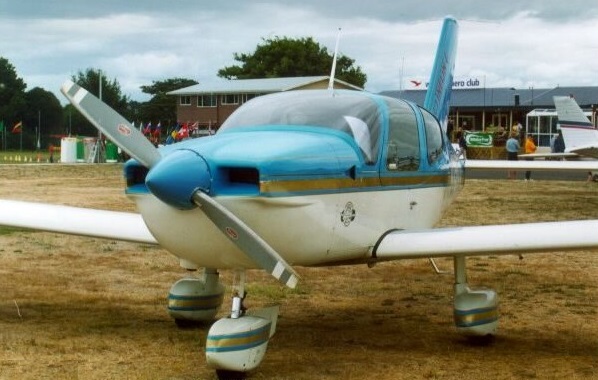
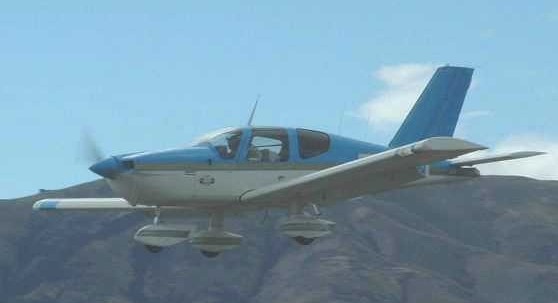
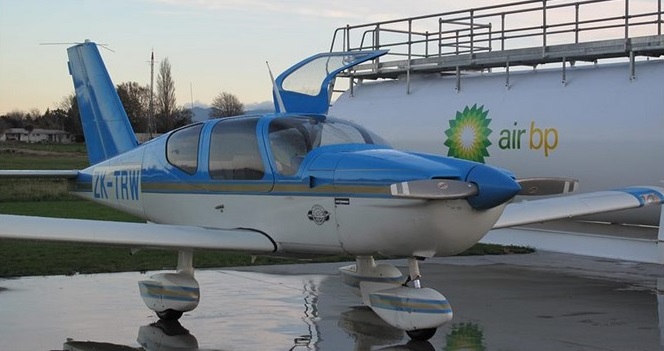
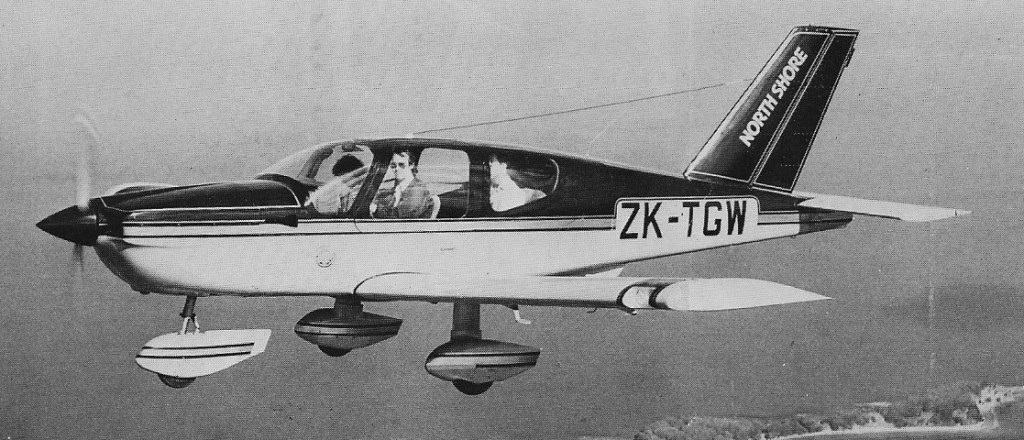
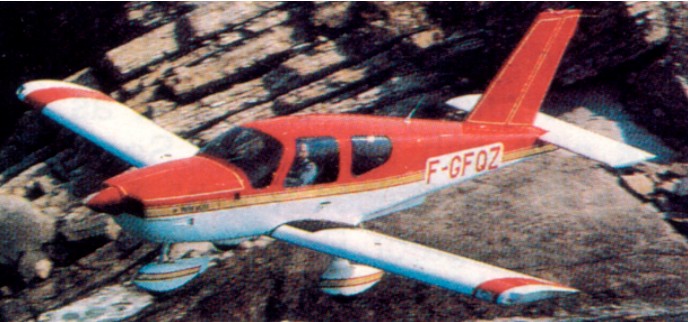
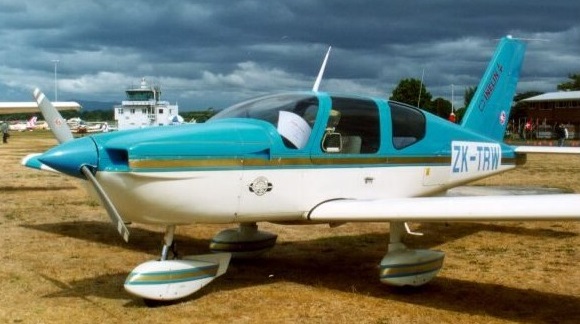
Effectively starting with a clean sheet of paper, the Aerospatiale design team came up with an entirely new and original aircraft, the TB9/TB10. First launched in mid 1979, the initial two versions, the TB9 Tampico and the TB10 Tobago, share virtually identical airframes. The Tampico however is powered by a fixed pitch prop, 160 hp Lycoming (though a variable pitch version has subsequently become available), while the Tobago comes with 180 hp driving a constant speed propellor.
Socata Tampico TB 9
The series began with the TB.10 that first flew in February 1977 with a 119-kW (160-hp) O-320-D2A engine. The type was later named Tobago, but with the development of a higher-powered model the original type became the four-seat TB.9 Tampico so that the designation TB.10 Tobago could be accorded to the newer four/five-seat model with the 134-kW (180-hp) O-360-A1AD.
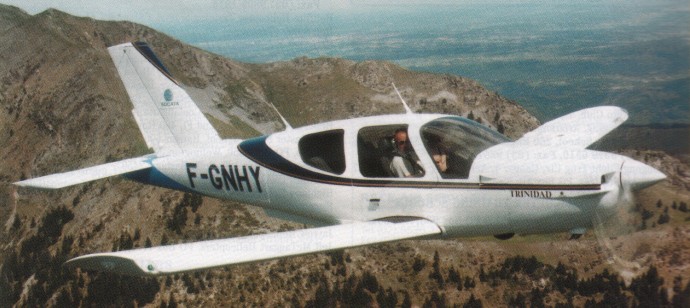
The third member of the family flew on 14 November 1980 as the TB.20 Trinidad with more power and, more importantly, retractable tricycle landing gear. The latest variant was introduced in 1983 as the TB.11 aerobatic version of the Tobago with an inverted flight engine/fuel system for the training of professional pilots.
TB20 Trinidad
Actual airframe structure is remarkably simple – which returns savings in both initial cost and future maintenance. The entire aircraft has only 800 parts (compared with 2,000 or more for most similar light singles), and construction is done on a modular basis- This enables individual customer options, including avionics and indeed even the choice of 160 or 180 hp engine, to be installed at the appropriate constructional stage, rather than as an add-on later.
Wing spars are milled from a solid billet of aluminium instead of being built up with webs, gussets, spar caps etc. The only cable run in the aircraft is the elevator trim, the rest of the controls being torque tubes and/or push/pull tubes. Socata have got the parts count for the basic airframe down to around 800 pieces.
The TB.20 Trinidad was designed utilising the interior dimensions of the Citroen GS car. Certified in 1981 to the American FAR 23. Wing spars are milled from a solid billet of aluminium instead of being built up with webs, gussets, spar caps etc. The only cable run in the aircraft is the elevator trim, the rest of the controls being torque tubes and/or push/pull tubes. Socata have got the parts count for the basic airframe down to around 800 pieces.
The 10 degree flap extension speed was raised from 103 KIAS to 129 KIAS. The early models had a takeoff weight and landing weight of 1335 kgs. The take-off weight only was then increased to 1400 kgs. The Trinidads from serial number 950 have the same take-off and landing weights of 1400 kgs. This later mod involved changes to the landing gear that can’t be retro-fitted.
TB.9 Tampico Engine: Lycoming O-320, 160 hp Cruise 65%: 107 kts Endurance 65%: 4 hr 40 min Stall: 58-48 kt Useful load: 910 lbs ROC: 660 fpm TO dist 50 ft: 1854 ft Max X-wind: 25 kt
TB.9 Tampico Club Engine: Lycoming O-320, 160 hp
TB.10 Tobago Engine: Lycoming O-360-A1AD, 180 hp Prop: Hartzel Variable Pitch CSU Seats: 4-5 TO dist 50 ft: 1398 ft Max X-wind: 25 kt Cruise speed: 115kts
TB 10 Tobago Engine: Lycoming O 320 D2A, 158 hp Length: 25.066 ft / 7.64 m Height: 9.514 ft / 2.9 m Wingspan: 32.021 ft / 9.76 m Wing area: 128.092 sq.ft / 11.9 sq.m Max take off weight: 2249.1 lb / 1020.0 kg Weight empty: 1228.2 lb / 557.0 kg Max. speed: 173 kt / 321 km/h Cruising speed: 127 kt / 236 km/h Take off distance: 1398 ft / 426 m Initial climb rate: 826.77 ft/min / 4.2 m/s Wing loading: 17.63 lb/sq.ft / 86.0 kg/sq.m Range: 594 nm / 1100 km Crew: 2+2-3
TB.10GT
TB.11
TB.20 Trinidad Engine: Lycoming IO-540-C4D5D, 250 hp TBO: 2000 hr Propeller: Const. spd. Wingspan: 32 ft. 1 in Overall length: 29 ft. 3 in Height: 9 ft. 4 in Wing area: 128 sq. ft Gross weight: 3086 lb Empty weight, std: 2010 lb Useful load, std: 1076 lb Fuel: 86 USgal Wing loading: 24.1 lbs/sq.ft Vne: 187 kts Cruise speed 75% power: 157kt Cruise speed 65% power: 153 kt Cruise at 75%: 164 kts (8000 feet) Cruise at 65%: 160 kts (12,000 feet) Fuel consumption 75% power: 13.7 USgph Fuel consumption 65% power: 12.1 Usgph Rate of Climb @ 95 kts: 1260 ft/min Best climb angle speed: 81 kts Best glide: 92 kts Final approach speed: 73 kts Stall speed (gear, flaps down): 59 kt Demonstrated Crosswind: 25 knots Max speed: 193 mph at sea level Max range (w/ res) 75% power: 887 nm Max range (w/ res) 65% power: 1048 nm Operational range: 1,109 miles Service ceiling: 20,000 ft Takeoff ground roll: 1193 ft Landing ground roll: 755 ft Landing gear type: Tri/Retr. Seating capacity: 4-5 Cabin width: 50 in Cabin height: 42 in Baggage capacity: 143 lb
TB.20 Trinidad GT
TB.21 Trinidad TC Engine: Lycoming TIO-540-AB1AD, 250 hp TBO: 2000 hrs Propeller: Const. spd. Landing gear type: Tri/Retr. Gross weight: 3086 lb Empty weight, std: 1860 lb Useful load, std: 1226 lb Fuel: 86 USG Wingspan: 32 ft. 1 in Overall length: 25 ft. 7 in Height: 9 ft. 4 in Wing area: 128 sq. ft Seating capacity: 4-5 Cabin width: 50 in Cabin height: 44 in Baggage capacity: 143 lb Cruise speed 75% power: 187 kts Cruise speed 65% power: 169 kts Max range (w/ reserve) 75% power: 890 nm Max range (w/ reserve) 65% power: 1030 nm Fuel consumption 75% power: 16.4 USgph Fuel consumption 65% power: 12.4 USgph Stall speed (gear, flaps down): 59 kt Best rate of climb: 1126 fpm Service ceiling: 25,000 ft Takeoff ground roll: 1217 ft Landing ground roll: 755 ft
2004 Socata TB.21 Trinidad GT Engine:Lycoming IO-540-CAD5D, 250 hp @2575 rpm@SL TBO: 2000 hr Fuel type: 100/100LL Propeller: Hartzell 2-blade, CS Landing gear type: Tri/Retr. Max ramp weight: 3080 lb Gross weight: 3080 lb Landing weight: 3080 lb Empty weight, std: 1911 lb Useful load, std: 653 lb Payload, full std. fuel: 728 lb Usable fuel: 86 USgal Oil capacity: 13.3qt Wingspan: 32 ft. 2 in Overall length: 25 ft. 5 in Height: 9 ft. 4 in Wing area: 128 sq. ft Wing loading: 24.1 lbs./sq. ft Power loading: 12.3 lbs./hp Wheel base: 6 ft. 3 in Wheel track: 7 ft. 2 in Wheel size: 6.00 x 6 in Seating capacity: 4-5 Cabin doors: 2 Cabin width: 50 in Cabin height: 47 in Baggage capacity: 143 lb Cruise speed (best economy power) 75% power: 159 kt Cruise speed (best economy power) 65% power: 156 kt Cruise speed (best economy power) 55% power: 141 kt Stall speed (flaps down): 54 kt Best rate of climb (SL): 1200 fpm Service ceiling: 20,000 ft Takeoff over 50-ft. obstacle: 2150 ft Landing over 50-ft. obstacle: 1825 ft
Socata 1998 Tobago XL Engine: Lyc. IO-360-A1B6, 200 hp TBO: 2000 hr Propeller: Const. spd. Landing gear type: Tri/Fixed Gross weight: 2535 lb Empty weight: 1576 lb Useful load: 959 lb Fuel: 54 USgal Wingspan: 32 ft Overall length: 25 ft. 2 in Height: 9 ft. 10 in Wing area: 128 sq. ft Seating capacity: 4-5 Cabin width: 50 in Cabin height: 46 in Baggage capacity: 143 lb Cruise speed 75% power: 130 kt Cruise speed 65% power: 123 kt Max range (w/ reserve) 75% power: 585 nm Fuel consumption 75% power: 12.4 USgph Fuel consumption 65% power: 11.0 USgph Stall speed (gear, flaps down): 53 kt Best rate of climb: 937 fpm Service ceiling: 16,000 ft Takeoff ground roll: 1067 ft Landing ground roll: 623 ft
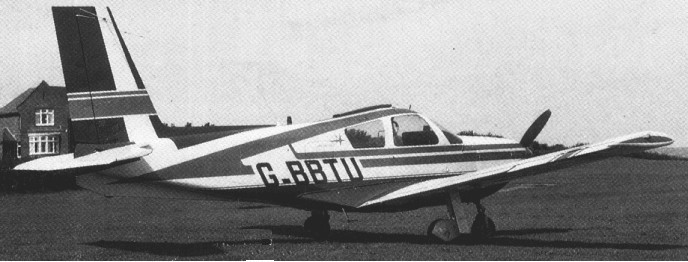
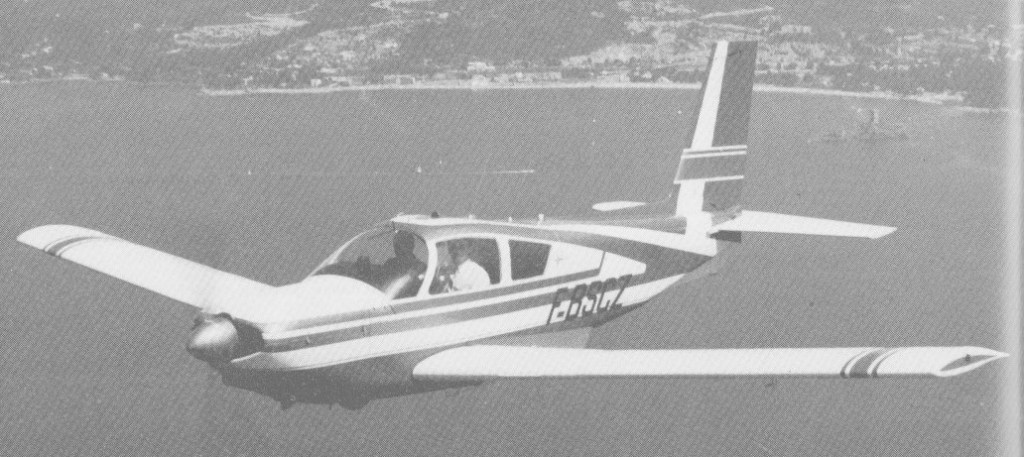
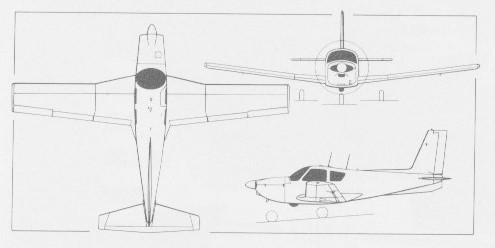
From the all-metal GY.80 Horizon SOCATA developed an improved model that first flew in November 1967 with a lengthened fuselage, a redesigned cabin, a modified tail unit, a more powerful engine and revised landing gear. This last adopted main units that retracted inwards into the undersurfaces of the wings, while the nosewheel unit retracted to leave about one-quarter of the wheel exposed. Initially designated Super Horizon 2000 and then Provence, the type eventually became the ST.10 Diplomate by the time production deliveries began at the end of 1969. Despite the fact that it offered a usefully higher level of performance than the Horizon, the type failed to attract any real sales enthusiasm and SOCATA ended production in 1975 after delivery of only 56 examples.
ST.10 Diplomate Type: four-seat sport and touring lightplane Powerplant: 1 x Avco Lycoming IO-360-C1B, 149kW (200 hp) Span: 9.70m (31ft 9.75in) Length: 7.26m (23 ft 9.75 in) Empty weight: 1594 lb / 723 kg Max TO weight: 1220 kg (2,690 lb) Max speed: 174 mph at sea level Max cruise 75%: 143 kt / 165 mph / 265 kph ROC: 1003 fpm / 306 m/min Service ceiling: 16,400 ft / 5000 m Operational range: 860 miles / 746 km / 1385 km Baggage capacity: 154 lb / 70 kg Cabin length: 7 ft 3.75 in / 2.25 m Cabin width: 3 ft 8.75 in / 1.14 m Cabin height: 4 ft 1.25 in / 1.25 m
Formed 1966 out of Morane-Saulnier as subsidiary of Sud-Aviation, to develop and produce group’s light sporting and business aircraft. Known as Socata Groupe Aerospatiale, products including the TB30 Epsilon tandem two-seat piston-engined trainer (first flown December 1979), Rallye lightplane in four-seat 235F form, TB9 Tampico Club 4/5-seat lightplane (first flown March 1979), TB10 and more powerful TB200 Tobago 4/5-seat Iightplanes for basic/instrument flight training and cross-country flying among their many uses (first flown February 1977 and March 1991 respectively), TB20 and TB21 Trinidad 4/5-seat lightplanes with higher-powered piston engines for advanced instrument training among other roles, TBM 700 pressurized and turboprop- powered business aircraft (first flown July 1988), Omega tandem two-seat turboprop military trainer (first flown April 1989), TB360 Tangara twin piston-engined lightplane (first flown February 1997) based on U.S. Gulfstream American GA-7 Cougar, new MS 180 Morane and MS 250 Morane 4/5-seat lightplanes expected to fly by 2000 and featuring SMA MR turbocharged piston engines, tandem two-seat MS 300 Epsilon Mk 2 turboprop-powered basic and primary military trainer that is expected to fly in year 2000, and HALE high-altitude long-endurance communications and electronic intelligence platform, based on TBM 700 but with 48m wingspan (expected to fly in year 2004). Company made components under subcontract for wide variety of aircraft, including Magister and Concorde, and current work includes components for Eurocopter helicopters, Airbus and ATR airliners, Dassault Falcon bizjets, Lockheed Martin Hercules freighter, and CFM56 engine.
Aerospatiale’s light aircraft division Socata (Societe de Construction d’Avions de Tourism et d’Affaires) makes use of computerised milling machinery, when not in use for military or other contracts.
Nord-Aviation, Sud-Aviation and SOCATA joined to form Aerospatiale in 1971.
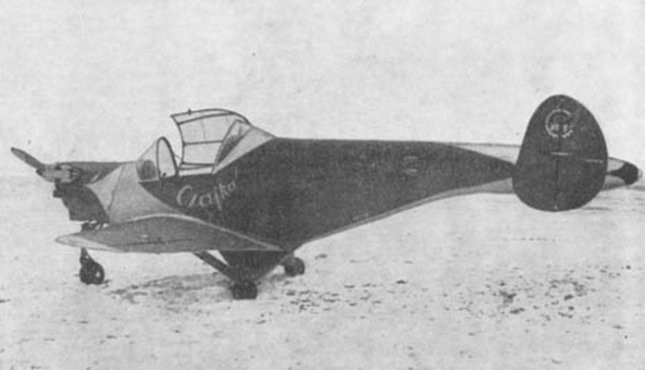
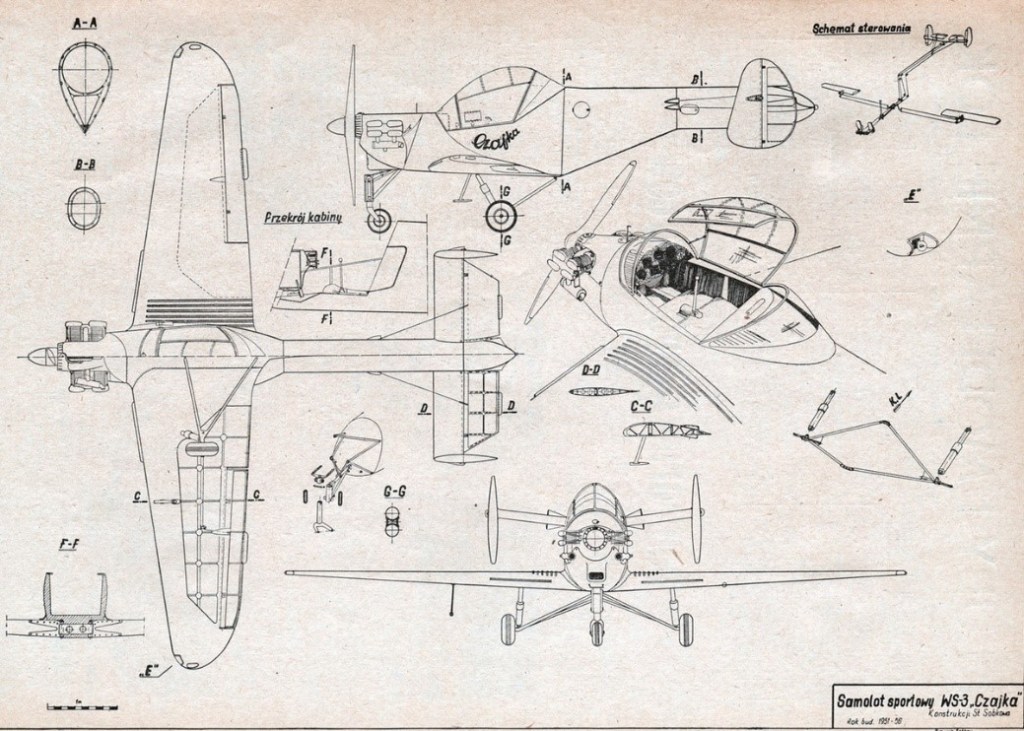
In 1949, Stanisław Sobkow started to construct an amateur plane, which he called WS-3 “Czajka”.
Single-seat, self-supporting low-wing wooden structure. The wing is divided, with a trapezoidal contour, with rounded ends and with a slant backwards, the end of the wings is elliptical. The wing had a working caisson and two girders. The rear part of the wing is covered with canvas, at the fuselage and at the ends of the wings with plywood. Slotted ailerons, covered with linen. The wooden fuselage had a rectangular cross-section in the front part, passing into a rounded tail part. Half-shell frame and longitudinal structure covered with plywood. Covered cabin. Horizontal control with a rectangular contour with a rise. Covering the fins with plywood, the rudders with cloth. The spreading of the rudders made them act as aerodynamic brakes. Three-wheeled chassis with a front wheel, fixed.
The construction was started in 1951. The woodwork was made in the carpentry workshop of Spółdzielnia Rzemieślnicza in Kielce, Poland, and metal details were made by the workshops of the Kielce Aeroclub, at the airport in Masłów, where the construction of the airframe was completed in mid-April 1956. The engine received from the Board of the League of Friends of the Soldier. Although “Czajka” was an amateur construction, only aviation materials were used for its construction. During the assembly of the plane of his idea, S. Sobkow used many ready-made structural elements from the glider and the factory plane. The works were completed on April 15, 1956.
After the taxiing tests carried out in the spring of 1956, on August 26, 1956, WS-3 “Czajka” made its first flight. The plane was also demonstrated at air shows, once at the Aeroclub in Kielce, once at the Workers’ Aeroclub in Mielec, arousing the understandable interest of the public, and above all, aviation hobbyists. This amateur, light and small plane was the first, thoroughly successful structure of this type, built in Poland after World War II. It was proved easy to fly, and of simple construction.
Up to 1959, “Czajka” spent about 20 hours in the air in about 70 flights. The constructor tried to legalize his activity, but the Institute of Aviation he did not respond to applications and letters for approval. The documentation sent there has not been checked. As a result, the designer was forced to stop using his plane, which was pushed behind the hangar.
In 1960 “Czajka” was completely destroyed. At that time, the construction and piloting of own aircraft were strictly forbidden in Poland. That is why a commission burned down the structure, which – apart from arsonists – was convinced by all to be successful. The structure that Stanisław Sobkow had been building for 6 years, putting 15,000 man-hours into it, was thoughtlessly destroyed.
Engine: Praga D, 55 kW (75 HP) max, 44 kW (60 HP) nominal Span: 8.2 m Wing area: 10.0 m2 Length: 6.4 m Height: 2.2 m Empty weight: 320 kg MAUW: 470 kg Useful load: 150 kg Max speed: 195 km / h Cruising speed: 150 km / h Stall speed: 80 km / h ROC: 3.3 m / s Ceiling: 3300 m Range: 450 km Endurance: 3 hr