In a chiropodist’s surgery in the town of South Bend, Indiana, on a spring day in 1926, Doctor Cloyd Snyder casually flipped a felt heel support across his office and marvelled at the way in which it skimmed through the air. Inspired by that most mundane of objects, he began to experiment with heel¬shaped model aircraft wings and, like Lee and Richards before him, discovered that circular and semicircular wing sections possessed interesting properties. Not only did his models remain stable at extreme angles of attack, but they could even be made to pitch end over end and recover in level flight.
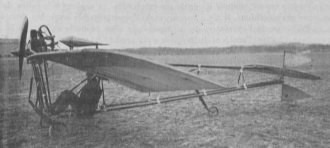
Snyder soon had visions of a huge 30.5 m (100 ft) span ‘heel’ plane, with a wing 4.57 m (15 ft) thick in which passengers would sit viewing the world through a clear plastic leading edge. He joined forces with woodwork students at a local high school to build a full size glider prototype which one observer described as ‘a mussel with a man in it’. The heel shaped glider made its first flight in 1932 with a South Bend policeman at the controls and Snyder’s family automobile towing it on the end of a 61 m (200 ft) rope. The local officer’s role as test pilot lasted for just one flight, whereupon Glen Doolittle, cousin of Jimmy Doolittle, took over and flew the weird craft regularly throughout that summer.
Snyder needed two things to proceed with further development of his idea: an engine and money. A Henderson Heath aero engine solved the first problem, though its meagre 26 hp was barely adequate. To help with finance Snyder set up a stock company, the Monowing Corporation, and immediately laid plans for a second aircraft, which he called Arup a phonetic combination of ‘air’ and ‘up’ which he hoped would convey the machine’s potential.
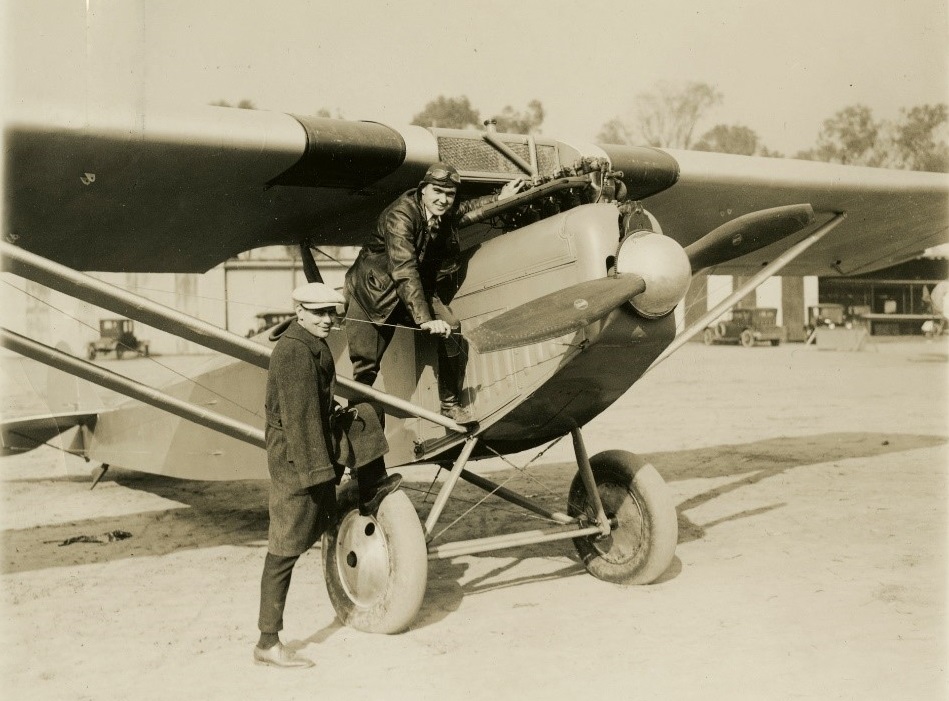
The second Arup was powered by a 36 hp Continental A 40 engine and had a 4.88 m (16 ft) span wing. To get aboard the aircraft its pilot had to clamber through a trap door let into the underside and crawl up into his seat, from where in flight he could look into the interior of the wing. This Arup flew very well, and its appearance coincided with a search by the US aviation authorities for a cheap ‘flying flivver’ to do for aviation what Henry Ford ‘ s Model T had done for automobiles. Snyder and Doolittle went off to Washington with the Arup and demonstrated it to the CAA, the National Advisory Committee for Aeronautics, the Army Air Force, the Navy Air Arm, even over the Washington Monument for the benefit of newsreel cameras.
A two seater followed, with an 80 hp engine and a tricycle undercarriage. Doolittle flew it just once before a series of sabotage attempts cut short the test programme, culminating in a deliberately started fire at the company’s new Indianapolis hangar which destroyed the aircraft and most of the corporation’s assets.
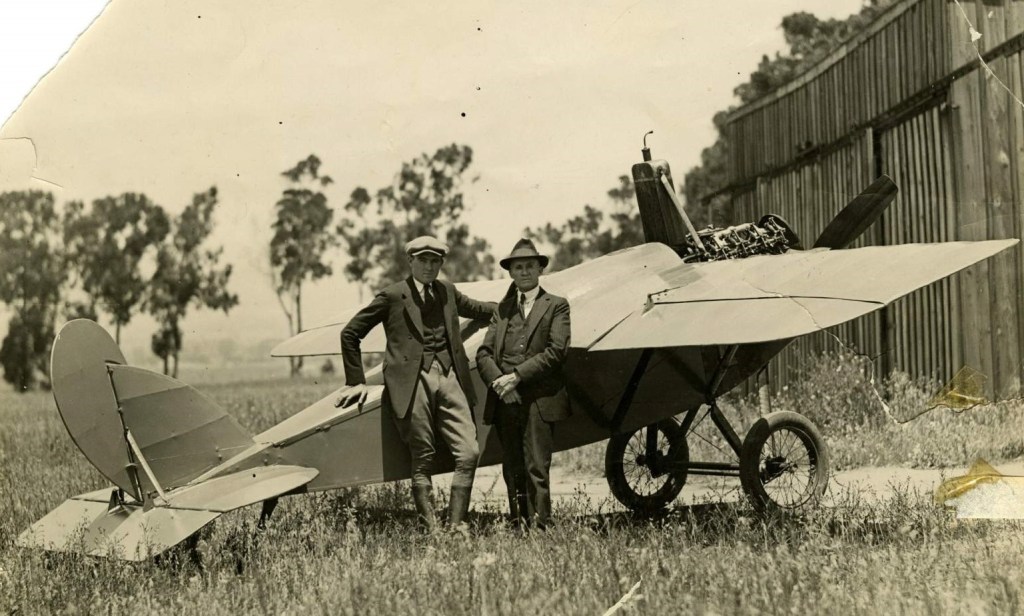
It looked like the end for Snyder’s dream until a young flier from Detroit ordered an Arup and placed a substantial cash deposit. Though the money ran out when the aircraft was half completed, the corporation persuaded suppliers to donate parts and materials. Number four was finished just in time to see its new owner go bankrupt, but its performance was impressive and on 25 May 1935 Doctor Snyder finally got to fly in one of his creations. As he and his new test pilot, Wilfred Brown, flew back towards the field the inexperienced doctor handed control over to Brown. At least, he thought he did, but when each man congratulated the other on his landing it transpired that the Arup had greased itself on to the runway. The big heel shaped wing trapped air beneath it, enabling the aircraft to float along in ground effect, even at steep pitch angles, and then land itself.. The fourth Arup served its days as a flying billboard for the Sears Roebuck company, for which purpose the Arup’s generous wing area provided plenty of advertising space, and was used to carry publicity conscious politicians during the 1935 Presidential campaign. Snyder’s corporation collapsed during the Great Depression, and the two surviving flying saucers went for scrap during World War II.