Brochet MB-20 / Avia 50 MP

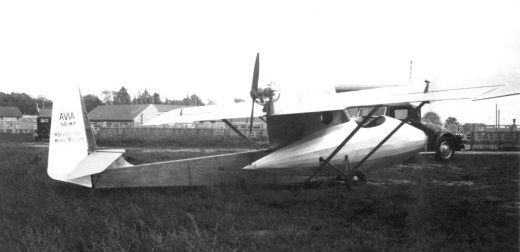
The Avia 50 MP (ex MB-20), built by Maurice Brochet in Neauphle-le-Château

Maurice Brochet, former coachbuilder, recovered in 1931 a wreck of an Avia XVa. In his workshop at Neauphle-le-Château, he built a new fuselage with a central pylon on which he fixed a 25 horsepower Poinsard engine. The engine weighs only 35 kg. A single seater, the wing is high and guyed by two masts on each side.
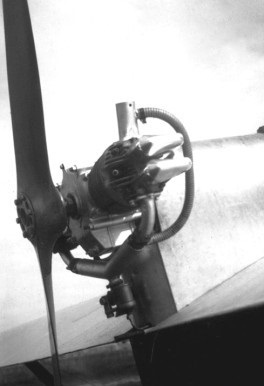
Poinsot 25 CV

Even before the end of the construction, Brochet had designated his future motorglider MB-20. The aircraft was announced by Les Ailes in May 1933.
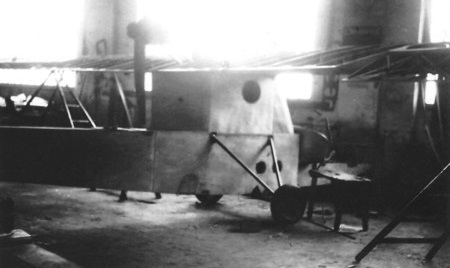
MB-20 under construction

A Jarlaud and Massenet visited Maurice Brochet, while the aircraft was still under construction. Attracted by the
project, they bought the machine for 15,000 francs on behalf of the Aero-Club of Paris, and sign with Brochet a serial construction protocol. An engineer, Jarlaud modifies it to use the maximum of Avia parts.

After discussion, it was agreed that the device will be called “Avia-50”, however, this organization, represented by both visitors, were to bear the cost of testing the machine.

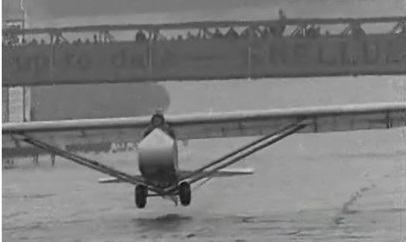
The first flight was on the morning of May 17, 1934, at Toussus-Paris, piloted by Eric Nessler. It started with three small hops at 7 or 8 meters high, soon followed by a real flight at 150 meters for ten minutes.
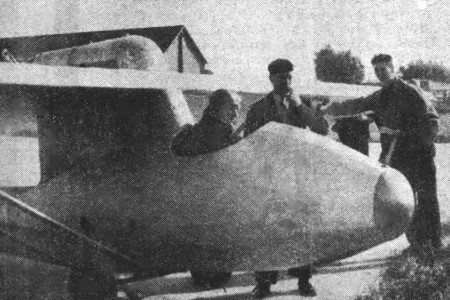
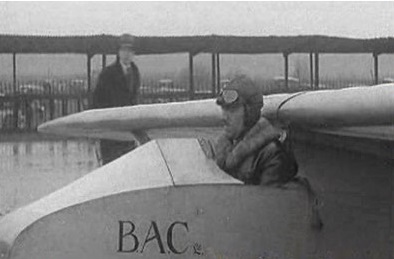
Eric Nessler at the helm of Avia 50 # 1 (ex MB-20,). At his side (with the beret) Maurice Brochet

After the flights of Eric Nessler, Albert Monville flew the motor-glider. After his flight, his impressions were as follows:
“It’s really a glider, which is flying as such, and not an airplane. Glider pilots will be comfortable aboard this aircraft; they will soon be familiar with them. “

Georges Abrial then tested the machine after Albert Monville.

The propeller, poorly adapted, rotated too fast and a new propeller was prepared.

The aircraft was tested in the wind tunnel at Lille, January 5, 9 and 11, 1935, completed by a test of June 25 of the same year, without the wheels, totaling 3:30 hours of tesing.

An Avia 50 is built in 1934 by the “Aeronautical Constructions Letord et Cie” in Meudon. It has a fuselage redesigned. This motorglider was exhibited at the AéCDS show at the 1934 fair.
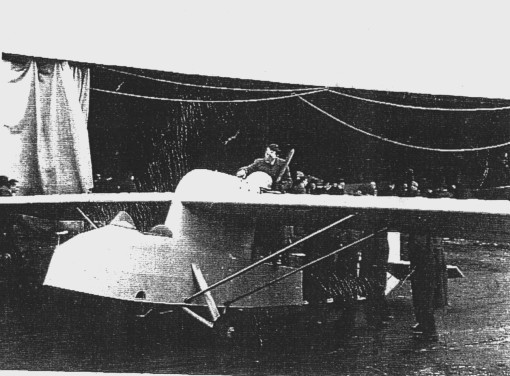
Avia 50 n ° 2. This copy was not built by Brochet

Les Ets Louis, in Pantin, built at least one Avia 50.

At the beginning of 1936, the AVIA lent its Avia 40 MP to the C.A.U. (Club Aéronautique Universitaire) for the training of its trainees B or C. It was present at the Vincennes meeting on May 23, 1937, piloted by Clamamus.
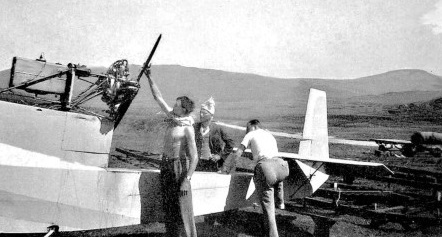
Avia 50 MP

The AVIA 50 MP was flown to Banne d’Ordanche and used for training. It was crashed by Emile Manduech during one of these courses. During late 1936 at Banne Ordanche, this aircraft was crashed by André Costa, following a loss of speed. The fuselage was broken, but the driver unscathed.
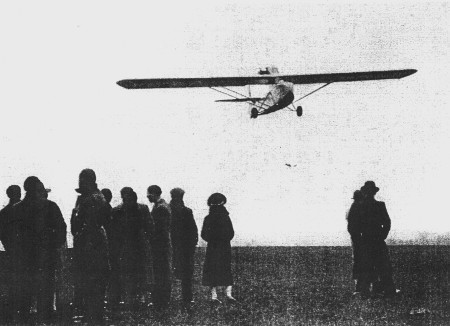
Bonnet in Bordeaux, Joly in Beaune, Leroy in Evreux, Botali in Paris and Brochet de Neauphle le Château, built the first motor-glider “Avia 50”.

Engine: 25 hp Poinsard
Wingspan: 11,90 m
Length: 6,72 m
Height: 2,10 m
Take off run: 10 sec
Speed: 100 kph
Range: 300 km
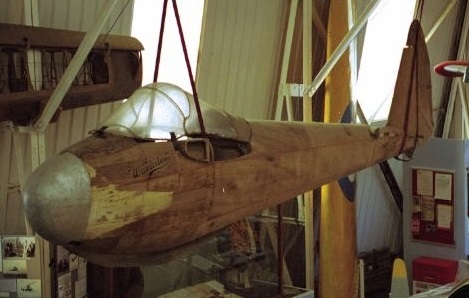
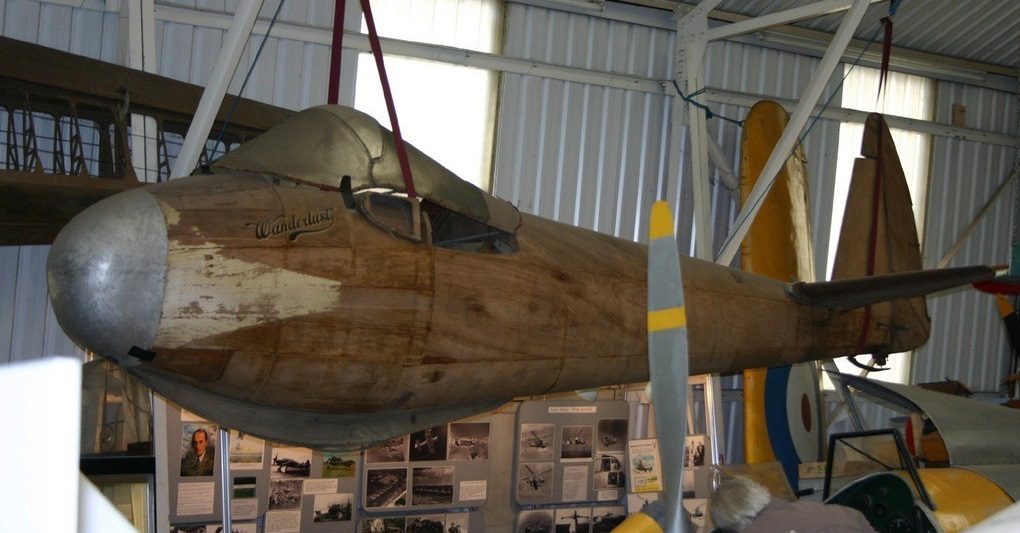
Broburn Sailplanes Wanderlust

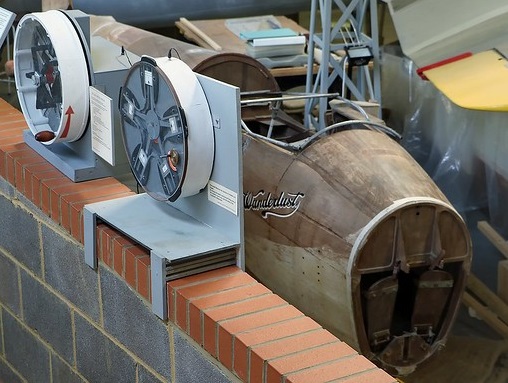
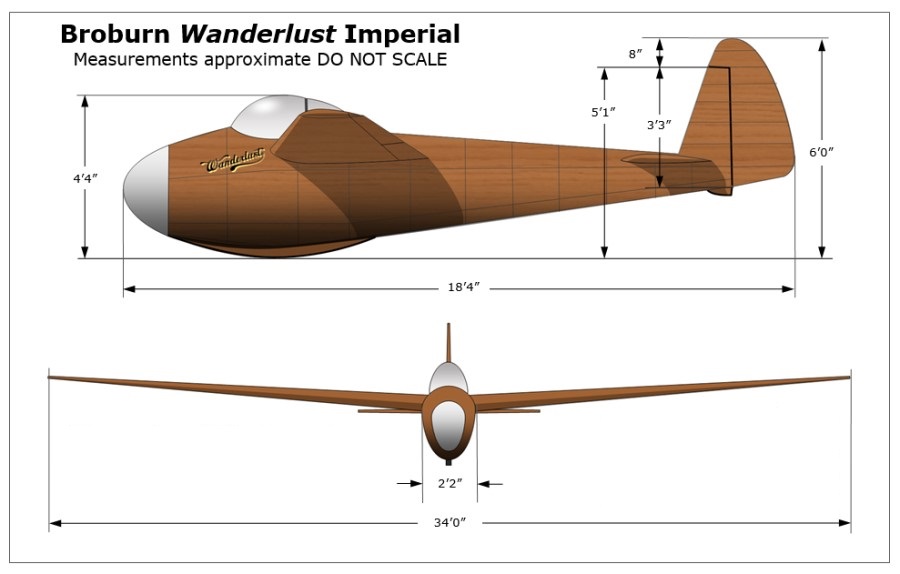
The Broburn Wanderlust was a small, wooden, single-seat glider designed in the United Kingdomand built by T. E. Brown and K. W. Radburn (as Broburn Sailplanes Ltd, Woodley), two employees of Miles Aircraft, immediately after World War II.

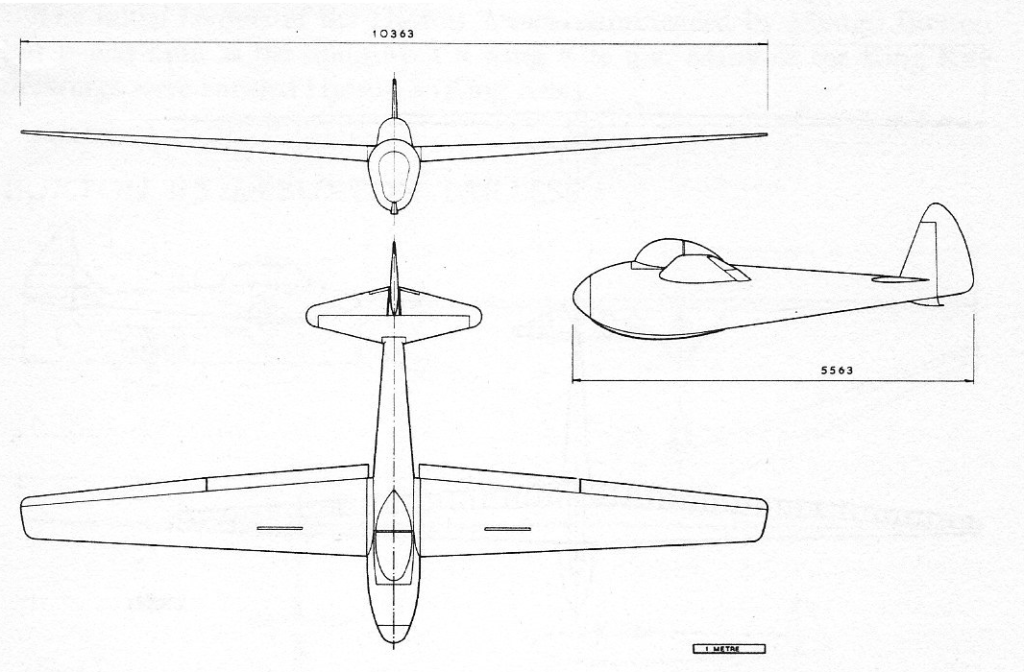
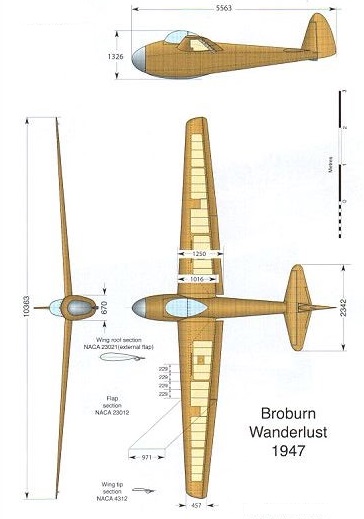
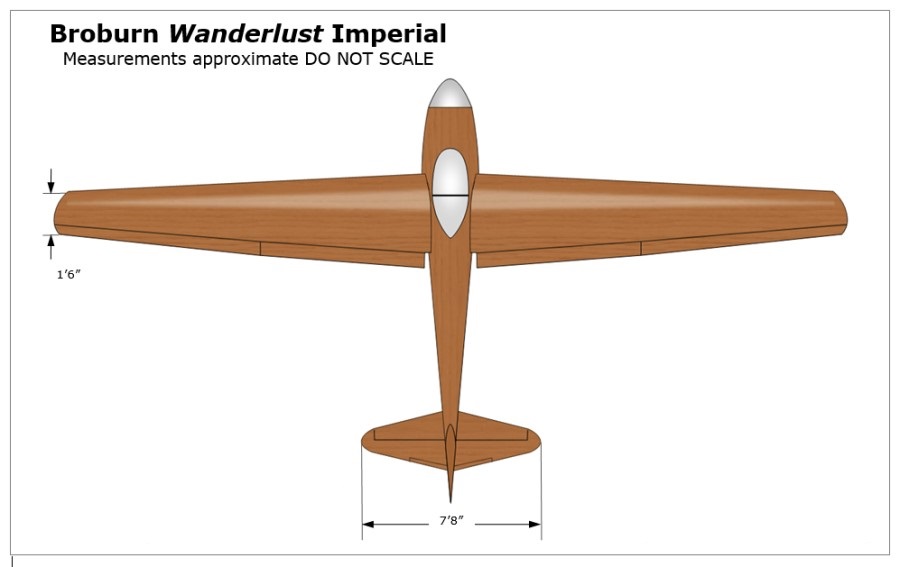
It was a single-seat, all-wood, shoulder-wing aircraft, with a short span for a glider of 34 ft (10 m) though with an aspect ratio of over 15. The wing of the Wanderlust was built around a single spar, which with plywood skin around the leading edge formed a torsion box. Behind the spar the wing was fabric covered. There was 4° of dihedral and 2° of washout. The trailing edge was spanned with aerofoil section flaps, split into two equal sections. Inboard, these acted as simple flaps; outboard, additionally, as drooping ailerons. The two NACA airfoil sections used in the wing were chosen because they have centres of pressure that vary little with the angle of incidence, which increases when the flaps are deployed. The Wanderlust also had upper surface spoilers hinged on the wing spar at about quarter span.

The rest of the Wanderlust was plywood skinned, with a cockpit which could be open or enclosed in a bubble Perspex hood. The pilot’s head is raised well above the wings and fuselage under a hood. A seat type parachute is provided, with a radio as possible additional equipment. The fuselage tapered aft, with the tailplane mounted on top and the small fin behind it. The elevators, with individual trim tabs, moved either side of the fin and the rudder was hinged behind their trailing edges. Both elevators and rudder were horn balanced. The Wanderlust landed on a pneumatically-mounted central skid. A cut motorcycle inner tube encased in canvas provides an inflatable shock absorber.

Despite hopes of marketing the Wanderlust in finished and in kit form, only one was made. This was first flown in 1947, in the hands of Miles Aircraft’s Chief Test Pilot, Hugh Rendall, and flown by many pilots including Lorne Welch. It was in at store at RAE Farnborough about 1970. In 1993, having been in storage at Farnborough for some years, it was bought back to Woodley for restoration in the Museum of Berkshire Aviation by its owner Pat Pottinger and one of its original creators Ken Radburn.

Wingspan: 34 ft 0 in (10.36 m)
Wing area: 75.0 sq ft (6.97 m2)
Length: 18 ft 3 in (5.56 m)
Height: 4 ft 0 in (1.22 m) tail down
Aspect ratio: 15.4
Airfoil: NACA 23021 at root, NACA 4312 at tip
Empty weight: 250 lb (113 kg)
Gross weight: 450 lb (204 kg)
Wing loading: 4.5 lb/sq ft (22 kg/ sq,m)
Cruise speed / optimum glide: 36 mph (58 km/h, 31 kn)
Stall speed: 32 mph (52 km/h, 28 kn)
Maximum glide ratio: 1:25
Rate of sink: 390 ft/min (1.98 m/s) minimum, at 95 mph (153 km/h)
Crew: 1

British Aircraft Co B.A.C. IX

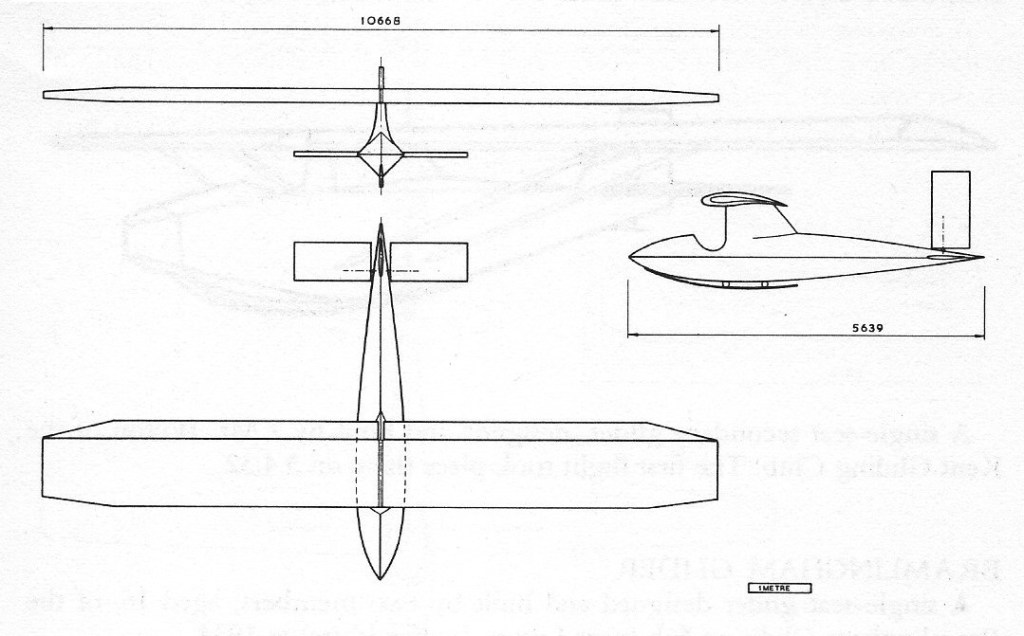
The last of Lowe-Wylde’s glider designs was the 1931 B.A.C. IX, a lightweight sailplane designed for possible home building. One only was built, first flown at Balsdean on 4 Oct 1931. The Kent Gliding Club were hoping to acquire it in 1933, but nothing more is known.

Of conventional wooden construction, the tailplanes and rudders were interchangeable and the cantilever wings had full-span ailerons. No airbrakes or flaps were fitted.

The undercarriage was a main skid and tail skids.

Wingspan: 10.69 m / 35 ft 0 in
Length: 5.64 m / 18 ft 6 in
Wing area: 13.94 m / 150 sq.ft
Aspect ratio: 8.1
Empty weight: 95.26 kg / 210 lb
Wing loading: 12.0 kg/sq.m / 2.45 lb/sq.ft

British Aircraft Co BAC VII

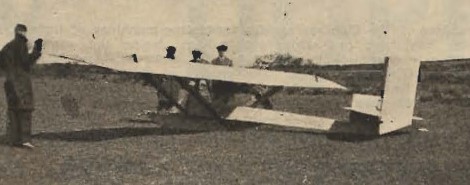
Eric Collins in a BAC 7 in which he flew the first cross counties in Britain in 1933

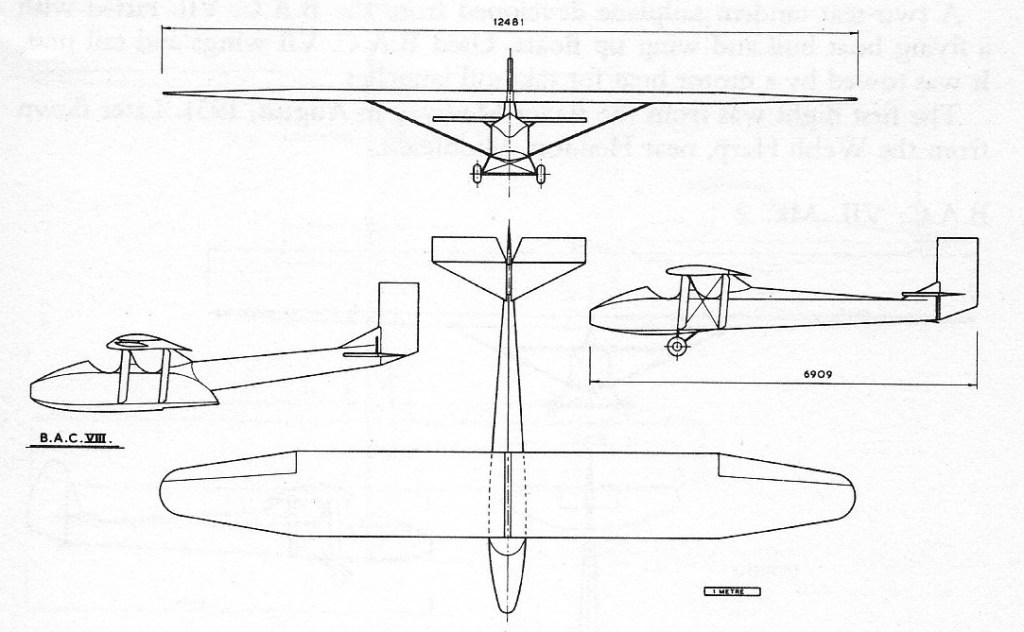
On 12 April 1931 the first two-seat B.A.C. VII flew, still using the 40 ft 10in span wings of the B.A.C. IV and VI, but with a new fuselage and an aircraft-type twin-wheel undercarriage for aero- or auto-towing. No flaps or air brakes were fitted.

A B.A.C. VII glider was modified by C.H. Lowe-Wylde to a single seater with an engine fitted on top of the wing in 1932.

Ten B.A.C.VII were built, in 1931, followed by one B.A.C.VII Mk.2 prototype in 1932.

A B.A.C. VII sponsored by novelist Barbara Cartland was intended to compete for the Daily Mail cross-channel competition prize, but in trials, flown by Edward Mole and towed by DH.60 Moth G-AAPA of National Flying Services, the combination was unable to get above 6,000 ft, insufficient height for a crossing, so instead a towed flight was made from Maidstone to Reading on 20 June 1931.

The RAF Pageant held at Hendon on 25 June 1932 included a display by three B.A.C. VII gliders. At the British Gliding Association meeting at Huish/Pewsey Hill, G E Collins – the BGA instructor, made the first thermal-soaring flights in the UK, with a cross-country flight of 6 miles in a B.A.C. VII on 3 July 1933. Some B.A.C. VIIs were sold as kits, including one built in Palestine, and a replica was built by Michael Maufe in the 1980s, using the wings from a Drone.

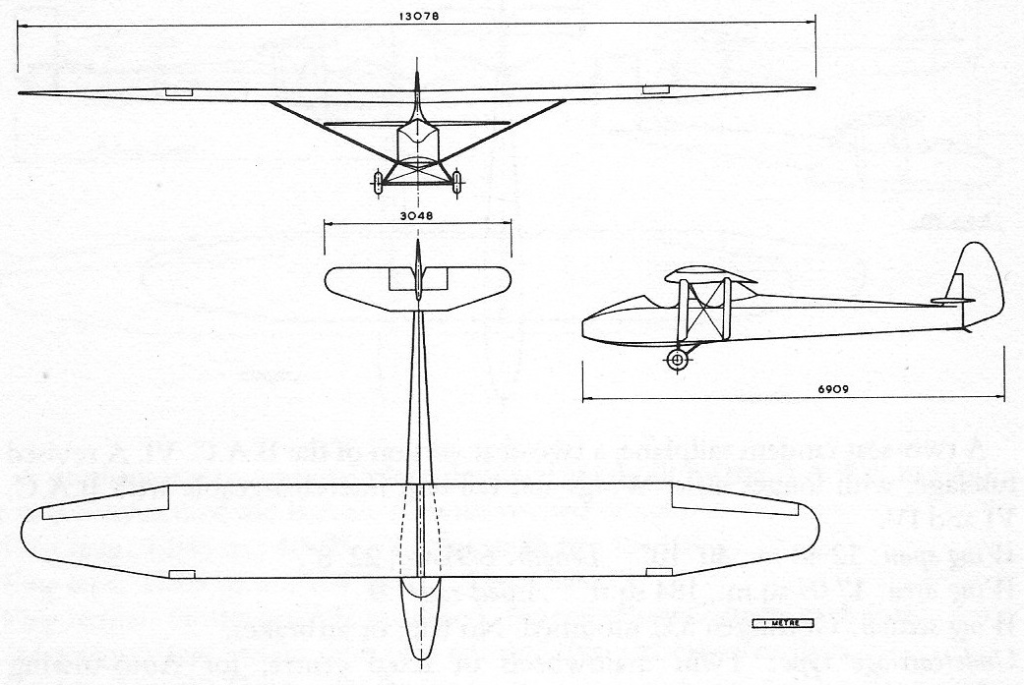
Photographs of the prototype B.A.C. VII Mk.2 appeared in “Sailplane and Glider” in 1932 showing parts under construction. A two-seater it featured longer span wings, with slight dihedral, revised cantilever all-moving tailplane, and wheel brakes were fitted, No flaps but small spoilers were fitted to the leading edges of the wings.

It is not known if the B.A.C. VII Mk.2 was completed and flown.

The B.A.C.VII were developed into the Planette, Drone, Super Drone, and Drone de Luxe.

Variation: B.A.C. Planette

B.A.C. VII
Wingspan: 12.48 m / 40 ft 10 in
Length: 6.91 m / 22 ft 8 in
Wing area: 17.09 sq.m / 184 sq.ft
Aspect ratio: 9
Wing section: Gottengen 532 modified
Seats: 2
Price 1932: £150

B.A.C. VII Mk.2
Wingspan: 13.08 m / 42 ft 11 in
Length: 6.91 m / 22 ft 8 in
Wing area: 19.02 sq.m / 194 sq.ft
Aspect ratio: 9.5
Empty weight: 136.08 lb / 300 lb
Seats: 2

B.A.C. VII
B.A.C. VII Mk.2

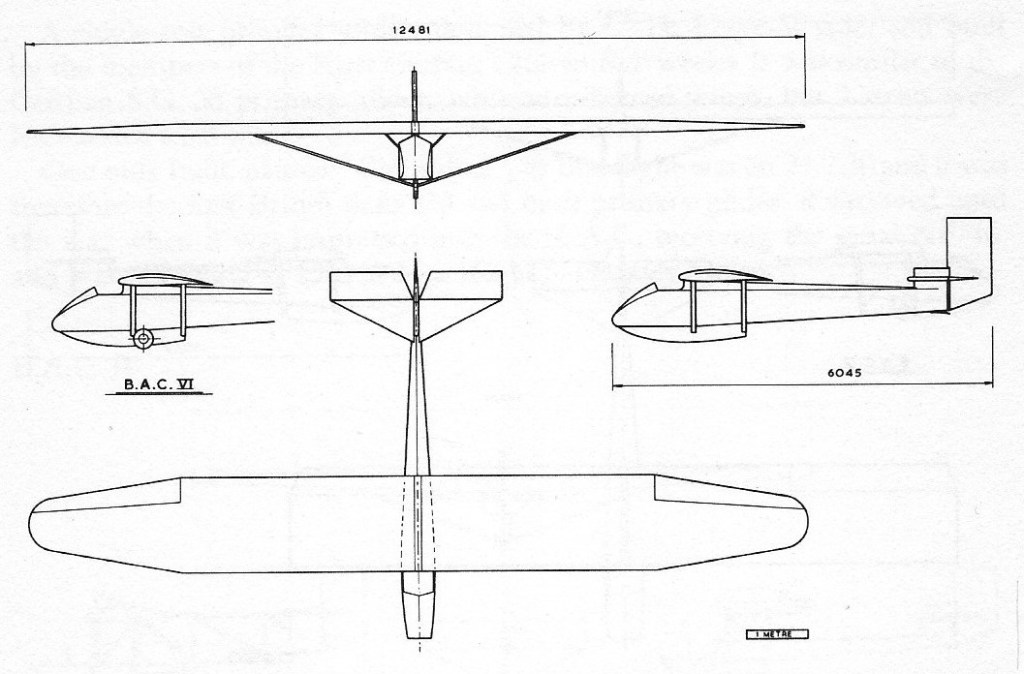
British Aircraft Co BAC 6

When the B.A.C. IV was fitted with wheels, it was known as the 1930 B.A.C. VI. One was built, and soared by Wolf Hirth at Balsdean on 1 April 1931 for 2hrs 13min. The Taunton & West Somerset Gliding Club was presented with a B.A.C. VI by their president, Lt. Col. Hamilton Gault, M.P., which was first demonstrated for the club by Mr Lowe-Wylde on 9 July 1931.

The 1931 BAC 6 single-seat glider was developed into the BAC 7 two-seater.

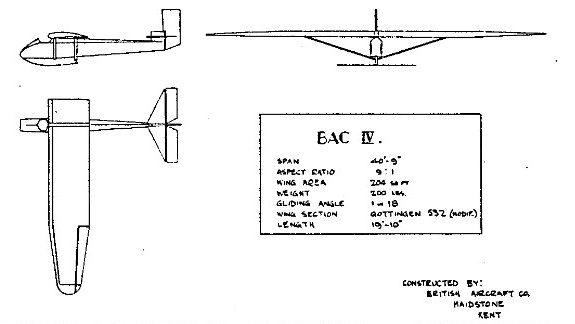
British Aircraft Co B.A.C. IV

An improved version of the B.A.C. III appearing in April 1931 was the B.A.C. IV with longer, tapered wings. Only one being built.

One was sold to Mr C M C Turner of the Channel Gliding Club. For an intended channel crossing. it was towed to 10,000 ft by Sqn Ldr Probyn in his Westland Widgeon G-EBRQ on 18 June 1931, but this was not high enough for the planned flight.

When fitted with wheels the B.A.C. IV was re-designated B.A.C. VI.

Wing span: 12.48 m / 40 ft 9 in
Length: 6.05 m / 19 ft 10 in
Wing area: 17.09 sq.m / 184 sq.ft
Aspect ratio: 9
Wing section: Gottingen 532 modified
Empty weight: 90.72 kg / 200 lb
Max L/D: 18

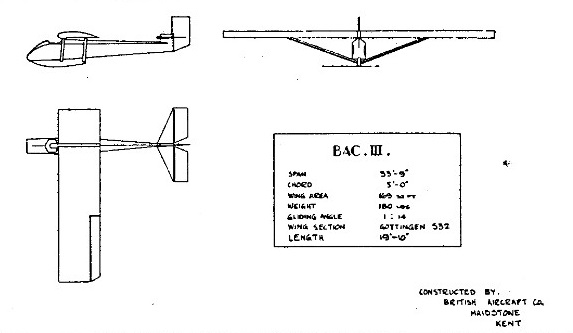
British Aircraft Co B.A.C. III / B.A.C. V

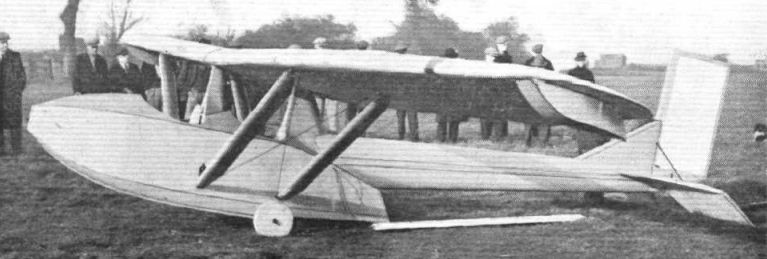
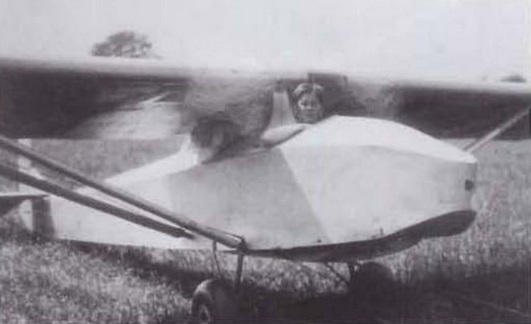
The single-seat B.A.C. III consisted of the wings and tail from the B.A.C. II combined with a fuselage enclosing the pilot. The undercarriage was a main skid. No flaps or air brakes were fitted.

The wings were strut braced with two on each side.

First flying at Lenham on 12 October 1930, two went to the Glasgow and Accrington gliding clubs, while three further clubs had their B.A.C. II primaries delivered along with alternative B.A.C. III fuselages, so they could be flown in either configuration.

The 1930 B.A.C. V was simply a B.A.C. III equipped with a pair of wheels for auto-towing. One was built for the Border Gliding Club, while the Preston & District club converted their B.A.C. III for towing off the beach at Middleton Sands, Heysham. This aircraft crashed there fatally on 15 May 1932.

Wingspan: 10.28 m / 33 ft 9 in
Length: 6.05 m / 19 ft 10 in
Wing area: 15.7 sq.m / 169 sq.ft
Aspect ratio: 6.75
Wing section: Gottingen 532
Empty weight: 81.65 kg / 180 lb
Max L/D: 14

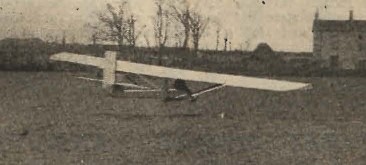
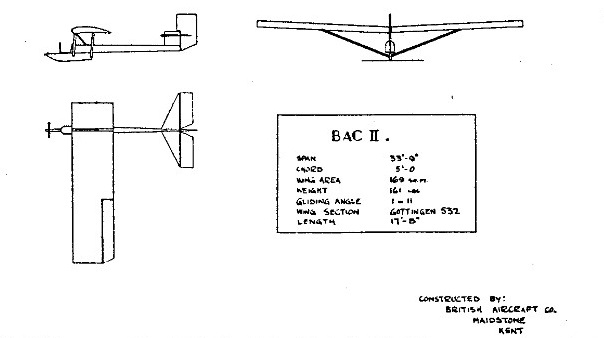
British Aircraft Co B.A.C. II

The 1930 B.A.C. II was also a primary, but instead of an open girder-type frame, it had a box spar fuselage, with a strut braced wing.

The undercarriage was a main skid only, and no air brakes or flaps were fitted.

This first flew at Lenham, Kent, on 21 September 1930 and about fifteen were sold, including one in Jamaica. Lowe-Wylde would deliver the gliders personally and demonstrate them at the club’s site (and if necessary. take the pieces home for repair the same day).

Wingspan: 10.28 m / 33 ft 9 in
Length: 5.64 m / 18 ft 6 in
Wing area: 15.7 sq.m / 169 sq.ft
Aspect ratio: 6.75
Wing section: Gottingen 532
Tare weight: 73.03 kg / 161 lb
Max L/D: 11