
A 1982 hang glider for advanced pilots.
Wing area: 15 m²
Wing span: 10.10 m
Aspect ratio: 6.6
Hang glider weight: 34 kg
Nose angle: 129°
A 1982 hang glider for advanced pilots.
Wing area: 15 m²
Wing span: 10.10 m
Aspect ratio: 6.6
Hang glider weight: 34 kg
Nose angle: 129°
A 1977 hang glider.
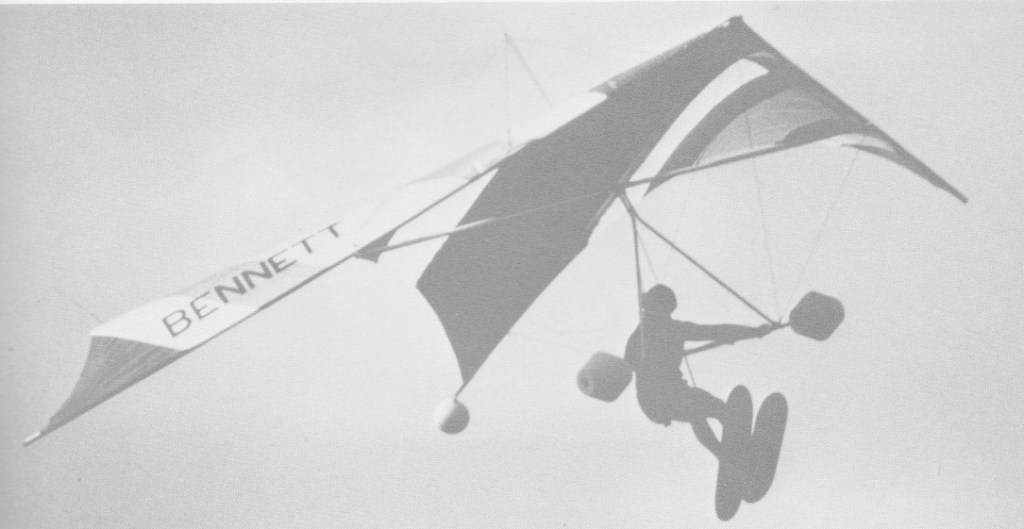
The Phoenix TX is designed for lighter weight intermediate to advanced pilots for either soaring or towing. It has fast control response and features an adjustable cambered keel, afjustable camberes leading edges, and inflatable leading edge pockets. It adjusts quickly from seated to prone positions.
The cross bar has a special breakdown feature and the control bars are knurled for sure grip. It may be setup for towing with an optional stainless steel bolts and nuts, 4030 chrome molley steel with precision release and floats.
Airframe spars are made from 6063-T832 clear anodised aluminium tubing. 1.5in x .049 and 1 5/5in x .058 for the leading egdes and keel and 1 5/8in x .058 for the crossbar.
The rigging cable is 3/32in 7×7 stainless steel and cable ends are nico swedged and have protective coatings. No turnbuckles are used. Upper rigging uses cable tensioners.
Nuts and bolts are aircraft quality, and there are specially designed cable tensioners, saddles, bushings, wingposts, noseplate, brackets, tangs, and nut covers. Eye bolts are used to eliminate shackles.
The sail is custom sewn from 3.8oz Howe & Bainbridge stabilised dacon n a choice of 11 colours. All seams double zig-zag stitched.
Seat, supine harnss, or prone harness were options.
Leading edge: 18 ft
Keel length: 14.5 ft
Wing span: 27.6 ft
Wing area: 150 sq,ft
Aspect ratio: 5.07
Nose angle: 100˚
Sail billow: 40˚
Weight: 42 lb
Pilot weight: 100-160 lb
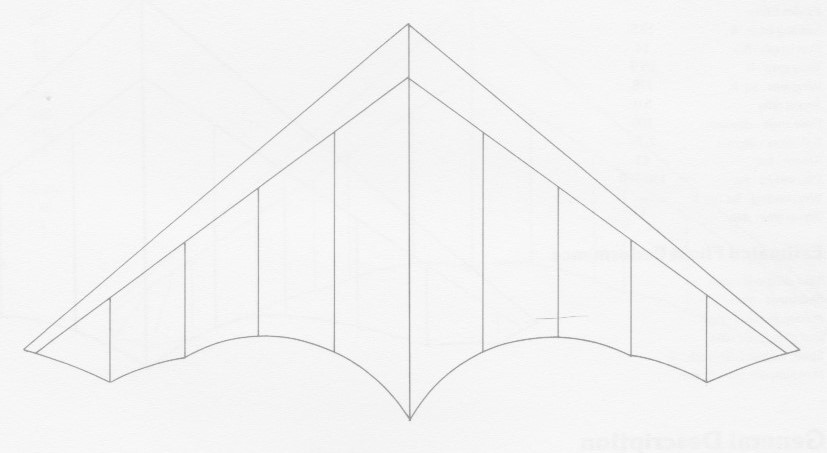
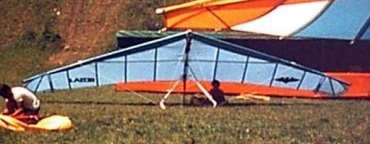
The Delta Wing Kites and Gliders Phoenix Lazor appeared in 1979.
Although little sold in France, LAZOR 1 had a great success in the United States.
The Lazor II is characterized by an opening angle of 130 °, elliptical wing tips, floating “à menbrane” floating and a floating transverse. It had a very good maneuverability, a good drop rate and a very wide speed range.
The LAZOR II does not differ greatly from LAZOR 1, but a certain number of points have still been modified: the structure is lighter and the assembly is improved. One can still say that this assembly remains impractical because of the system used to fix the transverse and floating, especially because of the lack of push- pine. Slats are now scalable in fiberglass. The two central slats are metallic shaped and then the two slats at the end of the wing at the floating level.
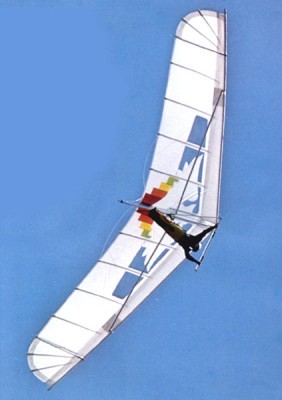
Phoenix Lazor 2 155
Wing area: 14.4 m²
Wing span: 9.15 m
Aspect ratio: 6
Hang glider weight: 25 kg
Minimum pilot weight: 50 kg
Maximum pilot weight: 70 kg
Packed length short: 3.6 m
Nose angle: 127°
Phoenix Lazor 2 175
Wing area: 16.2 m²
Wing span: 9.75 m
Aspect ratio: 6
Hang glider weight: 27 kg
Minimum pilot weight: 70 kg
Maximum pilot weight: 90 kg
Packed length short: 3.6 m
Nose angle: 127°
Phoenix Lazor 2 195
Wing area: 18.1 m²
Wing span: 10.2 m
Aspect ratio: 6
Hang glider weight: 29 kg
Minimum pilot weight: 90 kg
Maximum pilot weight: 110 kg
Packed length short: 3.6 m
Nose angle: 127°
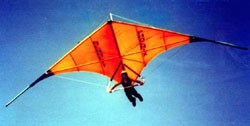
The Delta Wing Kites and Gliders Phoenix first came out in 1975 or 76. It was a new swallow-tail design and was so much quieter and smoother than the old 87 degree nose angle Bennett Rogallos the we had been flying up until that time.
When pulling it out of the water, it could easily get banked off to one side, and you could not recover and just had to release the tow line and start over.
The Phoenix SX featured great stability for those learning to fly hang glider, yet had the performance for advanced pilots. It was designed for the heavier pilot and was also good for tandem. It has a double batten roach sail, single wing deflector wires, adjustable cambered keel, adjustable cambered leading edges and inflatable leading edge pockets. It adjusts quickly from seated to prone position.

The cross bar has special breakdown feature, and the control bars are knurled for sure grip.
The airframe spars are 6063-T832 clear anodised aluminium tubing, 1.5in x .049 and 1 5/8in x .058 for the leading edges and keel, and 1 5/8in x .058 for the crossbar.
Rigging cable is 3/32in 7×7 stainless steel, cable ends are nico swedged and have clear protective coverings. No turnbuckles are used. Upper rigging uses cable tensioners.
All nuts and bolts are aircraft quality. There are specially designed cable tensioners, saddles, bushings, wingposts, noseplate, brackets, tangs, and nut covers. Eye bolts are used to eliminate shackles.
The sail is custom sewn 3.8oz Howe & Bainbridge stailised dacron, with all seams double zig-zag stitched, and was available in 11 colours.
A seat, supine harness or prone harness were optional.
When pulling it out of the water, it could easily get banked off to one side, and you could not recover and just had to release the tow line and start over.
The Delta Wing Kites and Gliders Phoenix 4B first came out in 1976.
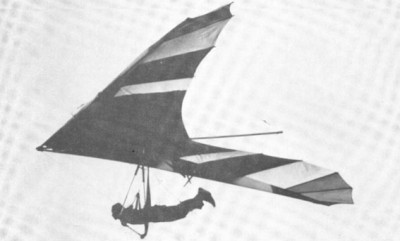
The Phoenix VI is a high performance glider with quick control response and excellent stability. It is a glider lighter pilots can learn on, yet is flown by experts in turbulent mountain soaring conditions. The VI features special batten sail, single wing deflector wires, adjustable cambered keel, adjustable cambered leading edges, and inflatable leading edge pockets. It adjusts quickly from seated to prone flying positions, and may be adapted for towing.
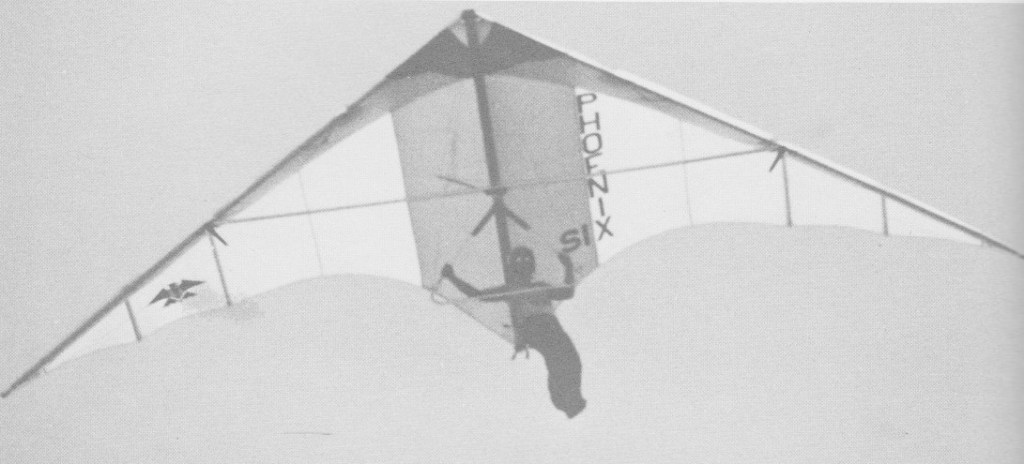
The crossbar has a special breakdown feature. Control bars are knurld for sure grip. It may be set up for towing with optional stainless steel nuts and bolts, special 4030 chrome molley steel with precision release and floats.
The airframe spars are made from 6063-T832 clear anodised aluminium tubing, 1.5in x .049 and 1 5/8in x .058 for the leading edges and keel and 1 5/8in x .058 for the crossbar. Rigging cable is 3/32in 7×7 stainless steel and cable ends are nico swedged and have protective coatings. No turnbuckles are used. Upper rigging used cable tensioners.
All nuts and bolts are aircraft quality. Specially designed cable tensioners, saddles, bushings, wingposts, noseplates, brackets, tangs, and nut covers. Eye bolts are used to eliminate shackles.
The sail is custom sewn from 3.8oz Howe & Bainbridge stabilised dacron in a choice of 11 colours. All seams are double zig-zag stitched.
A seat, supine harness, or prone harness were optional.
The Delta Wing Kites and Gliders Phoenix 6B first came out in 1976.
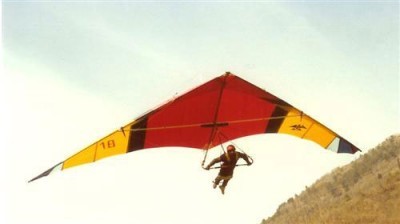
The Phoenix VI-B was the first glider to have Radial tip battens. With performance for competition, the radial tips allow for improved ¼ chord sweep design and less sail billow, permitting higher penetration and preventing tip stalls and flat spins. The VI- features double deflector wires, adjustable cambered keel, adjustable cambered leading edges, and inflatable leading edge pockets.
The airframe, rigging, sail, hardware and pilot support system are the same as the Phoenix VI.
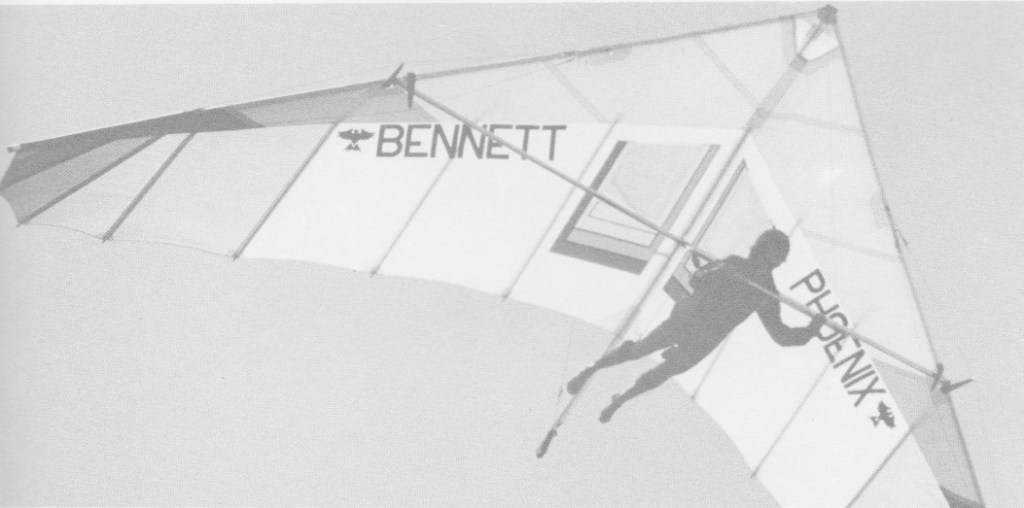
The Phoenix 6C was released by the end of 1977.

The Phoenix 6D was released in 1980.
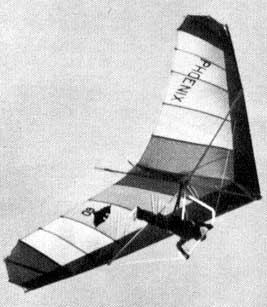
A group of Ecuadorians who used 6D’s from training all the way to national competitions in the 80’s. They were regarded as magnificent, reliable and easy to maneuver, having flown over 12000 feet asl in all kinds of weather, and the gliders were so reliable. Some hold some of the national records and won the 1st place and 2nd place in one of the national competitions in Quito. Part of the success was that they performed as expected.
The Phoenix 8 was a 1976 version.
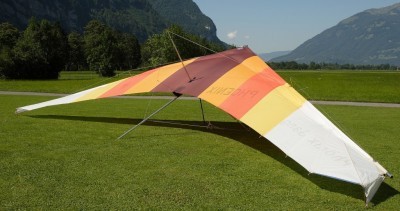
The Phoenix 8 gave approximately 8:1 glide ratio. Turns started slow and then would whip around. A little squirrelly to handle on the ground and in the air. It had great wind penetration and was able to fly in higher winds then most kites of the time.

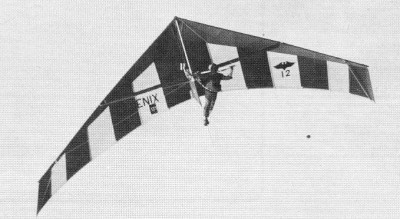
Phoenix SX
Leading edge: 19.5 ft
Keel length: 16 ft
Wing span: 28.9 ft
Wing area: 205 sq,ft
Aspect ratio: 4.06
Nose angle: 95,5˚
Sail billow: 3.25˚
Weight: 45 lb
Pilot weight: 160-230 lb
Phoenix VI
Leading edge: 19.5 ft
Keel length: 14 ft
Wing span: 29.9 ft
Wing area: 178 sq,ft
Aspect ratio: 5.0
Nose angle: 100˚
Sail billow: 2.75˚
Weight: 43 lb
Pilot weight: 130-180 lb
Phoenix 6B
Wing area: 17.9 m²
Wing span: 9.4 m
Aspect ratio: 5.25
Hang glider weight: 20 kg
Packed length: 6.25 m
Nose angle: 100°
VI-B Junior
Leading edge: 18.5 ft
Keel length: 9 ft
Wing span: 29.4 ft
Wing area: 165 sq,ft
Aspect ratio: 5.22
Nose angle: 105˚
Sail billow: 0.5˚
Weight: 41 lb
Pilot weight: 140-200 lb
VI-B Standard
Leading edge: 20.5 ft
Keel length: 11.5 ft
Wing span: 31.4 ft
Wing area: 185 sq,ft
Aspect ratio: 5.33
Nose angle: 100˚
Sail billow: 0.25˚
Weight: 44 lb
Pilot weight: 150-210 lb
VI-B Senior
Leading edge: 21 ft
Keel length: 12 ft
Wing area: 210 sq,ft
Aspect ratio: 5.25
Nose angle: 105˚
Sail billow: 0.5˚
Pilot weight: 160-240 lb
Phoenix 6C Junior
Wing area: 15 m²
Wing span: 9 m
Aspect ratio: 5.4
Hang glider weight: 23 kg
Minimum pilot weight: 50 kg
Maximum pilot weight: 70 kg
Packed length: 5.65 m
Packed length short: 3.5 m
Number of battens: 10
Nose angle: 104°
Phoenix 6C Médium
Wing area: 16.7 m²
Wing span: 9.6 m
Aspect ratio: 5.52
Hang glider weight: 25 kg
Minimum pilot weight: 70 kg
Maximum pilot weight: 90 kg
Packed length: 6.28 m
Packed length short: 4.3 m
Number of battens: 10
Nose angle: 100°
Phoenix 8 Junior
Wing area: 15.8 m²
Wing span: 9.98 m
Aspect ratio: 6.3
Hang glider weight: 25 kg
Minimum pilot weight: 56 kg
Maximum pilot weight: 80 kg
Packed length: 6.1 m
Packed length short: 3.5 m
Number of battens: 10
Nose angle: 110°
Phoenix 8 Médium
Wing area: 17.18 m²
Wing span: 10.98 m
Aspect ratio: 7
Hang glider weight: 26 kg
Minimum pilot weight: 70 kg
Maximum pilot weight: 95 kg
Packed length: 6.7 m
Packed length short: 3.5 m
Number of battens: 10
Nose angle: 110°
Phoenix 8 Senior
Wing area: 20.9 m²
Wing span: 10.98 m
Aspect ratio: 5.7
Hang glider weight: 28 kg
Minimum pilot weight: 85 kg
Packed length: 6.7 m
Packed length short: 4.3 m
Number of battens: 12
Nose angle: 110°


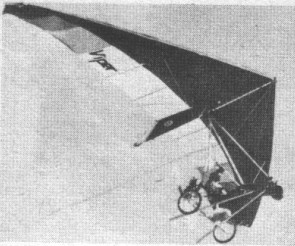
Delta Wing Kites turned to the produc¬tion of trikes intended for mounting under a standard hang glider wing without any mod¬ification to the latter in 1979. The first trikes sold by DWK were similar in every way to European models, using at first the Soarmaster trike unit with the single Chrysler 820 engine developing 10hp at 8000 rpm. In 1980 they offered an option of twin Chryslers or the German Solo 335 engine of 210 cc, which develops 20 hp at 7000 rpm. To accompany the trike unit, DWK offered initially its Phoenix D wing in various sizes, but this was replaced by the Phoenix X series; the trike unit can be used equally well under any other manufacturer’s Rogallo.
Because of the American legislation, the company only builds single seaters.
The company has also built trikes with Yahama KT 100S and Lloyd engines, but standardised on Robin power. Principal trike units offered in 1982 were with Robin EC25PS (22 hp, recoil start, $2250), EC34PM (32 hp, recoil start for $2395 or electric start for $2570), EC34PL (55.5 hp, recoil start $2795), and EC44PM (50hp, electric start, $2670).
Single seat single engined flex wing aircraft with weight shift control. Cage containing landing gear/engine unit is suspended from CG position by strong universal-type joint for easy conversion from hang glider to powered glider. Rogallo wing with keel pocket. Pilot suspended below wing in trike unit, using bar to control pitch and yaw/roll by altering relative positions of trike unit and wing. Wing braced from above by kingpost and cables, from below by cables; cross tube construction with double ¬surface enclosing cross tube. Undercarriage has three wheels in tricycle formation. Bungee-cord suspension and push right go left nosewheel steering independent from yaw control. Aluminium tube trike unit, without pod. Engine mounted below wing driving pusher propeller. 6061T6 alumi¬nium tubing, anodized. Stainless steel vinyl¬-coated rigging.
Trike / Phoenix X
Engine: Robin EC25PS, 22 hp.
Reduc¬tion ratio 2.5/1.
Power per unit area 0.13hp/sq.ft, 1.4hp/sq.m.
Fuel capacity 1.2 US gal, 1.0 Imp gal, 4.5 litre.
Wing span 32.5 ft, 9.91 m.
Total wing area 173 sq.ft,16.1sq.m.
Wing aspect ratio 6.0/1.
Main wheels diameter overall 16 inch, 40 cm.
Empty weight 182 lb, 83 kg.
Max take off weight 432 lb, 196kg.
Payload 250 lb, 113kg.
Max wing loading 2.50 lb/sq.ft, 12.2 kg/sq.m.
Max power loading 19.6 lb/hp, 8.9 kg/hp.
Trike / Dream
Wingspan 31 ‘4”.
Wing area 170 sq.ft.
Empty weight 182 lbs.
Wing loading 1.43 lbs./sq.ft.
Fuel capacity 1.2 USG.
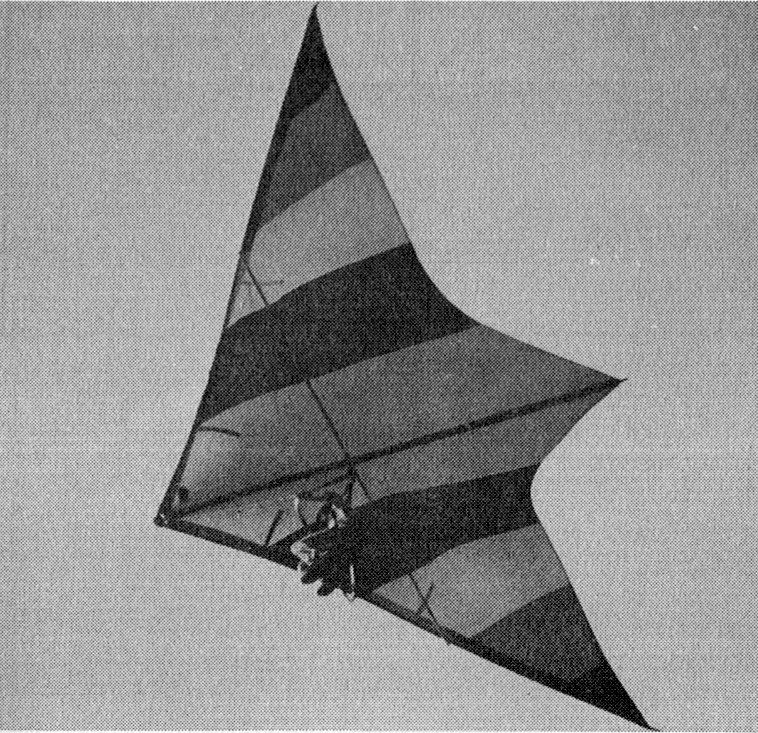
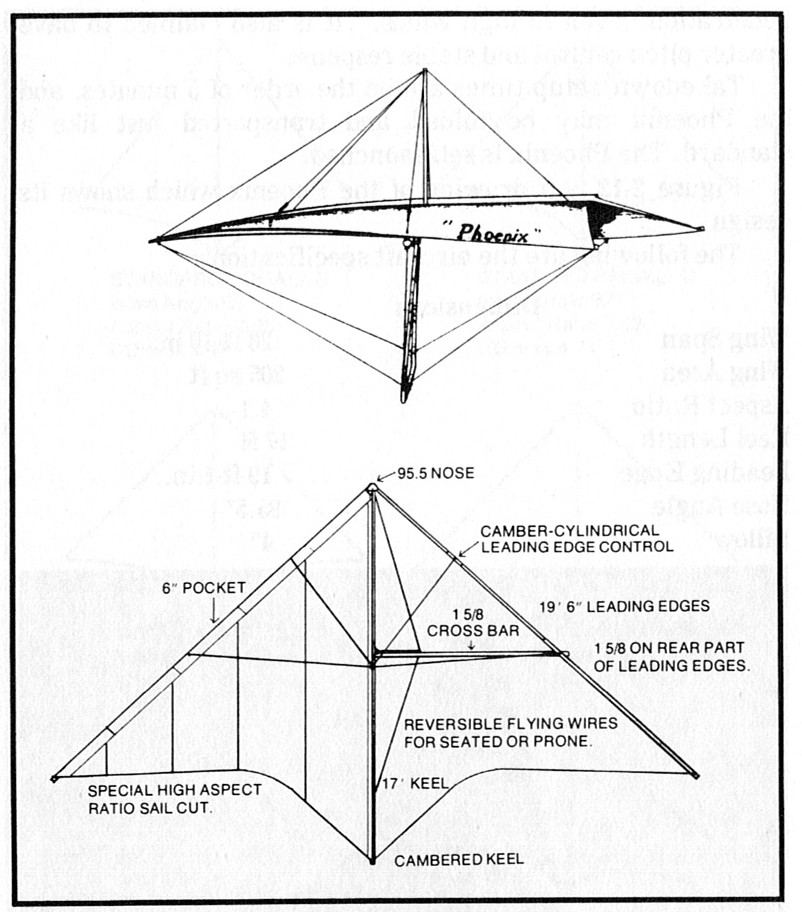
Designed by Dick Boone, the Phoenix is a medium aspect ratio Rogallo hybrid with a ‘fan tail’ sail cut, and cable tensed semi-cylindrical leading edges. It is controlled solely by means of weight shifting.
The Phoenix will perform better than a standard, but not as well as a high aspect ratio kite. It is characterised by a ‘fan tail’ cut trailing edge that is reported to increase the aspect ratio, provide for greater stability and eliminate sail flutter. It incorporates a typical trapeze bar and can be flown either seated or prone, depending on the arrangement of the lower longitudinal cables.
Take down / set up times are on the order of 5 minutes, and the Phoenix may be folded and transported.
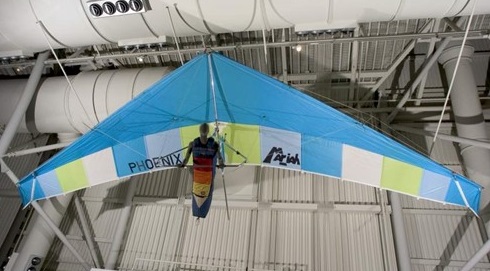
Early in 1977, Bennett asked Boone to design a new high performance Phoenix variant intended for experienced pilots. They named it the Mariah, and it introduced several radical features. The most significant change was yet another increase in aspect ratio. Wingspan increased and wing chord fell as the leading edge convergence angle grew to 120 degrees. Boone also incorporated wires supported by short posts along the wing leading edges. By applying tension to the wires, the pilot could deflect the wing to improve flying and stall characteristics. The wing was more responsive to pilot control inputs, but it was not as stable as previous gliders in the Phoenix line. Bennett and Boone believed that competent, experienced pilots could handle the high-performance wing with no trouble.
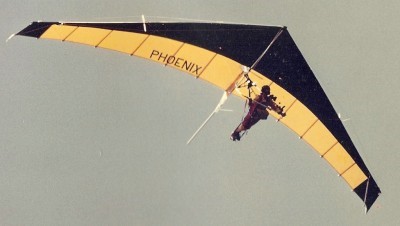
It would even be controversial after some doubtful tumblings and very questionable pitch stability. Unsafe in the wrong hands or circumstances. The first double surface with integrated cross-section. It was at the price of a multitude of cables: triple deflectors, transversal cable-stayed, etc. The success was very short after repeated tumblings for lack of batten in intrados. It was better not to have bought it.
Phoenix
Wing span: 28 ft 10 in
Wing area: 205 sq.ft
Aspect ratio: 4.1
Keel length: 17 ft
Leading edge: 19 ft 6 in
Nose angle: 95.5 degrees
Billow: 4 degrees
Empty weight: 42 lb
Max flying weight: 282 lb
Useful load: 240 lb
Best L/D: 6-1
Min sing: 300 fpm
Stall: 16 mph
Cruise: 24 mph
Mariah M-9
Wingspan: 11.4 m (37 ft 5 in)
Length: 2.5 m (8 ft 4 in)
Empty weight: 25 kg (55 lb)
Gross weight: 122 kg (270 lb)
Wing area: 14.1 m²
Wing span: 10.14 m
Aspect ratio: 7.4
Hang glider weight: 23 kg
Minimum pilot weight: 50 kg
Maximum pilot weight: 70 kg
Minimum speed: 24 km/h
Maximum speed: 55 km/h
Packed length: 5.8 m
Number of battens: 14
Nose angle: 120°
Wing area: 15.8 m²
Wing span: 10.82 m
Aspect ratio: 7.4
Hang glider weight: 23 kg
Minimum pilot weight: 70 kg
Maximum pilot weight: 80 kg
Minimum speed: 24 km/h
Maximum speed: 55 km/h
Packed length: 6.1 m
Number of battens: 14
Nose angle: 120°
Wing area: 17.65 m²
Wing span: 11.4 m
Aspect ratio: 7.4
Hang glider weight: 23 kg
Minimum pilot weight: 80 kg
Minimum speed: 24 km/h
Maximum speed: 55 km/h
Packed length: 6.4 m
Number of battens: 14
Nose angle: 120°
Delta Wing Kites is a specialist in the sale of hang gliders, but then turned to the production of trikes intended for mounting under a standard hang glider wing without any modification to the latter in 1979.
1983: P.O. Box 483, Van Nuys, CA 91408, USA.
Delta king kites and Gliders was bought by Teddy Mack in 1991 and renamed Air Sports International.
The company manufactured The Dream line of gliders as hang gliders and trike wings in San Diego California from 1991 to 1997
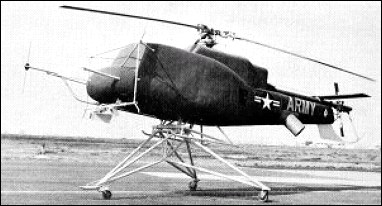
The Del Mar DH-2C Whirlymite was an American radio-controlled target drone helicopter first flown in 1963 after design started in 1960. The Del Mar DH-2C was a minimum-size, low-cost, destructible target developed from the Del Mar DH-2 Whirlymite helicopter and fitted with a 7/16th scale replica of the Bell 205 helicopter fuselage fitted with a counter to record hits whenever pierced by a projectile.
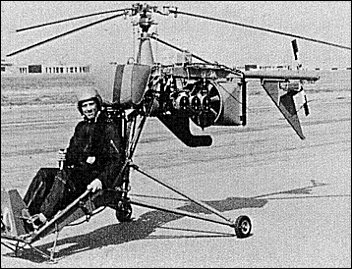
Del Mar Engineering Laboratory was a weapons system support and training systems designer/manufacturer of Los Angeles, California; produced a series of very original experimental ultralight helicopters from 1940, as well as a helicopter training system. Production ended by 1974.
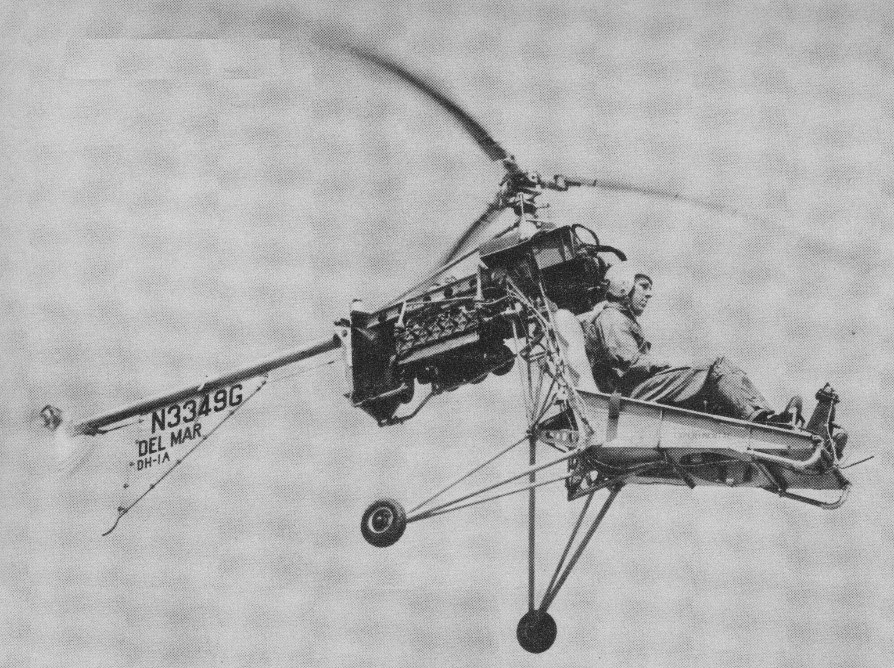
Engine: 60 hp Mercury outboard or 65 shp Solar Titan turbine
Gross weight: 550 lb
 All Aero