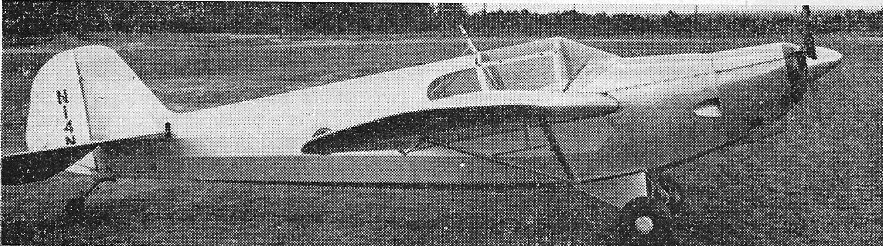
Built by Raymond Nelson circa 1957, the N-1 Special was a single place cabin, mid-wing monoplane, built from some parts of a Piper J-3. One was built, N14N c/n 1, powered by an 85hp Continental C-85.
Engine: Continental C85, 85 hp Max speed: 105 mph Cost: $800
The H-44 was designed by Ted Nelson in the period following the Second World War and a specially designed motor glider was created by Hawley Bowlus to utilize the engine, the Bowlus/Nelson Dragonfly.
The Nelson H-44 is a single ignition, four-cylinder, horizontally opposed, direct drive, two-stroke aircraft engine. The engine was not certified. Under the CAR 5 regulations then in place in the USA for gliders, a certified auxiliary power glider could be flown with a non-certified engine and propeller. The engine is instead described on the Dragonfly type certificate. The four-cylinder engine runs on a 12:1 mixture of 80 octane gasoline and SAE 30 oil. It is equipped with a single Carter WA1 carburetor and a recoil starter.
Employed in the Dragonfly the H-44 proved underpowered, which lead to the design of the H-49 version. The engine family was not a success and few were produced.
Variants: H-44 Original design with a 2.25 in (57 mm) bore and 2.75 in (70 mm) stroke, producing 25 hp (19 kW) at 3900 rpm.
H-49 Upgraded design with E-225 cylinders giving a 2.375 in (60 mm) bore and 2.75 in (70 mm) stroke, producing 28 hp (21 kW) at 4000 rpm.
Applications: Bowlus/Nelson Dragonfly
Specifications: H-44 Type: Four-cylinder, two-stroke, single-ignition aircraft engine Bore: 2.25 in (57 mm) Stroke: 2.75 in (70 mm) Displacement: 44 cubic inches Dry weight: 40 lb (18 kg) Designer: Ted Nelson Fuel system: Carter WA1 carburetor Fuel type: 80 octane gasoline Oil system: premixed oil in fuel, SAE 30 oil mixed at 12:1 fuel to oil Cooling system: air
The Nelson H-63, known in the US military designation system as the YO-65, is an American dual ignition, four-cylinder, horizontally opposed, two-stroke aircraft engine that was developed by the Nelson Engine Company for use in helicopters and light aircraft.
The H-63 was designed in the late 1950s specifically to power the sort of very light single-man helicopters that the US Army was investigating at the time. Application for certification was made on 15 March 1958 and the engine was certified under the CAR 13 standard on 8 February 1960.
Engines were produced for Nelson by the Franklin Engine Company of Syracuse, New York under a production certificate. Originally the type certificate was held by the Nelson Specialty Corporation of San Leandro, California, but it was transferred to Nelson Aircraft of Irwin, Pennsylvania on 15 July 1966. Ownership of the type certificate was transferred to the present owner, Charles R. Rhoades of Naples, Florida, on 14 February 1996.
The four-cylinder engine runs on a 16:1 mixture of 80/87 avgas and SAE 30 outboard motor oil. It is equipped with a single Nelson E-500 carburetor.
Variants: H-63C Vertically mounted version for use in helicopters, producing 43 hp (32 kW) at 4000 rpm.
H-63CP Horizontally mounted version for use in light aircraft, producing 48 hp (36 kW) at 4400 rpm for take-off.
Applications: H-63C Hiller YROE
H-63CP Lobet/Shafor Ganagobie
Specifications: H-63C Type: Four-cylinder, two-stroke, dual ignition, vertically mounted helicopter engine Bore: 2.6875 in (68 mm) Stroke: 2.75 in (70 mm) Displacement: 63 cubic inches Dry weight: 76 lb (34 kg) including the cooling fan, cooling shroud and clutch Fuel system: Nelson E-500 carburetor Fuel type: 80/87 avgas Oil system: premixed oil in fuel, SAE 30 outboard motor oil mixed at 16:1 fuel to oil Cooling system: fan forced air Reduction gear: none Power output: 43 hp (32 kW) at 4000 rpm Compression ratio: 8:1
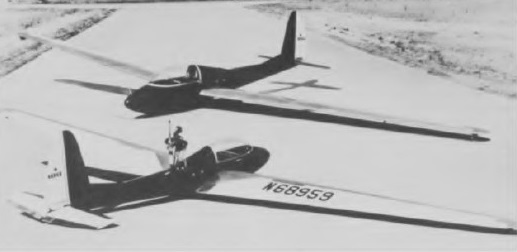
Designed by Harry Perl & Ted Nelson, Nelson developed the Hummingbird in 1953 after discontinuing the Dragonfly. It is a two-place tandem self-launching sailplane. The fixed gear is two wheels in tandem, the front one steerable with rudder pedals. It features an all-moving horizontal tail with anti-balance tab, spoilers and dive brakes, and styrofoam-filled leading edges. The original version, of which two were built, was almost all wood; later models were metal.
Built by the Nelson Aircraft Corporation of Irwin, Pennsylvania, which firm also makes the 45hp Nelson H-63CP four-cylinder horizontally-opposed two-stroke engine that powers it. This is mounted aft of the cockpit and drives a two-blade fixed-pitch pusher propeller; it retracts forward into the fuselage behind the one-piece tear drop cockpit canopy when not in use.
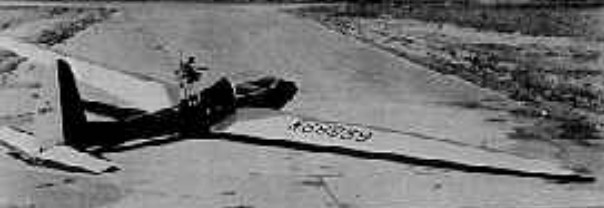
Three or four were built, including N68581, N68959. Two belong to the National Soaring Museum, and one belongs to the Smithsonian Air & Space Museum, Washington.
PG-185B Engine: 40 kW/ 40 bhp. Nelson H-59 Span: 54 ft 0 in / 16.46m Length: 22 ft 0 in Wing area: 185.0 sqft / 17.18sq.m Aspect ratio: 15.76 Airfoil: Go 549 (root), Go 676 (tip) Empty Weight: 363kg / 800lb Gross Weight: 544kg / 1200 lb Max speed: 120 mph Cruising speed: 90mph Stall: 39 mph MinSink: 25 at 89 kph / 48 kt / 55 mph L/DMax: 0.91 m/s / 3.0 fps / 1.78kt Seats: 2
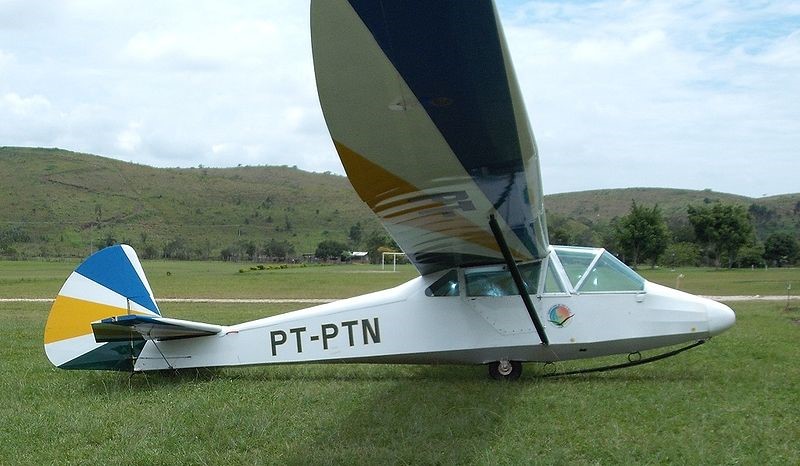
At the end of World War II Brazil was conducting the “National Aviation Campaign”, a program of re-equipment and incentive to air clubs and the national aeronautical industry.
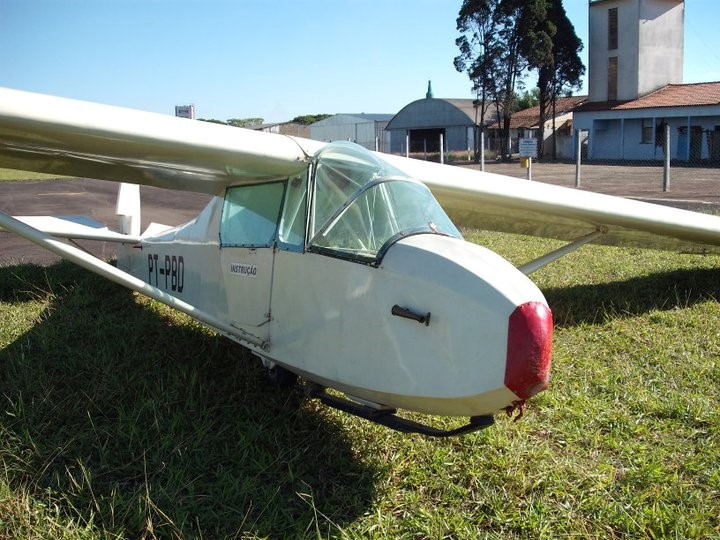
The lack of gliders to replace the Brazilian fleet, then composed mostly of German aircraft of the 1930s, was of great concern. Josė Carlos de Barros Neiva then developed a project that retained the characteristics of the Grunau Baby, (which made up a large part of the Brazilian fleet), but biplace.
The B Monitor is basically constructed of wood, high wing configuration with central torsion cabin, freijó stringer (Cordia goeldiana) and aeronautical plywood cover. The rear section to the centre of the wing is covered with fabric.
The aircraft has a dihedral of 0.5° and the wings are attached to the fuselage with wooden uprights. Ailerons are wood covered with fabric and wooden spoilers located just in the extruder of the wing.
The fuselage is mostly of wood, semi-monocoque construction and steel tubes in the wing-fuselage joint. The cockpit has dual controls, with factory instrumentation on the front seat (although some have been modified with addition of a rear panel). The empennage is conventional. The fixed landing gear has a wheel behind the centre of gravity. The aircraft has a front skid with rubber shock absorbers under compression.
The prototype, PP-PCB, made the first flight in 1945 and the type certificate was issued in 1946.
The “National Aviation Campaign” bought the prototype and another 20 units for distribution to the air clubs, built between 1945 and 1955.
The Neiva B has a low-load, which provides good performance in thermal rise and low stall speed (52 km / h). The wings, because they are heavy, have a lot of rolling inertia, making the aileron commands slow to respond. The elevator and rudder controls, however, have good efficiency. The small size of the spoilers resulted in the common use of slip during the final approach.
In 1959 Neiva developed the version Neiva B “Monitor Modified”, with different nose, and larger cockpit. The fuselage became welded steel tubes, retaining the original wing. One copy (serial number CTA-02 A-223) was built for testing at the Aerospace Technical Centre, later donated to the CVV-CTA.
The only Neiva “B modified” produced, in operation in the CVV-CTA in 2009
The “B” Monitors were distributed to several aero clubs and trained hundreds of pilots. Many Brazilian records were broken with the type. Up to 2000, was still used in aero clubs such as CVV-CTA, Rio Claro, Tatuí, Bauru and Brasília.
Wingspan: 15.86 m (52 ft 0 in) Wing area: 18.4 m 2 (198 sq ft) Aspect ratio: 13.67 Aerofoil: Göttingen 535 – NACA 0009 Length 7.1 m (23 ft 4 in) Height: 1.13 m (3 ft 8 in) Weight Empty 215 kg (474 lb) Max takeoff weight: 375 kg (827 lb) Speed Never Exceeds: 145 km / h (90 mph; 78 kn) G range: +5.33 -3.31 at 145 km / h (90.1 mph, 78.3 kn) Maximum glide ratio 18 at 67 km / h (41.6 mph, 36.2 kn) Sinking Ratio: 0.78 m / s (154 ft / min) at 55 km / h (34.2 mph, 29.7 kn) Loading: 20.3 kg / m 2 (4.2 lb / sq ft) Crew: 2
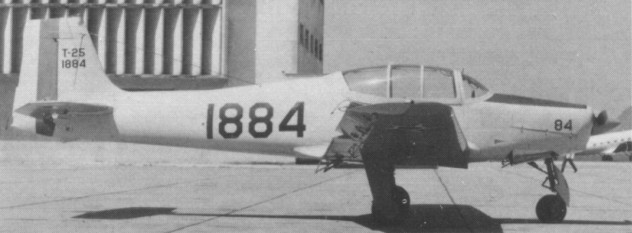
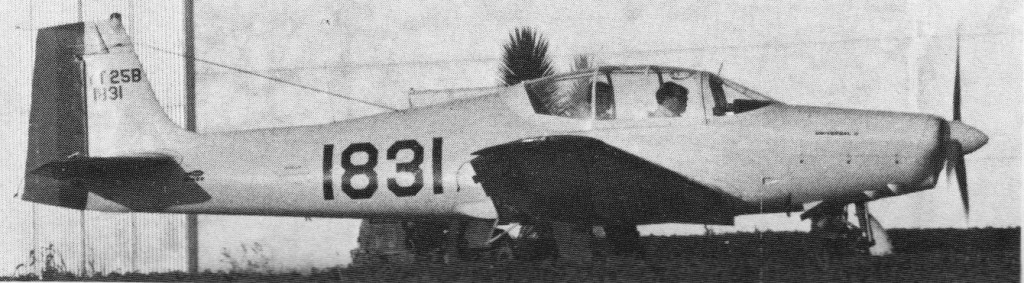
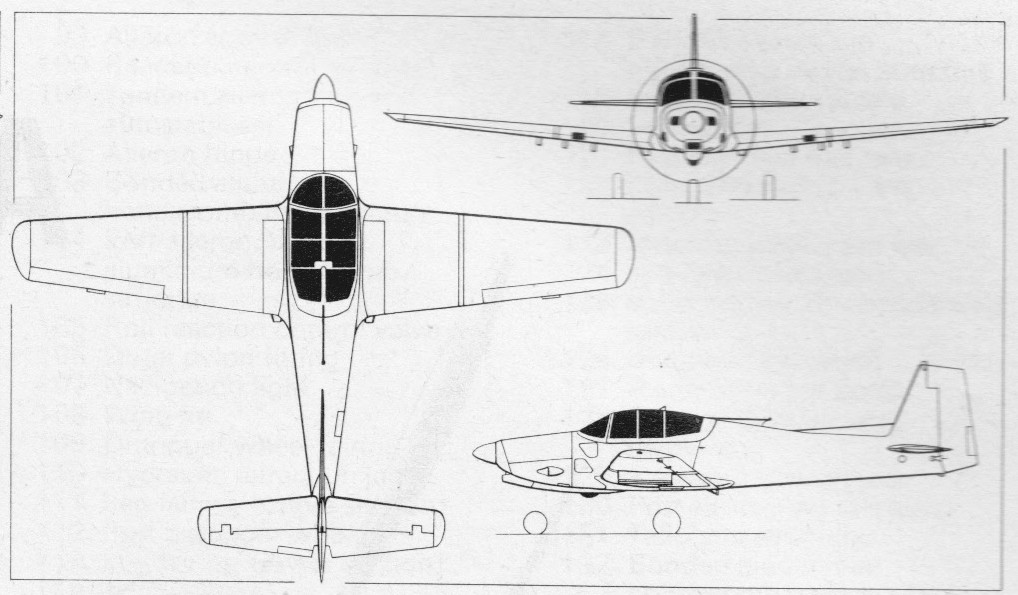
Designed to replace Fokker S-11 and Harvards with the Brazilian Air Force. The Universal is designated T-25 in Brazilian service and operates as a 2/3 seat basic trainer. About 140 were delivered plus 10 to the Chilian Air Force. An armed version with underwing pylons is designated AT-25.
Sociedade Construtora Aeronautica Neiva Ltda Industria Aeronautica Neiva Sa
Neiva has produced over 3,200 aircraft since 1956, many under license from Piper and including Ipanemas, Urupema gliders, Cariocas, Coriscos, Tupis, Minuanos, Sertanejos, Senecas/Cuestas, Navajos, and Carajas.
Neiva produced Model N621/T-25 Universal trainers for the Brazilian Air Force and a series of lightplanes.
In March 1980 it was renamed Industria Aeronautica Neiva S.A, as a subsidiary of EMBRAER. All work on the EMBRAER/Piper series of light aircraft and production of the EMB-202 Ipanema agricultural aircraft were transferred (over 780 built).
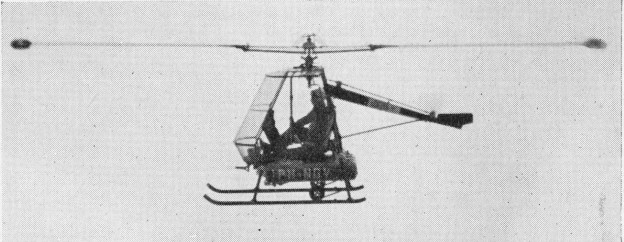
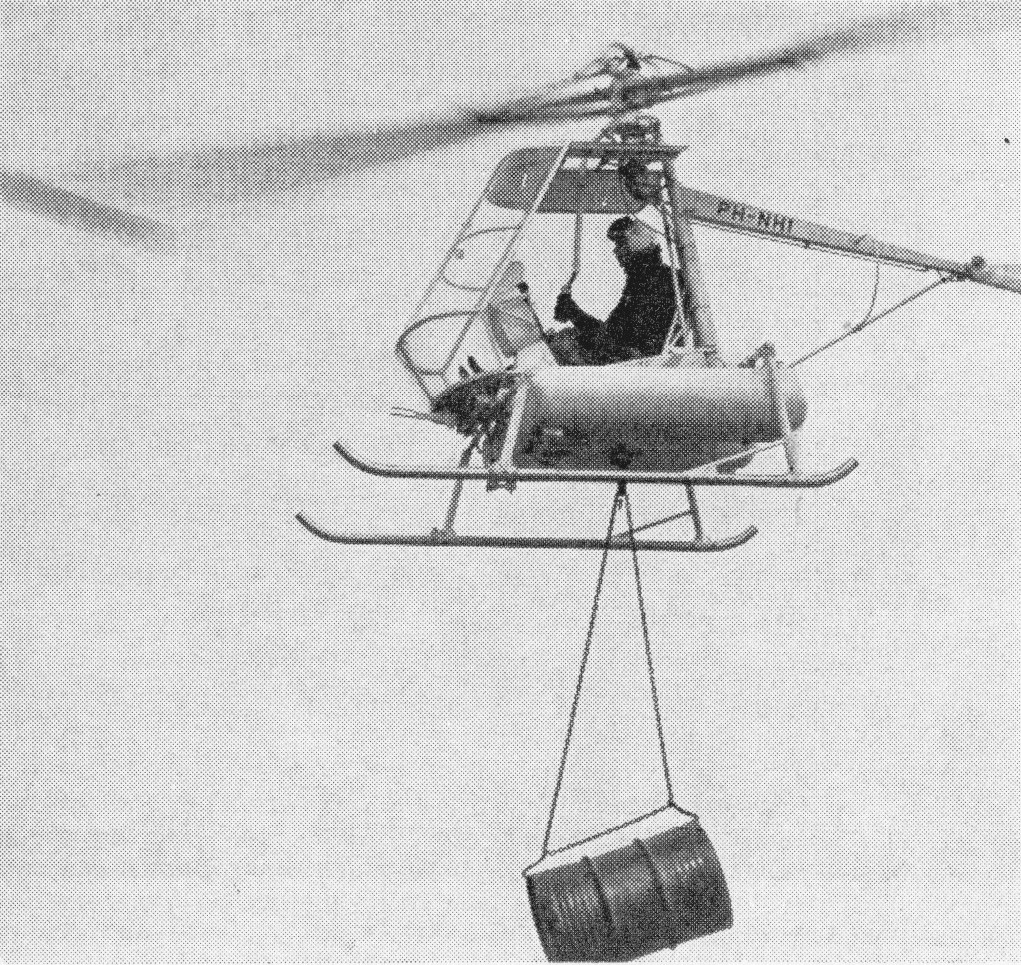
A light helicopter which first flew in May 1956. For propulsion the Kolibrie employed ramjets mounted at the tips of its rotor blades. Ten helicopters were built before production rights were handed over to Aviolanda Maatschappij voor Vliegtuigbouw, which subsequently abandoned it.
The Kolibrie could lift more than is own empty weight.
 All Aero