
Built by Preston Watson, it was controlled by tilting the pivoted top wing.
Built by Preston Watson, it was controlled by tilting the pivoted top wing.
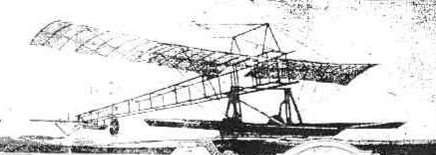
Designed and constructed by Reyburn Watres of Scranton, Pennsylvania, in 1910. Powered by a vertical type motor of four cylinders.
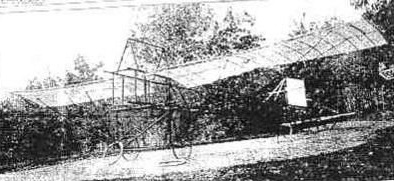
Watres flew his aircraft a number of times, primarily at his airfield in the Lake Wallenpaupack region.

Reyburn Watres
Scranton
Pennsylvania
In 1910 Reyburn Watres built the monoplane ‘The Grass Cutter’.
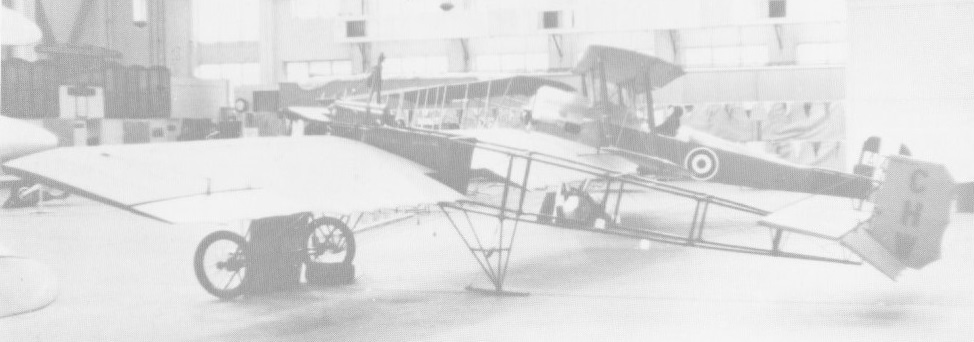
Designed by Charles Horace Watkins in 1907 the Monoplane was built at Mynachdy Farm, Maendy, Cardiff, Wales, over the following couple of years. Although it made ts first hops from the farm probably early in 1910 its first real flights came later in the year when it is reported to have flown over Whitchurch, Glam, and in the same year its first cross-country was made to a ridge on the Caerphilly Mountain and back. It was powered by a 40 hp three cylinder engine modified from an Anzani and cast in the Cardiff Railway Works. It is claimed that this aircraft, named the ‘Robin Goch’, made the first night flight over Wales in 1910.
It was flown until about 1918 when it was grounded by a cracked cylinder head. It was stored at Mr Watkins garage until 1959 when it was moved to St.Athan for display where it has since remained.
Mr Watkins died in December 1976 aged 92.
In November 2025 the Watkins monoplane is displayed at the Waterside Museum Swansea.
Engine: modified Anzani, 40 hp
Wingspan: 32 ft
Length: 21 ft 6 in
All up weight: 600 lb
Max speed: 60 mph
Range: 180 miles
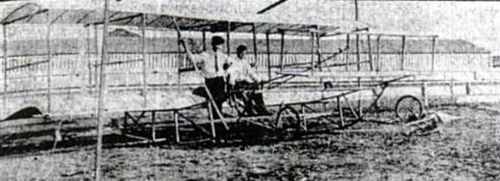
Waldo Waterman’s first powered creation (he built gliders in 1909), in 1910 in league with Kenneth Kendall, was a single place, open cockpit biplane, 2-cylinder Speedwell pusher.
It was so badly underpowered it had to be assisted by automobile tow to get off the ground, but it did and made a few flights before becoming ensnarled in the tow rope on a take-off. It crashed and Waterman earned two fractured ankles for his efforts. Although based on the Curtiss, it had an innovative concept of wheels that could be folded up via a lever-and-wires arrangement in order to land on its skids—this lever also shut off the motor at the same time.
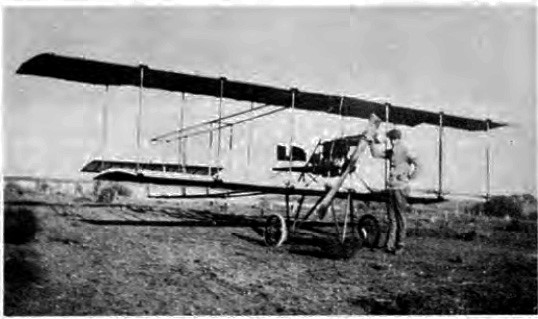
This was the second powered aeroplane built by Waldo Waterman of San Diego, born in 1894 and then a teenager. In 1911 Waterman built the single place open cockpit biplane powered by a 20hp Cameron tractor engine that had cooling problems, which allowed only short flights.
It was destroyed in a windstorm at North Island outside San Diego in February 1912. Undaunted, while at UC Berkeley in 1913, Waterman began construction of a twin-tractor flying boat planned for use at the Panama-Pacific Exposition, but lack of funding forced abandonment after the fuselage was built.
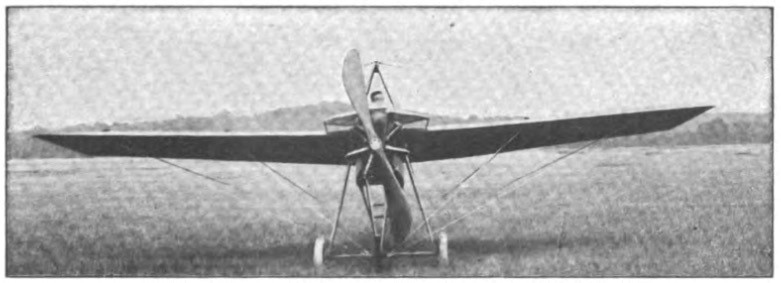
The Columbia monoplane was entered for the 1912 Gordon Bennett aviation race held in Chicago, to be piloted by Paul Peck, known as “The Birdman of West Virginia”, powered by a rotary rated at 50 hp. In 1912 Peck was killed while flying the Columbian at a Chicago exhibition. Peck started a steep spiral, ignoring a sudden storm, the engine came loose, cut through the pilot’s seat with its whirling propeller, and the airplane disintegrated in the air.

The 1913 Washington Aeroplane Co Miss Columbia was built on special order for a customer. The wings mounted above a sleek, wooden boat hull.
Engine: Gyro, 80hp
Wingspan: 38’0″
Length: 29’0″
Seats: 2

College Park MD.
USA
Circa 1912-13 airplane builder
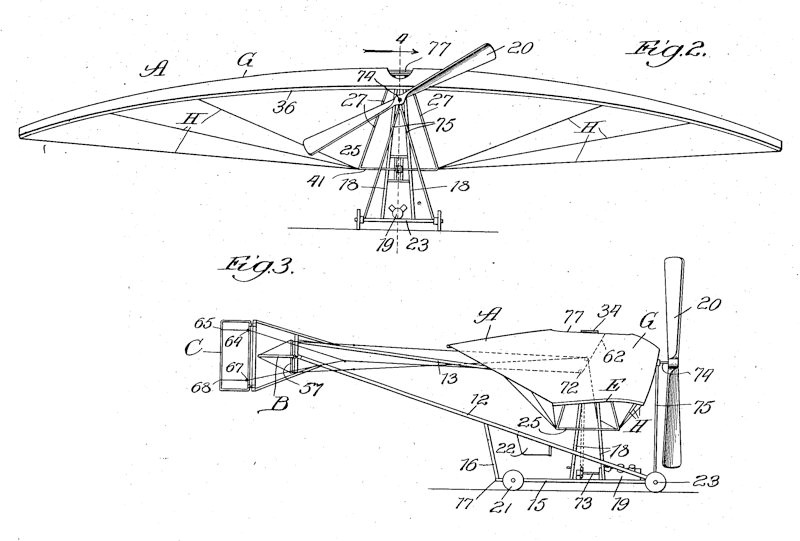
A shoulder-wing monoplane which John A. Warrick of Chicago applied a patent for in 1910 (granted in 1912), the intention being that it would “automatically maintain a proper equilibrium under all ordinary or normal conditions in flight”. This was achieved by a control system that, among other things, allowed the pilot to change the incidence of the somewhat parachute-like negative-dihedral wing. It’s not known if it was built.
 All Aero