Pilatus

Pilatus Flugzeugwerke AG
Pilatus Aircraft Ltd

Formed as Pilatus Flugzeugwerke AG in 1939, as a subsidiary of the Oerlikon armaments company. First aircraft was SB-2 Pelican six-seat light transport of 1944, but prototype only built. Followed by P-2 advanced trainer, produced in quantity for the Swiss Air Force in late 1940s, and the P-3 advanced trainer from 1953. Series production of the P-3 followed for the Swiss Air Force, and six went to the Brazilian Navy. In May 1959 Pilatus flew the first PC-6 Porter STOL monoplane with a Lycoming piston engine; this type has been in continuous production ever since, later developments using Astazou, Garrett, and most recently Pratt & Whitney Canada PT6A turboprop engine as the PC-6/B2-H4 Turbo Porter. Pilatus also signed a license agreement for production of Turbo Porters by Fairchild-Hiller in U.S.A. Also undertook Mirage production and maintenance work for the Swiss Air Force.

Became known as Pilatus Aircraft Ltd, based at Stans, Switzerland,.the product range encompassing the PC-7 Turbo Trainer (first flown August 1978 in production form), PC-7 Mk II (M) Turbo Trainer (first flown September 1992), the PC-9 (M) Advanced Turbo Trainer (first flown May 1984) with the highest engine power of the range and also selected in 1995 for U.S. military service as the Raytheon/Beech T-6A Texan II, and the PC-12 utility and business turboprop transport (first flown May 1991 and also available in military form). Also, in 1979 Pilatus took control of the LJ.K.’s Britten-Norman Ltd company, becoming Pilatus Britten-Norman, but sold this company in July 1998.

Pilatus Aircraft Ltd., the Swiss aircraft manufacturer, has sold all manufacturing and marketing rights to the B 4 all metal, aerobatic glider to Nippi, Japan Aircraft Manufacturing Company. The glider license was sold because of a lack of space in the Pilatus factory, where much room is devot¬ed to production of the PC 7 Turbo Trainer. Seventy eight B 4s were sold in 1977, and 320 were in operation. The first Japanese airplanes were expected in April 1979.

The take-over of the assets of Britten-Norman by Pilatus Aircraft was finalised on 34 January 1979 when the necessary documents were signed. To conclude the deal, Pilatus – itself a member of the Oerlilon-Buehrje Group – set up a British subsidiary, Pilatus Britten-Norman Ltd, and this company has acquired the B-N assets which include the Bembridge factory, the complete Islander / Trilander production hardware (plus stock materials) located at the Fairey SA factory in Gosselies, Belgium and the exclusive production and marketing rights for all Britten-Norman products.

In July 1998 Pilatus sold Britten-Norman to private investment company Litchfield Continental Ltd.

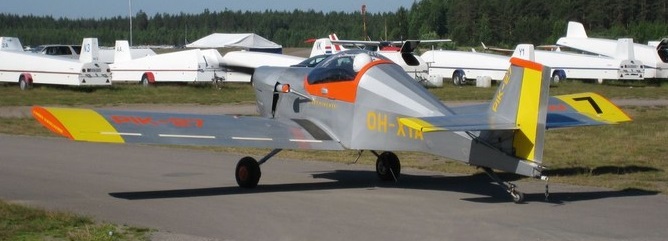
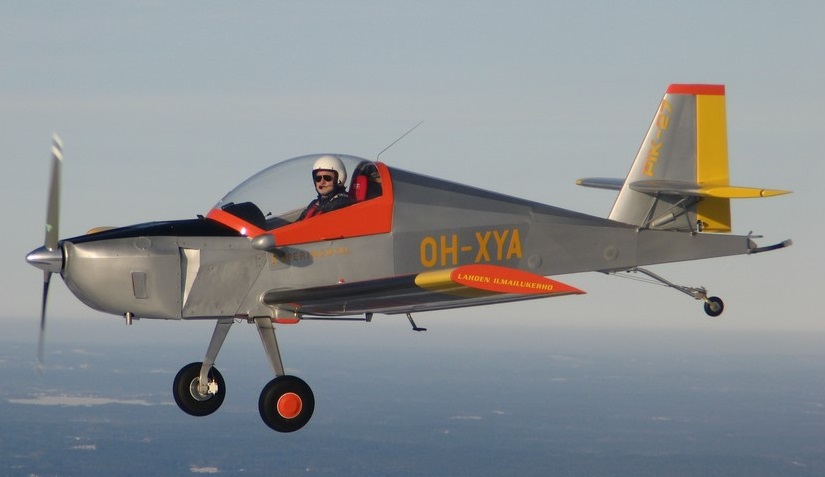
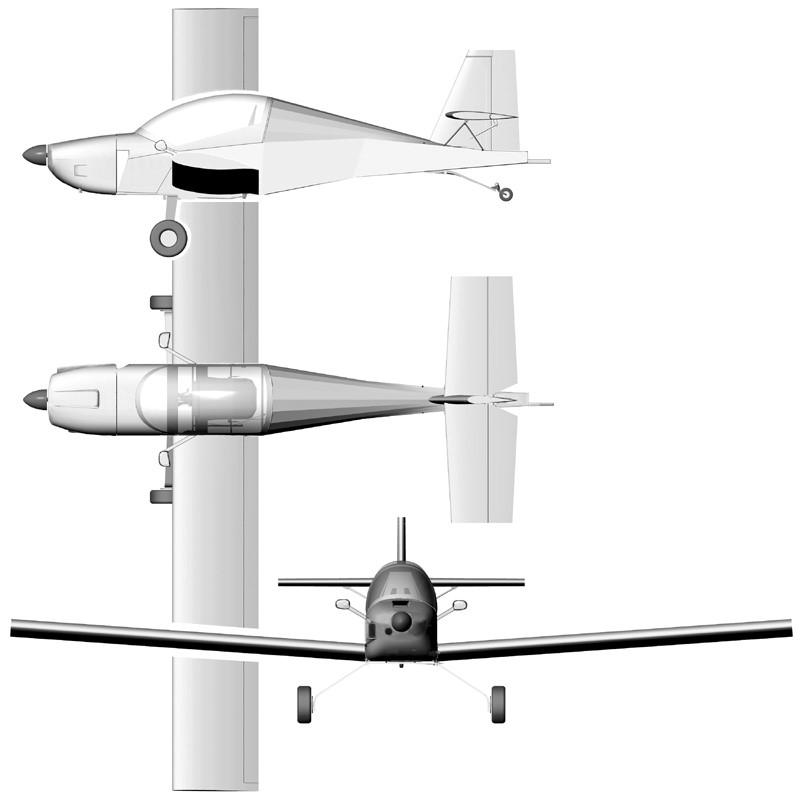
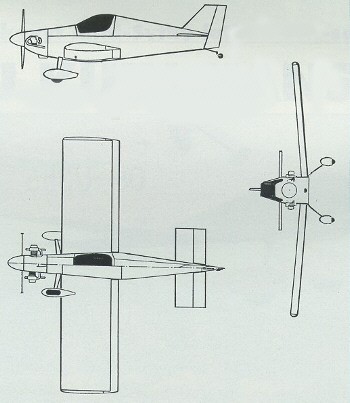
PIK Pik-27

The Pik-27 design was begun by DI Aki Suokas with the objective of operating costs at a reasonable level, but not at the expense of safety. The design was to require minimal maintenance and only the necessary systems were included.

The prototype OH-XYA bears the excess weight of a prototype and it was anticipated the next would be at least 30-40 pounds lighter. The prototype weight includes a 70 m tow rope with a built-in reel.

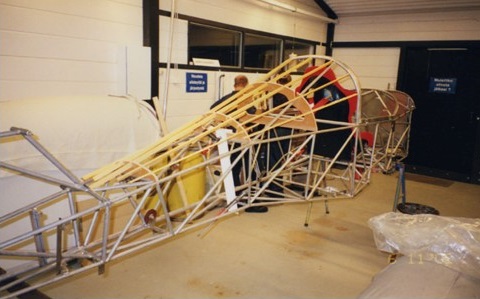
The PIK-27 low-wing monoplane has GRP wing construction and a fabric-covered SAF2205 steel-tube fuselage. The material has a very high elongation at break (25%), which improves the chances of settlement in the event of an accident. Another plan was for a 4130 fuselage.

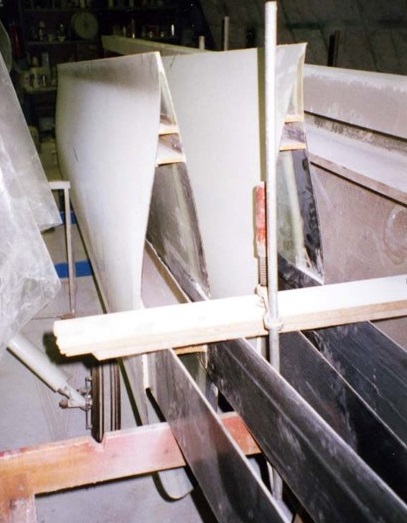
The wings were traditional glider technology of glass reinforced PVC foam laminate surfaces, with fuel tanks in the wing.

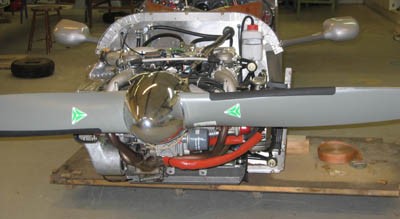
The Windcraft Oy built prototype (OH-XYA) was first flown December 2006, powered by a 115 hp Rotax 914. The Rotax 914 is a supercharged engine, meaning it does not lose power as density increases. The Rotax 914 maintains full power for flight level 150.

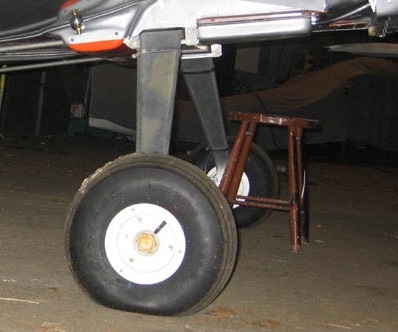
The undercarriage and brakes are the same style as the Cessna 172. The landing gear is quite high for a large propeller optimized for low speeds. The propeller has a diameter of 1.95 meters.

The Pik-27 was offered as kit and fits the US LSA definition (FAR CR 1.1). The wings and tail have to be molded. Wings can be joined by the builder if the transportation of a 9 m long package is difficult. The frame could not be deliver welded.

Gallery

Pik-27 prototype
Engine: Rotax 914
Span: 9.1 m / 29.8 ft
Wing area: 9.0 m² / 96.9 sqft
Wing profile: LS (1) -0417 mod
Length: 6,125 m / 20.1 ft
Height: 2.92 m / 9.6 ft
Empty weight: 410 kg / 904 lbs
Maximum take-off weight: 595 kg / 1312 lbs
Fuel capacity: 90 liters / 24 USg
Stabilizer area: 2.24 m² / 24.1 sqft
VNE: 270 kph / 146 kts
VA: 198 kph / 107 kts
VS: 81 kph / 44 kts
Loading: +4.7 g / -2 g
Maximum sailplane tow: 850 kg / 1874 lbs

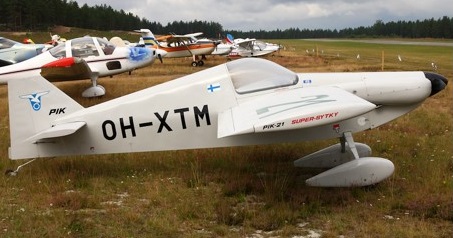
PIK PIK-26 Mini-Sytky

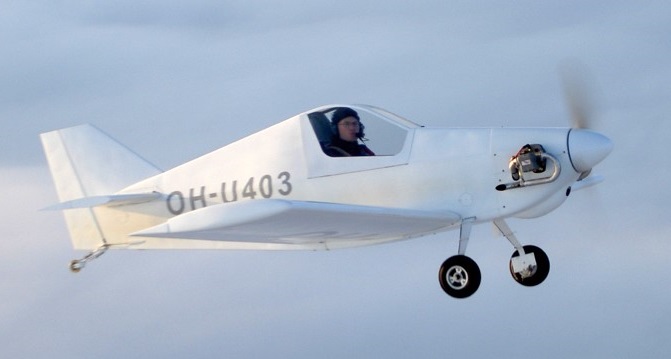
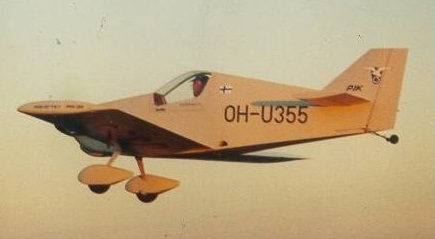
The PIK-26 Mini-Sytky is a single-seater ultra-light aircraft. The structure is entirely wood, except the wing and rudder which are cut from PVC foam. The one-piece wing attaches with two bolts to the main arch of the frame and its rear spar to the lower part of the backrest. Hinged flaps are fitted. The wing can be detached from below, leaving the frame resting on the landing gear.

The cockpit features a sidestick.

Designed by Kai Mellén and first built in 1996, at least four ave been built: OH-U355, OH-U356, OH-U403, and OH-U404. .

Mini-sytky OH-U403
Engine: Mosler MMCB HO2, 35 hp
Propeller: 48 “(122cm) x 38 “(96.5 cm)
Wing span: 5.24 m
Wing chord: 1.15 m
Wing area: 6 sq. m
Airfoil: GAW-2
Length: 4.33 m
Height: 1.22 m
Load limit: +3.8, -1.5 g
Empty Weight: 144 kg
Gross Weight: 250 kg
Fuel capacity: 27 lt / 20 kg
Useful Load: 106 kg
Luggage capacity: 5 kg
Vne: 190 km/h
Top Speed 3250 rpm: 180 km/h
Cruise@3000rpm: 160 km/h
Stall w/flaps: 55 kph
Stall clean: 60 km / h
Maximum flap speed: 120 km / h
Maximum manoeuvre speed: 125 km / h
Fuel Consumption: 7-8 lt/hr
Rate of Climb: 3.2 m/s
Takeoff Distance: 170 m
Landing Distance: 250 m
TO to 15 m: 600 m
Landing dist from 15 m: 500 m
Climb speed: 100-110 mph
Endurance: 3.25 hr
Range: 475 km
Wing loading: 41.6 kg/sq.m
Seats: 1
Wheel track: 1.21 m
Wheelbase: 3.27 m
Rudder: 0.22 sq.m
Vertical stabilizer: 0.56 sq.m
Vertical stabilizer profile: NACA 0011
Rudder: 0.38 sq.m
Rudder profile: NACA 0009
Aspect Ratio: 4.56
Didedral: 4 degrees
Aileron movement: – 35, + 27
Flap deflection: 16 deg
Rudder movement: + – 28 deg
Elevator movement: 20 deg up, 12 deg down
Tires: LAMB 11.400-5 (6ply)
Wheels: 5 ” AZUZA
Brakes: AZUZA, mechanical

PIK PIK-25

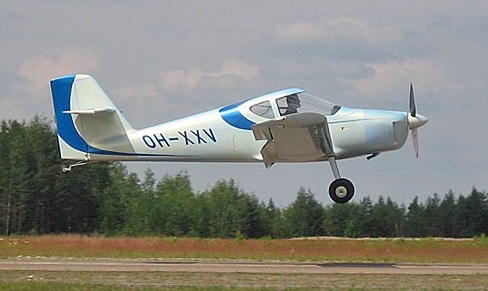
The 1983 PIK-25 Varttimarkka (Quarter Mark) was a 2-seat ultralight of GRP construction. Powered by a VW HO4 engine the project was abandoned.

In 2007 the project was completed privately by Jarmo Hakala of the Finnair flying club and registered OH-XXV.

PIK-25 OH-XXV
Engine: 1 x 100/120 hp WV 1.9 TDI JH1
Wing span: 8.8 m
Length: 6.6 m
Empty weight: 595 kg
MTOW: 850 kg
Fuel capacity: 240 l
Cruise 75% (75hp): 115 mph (less than 2000 ft)
Stall speed: 65 mph
Stall speed with flaps: 55 mph
3.8G max
Fuel consumption 75% (75hp): approx. 14 l / h

PIK PIK-16 Vasama / Lehtovaara Pik-16 Vasama / Eiri Pik-16

PIK-16C Vasama

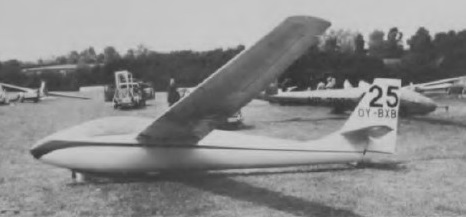
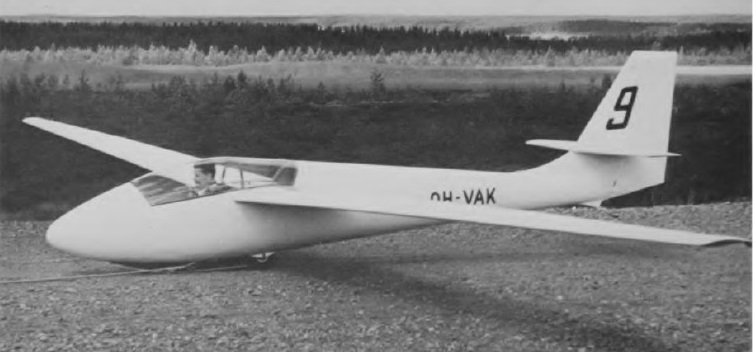
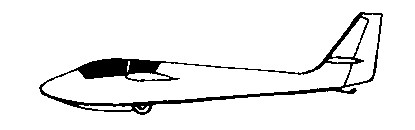
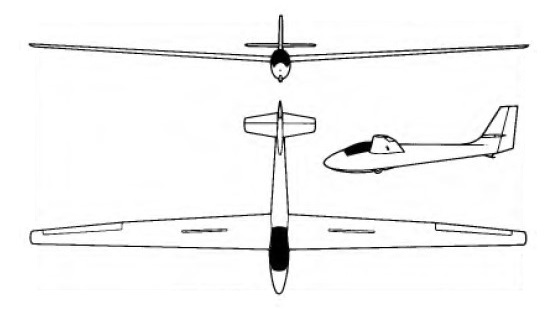
The PIK-16C Vasama (or Arrow) single-seat Standard Class sailplane was designed by Tuomo Tervo, Jorma Jalkanen and Kurt Hedstrom. The prototype first flew on 1 June 1961 and had a ‘butterfly’ V-tail; the PIK-16A and PIK-16B were followed by the major production version the PIK-16C, which has a conventional tail unit instead of the earlier V-tail, and several other improvements, such as a sandwich-type construction for the wing leading edge. In 1963 the PIK-16C was awarded the OSTIV prize for the best Standard Class sailplane, and at that year’s World Gliding Championships held at Junin, Argentina, a PIK-16C was flown into third place in the Standard Class by Juhani Horma of Finland; the type also set up several Finnish records.

PIK-16C Vasama

The PIK-16C was put into production by K. K.Lehtovaara O/Y of Hameenlinna and a total of 56 of all variants were built. The Vasama is of all-wood construction, the cantilever shoulder wings being built of pine and birch wood and having an exceptionally low (for a sailplane) thickness/chord ratio of 14% at the root to give a good optimum glide angle. The shaped box spar of birch plywood forms 40% of the chord and takes the bending and torsion loads. Aft of the spar the top surfaces are plywood-covered and the under surfaces fabric-covered, and there are spoilers in the top and bottom wing surfaces. The plain ailerons are of ply-covered wooden construction, and all the Vasama’s surface areas are highly polished to help give it a higher performance. The monocoque fuselage is of plywood construction with a glassfibre nose-cap, and the pilot sits in a semi-reclining seat under a removable blown Perspex canopy that extends some way back past the wing leading edge. Landing gear consists of a non-retractable monowheel with a brake, and a skid under the nose section. The tail unit is also of wood, with a trim tab in the port elevator.

Gallery

PIK-16C
Span: 15.0 m / 49 ft 2.5 in
Length: 5.97 m / 19 ft 7 in
Height: 1.45m / 4ft 9 in
Wing area: 11.7 sq.m / 125.9 sq.ft
Aspect ratio: 19.2
Wing section: Wortmann FX-05-188/NACA 682615
Empty weight: 190 kg / 419 lb
Max weight: 300 kg / 661 lb
Water ballast: None
Max speed: 155 mph / 135 kt / 250 km/h (in smooth air)
Max rough air speed: 92 kt / 170 km/h
Stalling speed: 33.5 kt / 62 km/h
Min sinking speed: 0.59 m/sec / 1.94 ft/sec at 45.5 mph / 39.5 kt / 73 km/h
Best glide ratio: 34:1 at 53 mph / 46 kt / 85 km/h

PIK Pik-15 Hinu

PIK has also built several low-wing single-engine monoplanes, including the PIK-15 glider tug in 1964, and the PIK-19 glider tug and two-seat trainer in 1972.

Ten of the PIK-15 Hinu (Hinauslentokone = tow a/c) single-engine, low-wing monoplane were built. Design by Kai Mellén, Ilkka Lounamaa and Jussi Rinta, the wooden aircraft were powered by a 150 hp Lycoming O-320A HO4 engine and had a 10.00 m wingspan.

PIK Pik-14

Designed by Tuomo Tervo, Jorma Jalkanen and Kurt Hedstrom, the all-wood Pik-14 was first flown 1961, the Vasama was designed to the then Standard rules with fixed gear and top and bottom surface airbrakes. It won the 1963 OSTIC prize at the World Championship at Junin, Argentina, and placed third in its class at the contest.
56 were built.

Wing span: 15m / 49.2ft
Wing area: 11.71sq.m / 126sq.ft
Aspect ratio: 19.2
Empty Weight: 204kg / 450lb
Payload: 100kg / 220lb
Gross Weight: 304kg / 670lb
Wing Load: 25.96kg/sq.m /5.3lb/sq.ft
L/DMax: 34 97 kph / 52 kt / 60 mph
MinSink: 0.67 m/s / 2.2 fps / 1.30 kt
Seats: 1
Airfoil: Wortmann FX-05-168 (14%), root; NACA 63 (2)-165, tip