Rotary Air Force RAF 2000

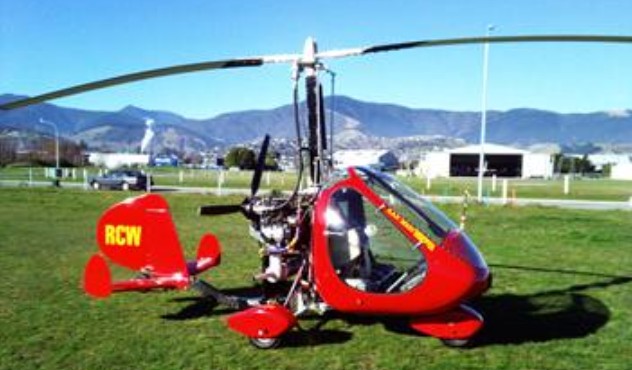
A Canadian-built two seat enclosed frame gyrocopter. Introduced in 1990, the RAF 2000 conforms to 51 per cent homebuilt rules. A conventional autogyro, the 2000 is suitable for training, crop-spraying, power line inspection, predator control, stock mustering and aerial photography. Quoted build time 150-250 hours.
The composites RAF rotor blade features 6061-T6 aluminium spar and foam filler, on a patented 5x10cm folding (two-part) rotor mast, with rubber mast bushing and adjustable CG. Removable doors.

The landing gear is tricycle configuration, fixed, with optional speed fairings.

Power is from one 97kW Subaru EJ22 16-valve four-cylinder liquid-cooled engine driving a ground-adjustable three-blade Warp Drive composites propeller through RAF cog belt reduction gear, ratio 2.10:1. Fuel capacity is 87 litres of premium unleaded Mogas, of which 79 litres are usable. Optional capacity 95 litres, of which 87 litres usable. Fuel consumption of the carburated version is 20.1 litres/h, and injected version 18.2 litres/h, both at 80% power.

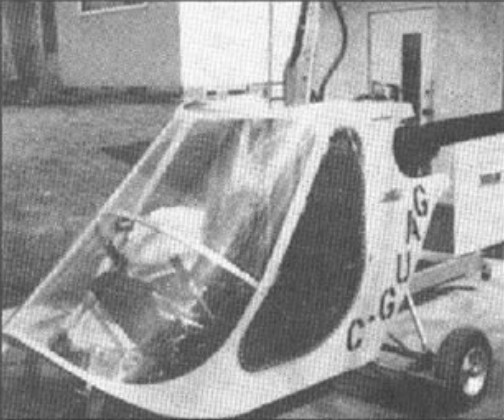
A pilot and passenger sit side by side in an enclosed cabin. Can be flown with doors removed.

An agricultural version has a 114 litre tank, moulded to fit into the back and bottom of the cabin enclosure, supplying a 24-nozzle spraybar fitted behind and below the engine. Spray width is 6.7 to 7.3m.

Versions include:
2000 STD-SE: Basic version.
2000 GTX-SE: Top-of-range model; kit includes carbureted version of engine, rotor brake, heater, dual controls and adjustable pitch and roll trim assembly.
2000 GTX-SE FI: Fuel-injected version of GTX.

The 2-place rotorcraft is available in kit form. The GTX SE includes a variety of performance enhancing options. Standard engine is a 130 hp four cycle Subaru EJ22. Engine, propeller and instrument packages are included in RAF kits. The airframe is bolted square and round tube aluminium, with shock mounted landing gear.
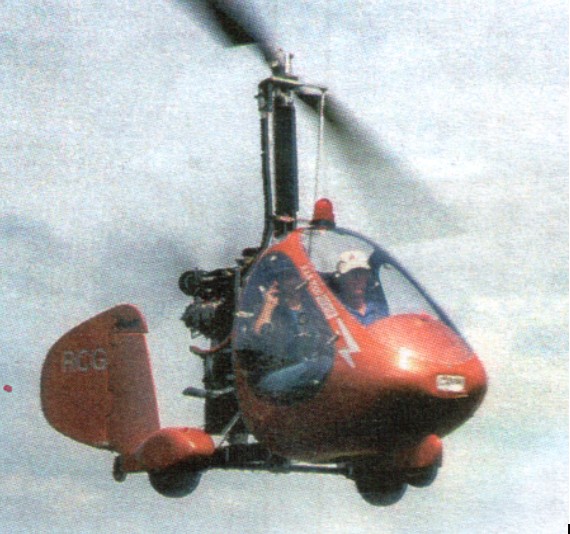
RAF 2000 GTX SE

The RAF 2000 GTX SE has rough field gear and is powered by a standard Subaru Legacy EJ-22 fuel injected engine (running on avgas) rated at 130 hp. RAF manufacture their own blades with aluminium spars and foam cores covered with composite material. They include a 2 inch strip of Kevlar on the leading edge. The fibreglass rotors fitted to the RAF 2000 GTX-SE are lifed at 500 hours.

Standard features include a cockpit heating system, three point harness, removable doors, a fold down mast, and adjustable centre of gravity provision. The fold down mast reduces the height to 6 foot 6 inch.

At least 500 are believed completed and flown by the end of 2002. 88 were current on the Canadian register in 2002.

COSTS: 2000 STD-SF kit price US$20,615, including Subaru engine (carb version); 2000 GTX-SE US$22,500, including carburated Subaru; 2000 GTX-SE FI US$25,500, including fuel-injected Subaru (all 2003).

Gallery

RAF 2000
Engine: 130 hp EA82 or EJ22 Subaru
Pre-rotator rpm: 350
Dry weight: 760 lb
Min. speed: 10-12 mph
Max. speed: 100 mph
Cruise: 80 mph
Take Off Roll: 0-75 ft
Landing Roll: 0-10 ft
Rate of Climb: 1200 fpm

RAF 2000 GTX
Speed max: 100 mph
Cruise: 80 mph
Range: 320 sm
ROC: 1200 fpm
Take-off dist: 250 ft
Landing dist: 1-10 ft
Engine: Subaru EA-82, 100 hp
HP range: 100-300
Fuel cap: 23 USG
Weight empty: 560 lb
Gross: 1125 lb
Height: 8.2 ft
Length: 13.6 ft
Disk span: 30 ft
Disk area: 706 sq.ft
Seats: 2
Landing gear: nose wheel
Prop: 60” x 13o Warp Drive 3 blade composite, 2-2.1 cog belt reduction
Rotor blades: 30’ x 8 5/8” RAF composite, aluminium spar.

RAF 2000 STD SE
Engine: Subaru EJ22, 130 hp
Propeller diameter: 1.73m
Height: 8.2 ft / 2.50m
Length: 13.6 ft / 4.11m
Disk span: 30 ft / 9.14m
Disk area: 706 sq.ft
Fuel capacity: 23 USG
Empty weight: 730 lb / 345kg
Gross weight: 1540 lb / 698kg
Max speed: 100 mph / 161km/h
Cruise: 70 mph / 113km/h
Min flying speed: 32-48km/h
Rate of climb: 1000 fpm
Takeoff dist: 73-350 ft / 23-107m
Landing dist: 0-10 ft / 3m
Service ceiling: 10,000 ft / 3,050m
Range with max fuel: 450km
Seats: 2

GTX SE
Engine: Subaru EJ22, 130 hp
Speed max: 100 mph
Cruise: 75 mph
Range: 225 sm
ROC: 1200 fpm
Take-off dist: 250 ft
Landing dist: 10 ft
Fuel cap: 23 USG
Weight empty: 730 lb
Gross: 1540 lb
Height: 8.2 ft
Length: 13.6 ft
Disk span: 30 ft
Seats: 2
Landing gear: nose wheel

Engine: Subaru, 100 hp
Rotor span: 9.14 m
MAUW: 510 kg
Empty weight: 254 kg
Fuel capacity: 87 lt
Max speed: 160 kph
Cruise speed: 110 kph
Minimum speed: 16 kph
Climb rate: 6 m/s
Seats: 2
Kit price (1998): US$21,500
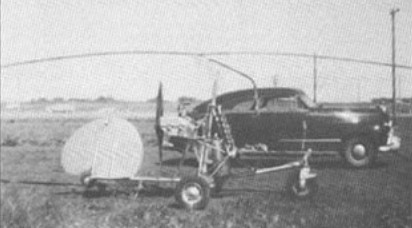
Rotary Air Force RAF 1000

Bernard Haseloh holds the first Gyro Pilot’s License issued in Canada and is widely recognized as a
pioneer in the gyroplane industry. Mr. Haseloh is highly regarded by Federal Aviation Regulators
having for many years served as the designated gyroplane instructor for Alberta, Canada.
Bernard Haseloh served as a key technical advisor to the development, testing & design of the
RAF 2000

1987 the Group forms Rotary Air Force Marketing Inc, First aircraft to go into production is the RAF 1000,
recognizing the need for proper flight instruction and to meet the demand for a two place gyroplane the
Rotary Air Force team introduces the Two place Gyroplane in 1989.

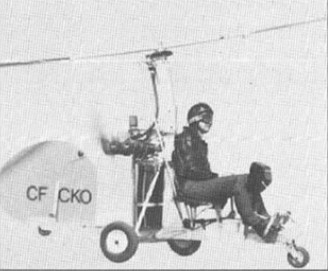
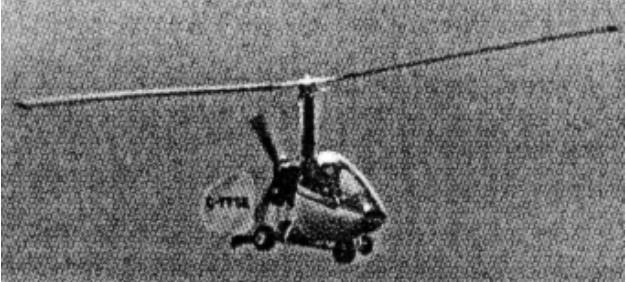
A single seat enclosed gyrocopter. Engine: 130 hp EA82 or EJ22 Subaru. Pre-rotator spins up to 350 rpm. Airframe is bolted square and round tube aluminium. Shock mounted landing gear.

Engine: Subaru EA-82
HP range: 100-130
Prop: 60” x 13o Warp Drive 3 blade composite
Rotor blades: 28’ RAF composite.
Height: 8 ft
Length: 12.16 ft
Disk span: 25 ft
Disk area: 555.7 sq.ft
Fuel cap: 12 USG
Weight empty: 460 lb
Gross: 1125 lb
Speed max: 115 mph
Cruise: 80 mph
ROC: 1000 fpm
Take-off dist: 150 ft
Landing dist: 1-10 ft
Seats: 1
Landing gear: nose wheel

Haseloh Gyroplane

Late 1950s

Mr. Haseloh has logged more than 2000 hours of flying time on his experimental “HASELOH” designed machines and has spent over 10,000 hours in the development of prototype gyroplanes of “ THE TYPE “ manufactured and sold by Rotary Air Force South Africa.

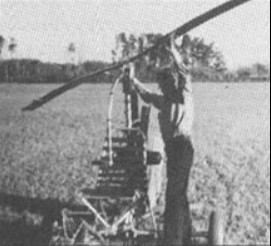
First Haseloh built gyroplane, 1954
Two place development, late 1970s.

1970 protptype with two part mast, and CW mounted shock mounted cheek plates.

Haseloh Helicopter

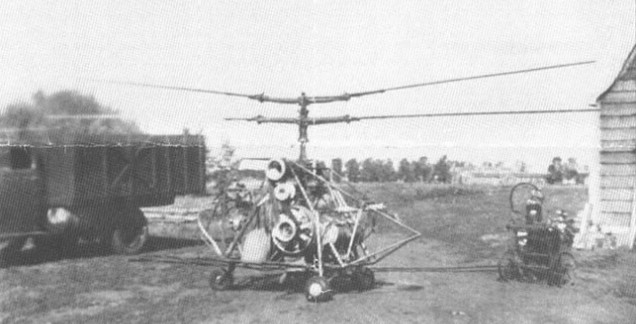
The origins of Rotary Air Force South Africa. date back to 1943 when Bernard J. Haseloh hovered his first experimental helicopter at his shop in Ponoka, Alberta , Canada.

Mr. Haseloh was discouraged from building and testing amateur/experimental built helicopters, by the Government who felt that the technology for the power driven rotor system was too complex for the private individual.

To further complicate matters, at that time the Government had no regulations in place for amateur/experimental built helicopters.

Haseloh did have an experimental helicopter hovering in 1943.

Rotary Air Force / Haseloh

The origins of Rotary Air Force South Africa date back to 1943 when Bernard J. Haseloh hovered his first experimental helicopter at his shop in Ponoka, Alberta, Canada.

Mr. Haseloh was discouraged from building and testing amateur/experimental built helicopters, by the Government who felt that the technology for the power driven rotor system was too complex for the private individual.

To further complicate matters, at that time the Government had no regulations in place for amateur/experimental built helicopters. Therefore, his keen interest in Rotary Winged Aircraft turned toward the development of gyroplanes, the first of which was successfully completed in 1954

Over 30 years, Bernard Haseloh has developed and implemented numerous design and structural innovations for gyroplanes.

Mr. Haseloh has logged more than 2000 hours of flying time on his experimental “HASELOH” designed machines and has spent over 10,000 hours in the development of prototype gyroplanes of “ THE TYPE “ manufactured and sold by Rotary Air Force South Africa.

Bernard Haseloh holds the first Gyro Pilot’s License issued in Canada and is widely recognized as a pioneer in the gyroplane industry. Mr. Haseloh is highly regarded by Federal Aviation Regulators having for many years served as the designated gyroplane instructor for Alberta, Canada.
Bernard Haseloh served as a key technical advisor to the development, testing & design of the
RAF 2000

1987 the Group forms Rotary Air Force Marketing Inc, First aircraft to go into production is the RAF 1000,
recognizing the need for proper flight instruction and to meet the demand for a two place gyroplane the
Rotary Air Force team introduces the Two place Gyroplane in 1989.

Incorporated in 1987, Rotary Air Force employed 16 people in 2001.

1995-7: Box 1236, Kindersley, Saskatchewan S0L 1S0 Canada.

In May 2001, RAF announced that it would be expanding its activities into commercial applications, including agricultural spraying and paramilitary functions.

As of April 2, 2007, Rotary Air Force Marketing Inc. closes doors.

Rost Apparat I

The first aeroplane of bicycle mechanic and dealer Gottlieb Rost and his brother, a conventional tractor monoplane, was tested in February 1910 at Scheinberg in Harburg near Hamburg, Germany. It was followed by refined versions later during the year, but although it was flown several times it was considered underpowered.

Rossitten-As Training Glider

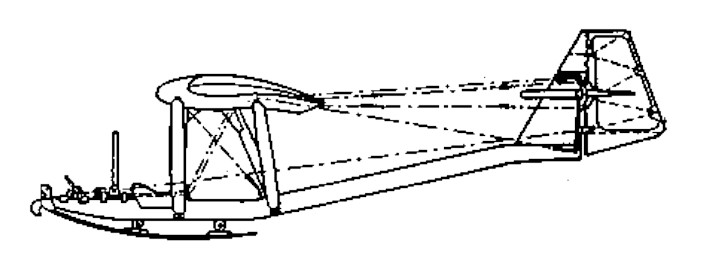
The Rossitten-As of 1931was a simple glider for basic flight instruction, which could be launched by rubber ropes. It is a typical design of a glider of the years between the wars. The gliders were too small to carry two, so the student had to fly solo.

Length : 20.308 ft / 6.19 m
Height : 7.054 ft / 2.15 m
Wingspan : 35.761 ft / 10.00 m
Crew : 1

Rossy, Yves

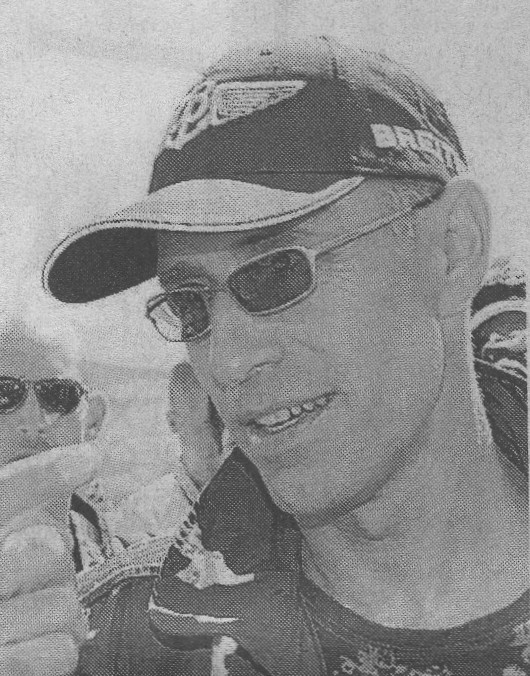
Yves Rossy

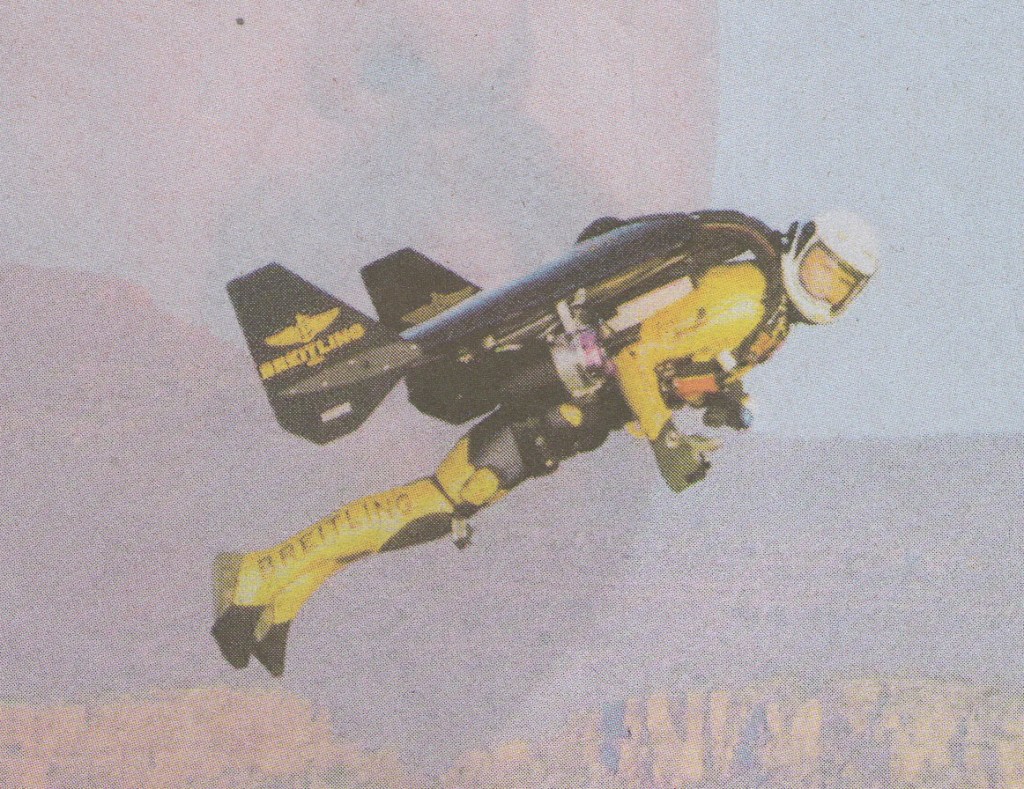
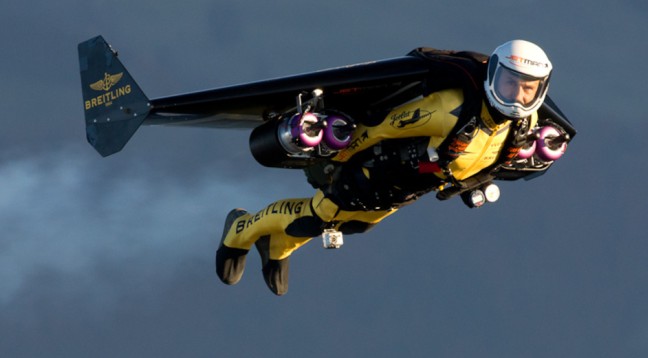
In 1993 Rossy began skysurfing and diving with wingsuits. In 1999 experimented with inflatable wings.
In 2003 Rossy straps jet engines to wings but fails to fly.
In 2006 was the first (unpowered) flight with two engines on fixed wings. In November 2006 was the first successful flight, of 6 minutes with four engines.
In November 2010 Rossy performs aerial loops on a newly developed model.
20 May 2011 – Rossy flew across the Grand Canyon.

Rossi Ghost

Designd by Paolo Rossi, the Rossi Ghost is mated to either Hazzard or La Mouette Ghost wings. Engine options include the Rotax 582 and a four stroke HKS. Single and two seat versions were available.

Empty weight: 128 kg
Wing span: 9.56 m
Wing area: 12.9 sq.m
Fuel capacity: 46 lt
Engine: Rotax 503, 52 hp
MAUW: 350 kg
Seats: 2
Max speed: 135 kph
Cruise speed: 110 kph
Minimum speed: 53 kph
Climb rate: 5 m/s
Fuel consumption: 10 lt/hr
Price (1998): 6 800 000 L