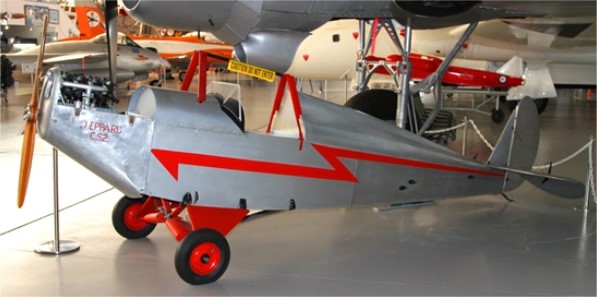
After building the CS1 glider in the early 1930s, Clem Reginald Sheppard of Adelaide, Australia, designed the single seat Sheppard CS2 aircraft in the 1930s. The plans for this aircraft were first drawn in chalk on his parents’ lounge room floor at Kensington Park. The aircraft was later built in the backyard and garage. The fabric to cover the aircraft was sewn by his mother.
By 1938, after Clem had spent all his spare time and money, the aircraft was ready to fly. The CS2 had fold-back wings so it could be towed behind a car to Virginia, where it was flown on a number of occasions by Bill Maddocks. Bill was a Royal Aero Club of SA instructor.
On Clem Sheppard’s death, the aircraft was taken into store by the Royal Aero Club of SA. It went to the South Australia Aviation Museum in November 1987. The wings were to be refitted following restoration.
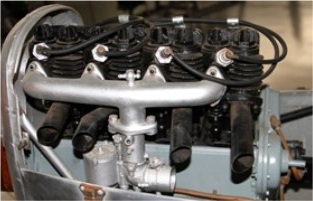
Engine: 4-cylinder Henderson Ace Motorcycle engine rated at 8 hp
Wingspan: 7.62 m
Length: 5 m
Height: 1.68 m
Maximum take-off weight: 174 kg
Capacity: 1 pilot